


1039 Résultats
Classification:
livres
livres
Actions:
Prix:
$59.00
(disponible sur commande)
Résumé:
With nearly three million inhabitants, Cameroon's most populous city, Douala, is a multicultural hub strongly tied to its European colonial past. The arts and culture organization Doual'art has attracted international workers to Douala since 1991, and this small-format book collects their essays and stories, chronicling perspectives on Douala, both real and fictionalized,(...)
Publication:
juin 2008, Rotterdam
juin 2008, Rotterdam
Titre:
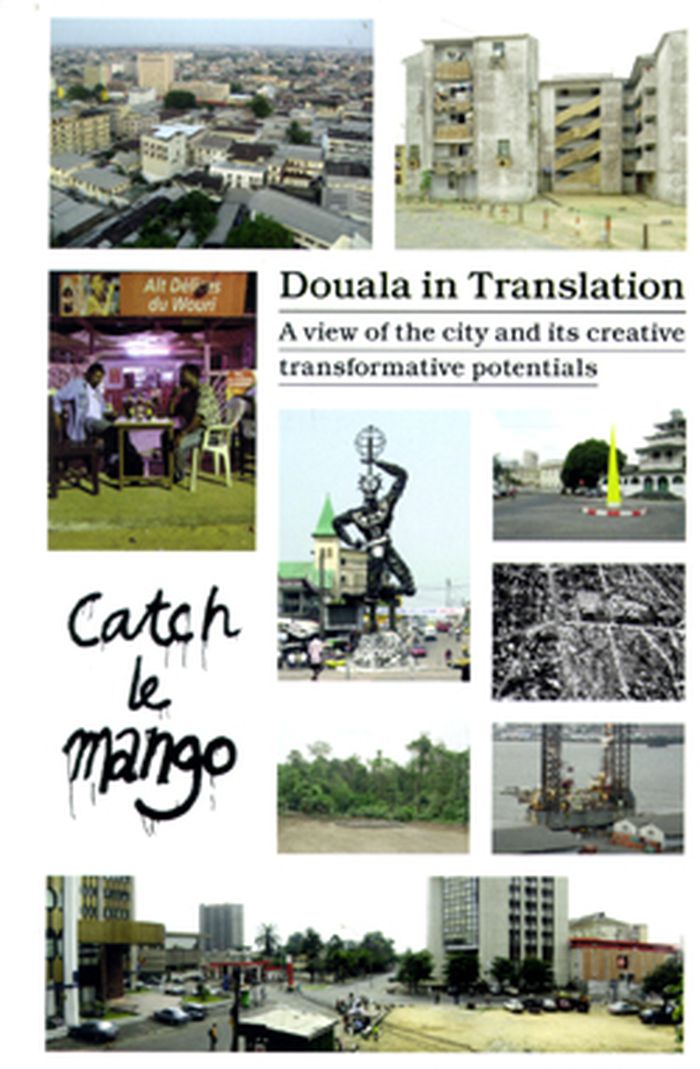
Douala in Translation: a view of the city and its creative transformative potentials
Actions:
Prix:
$59.00
(disponible sur commande)
Résumé:
With nearly three million inhabitants, Cameroon's most populous city, Douala, is a multicultural hub strongly tied to its European colonial past. The arts and culture organization Doual'art has attracted international workers to Douala since 1991, and this small-format book collects their essays and stories, chronicling perspectives on Douala, both real and fictionalized, with 20 entries and hundreds of full-color photos.
Classification:
livres
livres
Publication:
juin 2008, Rotterdam
juin 2008, Rotterdam
Classification:
livres
livres
Prix:
$105.00
(disponible en magasin)
Résumé:
Beginning in the late 1950s and continuing to the 1980s, the independence period in Africa was a time of prolific—and thrilling—architectural production, during which leaders of newly independent nations sought to redefine themselves and their countries in contrast to colonial rule. "Architects of liberation: Modernism in Western Africa" focuses on seven western African(...)
Titre:
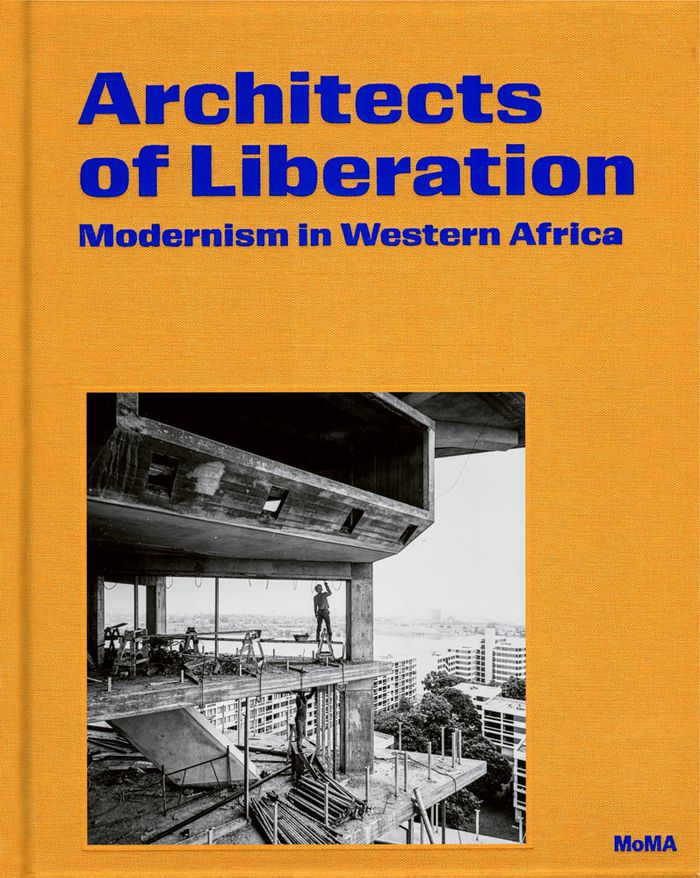
Architects of liberation: Modernism in Western Africa
Actions:
Prix:
$105.00
(disponible en magasin)
Résumé:
Beginning in the late 1950s and continuing to the 1980s, the independence period in Africa was a time of prolific—and thrilling—architectural production, during which leaders of newly independent nations sought to redefine themselves and their countries in contrast to colonial rule. "Architects of liberation: Modernism in Western Africa" focuses on seven western African nations—Benin (Dahomey), Cameroon, Côte d’Ivoire, Ghana, Nigeria, Senegal and Togo—and illuminates the ways in which architects sought to adapt, adopt or reinvent the idiom of modernism for their specific cultural, political and economic purposes. This landmark publication features more than 200 illustrations, including architectural drawings and archival photographs, as well as a newly commissioned photographic portfolio by François-Xavier Gbré highlighting these stunning works of architecture.
Classification:
livres
livres
Publication:
juillet 2026
juillet 2026
Classification:
livres
livres
Prix:
$57.95
(disponible en magasin)
Résumé:
"Repair across Africa" is the first edited collection to focus specifically on repair in African contexts, bringing together a diverse group of scholars and practitioners from anthropology, geography, musicology, architecture, history, and critical urban studies. Moving beyond a narrow understanding of repair as merely fixing broken things, this volume explores it as a(...)
Publication:
septembre 2026
septembre 2026
Titre:
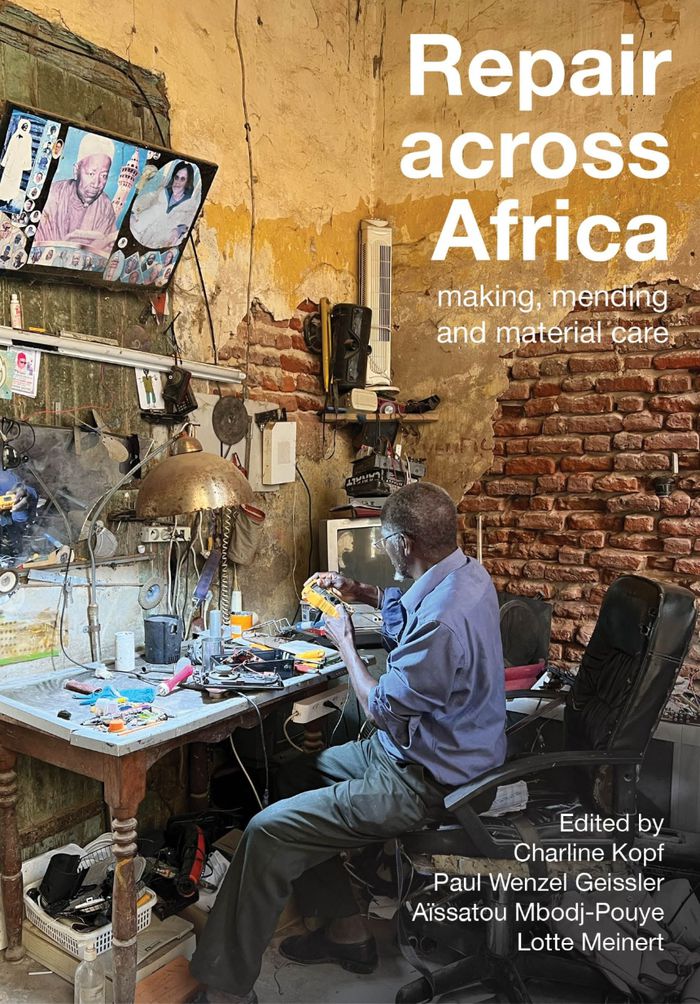
Repair across Africa: Mending, making, and material care
Actions:
Prix:
$57.95
(disponible en magasin)
Résumé:
"Repair across Africa" is the first edited collection to focus specifically on repair in African contexts, bringing together a diverse group of scholars and practitioners from anthropology, geography, musicology, architecture, history, and critical urban studies. Moving beyond a narrow understanding of repair as merely fixing broken things, this volume explores it as a relational practice that bridges past and present, and connects the material with the social, economic, and spiritual. The essays investigate the role of repair in mitigating the wear and tear of time, addressing environmental disasters, engaging with colonial and postcolonial histories and their impact on urban transformation, and highlighting the artisanal skill and ingenuity behind these practices. The contributors illuminate how repair becomes a vital practice of resistance, care, and adaptation in a rapidly changing world, while also acknowledging the material and economic pressures that often make it necessary and sometimes hazardous.
Classification:
livres
livres
Publication:
septembre 2026
septembre 2026
Classification:
livres
livres
Prix:
$69.95
(disponible sur commande)
Résumé:
Celebrated by colonial writers, filmed by Hollywood, magnet for Europeans and Moroccans, Casablanca is above all an exceptional collection of urban spaces, houses, and gardens. While it is true that Casablanca developed as a port city well before the introduction of the French in 1907, it unquestionably ranks among the most significant urban creations of the twentieth(...)
Publication:
août 2001, New York
août 2001, New York
Titre:
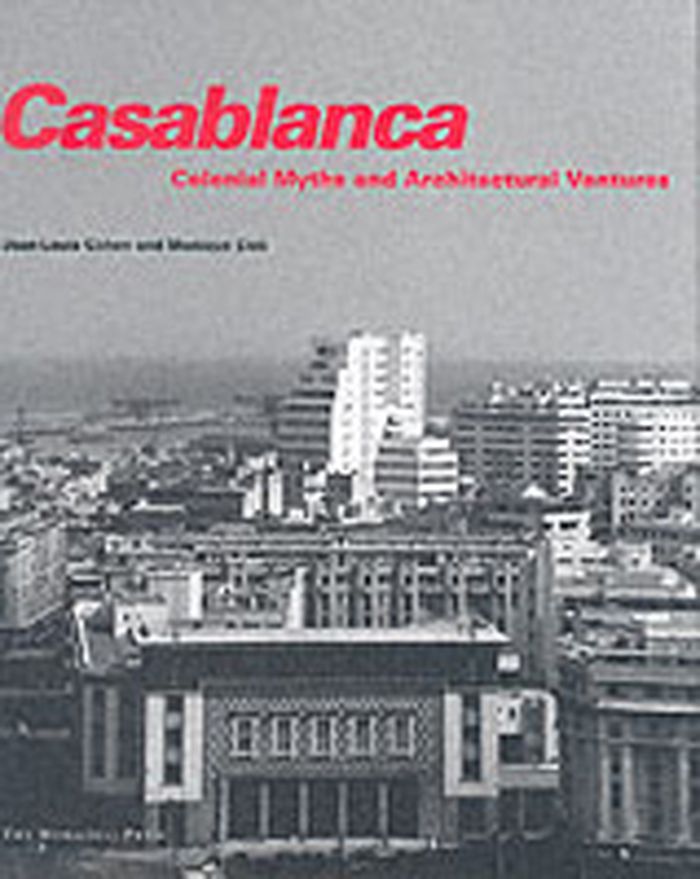
Casablanca : colonial myths and architectural ventures
Actions:
Prix:
$69.95
(disponible sur commande)
Résumé:
Celebrated by colonial writers, filmed by Hollywood, magnet for Europeans and Moroccans, Casablanca is above all an exceptional collection of urban spaces, houses, and gardens. While it is true that Casablanca developed as a port city well before the introduction of the French in 1907, it unquestionably ranks among the most significant urban creations of the twentieth century, attracting remarkable teams of architects and planners. Their commissions came from clients who were interested in innovation and modernization, thereby fostering the emergence of Casablanca as a laboratory for legislative, technological, and visual experimentation. Having studied the city for ten years, Jean-Louis Cohen and Monique Eleb trace, from the late nineteenth century to the early 1960s, the rebirth of a once-forgotten port and its metamorphosis into a teeming metropolis that is an amalgam of Mediterranean culture from Tunisia, Algeria, Spain, and Italy. The extensive presentation of the significant buildings of this hybrid city -- where, alongside the French, Muslim and Jewish Moroccan patrons commissioned provocative buildings -- is drawn from French and Moroccan archives, including hundreds of previously unpublished photographs.
Classification:
livres
livres
Publication:
août 2001, New York
août 2001, New York
Classification:
livres
livres

Actions:
Prix:
$65.00
(disponible sur commande)
Résumé:
Africa’s population and economic growth make it the world’s fastest urbanizing continent. While some might still associate Africa with rural development, the future of Africa is, in fact, very urban. This urbanization is a huge challenge in areas with fragile institutional frameworks and chronic poverty. Many migrants moving to the city end up in self-organized(...)
Titre:
To build a city in Africa: a history and a manual
Actions:
Prix:
$65.00
(disponible sur commande)
Résumé:
Africa’s population and economic growth make it the world’s fastest urbanizing continent. While some might still associate Africa with rural development, the future of Africa is, in fact, very urban. This urbanization is a huge challenge in areas with fragile institutional frameworks and chronic poverty. Many migrants moving to the city end up in self-organized settlements without basic services. ''Urban Africa'' brings together authors from various academic, political, and design backgrounds: as well as case studies on new towns in Ghana, Egypt, South Africa, Angola, Morocco, Kenya etc. In this way, the book provides a critical narrative about contemporary ''Urban Africa'' and the western world’s role – if any – in the radical transformations happening today.
Classification:
livres
livres
Publication:
avril 2019
avril 2019
Classification:
livres
livres
Actions:
Prix:
$71.95
(disponible sur commande)
Résumé:
This publication looks at Fez, Morocco's famous former capital and today its second-largest city. Based on a recent research program conducted by EPFL's Laboratory Basel (laba), it investigates how these clashes have marked the city's socioeconomic structure and urban fabric, and whether or not it offers alternative and relevant means of human association and(...)
Publication:
juin 2020
juin 2020
Titre:
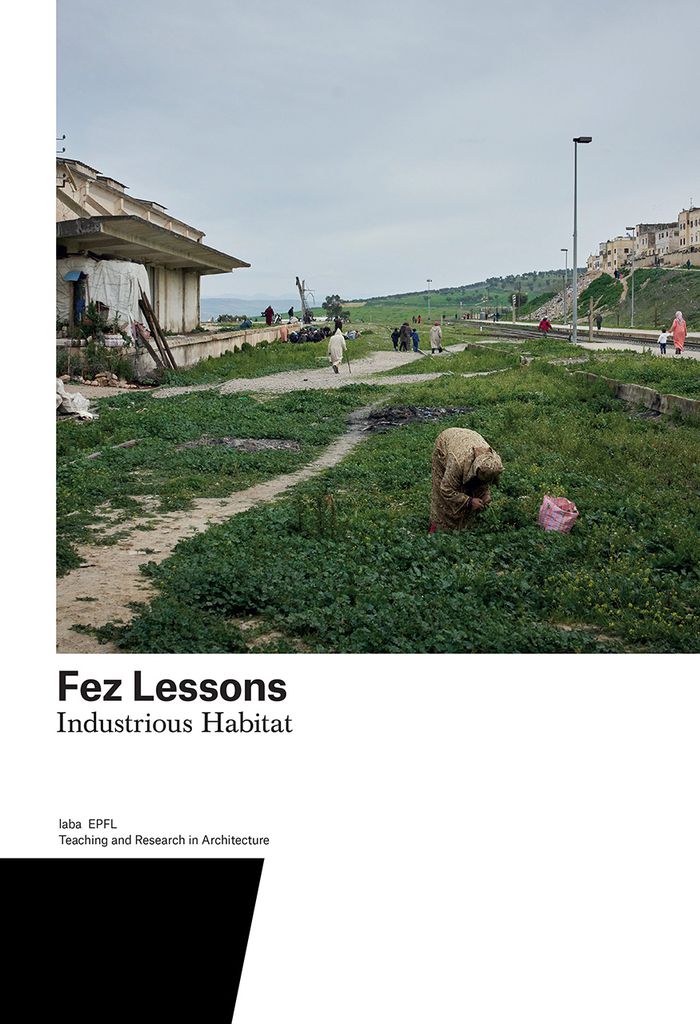
Fez Lessons: industrious habitat
Actions:
Prix:
$71.95
(disponible sur commande)
Résumé:
This publication looks at Fez, Morocco's famous former capital and today its second-largest city. Based on a recent research program conducted by EPFL's Laboratory Basel (laba), it investigates how these clashes have marked the city's socioeconomic structure and urban fabric, and whether or not it offers alternative and relevant means of human association and community. Given the growing stream of large-scale international investment, the constant enticement of tourism, and a worldwide revival of nationalism, Laba's student's and researchers were looking for tiny cues, nagging doubts, and signs of the fusion between form and life, raising questions about identity, authenticity, tradition, the globalisation of culture, and the use of local resources. Their findings are visualised in the book in striking images, graphics and maps. Students' proposals for architectural interventions addressing these issues are presented through images and plans.
Classification:
livres
livres
Publication:
juin 2020
juin 2020
Classification:
livres
livres
Prix:
$37.95
(disponible sur commande)
Résumé:
L’Afrique connaît aujourd’hui une croissance urbaine rapide qui se traduit par une multiplication des constructions en béton. Le ciment, composant essentiel de ce matériau, est devenu le symbole de cette urbanisation frénétique qui bouleverse le paysage des villes africaines. Plus qu’une simple matière inerte, il se charge d’affect et de valeurs et redéfinit les pratiques(...)
Titre:
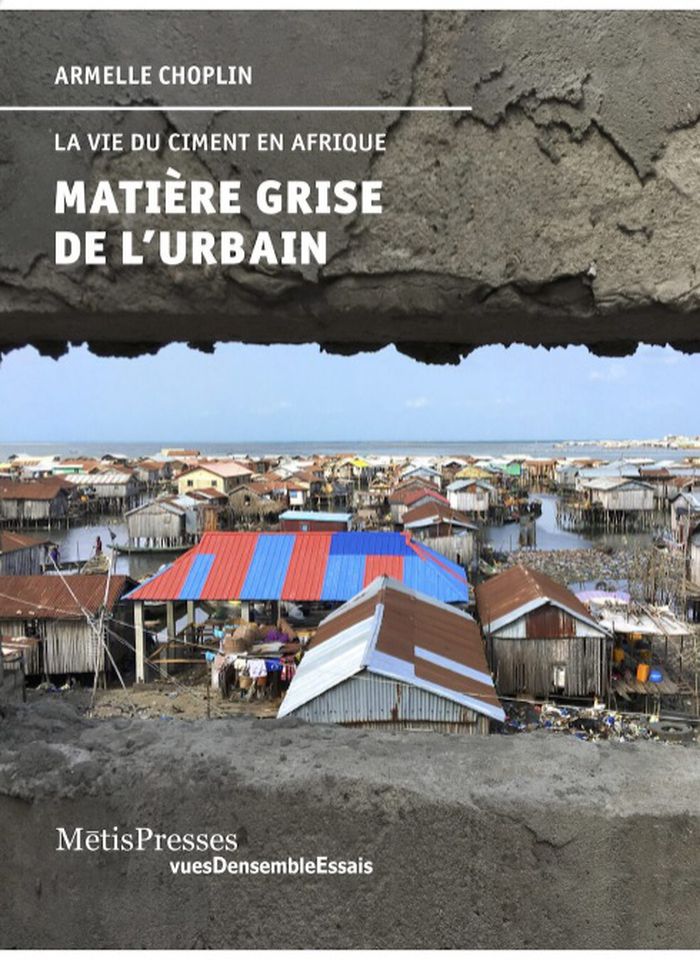
Matière grise de l'urbain : la vie du ciment en Africa
Actions:
Prix:
$37.95
(disponible sur commande)
Résumé:
L’Afrique connaît aujourd’hui une croissance urbaine rapide qui se traduit par une multiplication des constructions en béton. Le ciment, composant essentiel de ce matériau, est devenu le symbole de cette urbanisation frénétique qui bouleverse le paysage des villes africaines. Plus qu’une simple matière inerte, il se charge d’affect et de valeurs et redéfinit les pratiques et les imaginaires de sociétés en quête d’émergence économique et de réussite sociale, alors même qu’à l’heure du dérèglement climatique des voix s’élèvent pour dénoncer une industrie cimentière aux effets destructeurs sur l’environnement. Pour comprendre la production et la consommation grandissante de cette poudre banale devenue « or gris », Armelle Choplin nous invite à suivre les sacs de ciment sur les routes ouest-africaine, le long du corridor urbain de 500 km qui relie Accra, Lomé, Cotonou et Lagos. Depuis la carrière de calcaire jusqu’à la parcelle en chantier, l’auteure nous amène à la rencontre des géants du secteur, des investisseurs, des acteurs politiques mais aussi des maçons et des habitants qui construisent leur propre maison « en dur ». À travers l’exploration d’une filière au coeur de multiples enjeux politiques, sociaux et économiques, cet ouvrage nous appelle à repenser les rapports étroits qui lient l’urbain, l’humain et le monde.
Classification:
livres
livres
Publication:
janvier 2021
janvier 2021
Classification:
livres
livres
Actions:
Prix:
$54.95
(disponible sur commande)
Résumé:
C'est à la découverte de près de deux siècles d'architectures que nous convient les auteurs de cette publication. Deuxième plus grande ville d'Algérie, Oran possède un patrimoine architectural exceptionnel, témoignage des différentes strates d'occupation qu'elle a connues. L'ouvrage permet de découvrir un large éventail de programmes architecturaux : constructions(...)
Publication:
décembre 2021
décembre 2021
Titre:
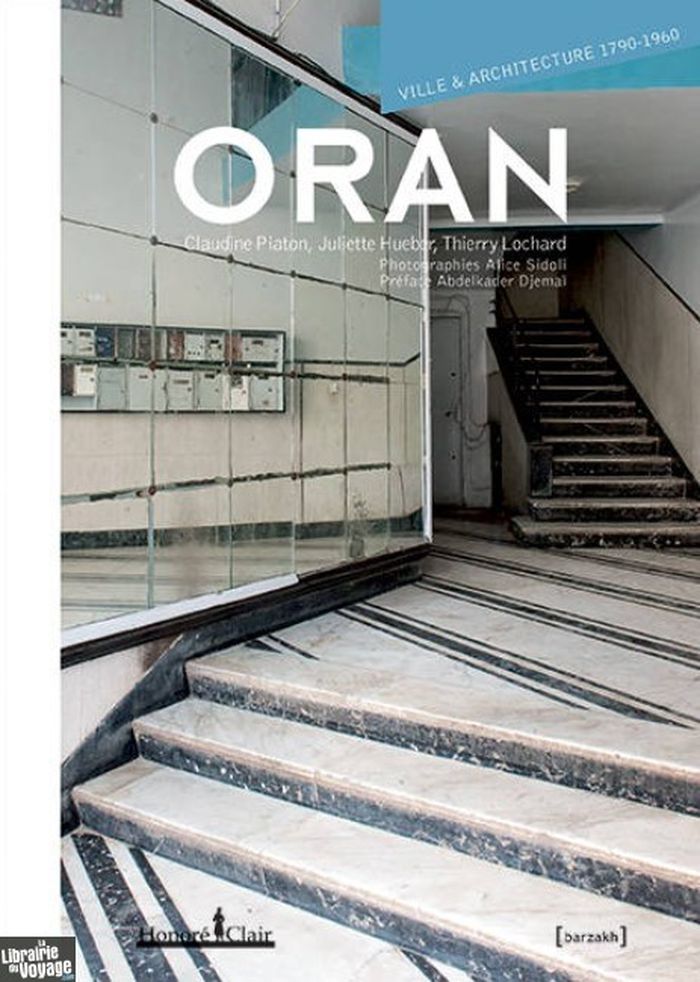
Oran : ville & architecture 1790-1960
Actions:
Prix:
$54.95
(disponible sur commande)
Résumé:
C'est à la découverte de près de deux siècles d'architectures que nous convient les auteurs de cette publication. Deuxième plus grande ville d'Algérie, Oran possède un patrimoine architectural exceptionnel, témoignage des différentes strates d'occupation qu'elle a connues. L'ouvrage permet de découvrir un large éventail de programmes architecturaux : constructions militaires espagnoles, monuments ottomans, immeubles de style Art déco, logements et équipements modernistes des années 1950-1960. La publication se présente sous la forme de six promenades regroupant de courtes monographies de près de 250 édifices, bâtiments publics et immeubles privés. Elle contient également les notices biographiques de plus d'une centaine d'architectes actifs durant la période. Résultat d'un inventaire de terrain minutieux croisé avec des recherches dans les archives algériennes, espagnoles et françaises, l'ouvrage est à la fois une publication scientifique de référence et un guide d'architecture. Il s'adresse autant aux spécialistes, architectes et historiens, qu'à un public d'amateurs des deux rives de la Méditerranée.
Classification:
livres
livres
Publication:
décembre 2021
décembre 2021
Classification:
livres
livres
Actions:
Prix:
$36.95
(disponible sur commande)
Résumé:
In this volume, Ayala Levin charts the settler colonial imagination and practices that undergirded Israeli architectural development aid in Africa. Focusing on the ''golden age'' of Israel’s diplomatic relations in and throughout the continent from 1958 to 1973, Levin finds that Israel positioned itself as a developing-nation alternative in the competition over aid and(...)
Titre:
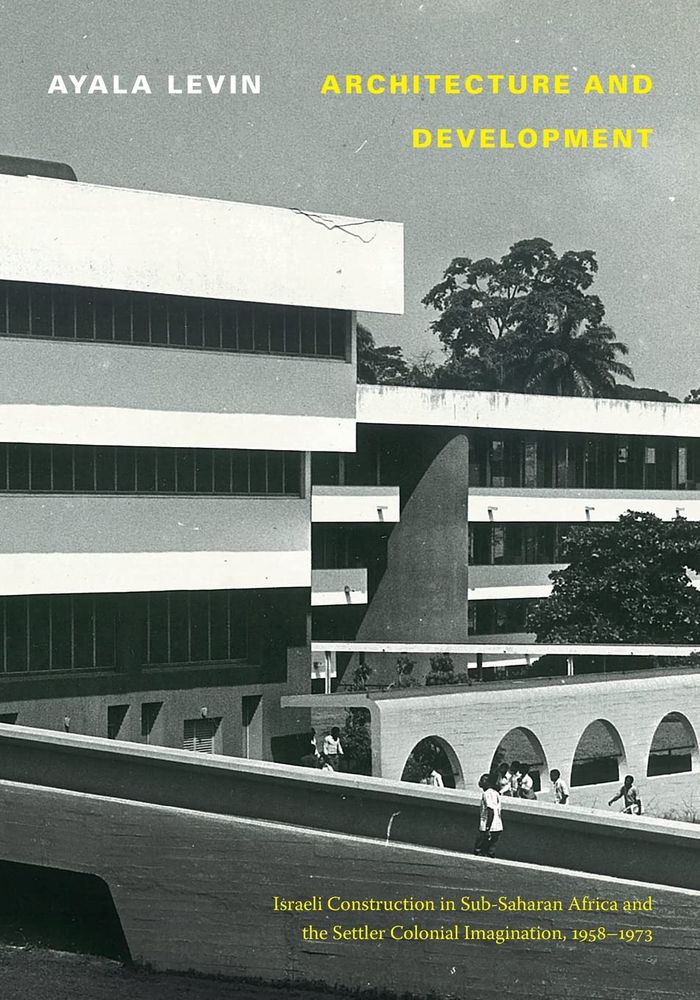
Architecture and development: Israeli construction in sub-saharan Africa 1958-1973
Actions:
Prix:
$36.95
(disponible sur commande)
Résumé:
In this volume, Ayala Levin charts the settler colonial imagination and practices that undergirded Israeli architectural development aid in Africa. Focusing on the ''golden age'' of Israel’s diplomatic relations in and throughout the continent from 1958 to 1973, Levin finds that Israel positioned itself as a developing-nation alternative in the competition over aid and influence between global North and global South. In analyses of the design and construction of prestigious governmental projects in Nigeria, Sierra Leone, and Ethiopia, Levin details how architects, planners, and a trade union--owned construction company staged Israel as a new center of nonaligned expertise. These actors and professionals paradoxically capitalized on their settler colonial experience in Palestine, refashioning it as an alternative to Western colonial expertise. Levin traces how Israel became involved in the modernization of governance, education, and agriculture in Africa, as well as how African leaders chose to work with Israel to forge new South-South connections. In so doing, she offers new ways of understanding the role of architecture as a vehicle of postcolonial development and in the mobilization of development resources.
Classification:
livres
livres
Publication:
mars 2022
mars 2022
Classification:
livres
livres
Actions:
Prix:
$73.50
(disponible en magasin)
Résumé:
On February 29, 1960, a catastrophic earthquake devastated the Moroccan coastal city of Agadir, erasing it almost entirely and killing a third of its population. The world was shocked, and very quickly large amounts of international aid arrived. Following an emotional speech by King Mohammed V, the reconstruction of Agadir also turned into an undertaking of national and(...)
Publication:
octobre 2022
octobre 2022
Titre:
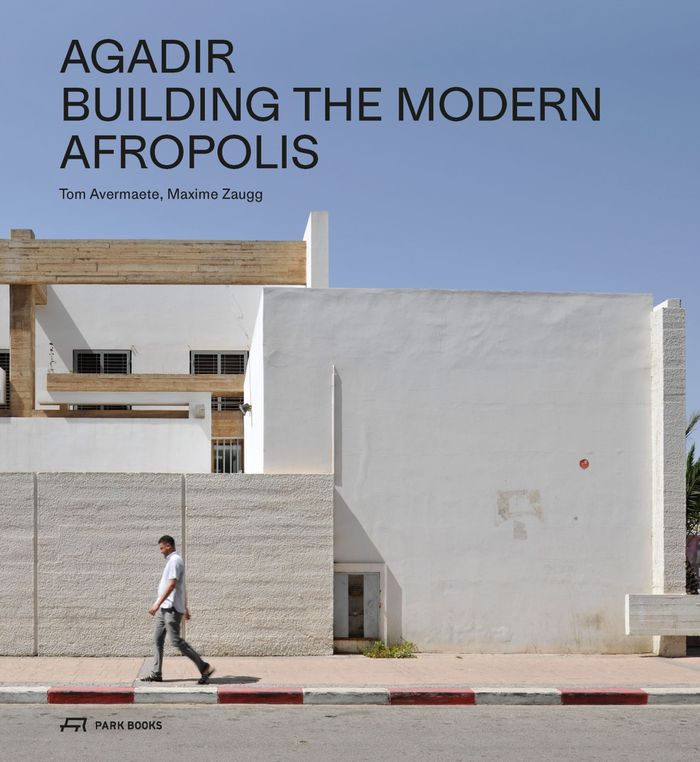
Agadir: Building the modern Afropolis
Actions:
Prix:
$73.50
(disponible en magasin)
Résumé:
On February 29, 1960, a catastrophic earthquake devastated the Moroccan coastal city of Agadir, erasing it almost entirely and killing a third of its population. The world was shocked, and very quickly large amounts of international aid arrived. Following an emotional speech by King Mohammed V, the reconstruction of Agadir also turned into an undertaking of national and international solidarity. A new and unprecedented process of urban construction was developed that allowed many architects—national and international—to simultaneously design the new city. The result of this joint effort was astounding. In a very short time, the new Agadir rose from the ashes. The best Moroccan and international architects experimented with novel housing typologies, which mediated between ultramodern and vernacular ways of dwelling, complemented by innovative public structures, such as schools, dispensaries, and cinemas. All of these combined into an original urban reality: a modern Afropolis.
Classification:
livres
livres
Publication:
octobre 2022
octobre 2022


