


8452 Résultats
Classification:
livres
livres
Actions:
Prix:
$97.90
(disponible en magasin)
Résumé:
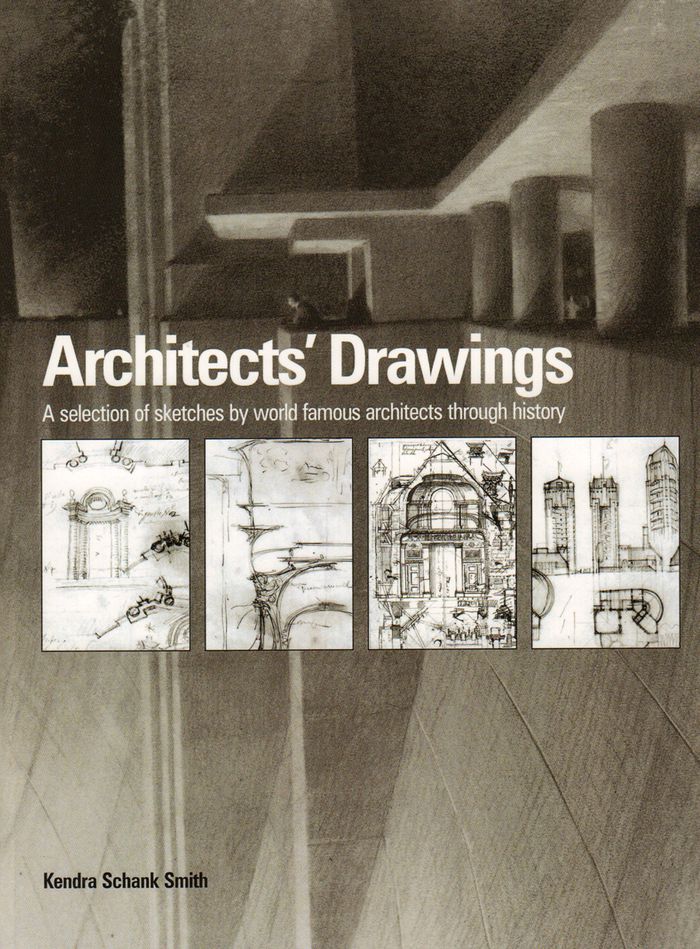
The sketch is a window into the architects mind. As creative designers, architects are interested in how other architects, particularly successful ones, think through the use of drawings to approach their work. Historically designers have sought inspiration for their own work through an insight into the minds and workings of people they often regard as geniuses. This(...)
Titre:
Architects' drawings: a selection of sketches by world famous archittects through history
Actions:
Prix:
$97.90
(disponible en magasin)
Résumé:
The sketch is a window into the architects mind. As creative designers, architects are interested in how other architects, particularly successful ones, think through the use of drawings to approach their work. Historically designers have sought inspiration for their own work through an insight into the minds and workings of people they often regard as geniuses. This collection of sketches aims to provide this insight. Here for the first time, a wide range of world famous architects' sketches from the Renaissance to the present day can be seen in a single volume. The sketches have been selected to represent the concepts or philosophies of the key movements in architecture in order to develop an overall picture of the role of the sketch in the development of architecture. The book illustrates the work of designers as diverse as Andrea Palladio, Erich Mendelsohn, Sir Edwin Lutyens, Gianlorenzo Bernini, Le Corbusier, Michelangelo, Alvar Aalto, Sir John Soane, Francesco Borromini, Walter Gropius, and contemporary architects Tadao Ando, Zaha Hadid and Frank Gehry to name but a few. Each chronologically placed sketch is accompanied by text providing details about the architect’s life, a look at the sketch in context, and the connection to specific buildings where appropriate. Style, media and meaning are also discussed, developing an explanation of the architect’s thinking and intentions.
Classification:
livres
livres
Publication:
février 2016
février 2016
Sujet:
Dessin d’architecture
Dessin d’architecture
Classification:
livres
livres
Titre:
Architecture without walls
Architecture without walls
Actions:
Prix:
$23.00
(disponible sur commande)
Résumé:
The texts included in this book present five architectural designs realized by Vera Buhß, Giacomo Gianetta, Konstantin Schimanowski, Katharina Schmidt, and Sum-Sum Shen. Instead of being generated and displayed in graphic media and approaching the object of design visually, these architectural environments have been conceived through auditory and literary practices. The(...)
Titre:
Architecture without walls
Actions:
Prix:
$23.00
(disponible sur commande)
Résumé:
The texts included in this book present five architectural designs realized by Vera Buhß, Giacomo Gianetta, Konstantin Schimanowski, Katharina Schmidt, and Sum-Sum Shen. Instead of being generated and displayed in graphic media and approaching the object of design visually, these architectural environments have been conceived through auditory and literary practices. The designs presented in this book provide accessibility to new architectural entities not by showing their constructive conditions of emergence, but instead by describing the emergent qualities that configure them as environments. Alex Arteaga’s research integrates aesthetic and philosophical practices relating to the emergence of sense and knowledge, architectural and art practices through phenomenological and enactivist approaches. He studied piano, music theory, composition, electroacoustic music, and architecture in Berlin and Barcelona, and received a PhD in philosophy from the Humboldt University. He heads the Auditory Architecture Research at the Berlin University of the Arts. Boris Hassenstein runs his architectural studio based in Berlin. A strong focus of his work is set on the aspects of construction as a process and collaboration in the genesis of architecture. He studied architecture in Berlin. Currently he teaches at the MA Sound Studies and Sonic Arts at the Berlin University of the Arts and is a member of the Auditory Architecture Research Unit at the Berlin University of the Arts.
Classification:
livres
livres
Publication:
octobre 2016
octobre 2016
Sujet:
Muséologie
Muséologie
Classification:
livres
livres
Actions:
Prix:
$52.00
(disponible sur commande)
Résumé:
Getting the picture, constructing (and deconstructing) the picture, finding the picture, viewing the picture, being in the picture , changing the pictures --these are all phrases that apply to the fascinating world of 'putting people in the picture' in visual research within the Social Sciences. Putting People in the Picture: Visual Methodologies for Social Change focuses(...)
Sujet:
Théorie de la photographie
Théorie de la photographie
Publication:
mai 2008, Rotterdam
mai 2008, Rotterdam
Titre:
Putting people in the picture: visual methodologies for social change
Actions:
Prix:
$52.00
(disponible sur commande)
Résumé:
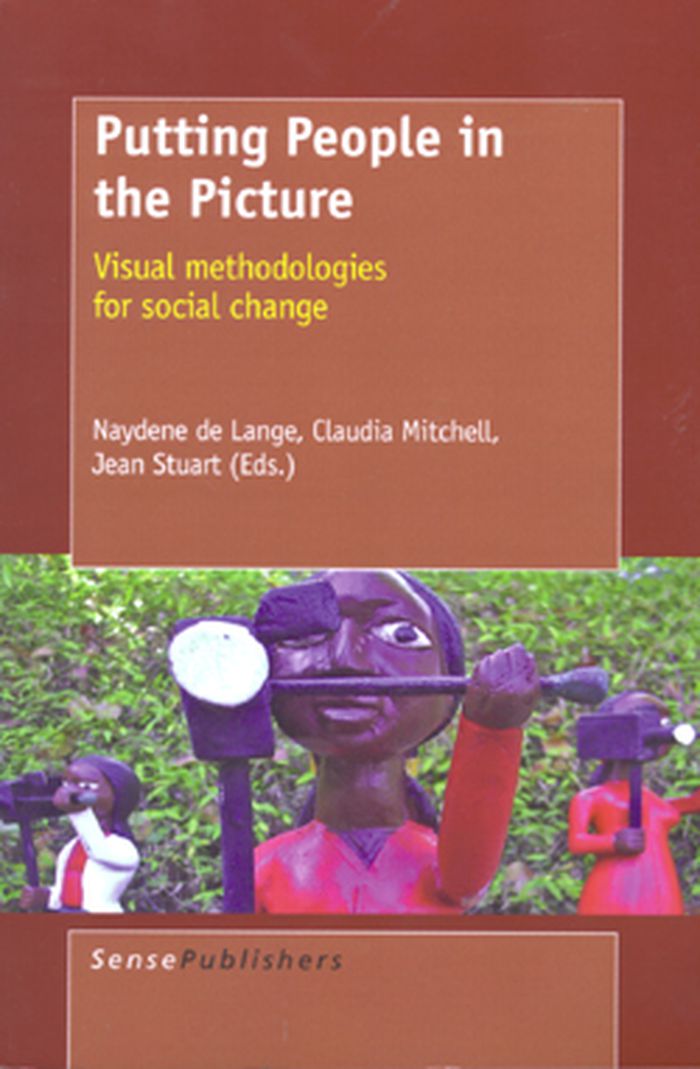
Getting the picture, constructing (and deconstructing) the picture, finding the picture, viewing the picture, being in the picture , changing the pictures --these are all phrases that apply to the fascinating world of 'putting people in the picture' in visual research within the Social Sciences. Putting People in the Picture: Visual Methodologies for Social Change focuses on the ways in which researchers, practitioners and activists are using such techniques as photo voice, collaborative video, drawings and other visual and arts-based tools as modes of inquiry, as modes of representation and as modes of disseminating findings in social research. The various chapters address methodological, analytical, interpretive, aesthetic, technical and ethical concerns in using visual methodologies in work with young people, teachers, community health care workers -- and even the self-as-researcher. The range of issues addressed in the work is broad, and includes work in the areas of HIV & AIDS, schooling, poverty, gender violence, race, and children's visions for the future. While the studies are situated within a variety of social contexts, the focus is primarily on work in Southern Africa. The book takes up some of the theoretical and practical challenges offered by Visual Sociology, Image- based Research, Media Studies, Rural Development, and Community-based and Participatory Research, and in so doing offers audiences an array of visual approaches to studying and bringing about social change.
Classification:
livres
livres
Publication:
mai 2008, Rotterdam
mai 2008, Rotterdam
Sujet:
Théorie de la photographie
Théorie de la photographie
Classification:
livres
livres
Actions:
Prix:
$74.00
(disponible sur commande)
Résumé:
Once the world’s tallest skyscraper, the Woolworth Building is noted for its striking but incongruous synthesis of Beaux-Arts architecture, fanciful Gothic ornamentation, and audacious steel-framed engineering. Here, in the first history of this great urban landmark, Gail Fenske argues that its design serves as a compelling lens through which to view the distinctive urban(...)
Titre:
The skyscraper and the city: the woolworth building and the making of modern New York
Actions:
Prix:
$74.00
(disponible sur commande)
Résumé:
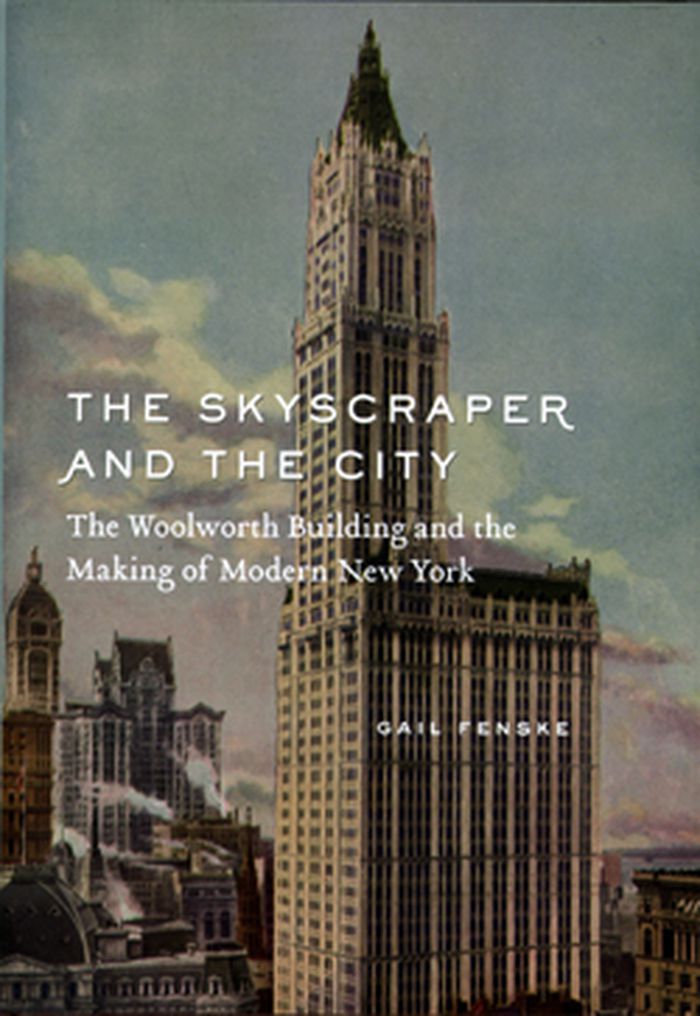
Once the world’s tallest skyscraper, the Woolworth Building is noted for its striking but incongruous synthesis of Beaux-Arts architecture, fanciful Gothic ornamentation, and audacious steel-framed engineering. Here, in the first history of this great urban landmark, Gail Fenske argues that its design serves as a compelling lens through which to view the distinctive urban culture of Progressive-era New York. Fenske shows here that the building’s multiplicity of meanings reflected the cultural contradictions that defined New York City’s modernity. For Frank Woolworth—founder of the famous five-and-dime store chain—the building served as a towering trademark, for advocates of the City Beautiful movement it suggested a majestic hotel de ville, for technological enthusiasts it represented the boldest of experiments in vertical construction, and for tenants it provided an evocative setting for high-style consumption. Tourists, meanwhile, experienced a spectacular sightseeing destination and avant-garde artists discovered a twentieth-century future. In emphasizing this faceted significance, Fenske illuminates the process of conceiving, financing, and constructing skyscrapers as well as the mass phenomena of consumerism, marketing, news media, and urban spectatorship that surround them. As the representative example of the skyscraper as a “cathedral of commerce,” the Woolworth Building remains a commanding presence in the skyline of lower Manhattan, and the generously illustrated Skyscraper and the City is a worthy testament to its importance in American culture.
Classification:
livres
livres
Publication:
mai 2008, Chicago, London
mai 2008, Chicago, London
Sujet:
Gratte-ciels
Gratte-ciels
Classification:
livres
livres
Actions:
Prix:
$67.00
(disponible sur commande)
Résumé:
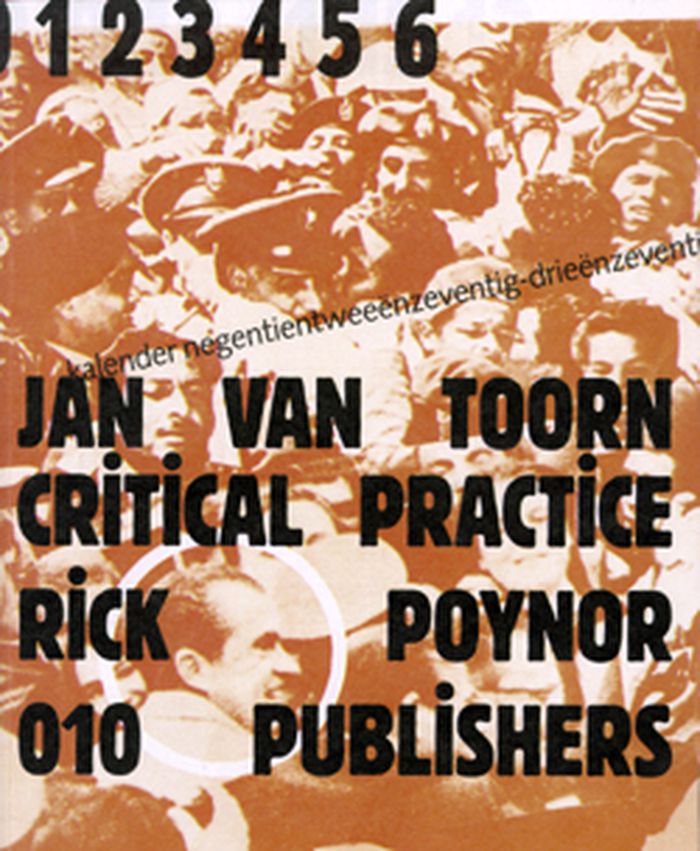
Jan van Toorn is one of the most significant and influential Dutch graphic designers to have emerged since the early 1960s. While graphic design often does little more than give unthinking visual form to the status quo, Van Toorn focused on meaning rather than smooth stylistic expression and developed critical alternatives to the usual design world conventions. Van(...)
Titre:
Jan Van Toorn critical practice
Actions:
Prix:
$67.00
(disponible sur commande)
Résumé:
Jan van Toorn is one of the most significant and influential Dutch graphic designers to have emerged since the early 1960s. While graphic design often does little more than give unthinking visual form to the status quo, Van Toorn focused on meaning rather than smooth stylistic expression and developed critical alternatives to the usual design world conventions. Van Toorn aligned himself with the reflexive tradition of art and communication exemplified by Brecht and Godard. His designs persistently call attention to their status as visual contrivances, obliging the viewer to make an effort to process their complexities. Van Toorn wanted the public to measure the motives of both the client and the designer who mediates the client’s message against their own experiences of the world. He hoped in this way to stimulate a more active and sceptical view of art, communication, media ownership and society. Projects such as Van Toorn’s posters and catalogues for the Van Abbemuseum in Eindhoven and his long-running series of calendars for the printing firm Mart.Spruijt are powerful demonstrations of graphic design used as a means of commentary and as a tool of critique. Later, as director of the Jan van Eyck Academy, Van Toorn drew together all the strands of his critical practice into a multi-levelled educational initiative that urged designers to think harder about design’s role in shaping contemporary reality.
Classification:
livres
livres
Publication:
janvier 1900, Rotterdam
janvier 1900, Rotterdam
Classification:
livres
livres
Actions:
Prix:
$12.50
(disponible sur commande)
Résumé:
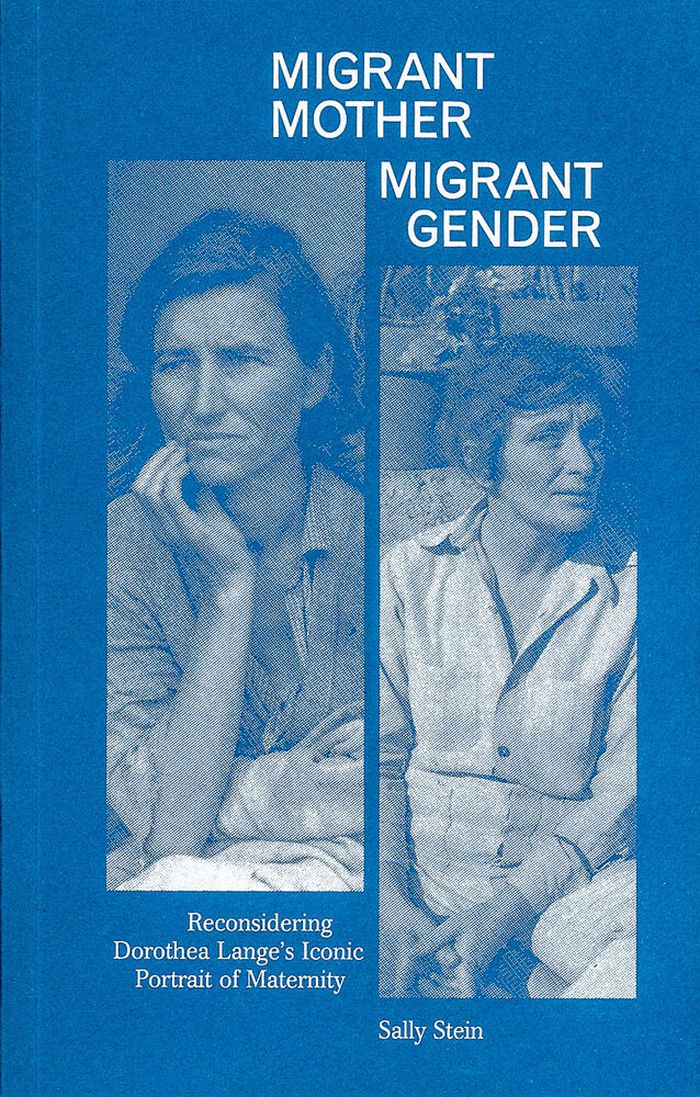
Sally Stein reconsiders Dorothea Lange’s iconic portrait of maternity and modern emblem of family values in light of Lange’s long-overlooked ‘Padonna’ pictures and proposes that ‘Migrant Mother’ should in fact be seen as a disruptive image of women’s conflictual relation to home, and the world. Stein is an American academic and cultural theorist living in Los Angeles. The(...)
Titre:
Dorothea Lange: Migrant mother, Migrant gender
Actions:
Prix:
$12.50
(disponible sur commande)
Résumé:
Sally Stein reconsiders Dorothea Lange’s iconic portrait of maternity and modern emblem of family values in light of Lange’s long-overlooked ‘Padonna’ pictures and proposes that ‘Migrant Mother’ should in fact be seen as a disruptive image of women’s conflictual relation to home, and the world. Stein is an American academic and cultural theorist living in Los Angeles. The interrelated topics she most often engages concern the multiple effects of documentary imagery, the politics of gender, and the status and meaning of black and white and color imagery on our perceptions, beliefs, even actions as consumers and citizens. Dr. Stein, Professor Emerita, UC Irvine, is an independent scholar based in Los Angeles who continues to research and write about 20thcentury photography in the U.S. and its relation to broader questions of culture and society. She has written about New Deal FSA photographers—particularly Dorothea Lange, Marion Post Wolcott, Jack Delano—as well as the contested image of FDR. Her numerous essays about popular mass media – Ladies Home Journal, Life and Look – extend her ongoing study of the various aspects of the rise of color photography. The interrelated topics she most often engages concern the multiple effects of documentary imagery, the politics of gender, and the status and meaning of black and white and color imagery on our perceptions, beliefs, even actions as consumers and citizens.
Classification:
livres
livres
Publication:
février 2020
février 2020
Sujet:
Théorie de la photographie
Théorie de la photographie
Classification:
livres
livres

Titre:
The ethics of earth art
The ethics of earth art
Actions:
Prix:
$27.95
(disponible sur commande)
Résumé:
Since its inception in the 1960s, the earth art movement has sought to make visible the elusive presence of nature. Though most often associated with monumental land-based sculptures, earth art encompasses a wide range of media, from sculpture, body art performances, and installations to photographic interventions, public protest art, and community projects. In this(...)
Titre:
The ethics of earth art
Actions:
Prix:
$27.95
(disponible sur commande)
Résumé:
Since its inception in the 1960s, the earth art movement has sought to make visible the elusive presence of nature. Though most often associated with monumental land-based sculptures, earth art encompasses a wide range of media, from sculpture, body art performances, and installations to photographic interventions, public protest art, and community projects. In this book, Amanda Boetzkes analyzes the development of the earth art movement, arguing that such diverse artists as Robert Smithson, Ana Mendieta, James Turrell, Jackie Brookner, Olafur Eliasson, Basia Irland, and Ichi Ikeda are connected through their elucidation of the earth as a domain of ethical concern. Boetzkes contends that in basing their works’ relationship to the natural world on receptivity rather than representation, earth artists take an ethical stance that counters both the instrumental view that seeks to master nature and the Romantic view that posits a return to a mythical state of unencumbered continuity with nature. By incorporating receptive surfaces into their work—film footage of glaring sunlight, an aperture in a chamber that opens to the sky, or a porous armature on which vegetation grows—earth artists articulate the dilemma of representation that nature presents. Revealing the fundamental difference between the human world and the earth, Boetzkes shows that earth art mediates the sensations of nature while allowing nature itself to remain irreducible to human signification.
Classification:
livres
livres
Publication:
juillet 2010
juillet 2010
Sujet:
Land Art
Land Art
Classification:
livres
livres
Prix:
$29.95
(disponible sur commande)
Résumé:
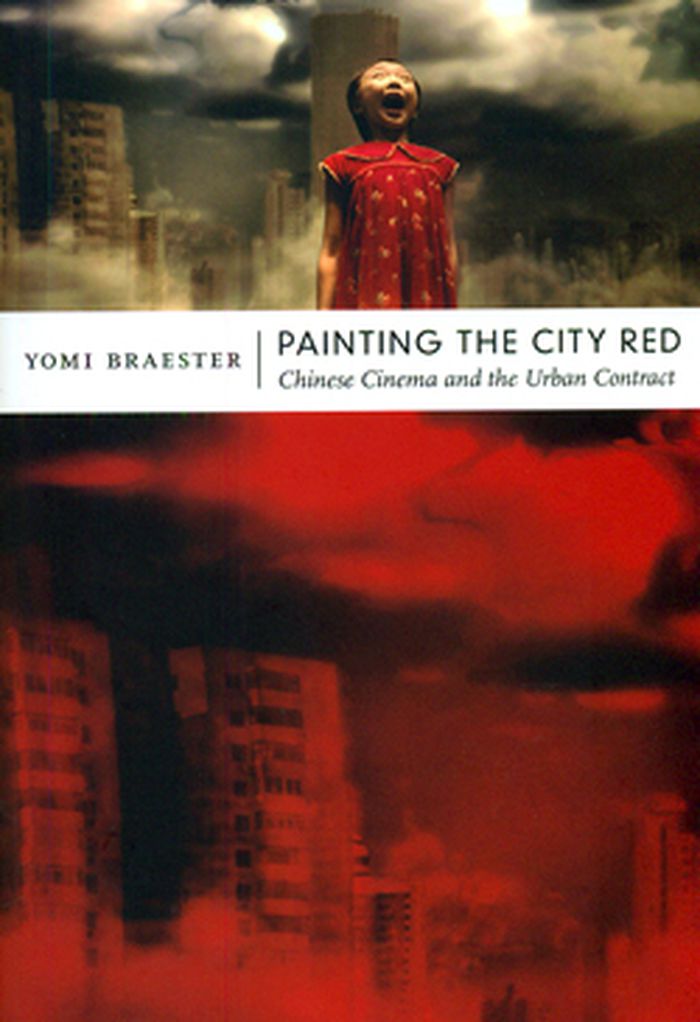
This publication illuminates the dynamic relationship between the visual media, particularly film and theater, and the planning and development of cities in China and Taiwan, from the emergence of the People’s Republic in 1949 to the staging of the Beijing Olympics in 2008. Yomi Braester argues that the transformation of Chinese cities in recent decades is a result not(...)
Publication:
avril 2010
avril 2010
Titre:
Painting the city red : Chinese cinema and the urban contract
Actions:
Prix:
$29.95
(disponible sur commande)
Résumé:
This publication illuminates the dynamic relationship between the visual media, particularly film and theater, and the planning and development of cities in China and Taiwan, from the emergence of the People’s Republic in 1949 to the staging of the Beijing Olympics in 2008. Yomi Braester argues that the transformation of Chinese cities in recent decades is a result not only of China’s abandonment of Maoist economic planning in favor of capitalist globalization but also of a shift in visual practices. Rather than simply reflect urban culture, movies and stage dramas have facilitated the development of new perceptions of space and time, representing the future city variously as an ideal socialist city, a metropolis integrated into the global economy, and a site for preserving cultural heritage. Drawing on extensive archival research, interviews with leading filmmakers and urban planners, and close readings of scripts and images, Braester describes how films and stage plays have promoted and opposed official urban plans and policies as they have addressed issues such as demolition-and-relocation plans, the preservation of vernacular architecture, and the global real estate market. He shows how the cinematic rewriting of historical narratives has accompanied the spatial reorganization of specific urban sites, including Nanjing Road in Shanghai; veterans’ villages in Taipei; and Tiananmen Square, centuries-old courtyards, and postmodern architectural landmarks in Beijing.
Classification:
livres
livres
Publication:
avril 2010
avril 2010
Classification:
livres
livres
Titre:
Dubuffet as architect
Dubuffet as architect
Actions:
Prix:
$49.95
(disponible sur commande)
Résumé:
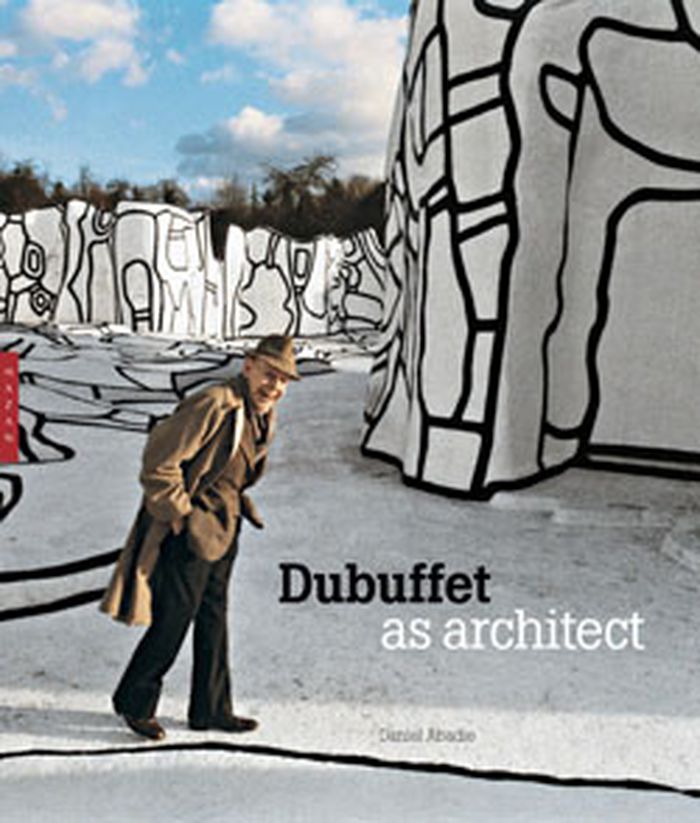
As the champion of "Art Brut," the artist Jean Dubuffet (1901-1985) is remembered foremost as a painter. Yet his creative instinct extended far beyond the parameters of paint. Later in his life, in 1965, his interest in architecture was sparked by a commission for two large-scale paintings for the University of Nanterre in Paris. Although he ultimately abandoned that(...)
Titre:
Dubuffet as architect
Actions:
Prix:
$49.95
(disponible sur commande)
Résumé:
As the champion of "Art Brut," the artist Jean Dubuffet (1901-1985) is remembered foremost as a painter. Yet his creative instinct extended far beyond the parameters of paint. Later in his life, in 1965, his interest in architecture was sparked by a commission for two large-scale paintings for the University of Nanterre in Paris. Although he ultimately abandoned that project, he became intrigued by the idea of producing large works in a more enduring format, capable of withstanding the elements. He experimented with different media in search of a solution, producing works in ceramic, concrete, and eventually plastic resin. The large size and relief surface of his 1967 Mur Bleu (Blue Wall) catapulted his painting into the third dimension in a big way. Many commissions followed, and today Dubuffet's massive architectural forms grace several cities across the globe. The artist did not intend for these structures to be mere supports for his paintings; he meant for them to give his work architectural space. His efforts in this area earned him the medal of the American Institute of Architects in 1982. These stunningly inventive and playful works stand as a testament to Dubuffet's desire to expand his practice through new materials and techniques—and even into new dimensions. This publication is the first published account of this little-known aspect of this artist's work.
Classification:
livres
livres
Publication:
août 2011
août 2011
Sujet:
Architecture, monographies
Architecture, monographies
Classification:
livres
livres
Actions:
Prix:
$48.00
(disponible sur commande)
Résumé:
Is there a cultural logic of what we have come to call the information age? Have the technologies and techniques centered on the computer provided not only tools but also the metaphors through which we now understand the social and economic formation of our world? In Control, Seb Franklin addresses the conditions of knowledge that make the concept of the "information(...)
Titre:
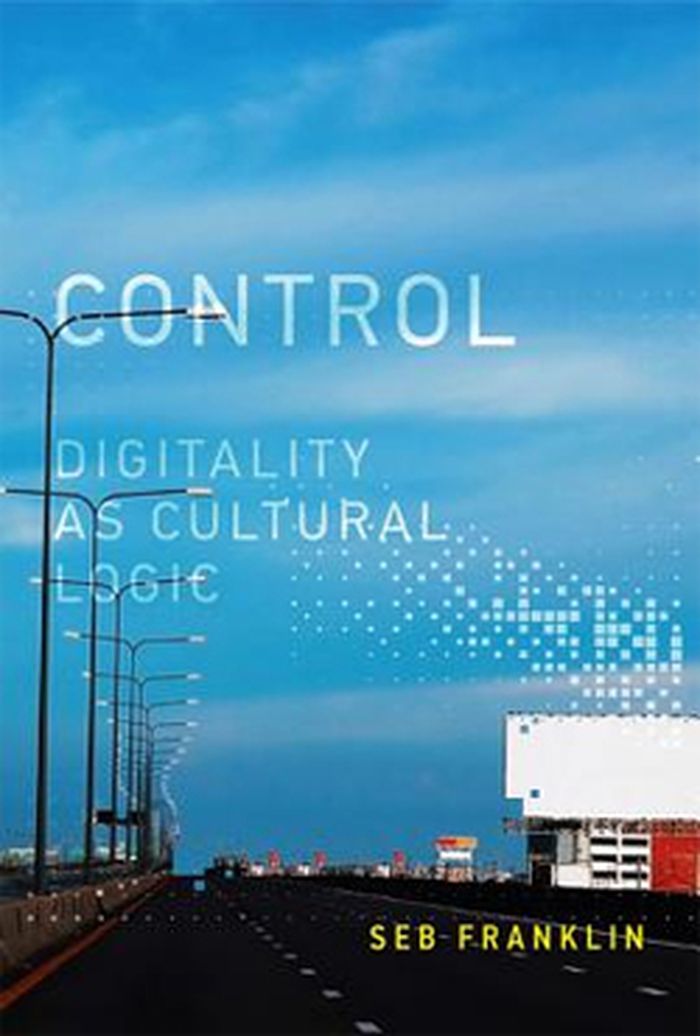
Control: digitality as cultural logic
Actions:
Prix:
$48.00
(disponible sur commande)
Résumé:
Is there a cultural logic of what we have come to call the information age? Have the technologies and techniques centered on the computer provided not only tools but also the metaphors through which we now understand the social and economic formation of our world? In Control, Seb Franklin addresses the conditions of knowledge that make the concept of the "information economy" possible while at the same time obscuring its effects on material social spaces. In so doing, Franklin traces three intertwined threads: the relationships among information, labor, and social management that emerged in the nineteenth century; the mid-twentieth-century diffusion of computational metaphors; and the appearance of informatic principles in certain contemporary socioeconomic and cultural practices. Drawing on critical theory, media theory, and the history of science, Franklin names control as the episteme grounding late capitalism. Beyond any specific device or set of technically mediated practices, digitality functions within this episteme as the logical basis for reshaped concepts of labor, subjectivity, and collectivity, as well as for the intensification of older modes of exclusion and dispossession. In tracking the pervasiveness of this logical mode into the present, Franklin locates the cultural traces of control across a diverse body of objects and practices, from cybernetics to economic theory and management styles, and from concepts of language and subjectivity to literary texts, films, and video games.
Classification:
livres
livres
Publication:
novembre 2015
novembre 2015


