


929 Résultats
Classification:
livres
livres
Actions:
Prix:
$27.95
(disponible en magasin)
Résumé:
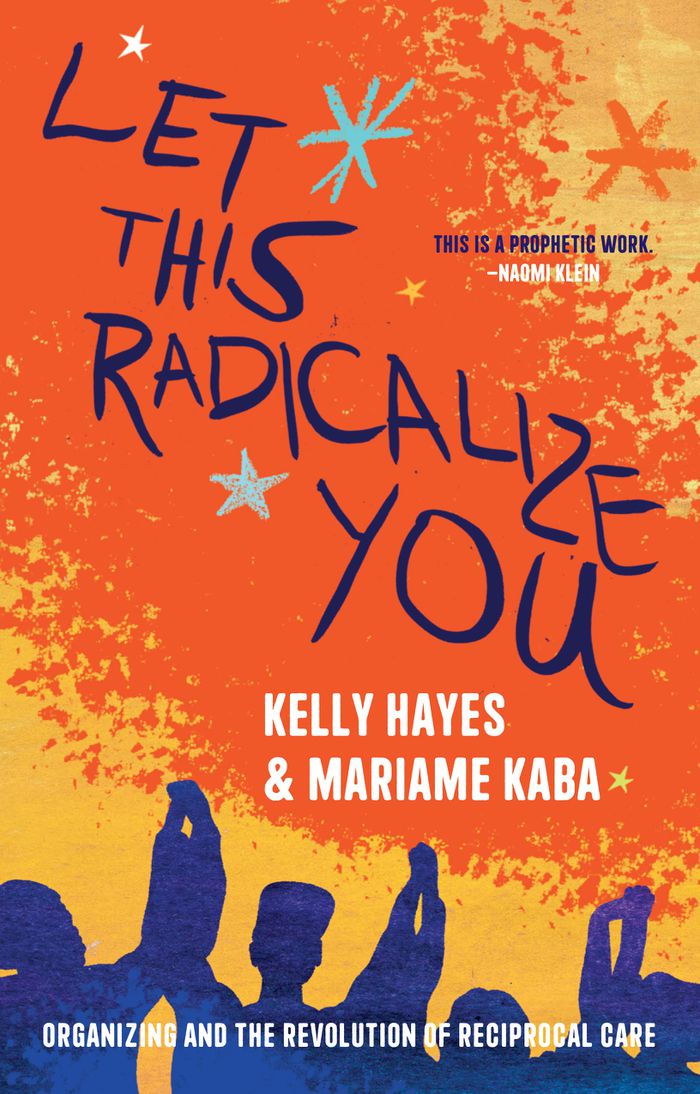
What fuels and sustains activism and organizing when it feels like our worlds are collapsing? ''Let This Radicalize You" is a practical and imaginative resource for activists and organizers building power in an era of destabilization and catastrophe. Longtime organizers and movement educators Mariame Kaba and Kelly Hayes examine some of the political lessons of the(...)
$27.95
(disponible en magasin)
Résumé:
What fuels and sustains activism and organizing when it feels like our worlds are collapsing? ''Let This Radicalize You" is a practical and imaginative resource for activists and organizers building power in an era of destabilization and catastrophe. Longtime organizers and movement educators Mariame Kaba and Kelly Hayes examine some of the political lessons of the(...)
Titre:
Let this radicalize you: organizing and the revolution of reciprocal care
Actions:
Prix:
$27.95
(disponible en magasin)
Résumé:
What fuels and sustains activism and organizing when it feels like our worlds are collapsing? ''Let This Radicalize You" is a practical and imaginative resource for activists and organizers building power in an era of destabilization and catastrophe. Longtime organizers and movement educators Mariame Kaba and Kelly Hayes examine some of the political lessons of the COVID-19 pandemic, including the convergence of mass protest and mass formations of mutual aid, and consider what this confluence of power can teach us about a future that will require mass acts of care, rescue and defense, in the face of both state violence and environmental disaster. The book is intended to aid and empower activists and organizers as they attempt to map their own journeys through the work of justice-making. It includes insights from a spectrum of experienced organizers, including Sharon Lungo, Carlos Saavedra, Ejeris Dixon, Barbara Ransby, and Ruth Wilson Gilmore about some of the difficult and joyous lessons they have learned in their work.
Let this radicalize you: organizing and the revolution of reciprocal care
Actions:
Prix:
$27.95
(disponible en magasin)
Résumé:
What fuels and sustains activism and organizing when it feels like our worlds are collapsing? ''Let This Radicalize You" is a practical and imaginative resource for activists and organizers building power in an era of destabilization and catastrophe. Longtime organizers and movement educators Mariame Kaba and Kelly Hayes examine some of the political lessons of the COVID-19 pandemic, including the convergence of mass protest and mass formations of mutual aid, and consider what this confluence of power can teach us about a future that will require mass acts of care, rescue and defense, in the face of both state violence and environmental disaster. The book is intended to aid and empower activists and organizers as they attempt to map their own journeys through the work of justice-making. It includes insights from a spectrum of experienced organizers, including Sharon Lungo, Carlos Saavedra, Ejeris Dixon, Barbara Ransby, and Ruth Wilson Gilmore about some of the difficult and joyous lessons they have learned in their work.
Classification:
livres
livres
Publication:
mai 2023
mai 2023
Sujet:
Social
Social
Classification:
livres
livres
Actions:
Prix:
$25.95
(disponible sur commande)
Résumé:
In "Black elegies", Kimberly Juanita Brown examines the form of the elegy and its unique capacity to convey the elongated grief borne of sustained racial violence. Structured around the sensorial, the book moves through sight, sound, and touch to reveal what Okwui Enwezor calls the "national emergency of black grief." With her characteristic literary skill, Brown analyzes(...)
$25.95
(disponible sur commande)
Résumé:
In "Black elegies", Kimberly Juanita Brown examines the form of the elegy and its unique capacity to convey the elongated grief borne of sustained racial violence. Structured around the sensorial, the book moves through sight, sound, and touch to reveal what Okwui Enwezor calls the "national emergency of black grief." With her characteristic literary skill, Brown analyzes(...)
Titre:
Black elegies: meditations on the art of mourning
Actions:
Prix:
$25.95
(disponible sur commande)
Résumé:
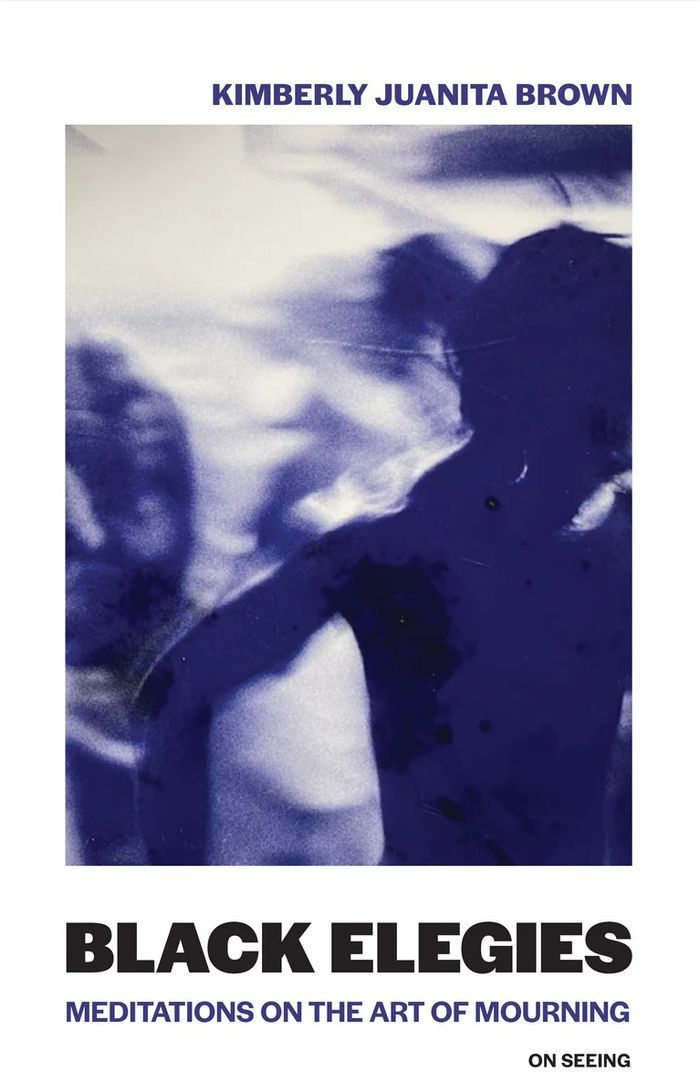
In "Black elegies", Kimberly Juanita Brown examines the form of the elegy and its unique capacity to convey the elongated grief borne of sustained racial violence. Structured around the sensorial, the book moves through sight, sound, and touch to reveal what Okwui Enwezor calls the "national emergency of black grief." With her characteristic literary skill, Brown analyzes the work of major figures including Toni Morrison, Carrie Mae Weems, Audre Lorde, and Marvin Gaye, among others. Brown contemplates recognizable sites of mourning: forced migration and enslavement, bodily violations, imprisonment and death. And she examines sites that do not register immediately as archives of grief: the landscape of southern U.S. slave plantations, a spontaneous street party, a quilt constructed out of the clothing worn by a loved one, a dance performance to hold the memory of history, and an aeolian harp installed at an institute of European art, among others. In this, the book offers a framework of mourning while black, within the parameters of contemporary artistic production.
Black elegies: meditations on the art of mourning
Actions:
Prix:
$25.95
(disponible sur commande)
Résumé:
In "Black elegies", Kimberly Juanita Brown examines the form of the elegy and its unique capacity to convey the elongated grief borne of sustained racial violence. Structured around the sensorial, the book moves through sight, sound, and touch to reveal what Okwui Enwezor calls the "national emergency of black grief." With her characteristic literary skill, Brown analyzes the work of major figures including Toni Morrison, Carrie Mae Weems, Audre Lorde, and Marvin Gaye, among others. Brown contemplates recognizable sites of mourning: forced migration and enslavement, bodily violations, imprisonment and death. And she examines sites that do not register immediately as archives of grief: the landscape of southern U.S. slave plantations, a spontaneous street party, a quilt constructed out of the clothing worn by a loved one, a dance performance to hold the memory of history, and an aeolian harp installed at an institute of European art, among others. In this, the book offers a framework of mourning while black, within the parameters of contemporary artistic production.
Classification:
livres
livres
Publication:
février 2025
février 2025
Sujet:
Théorie/ philosophie
Théorie/ philosophie
Classification:
livres
livres
Actions:
Prix:
$39.00
(disponible sur commande)
Résumé:
Text by Slavoj Zizek, Edward Soja, Juliet Flower MacCannell, Neil Smith, Dieter Lesage. In Urban Politics Now, the Rotterdam-based "architect philosophers" Gideon Boie and Matthias Pauwels--otherwise known as The BAVO Bureau for Architectural Theory--issue a challenge to sociologists, social geographers, philosophers, urban planners and architects, asking, "What ails(...)
$39.00
(disponible sur commande)
Résumé:
Text by Slavoj Zizek, Edward Soja, Juliet Flower MacCannell, Neil Smith, Dieter Lesage. In Urban Politics Now, the Rotterdam-based "architect philosophers" Gideon Boie and Matthias Pauwels--otherwise known as The BAVO Bureau for Architectural Theory--issue a challenge to sociologists, social geographers, philosophers, urban planners and architects, asking, "What ails(...)
Titre:
Reflect 06. Urban politics now. Re-imagining democracy in the neoliberal city
Actions:
Prix:
$39.00
(disponible sur commande)
Résumé:
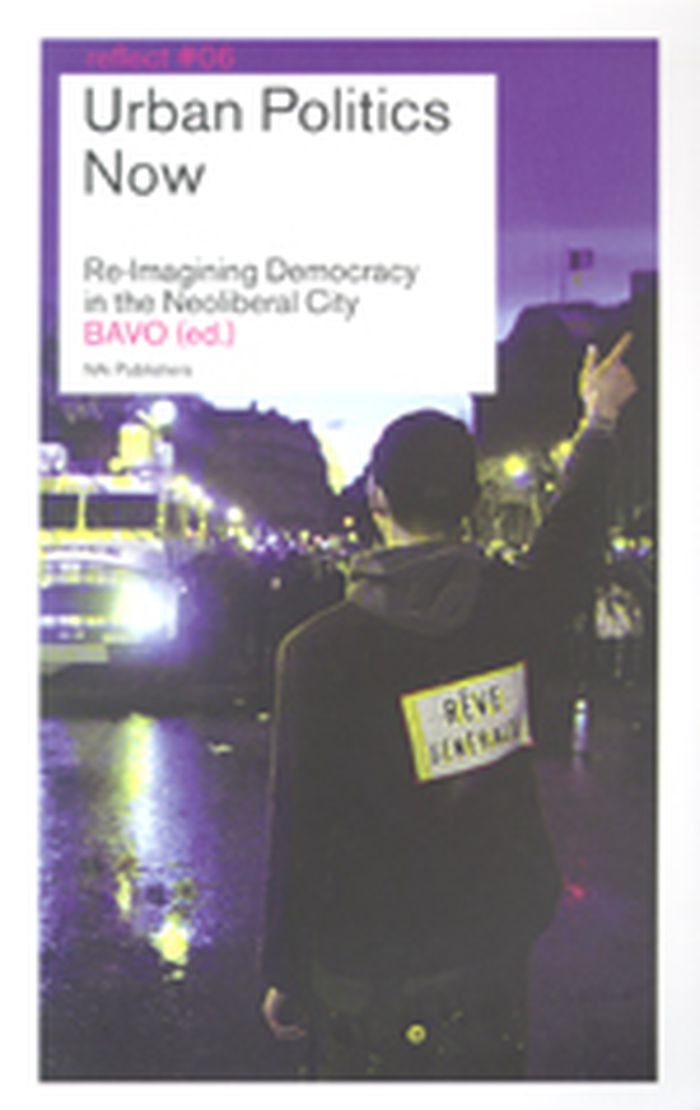
Text by Slavoj Zizek, Edward Soja, Juliet Flower MacCannell, Neil Smith, Dieter Lesage. In Urban Politics Now, the Rotterdam-based "architect philosophers" Gideon Boie and Matthias Pauwels--otherwise known as The BAVO Bureau for Architectural Theory--issue a challenge to sociologists, social geographers, philosophers, urban planners and architects, asking, "What ails contemporary urban politics?" Having stated as part of their mission that, "It is only by conceiving architecture as a symptom that its potential to make a difference in society can be assessed and/or enhanced", BAVO asks here if democratic urban politics are possible in the contemporary climate--with neoliberals and neoconservatives on the rise, environmental concerns on everyones mind and an eruption of increasingly heated cultural differences plaguing every city in the world. If the symptoms of such ills are violence, socioeconomic disparities and hedonistic consumerism, what are the cures? An ability to reconfigure familiar disciplines seems a good start.
Reflect 06. Urban politics now. Re-imagining democracy in the neoliberal city
Actions:
Prix:
$39.00
(disponible sur commande)
Résumé:
Text by Slavoj Zizek, Edward Soja, Juliet Flower MacCannell, Neil Smith, Dieter Lesage. In Urban Politics Now, the Rotterdam-based "architect philosophers" Gideon Boie and Matthias Pauwels--otherwise known as The BAVO Bureau for Architectural Theory--issue a challenge to sociologists, social geographers, philosophers, urban planners and architects, asking, "What ails contemporary urban politics?" Having stated as part of their mission that, "It is only by conceiving architecture as a symptom that its potential to make a difference in society can be assessed and/or enhanced", BAVO asks here if democratic urban politics are possible in the contemporary climate--with neoliberals and neoconservatives on the rise, environmental concerns on everyones mind and an eruption of increasingly heated cultural differences plaguing every city in the world. If the symptoms of such ills are violence, socioeconomic disparities and hedonistic consumerism, what are the cures? An ability to reconfigure familiar disciplines seems a good start.
Classification:
livres
livres
Publication:
mars 2008, Rotterdam
mars 2008, Rotterdam
Sujet:
Théorie de l’urbanisme
Théorie de l’urbanisme
Classification:
livres
livres
Titre:
Les lieux et la poussière
Les lieux et la poussière
Actions:
Prix:
$17.95
(disponible sur commande)
Résumé:
Ce livre est un essai en douze chapitres sur la beauté et la fragilité. La beauté de notre monde périssable, la fragilité des choses et des vies, la nostalgie qui habite les objets et les lieux. Roberto Peregalli voit les façades des maisons comme des visages. Il regarde le blanc, le verre, ou la lumière des temples, des cathédrales, de la pyramide du Louvre. Il dénonce(...)
$17.95
(disponible sur commande)
Résumé:
Ce livre est un essai en douze chapitres sur la beauté et la fragilité. La beauté de notre monde périssable, la fragilité des choses et des vies, la nostalgie qui habite les objets et les lieux. Roberto Peregalli voit les façades des maisons comme des visages. Il regarde le blanc, le verre, ou la lumière des temples, des cathédrales, de la pyramide du Louvre. Il dénonce(...)
Titre:
Les lieux et la poussière
Actions:
Prix:
$17.95
(disponible sur commande)
Résumé:
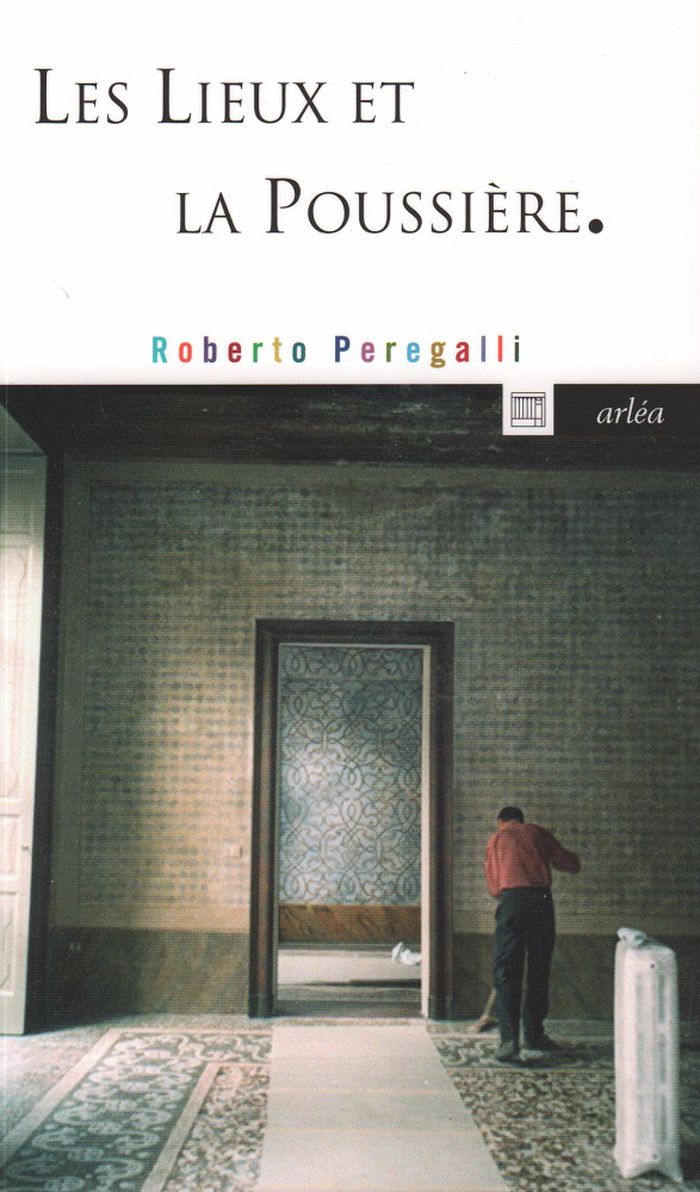
Ce livre est un essai en douze chapitres sur la beauté et la fragilité. La beauté de notre monde périssable, la fragilité des choses et des vies, la nostalgie qui habite les objets et les lieux. Roberto Peregalli voit les façades des maisons comme des visages. Il regarde le blanc, le verre, ou la lumière des temples, des cathédrales, de la pyramide du Louvre. Il dénonce l'effroi provoqué par le gigantisme et l'inadaptation de l'architecture moderne, la violence de la technologie. Il s'attarde sur le langage et la splendeur des ruines, de la patine et et de la pénombre. Il dénonce l'incurie de l'homme quant à son destin. Roberto Peregalli nous renvoie à notre condition de mortel. Il nous rappelle combien tout est fragile dans notre être et notre façon d'être. À la façon de Tanizaki, dans Éloge de l'ombre, il dévoile avec sensibilité et intelligence l'effondrement de valeurs qui sont les nôtres et qui méritent d'être en permanence repensées et préservées.
Les lieux et la poussière
Actions:
Prix:
$17.95
(disponible sur commande)
Résumé:
Ce livre est un essai en douze chapitres sur la beauté et la fragilité. La beauté de notre monde périssable, la fragilité des choses et des vies, la nostalgie qui habite les objets et les lieux. Roberto Peregalli voit les façades des maisons comme des visages. Il regarde le blanc, le verre, ou la lumière des temples, des cathédrales, de la pyramide du Louvre. Il dénonce l'effroi provoqué par le gigantisme et l'inadaptation de l'architecture moderne, la violence de la technologie. Il s'attarde sur le langage et la splendeur des ruines, de la patine et et de la pénombre. Il dénonce l'incurie de l'homme quant à son destin. Roberto Peregalli nous renvoie à notre condition de mortel. Il nous rappelle combien tout est fragile dans notre être et notre façon d'être. À la façon de Tanizaki, dans Éloge de l'ombre, il dévoile avec sensibilité et intelligence l'effondrement de valeurs qui sont les nôtres et qui méritent d'être en permanence repensées et préservées.
Classification:
livres
livres
Publication:
mars 2017
mars 2017
Sujet:
Théorie de l’architecture
Théorie de l’architecture
Classification:
livres
livres
Actions:
Prix:
$26.00
(disponible sur commande)
Résumé:
Shaped by immigration, globalization, and demographics, our hub cities demonstrate what's best about Canada: our commitment to education, tolerance, culture, and innovation. Since the early 1990s, however, troubling trends have threatened to undermine our much-envied quality of life. Large urban centres are experiencing a widening gap between rich and poor, mounting(...)
$26.00
(disponible sur commande)
Résumé:
Shaped by immigration, globalization, and demographics, our hub cities demonstrate what's best about Canada: our commitment to education, tolerance, culture, and innovation. Since the early 1990s, however, troubling trends have threatened to undermine our much-envied quality of life. Large urban centres are experiencing a widening gap between rich and poor, mounting(...)
Titre:
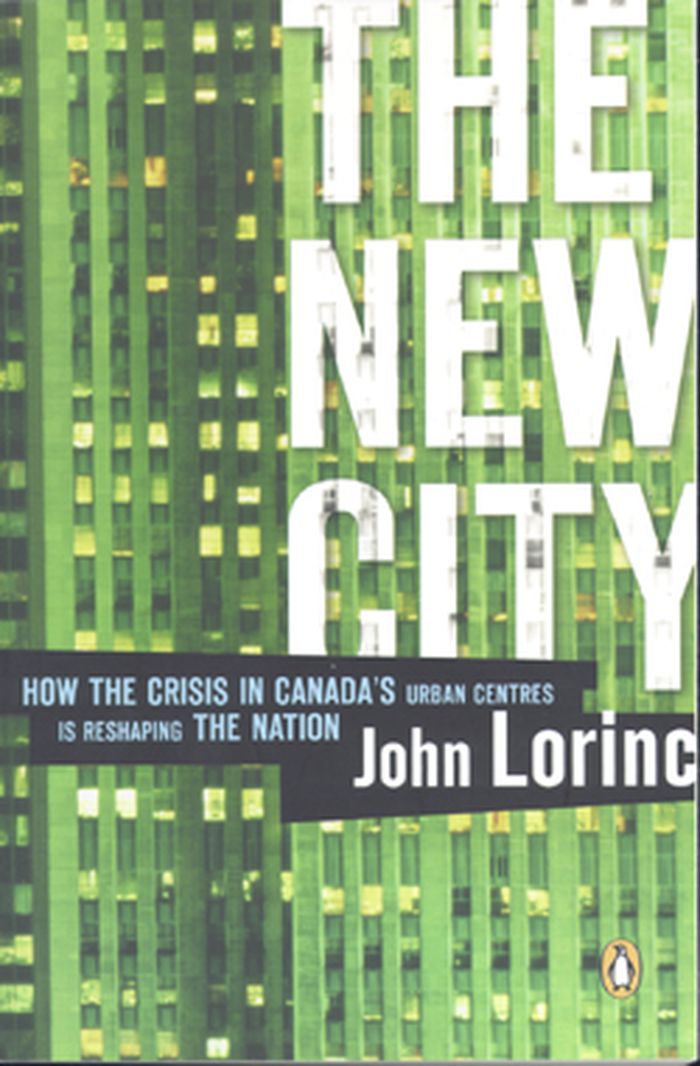
The New City: how the crisis in Canada's urban centres is reshaping the nation
Actions:
Prix:
$26.00
(disponible sur commande)
Résumé:
Shaped by immigration, globalization, and demographics, our hub cities demonstrate what's best about Canada: our commitment to education, tolerance, culture, and innovation. Since the early 1990s, however, troubling trends have threatened to undermine our much-envied quality of life. Large urban centres are experiencing a widening gap between rich and poor, mounting levels of violence, and sprawl-induced health and environmental damage. Well-trained immigrants struggle to find suitable jobs and decent housing, while big-city schools suffer from underfunding. Local governments lack the resources and political clout to act decisively. In The New City, award-winning urban affairs writer John Lorinc offers a compelling vision of how to make Canada's metropolitan centres sustainable, livable, and competitive in a world dominated by powerful mega-cities. Incisive and broad-ranging, this is a timely reminder that all Canadians must confront urban issues if the country is to succeed in the tumultuous economy of the 21st century.
The New City: how the crisis in Canada's urban centres is reshaping the nation
Actions:
Prix:
$26.00
(disponible sur commande)
Résumé:
Shaped by immigration, globalization, and demographics, our hub cities demonstrate what's best about Canada: our commitment to education, tolerance, culture, and innovation. Since the early 1990s, however, troubling trends have threatened to undermine our much-envied quality of life. Large urban centres are experiencing a widening gap between rich and poor, mounting levels of violence, and sprawl-induced health and environmental damage. Well-trained immigrants struggle to find suitable jobs and decent housing, while big-city schools suffer from underfunding. Local governments lack the resources and political clout to act decisively. In The New City, award-winning urban affairs writer John Lorinc offers a compelling vision of how to make Canada's metropolitan centres sustainable, livable, and competitive in a world dominated by powerful mega-cities. Incisive and broad-ranging, this is a timely reminder that all Canadians must confront urban issues if the country is to succeed in the tumultuous economy of the 21st century.
Classification:
livres
livres
Publication:
mars 2006, Toronto
mars 2006, Toronto
Sujet:
Théorie de l’urbanisme
Théorie de l’urbanisme
Classification:
livres
livres
Titre:
Éloge de l'immobilité
Éloge de l'immobilité
Actions:
Prix:
$29.95
(disponible sur commande)
Résumé:
Dans ce monde qui semble soumis à une accélération constante, où l'on ne cesse de louer la marche ou la course, nous souhaitons et craignons à la fois que tout ralentisse ou même que tout s'arrête. L'ambivalence de ce désir reste à étudier, comme ce que signifie aujourd'hui le fait de ne pas bouger. La privation de mouvement est une peine ; le droit pénal, les disciplines(...)
$29.95
(disponible sur commande)
Résumé:
Dans ce monde qui semble soumis à une accélération constante, où l'on ne cesse de louer la marche ou la course, nous souhaitons et craignons à la fois que tout ralentisse ou même que tout s'arrête. L'ambivalence de ce désir reste à étudier, comme ce que signifie aujourd'hui le fait de ne pas bouger. La privation de mouvement est une peine ; le droit pénal, les disciplines(...)
Titre:
Éloge de l'immobilité
Actions:
Prix:
$29.95
(disponible sur commande)
Résumé:
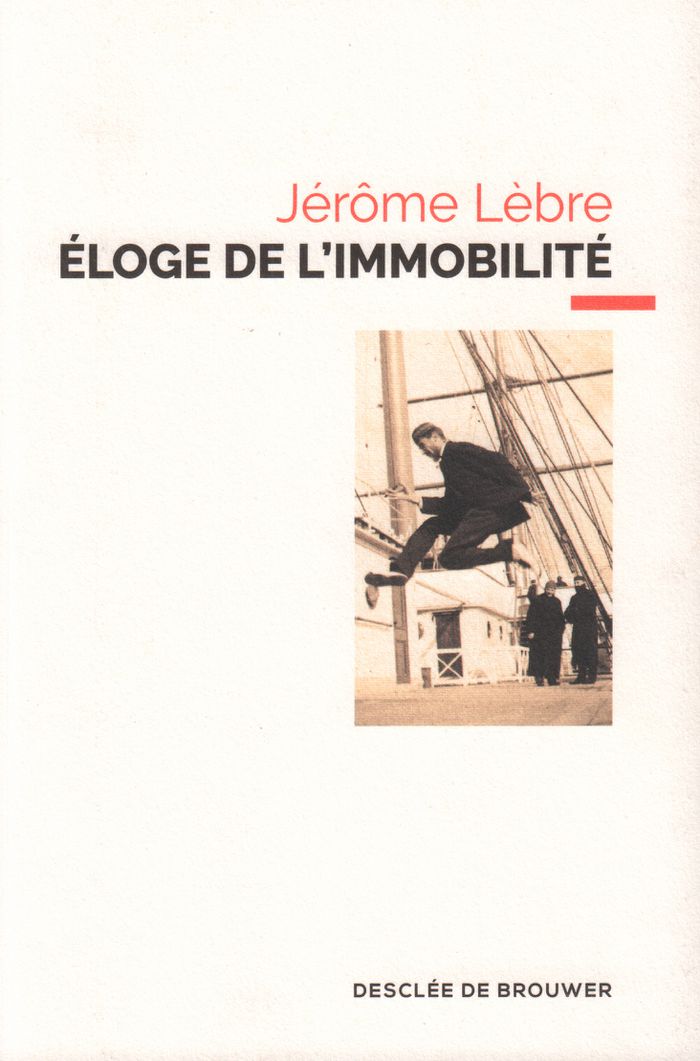
Dans ce monde qui semble soumis à une accélération constante, où l'on ne cesse de louer la marche ou la course, nous souhaitons et craignons à la fois que tout ralentisse ou même que tout s'arrête. L'ambivalence de ce désir reste à étudier, comme ce que signifie aujourd'hui le fait de ne pas bouger. La privation de mouvement est une peine ; le droit pénal, les disciplines scolaires ou militaires immobilisent ; les accidents et les maladies paralysent ; l'accélération technique se paye en inertie dans les embouteillages ou les bureaux. Les éloges de la mobilité comme la critique de l'accélération sont passés à côté de ces situations où l'immobilité s'impose, non sans violence. Il faut redonner son sens à l'immobilisation. Car cette peine est aussi une étape, une station, impliquant le corps et la pensée. Tenir, debout, assis, dans la position du lotus ou même couché, c'est exercer sur soi une contrainte signifiante. Les "mouvements" d'occupation des places nous le rappellent, l'art également.
Éloge de l'immobilité
Actions:
Prix:
$29.95
(disponible sur commande)
Résumé:
Dans ce monde qui semble soumis à une accélération constante, où l'on ne cesse de louer la marche ou la course, nous souhaitons et craignons à la fois que tout ralentisse ou même que tout s'arrête. L'ambivalence de ce désir reste à étudier, comme ce que signifie aujourd'hui le fait de ne pas bouger. La privation de mouvement est une peine ; le droit pénal, les disciplines scolaires ou militaires immobilisent ; les accidents et les maladies paralysent ; l'accélération technique se paye en inertie dans les embouteillages ou les bureaux. Les éloges de la mobilité comme la critique de l'accélération sont passés à côté de ces situations où l'immobilité s'impose, non sans violence. Il faut redonner son sens à l'immobilisation. Car cette peine est aussi une étape, une station, impliquant le corps et la pensée. Tenir, debout, assis, dans la position du lotus ou même couché, c'est exercer sur soi une contrainte signifiante. Les "mouvements" d'occupation des places nous le rappellent, l'art également.
Classification:
livres
livres
Publication:
août 2018
août 2018
Sujet:
Théorie/ philosophie
Théorie/ philosophie
Classification:
livres
livres
Titre:
Art and the end of apartheid
Art and the end of apartheid
Actions:
Prix:
$35.95
(disponible sur commande)
Résumé:
The first book to fully explore cosmopolitan modern art by black South Africans under apartheid Black South African artists have typically had their work labeled “African art” or “township art,” qualifiers that, when contrasted with simply “modernist art,” have been used to marginalize their work both in South Africa and internationally. In Art and the End of(...)
$35.95
(disponible sur commande)
Résumé:
The first book to fully explore cosmopolitan modern art by black South Africans under apartheid Black South African artists have typically had their work labeled “African art” or “township art,” qualifiers that, when contrasted with simply “modernist art,” have been used to marginalize their work both in South Africa and internationally. In Art and the End of(...)
Titre:
Art and the end of apartheid
Actions:
Prix:
$35.95
(disponible sur commande)
Résumé:
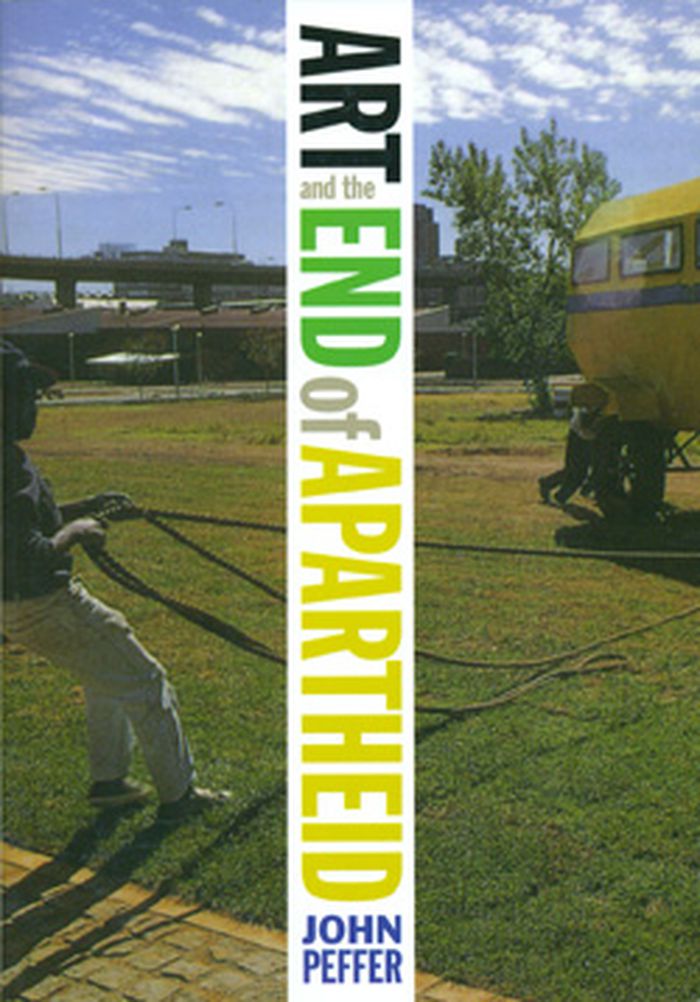
The first book to fully explore cosmopolitan modern art by black South Africans under apartheid Black South African artists have typically had their work labeled “African art” or “township art,” qualifiers that, when contrasted with simply “modernist art,” have been used to marginalize their work both in South Africa and internationally. In Art and the End of Apartheid,John Peffer considers in depth the work of black South African artists in the decades leading up to the end of apartheid in 1994. Peffer examines painting and graphic art, photography, avant-garde and performance art, and popular and protest art through artist collectives (such as the Thupelo Art Project and the Medu Art Ensemble) and individuals such as Durant Sihlali and Santu Mofokeng. He shows how South African artists imagined what “postapartheid” could mean during the time of apartheid, even as they struggled with immediate issues of censorship, militancy, street violence and torture, and, more broadly, the problem of self-representation and the social role of art.
Art and the end of apartheid
Actions:
Prix:
$35.95
(disponible sur commande)
Résumé:
The first book to fully explore cosmopolitan modern art by black South Africans under apartheid Black South African artists have typically had their work labeled “African art” or “township art,” qualifiers that, when contrasted with simply “modernist art,” have been used to marginalize their work both in South Africa and internationally. In Art and the End of Apartheid,John Peffer considers in depth the work of black South African artists in the decades leading up to the end of apartheid in 1994. Peffer examines painting and graphic art, photography, avant-garde and performance art, and popular and protest art through artist collectives (such as the Thupelo Art Project and the Medu Art Ensemble) and individuals such as Durant Sihlali and Santu Mofokeng. He shows how South African artists imagined what “postapartheid” could mean during the time of apartheid, even as they struggled with immediate issues of censorship, militancy, street violence and torture, and, more broadly, the problem of self-representation and the social role of art.
Classification:
livres
livres
Publication:
février 2009, Minneapolis, London
février 2009, Minneapolis, London
Sujet:
Théorie de l’art
Théorie de l’art
Classification:
livres
livres
Actions:
Prix:
$45.95
(disponible sur commande)
Résumé:
Anarchitecture, a radical aesthetic practice of unmaking the built environment, staged a vigorous confrontation with urban renewal and gentrification projects in the 1970s. In Anarchitecture After Everything, Jack Halberstam identifies a powerful lexicon of transformation within anarchitecture, joining the movement’s practices of cutting and splitting with the(...)
$45.95
(disponible sur commande)
Résumé:
Anarchitecture, a radical aesthetic practice of unmaking the built environment, staged a vigorous confrontation with urban renewal and gentrification projects in the 1970s. In Anarchitecture After Everything, Jack Halberstam identifies a powerful lexicon of transformation within anarchitecture, joining the movement’s practices of cutting and splitting with the(...)
Titre:
Anarchitecture after everything: A trans manifesto
Actions:
Prix:
$45.95
(disponible sur commande)
Résumé:
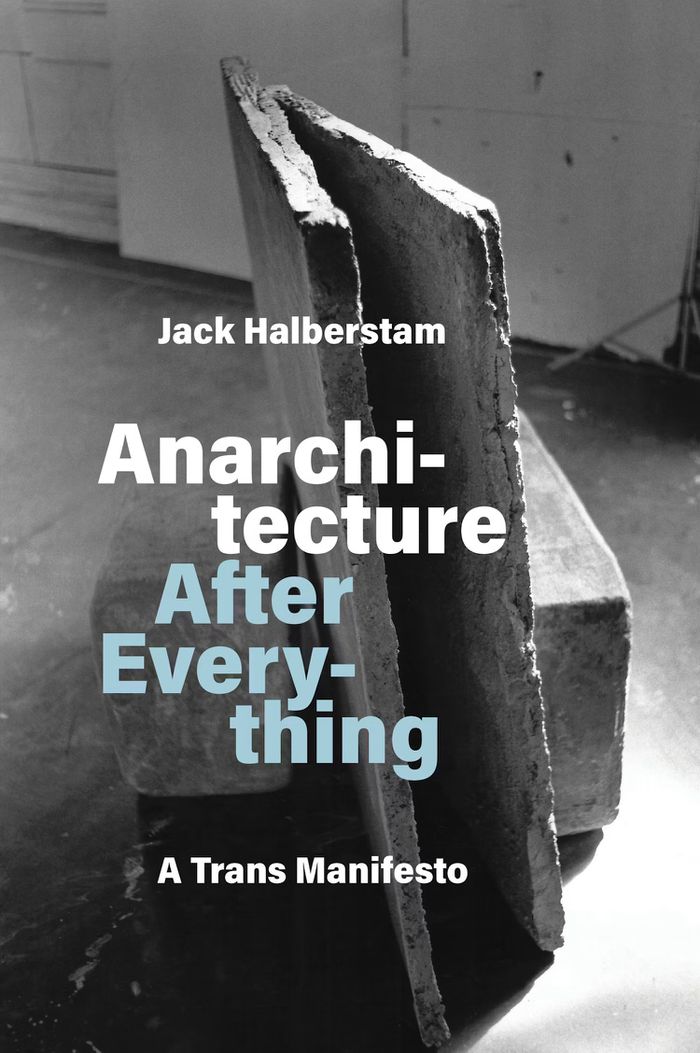
Anarchitecture, a radical aesthetic practice of unmaking the built environment, staged a vigorous confrontation with urban renewal and gentrification projects in the 1970s. In Anarchitecture After Everything, Jack Halberstam identifies a powerful lexicon of transformation within anarchitecture, joining the movement’s practices of cutting and splitting with the destabilizing power of transness to detonate acts of formal violence in our time. "Anarchitecture" describes the aesthetic practice of splitting and cutting, dismantling and undoing, unmaking, unbuilding, and ultimately unworlding. The trans body splits bodily coherence, dismantles the gender binary, and unbuilds bodily meaning. In these chapters, Gordon Matta-Clark’s cuts, along with Alvin Baltrop’s 1970s images of collapsing warehouses and Beverly Buchanan’s post-demolition fragmentary sculptures, return with a vengeance through the contemporary aesthetic gestures of Yve Laris Cohen, Jesse Darling, Nicole Eisenman, Kiyan Williams, Cassils, boychild, and Every Ocean Hughes. Anarchitecture unmakes space and offers a new rhetoric for emptiness. In its conclusion, the book explores this rhetoric through Renee Gladman’s anarchitectural experiments with language.
Anarchitecture after everything: A trans manifesto
Actions:
Prix:
$45.95
(disponible sur commande)
Résumé:
Anarchitecture, a radical aesthetic practice of unmaking the built environment, staged a vigorous confrontation with urban renewal and gentrification projects in the 1970s. In Anarchitecture After Everything, Jack Halberstam identifies a powerful lexicon of transformation within anarchitecture, joining the movement’s practices of cutting and splitting with the destabilizing power of transness to detonate acts of formal violence in our time. "Anarchitecture" describes the aesthetic practice of splitting and cutting, dismantling and undoing, unmaking, unbuilding, and ultimately unworlding. The trans body splits bodily coherence, dismantles the gender binary, and unbuilds bodily meaning. In these chapters, Gordon Matta-Clark’s cuts, along with Alvin Baltrop’s 1970s images of collapsing warehouses and Beverly Buchanan’s post-demolition fragmentary sculptures, return with a vengeance through the contemporary aesthetic gestures of Yve Laris Cohen, Jesse Darling, Nicole Eisenman, Kiyan Williams, Cassils, boychild, and Every Ocean Hughes. Anarchitecture unmakes space and offers a new rhetoric for emptiness. In its conclusion, the book explores this rhetoric through Renee Gladman’s anarchitectural experiments with language.
Classification:
livres
livres
Publication:
août 2026
août 2026
Sujet:
Théorie de l’architecture
Théorie de l’architecture
Classification:
livres
livres
Actions:
Prix:
$50.00
(disponible en magasin)
Résumé:
« La Colonia » documente les espaces de sociabilité d’Amérique centrale — ces tiers-lieux refuges au sein d’une société marquée par une violence urbaine endémique. Plutôt que de tourner son appareil vers cette brutalité, souvent montrée frontalement par le photojournalisme, le photographe Valérian Mazataud s’intéresse aux lieux où la population peut encore se rassembler(...)
$50.00
(disponible en magasin)
Résumé:
« La Colonia » documente les espaces de sociabilité d’Amérique centrale — ces tiers-lieux refuges au sein d’une société marquée par une violence urbaine endémique. Plutôt que de tourner son appareil vers cette brutalité, souvent montrée frontalement par le photojournalisme, le photographe Valérian Mazataud s’intéresse aux lieux où la population peut encore se rassembler(...)
Titre:
Valérian Mazataud : La colonia
Actions:
Prix:
$50.00
(disponible en magasin)
Résumé:
« La Colonia » documente les espaces de sociabilité d’Amérique centrale — ces tiers-lieux refuges au sein d’une société marquée par une violence urbaine endémique. Plutôt que de tourner son appareil vers cette brutalité, souvent montrée frontalement par le photojournalisme, le photographe Valérian Mazataud s’intéresse aux lieux où la population peut encore se rassembler et trouver un certain apaisement : quartiers résidentiels fermés, centres commerciaux ou parcs publics où la présence collective devient elle-même une forme de protection. L’origine du projet tient à de simples promenades à Tegucigalpa, au Honduras, avec Baku, le chien accompagnant le photographe et figure discrète guidant le regard à travers le récit photographique. Connu de tout le voisinage, l’animal lui ouvre les portes du quotidien de la Colonia Primavera — un village urbain fortifié, cerné de hauts murs et surveillé par des gardes armés. Là, des familles de classe moyenne tentent de préserver une forme de tranquillité, à distance du tumulte extérieur.
Valérian Mazataud : La colonia
Actions:
Prix:
$50.00
(disponible en magasin)
Résumé:
« La Colonia » documente les espaces de sociabilité d’Amérique centrale — ces tiers-lieux refuges au sein d’une société marquée par une violence urbaine endémique. Plutôt que de tourner son appareil vers cette brutalité, souvent montrée frontalement par le photojournalisme, le photographe Valérian Mazataud s’intéresse aux lieux où la population peut encore se rassembler et trouver un certain apaisement : quartiers résidentiels fermés, centres commerciaux ou parcs publics où la présence collective devient elle-même une forme de protection. L’origine du projet tient à de simples promenades à Tegucigalpa, au Honduras, avec Baku, le chien accompagnant le photographe et figure discrète guidant le regard à travers le récit photographique. Connu de tout le voisinage, l’animal lui ouvre les portes du quotidien de la Colonia Primavera — un village urbain fortifié, cerné de hauts murs et surveillé par des gardes armés. Là, des familles de classe moyenne tentent de préserver une forme de tranquillité, à distance du tumulte extérieur.
Classification:
livres
livres
Publication:
août 2026
août 2026
Sujet:
Monographies photo
Monographies photo
Classification:
livres
livres

Titre:
La photo me regardait
La photo me regardait
Actions:
Prix:
$52.95
(disponible sur commande)
Résumé:
D’œuvres d’art, Katja Petrowskaja entremêle souvenirs d’enfance, actualités, réflexions esthétiques, historiques ou sociologiques dans une écriture délicate. La photographie d’un mineur du Donbass, un couple de migrants syriens arrivés sur l’île de Lesbos, un autoportrait de Francesca Woodman, une fleur nouvelle à Tchernobyl ou un énigmatique pigeongramme : chaque fois(...)
$52.95
(disponible sur commande)
Résumé:
D’œuvres d’art, Katja Petrowskaja entremêle souvenirs d’enfance, actualités, réflexions esthétiques, historiques ou sociologiques dans une écriture délicate. La photographie d’un mineur du Donbass, un couple de migrants syriens arrivés sur l’île de Lesbos, un autoportrait de Francesca Woodman, une fleur nouvelle à Tchernobyl ou un énigmatique pigeongramme : chaque fois(...)
Titre:
La photo me regardait
Actions:
Prix:
$52.95
(disponible sur commande)
Résumé:
D’œuvres d’art, Katja Petrowskaja entremêle souvenirs d’enfance, actualités, réflexions esthétiques, historiques ou sociologiques dans une écriture délicate. La photographie d’un mineur du Donbass, un couple de migrants syriens arrivés sur l’île de Lesbos, un autoportrait de Francesca Woodman, une fleur nouvelle à Tchernobyl ou un énigmatique pigeongramme : chaque fois que l’on croit deviner le trajet d’une pensée ou d’un songe, l’autrice déplace notre regard de quelques centimètres à peine, et cela suffit à renverser notre imaginaire. Née en Ukraine, Katja Petrowskaja se met à écrire sur les photographies au début de l’invasion russe en 2014, « par impuissance face à la violence ». Dans une écriture parfaitement limpide, La photo me regardait porte une attention si minutieuse aux choses et aux images qu’elle en fait ressentir une lenteur inédite, opposant au bruit des guerres « des possibilités de silence et de beauté ». Ces textes, écrits entre 2014 et 2021, dessinent « les traits d’une autobiographie dispersée, en éclats » (Jean-Christophe Bailly).
La photo me regardait
Actions:
Prix:
$52.95
(disponible sur commande)
Résumé:
D’œuvres d’art, Katja Petrowskaja entremêle souvenirs d’enfance, actualités, réflexions esthétiques, historiques ou sociologiques dans une écriture délicate. La photographie d’un mineur du Donbass, un couple de migrants syriens arrivés sur l’île de Lesbos, un autoportrait de Francesca Woodman, une fleur nouvelle à Tchernobyl ou un énigmatique pigeongramme : chaque fois que l’on croit deviner le trajet d’une pensée ou d’un songe, l’autrice déplace notre regard de quelques centimètres à peine, et cela suffit à renverser notre imaginaire. Née en Ukraine, Katja Petrowskaja se met à écrire sur les photographies au début de l’invasion russe en 2014, « par impuissance face à la violence ». Dans une écriture parfaitement limpide, La photo me regardait porte une attention si minutieuse aux choses et aux images qu’elle en fait ressentir une lenteur inédite, opposant au bruit des guerres « des possibilités de silence et de beauté ». Ces textes, écrits entre 2014 et 2021, dessinent « les traits d’une autobiographie dispersée, en éclats » (Jean-Christophe Bailly).
Classification:
livres
livres
Publication:
mai 2025
mai 2025
Sujet:
Théorie de la photographie
Théorie de la photographie


