


947 Résultats
Classification:
livres
livres
Prix:
$93.95
(disponible sur commande)
Résumé:
"Typology", volume 2 of the new series Christ & Gantenbein Review, presents more than 150 buildings located in Rome, New York, Hong Kong and Buenos Aires that have been analysed by the chair of Emanuel Christ and Christoph Gantenbein at the Swiss Federal Institute of Technology Zurich. This selective and subjective inventory of metropolitan and essentially anonymous(...)
$93.95
(disponible sur commande)
Résumé:
"Typology", volume 2 of the new series Christ & Gantenbein Review, presents more than 150 buildings located in Rome, New York, Hong Kong and Buenos Aires that have been analysed by the chair of Emanuel Christ and Christoph Gantenbein at the Swiss Federal Institute of Technology Zurich. This selective and subjective inventory of metropolitan and essentially anonymous(...)
Publication:
septembre 2012
septembre 2012
Titre:
Review N. 2 : Typology, Hong Kong, Rome, New York, Buenos Aires
Actions:
Prix:
$93.95
(disponible sur commande)
Résumé:
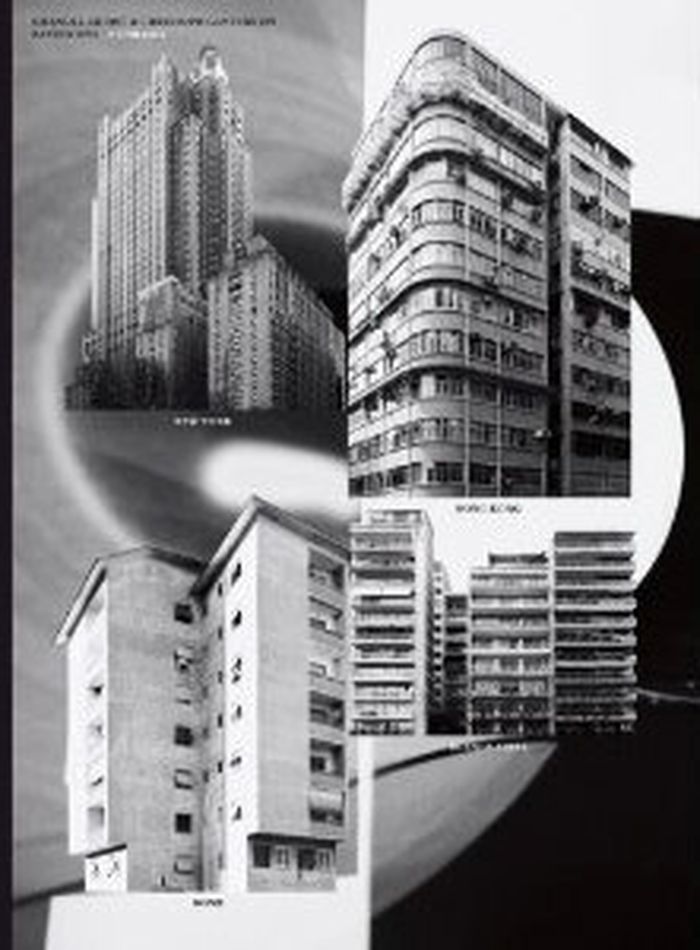
"Typology", volume 2 of the new series Christ & Gantenbein Review, presents more than 150 buildings located in Rome, New York, Hong Kong and Buenos Aires that have been analysed by the chair of Emanuel Christ and Christoph Gantenbein at the Swiss Federal Institute of Technology Zurich. This selective and subjective inventory of metropolitan and essentially anonymous 20th-century building production provides a basis for urban project creation. In this new book, the buildings are documented with floor plans, axonometric projections, recent photographs and key information. The theoretical essay by Emanuel Christ and Christoph Gantenbein and four texts by other authors explain the interactions between the contexts, especially the governing urban rule sets and the buildings, and show the potential for the design of a contemporary urban architecture.
Review N. 2 : Typology, Hong Kong, Rome, New York, Buenos Aires
Actions:
Prix:
$93.95
(disponible sur commande)
Résumé:
"Typology", volume 2 of the new series Christ & Gantenbein Review, presents more than 150 buildings located in Rome, New York, Hong Kong and Buenos Aires that have been analysed by the chair of Emanuel Christ and Christoph Gantenbein at the Swiss Federal Institute of Technology Zurich. This selective and subjective inventory of metropolitan and essentially anonymous 20th-century building production provides a basis for urban project creation. In this new book, the buildings are documented with floor plans, axonometric projections, recent photographs and key information. The theoretical essay by Emanuel Christ and Christoph Gantenbein and four texts by other authors explain the interactions between the contexts, especially the governing urban rule sets and the buildings, and show the potential for the design of a contemporary urban architecture.
Classification:
livres
livres
Publication:
septembre 2012
septembre 2012
Classification:
livres
livres
Actions:
Prix:
$69.95
(disponible en magasin)
Résumé:
In "That’s Brutal, What’s Modern?: The Smithsons," Banham, and the Mies-Image, Mark D. Linder offers an original understanding of New Brutalism as a consequential and generative episode in the history of post-photographic imaging practices. This episode exemplifies and anticipates the kinds of cognition and intelligence that dominate architectural imagination today.(...)
$69.95
(disponible en magasin)
Résumé:
In "That’s Brutal, What’s Modern?: The Smithsons," Banham, and the Mies-Image, Mark D. Linder offers an original understanding of New Brutalism as a consequential and generative episode in the history of post-photographic imaging practices. This episode exemplifies and anticipates the kinds of cognition and intelligence that dominate architectural imagination today.(...)
Titre:
That’s Brutal, What’s Modern?: The Smithsons, Banham, and the Mies-Image
Actions:
Prix:
$69.95
(disponible en magasin)
Résumé:
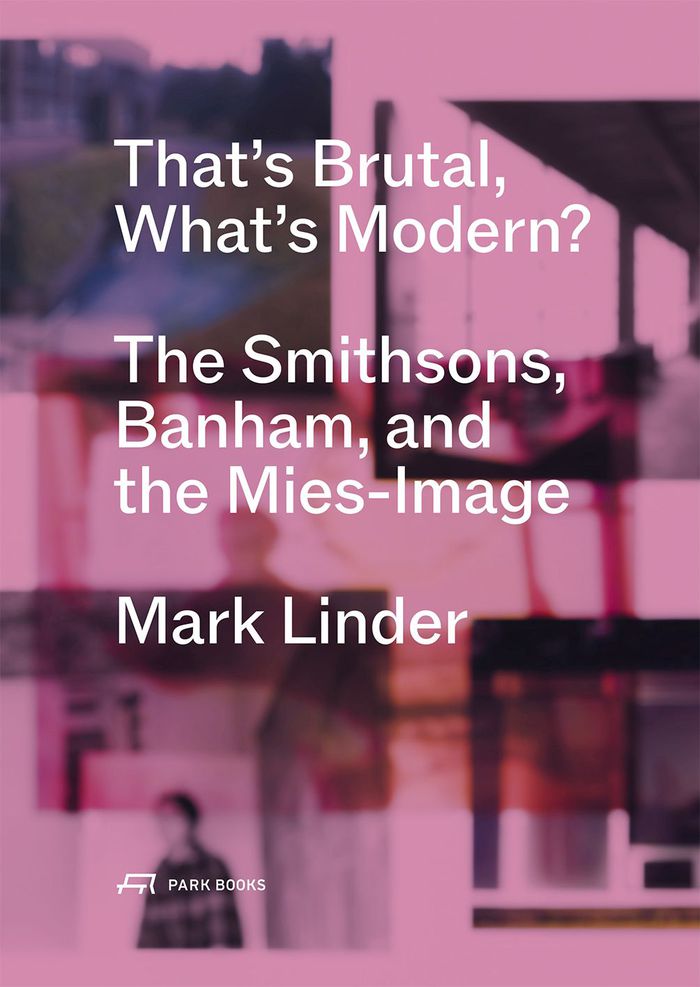
In "That’s Brutal, What’s Modern?: The Smithsons," Banham, and the Mies-Image, Mark D. Linder offers an original understanding of New Brutalism as a consequential and generative episode in the history of post-photographic imaging practices. This episode exemplifies and anticipates the kinds of cognition and intelligence that dominate architectural imagination today. Linder aims to recover a specific and integral, yet overlooked, aspect of the peculiar novelty of New Brutalism by reconsidering the entirety of Alison and Peter Smithson’s work as a fitful and evolving fifty-year fascination with the imaging potential they found in the architecture of Mies van der Rohe. In six chapters and some forty arrays of images, the book progresses from historical research to theoretical speculations on the historical legacy and contemporary potential of the Smithsons’ pursuit of the "Mies-Image."
That’s Brutal, What’s Modern?: The Smithsons, Banham, and the Mies-Image
Actions:
Prix:
$69.95
(disponible en magasin)
Résumé:
In "That’s Brutal, What’s Modern?: The Smithsons," Banham, and the Mies-Image, Mark D. Linder offers an original understanding of New Brutalism as a consequential and generative episode in the history of post-photographic imaging practices. This episode exemplifies and anticipates the kinds of cognition and intelligence that dominate architectural imagination today. Linder aims to recover a specific and integral, yet overlooked, aspect of the peculiar novelty of New Brutalism by reconsidering the entirety of Alison and Peter Smithson’s work as a fitful and evolving fifty-year fascination with the imaging potential they found in the architecture of Mies van der Rohe. In six chapters and some forty arrays of images, the book progresses from historical research to theoretical speculations on the historical legacy and contemporary potential of the Smithsons’ pursuit of the "Mies-Image."
Classification:
livres
livres
Publication:
décembre 2025
décembre 2025
Sujet:
Modernisme
Modernisme
Classification:
livres
livres
Actions:
Prix:
$34.95
(disponible sur commande)
Résumé:
The new urban elite live a lifestyle that benefits from and heavily depends on the service economy, a development with potential consequences for architecture and urban planning. "Serve City" explores this latest challenge to the city via an Australian study: the development of an urban-planning strategy for a new service site in Sydney where information and communication(...)
$34.95
(disponible sur commande)
Résumé:
The new urban elite live a lifestyle that benefits from and heavily depends on the service economy, a development with potential consequences for architecture and urban planning. "Serve City" explores this latest challenge to the city via an Australian study: the development of an urban-planning strategy for a new service site in Sydney where information and communication(...)
Sujet:
Théorie de l’urbanisme
Théorie de l’urbanisme
Publication:
mars 2004, Berlin
mars 2004, Berlin
Titre:
Serve city : interactive urbanism
Actions:
Prix:
$34.95
(disponible sur commande)
Résumé:
The new urban elite live a lifestyle that benefits from and heavily depends on the service economy, a development with potential consequences for architecture and urban planning. "Serve City" explores this latest challenge to the city via an Australian study: the development of an urban-planning strategy for a new service site in Sydney where information and communication technologies play decisive roles in the plan.
Serve city : interactive urbanism
Actions:
Prix:
$34.95
(disponible sur commande)
Résumé:
The new urban elite live a lifestyle that benefits from and heavily depends on the service economy, a development with potential consequences for architecture and urban planning. "Serve City" explores this latest challenge to the city via an Australian study: the development of an urban-planning strategy for a new service site in Sydney where information and communication technologies play decisive roles in the plan.
Classification:
livres
livres
Publication:
mars 2004, Berlin
mars 2004, Berlin
Sujet:
Théorie de l’urbanisme
Théorie de l’urbanisme
Classification:
livres
livres
Actions:
Prix:
$80.00
(disponible sur commande)
Résumé:
In this book, the potential of modern architecture renovation in the Global South is explored as a catalyst for self-determination and community-building. It addresses contemporary heritage challenges, questions renovation trends, and reveals gaps in historicization and archiving, while reflecting on the need for new architectural operations due to a lack of(...)
$80.00
(disponible sur commande)
Résumé:
In this book, the potential of modern architecture renovation in the Global South is explored as a catalyst for self-determination and community-building. It addresses contemporary heritage challenges, questions renovation trends, and reveals gaps in historicization and archiving, while reflecting on the need for new architectural operations due to a lack of(...)
Titre:
Beyond ruins: Reimagining modernism
Actions:
Prix:
$80.00
(disponible sur commande)
Résumé:
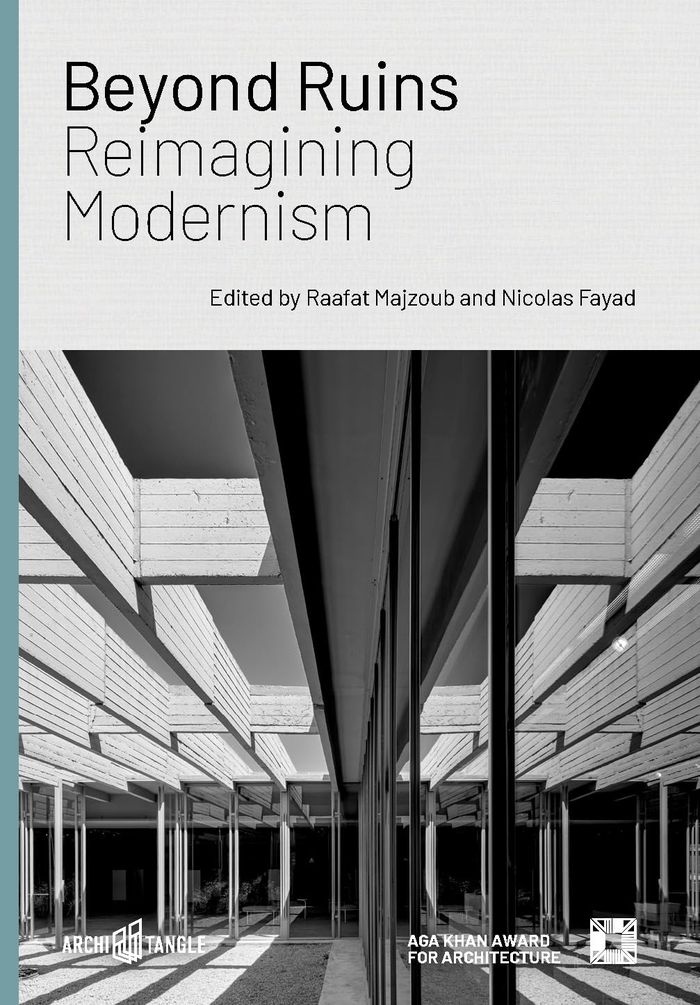
In this book, the potential of modern architecture renovation in the Global South is explored as a catalyst for self-determination and community-building. It addresses contemporary heritage challenges, questions renovation trends, and reveals gaps in historicization and archiving, while reflecting on the need for new architectural operations due to a lack of infrastructure. It begins with the Oscar Niemeyer Guest House renovation project in Tripoli, Lebanon, by the Beirut-based East Architecture Studio, and includes further case studies, conversations, and visual essays by international experts in architecture, governance, regenerative design, contemporary art, philosophy, and gaming.
Beyond ruins: Reimagining modernism
Actions:
Prix:
$80.00
(disponible sur commande)
Résumé:
In this book, the potential of modern architecture renovation in the Global South is explored as a catalyst for self-determination and community-building. It addresses contemporary heritage challenges, questions renovation trends, and reveals gaps in historicization and archiving, while reflecting on the need for new architectural operations due to a lack of infrastructure. It begins with the Oscar Niemeyer Guest House renovation project in Tripoli, Lebanon, by the Beirut-based East Architecture Studio, and includes further case studies, conversations, and visual essays by international experts in architecture, governance, regenerative design, contemporary art, philosophy, and gaming.
Classification:
livres
livres
Publication:
octobre 2024
octobre 2024
Sujet:
Modernisme
Modernisme
Classification:
livres
livres
Titre:
Photography for architects
Photography for architects
Actions:
Prix:
$65.00
(disponible sur commande)
Résumé:
Since its invention, photography has been used to mediate the perception of architecture, for both educational and practical architectural purposes. Winfried Nerdinger's "Photography for Architects "draws on the unrivaled photo collection of the Munich Architekturmuseum to take a broad look at the relation of photography to architecture. The volume is composed of two(...)
$65.00
(disponible sur commande)
Résumé:
Since its invention, photography has been used to mediate the perception of architecture, for both educational and practical architectural purposes. Winfried Nerdinger's "Photography for Architects "draws on the unrivaled photo collection of the Munich Architekturmuseum to take a broad look at the relation of photography to architecture. The volume is composed of two(...)
Titre:
Photography for architects
Actions:
Prix:
$65.00
(disponible sur commande)
Résumé:
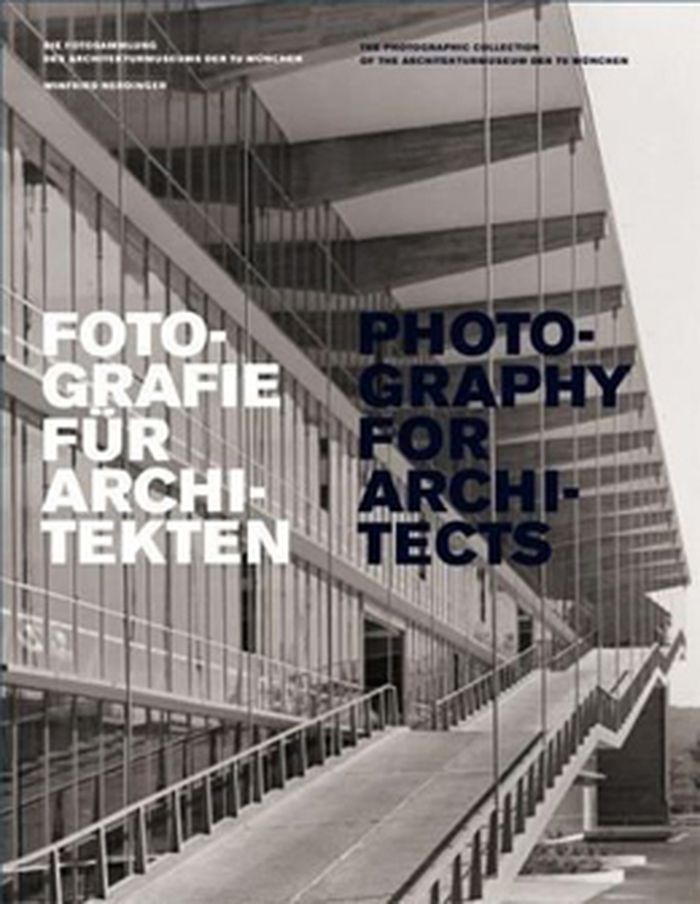
Since its invention, photography has been used to mediate the perception of architecture, for both educational and practical architectural purposes. Winfried Nerdinger's "Photography for Architects "draws on the unrivaled photo collection of the Munich Architekturmuseum to take a broad look at the relation of photography to architecture. The volume is composed of two sections: in the first, Nerdinger examines key architectural motifs and forms, in photographs from the 1850s to the present; in the second section, he demonstrates the potential applications of photography during the design phase.
Photography for architects
Actions:
Prix:
$65.00
(disponible sur commande)
Résumé:
Since its invention, photography has been used to mediate the perception of architecture, for both educational and practical architectural purposes. Winfried Nerdinger's "Photography for Architects "draws on the unrivaled photo collection of the Munich Architekturmuseum to take a broad look at the relation of photography to architecture. The volume is composed of two sections: in the first, Nerdinger examines key architectural motifs and forms, in photographs from the 1850s to the present; in the second section, he demonstrates the potential applications of photography during the design phase.
Classification:
livres
livres
Publication:
avril 2012
avril 2012
Sujet:
Photographie- collections
Photographie- collections
Classification:
livres
livres
Prix:
$65.00
(disponible sur commande)
Résumé:
By and large, architectural historians use texts, drawings, and photographs to craft their narratives. Oral testimony from those who actually occupy or construct buildings is rarely taken as seriously. 'Speaking of Buildings' offers a rebuttal, theorizing the radical potential of a methodology that has historically been cast as unreliable.
$65.00
(disponible sur commande)
Résumé:
By and large, architectural historians use texts, drawings, and photographs to craft their narratives. Oral testimony from those who actually occupy or construct buildings is rarely taken as seriously. 'Speaking of Buildings' offers a rebuttal, theorizing the radical potential of a methodology that has historically been cast as unreliable.
Sujet:
Théorie de l’architecture
Théorie de l’architecture
Publication:
octobre 2019
octobre 2019
Titre:
Speaking of buildings: oral history in architectural research
Actions:
Prix:
$65.00
(disponible sur commande)
Résumé:
By and large, architectural historians use texts, drawings, and photographs to craft their narratives. Oral testimony from those who actually occupy or construct buildings is rarely taken as seriously. 'Speaking of Buildings' offers a rebuttal, theorizing the radical potential of a methodology that has historically been cast as unreliable.
Speaking of buildings: oral history in architectural research
Actions:
Prix:
$65.00
(disponible sur commande)
Résumé:
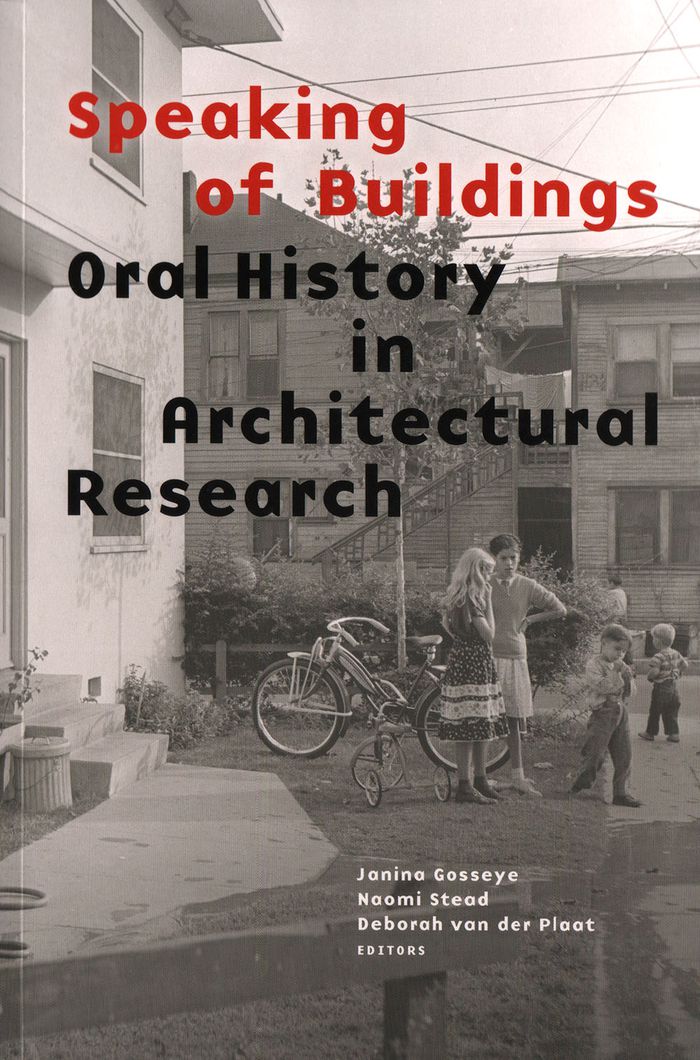
By and large, architectural historians use texts, drawings, and photographs to craft their narratives. Oral testimony from those who actually occupy or construct buildings is rarely taken as seriously. 'Speaking of Buildings' offers a rebuttal, theorizing the radical potential of a methodology that has historically been cast as unreliable.
Classification:
livres
livres
Publication:
octobre 2019
octobre 2019
Sujet:
Théorie de l’architecture
Théorie de l’architecture
Classification:
livres
livres
Prix:
$66.00
(disponible sur commande)
Résumé:
Featuring essays by experts in architecture, urbanism and contemporary culture, this book documents 28 site-specific installations and temporary interventions in Germany and Australia, which offer interesting prospects for the revitalization of empty land, neatly demonstrating the great potential of provisional usage of urban spaces. All projects date from 2002 to 2008,(...)
$66.00
(disponible sur commande)
Résumé:
Featuring essays by experts in architecture, urbanism and contemporary culture, this book documents 28 site-specific installations and temporary interventions in Germany and Australia, which offer interesting prospects for the revitalization of empty land, neatly demonstrating the great potential of provisional usage of urban spaces. All projects date from 2002 to 2008,(...)
Titre:
Back to the City : stategies for informal urban interventions
Actions:
Prix:
$66.00
(disponible sur commande)
Résumé:
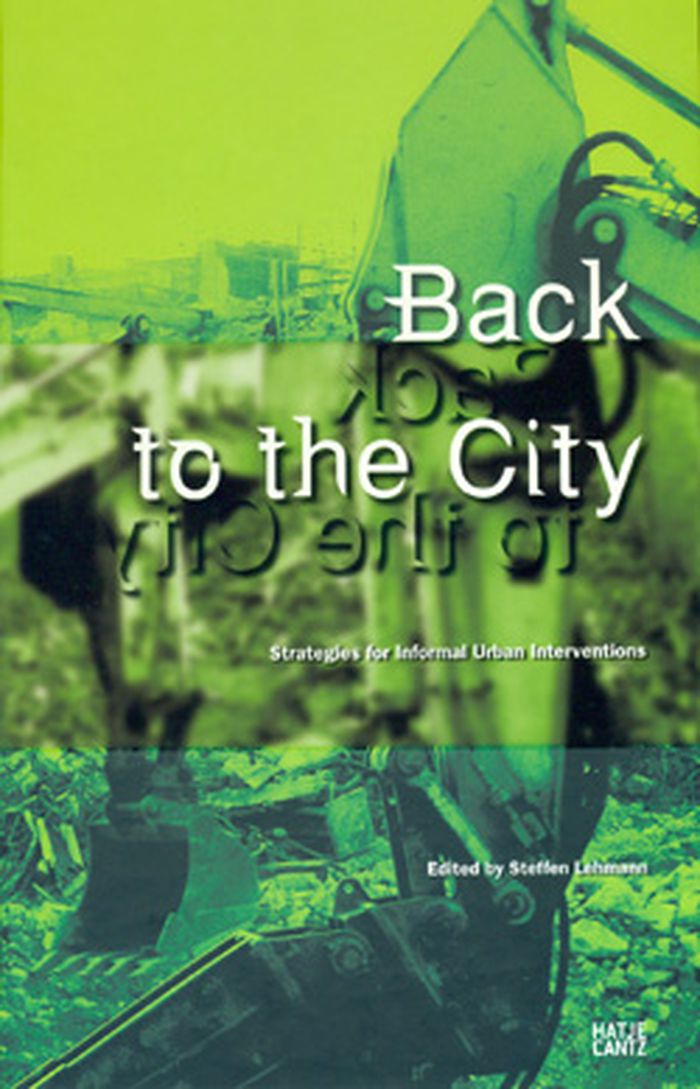
Featuring essays by experts in architecture, urbanism and contemporary culture, this book documents 28 site-specific installations and temporary interventions in Germany and Australia, which offer interesting prospects for the revitalization of empty land, neatly demonstrating the great potential of provisional usage of urban spaces. All projects date from 2002 to 2008, as curated by architect and urban planner Steffen Lehmann, Professor at the University of Newcastle, Australia,
Back to the City : stategies for informal urban interventions
Actions:
Prix:
$66.00
(disponible sur commande)
Résumé:
Featuring essays by experts in architecture, urbanism and contemporary culture, this book documents 28 site-specific installations and temporary interventions in Germany and Australia, which offer interesting prospects for the revitalization of empty land, neatly demonstrating the great potential of provisional usage of urban spaces. All projects date from 2002 to 2008, as curated by architect and urban planner Steffen Lehmann, Professor at the University of Newcastle, Australia,
Classification:
livres
livres
Publication:
janvier 1900
janvier 1900
Sujet:
Expositions collectives
Expositions collectives
Classification:
livres
livres
Actions:
Prix:
$24.95
(disponible sur commande)
Résumé:
Since the election of Mayor David Miller in November 2003, Toronto has experienced a wave of civic pride and enthusiasm not felt in decades. At long last, Torontonians see their city as a place of possibility and potential. Visions of a truly workable, liveable and world-class city are once again dancing in citizens’ heads. In the past two years, this spirit has, directly(...)
$24.95
(disponible sur commande)
Résumé:
Since the election of Mayor David Miller in November 2003, Toronto has experienced a wave of civic pride and enthusiasm not felt in decades. At long last, Torontonians see their city as a place of possibility and potential. Visions of a truly workable, liveable and world-class city are once again dancing in citizens’ heads. In the past two years, this spirit has, directly(...)
Titre:
Utopia : towards a new Toronto
Actions:
Prix:
$24.95
(disponible sur commande)
Résumé:
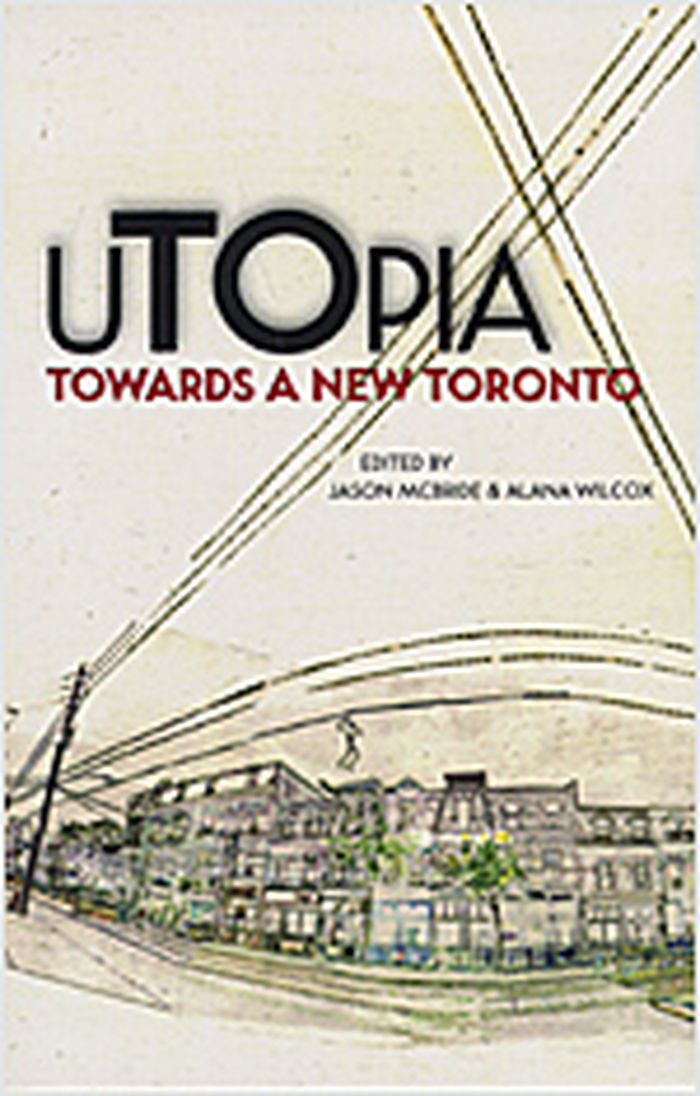
Since the election of Mayor David Miller in November 2003, Toronto has experienced a wave of civic pride and enthusiasm not felt in decades. At long last, Torontonians see their city as a place of possibility and potential. Visions of a truly workable, liveable and world-class city are once again dancing in citizens’ heads. In the past two years, this spirit has, directly or indirectly, manifested itself in multifarious forms: in writer Sheila Heti’s sui generis lecture series, Trampoline Hall; in the transformation of derelict hotels such as the Drake and the Gladstone into cultural hotspots; in renewed interest in waterfront revitalization and public transportation; in exciting, controversial architectural developments such as the OCAD building, the expansion of the ROM and the AGO; in the [murmur] project, which catalogues stories about Toronto neighbourhoods and broadcasts them to people’s cell phones; in the explosion of the local independent music scene. "uTOpia" aims to capture and chronicle that spirit, collecting writing by many of the people inspired by and involved in these projects. Featuring passionate, visionary essays by thirty-four different journalists, artists, thinkers, architects and activists, "uTOpia" is a compendium of ideas, opinions and strategies. The anthology explores plans to redevelop the Island airport into a Ward’s Island-style community; how the Zeidler family is energizing artist-run centres; what a car-free Kensington Market might mean; the necessity and beauty of laneway housing; the way past efforts to combat devastating developments like the Spadina Expressway have shaped current activism; what a utopian Toronto might look like mapped out; and much, much more. "uTOpia" writes Toronto as it is shared and created by the people who live here. Though it is by no means a complete picture of what is happening in the city right now, it will hopefully show that what was once just a T-shirt slogan – I Heart T.O. – is now genuine, heartfelt sentiment.
Utopia : towards a new Toronto
Actions:
Prix:
$24.95
(disponible sur commande)
Résumé:
Since the election of Mayor David Miller in November 2003, Toronto has experienced a wave of civic pride and enthusiasm not felt in decades. At long last, Torontonians see their city as a place of possibility and potential. Visions of a truly workable, liveable and world-class city are once again dancing in citizens’ heads. In the past two years, this spirit has, directly or indirectly, manifested itself in multifarious forms: in writer Sheila Heti’s sui generis lecture series, Trampoline Hall; in the transformation of derelict hotels such as the Drake and the Gladstone into cultural hotspots; in renewed interest in waterfront revitalization and public transportation; in exciting, controversial architectural developments such as the OCAD building, the expansion of the ROM and the AGO; in the [murmur] project, which catalogues stories about Toronto neighbourhoods and broadcasts them to people’s cell phones; in the explosion of the local independent music scene. "uTOpia" aims to capture and chronicle that spirit, collecting writing by many of the people inspired by and involved in these projects. Featuring passionate, visionary essays by thirty-four different journalists, artists, thinkers, architects and activists, "uTOpia" is a compendium of ideas, opinions and strategies. The anthology explores plans to redevelop the Island airport into a Ward’s Island-style community; how the Zeidler family is energizing artist-run centres; what a car-free Kensington Market might mean; the necessity and beauty of laneway housing; the way past efforts to combat devastating developments like the Spadina Expressway have shaped current activism; what a utopian Toronto might look like mapped out; and much, much more. "uTOpia" writes Toronto as it is shared and created by the people who live here. Though it is by no means a complete picture of what is happening in the city right now, it will hopefully show that what was once just a T-shirt slogan – I Heart T.O. – is now genuine, heartfelt sentiment.
Classification:
livres
livres
Publication:
octobre 2005, Toronto
octobre 2005, Toronto
Sujet:
Architecture du Canada
Architecture du Canada
Classification:
livres
livres
Actions:
Prix:
$60.00
(disponible sur commande)
Résumé:
The story of midcentury architecture in America is dominated by outsized figures—Richard Neutra, George Nelson, Louis Kahn—who were universally acknowledged as creative geniuses. Yet virtually unheard of is the intensive 1958–59 study, conducted at the Institute of Personality Assessment and Research at the University of California, Berkeley, that scrutinized these and(...)
$60.00
(disponible sur commande)
Résumé:
The story of midcentury architecture in America is dominated by outsized figures—Richard Neutra, George Nelson, Louis Kahn—who were universally acknowledged as creative geniuses. Yet virtually unheard of is the intensive 1958–59 study, conducted at the Institute of Personality Assessment and Research at the University of California, Berkeley, that scrutinized these and(...)
Publication:
juin 2016
juin 2016
Titre:
The creative architect: inside the great midcentury personality study
Actions:
Prix:
$60.00
(disponible sur commande)
Résumé:
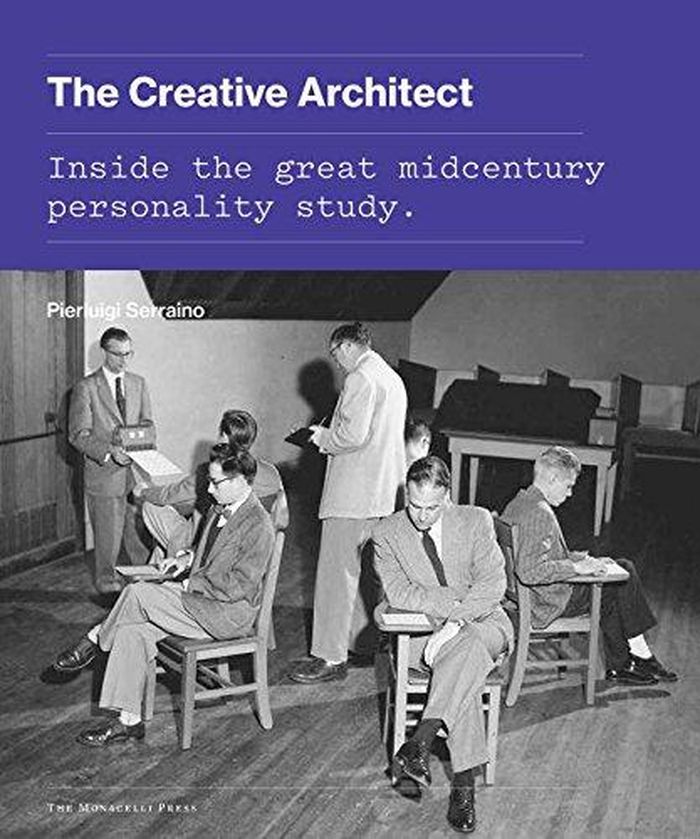
The story of midcentury architecture in America is dominated by outsized figures—Richard Neutra, George Nelson, Louis Kahn—who were universally acknowledged as creative geniuses. Yet virtually unheard of is the intensive 1958–59 study, conducted at the Institute of Personality Assessment and Research at the University of California, Berkeley, that scrutinized these and dozens of other famous architects in an effort to map their minds. Deploying an array of tests reflecting current psychological theories, the investigation sought to answer questions that still apply to creative practice today: What makes a person creative? What are the biographical conditions and personality traits necessary to actualize that potential? The study’s findings have been gathered through numerous original sources, including questionnaires, aptitude tests, and interview transcripts, revealing how these great architects evaluated their own creativity and that of their peers. In The Creative Architect, Pierluigi Serraino charts the development, implementation, and findings of this historic study, producing the first look at a fascinating and forgotten moment in architecture, psychology, and American history.
The creative architect: inside the great midcentury personality study
Actions:
Prix:
$60.00
(disponible sur commande)
Résumé:
The story of midcentury architecture in America is dominated by outsized figures—Richard Neutra, George Nelson, Louis Kahn—who were universally acknowledged as creative geniuses. Yet virtually unheard of is the intensive 1958–59 study, conducted at the Institute of Personality Assessment and Research at the University of California, Berkeley, that scrutinized these and dozens of other famous architects in an effort to map their minds. Deploying an array of tests reflecting current psychological theories, the investigation sought to answer questions that still apply to creative practice today: What makes a person creative? What are the biographical conditions and personality traits necessary to actualize that potential? The study’s findings have been gathered through numerous original sources, including questionnaires, aptitude tests, and interview transcripts, revealing how these great architects evaluated their own creativity and that of their peers. In The Creative Architect, Pierluigi Serraino charts the development, implementation, and findings of this historic study, producing the first look at a fascinating and forgotten moment in architecture, psychology, and American history.
Classification:
livres
livres
Publication:
juin 2016
juin 2016
Classification:
livres
livres
Titre:
Unseen Europe : a survey of EU politics and its impact on spatial development in the Netherlands
Unseen Europe : a survey of EU politics and its impact on spatial development in the Netherlands
Actions:
Prix:
$37.95
(disponible sur commande)
Résumé:
The EU is involved, either directly or indirectly, in the most vital issues of national spatial policy. The indirect - and therefore usually unseen - consequences are often more significant, and will become increasingly so in the future. These are the most important findings in "Unseen Europe : a survey of EU politics and its impact on spatial development in the(...)
$37.95
(disponible sur commande)
Résumé:
The EU is involved, either directly or indirectly, in the most vital issues of national spatial policy. The indirect - and therefore usually unseen - consequences are often more significant, and will become increasingly so in the future. These are the most important findings in "Unseen Europe : a survey of EU politics and its impact on spatial development in the(...)
Publication:
janvier 2004, Rotterdam
janvier 2004, Rotterdam
Titre:
Unseen Europe : a survey of EU politics and its impact on spatial development in the Netherlands
Actions:
Prix:
$37.95
(disponible sur commande)
Résumé:
The EU is involved, either directly or indirectly, in the most vital issues of national spatial policy. The indirect - and therefore usually unseen - consequences are often more significant, and will become increasingly so in the future. These are the most important findings in "Unseen Europe : a survey of EU politics and its impact on spatial development in the Netherlands". This study by the Netherlands Institute for Spatial Planning (Ruimtelijk Planbureau) was presented to the Dutch minister of Housing, Spatial Planning and the Environment, Sybilla M. Dekker. This study surveys a selected number of spatially relevant EU policy fields and their potential impacts in the Netherlands. Given this growing importance of European policy, those involved in spatial policy should keep abreast of developments to avoid being caught off-guard by new EU directives or initiatives. Where necessary position should be taken against the too uniform a character of European policy. Otherwise, the Dutch government should more actively anticipate the chances offered by the European context. Without this European perspective it is more and more difficult to conduct spatial policy. Instead of considering the EU as restrictive only, policy should therefore be formulated from a European perspective. In this respect the Netherlands still turns its back on Brussels too much.
Unseen Europe : a survey of EU politics and its impact on spatial development in the Netherlands
Actions:
Prix:
$37.95
(disponible sur commande)
Résumé:
The EU is involved, either directly or indirectly, in the most vital issues of national spatial policy. The indirect - and therefore usually unseen - consequences are often more significant, and will become increasingly so in the future. These are the most important findings in "Unseen Europe : a survey of EU politics and its impact on spatial development in the Netherlands". This study by the Netherlands Institute for Spatial Planning (Ruimtelijk Planbureau) was presented to the Dutch minister of Housing, Spatial Planning and the Environment, Sybilla M. Dekker. This study surveys a selected number of spatially relevant EU policy fields and their potential impacts in the Netherlands. Given this growing importance of European policy, those involved in spatial policy should keep abreast of developments to avoid being caught off-guard by new EU directives or initiatives. Where necessary position should be taken against the too uniform a character of European policy. Otherwise, the Dutch government should more actively anticipate the chances offered by the European context. Without this European perspective it is more and more difficult to conduct spatial policy. Instead of considering the EU as restrictive only, policy should therefore be formulated from a European perspective. In this respect the Netherlands still turns its back on Brussels too much.
Classification:
livres
livres
Publication:
janvier 2004, Rotterdam
janvier 2004, Rotterdam


