


951 Résultats
Classification:
livres
livres
Actions:
Prix:
$61.95
(disponible sur commande)
Résumé:
The "Island Position" is an advertising term that describes the premium position of an advertisement surrounded solely by editorial content. In ''The Island Position,'' John Lehr explores the facades of American commercial spaces that are threatened by the emergence of e-commerce. In a rush to remain relevant, storeowners emblazon their windows and walls with anything(...)
$61.95
(disponible sur commande)
Résumé:
The "Island Position" is an advertising term that describes the premium position of an advertisement surrounded solely by editorial content. In ''The Island Position,'' John Lehr explores the facades of American commercial spaces that are threatened by the emergence of e-commerce. In a rush to remain relevant, storeowners emblazon their windows and walls with anything(...)
Titre:
John Lehr: the island position
Actions:
Prix:
$61.95
(disponible sur commande)
Résumé:
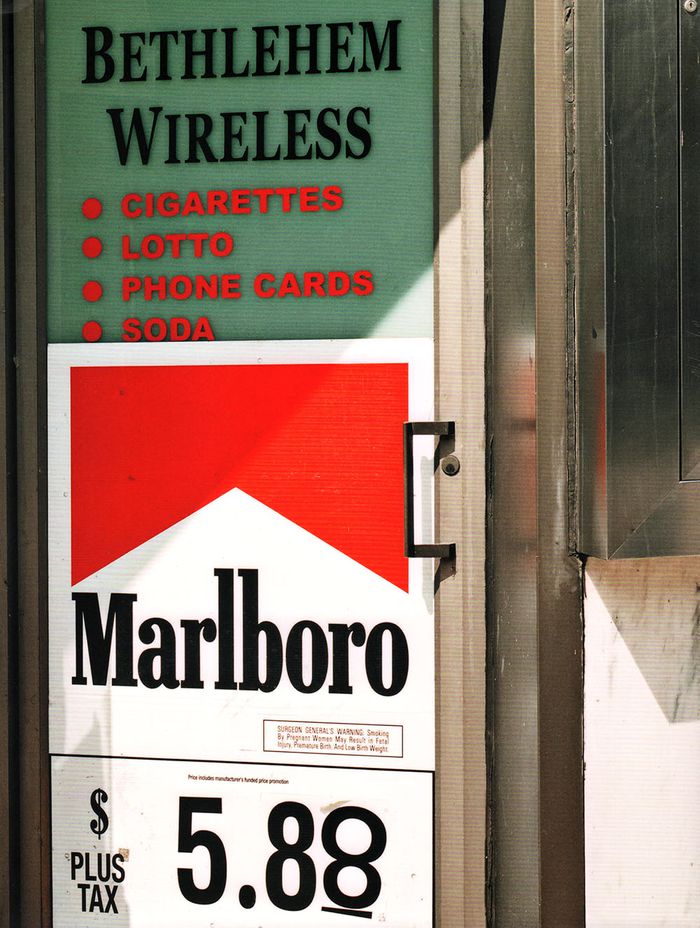
The "Island Position" is an advertising term that describes the premium position of an advertisement surrounded solely by editorial content. In ''The Island Position,'' John Lehr explores the facades of American commercial spaces that are threatened by the emergence of e-commerce. In a rush to remain relevant, storeowners emblazon their windows and walls with anything that will grab attention: tessellations of quick-fading ads, floor-to-ceiling decals of fanned money or flowing hair, haphazard product displays, and desperate, hand-scrawled invitations. Masquerading as a typology of storefronts, the surfaces in ''The Island Position'' embody something unseen: the people who constructed them. The signage is not simply an appeal to consumption, but a typography of emotion: vulnerability, ingenuity, distress, and hope-the language of capitalism as a form of public address. Lehr is not interested in what is for sale. He is interested in what is at stake.
John Lehr: the island position
Actions:
Prix:
$61.95
(disponible sur commande)
Résumé:
The "Island Position" is an advertising term that describes the premium position of an advertisement surrounded solely by editorial content. In ''The Island Position,'' John Lehr explores the facades of American commercial spaces that are threatened by the emergence of e-commerce. In a rush to remain relevant, storeowners emblazon their windows and walls with anything that will grab attention: tessellations of quick-fading ads, floor-to-ceiling decals of fanned money or flowing hair, haphazard product displays, and desperate, hand-scrawled invitations. Masquerading as a typology of storefronts, the surfaces in ''The Island Position'' embody something unseen: the people who constructed them. The signage is not simply an appeal to consumption, but a typography of emotion: vulnerability, ingenuity, distress, and hope-the language of capitalism as a form of public address. Lehr is not interested in what is for sale. He is interested in what is at stake.
Classification:
livres
livres
Publication:
février 2019
février 2019
Sujet:
Monographies photo
Monographies photo
Classification:
livres
livres
Actions:
Prix:
$43.95
(disponible sur commande)
Résumé:
One of the most influential Marxist theorists of the twentieth century, Henri Lefebvre pioneered the study of the modern state in an age of accelerating global economic integration and fragmentation. Shortly after the 1974 publication of his landmark book The Production of Space, Henri Lefebvre embarked on one of the most ambitious projects of his career: a consideration(...)
$43.95
(disponible sur commande)
Résumé:
One of the most influential Marxist theorists of the twentieth century, Henri Lefebvre pioneered the study of the modern state in an age of accelerating global economic integration and fragmentation. Shortly after the 1974 publication of his landmark book The Production of Space, Henri Lefebvre embarked on one of the most ambitious projects of his career: a consideration(...)
Titre:
State, space, world, selected essays
Actions:
Prix:
$43.95
(disponible sur commande)
Résumé:
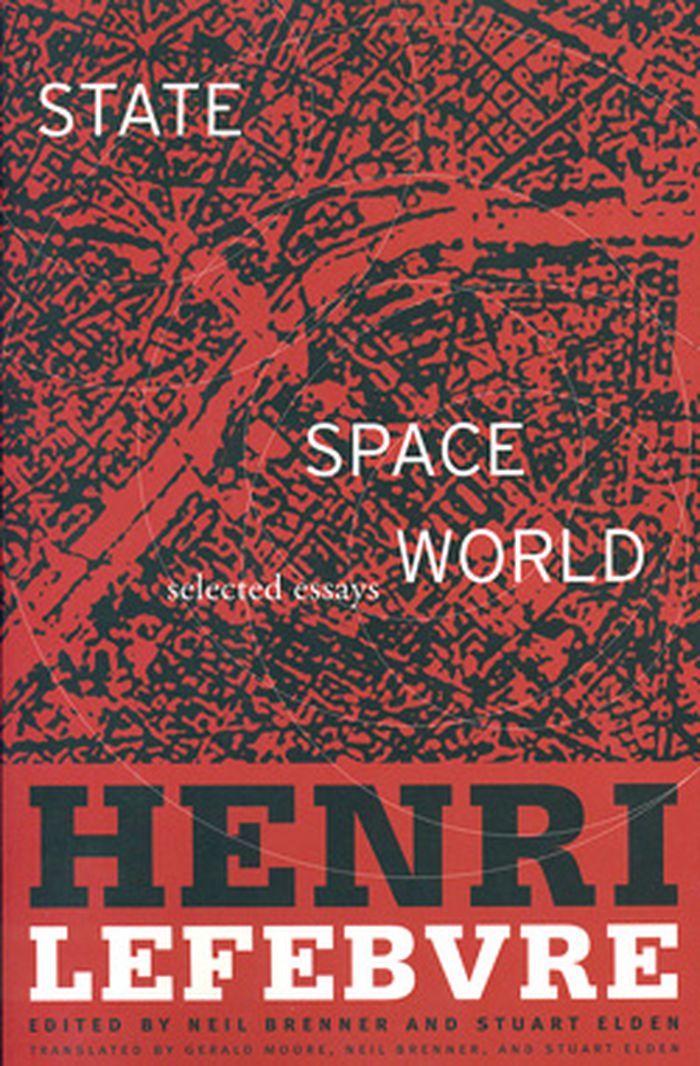
One of the most influential Marxist theorists of the twentieth century, Henri Lefebvre pioneered the study of the modern state in an age of accelerating global economic integration and fragmentation. Shortly after the 1974 publication of his landmark book The Production of Space, Henri Lefebvre embarked on one of the most ambitious projects of his career: a consideration of the history and geographies of the modern state through a monumental study that linked several disciplines, including political science, sociology, geography, and history. State, Space, World collects a series of Lefebvre’s key writings on the state from this period. Making available in English for the first time the as-yet-unexplored political aspect of Lefebvre’s work, it contains essays on philosophy, political theory, state formation, spatial planning, and globalization, as well as provocative reflections on the possibilities and limits of grassroots democracy under advanced capitalism.
State, space, world, selected essays
Actions:
Prix:
$43.95
(disponible sur commande)
Résumé:
One of the most influential Marxist theorists of the twentieth century, Henri Lefebvre pioneered the study of the modern state in an age of accelerating global economic integration and fragmentation. Shortly after the 1974 publication of his landmark book The Production of Space, Henri Lefebvre embarked on one of the most ambitious projects of his career: a consideration of the history and geographies of the modern state through a monumental study that linked several disciplines, including political science, sociology, geography, and history. State, Space, World collects a series of Lefebvre’s key writings on the state from this period. Making available in English for the first time the as-yet-unexplored political aspect of Lefebvre’s work, it contains essays on philosophy, political theory, state formation, spatial planning, and globalization, as well as provocative reflections on the possibilities and limits of grassroots democracy under advanced capitalism.
Classification:
livres
livres
Publication:
mars 2009, Minneapolis
mars 2009, Minneapolis
Sujet:
Théorie de l’architecture
Théorie de l’architecture
Classification:
livres
livres

Actions:
Prix:
$72.95
(disponible sur commande)
Résumé:
In "Manufacturing Montreal" Robert Lewis provides a detailed historical geographic account of a major North American city's industrial landscape from the beginnings of industrialization to the Great Depression. Challenging the traditional view that urban expansion due to industrial decentralization is a twentieth-century phenomenon, Lewis demonstrates that the process of(...)
$72.95
(disponible sur commande)
Résumé:
In "Manufacturing Montreal" Robert Lewis provides a detailed historical geographic account of a major North American city's industrial landscape from the beginnings of industrialization to the Great Depression. Challenging the traditional view that urban expansion due to industrial decentralization is a twentieth-century phenomenon, Lewis demonstrates that the process of(...)
Titre:
Manufacturing Montreal : the making of an industrial landscape, 1850 to 1930
Actions:
Prix:
$72.95
(disponible sur commande)
Résumé:
In "Manufacturing Montreal" Robert Lewis provides a detailed historical geographic account of a major North American city's industrial landscape from the beginnings of industrialization to the Great Depression. Challenging the traditional view that urban expansion due to industrial decentralization is a twentieth-century phenomenon, Lewis demonstrates that the process of industrial decentralization has been ongoing since the 1850s. Lewis's overall thesis is that the economic and social imperatives underlying industrial capitalism periodically reshaped the manufacturing geography of Montreal, as it did in many other North American cities. Time and again, the move of factories to the urban fringe shaped the social geography of the city by creating working-class residential neighborhoods. A particular strength of the book is its detailed examination of the role that utilities, transportation, technological change, investment, political control of land use, and labor markets had in the manufacturing of Montreal's factory districts.
Manufacturing Montreal : the making of an industrial landscape, 1850 to 1930
Actions:
Prix:
$72.95
(disponible sur commande)
Résumé:
In "Manufacturing Montreal" Robert Lewis provides a detailed historical geographic account of a major North American city's industrial landscape from the beginnings of industrialization to the Great Depression. Challenging the traditional view that urban expansion due to industrial decentralization is a twentieth-century phenomenon, Lewis demonstrates that the process of industrial decentralization has been ongoing since the 1850s. Lewis's overall thesis is that the economic and social imperatives underlying industrial capitalism periodically reshaped the manufacturing geography of Montreal, as it did in many other North American cities. Time and again, the move of factories to the urban fringe shaped the social geography of the city by creating working-class residential neighborhoods. A particular strength of the book is its detailed examination of the role that utilities, transportation, technological change, investment, political control of land use, and labor markets had in the manufacturing of Montreal's factory districts.
Classification:
livres
livres
Publication:
janvier 1900, Baltimore
janvier 1900, Baltimore
Sujet:
Architecture de Montréal
Architecture de Montréal
Classification:
livres
livres
Actions:
Prix:
$48.00
(disponible sur commande)
Résumé:
Developed by Amsterdam-based Slovenian artist and researcher Andrea Knezovic (born 1990) in collaboration with editor-curator Agata Bar, curator Tia Cicek and graphic designer Miquel Hervás Gómez, ''Nocturnalities: Bargaining Beyond Rest'' looks at how technology can assist, instead of coopting, care urgencies and needs. What is rest if not the space of safety? How can we(...)
$48.00
(disponible sur commande)
Résumé:
Developed by Amsterdam-based Slovenian artist and researcher Andrea Knezovic (born 1990) in collaboration with editor-curator Agata Bar, curator Tia Cicek and graphic designer Miquel Hervás Gómez, ''Nocturnalities: Bargaining Beyond Rest'' looks at how technology can assist, instead of coopting, care urgencies and needs. What is rest if not the space of safety? How can we(...)
Titre:
Nocturnalities: Bargaining beyond rest
Actions:
Prix:
$48.00
(disponible sur commande)
Résumé:
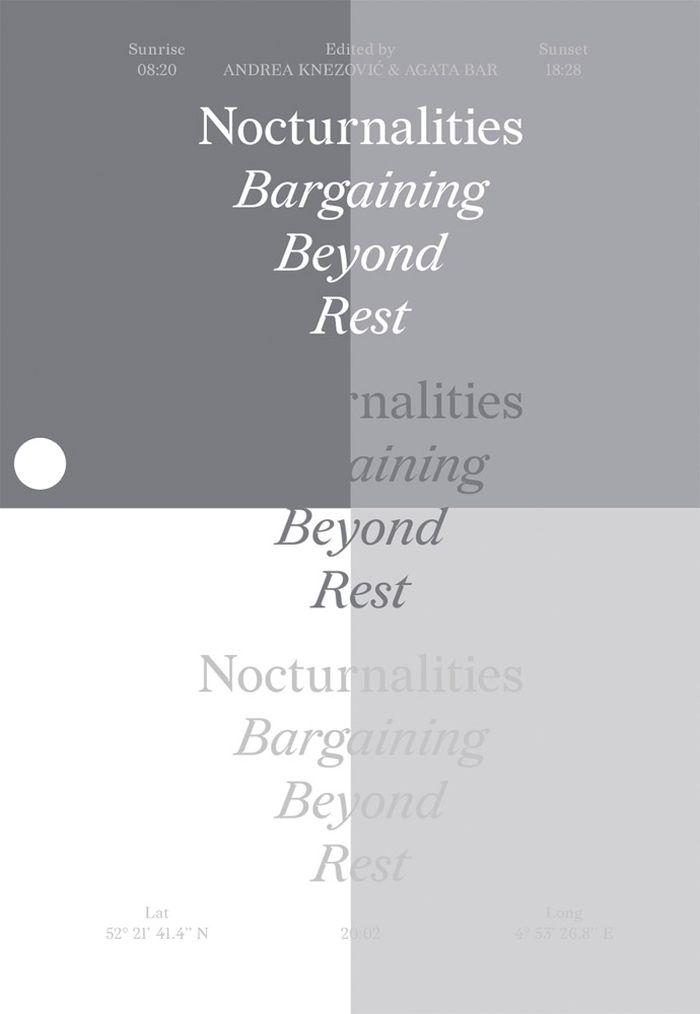
Developed by Amsterdam-based Slovenian artist and researcher Andrea Knezovic (born 1990) in collaboration with editor-curator Agata Bar, curator Tia Cicek and graphic designer Miquel Hervás Gómez, ''Nocturnalities: Bargaining Beyond Rest'' looks at how technology can assist, instead of coopting, care urgencies and needs. What is rest if not the space of safety? How can we use or appropriate care methodologies in capitalism and create little oases of comfort, exchange and "communal comradeship"? The value of this work is embedded in the way it offers different—local and international—perspectives and understandings of how we relate to the politics of rest, negotiate institutional and intimate care, and imagine varieties of care systems and healing strategies within a local setting. The intent is not necessarily to offer one solution to the larger inquiry but to allow a plurality of voices and contributions to be heard, expressed and remembered.
Nocturnalities: Bargaining beyond rest
Actions:
Prix:
$48.00
(disponible sur commande)
Résumé:
Developed by Amsterdam-based Slovenian artist and researcher Andrea Knezovic (born 1990) in collaboration with editor-curator Agata Bar, curator Tia Cicek and graphic designer Miquel Hervás Gómez, ''Nocturnalities: Bargaining Beyond Rest'' looks at how technology can assist, instead of coopting, care urgencies and needs. What is rest if not the space of safety? How can we use or appropriate care methodologies in capitalism and create little oases of comfort, exchange and "communal comradeship"? The value of this work is embedded in the way it offers different—local and international—perspectives and understandings of how we relate to the politics of rest, negotiate institutional and intimate care, and imagine varieties of care systems and healing strategies within a local setting. The intent is not necessarily to offer one solution to the larger inquiry but to allow a plurality of voices and contributions to be heard, expressed and remembered.
Classification:
livres
livres
Publication:
juillet 2025
juillet 2025
Sujet:
Social
Social
Classification:
livres
livres
Actions:
Prix:
$69.95
(disponible en magasin)
Résumé:
Conventional representations reinforce its reading as an urban condition resulting from neoliberal capitalism. These forces have expanded the city grid and extruded its architectures as a laboratory of urban ideas. Yet, like many other coastal and insular conditions, twenty-first century Manhattan faces adverse Anthropogenic climate change. Stronger storm surges and sea(...)
$69.95
(disponible en magasin)
Résumé:
Conventional representations reinforce its reading as an urban condition resulting from neoliberal capitalism. These forces have expanded the city grid and extruded its architectures as a laboratory of urban ideas. Yet, like many other coastal and insular conditions, twenty-first century Manhattan faces adverse Anthropogenic climate change. Stronger storm surges and sea(...)
Titre:
New York geologics: Representations of Manhattan from the anthropocene
Actions:
Prix:
$69.95
(disponible en magasin)
Résumé:
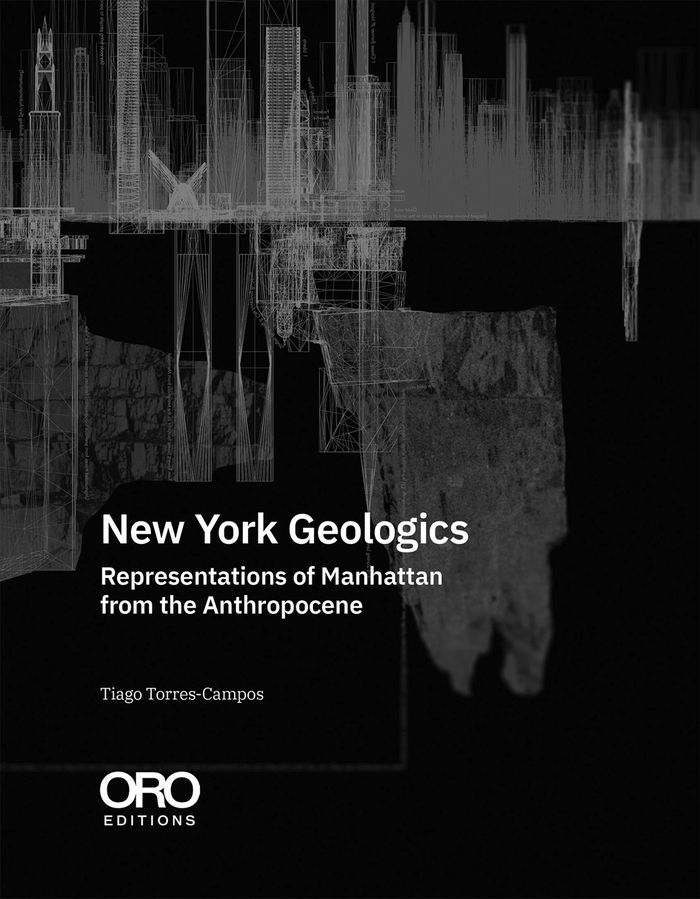
Conventional representations reinforce its reading as an urban condition resulting from neoliberal capitalism. These forces have expanded the city grid and extruded its architectures as a laboratory of urban ideas. Yet, like many other coastal and insular conditions, twenty-first century Manhattan faces adverse Anthropogenic climate change. Stronger storm surges and sea level rise now demand that the island recalibrates its social and environmental positions. The city needs to consider once again its fluid archipelagic conditions inherited from glacial dynamics. With a focus on iconic city representations, the book examines distinct logics that try to make capitalist progress compatible with its territorial conditions. Even though these logics of land, water and ground – here called geologics – are perhaps less dominant than the dense urban culture and, therefore, less predominant in the representation of the city, they are still important to explain why Manhattan evolved to its current condition.
New York geologics: Representations of Manhattan from the anthropocene
Actions:
Prix:
$69.95
(disponible en magasin)
Résumé:
Conventional representations reinforce its reading as an urban condition resulting from neoliberal capitalism. These forces have expanded the city grid and extruded its architectures as a laboratory of urban ideas. Yet, like many other coastal and insular conditions, twenty-first century Manhattan faces adverse Anthropogenic climate change. Stronger storm surges and sea level rise now demand that the island recalibrates its social and environmental positions. The city needs to consider once again its fluid archipelagic conditions inherited from glacial dynamics. With a focus on iconic city representations, the book examines distinct logics that try to make capitalist progress compatible with its territorial conditions. Even though these logics of land, water and ground – here called geologics – are perhaps less dominant than the dense urban culture and, therefore, less predominant in the representation of the city, they are still important to explain why Manhattan evolved to its current condition.
Classification:
livres
livres
Publication:
mars 2026
mars 2026
Sujet:
L'écologie de l'architecure
L'écologie de l'architecure
Classification:
livres
livres
Actions:
Prix:
$25.95
(disponible sur commande)
Résumé:
In this radical and visionary new book, McKenzie Wark argues that the all-pervasive presence of data in our networked society has given rise to a new mode of production, one not ruled over by capitalists and their factories but by those who own and control the flow of information. Yet, if this is not capitalism anymore, could it be something worse? What if the world we're(...)
$25.95
(disponible sur commande)
Résumé:
In this radical and visionary new book, McKenzie Wark argues that the all-pervasive presence of data in our networked society has given rise to a new mode of production, one not ruled over by capitalists and their factories but by those who own and control the flow of information. Yet, if this is not capitalism anymore, could it be something worse? What if the world we're(...)
Titre:
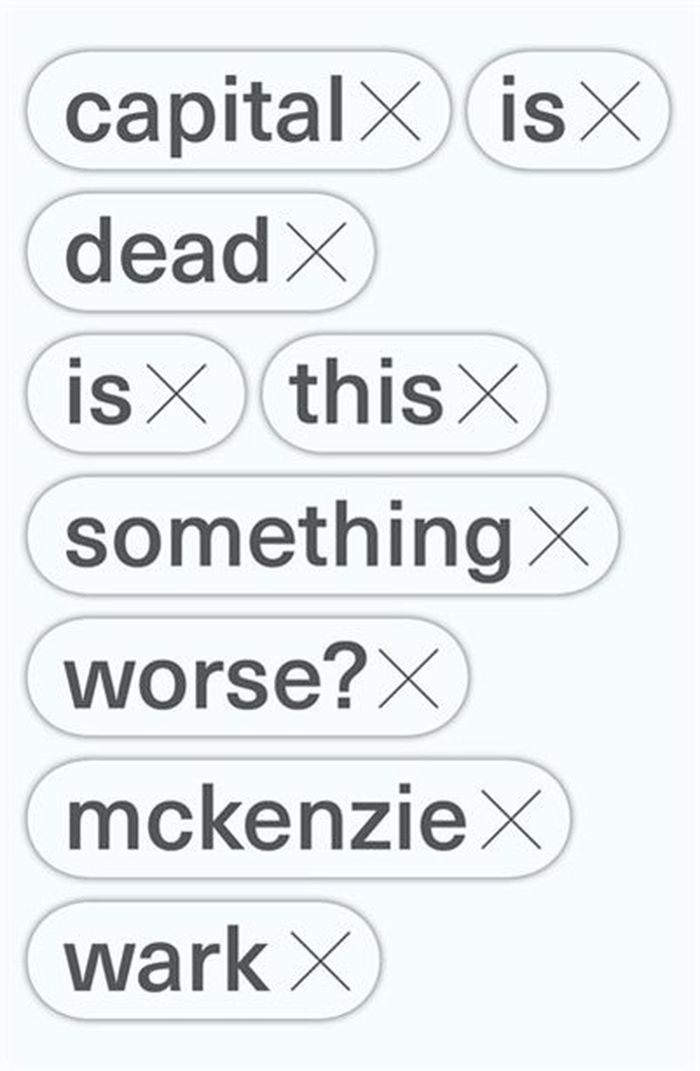
Capital is dead: Is this something worse?
Actions:
Prix:
$25.95
(disponible sur commande)
Résumé:
In this radical and visionary new book, McKenzie Wark argues that the all-pervasive presence of data in our networked society has given rise to a new mode of production, one not ruled over by capitalists and their factories but by those who own and control the flow of information. Yet, if this is not capitalism anymore, could it be something worse? What if the world we're living in is more dystopian than the techno utopias of the Silicon Valley imagination? And, if this is the case, how do we find a way out? Capital Is Dead offers not only the theoretical tools to analyse this new world of information, but the ones to change it, too. Drawing on the writings of the Situationists and a range of contemporary theorists, Wark offers a vast panorama of the contemporary condition and the classes that control it.
Capital is dead: Is this something worse?
Actions:
Prix:
$25.95
(disponible sur commande)
Résumé:
In this radical and visionary new book, McKenzie Wark argues that the all-pervasive presence of data in our networked society has given rise to a new mode of production, one not ruled over by capitalists and their factories but by those who own and control the flow of information. Yet, if this is not capitalism anymore, could it be something worse? What if the world we're living in is more dystopian than the techno utopias of the Silicon Valley imagination? And, if this is the case, how do we find a way out? Capital Is Dead offers not only the theoretical tools to analyse this new world of information, but the ones to change it, too. Drawing on the writings of the Situationists and a range of contemporary theorists, Wark offers a vast panorama of the contemporary condition and the classes that control it.
Classification:
livres
livres
Publication:
février 2021
février 2021
Sujet:
Social
Social
Classification:
livres
livres

Titre:
Breathing aesthetics
Breathing aesthetics
Actions:
Prix:
$33.95
(disponible sur commande)
Résumé:
In this book, Jean-Thomas Tremblay argues that difficult breathing indexes the uneven distribution of risk in a contemporary era marked by the increasing contamination, weaponization, and monetization of air. Tremblay shows how biopolitical and necropolitical forces tied to the continuation of extractive capitalism, imperialism, and structural racism are embodied and(...)
$33.95
(disponible sur commande)
Résumé:
In this book, Jean-Thomas Tremblay argues that difficult breathing indexes the uneven distribution of risk in a contemporary era marked by the increasing contamination, weaponization, and monetization of air. Tremblay shows how biopolitical and necropolitical forces tied to the continuation of extractive capitalism, imperialism, and structural racism are embodied and(...)
Titre:
Breathing aesthetics
Actions:
Prix:
$33.95
(disponible sur commande)
Résumé:
In this book, Jean-Thomas Tremblay argues that difficult breathing indexes the uneven distribution of risk in a contemporary era marked by the increasing contamination, weaponization, and monetization of air. Tremblay shows how biopolitical and necropolitical forces tied to the continuation of extractive capitalism, imperialism, and structural racism are embodied and experienced through respiration. They identify responses to the crisis in breathing in aesthetic practices ranging from the film work of Cuban American artist Ana Mendieta to the disability diaries of Bob Flanagan, to the Black queer speculative fiction of Renee Gladman. In readings of these and other minoritarian works of experimental film, endurance performance, ecopoetics, and cinema-vérité, Tremblay contends that articulations of survival now depend on the management and dispersal of respiratory hazards. In so doing, they reveal how an aesthetic attention to breathing generates historically, culturally, and environmentally situated tactics and strategies for living under precarity.
Breathing aesthetics
Actions:
Prix:
$33.95
(disponible sur commande)
Résumé:
In this book, Jean-Thomas Tremblay argues that difficult breathing indexes the uneven distribution of risk in a contemporary era marked by the increasing contamination, weaponization, and monetization of air. Tremblay shows how biopolitical and necropolitical forces tied to the continuation of extractive capitalism, imperialism, and structural racism are embodied and experienced through respiration. They identify responses to the crisis in breathing in aesthetic practices ranging from the film work of Cuban American artist Ana Mendieta to the disability diaries of Bob Flanagan, to the Black queer speculative fiction of Renee Gladman. In readings of these and other minoritarian works of experimental film, endurance performance, ecopoetics, and cinema-vérité, Tremblay contends that articulations of survival now depend on the management and dispersal of respiratory hazards. In so doing, they reveal how an aesthetic attention to breathing generates historically, culturally, and environmentally situated tactics and strategies for living under precarity.
Classification:
livres
livres
Publication:
octobre 2022
octobre 2022
Sujet:
Théorie/ philosophie
Théorie/ philosophie
Classification:
livres
livres
Actions:
Prix:
$18.00
(disponible sur commande)
Résumé:
The Soviet Union was founded on a fairytale. It was built on 20th-century magic called 'the planned economy', which was going to gush forth an abundance of good things that the penny-pinching lands of capitalism could never match. And just for a little while, in the heady years of the late 1950s, the magic seemed to be working. "Red Plenty" is about that moment in(...)
$18.00
(disponible sur commande)
Résumé:
The Soviet Union was founded on a fairytale. It was built on 20th-century magic called 'the planned economy', which was going to gush forth an abundance of good things that the penny-pinching lands of capitalism could never match. And just for a little while, in the heady years of the late 1950s, the magic seemed to be working. "Red Plenty" is about that moment in(...)
Titre:
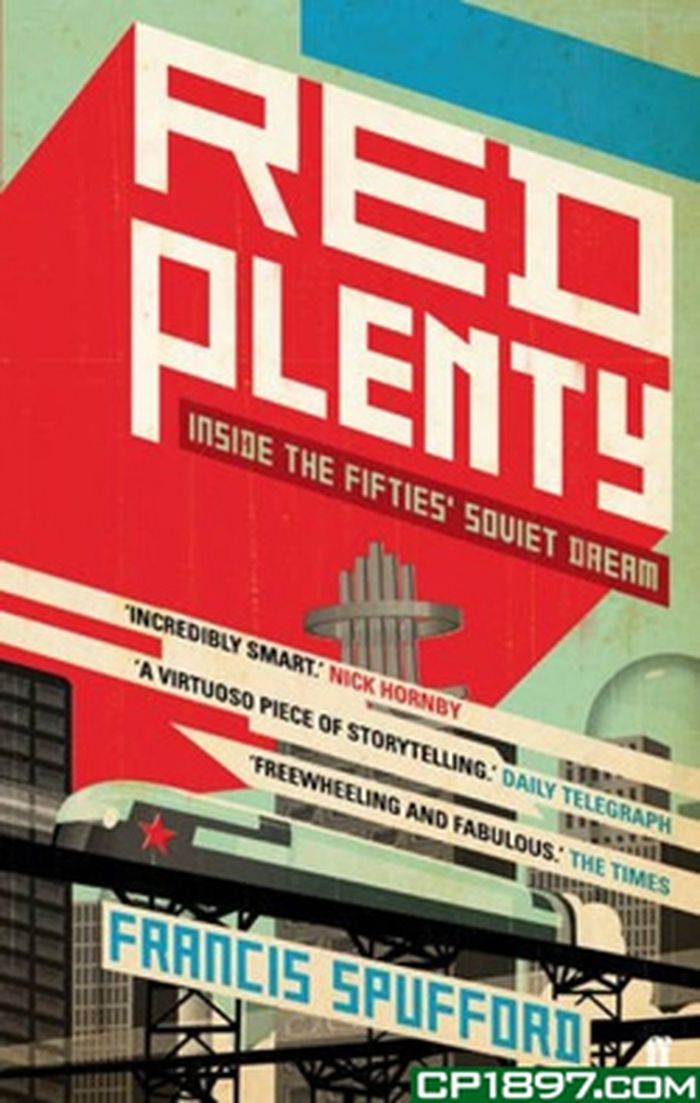
Red plenty: inside the fifties' soviet dream
Actions:
Prix:
$18.00
(disponible sur commande)
Résumé:
The Soviet Union was founded on a fairytale. It was built on 20th-century magic called 'the planned economy', which was going to gush forth an abundance of good things that the penny-pinching lands of capitalism could never match. And just for a little while, in the heady years of the late 1950s, the magic seemed to be working. "Red Plenty" is about that moment in history, and how it came, and how it went away; about the brief era when, under the rash leadership of Nikita Khrushchev, the Soviet Union looked forward to a future of rich communists and envious capitalists, when Moscow would out-glitter Manhattan, every Lada would be better engineered than a Porsche and sputniks would lead the way to the stars. And it's about the scientists who did their genuinely brilliant best to make the dream come true, to give the tyranny its happy ending.
Red plenty: inside the fifties' soviet dream
Actions:
Prix:
$18.00
(disponible sur commande)
Résumé:
The Soviet Union was founded on a fairytale. It was built on 20th-century magic called 'the planned economy', which was going to gush forth an abundance of good things that the penny-pinching lands of capitalism could never match. And just for a little while, in the heady years of the late 1950s, the magic seemed to be working. "Red Plenty" is about that moment in history, and how it came, and how it went away; about the brief era when, under the rash leadership of Nikita Khrushchev, the Soviet Union looked forward to a future of rich communists and envious capitalists, when Moscow would out-glitter Manhattan, every Lada would be better engineered than a Porsche and sputniks would lead the way to the stars. And it's about the scientists who did their genuinely brilliant best to make the dream come true, to give the tyranny its happy ending.
Classification:
livres
livres
Publication:
août 2011
août 2011
Sujet:
Architecture et l'imaginaire
Architecture et l'imaginaire
Classification:
livres
livres
Prix:
$56.95
(disponible sur commande)
Résumé:
Why did British industrial cities build art museums? By exploring the histories of the municipal art museums in Birmingham, Liverpool, and Manchester, Transformative Beauty examines the underlying logic of the Victorian art museum movement. These museums attempted to create a space free from the moral and physical ugliness of industrial capitalism. Deeply engaged with(...)
$56.95
(disponible sur commande)
Résumé:
Why did British industrial cities build art museums? By exploring the histories of the municipal art museums in Birmingham, Liverpool, and Manchester, Transformative Beauty examines the underlying logic of the Victorian art museum movement. These museums attempted to create a space free from the moral and physical ugliness of industrial capitalism. Deeply engaged with(...)
Titre:
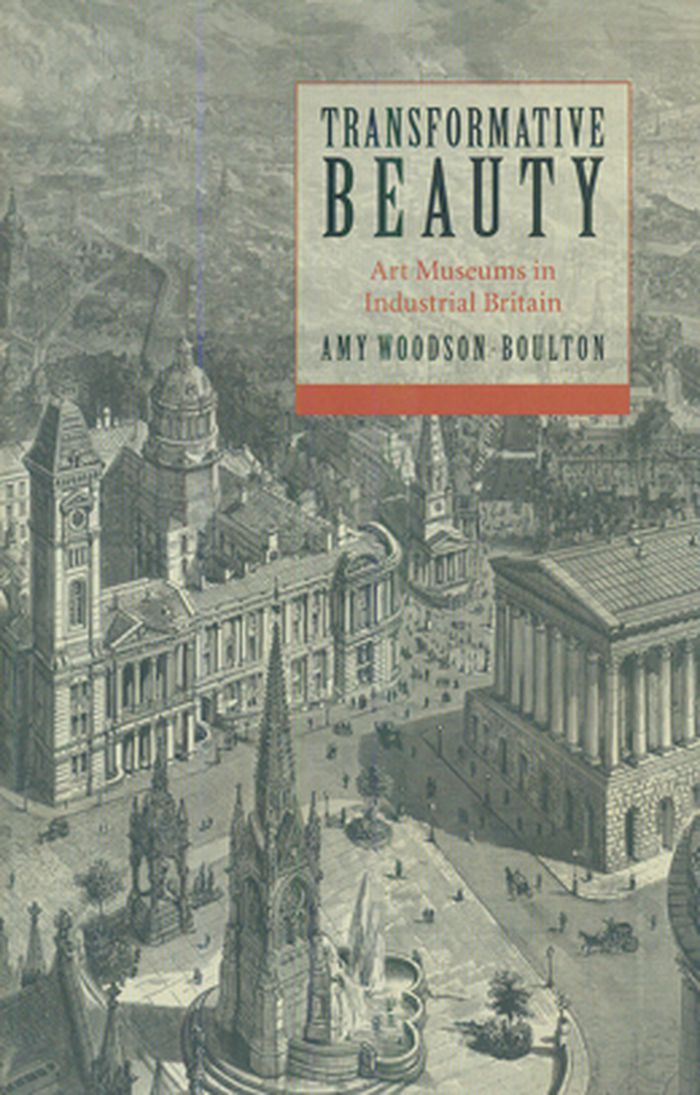
Transformative beauty: art museums in industrial Britain
Actions:
Prix:
$56.95
(disponible sur commande)
Résumé:
Why did British industrial cities build art museums? By exploring the histories of the municipal art museums in Birmingham, Liverpool, and Manchester, Transformative Beauty examines the underlying logic of the Victorian art museum movement. These museums attempted to create a space free from the moral and physical ugliness of industrial capitalism. Deeply engaged with the social criticism of John Ruskin, reformers created a new, prominent urban institution, a domesticated public space that not only aimed to provide refuge from the corrosive effects of industrial society but also provided a remarkably unified secular alternative to traditional religion. Woodson-Boulton raises provocative questions about the meaning and use of art in relation to artistic practice, urban development, social justice, education, and class. In today's context of global austerity and shrinking government support of public cultural institutions, this book is a timely consideration of arts policy and purposes in modern society.
Transformative beauty: art museums in industrial Britain
Actions:
Prix:
$56.95
(disponible sur commande)
Résumé:
Why did British industrial cities build art museums? By exploring the histories of the municipal art museums in Birmingham, Liverpool, and Manchester, Transformative Beauty examines the underlying logic of the Victorian art museum movement. These museums attempted to create a space free from the moral and physical ugliness of industrial capitalism. Deeply engaged with the social criticism of John Ruskin, reformers created a new, prominent urban institution, a domesticated public space that not only aimed to provide refuge from the corrosive effects of industrial society but also provided a remarkably unified secular alternative to traditional religion. Woodson-Boulton raises provocative questions about the meaning and use of art in relation to artistic practice, urban development, social justice, education, and class. In today's context of global austerity and shrinking government support of public cultural institutions, this book is a timely consideration of arts policy and purposes in modern society.
Classification:
livres
livres
Publication:
mars 2012
mars 2012
Sujet:
Muséologie
Muséologie
Classification:
livres
livres
Actions:
Prix:
$128.95
(disponible sur commande)
Résumé:
If participation has been an ideal in politics since ancient democracy, in art it became central only with the avant-gardes emerging from WWI and the Russian Revolution. Politics and aesthetics are still catching up with each other. In the 21st Century, since the revolutionary unrest of the 1960s, participation in art and architecture has lost its utopian glow and become(...)
$128.95
(disponible sur commande)
Résumé:
If participation has been an ideal in politics since ancient democracy, in art it became central only with the avant-gardes emerging from WWI and the Russian Revolution. Politics and aesthetics are still catching up with each other. In the 21st Century, since the revolutionary unrest of the 1960s, participation in art and architecture has lost its utopian glow and become(...)
Titre:
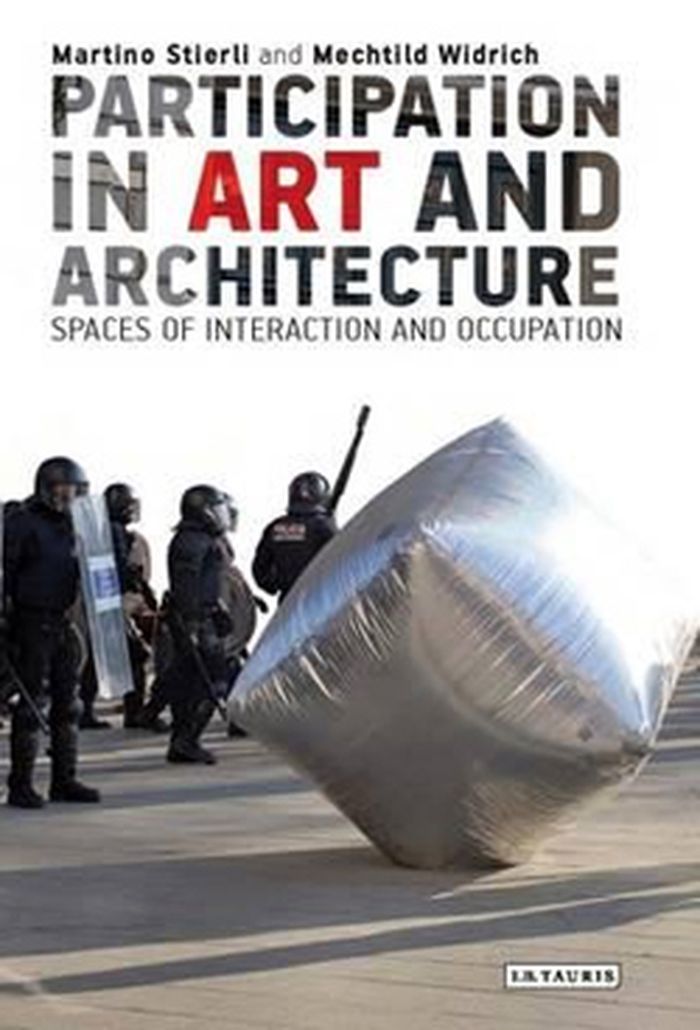
Participation in art and architecture: spaces of interaction and occupation
Actions:
Prix:
$128.95
(disponible sur commande)
Résumé:
If participation has been an ideal in politics since ancient democracy, in art it became central only with the avant-gardes emerging from WWI and the Russian Revolution. Politics and aesthetics are still catching up with each other. In the 21st Century, since the revolutionary unrest of the 1960s, participation in art and architecture has lost its utopian glow and become the focus of a fierce debate: does ‘participatory’ art and architecture shape social reality, or is it shaped by it?Contemporary critics see in participation only technocratic control, while others embrace it as a viable politics in an era of global capitalism. This volume breaks the impasse by looking at how participants themselves exert power, rather than being victimized or liberated from it. From artists hijacking Google Earth to protesters setting up a museum of the revolution in Cairo, art, architecture, and daily life are explored in their participatory dimension.
Participation in art and architecture: spaces of interaction and occupation
Actions:
Prix:
$128.95
(disponible sur commande)
Résumé:
If participation has been an ideal in politics since ancient democracy, in art it became central only with the avant-gardes emerging from WWI and the Russian Revolution. Politics and aesthetics are still catching up with each other. In the 21st Century, since the revolutionary unrest of the 1960s, participation in art and architecture has lost its utopian glow and become the focus of a fierce debate: does ‘participatory’ art and architecture shape social reality, or is it shaped by it?Contemporary critics see in participation only technocratic control, while others embrace it as a viable politics in an era of global capitalism. This volume breaks the impasse by looking at how participants themselves exert power, rather than being victimized or liberated from it. From artists hijacking Google Earth to protesters setting up a museum of the revolution in Cairo, art, architecture, and daily life are explored in their participatory dimension.
Classification:
livres
livres
Publication:
octobre 2015
octobre 2015
Sujet:
Théorie de l’architecture
Théorie de l’architecture


