


36154 Résultats
Classification:
livres
livres
Actions:
Prix:
$24.00
(disponible en magasin)
Résumé:
Fungipedia presents a delightful A–Z treasury of mushroom lore. With more than 180 entries—on topics as varied as Alice in Wonderland, chestnut blight, medicinal mushrooms, poisonings, Santa Claus, and waxy caps—this collection will transport both general readers and specialists into the remarkable universe of fungi. Combining ecological, ethnographic, historical, and(...)
Titre:
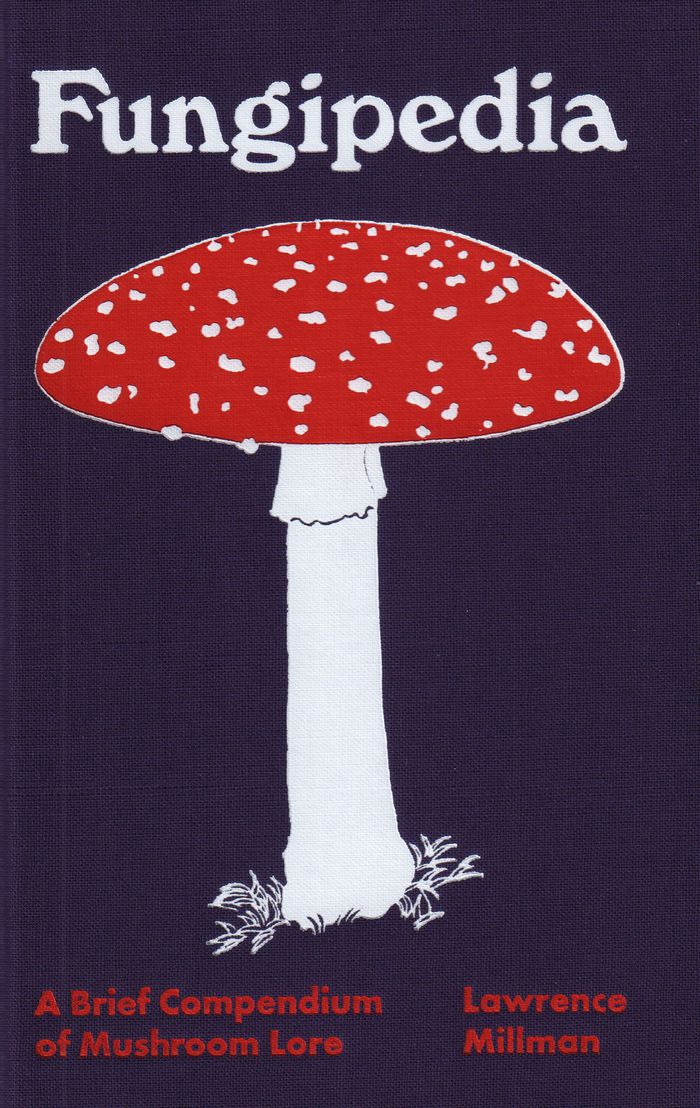
Fungipedia: a brief compendium of mushroom lore
Actions:
Prix:
$24.00
(disponible en magasin)
Résumé:
Fungipedia presents a delightful A–Z treasury of mushroom lore. With more than 180 entries—on topics as varied as Alice in Wonderland, chestnut blight, medicinal mushrooms, poisonings, Santa Claus, and waxy caps—this collection will transport both general readers and specialists into the remarkable universe of fungi. Combining ecological, ethnographic, historical, and contemporary knowledge, author and mycologist Lawrence Millman discusses how mushrooms are much more closely related to humans than to plants, how they engage in sex, how insects farm them, and how certain species happily dine on leftover radiation, cockroach antennae, and dung. Millman considers why fungi are among the most significant organisms on our planet and how they are currently being affected by destructive human behavior, including climate change.
Classification:
livres
livres
Publication:
octobre 2019
octobre 2019
Sujet:
Faune et flore
Faune et flore
Classification:
livres
livres

Prix:
$64.00
(disponible sur commande)
Résumé:
Throughout history, artists and citizens have turned to protest art as a means of demonstrating social and political discontent. From the earliest broadsheets in the 1500s to engravings, photolithographs, prints, posters, murals, graffiti, and political cartoons, these endlessly inventive graphic forms have symbolized and spurred on power struggles, rebellions, spirited(...)
Publication:
octobre 2019
octobre 2019
Titre:
Protest! A history of social and political protest graphics
Actions:
Prix:
$64.00
(disponible sur commande)
Résumé:
Throughout history, artists and citizens have turned to protest art as a means of demonstrating social and political discontent. From the earliest broadsheets in the 1500s to engravings, photolithographs, prints, posters, murals, graffiti, and political cartoons, these endlessly inventive graphic forms have symbolized and spurred on power struggles, rebellions, spirited causes, and calls to arms. Spanning continents and centuries, "Protest!" presents a major new chronological look at protest graphics and shows how these images have been shaped by international events as well as advances in technology.
Classification:
livres
livres
Publication:
octobre 2019
octobre 2019
Classification:
livres
livres

Titre:
A history of art history
A history of art history
Actions:
Prix:
$42.95
(disponible sur commande)
Résumé:
Christopher Wood tracks the evolution of the historical study of art from the late middle ages through the rise of the modern scholarly discipline of art history. Synthesizing and assessing a vast array of writings, episodes, and personalities, this account of the development of art-historical thinking will appeal to readers both inside and outside the discipline.
Titre:
A history of art history
Actions:
Prix:
$42.95
(disponible sur commande)
Résumé:
Christopher Wood tracks the evolution of the historical study of art from the late middle ages through the rise of the modern scholarly discipline of art history. Synthesizing and assessing a vast array of writings, episodes, and personalities, this account of the development of art-historical thinking will appeal to readers both inside and outside the discipline.
Classification:
livres
livres
Publication:
septembre 2019
septembre 2019
Sujet:
Théorie de l’art
Théorie de l’art
Classification:
livres
livres

Actions:
Prix:
$22.99
(disponible en magasin)
Résumé:
In this book, David Dobereiner lucidly delves into the present urban and ecological impasse and examines the prospects for our future. Laced with insights into social and political ecology and written with a lifetime’s experience of innovating in ecological design, the book demonstrates that there is still hope to build a more humane, egalitarian, and sustainable system,(...)
Publication:
septembre 2019
septembre 2019
Titre:
Organicity: entropy or revolution
Actions:
Prix:
$22.99
(disponible en magasin)
Résumé:
In this book, David Dobereiner lucidly delves into the present urban and ecological impasse and examines the prospects for our future. Laced with insights into social and political ecology and written with a lifetime’s experience of innovating in ecological design, the book demonstrates that there is still hope to build a more humane, egalitarian, and sustainable system, but it requires a fundamental shift in the way we do civilization. At the crossroads of creation and destruction, will evolution or entropy triumph?
Classification:
livres
livres
Publication:
septembre 2019
septembre 2019
Classification:
livres
livres

Actions:
Prix:
$50.00
(disponible sur commande)
Résumé:
The first European settlers saw America as a paradise regained. The continent seemed to offer a God-given opportunity to start again and build the perfect community. Those messianic days are gone. But as Alex Krieger argues in City on a Hill, any attempt at deep understanding of how the country has developed must recognize the persistent and dramatic consequences of(...)
Titre:
City on a hill: urban idealism in America from the puritans to the present
Actions:
Prix:
$50.00
(disponible sur commande)
Résumé:
The first European settlers saw America as a paradise regained. The continent seemed to offer a God-given opportunity to start again and build the perfect community. Those messianic days are gone. But as Alex Krieger argues in City on a Hill, any attempt at deep understanding of how the country has developed must recognize the persistent and dramatic consequences of utopian dreaming. Even as ideals have changed, idealism itself has for better and worse shaped our world of bricks and mortar, macadam, parks, and farmland. As he traces this uniquely American story from the Pilgrims to the “smart city,” Krieger delivers a striking new history of our built environment.
Classification:
livres
livres
Publication:
octobre 2019
octobre 2019
Sujet:
Théorie de l’urbanisme
Théorie de l’urbanisme
Classification:
livres
livres

Actions:
Prix:
$145.00
(disponible sur commande)
Résumé:
Inspired by venerable cities like Kyoto, Vienna, and Venice, and by the great successes of L’Enfant’s Washington, Haussmann’s Paris, and Burnham’s Chicago, Buras combines theory and a host of examples to arrive at clear guidelines for best practices in classic planning for today’s world. The Art of Classic Planning celebrates the enduring principles of urban design and(...)
Titre:
The art of classic planning: building beautiful and enduring communities
Actions:
Prix:
$145.00
(disponible sur commande)
Résumé:
Inspired by venerable cities like Kyoto, Vienna, and Venice, and by the great successes of L’Enfant’s Washington, Haussmann’s Paris, and Burnham’s Chicago, Buras combines theory and a host of examples to arrive at clear guidelines for best practices in classic planning for today’s world. The Art of Classic Planning celebrates the enduring principles of urban design and invites us to return to building beautiful cities.
Classification:
livres
livres
Publication:
janvier 2020
janvier 2020
Sujet:
Logements collectifs
Logements collectifs
Classification:
livres
livres
Prix:
$33.00
(disponible sur commande)
Résumé:
Architecture, we like to believe, is an elevated art form that shapes the world as it pleases. Four Walls and a Roof challenges this notion, presenting a candid account of what it is really like to work as an architect. Drawing on his own tragicomic experiences in the field, Reinier de Graaf reveals the world of contemporary architecture in vivid snapshots: from suburban(...)
Titre:
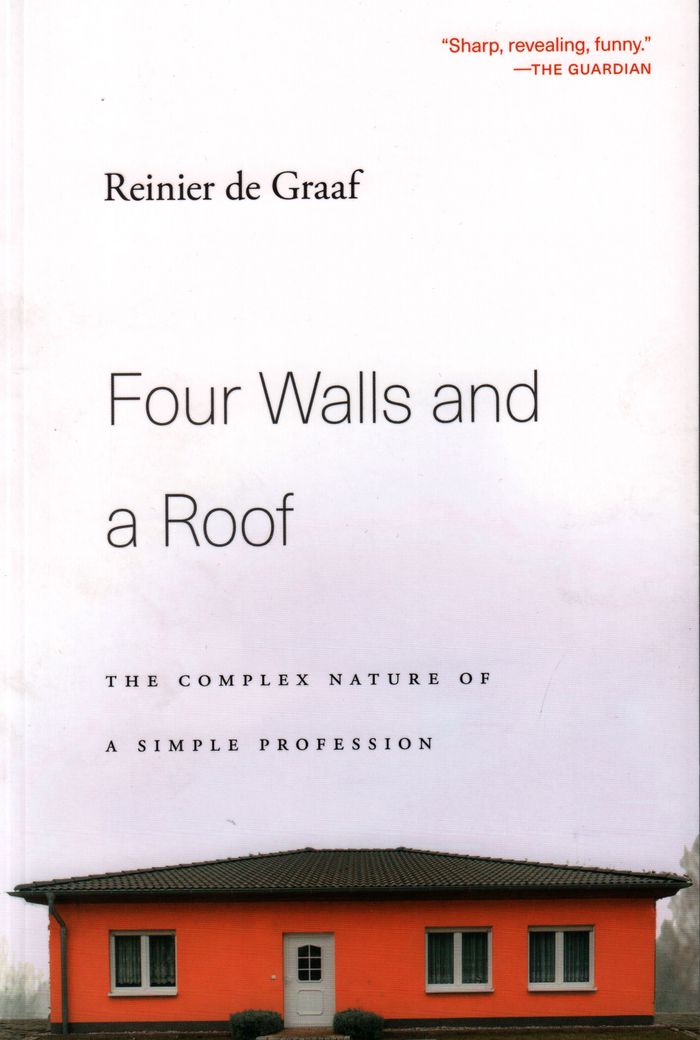
Four walls and a roof: the complex nature of a simple profession
Actions:
Prix:
$33.00
(disponible sur commande)
Résumé:
Architecture, we like to believe, is an elevated art form that shapes the world as it pleases. Four Walls and a Roof challenges this notion, presenting a candid account of what it is really like to work as an architect. Drawing on his own tragicomic experiences in the field, Reinier de Graaf reveals the world of contemporary architecture in vivid snapshots: from suburban New York to the rubble of northern Iraq, from the corridors of wealth in London, Moscow, and Dubai to garbage-strewn wastelands that represent the demolished hopes of postwar social housing. We meet oligarchs determined to translate ambitions into concrete and steel, developers for whom architecture is mere investment, and the layers of politicians, bureaucrats, consultants, and mysterious hangers-on who lie between any architectural idea and the chance of its execution. Four Walls and a Roof tells the story of a profession buffeted by external forces that determine—at least as much as individual inspiration—what architects design. Perhaps the most important myth debunked is success itself. To achieve anything, architects must serve the powers they strive to critique, finding themselves in a perpetual conflict of interest. Together, architects, developers, politicians, and consultants form an improvised world of contest and compromise that none alone can control.
Classification:
livres
livres
Publication:
octobre 2019
octobre 2019
Sujet:
Théorie de l’architecture
Théorie de l’architecture
Classification:
livres
livres

Titre:
Theory of gardens
Theory of gardens
Actions:
Prix:
$50.00
(disponible sur commande)
Résumé:
Jean-Marie Morel (1728–1810), a leading French landscape designer and theorist, is now mainly remembered as the author of one of the fundamental eighteenth-century texts in the history of landscape architecture, the 'Théorie des jardins' (1776; second edition, 1802). With his background as an engineer, Morel was instrumental in shaping the functions of landscape(...)
Titre:
Theory of gardens
Actions:
Prix:
$50.00
(disponible sur commande)
Résumé:
Jean-Marie Morel (1728–1810), a leading French landscape designer and theorist, is now mainly remembered as the author of one of the fundamental eighteenth-century texts in the history of landscape architecture, the 'Théorie des jardins' (1776; second edition, 1802). With his background as an engineer, Morel was instrumental in shaping the functions of landscape architecture, opening up a new professional domain by coining the term architecte-paysagiste, the precursor to the modern designation landscape architect. This translation marks the first time the 1776 edition of the 'Théorie des jardins' is available in English.
Classification:
livres
livres
Publication:
septembre 2019
septembre 2019
Sujet:
Théorie du paysage
Théorie du paysage
Classification:
livres
livres
Prix:
$55.50
(disponible sur commande)
Résumé:
Human obsolescence is imminent. The factories of the future will be dark, staffed by armies of tireless robots. The hospitals of the future will have fewer doctors, depending instead on cloud-based AI to diagnose patients and recommend treatments. The homes of the future will anticipate our wants and needs and provide all the entertainment, food, and distraction we could(...)
Titre:
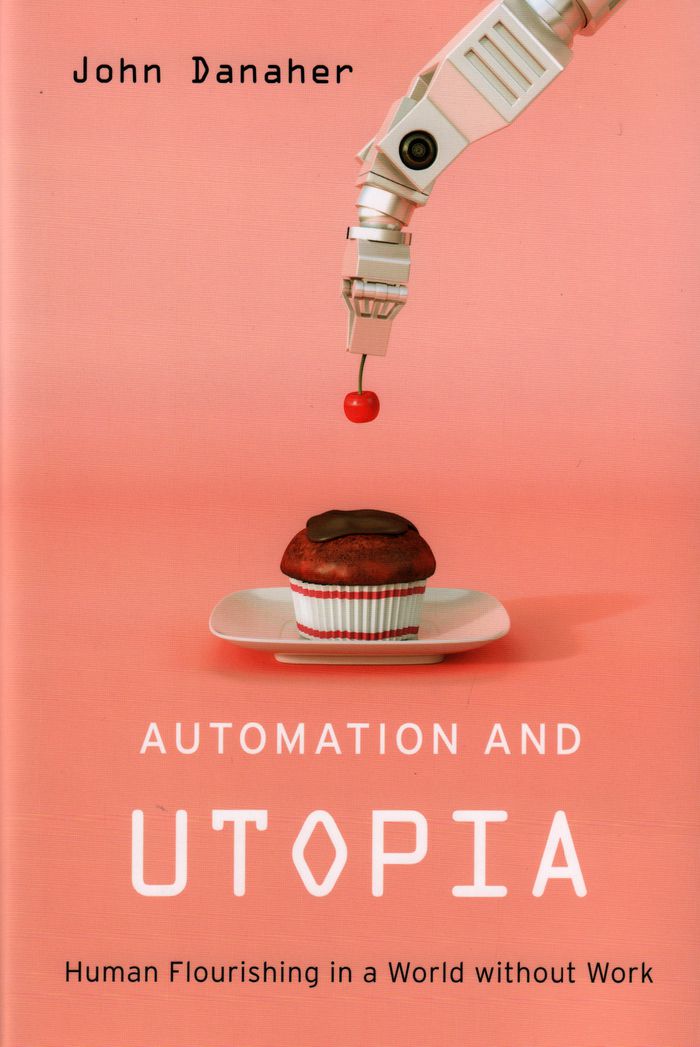
Automation and utopia: human flourishing in a world without work
Actions:
Prix:
$55.50
(disponible sur commande)
Résumé:
Human obsolescence is imminent. The factories of the future will be dark, staffed by armies of tireless robots. The hospitals of the future will have fewer doctors, depending instead on cloud-based AI to diagnose patients and recommend treatments. The homes of the future will anticipate our wants and needs and provide all the entertainment, food, and distraction we could ever desire. To many, this is a depressing prognosis, an image of civilization replaced by its machines. But what if an automated future is something to be welcomed rather than feared? Work is a source of misery and oppression for most people, so shouldn’t we do what we can to hasten its demise? Automation and Utopia makes the case for a world in which, free from need or want, we can spend our time inventing and playing games and exploring virtual realities that are more deeply engaging and absorbing than any we have experienced before, allowing us to achieve idealized forms of human flourishing. The idea that we should “give up” and retreat to the virtual may seem shocking, even distasteful. But John Danaher urges us to embrace the possibilities of this new existence. The rise of automating technologies presents a utopian moment for humankind, providing both the motive and the means to build a better future.
Classification:
livres
livres
Publication:
septembre 2019
septembre 2019
Sujet:
Théorie de l’architecture
Théorie de l’architecture
Classification:
livres
livres
Titre:
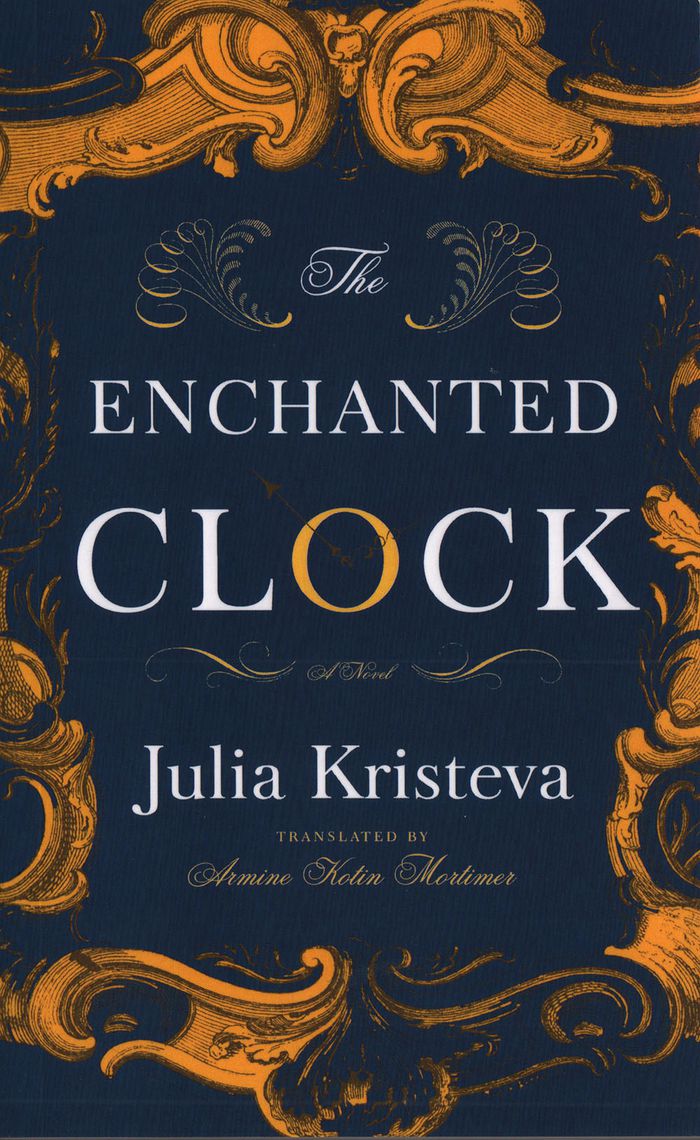
The enchanted clock
The enchanted clock
Actions:
Prix:
$26.95
(disponible sur commande)
Résumé:
In the Palace of Versailles there is a fabulous golden clock, made for Louis XV by the king’s engineer, Claude-Siméon Passemant. The astronomical clock shows the phases of the moon and the movements of the planets, and it will tell time?hours, minutes, seconds, and even sixtieths of seconds until the year 9999. Passemant’s clock brings the nature of time into sharp focus(...)
Titre:
The enchanted clock
Actions:
Prix:
$26.95
(disponible sur commande)
Résumé:
In the Palace of Versailles there is a fabulous golden clock, made for Louis XV by the king’s engineer, Claude-Siméon Passemant. The astronomical clock shows the phases of the moon and the movements of the planets, and it will tell time?hours, minutes, seconds, and even sixtieths of seconds until the year 9999. Passemant’s clock brings the nature of time into sharp focus in Julia Kristeva’s intricate, poetic novel "The Enchanted Clock".
Classification:
livres
livres
Publication:
octobre 2019
octobre 2019
Sujet:
Littérature et poésie
Littérature et poésie


