


13794 Résultats
Classification:
livres
livres

Prix:
$42.95
(disponible sur commande)
Résumé:
« C’est arrivé d’un seul coup, j’ai décidé de devenir architecte. La science, l’art, les deux m’attiraient. Pourquoi pas l’un et l’autre ? N’y avait-il pas des lieux de confluence ? L’architecture, sans doute parce que j’en ignorais absolument tout, m’a paru être l’un d’eux. C’est ainsi que je l’ai découverte, puis aimée. J’ai compris qu’on n’était jamais architecte, pas(...)
$42.95
(disponible sur commande)
Résumé:
« C’est arrivé d’un seul coup, j’ai décidé de devenir architecte. La science, l’art, les deux m’attiraient. Pourquoi pas l’un et l’autre ? N’y avait-il pas des lieux de confluence ? L’architecture, sans doute parce que j’en ignorais absolument tout, m’a paru être l’un d’eux. C’est ainsi que je l’ai découverte, puis aimée. J’ai compris qu’on n’était jamais architecte, pas(...)
Titre:
Archi-mémoires : entre l'art et la science, la création
Actions:
Prix:
$42.95
(disponible sur commande)
Résumé:
« C’est arrivé d’un seul coup, j’ai décidé de devenir architecte. La science, l’art, les deux m’attiraient. Pourquoi pas l’un et l’autre ? N’y avait-il pas des lieux de confluence ? L’architecture, sans doute parce que j’en ignorais absolument tout, m’a paru être l’un d’eux. C’est ainsi que je l’ai découverte, puis aimée. J’ai compris qu’on n’était jamais architecte, pas plus qu’on n’est peintre ou poète, mais qu’on pouvait chaque jour le devenir un peu plus. Voilà, c’était il y a cinquante ans. J’ai beaucoup parcouru le monde, dessiné, construit, écrit. Le désir ne m’a pas quitté. Il me faudrait deux ou trois vies de plus. » P. A.
Archi-mémoires : entre l'art et la science, la création
Actions:
Prix:
$42.95
(disponible sur commande)
Résumé:
« C’est arrivé d’un seul coup, j’ai décidé de devenir architecte. La science, l’art, les deux m’attiraient. Pourquoi pas l’un et l’autre ? N’y avait-il pas des lieux de confluence ? L’architecture, sans doute parce que j’en ignorais absolument tout, m’a paru être l’un d’eux. C’est ainsi que je l’ai découverte, puis aimée. J’ai compris qu’on n’était jamais architecte, pas plus qu’on n’est peintre ou poète, mais qu’on pouvait chaque jour le devenir un peu plus. Voilà, c’était il y a cinquante ans. J’ai beaucoup parcouru le monde, dessiné, construit, écrit. Le désir ne m’a pas quitté. Il me faudrait deux ou trois vies de plus. » P. A.
Classification:
livres
livres
Publication:
juin 2013
juin 2013
Sujet:
Théorie de l’architecture
Théorie de l’architecture
Classification:
livres
livres
Actions:
Prix:
$17.95
(disponible sur commande)
Résumé:
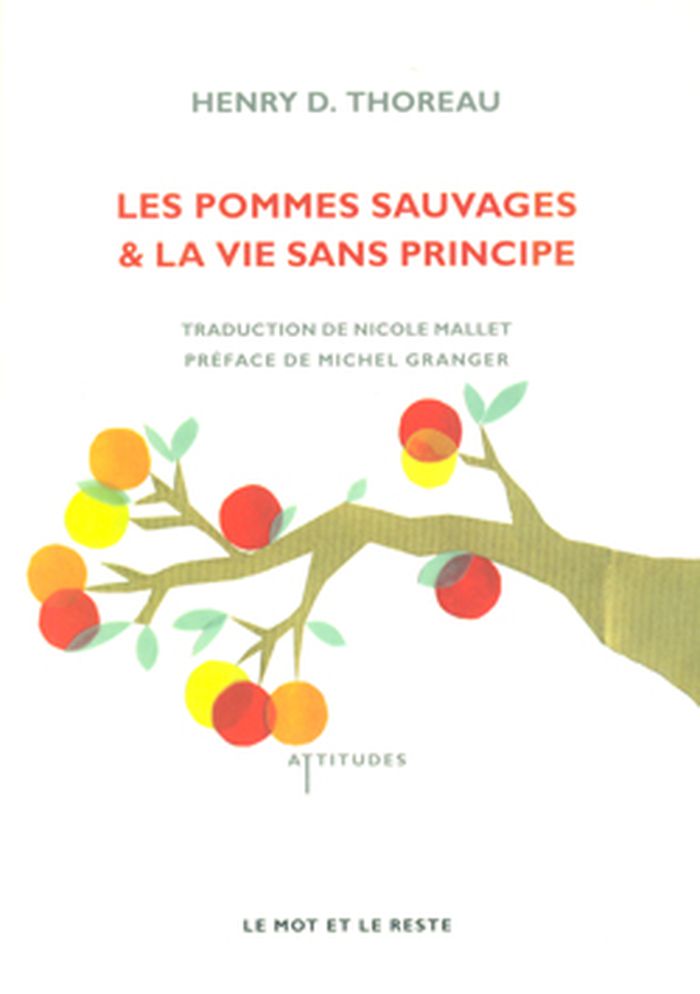
Henry D. Thoreau, infatigable arpenteur des espaces sauvages, nous rappelle dans ces deux textes qu’il n’est qu’une richesse digne d’être cultivée, celle de notre vie intérieure, et que ce travail profitable entre tous passe par la vie en plein air et l’attention portée aux fruits de la nature.
$17.95
(disponible sur commande)
Résumé:
Henry D. Thoreau, infatigable arpenteur des espaces sauvages, nous rappelle dans ces deux textes qu’il n’est qu’une richesse digne d’être cultivée, celle de notre vie intérieure, et que ce travail profitable entre tous passe par la vie en plein air et l’attention portée aux fruits de la nature.
Titre:
Les pommes sauvages & La vie sans principe
Actions:
Prix:
$17.95
(disponible sur commande)
Résumé:
Henry D. Thoreau, infatigable arpenteur des espaces sauvages, nous rappelle dans ces deux textes qu’il n’est qu’une richesse digne d’être cultivée, celle de notre vie intérieure, et que ce travail profitable entre tous passe par la vie en plein air et l’attention portée aux fruits de la nature.
Les pommes sauvages & La vie sans principe
Actions:
Prix:
$17.95
(disponible sur commande)
Résumé:
Henry D. Thoreau, infatigable arpenteur des espaces sauvages, nous rappelle dans ces deux textes qu’il n’est qu’une richesse digne d’être cultivée, celle de notre vie intérieure, et que ce travail profitable entre tous passe par la vie en plein air et l’attention portée aux fruits de la nature.
Classification:
livres
livres
Publication:
juin 2013
juin 2013
Sujet:
Théorie du paysage
Théorie du paysage
Classification:
livres
livres
Titre:
Walden
Walden
Actions:
Prix:
$39.95
(disponible sur commande)
Résumé:
Walden, publié en 1854, se présente comme le récit des deux années (1845–1847) que son auteur, Henry David Thoreau, a passé à vivre seul dans les bois, près du lac Walden, dans une cabane qu’il avait construite de ses mains. Mais si ce texte relate bel et bien, saisons après saisons, cette expérience de vie autosuffisante et frugale, vivifiante aussi, passée au plus près(...)
$39.95
(disponible sur commande)
Résumé:
Walden, publié en 1854, se présente comme le récit des deux années (1845–1847) que son auteur, Henry David Thoreau, a passé à vivre seul dans les bois, près du lac Walden, dans une cabane qu’il avait construite de ses mains. Mais si ce texte relate bel et bien, saisons après saisons, cette expérience de vie autosuffisante et frugale, vivifiante aussi, passée au plus près(...)
Titre:
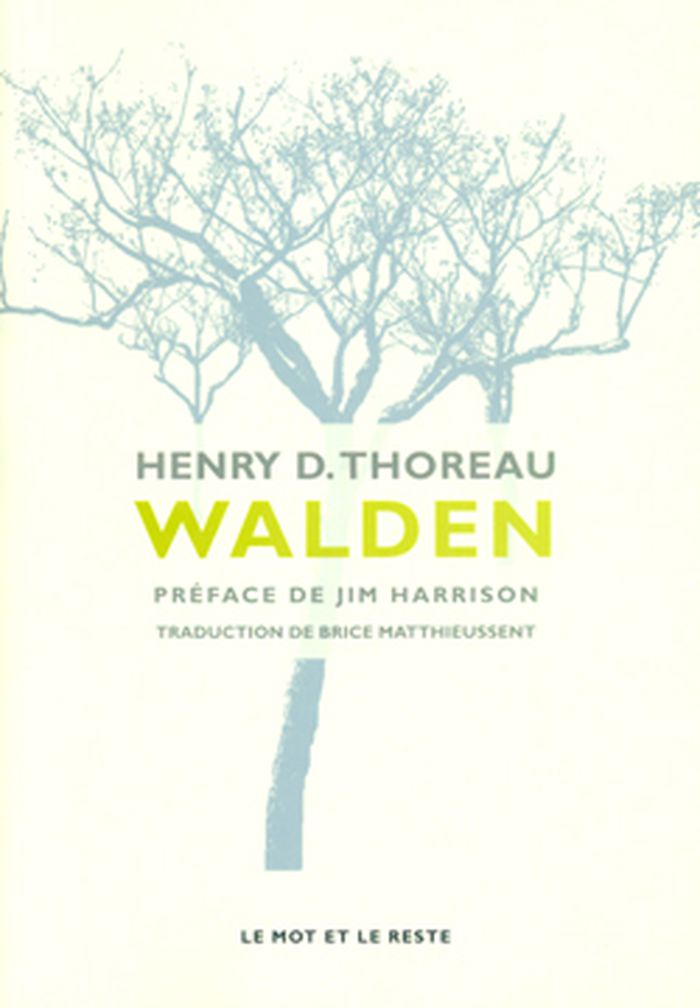
Walden
Actions:
Prix:
$39.95
(disponible sur commande)
Résumé:
Walden, publié en 1854, se présente comme le récit des deux années (1845–1847) que son auteur, Henry David Thoreau, a passé à vivre seul dans les bois, près du lac Walden, dans une cabane qu’il avait construite de ses mains. Mais si ce texte relate bel et bien, saisons après saisons, cette expérience de vie autosuffisante et frugale, vivifiante aussi, passée au plus près de la nature, il ne se limite pas au simple exposé d’un art de vivre. Longuement mûri, réécrit huit fois entre 1847 et 1854, Walden est le chef-d’oeuvre littéraire de Thoreau.
Walden
Actions:
Prix:
$39.95
(disponible sur commande)
Résumé:
Walden, publié en 1854, se présente comme le récit des deux années (1845–1847) que son auteur, Henry David Thoreau, a passé à vivre seul dans les bois, près du lac Walden, dans une cabane qu’il avait construite de ses mains. Mais si ce texte relate bel et bien, saisons après saisons, cette expérience de vie autosuffisante et frugale, vivifiante aussi, passée au plus près de la nature, il ne se limite pas au simple exposé d’un art de vivre. Longuement mûri, réécrit huit fois entre 1847 et 1854, Walden est le chef-d’oeuvre littéraire de Thoreau.
Classification:
livres
livres
Publication:
juin 2013
juin 2013
Sujet:
Théorie du paysage
Théorie du paysage
Classification:
livres
livres
Actions:
Prix:
$94.00
(disponible sur commande)
Résumé:
Street Design is the ideal handbook for urban designers, civic leaders, architects, city planners, engineers, and landscape architects, and essential reading for any person who wants to make their community walkable and create memorable streets that are not mere routes to someplace else, but the great places to which other routes lead.
$94.00
(disponible sur commande)
Résumé:
Street Design is the ideal handbook for urban designers, civic leaders, architects, city planners, engineers, and landscape architects, and essential reading for any person who wants to make their community walkable and create memorable streets that are not mere routes to someplace else, but the great places to which other routes lead.
Titre:
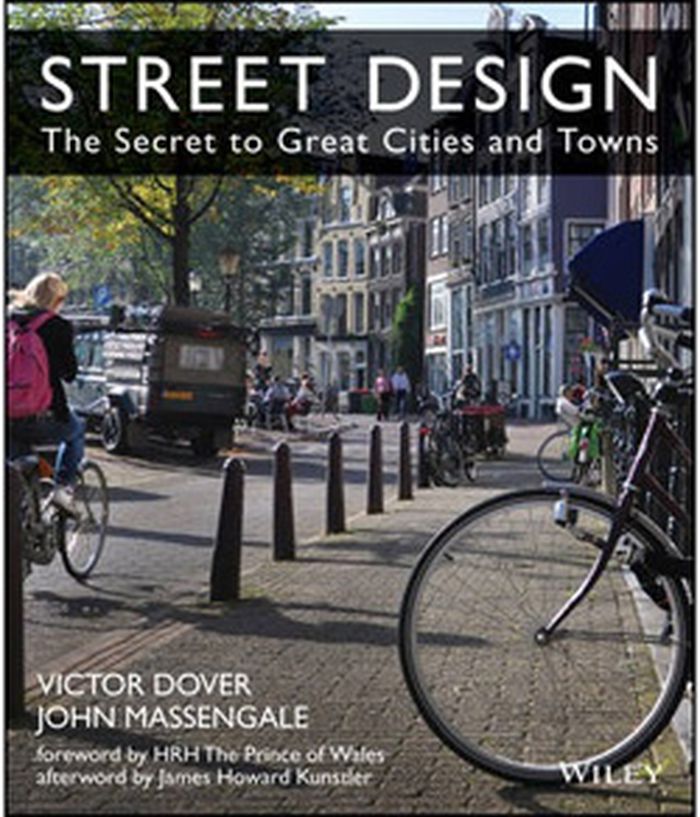
Street design: the secret to great cities and towns
Actions:
Prix:
$94.00
(disponible sur commande)
Résumé:
Street Design is the ideal handbook for urban designers, civic leaders, architects, city planners, engineers, and landscape architects, and essential reading for any person who wants to make their community walkable and create memorable streets that are not mere routes to someplace else, but the great places to which other routes lead.
Street design: the secret to great cities and towns
Actions:
Prix:
$94.00
(disponible sur commande)
Résumé:
Street Design is the ideal handbook for urban designers, civic leaders, architects, city planners, engineers, and landscape architects, and essential reading for any person who wants to make their community walkable and create memorable streets that are not mere routes to someplace else, but the great places to which other routes lead.
Classification:
livres
livres
Publication:
novembre 2013
novembre 2013
Sujet:
Théorie de l’urbanisme
Théorie de l’urbanisme
Classification:
livres
livres
Actions:
Prix:
$22.00
(disponible sur commande)
Résumé:
The semiotic power of fashion and clothing were of perennial interest to Barthes and The Language of Fashion collects some of his most important writings on these topics.
$22.00
(disponible sur commande)
Résumé:
The semiotic power of fashion and clothing were of perennial interest to Barthes and The Language of Fashion collects some of his most important writings on these topics.
Titre:
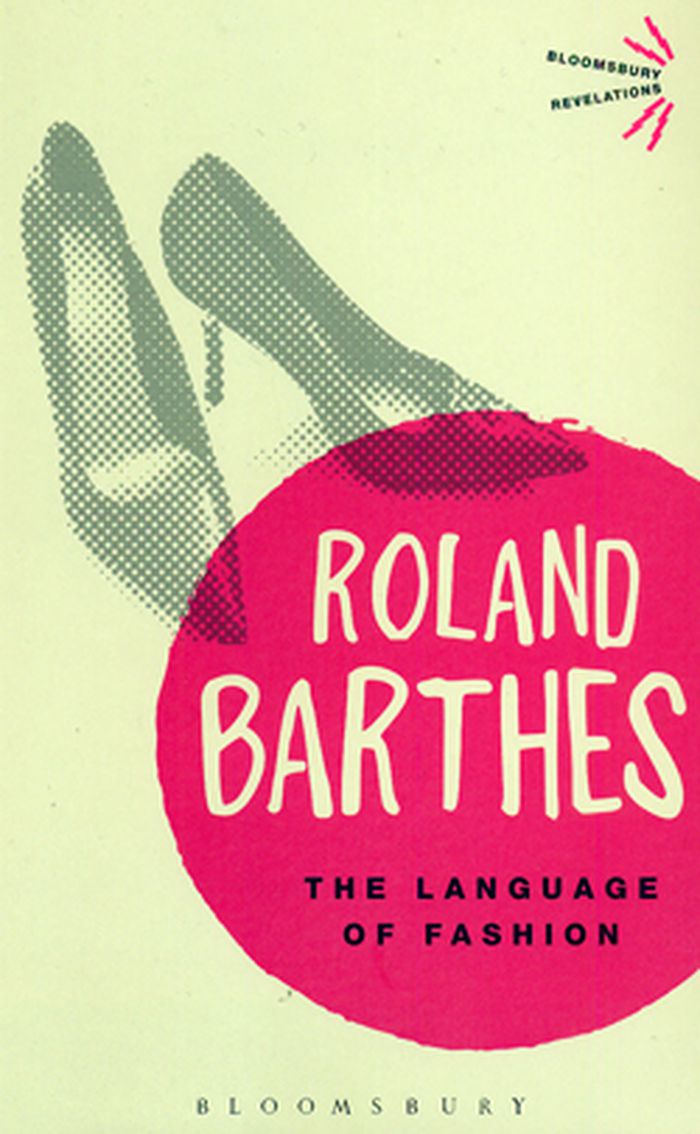
Roland Barthes : the language of fashion
Actions:
Prix:
$22.00
(disponible sur commande)
Résumé:
The semiotic power of fashion and clothing were of perennial interest to Barthes and The Language of Fashion collects some of his most important writings on these topics.
Roland Barthes : the language of fashion
Actions:
Prix:
$22.00
(disponible sur commande)
Résumé:
The semiotic power of fashion and clothing were of perennial interest to Barthes and The Language of Fashion collects some of his most important writings on these topics.
Classification:
livres
livres
Publication:
novembre 2013
novembre 2013
Sujet:
Théorie/ philosophie
Théorie/ philosophie
Classification:
livres
livres
Titre:
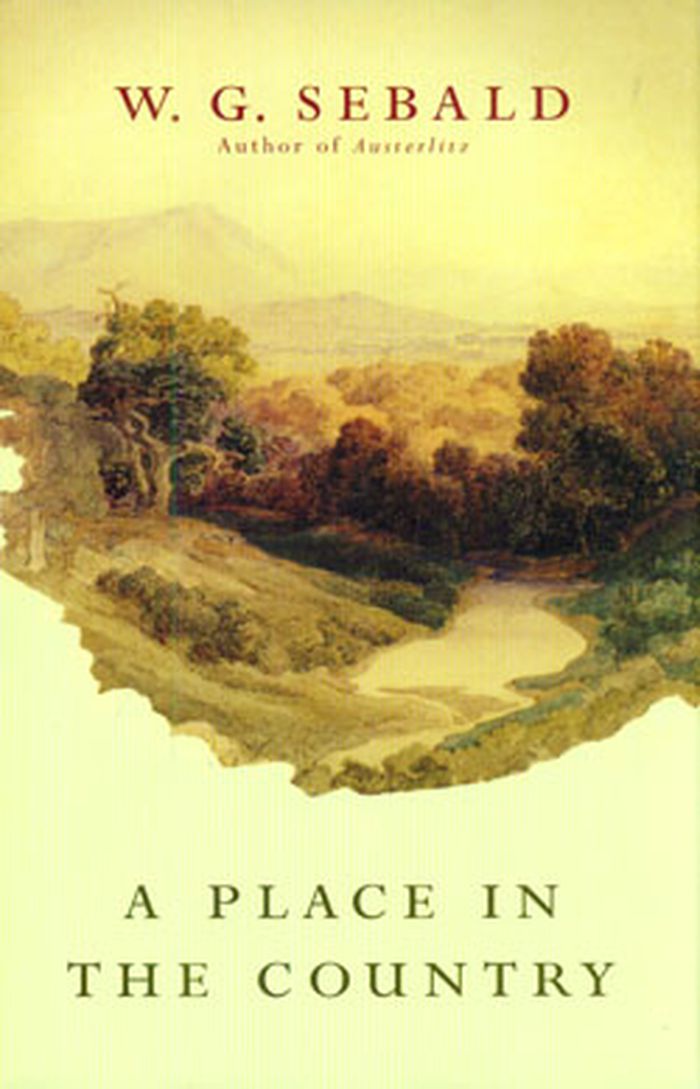
A place in the country
A place in the country
Actions:
Prix:
$31.50
(disponible sur commande)
Résumé:
This hardcover edition, with a full-cloth case, includes more than 40 pieces of art and 6 full-color gatefolds, all originally selected and laid out by W. G. Sebald. This collection of interlinked essays about place, memory, and creativity captures the inner worlds of five authors and one painter. In his masterly and mysterious style—part critical essay, part(...)
$31.50
(disponible sur commande)
Résumé:
This hardcover edition, with a full-cloth case, includes more than 40 pieces of art and 6 full-color gatefolds, all originally selected and laid out by W. G. Sebald. This collection of interlinked essays about place, memory, and creativity captures the inner worlds of five authors and one painter. In his masterly and mysterious style—part critical essay, part(...)
Titre:
A place in the country
Actions:
Prix:
$31.50
(disponible sur commande)
Résumé:
This hardcover edition, with a full-cloth case, includes more than 40 pieces of art and 6 full-color gatefolds, all originally selected and laid out by W. G. Sebald. This collection of interlinked essays about place, memory, and creativity captures the inner worlds of five authors and one painter. In his masterly and mysterious style—part critical essay, part memoir—Sebald weaves their lives and art with his own migrations and rise in the literary world.
A place in the country
Actions:
Prix:
$31.50
(disponible sur commande)
Résumé:
This hardcover edition, with a full-cloth case, includes more than 40 pieces of art and 6 full-color gatefolds, all originally selected and laid out by W. G. Sebald. This collection of interlinked essays about place, memory, and creativity captures the inner worlds of five authors and one painter. In his masterly and mysterious style—part critical essay, part memoir—Sebald weaves their lives and art with his own migrations and rise in the literary world.
Classification:
livres
livres
Publication:
février 2014
février 2014
Sujet:
Théorie/ philosophie
Théorie/ philosophie
Classification:
livres
livres
Prix:
$29.95
(disponible sur commande)
Résumé:
After decades of unchecked sprawl, more people than ever are moving back to the city. Dense urban living has been prescribed as a panacea for the environmental and resource crises of our time. But is it better or worse for our happiness? Are subways, sidewalks and condo towers an improvement on the car-dependence of sprawl? The award-winning journalist Charles(...)
$29.95
(disponible sur commande)
Résumé:
After decades of unchecked sprawl, more people than ever are moving back to the city. Dense urban living has been prescribed as a panacea for the environmental and resource crises of our time. But is it better or worse for our happiness? Are subways, sidewalks and condo towers an improvement on the car-dependence of sprawl? The award-winning journalist Charles(...)
Titre:
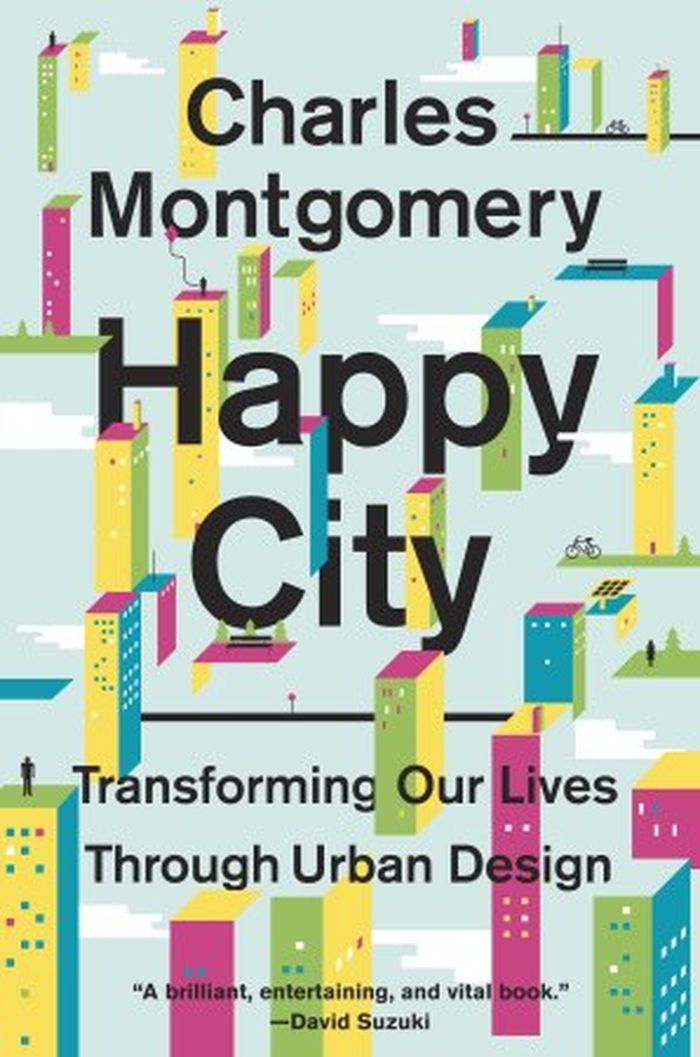
Happy city : transforming our lives through urban design
Actions:
Prix:
$29.95
(disponible sur commande)
Résumé:
After decades of unchecked sprawl, more people than ever are moving back to the city. Dense urban living has been prescribed as a panacea for the environmental and resource crises of our time. But is it better or worse for our happiness? Are subways, sidewalks and condo towers an improvement on the car-dependence of sprawl? The award-winning journalist Charles Montgomery finds answers to such questions at the intersection between urban design and the emerging science of happiness, during an exhilarating journey through some of the world’s most dynamic cities.
Happy city : transforming our lives through urban design
Actions:
Prix:
$29.95
(disponible sur commande)
Résumé:
After decades of unchecked sprawl, more people than ever are moving back to the city. Dense urban living has been prescribed as a panacea for the environmental and resource crises of our time. But is it better or worse for our happiness? Are subways, sidewalks and condo towers an improvement on the car-dependence of sprawl? The award-winning journalist Charles Montgomery finds answers to such questions at the intersection between urban design and the emerging science of happiness, during an exhilarating journey through some of the world’s most dynamic cities.
Classification:
livres
livres
Publication:
novembre 2013
novembre 2013
Sujet:
Théorie de l’urbanisme
Théorie de l’urbanisme
Classification:
livres
livres
Titre:
Discours de la méthode
Discours de la méthode
Actions:
Prix:
$6.95
(disponible sur commande)
Résumé:
Le Discours de la méthode (1637) a été le premier ouvrage publié par Descartes. Sur un ton direct et sans fard, qui contribue à la force attractive du Discours, Descartes invite à méditer son propre parcours intellectuel, guidé par la recherche la plus radicale de vérité. Prenant appui sur quatre règles de la méthode, il expose, après avoir réservé le cas de la morale(...)
$6.95
(disponible sur commande)
Résumé:
Le Discours de la méthode (1637) a été le premier ouvrage publié par Descartes. Sur un ton direct et sans fard, qui contribue à la force attractive du Discours, Descartes invite à méditer son propre parcours intellectuel, guidé par la recherche la plus radicale de vérité. Prenant appui sur quatre règles de la méthode, il expose, après avoir réservé le cas de la morale(...)
Titre:
Discours de la méthode
Actions:
Prix:
$6.95
(disponible sur commande)
Résumé:
Le Discours de la méthode (1637) a été le premier ouvrage publié par Descartes. Sur un ton direct et sans fard, qui contribue à la force attractive du Discours, Descartes invite à méditer son propre parcours intellectuel, guidé par la recherche la plus radicale de vérité. Prenant appui sur quatre règles de la méthode, il expose, après avoir réservé le cas de la morale (dite " par provision "), la découverte décisive du " Je pense, donc je suis ", dont la clarté et la distinction deviennent critères de tout ce qui peut être connu. Il nous achemine alors vers la pensée de Dieu et de l'âme, des sciences et de leurs principes, du monde et des corps.
Discours de la méthode
Actions:
Prix:
$6.95
(disponible sur commande)
Résumé:
Le Discours de la méthode (1637) a été le premier ouvrage publié par Descartes. Sur un ton direct et sans fard, qui contribue à la force attractive du Discours, Descartes invite à méditer son propre parcours intellectuel, guidé par la recherche la plus radicale de vérité. Prenant appui sur quatre règles de la méthode, il expose, après avoir réservé le cas de la morale (dite " par provision "), la découverte décisive du " Je pense, donc je suis ", dont la clarté et la distinction deviennent critères de tout ce qui peut être connu. Il nous achemine alors vers la pensée de Dieu et de l'âme, des sciences et de leurs principes, du monde et des corps.
Classification:
livres
livres
Publication:
juin 2013
juin 2013
Sujet:
Théorie/ philosophie
Théorie/ philosophie
Classification:
livres
livres
Titre:
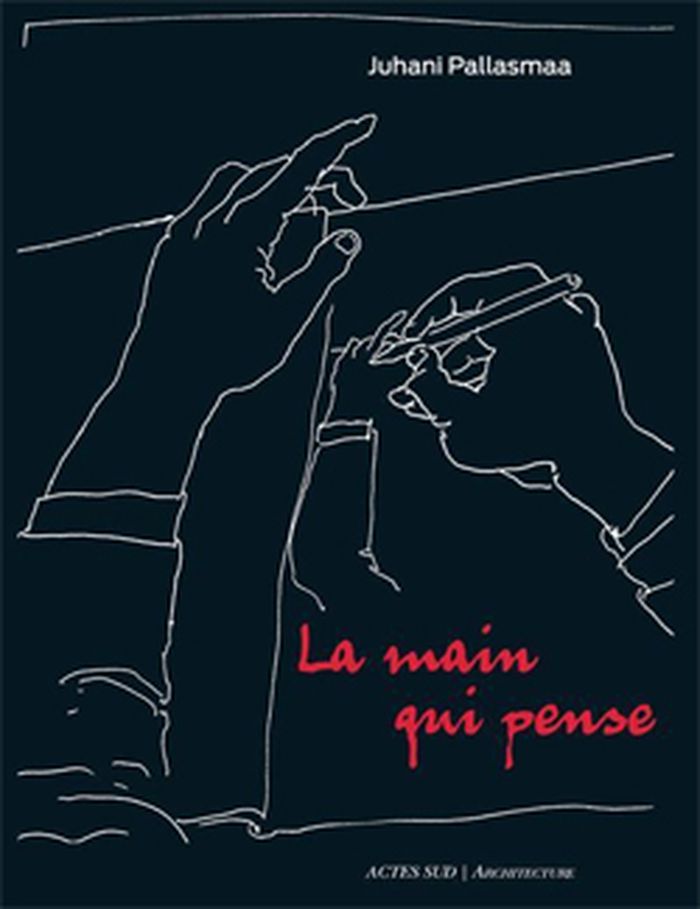
La main qui pense
La main qui pense
Actions:
Prix:
$52.95
(disponible sur commande)
Résumé:
À travers une approche pluridisciplinaire, Pallasmaa met en évidence la façon dont le stylo, dans la main de l'artiste, devient un pont entre l'imagination de l'esprit et l'image créée. L'auteur envisage les multiples essences de la main, son évolution biologique et son rôle symbolique dans la création d'une culture. Il montre comment cette si petite partie du corps,(...)
$52.95
(disponible sur commande)
Résumé:
À travers une approche pluridisciplinaire, Pallasmaa met en évidence la façon dont le stylo, dans la main de l'artiste, devient un pont entre l'imagination de l'esprit et l'image créée. L'auteur envisage les multiples essences de la main, son évolution biologique et son rôle symbolique dans la création d'une culture. Il montre comment cette si petite partie du corps,(...)
Titre:
La main qui pense
Actions:
Prix:
$52.95
(disponible sur commande)
Résumé:
À travers une approche pluridisciplinaire, Pallasmaa met en évidence la façon dont le stylo, dans la main de l'artiste, devient un pont entre l'imagination de l'esprit et l'image créée. L'auteur envisage les multiples essences de la main, son évolution biologique et son rôle symbolique dans la création d'une culture. Il montre comment cette si petite partie du corps, emblématique d'une personne et de son caractère, possède son langage propre. Ainsi, Pallasmaa questionne les capacités de perception de l'homme grâce à son propre corps. Il puise dans les champs de la philosophie et de la psychologie, qu'il met en regard avec une réflexion théorique sur l'architecture.
La main qui pense
Actions:
Prix:
$52.95
(disponible sur commande)
Résumé:
À travers une approche pluridisciplinaire, Pallasmaa met en évidence la façon dont le stylo, dans la main de l'artiste, devient un pont entre l'imagination de l'esprit et l'image créée. L'auteur envisage les multiples essences de la main, son évolution biologique et son rôle symbolique dans la création d'une culture. Il montre comment cette si petite partie du corps, emblématique d'une personne et de son caractère, possède son langage propre. Ainsi, Pallasmaa questionne les capacités de perception de l'homme grâce à son propre corps. Il puise dans les champs de la philosophie et de la psychologie, qu'il met en regard avec une réflexion théorique sur l'architecture.
Classification:
livres
livres
Publication:
juillet 2013
juillet 2013
Sujet:
Théorie de l’architecture
Théorie de l’architecture
Classification:
livres
livres
Titre:
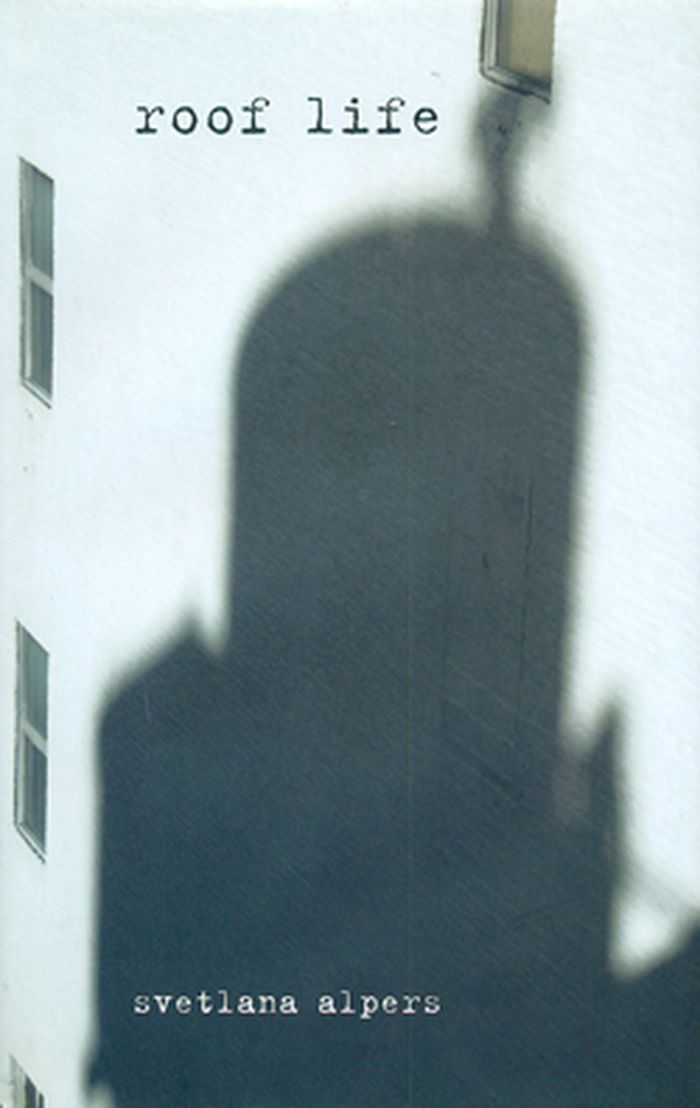
Roof life
Roof life
Actions:
Prix:
$35.00
(disponible sur commande)
Résumé:
Art historian Svetlana Alpers assembles in these pages descriptions of things that mattered in a life that began in Cambridge, Massachusetts, continued in Berkeley, California, and is now lived in New York City.
$35.00
(disponible sur commande)
Résumé:
Art historian Svetlana Alpers assembles in these pages descriptions of things that mattered in a life that began in Cambridge, Massachusetts, continued in Berkeley, California, and is now lived in New York City.
Titre:
Roof life
Actions:
Prix:
$35.00
(disponible sur commande)
Résumé:
Art historian Svetlana Alpers assembles in these pages descriptions of things that mattered in a life that began in Cambridge, Massachusetts, continued in Berkeley, California, and is now lived in New York City.
Roof life
Actions:
Prix:
$35.00
(disponible sur commande)
Résumé:
Art historian Svetlana Alpers assembles in these pages descriptions of things that mattered in a life that began in Cambridge, Massachusetts, continued in Berkeley, California, and is now lived in New York City.
Classification:
livres
livres
Publication:
août 2013
août 2013
Sujet:
Théorie de l’art
Théorie de l’art


