


93 Résultats
Classification:
livres
livres
Actions:
Prix:
$44.95
(disponible en magasin)
Résumé:
Indigenous relations are often described in anthropological terms, or as expressions of timeless, unchanging kinship ties. In ''Speculative Relations'', Joseph M. Pierce challenges this view, considering the potential of these relations as a means of repairing the damages of history. Pierce approaches Indigenous art and culture not as objects of study, but through(...)
$44.95
(disponible en magasin)
Résumé:
Indigenous relations are often described in anthropological terms, or as expressions of timeless, unchanging kinship ties. In ''Speculative Relations'', Joseph M. Pierce challenges this view, considering the potential of these relations as a means of repairing the damages of history. Pierce approaches Indigenous art and culture not as objects of study, but through(...)
Titre:
Speculative relations: Indigenous worling and repair
Actions:
Prix:
$44.95
(disponible en magasin)
Résumé:
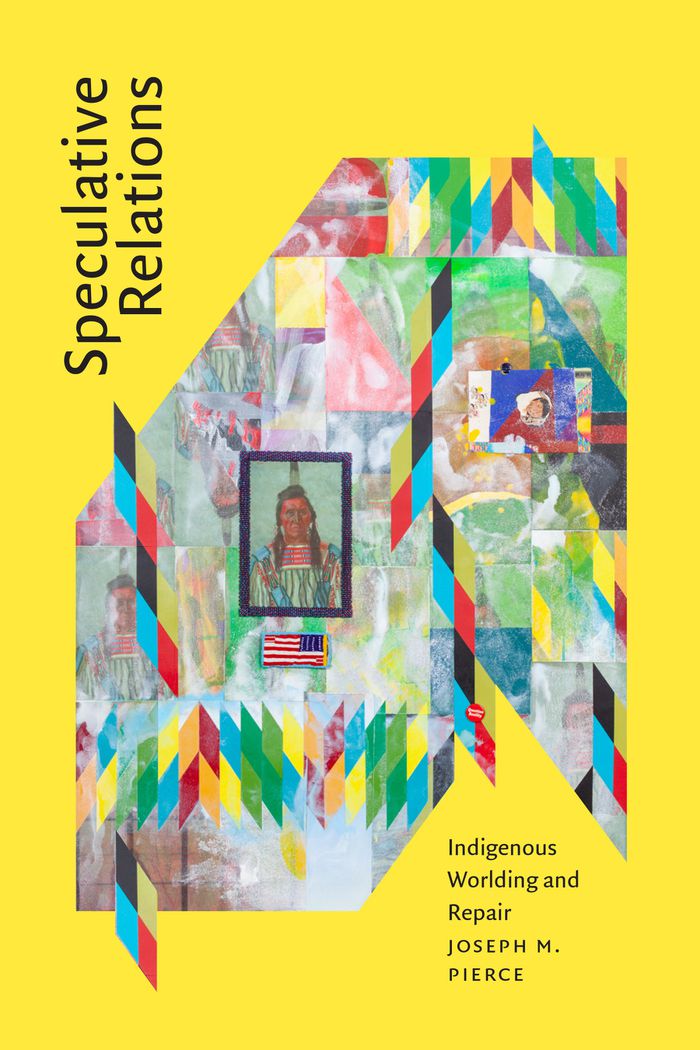
Indigenous relations are often described in anthropological terms, or as expressions of timeless, unchanging kinship ties. In ''Speculative Relations'', Joseph M. Pierce challenges this view, considering the potential of these relations as a means of repairing the damages of history. Pierce approaches Indigenous art and culture not as objects of study, but through relations committed to reciprocity and care for human and more-than-human beings. Drawing on Cherokee thinking, Indigenous queer theory, literary and cultural studies, and art criticism, he illuminates pathways for understanding and resisting the ongoing damages of colonialism while pointing to future worlds and imaginaries that breathe life into Indigenous thought and practice. Analyzing a range of materials—from photography, literature, and sculpture to film and ethnography—Pierce reveals how speculation, as a form of situated knowledge production, can repair and reimagine the worlds that colonialism sought to destroy. In doing so, Pierce highlights how gestures, poetics, and embodiment can uphold tradition and harness the imaginative power of speculation to create pathways for living in good relations.
Speculative relations: Indigenous worling and repair
Actions:
Prix:
$44.95
(disponible en magasin)
Résumé:
Indigenous relations are often described in anthropological terms, or as expressions of timeless, unchanging kinship ties. In ''Speculative Relations'', Joseph M. Pierce challenges this view, considering the potential of these relations as a means of repairing the damages of history. Pierce approaches Indigenous art and culture not as objects of study, but through relations committed to reciprocity and care for human and more-than-human beings. Drawing on Cherokee thinking, Indigenous queer theory, literary and cultural studies, and art criticism, he illuminates pathways for understanding and resisting the ongoing damages of colonialism while pointing to future worlds and imaginaries that breathe life into Indigenous thought and practice. Analyzing a range of materials—from photography, literature, and sculpture to film and ethnography—Pierce reveals how speculation, as a form of situated knowledge production, can repair and reimagine the worlds that colonialism sought to destroy. In doing so, Pierce highlights how gestures, poetics, and embodiment can uphold tradition and harness the imaginative power of speculation to create pathways for living in good relations.
Classification:
livres
livres
Publication:
août 2025
août 2025
Sujet:
Autochtone
Autochtone
Classification:
livres
livres
Actions:
Prix:
$54.00
(disponible sur commande)
Résumé:
Food appears everywhere in the arts. But what happens after viewers carry food away in the intestinal networks activated by social practice art, the same way digestion turns food into a body? Exploring the emerging field of metabolic arts, "After eating" claims digestion and metabolism as key cultural, creative, and political processes that demand attention. Taking an(...)
$54.00
(disponible sur commande)
Résumé:
Food appears everywhere in the arts. But what happens after viewers carry food away in the intestinal networks activated by social practice art, the same way digestion turns food into a body? Exploring the emerging field of metabolic arts, "After eating" claims digestion and metabolism as key cultural, creative, and political processes that demand attention. Taking an(...)
Titre:
After eating: Metabolizing the arts
Actions:
Prix:
$54.00
(disponible sur commande)
Résumé:
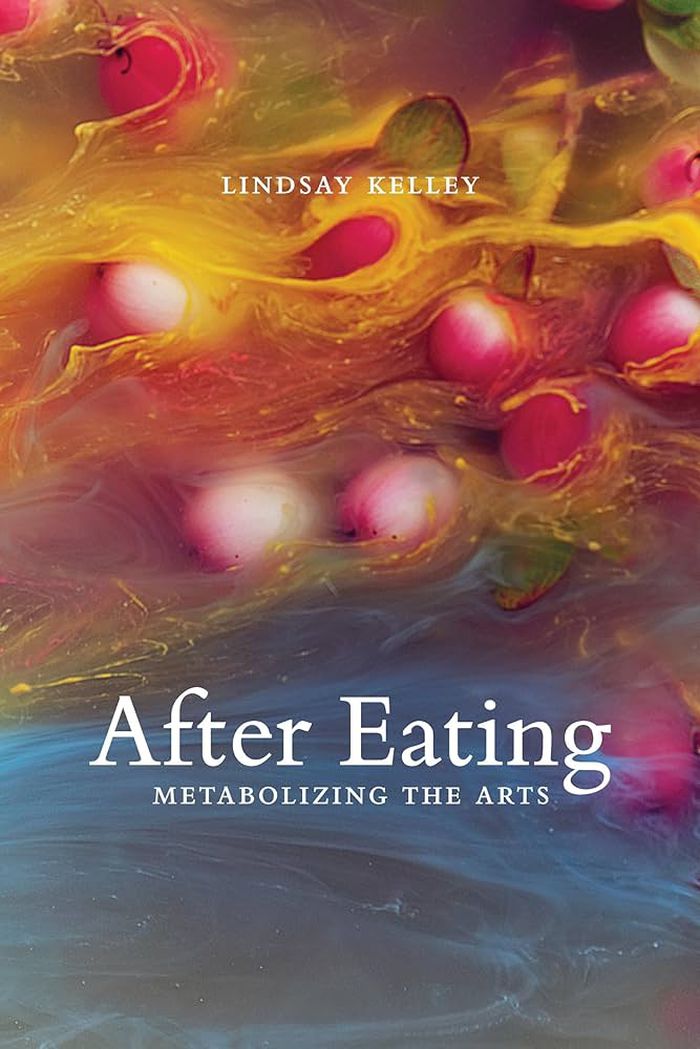
Food appears everywhere in the arts. But what happens after viewers carry food away in the intestinal networks activated by social practice art, the same way digestion turns food into a body? Exploring the emerging field of metabolic arts, "After eating" claims digestion and metabolism as key cultural, creative, and political processes that demand attention. Taking an artist-centered approach to nutrition, Lindsay Kelley cultivates a neglected middle ground between the everyday and the scientific, using metabolism as a lens through which to read and write about art. Divided into two parts and full of playful chapter titles such as "Food Babies" and "Poop Circus," After Eating investigates multiple facets of the sociocultural implications of body image and body process in body art from the 1970s to the present. By engaging the notion of "after" as an artistic homage or tribute, metabolism moves beyond the cell to transform into a method for responding to the most difficult cultural, philosophical, and political challenges of the contemporary moment. Metabolic reading rethinks feminist, queer, bioart, installation, and performance projects, providing artists, students, and teachers with new pathways into art theory.
After eating: Metabolizing the arts
Actions:
Prix:
$54.00
(disponible sur commande)
Résumé:
Food appears everywhere in the arts. But what happens after viewers carry food away in the intestinal networks activated by social practice art, the same way digestion turns food into a body? Exploring the emerging field of metabolic arts, "After eating" claims digestion and metabolism as key cultural, creative, and political processes that demand attention. Taking an artist-centered approach to nutrition, Lindsay Kelley cultivates a neglected middle ground between the everyday and the scientific, using metabolism as a lens through which to read and write about art. Divided into two parts and full of playful chapter titles such as "Food Babies" and "Poop Circus," After Eating investigates multiple facets of the sociocultural implications of body image and body process in body art from the 1970s to the present. By engaging the notion of "after" as an artistic homage or tribute, metabolism moves beyond the cell to transform into a method for responding to the most difficult cultural, philosophical, and political challenges of the contemporary moment. Metabolic reading rethinks feminist, queer, bioart, installation, and performance projects, providing artists, students, and teachers with new pathways into art theory.
Classification:
livres
livres
Publication:
décembre 2023
décembre 2023
Sujet:
Bouffe
Bouffe
Classification:
livres
livres
Actions:
Prix:
$31.25
(disponible sur commande)
Résumé:
"Sowing Empire" identifies the cultivation and landscaping of colonies as one of the primary ways imperial nations justified their empires. Planting and transplanting, seeding and reshaping - the landscaping practices that emerged in the eighteenth century - are inextricable from the contested terrain of empire within which they operated. From the plantations of the(...)
$31.25
(disponible sur commande)
Résumé:
"Sowing Empire" identifies the cultivation and landscaping of colonies as one of the primary ways imperial nations justified their empires. Planting and transplanting, seeding and reshaping - the landscaping practices that emerged in the eighteenth century - are inextricable from the contested terrain of empire within which they operated. From the plantations of the(...)
Titre:
Sowing empire : landscape and colonization
Actions:
Prix:
$31.25
(disponible sur commande)
Résumé:
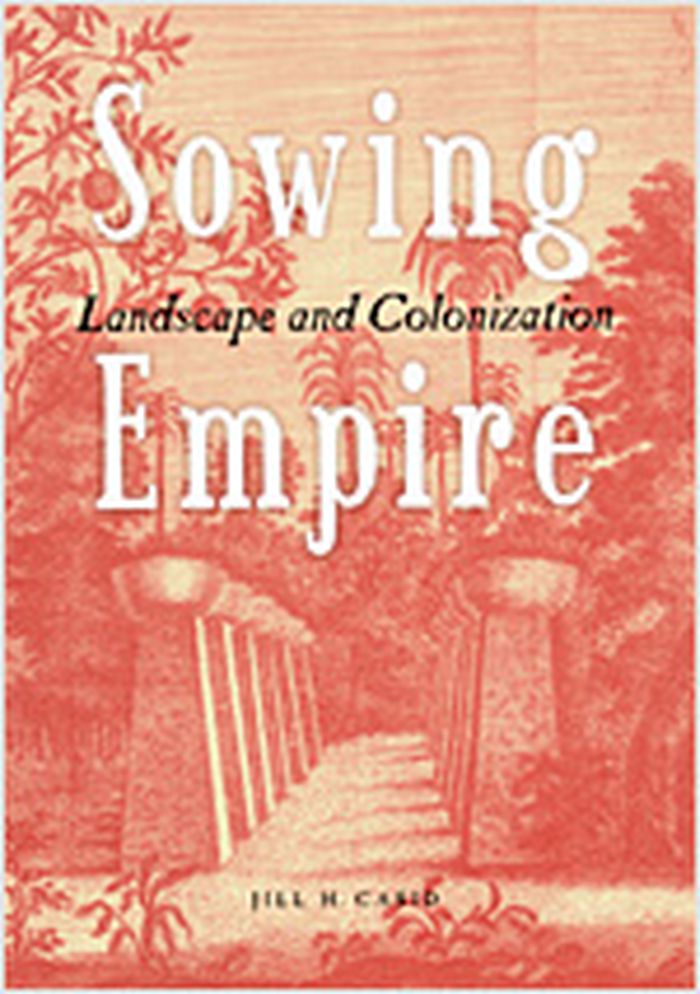
"Sowing Empire" identifies the cultivation and landscaping of colonies as one of the primary ways imperial nations justified their empires. Planting and transplanting, seeding and reshaping - the landscaping practices that emerged in the eighteenth century - are inextricable from the contested terrain of empire within which they operated. From the plantations of the “nabobs” to the island gardens of narrative fiction, from William Beckford’s estate at Fonthill to Marie Antoinette’s ornamented farm, "Sowing Empire" considers imperial relandscaping - its patriarchal organization, heterosexual reproduction, and slavery - and how it contributed to the construction of imperial power. At the same time, the book shows how these picturesque landscapes and sugar plantations contained within them the seeds of resistance - how, for instance, slave gardens and the Afro-Caribbean practice of Vodou threatened authority and created new possibilities for once again transforming the landscape. In an ambitious work of wide-ranging literary, visual, and historical allusion, Jill H. Casid examines how landscaping functioned in an imperial mode that defined and remade the “heartlands” of nations as well as the contact zones and colonial peripheries in the West and East Indies. Revealing the colonial landscape as far more than an agricultural system - as a means of regulating national, sexual, and gender identities - Casid also traces how the circulation of plants and hybridity influenced agriculture and landscaping on European soil and how colonial contacts materially shaped what we take as “European.” Utilizing a wide range of both visual and written sources - maps, literature, and travel writing - this book is interdisciplinary in its methodology and in its scope. Sowing Empire explores how postcolonial and queer studies can alter art history and visual studies and, in turn, what close attention to the visual may offer to both postcolonial theorizing and historically and materially based colonial cultural studies.
Sowing empire : landscape and colonization
Actions:
Prix:
$31.25
(disponible sur commande)
Résumé:
"Sowing Empire" identifies the cultivation and landscaping of colonies as one of the primary ways imperial nations justified their empires. Planting and transplanting, seeding and reshaping - the landscaping practices that emerged in the eighteenth century - are inextricable from the contested terrain of empire within which they operated. From the plantations of the “nabobs” to the island gardens of narrative fiction, from William Beckford’s estate at Fonthill to Marie Antoinette’s ornamented farm, "Sowing Empire" considers imperial relandscaping - its patriarchal organization, heterosexual reproduction, and slavery - and how it contributed to the construction of imperial power. At the same time, the book shows how these picturesque landscapes and sugar plantations contained within them the seeds of resistance - how, for instance, slave gardens and the Afro-Caribbean practice of Vodou threatened authority and created new possibilities for once again transforming the landscape. In an ambitious work of wide-ranging literary, visual, and historical allusion, Jill H. Casid examines how landscaping functioned in an imperial mode that defined and remade the “heartlands” of nations as well as the contact zones and colonial peripheries in the West and East Indies. Revealing the colonial landscape as far more than an agricultural system - as a means of regulating national, sexual, and gender identities - Casid also traces how the circulation of plants and hybridity influenced agriculture and landscaping on European soil and how colonial contacts materially shaped what we take as “European.” Utilizing a wide range of both visual and written sources - maps, literature, and travel writing - this book is interdisciplinary in its methodology and in its scope. Sowing Empire explores how postcolonial and queer studies can alter art history and visual studies and, in turn, what close attention to the visual may offer to both postcolonial theorizing and historically and materially based colonial cultural studies.
Classification:
livres
livres
Publication:
janvier 2005, Minneapolis
janvier 2005, Minneapolis
Sujet:
Théorie du paysage
Théorie du paysage


