


36173 Résultats
Classification:
livres
livres

Actions:
Prix:
$33.95
(disponible sur commande)
Résumé:
This is a book by a company that dislikes advertising as much as anyone. Yet, it makes adverts. It has worked with global brands to produce fashion collections and promoted a town with a mass wedding. It creates advertising with more human, truthful communications. The company's name is KesselsKramer. In Advertising for People Who Don't Like Advertising Kesselskramer(...)
$33.95
(disponible sur commande)
Résumé:
This is a book by a company that dislikes advertising as much as anyone. Yet, it makes adverts. It has worked with global brands to produce fashion collections and promoted a town with a mass wedding. It creates advertising with more human, truthful communications. The company's name is KesselsKramer. In Advertising for People Who Don't Like Advertising Kesselskramer(...)
Titre:
Advertising for people who don't like advertising
Actions:
Prix:
$33.95
(disponible sur commande)
Résumé:
This is a book by a company that dislikes advertising as much as anyone. Yet, it makes adverts. It has worked with global brands to produce fashion collections and promoted a town with a mass wedding. It creates advertising with more human, truthful communications. The company's name is KesselsKramer. In Advertising for People Who Don't Like Advertising Kesselskramer describes its journey, its creative approach, and gets in touch with thinkers it admires. It asks them to explain what they do and don't like about advertising... and how to make the business better.
Advertising for people who don't like advertising
Actions:
Prix:
$33.95
(disponible sur commande)
Résumé:
This is a book by a company that dislikes advertising as much as anyone. Yet, it makes adverts. It has worked with global brands to produce fashion collections and promoted a town with a mass wedding. It creates advertising with more human, truthful communications. The company's name is KesselsKramer. In Advertising for People Who Don't Like Advertising Kesselskramer describes its journey, its creative approach, and gets in touch with thinkers it admires. It asks them to explain what they do and don't like about advertising... and how to make the business better.
Classification:
livres
livres
Publication:
mai 2012
mai 2012
Classification:
livres
livres
Titre:
Beaudoin et Lods
Beaudoin et Lods
Actions:
Prix:
$34.95
(disponible sur commande)
Résumé:
L'étonnante association, pendant l'entre-deux-guerres, d'Eugène Beaudouin (1898-1983) et de Marcel Lods (1891-1978) a constitué un temps fort dans l'histoire de l'architecture moderne en France. Si Beaudouin reste un architecte tourné vers la ville, Lods, homme d'action, s'attache aux possibilités constructives de répétition et de sérialisation offertes par les nouveaux(...)
$34.95
(disponible sur commande)
Résumé:
L'étonnante association, pendant l'entre-deux-guerres, d'Eugène Beaudouin (1898-1983) et de Marcel Lods (1891-1978) a constitué un temps fort dans l'histoire de l'architecture moderne en France. Si Beaudouin reste un architecte tourné vers la ville, Lods, homme d'action, s'attache aux possibilités constructives de répétition et de sérialisation offertes par les nouveaux(...)
Titre:
Beaudoin et Lods
Actions:
Prix:
$34.95
(disponible sur commande)
Résumé:
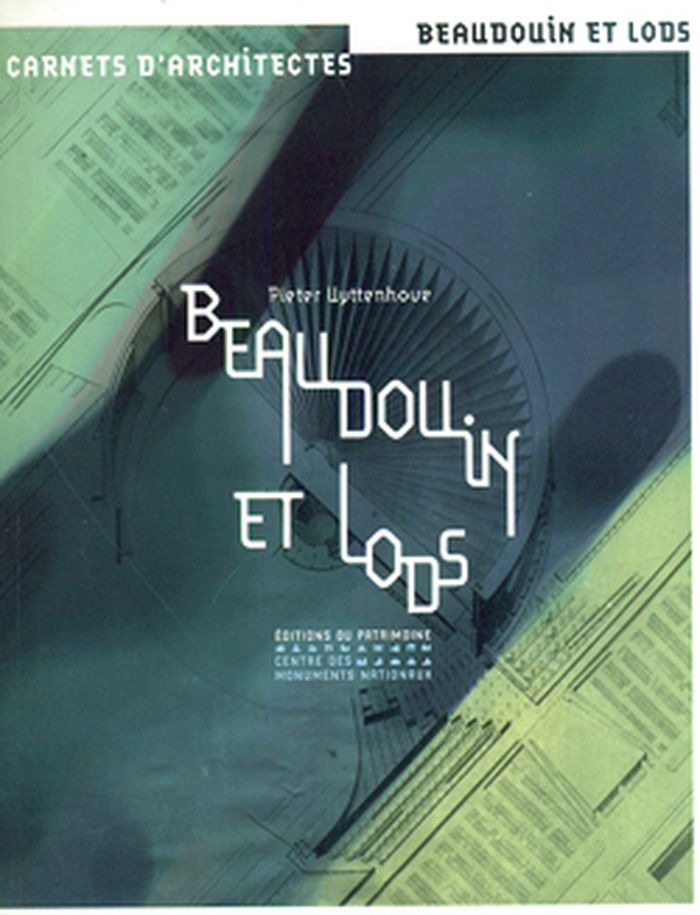
L'étonnante association, pendant l'entre-deux-guerres, d'Eugène Beaudouin (1898-1983) et de Marcel Lods (1891-1978) a constitué un temps fort dans l'histoire de l'architecture moderne en France. Si Beaudouin reste un architecte tourné vers la ville, Lods, homme d'action, s'attache aux possibilités constructives de répétition et de sérialisation offertes par les nouveaux matériaux tels que le verre et le métal. Ces deux personnalités de talents et d'ambitions divergentes ont collaboré pour créer une oeuvre variée et particulièrement novatrice : la Cité du Champ-des-Oiseaux à Bagneux, l'École de plein air à Suresnes, la Maison du Peuple à Clichy ou la Cité de la Muette à Drancy...
Beaudoin et Lods
Actions:
Prix:
$34.95
(disponible sur commande)
Résumé:
L'étonnante association, pendant l'entre-deux-guerres, d'Eugène Beaudouin (1898-1983) et de Marcel Lods (1891-1978) a constitué un temps fort dans l'histoire de l'architecture moderne en France. Si Beaudouin reste un architecte tourné vers la ville, Lods, homme d'action, s'attache aux possibilités constructives de répétition et de sérialisation offertes par les nouveaux matériaux tels que le verre et le métal. Ces deux personnalités de talents et d'ambitions divergentes ont collaboré pour créer une oeuvre variée et particulièrement novatrice : la Cité du Champ-des-Oiseaux à Bagneux, l'École de plein air à Suresnes, la Maison du Peuple à Clichy ou la Cité de la Muette à Drancy...
Classification:
livres
livres
Publication:
mai 2012
mai 2012
Sujet:
Architecture, monographies
Architecture, monographies
Classification:
livres
livres
Actions:
Prix:
$51.95
(disponible sur commande)
Résumé:
Pourquoi reconquérir les rues ? Parce que c’est là que se joue, sans qu’on en soit toujours conscient, une grande partie de la qualité de la vie dans une ville. Il y a des rues où l’on se sent bien, des rues vivantes — sans forcément être commerçantes —, où l’on se dit qu’on aimerait bien habiter et élever nos enfants. Et puis il y a des rues qui, à l’inverse, nous(...)
$51.95
(disponible sur commande)
Résumé:
Pourquoi reconquérir les rues ? Parce que c’est là que se joue, sans qu’on en soit toujours conscient, une grande partie de la qualité de la vie dans une ville. Il y a des rues où l’on se sent bien, des rues vivantes — sans forcément être commerçantes —, où l’on se dit qu’on aimerait bien habiter et élever nos enfants. Et puis il y a des rues qui, à l’inverse, nous(...)
Titre:
Reconquérir les rues : exemples à travers le monde et pistes d'actions
Actions:
Prix:
$51.95
(disponible sur commande)
Résumé:
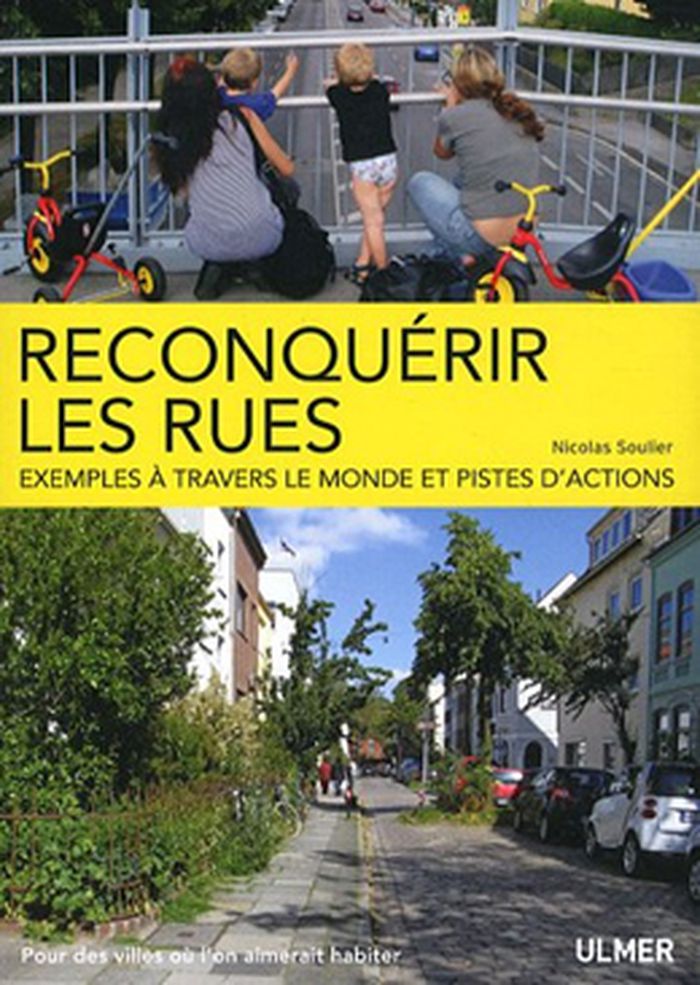
Pourquoi reconquérir les rues ? Parce que c’est là que se joue, sans qu’on en soit toujours conscient, une grande partie de la qualité de la vie dans une ville. Il y a des rues où l’on se sent bien, des rues vivantes — sans forcément être commerçantes —, où l’on se dit qu’on aimerait bien habiter et élever nos enfants. Et puis il y a des rues qui, à l’inverse, nous semblent mornes, stériles, désertes, et qui malheureusement sont devenues plutôt la norme dans notre pays. Nicolas Soulier nous montre que cette situation n’est pas inéluctable et que de nombreux exemples de reconquête fleurissent à travers le monde, mais aussi en France. De ces situations exemplaires, prises en Allemagne, en Suisse, au Canada, en Angleterre et aux USA, l’auteur tire des conclusions pratiques et propose des pistes d’action pour reconquérir nos rues.
Reconquérir les rues : exemples à travers le monde et pistes d'actions
Actions:
Prix:
$51.95
(disponible sur commande)
Résumé:
Pourquoi reconquérir les rues ? Parce que c’est là que se joue, sans qu’on en soit toujours conscient, une grande partie de la qualité de la vie dans une ville. Il y a des rues où l’on se sent bien, des rues vivantes — sans forcément être commerçantes —, où l’on se dit qu’on aimerait bien habiter et élever nos enfants. Et puis il y a des rues qui, à l’inverse, nous semblent mornes, stériles, désertes, et qui malheureusement sont devenues plutôt la norme dans notre pays. Nicolas Soulier nous montre que cette situation n’est pas inéluctable et que de nombreux exemples de reconquête fleurissent à travers le monde, mais aussi en France. De ces situations exemplaires, prises en Allemagne, en Suisse, au Canada, en Angleterre et aux USA, l’auteur tire des conclusions pratiques et propose des pistes d’action pour reconquérir nos rues.
Classification:
livres
livres
Publication:
mai 2012
mai 2012
Sujet:
Théorie de l’urbanisme
Théorie de l’urbanisme
Classification:
livres
livres
Titre:
Weather architecture
Weather architecture
Actions:
Prix:
$69.95
(disponible sur commande)
Résumé:
Further extending Jonathan Hill's investigation of authorship, this book recognizes the weather as a creative architectural force alongside the designer and user. Although acknowledging the influence of the client, contractor and engineer, the relations between the designer, user and weather are the focus of this book. Environmental discussions in architecture tend(...)
$69.95
(disponible sur commande)
Résumé:
Further extending Jonathan Hill's investigation of authorship, this book recognizes the weather as a creative architectural force alongside the designer and user. Although acknowledging the influence of the client, contractor and engineer, the relations between the designer, user and weather are the focus of this book. Environmental discussions in architecture tend(...)
Titre:
Weather architecture
Actions:
Prix:
$69.95
(disponible sur commande)
Résumé:
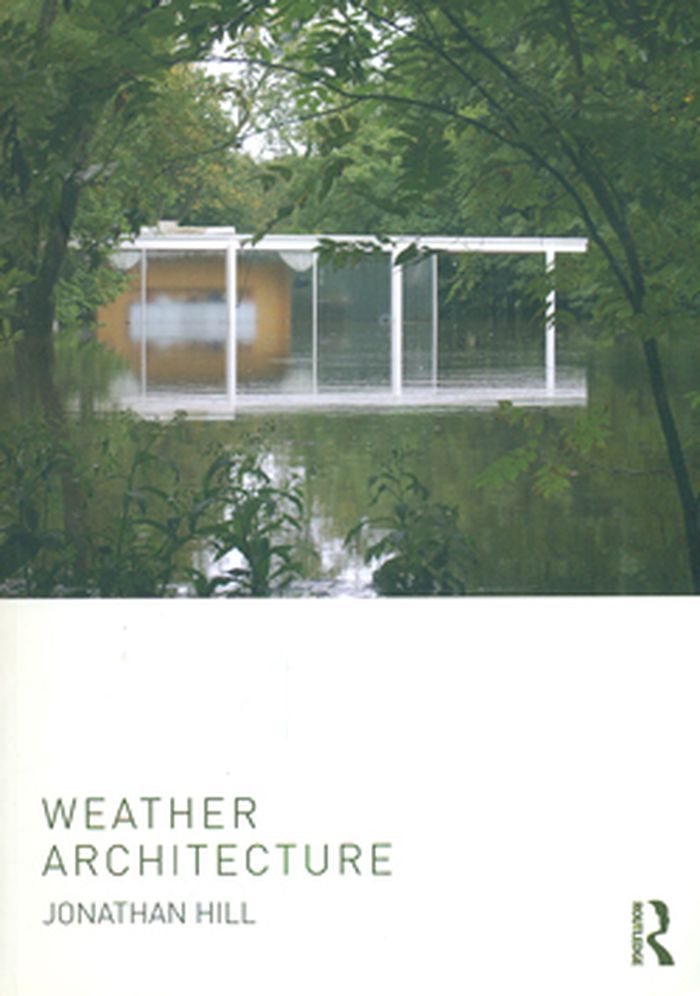
Further extending Jonathan Hill's investigation of authorship, this book recognizes the weather as a creative architectural force alongside the designer and user. Although acknowledging the influence of the client, contractor and engineer, the relations between the designer, user and weather are the focus of this book. Environmental discussions in architecture tend to focus on the practical or the poetic but here they are considered together. Rather than investigate architecture's relations to the weather in isolation, they are integrated into a wider discussion of cultural and social influences on architecture. The analysis of weather's effects on the design and experience of specific buildings and gardens is interwoven with a historical survey of changing attitudes to the weather in the arts, sciences and society, leading to a critical re-evaluation of contemporary responses to climate change.
Weather architecture
Actions:
Prix:
$69.95
(disponible sur commande)
Résumé:
Further extending Jonathan Hill's investigation of authorship, this book recognizes the weather as a creative architectural force alongside the designer and user. Although acknowledging the influence of the client, contractor and engineer, the relations between the designer, user and weather are the focus of this book. Environmental discussions in architecture tend to focus on the practical or the poetic but here they are considered together. Rather than investigate architecture's relations to the weather in isolation, they are integrated into a wider discussion of cultural and social influences on architecture. The analysis of weather's effects on the design and experience of specific buildings and gardens is interwoven with a historical survey of changing attitudes to the weather in the arts, sciences and society, leading to a critical re-evaluation of contemporary responses to climate change.
Classification:
livres
livres
Publication:
mai 2012
mai 2012
Sujet:
Théorie de l’architecture
Théorie de l’architecture
Classification:
livres
livres
Titre:
Ecohouse, fourth edition
Ecohouse, fourth edition
Actions:
Prix:
$58.95
(disponible sur commande)
Résumé:
Ecohouse provides design information about the latest low-impact materials and technologies, showcasing the newest and best ‘green’ solutions. Revised and updated, this edition also includes new case studies with more real-life examples of how to make an ecohouse work.
$58.95
(disponible sur commande)
Résumé:
Ecohouse provides design information about the latest low-impact materials and technologies, showcasing the newest and best ‘green’ solutions. Revised and updated, this edition also includes new case studies with more real-life examples of how to make an ecohouse work.
Titre:
Ecohouse, fourth edition
Actions:
Prix:
$58.95
(disponible sur commande)
Résumé:
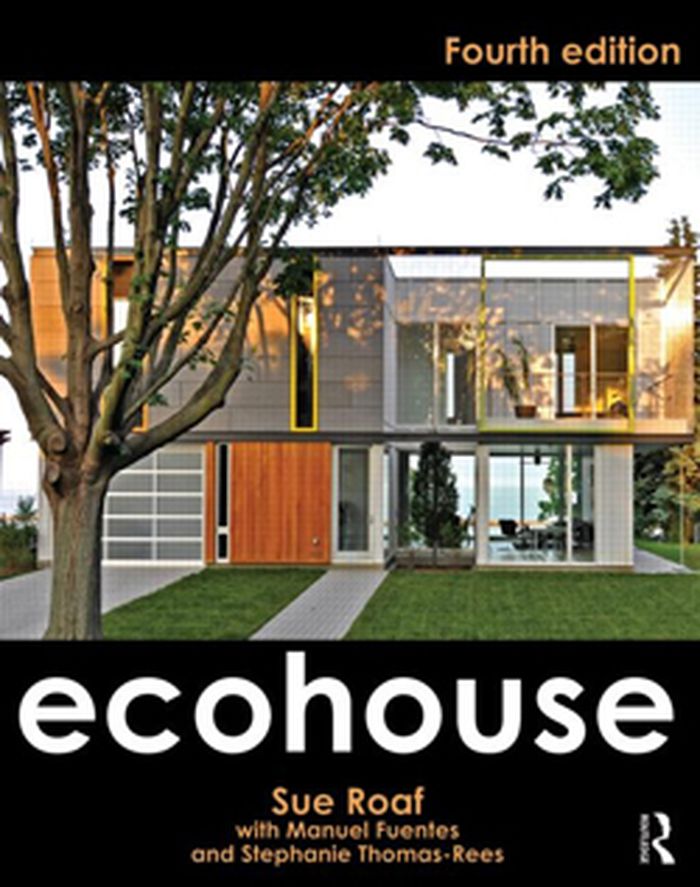
Ecohouse provides design information about the latest low-impact materials and technologies, showcasing the newest and best ‘green’ solutions. Revised and updated, this edition also includes new case studies with more real-life examples of how to make an ecohouse work.
Ecohouse, fourth edition
Actions:
Prix:
$58.95
(disponible sur commande)
Résumé:
Ecohouse provides design information about the latest low-impact materials and technologies, showcasing the newest and best ‘green’ solutions. Revised and updated, this edition also includes new case studies with more real-life examples of how to make an ecohouse work.
Classification:
livres
livres
Publication:
septembre 2012
septembre 2012
Sujet:
Architecture écologique
Architecture écologique
Classification:
livres
livres
Titre:
Kant for architects
Kant for architects
Actions:
Prix:
$37.70
(disponible sur commande)
Résumé:
This book introduces architects to a philosopher, Immanuel Kant, whose work was constantly informed by a concern for the world as an evolving whole. According to Kant, in this interconnected and dynamic world, humans should act as mutually dependent and responsible subjects. Given his future-oriented and ethico-politically concerned thinking, Kant is a thinker who clearly(...)
$37.70
(disponible sur commande)
Résumé:
This book introduces architects to a philosopher, Immanuel Kant, whose work was constantly informed by a concern for the world as an evolving whole. According to Kant, in this interconnected and dynamic world, humans should act as mutually dependent and responsible subjects. Given his future-oriented and ethico-politically concerned thinking, Kant is a thinker who clearly(...)
Titre:
Kant for architects
Actions:
Prix:
$37.70
(disponible sur commande)
Résumé:
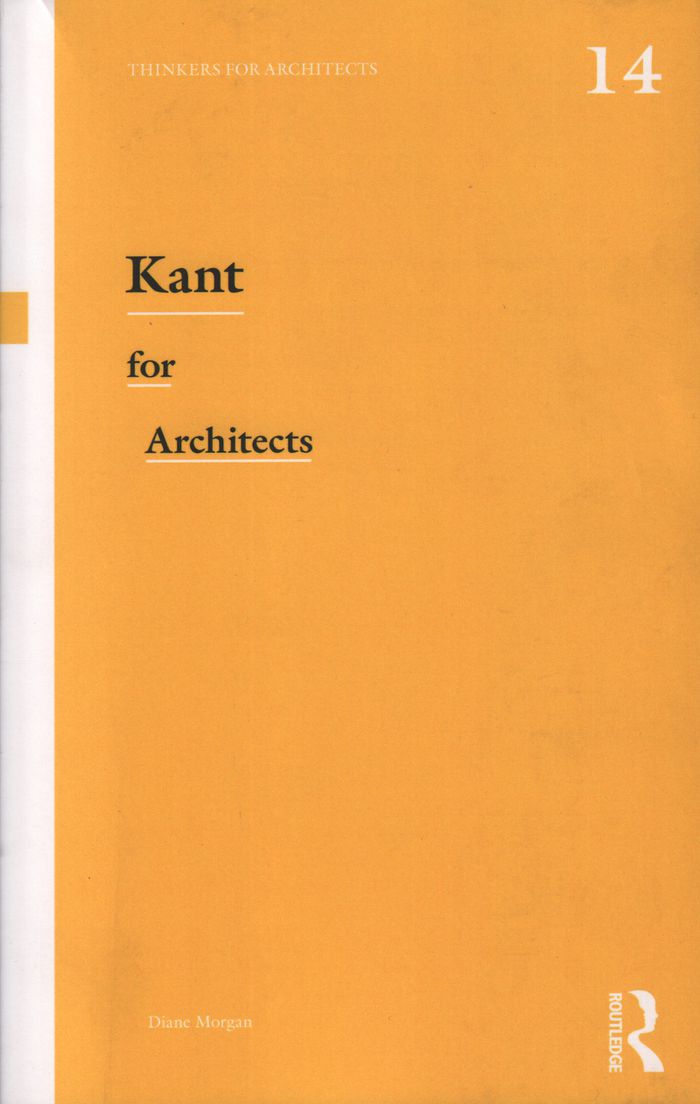
This book introduces architects to a philosopher, Immanuel Kant, whose work was constantly informed by a concern for the world as an evolving whole. According to Kant, in this interconnected and dynamic world, humans should act as mutually dependent and responsible subjects. Given his future-oriented and ethico-politically concerned thinking, Kant is a thinker who clearly speaks to architects. This introduction demonstrates how his ideas bear pertinently and creatively upon the world in which we live now and for which we should care thoughtfully.
Kant for architects
Actions:
Prix:
$37.70
(disponible sur commande)
Résumé:
This book introduces architects to a philosopher, Immanuel Kant, whose work was constantly informed by a concern for the world as an evolving whole. According to Kant, in this interconnected and dynamic world, humans should act as mutually dependent and responsible subjects. Given his future-oriented and ethico-politically concerned thinking, Kant is a thinker who clearly speaks to architects. This introduction demonstrates how his ideas bear pertinently and creatively upon the world in which we live now and for which we should care thoughtfully.
Classification:
livres
livres
Publication:
septembre 2017
septembre 2017
Sujet:
Théorie de l’architecture
Théorie de l’architecture
Classification:
livres
livres
Titre:
Gadamer for architects
Gadamer for architects
Actions:
Prix:
$34.50
(disponible sur commande)
Résumé:
Providing a concise and accessible introduction to the work of the celebrated twentieth century German philosopher, Hans-Georg Gadamer, this book focuses on the aspects of Gadamer’s philosophy that have been the most influential among architects, educators in architecture, and architectural theorists. Gadamer’s philosophy of art gives a special place to the activity(...)
$34.50
(disponible sur commande)
Résumé:
Providing a concise and accessible introduction to the work of the celebrated twentieth century German philosopher, Hans-Georg Gadamer, this book focuses on the aspects of Gadamer’s philosophy that have been the most influential among architects, educators in architecture, and architectural theorists. Gadamer’s philosophy of art gives a special place to the activity(...)
Titre:
Gadamer for architects
Actions:
Prix:
$34.50
(disponible sur commande)
Résumé:
Providing a concise and accessible introduction to the work of the celebrated twentieth century German philosopher, Hans-Georg Gadamer, this book focuses on the aspects of Gadamer’s philosophy that have been the most influential among architects, educators in architecture, and architectural theorists. Gadamer’s philosophy of art gives a special place to the activity of "play" as it occurs in artistic creation. His reflections on meaning and symbolism in art draw upon his teacher, Martin Heidegger, while moving Heidegger’s thought in new directions. His theory of interpretation, or "philosophical hermeneutics," offers profound ways to understand the influence of the past upon the present and to appropriate cultural history in ever new forms. For architects, architectural theorists, architectural historians, and students in these fields, Gadamer’s thought opens a world of possibilities for understanding how building today can be rich with human meaning, relating to architecture’s history in ways that do not merely repeat nor repudiate that history. In addition, Gadamer’s sensitivity to the importance of practical thinking – to the way that theory arises out of practice – gives his thought a remarkable usefulness in the everyday work of professional life.
Gadamer for architects
Actions:
Prix:
$34.50
(disponible sur commande)
Résumé:
Providing a concise and accessible introduction to the work of the celebrated twentieth century German philosopher, Hans-Georg Gadamer, this book focuses on the aspects of Gadamer’s philosophy that have been the most influential among architects, educators in architecture, and architectural theorists. Gadamer’s philosophy of art gives a special place to the activity of "play" as it occurs in artistic creation. His reflections on meaning and symbolism in art draw upon his teacher, Martin Heidegger, while moving Heidegger’s thought in new directions. His theory of interpretation, or "philosophical hermeneutics," offers profound ways to understand the influence of the past upon the present and to appropriate cultural history in ever new forms. For architects, architectural theorists, architectural historians, and students in these fields, Gadamer’s thought opens a world of possibilities for understanding how building today can be rich with human meaning, relating to architecture’s history in ways that do not merely repeat nor repudiate that history. In addition, Gadamer’s sensitivity to the importance of practical thinking – to the way that theory arises out of practice – gives his thought a remarkable usefulness in the everyday work of professional life.
Classification:
livres
livres
Publication:
septembre 2012
septembre 2012
Sujet:
Théorie de l’architecture
Théorie de l’architecture
Classification:
livres
livres
Prix:
$41.50
(disponible sur commande)
Résumé:
Designers around the world are carving out opportunities for new kinds of engagement, new kinds of collaboration, new kinds of design outcomes, and new kinds of practice; overturning the inherited assumptions of the design professions. Seventeen conversations with practitioners from the fields of architecture, policy, activism, design, education, research, history,(...)
$41.50
(disponible sur commande)
Résumé:
Designers around the world are carving out opportunities for new kinds of engagement, new kinds of collaboration, new kinds of design outcomes, and new kinds of practice; overturning the inherited assumptions of the design professions. Seventeen conversations with practitioners from the fields of architecture, policy, activism, design, education, research, history,(...)
Publication:
août 2012
août 2012
Titre:
Future practice : conversations from the edge of architecture
Actions:
Prix:
$41.50
(disponible sur commande)
Résumé:
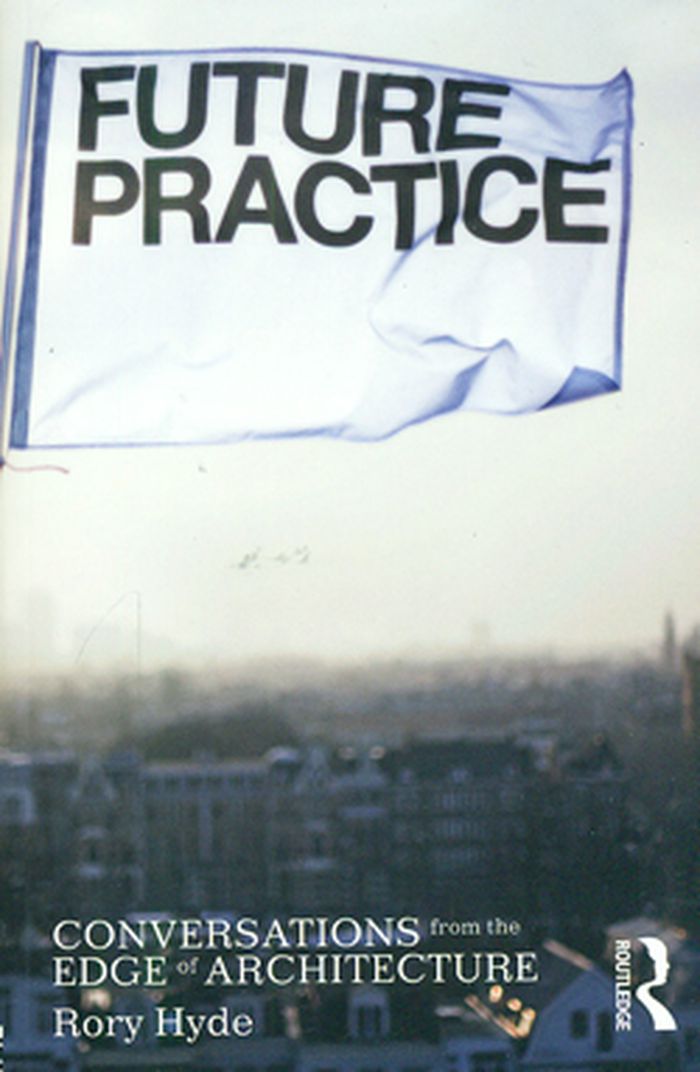
Designers around the world are carving out opportunities for new kinds of engagement, new kinds of collaboration, new kinds of design outcomes, and new kinds of practice; overturning the inherited assumptions of the design professions. Seventeen conversations with practitioners from the fields of architecture, policy, activism, design, education, research, history, community engagement and more, each representing an emergent role for designers to occupy. Whether the "civic entrepreneur," the "double agent," or the "strategic designer," this book offers a diverse spectrum of approaches to design, each offering a potential future for architectural practice. With a foreword by Dan Hill and interviews with Steve Ashton, ARM; Bryan Boyer, Helsinki Design Lab; Camila Bustamante; Mel Dodd, muf_aus; DUS Architects; Jeanne Gang, Studio Gang; Reinier de Graaf and Laura Baird, AMO; Conrad Hamann; Natalie Jeremijenko, xClinic; Indy Johar, 00:/;Bruce Mau; Arjen Oosterman and Lilet Breddels, Volume; Todd Reisz; Wouter Vanstiphout, Crimson; Matt Webb, BERG; Marcus Westbury, Renew Newcastle; and Liam Young, Unknown Fields
Future practice : conversations from the edge of architecture
Actions:
Prix:
$41.50
(disponible sur commande)
Résumé:
Designers around the world are carving out opportunities for new kinds of engagement, new kinds of collaboration, new kinds of design outcomes, and new kinds of practice; overturning the inherited assumptions of the design professions. Seventeen conversations with practitioners from the fields of architecture, policy, activism, design, education, research, history, community engagement and more, each representing an emergent role for designers to occupy. Whether the "civic entrepreneur," the "double agent," or the "strategic designer," this book offers a diverse spectrum of approaches to design, each offering a potential future for architectural practice. With a foreword by Dan Hill and interviews with Steve Ashton, ARM; Bryan Boyer, Helsinki Design Lab; Camila Bustamante; Mel Dodd, muf_aus; DUS Architects; Jeanne Gang, Studio Gang; Reinier de Graaf and Laura Baird, AMO; Conrad Hamann; Natalie Jeremijenko, xClinic; Indy Johar, 00:/;Bruce Mau; Arjen Oosterman and Lilet Breddels, Volume; Todd Reisz; Wouter Vanstiphout, Crimson; Matt Webb, BERG; Marcus Westbury, Renew Newcastle; and Liam Young, Unknown Fields
Classification:
livres
livres
Publication:
août 2012
août 2012
Classification:
livres
livres
Titre:
Foucault for architects
Foucault for architects
Actions:
Prix:
$57.95
(disponible en magasin)
Résumé:
From the mid-1960s onwards Michel Foucault has had a significant impact on diverse aspects of culture, knowledge and the arts including architecture and its critical discourse. The implications for architecture have been wide-ranging. His archaeological and genealogical approaches to knowledge have transformed architectural history and theory, while his attitude to arts(...)
$57.95
(disponible en magasin)
Résumé:
From the mid-1960s onwards Michel Foucault has had a significant impact on diverse aspects of culture, knowledge and the arts including architecture and its critical discourse. The implications for architecture have been wide-ranging. His archaeological and genealogical approaches to knowledge have transformed architectural history and theory, while his attitude to arts(...)
Titre:
Foucault for architects
Actions:
Prix:
$57.95
(disponible en magasin)
Résumé:
From the mid-1960s onwards Michel Foucault has had a significant impact on diverse aspects of culture, knowledge and the arts including architecture and its critical discourse. The implications for architecture have been wide-ranging. His archaeological and genealogical approaches to knowledge have transformed architectural history and theory, while his attitude to arts and aesthetics led to a renewed focus on the avant-garde. The book concentrates on a number of historical and theoretical issues often addressed by Foucault that have been grouped under the themes of archaeology, enclosure, bodies, spatiality and aesthetics in order to examine and demonstrate their relevancy for architectural knowledge, its history and its practice.
Foucault for architects
Actions:
Prix:
$57.95
(disponible en magasin)
Résumé:
From the mid-1960s onwards Michel Foucault has had a significant impact on diverse aspects of culture, knowledge and the arts including architecture and its critical discourse. The implications for architecture have been wide-ranging. His archaeological and genealogical approaches to knowledge have transformed architectural history and theory, while his attitude to arts and aesthetics led to a renewed focus on the avant-garde. The book concentrates on a number of historical and theoretical issues often addressed by Foucault that have been grouped under the themes of archaeology, enclosure, bodies, spatiality and aesthetics in order to examine and demonstrate their relevancy for architectural knowledge, its history and its practice.
Classification:
livres
livres
Publication:
décembre 2012
décembre 2012
Sujet:
Théorie de l’architecture
Théorie de l’architecture
Classification:
livres
livres
Prix:
$38.50
(disponible sur commande)
Résumé:
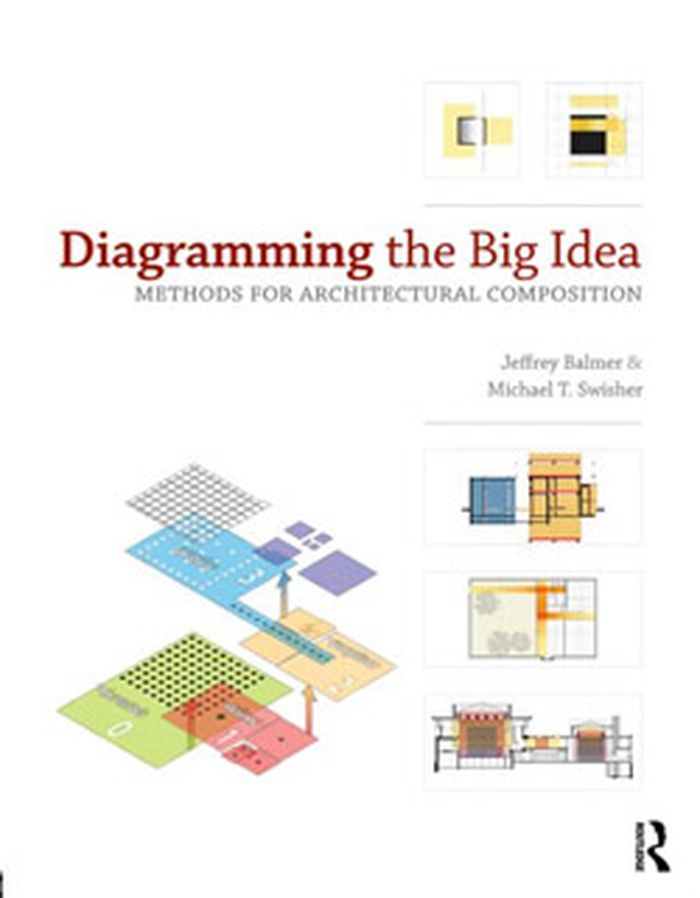
In Diagramming the Big Idea, Jeffrey Balmer and Michael T. Swisher illustrate how to create and use diagrams to clarify your understanding of both particular projects and organizing principles and ideas. With accessible, step-by-step exercises that interweave diagrams, drawings and virtual models, the authors clearly show how to compose meaningful and useful diagrams.(...)
$38.50
(disponible sur commande)
Résumé:
In Diagramming the Big Idea, Jeffrey Balmer and Michael T. Swisher illustrate how to create and use diagrams to clarify your understanding of both particular projects and organizing principles and ideas. With accessible, step-by-step exercises that interweave diagrams, drawings and virtual models, the authors clearly show how to compose meaningful and useful diagrams.(...)
Publication:
septembre 2012
septembre 2012
Titre:
Diagramming the big idea: methods for architectural composition
Actions:
Prix:
$38.50
(disponible sur commande)
Résumé:
In Diagramming the Big Idea, Jeffrey Balmer and Michael T. Swisher illustrate how to create and use diagrams to clarify your understanding of both particular projects and organizing principles and ideas. With accessible, step-by-step exercises that interweave diagrams, drawings and virtual models, the authors clearly show how to compose meaningful and useful diagrams. This publication also includes architectural composition concepts such as proportion, site, form, hierarchy and spatial construction.
Diagramming the big idea: methods for architectural composition
Actions:
Prix:
$38.50
(disponible sur commande)
Résumé:
In Diagramming the Big Idea, Jeffrey Balmer and Michael T. Swisher illustrate how to create and use diagrams to clarify your understanding of both particular projects and organizing principles and ideas. With accessible, step-by-step exercises that interweave diagrams, drawings and virtual models, the authors clearly show how to compose meaningful and useful diagrams. This publication also includes architectural composition concepts such as proportion, site, form, hierarchy and spatial construction.
Classification:
livres
livres
Publication:
septembre 2012
septembre 2012


