


945 Résultats
Classification:
livres
livres
Titre:
(Re) Tokyo
(Re) Tokyo
Actions:
Prix:
$73.50
(disponible sur commande)
Résumé:
"[re]TOKYO" explores a wide, understanding vision of the transformative processes of one of the most influential and unknown metropolitan areas in the world, from large scale efforts such as Tokyo’s land engineering transformations, to smaller examples such as its capital vending machine system. Four hundred pages, compiling 400 years of history, are covered in this(...)
$73.50
(disponible sur commande)
Résumé:
"[re]TOKYO" explores a wide, understanding vision of the transformative processes of one of the most influential and unknown metropolitan areas in the world, from large scale efforts such as Tokyo’s land engineering transformations, to smaller examples such as its capital vending machine system. Four hundred pages, compiling 400 years of history, are covered in this(...)
Titre:
(Re) Tokyo
Actions:
Prix:
$73.50
(disponible sur commande)
Résumé:
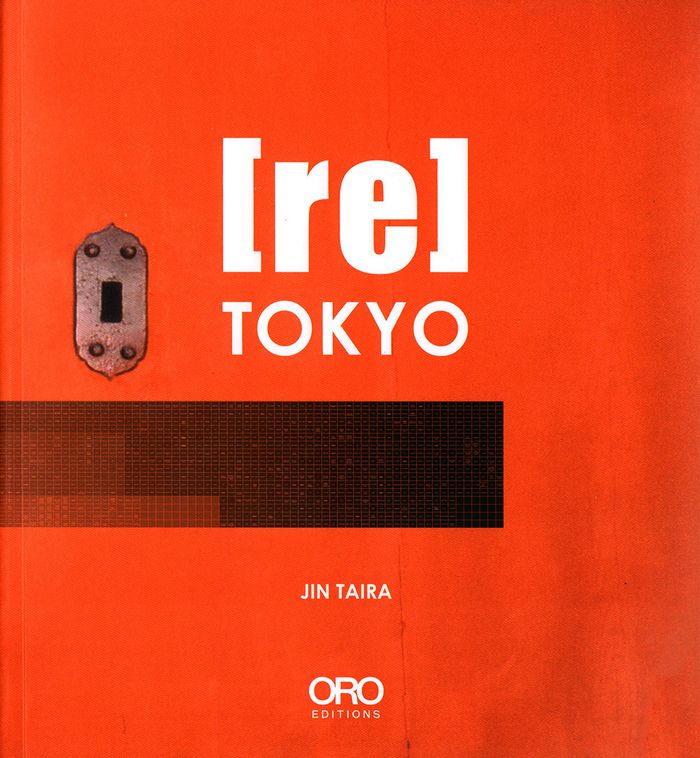
"[re]TOKYO" explores a wide, understanding vision of the transformative processes of one of the most influential and unknown metropolitan areas in the world, from large scale efforts such as Tokyo’s land engineering transformations, to smaller examples such as its capital vending machine system. Four hundred pages, compiling 400 years of history, are covered in this uniquely Japanese complexity of social conurbation, including more than 1,400 illustrations, diagrams, photographs, and maps in order to visually support selected themes. "[re]TOKYO" develops the idea of [re]definition processes to explain what, who, when, where, and why all these changes took place, concluding with a collection of the essential processes that comprehensively elaborate Tokyo’s changes – a tool to understand its history and speculate about its future as an exciting metropolis and cultural center of the world.
(Re) Tokyo
Actions:
Prix:
$73.50
(disponible sur commande)
Résumé:
"[re]TOKYO" explores a wide, understanding vision of the transformative processes of one of the most influential and unknown metropolitan areas in the world, from large scale efforts such as Tokyo’s land engineering transformations, to smaller examples such as its capital vending machine system. Four hundred pages, compiling 400 years of history, are covered in this uniquely Japanese complexity of social conurbation, including more than 1,400 illustrations, diagrams, photographs, and maps in order to visually support selected themes. "[re]TOKYO" develops the idea of [re]definition processes to explain what, who, when, where, and why all these changes took place, concluding with a collection of the essential processes that comprehensively elaborate Tokyo’s changes – a tool to understand its history and speculate about its future as an exciting metropolis and cultural center of the world.
Classification:
livres
livres
Publication:
novembre 2018
novembre 2018
Classification:
livres
livres
Actions:
Prix:
$44.00
(disponible sur commande)
Résumé:
In the 1970s, Manhattan’s west side waterfront was a forgotten zone of abandoned warehouses and piers. Though many saw only blight, the derelict neighborhood was alive with queer people forging new intimacies through cruising. Alongside the piers’ sexual and social worlds, artists produced work attesting to the radical transformations taking place in New York. In(...)
$44.00
(disponible sur commande)
Résumé:
In the 1970s, Manhattan’s west side waterfront was a forgotten zone of abandoned warehouses and piers. Though many saw only blight, the derelict neighborhood was alive with queer people forging new intimacies through cruising. Alongside the piers’ sexual and social worlds, artists produced work attesting to the radical transformations taking place in New York. In(...)
Titre:
Cruising the dead river: David Wojnarowicz and New York's ruined waterfront
Actions:
Prix:
$44.00
(disponible sur commande)
Résumé:
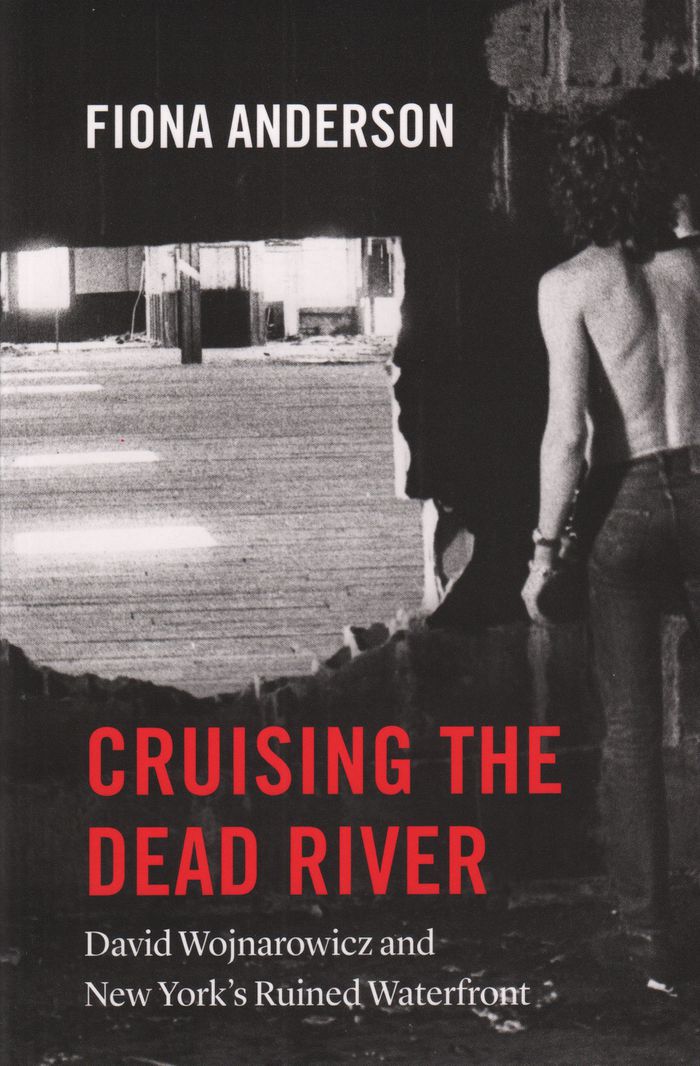
In the 1970s, Manhattan’s west side waterfront was a forgotten zone of abandoned warehouses and piers. Though many saw only blight, the derelict neighborhood was alive with queer people forging new intimacies through cruising. Alongside the piers’ sexual and social worlds, artists produced work attesting to the radical transformations taking place in New York. In 'Cruising the Dead River', Fiona Anderson draws on Wojnarowicz’s work to explore the key role the abandoned landscape played in this explosion of queer culture. Anderson examines how the riverfront’s ruined buildings assumed a powerful erotic role and gave the area a distinct identity. By telling the story of the piers as gentrification swept New York and before the AIDS crisis, Anderson unearths the buried histories of violence, regeneration, and LGBTQ activism that developed in and around the cruising scene.
Cruising the dead river: David Wojnarowicz and New York's ruined waterfront
Actions:
Prix:
$44.00
(disponible sur commande)
Résumé:
In the 1970s, Manhattan’s west side waterfront was a forgotten zone of abandoned warehouses and piers. Though many saw only blight, the derelict neighborhood was alive with queer people forging new intimacies through cruising. Alongside the piers’ sexual and social worlds, artists produced work attesting to the radical transformations taking place in New York. In 'Cruising the Dead River', Fiona Anderson draws on Wojnarowicz’s work to explore the key role the abandoned landscape played in this explosion of queer culture. Anderson examines how the riverfront’s ruined buildings assumed a powerful erotic role and gave the area a distinct identity. By telling the story of the piers as gentrification swept New York and before the AIDS crisis, Anderson unearths the buried histories of violence, regeneration, and LGBTQ activism that developed in and around the cruising scene.
Classification:
livres
livres
Publication:
août 2019
août 2019
Sujet:
Théorie de l’art
Théorie de l’art
Classification:
livres
livres
Titre:
Synthetic: how life got made
Synthetic: how life got made
Actions:
Prix:
$45.95
(disponible sur commande)
Résumé:
In "Synthetic: How Life Got Made", cultural anthropologist Sophia Roosth reveals how synthetic biologists make new living things in order to understand better how life works. The first book-length ethnographic study of this discipline, "Synthetic" documents the social, cultural, rhetorical, economic, and imaginative transformations biology has undergone in the(...)
$45.95
(disponible sur commande)
Résumé:
In "Synthetic: How Life Got Made", cultural anthropologist Sophia Roosth reveals how synthetic biologists make new living things in order to understand better how life works. The first book-length ethnographic study of this discipline, "Synthetic" documents the social, cultural, rhetorical, economic, and imaginative transformations biology has undergone in the(...)
Titre:
Synthetic: how life got made
Actions:
Prix:
$45.95
(disponible sur commande)
Résumé:
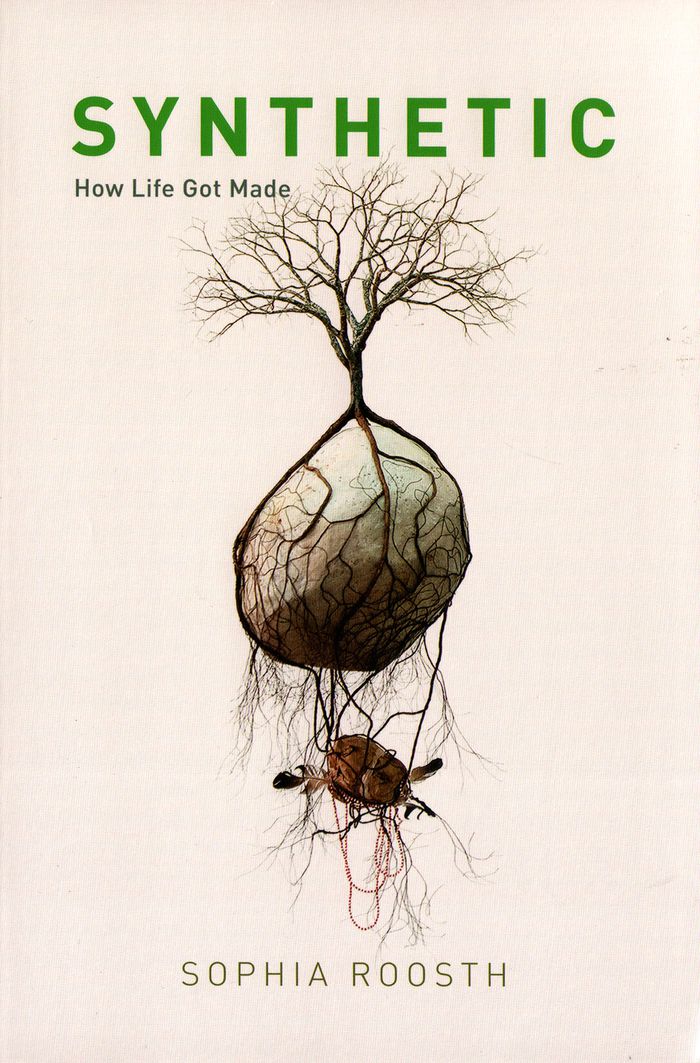
In "Synthetic: How Life Got Made", cultural anthropologist Sophia Roosth reveals how synthetic biologists make new living things in order to understand better how life works. The first book-length ethnographic study of this discipline, "Synthetic" documents the social, cultural, rhetorical, economic, and imaginative transformations biology has undergone in the post-genomic age. Roosth traces this new science from its origins at MIT to start-ups, laboratories, conferences, and hackers’ garages across the United States—even to contemporary efforts to resurrect extinct species. Her careful research reveals that rather than opening up a limitless new field, these biologists’ own experimental tactics circularly determine the biological features, theories, and limits they fasten upon. Exploring the life sciences emblematic of our time, "Synthetic" tells the origin story of the astonishing claim that biological making fosters biological knowing.
Synthetic: how life got made
Actions:
Prix:
$45.95
(disponible sur commande)
Résumé:
In "Synthetic: How Life Got Made", cultural anthropologist Sophia Roosth reveals how synthetic biologists make new living things in order to understand better how life works. The first book-length ethnographic study of this discipline, "Synthetic" documents the social, cultural, rhetorical, economic, and imaginative transformations biology has undergone in the post-genomic age. Roosth traces this new science from its origins at MIT to start-ups, laboratories, conferences, and hackers’ garages across the United States—even to contemporary efforts to resurrect extinct species. Her careful research reveals that rather than opening up a limitless new field, these biologists’ own experimental tactics circularly determine the biological features, theories, and limits they fasten upon. Exploring the life sciences emblematic of our time, "Synthetic" tells the origin story of the astonishing claim that biological making fosters biological knowing.
Classification:
livres
livres
Publication:
mars 2017
mars 2017
Classification:
livres
livres
Actions:
Prix:
$64.95
(disponible en magasin)
Résumé:
"Many norths: spatial practice in a polar territory" charts the unique spatial realities of Canada’s Arctic region, an immense territory populated with small, dispersed communities. The region has undergone dramatic transformations in the name of sovereignty, aboriginal affairs management, resources, and trade, among others. For most of the Arctic’s modern history,(...)
$64.95
(disponible en magasin)
Résumé:
"Many norths: spatial practice in a polar territory" charts the unique spatial realities of Canada’s Arctic region, an immense territory populated with small, dispersed communities. The region has undergone dramatic transformations in the name of sovereignty, aboriginal affairs management, resources, and trade, among others. For most of the Arctic’s modern history,(...)
Titre:
Many norths: spatial practice in a polar territory
Actions:
Prix:
$64.95
(disponible en magasin)
Résumé:
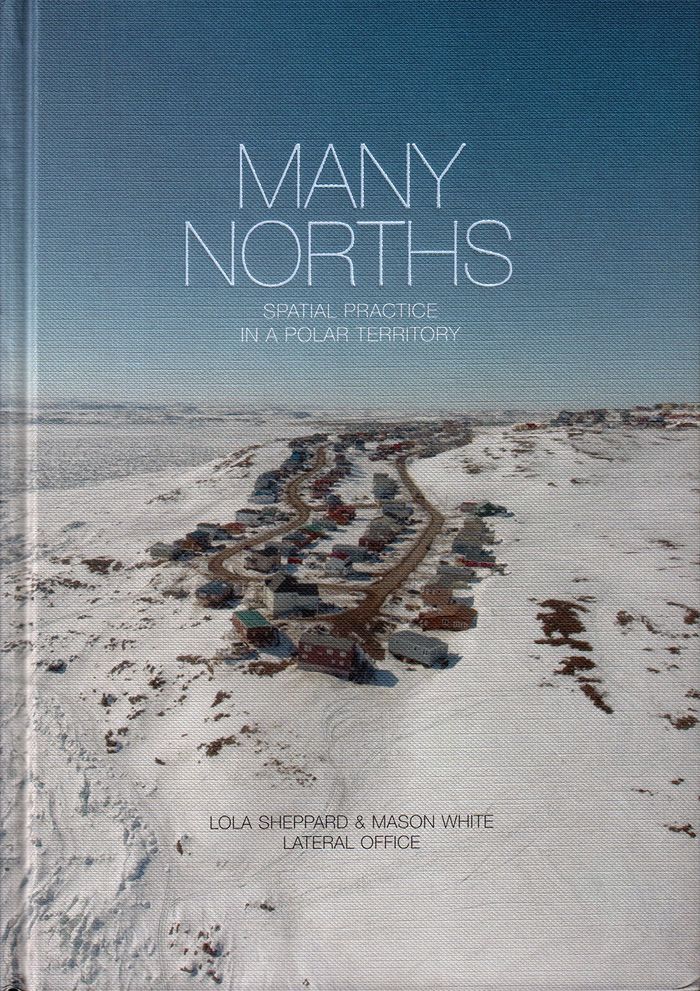
"Many norths: spatial practice in a polar territory" charts the unique spatial realities of Canada’s Arctic region, an immense territory populated with small, dispersed communities. The region has undergone dramatic transformations in the name of sovereignty, aboriginal affairs management, resources, and trade, among others. For most of the Arctic’s modern history, architecture, infrastructure, and settlements have been the tools of colonialism. Today, tradition and modernity are intertwined. Northerners have demonstrated remarkable adaptation and resilience as powerful climatic, social, and economic pressures collide. This unprecedented book documents—through the themes of urbanism, architecture, mobility, monitoring, and resources—the multiplicity of norths that appear and the spatial practices employed to negotiate it. Using innovative drawings, maps, timelines, as well as essays and interviews, Many Norths reveals a distinct northern vernacular.
Many norths: spatial practice in a polar territory
Actions:
Prix:
$64.95
(disponible en magasin)
Résumé:
"Many norths: spatial practice in a polar territory" charts the unique spatial realities of Canada’s Arctic region, an immense territory populated with small, dispersed communities. The region has undergone dramatic transformations in the name of sovereignty, aboriginal affairs management, resources, and trade, among others. For most of the Arctic’s modern history, architecture, infrastructure, and settlements have been the tools of colonialism. Today, tradition and modernity are intertwined. Northerners have demonstrated remarkable adaptation and resilience as powerful climatic, social, and economic pressures collide. This unprecedented book documents—through the themes of urbanism, architecture, mobility, monitoring, and resources—the multiplicity of norths that appear and the spatial practices employed to negotiate it. Using innovative drawings, maps, timelines, as well as essays and interviews, Many Norths reveals a distinct northern vernacular.
Classification:
livres
livres
Publication:
juin 2017
juin 2017
Sujet:
Architecture du Canada
Architecture du Canada
Classification:
livres
livres
Titre:
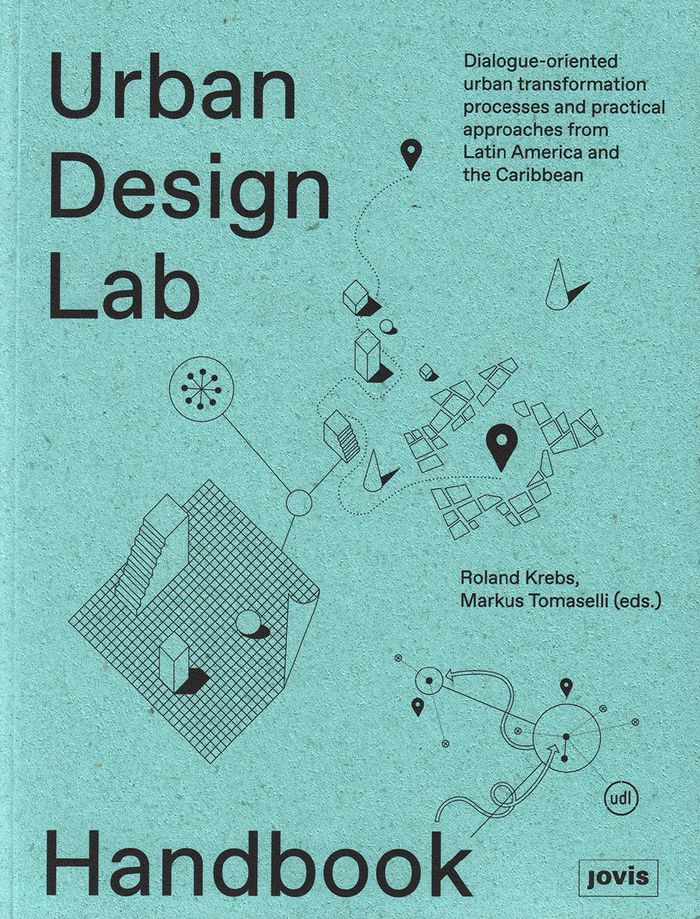
Urban design lab handbook: dialogue oriented urban transformation processes and practical approaches
Urban design lab handbook: dialogue oriented urban transformation processes and practical approaches
Actions:
Prix:
$55.00
(disponible sur commande)
Résumé:
After North America, the second-most urbanized region in the world is Latin America and the Caribbean, 78% of whose population lives in cities. The result of five years of recent research by Vienna’s Urban Design Lab, this handbook contextualizes emergent planning issues at hand in the region, where cities are continuing to grow at considerably high rates. Case studies(...)
$55.00
(disponible sur commande)
Résumé:
After North America, the second-most urbanized region in the world is Latin America and the Caribbean, 78% of whose population lives in cities. The result of five years of recent research by Vienna’s Urban Design Lab, this handbook contextualizes emergent planning issues at hand in the region, where cities are continuing to grow at considerably high rates. Case studies(...)
Titre:
Urban design lab handbook: dialogue oriented urban transformation processes and practical approaches
Actions:
Prix:
$55.00
(disponible sur commande)
Résumé:
After North America, the second-most urbanized region in the world is Latin America and the Caribbean, 78% of whose population lives in cities. The result of five years of recent research by Vienna’s Urban Design Lab, this handbook contextualizes emergent planning issues at hand in the region, where cities are continuing to grow at considerably high rates. Case studies conducted between 2013 and 2018 in over 20 cities, accompanied by 250 color illustrations, offer a detailed survey of the issues facing Latin American and Caribbean urban planning in the 2010s. Topics covered include social participation in the planning process, the role of culture in urban transformation, “human-scale” city development, and creative reinterpretation of existing municipal structures. Several detailed examinations of specific buildings- including Panamanian and Argentinian railway stations, airports and gardens- present focused and practical accounts of these new urban strategies.
Urban design lab handbook: dialogue oriented urban transformation processes and practical approaches
Actions:
Prix:
$55.00
(disponible sur commande)
Résumé:
After North America, the second-most urbanized region in the world is Latin America and the Caribbean, 78% of whose population lives in cities. The result of five years of recent research by Vienna’s Urban Design Lab, this handbook contextualizes emergent planning issues at hand in the region, where cities are continuing to grow at considerably high rates. Case studies conducted between 2013 and 2018 in over 20 cities, accompanied by 250 color illustrations, offer a detailed survey of the issues facing Latin American and Caribbean urban planning in the 2010s. Topics covered include social participation in the planning process, the role of culture in urban transformation, “human-scale” city development, and creative reinterpretation of existing municipal structures. Several detailed examinations of specific buildings- including Panamanian and Argentinian railway stations, airports and gardens- present focused and practical accounts of these new urban strategies.
Classification:
livres
livres
Publication:
octobre 2019
octobre 2019
Sujet:
Théorie de l’urbanisme
Théorie de l’urbanisme
Classification:
livres
livres
Prix:
$80.00
(disponible sur commande)
Résumé:
A lively tour through experimental Chinese photography from the early 1990s to today The past thirty years were dynamic, transformative decades in Chinese photography. Artists exposed to recent work from around the globe experimented with photography in newly conceptual and expressive ways, and their art from this period offers a portrait of a country at a moment of rapid(...)
$80.00
(disponible sur commande)
Résumé:
A lively tour through experimental Chinese photography from the early 1990s to today The past thirty years were dynamic, transformative decades in Chinese photography. Artists exposed to recent work from around the globe experimented with photography in newly conceptual and expressive ways, and their art from this period offers a portrait of a country at a moment of rapid(...)
Sujet:
Photographie- collections
Photographie- collections
Publication:
septembre 2023
septembre 2023
Titre:
A window suddenly opens: Contemporary photography in China
Actions:
Prix:
$80.00
(disponible sur commande)
Résumé:
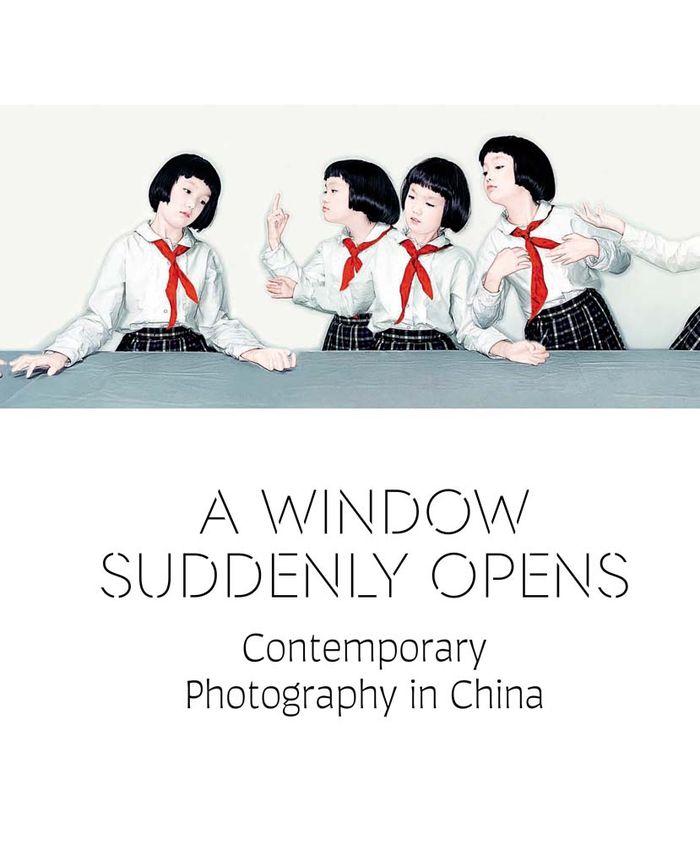
A lively tour through experimental Chinese photography from the early 1990s to today The past thirty years were dynamic, transformative decades in Chinese photography. Artists exposed to recent work from around the globe experimented with photography in newly conceptual and expressive ways, and their art from this period offers a portrait of a country at a moment of rapid urbanization, globalization, and cultural foment. A Window Suddenly Opens reveals the key role that photography has played in questioning and refashioning the aesthetic and social status quo of modern Chinese society for the past three decades. Alongside prescient works by Cao Fei, Lin Tianmiao, Rong Rong, Song Dong, Wang Qingsong, Zhang Huan, Zhang Peili, and many other artists, essays and interviews by scholars and curators explore the history of experimental photography in China and the artistic transformations of the digital age.
A window suddenly opens: Contemporary photography in China
Actions:
Prix:
$80.00
(disponible sur commande)
Résumé:
A lively tour through experimental Chinese photography from the early 1990s to today The past thirty years were dynamic, transformative decades in Chinese photography. Artists exposed to recent work from around the globe experimented with photography in newly conceptual and expressive ways, and their art from this period offers a portrait of a country at a moment of rapid urbanization, globalization, and cultural foment. A Window Suddenly Opens reveals the key role that photography has played in questioning and refashioning the aesthetic and social status quo of modern Chinese society for the past three decades. Alongside prescient works by Cao Fei, Lin Tianmiao, Rong Rong, Song Dong, Wang Qingsong, Zhang Huan, Zhang Peili, and many other artists, essays and interviews by scholars and curators explore the history of experimental photography in China and the artistic transformations of the digital age.
Classification:
livres
livres
Publication:
septembre 2023
septembre 2023
Sujet:
Photographie- collections
Photographie- collections
Classification:
livres
livres
Actions:
Prix:
$93.00
(disponible sur commande)
Résumé:
"Mother's Land" is a collection of dioramas, of unscripted scenes in which we see a shifting 2010s China unfold before our eyes. It is, also, the result of a long, introspective journey that led Daniel Lee Postaer in search of a missing part of his identity—the one left behind by his grandparents who, more than fifty years earlier and fleeing the communist regime, could(...)
$93.00
(disponible sur commande)
Résumé:
"Mother's Land" is a collection of dioramas, of unscripted scenes in which we see a shifting 2010s China unfold before our eyes. It is, also, the result of a long, introspective journey that led Daniel Lee Postaer in search of a missing part of his identity—the one left behind by his grandparents who, more than fifty years earlier and fleeing the communist regime, could(...)
Titre:
Daniel Lee Postaer: Mother's land
Actions:
Prix:
$93.00
(disponible sur commande)
Résumé:
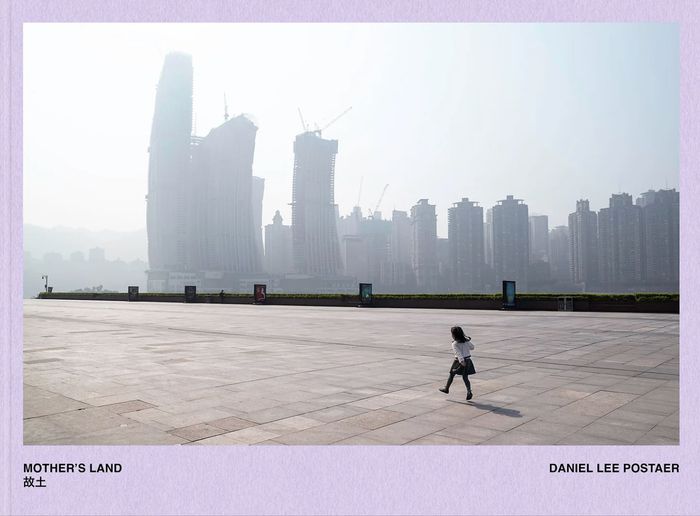
"Mother's Land" is a collection of dioramas, of unscripted scenes in which we see a shifting 2010s China unfold before our eyes. It is, also, the result of a long, introspective journey that led Daniel Lee Postaer in search of a missing part of his identity—the one left behind by his grandparents who, more than fifty years earlier and fleeing the communist regime, could take along a daughter, but were forced to abandon another. In search of this "other half," Postaer lived in China in the early 2000s, and returned several times in the second half of the 2010s, becoming a first-hand witness to the country’s contemporary developments. In an all-encompassing portrait of urban China, in large-scale compositions embracing a multitude of characters and scenes, "Mother’s Land" shows us a country in the throes of economic and social transformations.
Daniel Lee Postaer: Mother's land
Actions:
Prix:
$93.00
(disponible sur commande)
Résumé:
"Mother's Land" is a collection of dioramas, of unscripted scenes in which we see a shifting 2010s China unfold before our eyes. It is, also, the result of a long, introspective journey that led Daniel Lee Postaer in search of a missing part of his identity—the one left behind by his grandparents who, more than fifty years earlier and fleeing the communist regime, could take along a daughter, but were forced to abandon another. In search of this "other half," Postaer lived in China in the early 2000s, and returned several times in the second half of the 2010s, becoming a first-hand witness to the country’s contemporary developments. In an all-encompassing portrait of urban China, in large-scale compositions embracing a multitude of characters and scenes, "Mother’s Land" shows us a country in the throes of economic and social transformations.
Classification:
livres
livres
Publication:
décembre 2025
décembre 2025
Sujet:
Monographies photo
Monographies photo
Classification:
livres
livres
Titre:
The art-architecture complex
The art-architecture complex
Actions:
Prix:
$33.50
(disponible sur commande)
Résumé:
Hal Foster argues that a fusion of architecture and art is a defining feature of contemporary culture. While architects such as Zaha Hadid and Herzog and de Meuron draw on art to reanimate design, architecture has inspired fundamental transformations in painting, sculpture and film, which are also explored here. The book includes an extensive conversation with Richard(...)
$33.50
(disponible sur commande)
Résumé:
Hal Foster argues that a fusion of architecture and art is a defining feature of contemporary culture. While architects such as Zaha Hadid and Herzog and de Meuron draw on art to reanimate design, architecture has inspired fundamental transformations in painting, sculpture and film, which are also explored here. The book includes an extensive conversation with Richard(...)
Titre:
The art-architecture complex
Actions:
Prix:
$33.50
(disponible sur commande)
Résumé:
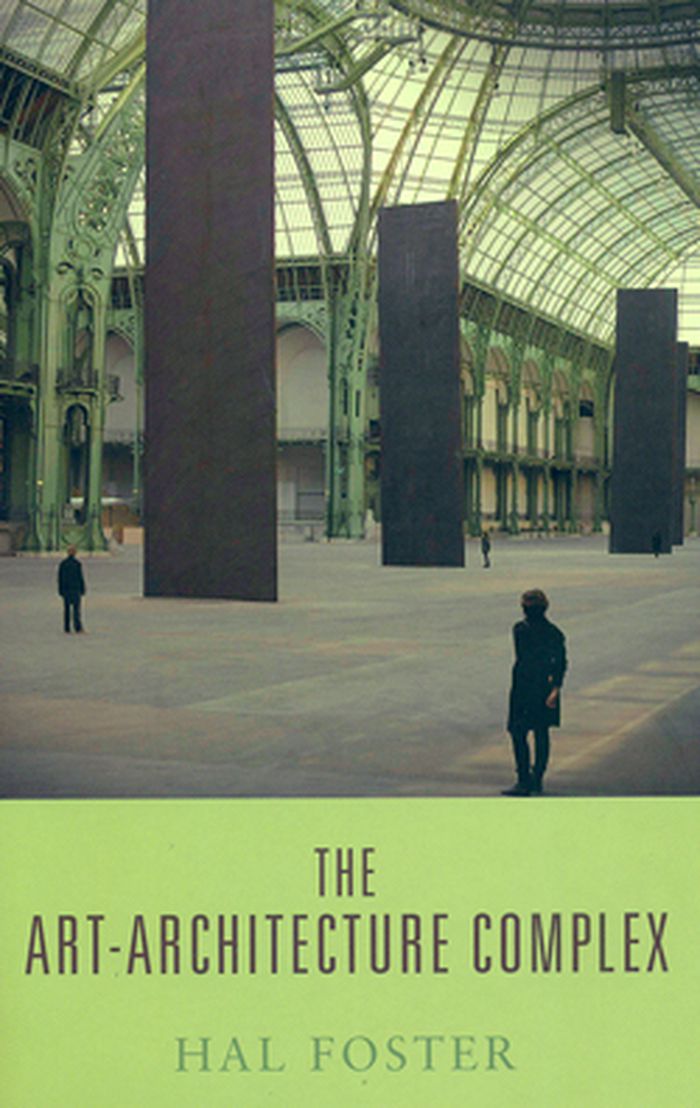
Hal Foster argues that a fusion of architecture and art is a defining feature of contemporary culture. While architects such as Zaha Hadid and Herzog and de Meuron draw on art to reanimate design, architecture has inspired fundamental transformations in painting, sculpture and film, which are also explored here. The book includes an extensive conversation with Richard Serra. At the same time Foster points to a “global style” of architecture, as practiced by Norman Foster, Richard Rogers and Renzo Piano, that is analogous to the “international style” of Le Corbusier, Gropius and Mies—a global style that, more than any art, conveys the look of modernity today, both its dreams and its delusions. In these ways Foster demonstrates that “the art-architecture complex” is a key indicator of broader social and economic trajectories and in urgent need of analysis and debate.
The art-architecture complex
Actions:
Prix:
$33.50
(disponible sur commande)
Résumé:
Hal Foster argues that a fusion of architecture and art is a defining feature of contemporary culture. While architects such as Zaha Hadid and Herzog and de Meuron draw on art to reanimate design, architecture has inspired fundamental transformations in painting, sculpture and film, which are also explored here. The book includes an extensive conversation with Richard Serra. At the same time Foster points to a “global style” of architecture, as practiced by Norman Foster, Richard Rogers and Renzo Piano, that is analogous to the “international style” of Le Corbusier, Gropius and Mies—a global style that, more than any art, conveys the look of modernity today, both its dreams and its delusions. In these ways Foster demonstrates that “the art-architecture complex” is a key indicator of broader social and economic trajectories and in urgent need of analysis and debate.
Classification:
livres
livres
Publication:
octobre 2011
octobre 2011
Sujet:
Théorie de l’architecture
Théorie de l’architecture
Classification:
livres
livres
Actions:
Prix:
$54.95
(disponible sur commande)
Résumé:
In process and technique, printmaking is an art of physical contact. From woodcut and engraving to lithography and screenprinting, every print is the record of a contact event: the transfer of an image between surfaces, under pressure, followed by release. Contact reveals how the physical properties of print have their own poetics and politics and provides a new framework(...)
$54.95
(disponible sur commande)
Résumé:
In process and technique, printmaking is an art of physical contact. From woodcut and engraving to lithography and screenprinting, every print is the record of a contact event: the transfer of an image between surfaces, under pressure, followed by release. Contact reveals how the physical properties of print have their own poetics and politics and provides a new framework(...)
Titre:
Contact: Art and the pull of print
Actions:
Prix:
$54.95
(disponible sur commande)
Résumé:
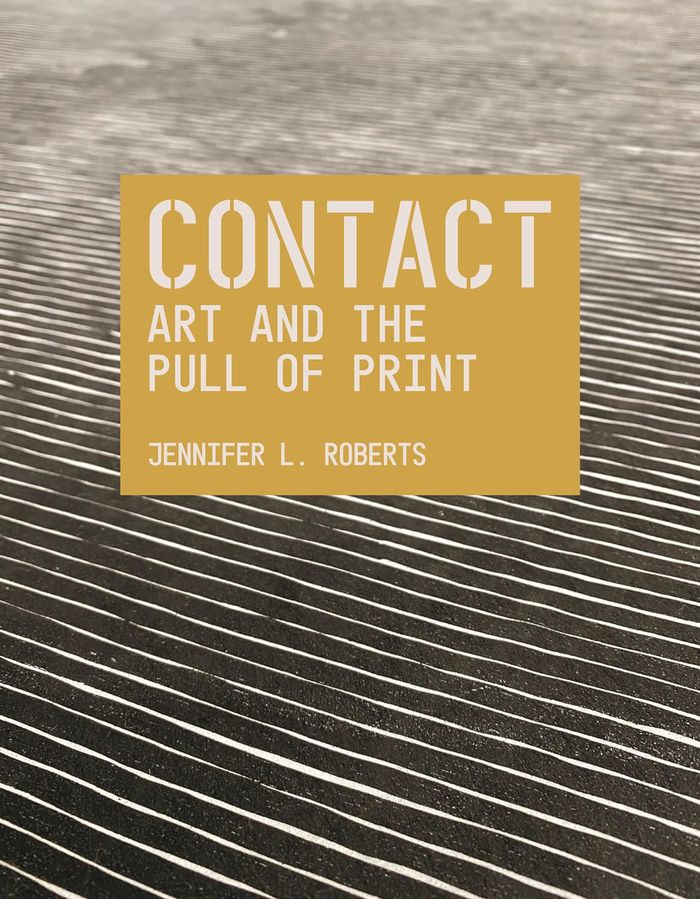
In process and technique, printmaking is an art of physical contact. From woodcut and engraving to lithography and screenprinting, every print is the record of a contact event: the transfer of an image between surfaces, under pressure, followed by release. Contact reveals how the physical properties of print have their own poetics and politics and provides a new framework for understanding the intelligence and continuing relevance of printmaking today. The seemingly simple physics of printmaking brings with it an array of metamorphoses that give expression to many of the social and conceptual concerns at the heart of modern and contemporary art. Exploring transformations such as reversal, separation, and interference, Jennifer Roberts explores these dynamics in the work of Christiane Baumgartner, David Hammons, Edgar Heap of Birds, Jasper Johns, Corita Kent, Glenn Ligon, Julie Mehretu, Robert Rauschenberg, and many other leading artists who work at the edge of the medium and beyond.
Contact: Art and the pull of print
Actions:
Prix:
$54.95
(disponible sur commande)
Résumé:
In process and technique, printmaking is an art of physical contact. From woodcut and engraving to lithography and screenprinting, every print is the record of a contact event: the transfer of an image between surfaces, under pressure, followed by release. Contact reveals how the physical properties of print have their own poetics and politics and provides a new framework for understanding the intelligence and continuing relevance of printmaking today. The seemingly simple physics of printmaking brings with it an array of metamorphoses that give expression to many of the social and conceptual concerns at the heart of modern and contemporary art. Exploring transformations such as reversal, separation, and interference, Jennifer Roberts explores these dynamics in the work of Christiane Baumgartner, David Hammons, Edgar Heap of Birds, Jasper Johns, Corita Kent, Glenn Ligon, Julie Mehretu, Robert Rauschenberg, and many other leading artists who work at the edge of the medium and beyond.
Classification:
livres
livres
Publication:
mai 2024
mai 2024
Sujet:
Théorie de l’art
Théorie de l’art
Classification:
livres
livres
Titre:
The sensory studies manifesto: tracking the sensorial revolution in the arts and human sciences
The sensory studies manifesto: tracking the sensorial revolution in the arts and human sciences
Actions:
Prix:
$34.95
(disponible sur commande)
Résumé:
The senses are made, not given. This revolutionary realization has come as of late to inform research across the social sciences and humanities, and is currently inspiring groundbreaking experimentation in the world of art and design, where the focus is now on mixing and manipulating the senses. This book tracks these transformations and opens multiple lines of(...)
$34.95
(disponible sur commande)
Résumé:
The senses are made, not given. This revolutionary realization has come as of late to inform research across the social sciences and humanities, and is currently inspiring groundbreaking experimentation in the world of art and design, where the focus is now on mixing and manipulating the senses. This book tracks these transformations and opens multiple lines of(...)
Titre:
The sensory studies manifesto: tracking the sensorial revolution in the arts and human sciences
Actions:
Prix:
$34.95
(disponible sur commande)
Résumé:
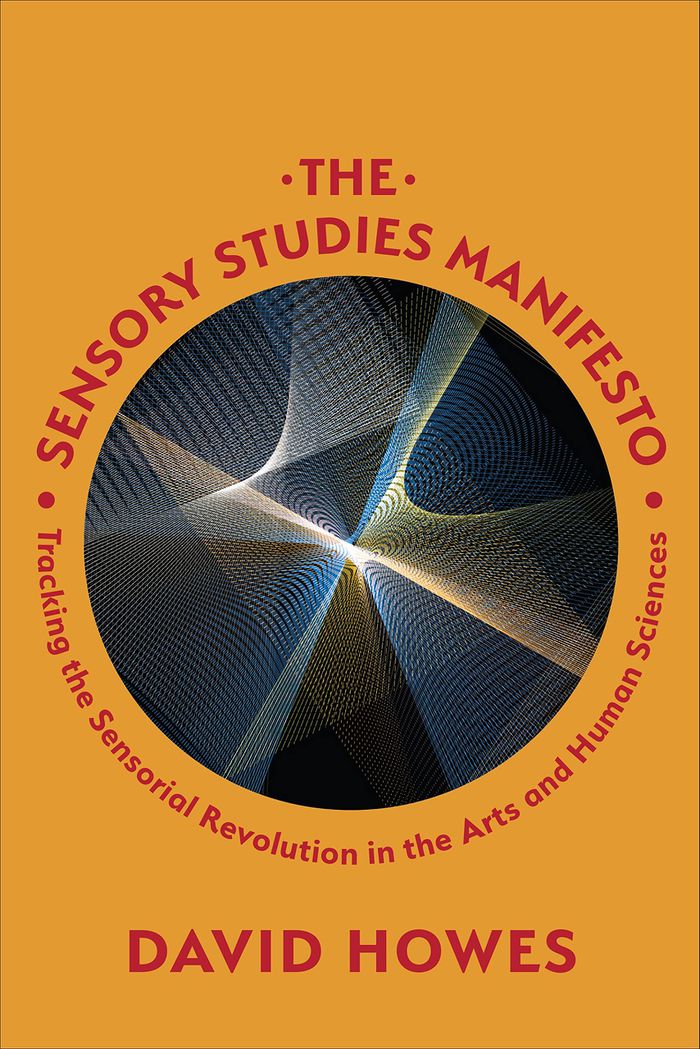
The senses are made, not given. This revolutionary realization has come as of late to inform research across the social sciences and humanities, and is currently inspiring groundbreaking experimentation in the world of art and design, where the focus is now on mixing and manipulating the senses. This book tracks these transformations and opens multiple lines of investigation into the diverse ways in which human beings sense and make sense of the world. It treats the human sensorium as a dynamic whole that is best approached from historical, anthropological, geographic, and sociological perspectives. In doing so, it has altered our understanding of sense perception by directing attention to the sociality of sensation and the cultural mediation of sense experience and expression. Howes challenges the assumptions of mainstream Western psychology by foregrounding the agency, interactivity, creativity, and wisdom of the senses as shaped by culture.
The sensory studies manifesto: tracking the sensorial revolution in the arts and human sciences
Actions:
Prix:
$34.95
(disponible sur commande)
Résumé:
The senses are made, not given. This revolutionary realization has come as of late to inform research across the social sciences and humanities, and is currently inspiring groundbreaking experimentation in the world of art and design, where the focus is now on mixing and manipulating the senses. This book tracks these transformations and opens multiple lines of investigation into the diverse ways in which human beings sense and make sense of the world. It treats the human sensorium as a dynamic whole that is best approached from historical, anthropological, geographic, and sociological perspectives. In doing so, it has altered our understanding of sense perception by directing attention to the sociality of sensation and the cultural mediation of sense experience and expression. Howes challenges the assumptions of mainstream Western psychology by foregrounding the agency, interactivity, creativity, and wisdom of the senses as shaped by culture.
Classification:
livres
livres
Publication:
juillet 2022
juillet 2022
Sujet:
Théorie/ philosophie
Théorie/ philosophie


