


951 Résultats
Classification:
livres
livres
Actions:
Prix:
$39.95
(disponible sur commande)
Résumé:
Theorists, historians, and artists address the precarious futurity of the notion of the future. Not long ago, a melancholic left and a manic neoliberalism seemed to arrive at an awkward consensus: the foreclosure of futurity. Whereas the former mourned the failure of its utopian project, the latter celebrated the triumph of a global marketplace. The radical hope of(...)
$39.95
(disponible sur commande)
Résumé:
Theorists, historians, and artists address the precarious futurity of the notion of the future. Not long ago, a melancholic left and a manic neoliberalism seemed to arrive at an awkward consensus: the foreclosure of futurity. Whereas the former mourned the failure of its utopian project, the latter celebrated the triumph of a global marketplace. The radical hope of(...)
Titre:
Futurity report, counter histories vol.1
Actions:
Prix:
$39.95
(disponible sur commande)
Résumé:
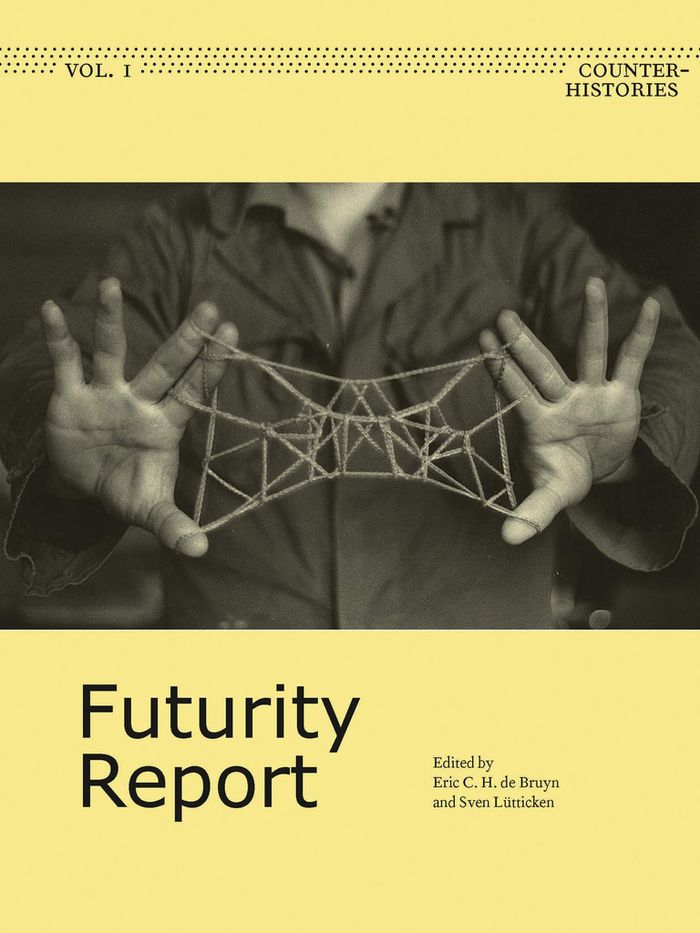
Theorists, historians, and artists address the precarious futurity of the notion of the future. Not long ago, a melancholic left and a manic neoliberalism seemed to arrive at an awkward consensus: the foreclosure of futurity. Whereas the former mourned the failure of its utopian project, the latter celebrated the triumph of a global marketplace. The radical hope of realizing a singularly different, more equitable future displaced by a belief that the future had already come to pass, limiting post-historical society to an uneventful life of endless accumulation. Today, amidst an abundance of neofuturisms, posthumanisms, futurologies, speculative philosophies and accelerationist scenarios, there is as well an expanding awareness of a looming planetary catastrophe driven by the extractionist logic of capitalism. Despite this return to the future, the temporal horizon of our present moment is perhaps more aptly characterized by the 'shrinking future' of just-in-time production, risk management, high-frequency trading, and the futures market. In "Futurity report," theorists, historians, and artists address the precarious futurity of the notion of the future itself.
Futurity report, counter histories vol.1
Actions:
Prix:
$39.95
(disponible sur commande)
Résumé:
Theorists, historians, and artists address the precarious futurity of the notion of the future. Not long ago, a melancholic left and a manic neoliberalism seemed to arrive at an awkward consensus: the foreclosure of futurity. Whereas the former mourned the failure of its utopian project, the latter celebrated the triumph of a global marketplace. The radical hope of realizing a singularly different, more equitable future displaced by a belief that the future had already come to pass, limiting post-historical society to an uneventful life of endless accumulation. Today, amidst an abundance of neofuturisms, posthumanisms, futurologies, speculative philosophies and accelerationist scenarios, there is as well an expanding awareness of a looming planetary catastrophe driven by the extractionist logic of capitalism. Despite this return to the future, the temporal horizon of our present moment is perhaps more aptly characterized by the 'shrinking future' of just-in-time production, risk management, high-frequency trading, and the futures market. In "Futurity report," theorists, historians, and artists address the precarious futurity of the notion of the future itself.
Classification:
livres
livres
Publication:
octobre 2021
octobre 2021
Sujet:
Théorie/ philosophie
Théorie/ philosophie
Classification:
livres
livres
Actions:
Prix:
$24.50
(disponible sur commande)
Résumé:
In her stirring and influential essay ''Art on the frontline,'' American scholar and activist icon Angela Y. Davis (born 1944) asked, 'how do we collectively acknowledge our popular cultural legacy and communicate it to the masses of people, most of whom have been denied access to the social spaces reserved for arts and culture?' Originally published in ''Political(...)
$24.50
(disponible sur commande)
Résumé:
In her stirring and influential essay ''Art on the frontline,'' American scholar and activist icon Angela Y. Davis (born 1944) asked, 'how do we collectively acknowledge our popular cultural legacy and communicate it to the masses of people, most of whom have been denied access to the social spaces reserved for arts and culture?' Originally published in ''Political(...)
Titre:
Art on the frontline: Mandate for a people's culture. Two works series, Vol. 2
Actions:
Prix:
$24.50
(disponible sur commande)
Résumé:
In her stirring and influential essay ''Art on the frontline,'' American scholar and activist icon Angela Y. Davis (born 1944) asked, 'how do we collectively acknowledge our popular cultural legacy and communicate it to the masses of people, most of whom have been denied access to the social spaces reserved for arts and culture?' Originally published in ''Political Affairs,'' a radical Marxist magazine, in 1985, the essay calls into question the role of art in the pursuit of social and racial liberation, and asserts the inequities exacerbated by the art world. Looking to the cultural and artistic forms born of Afro-American struggles, Davis insists that we attempt to understand, reclaim and glean insight from this history in preparing a political offensive against the racial oppression endemic to capitalism. Working in the context of 2020’s racial uprising some 35 years later, New York–based painter Tschabalala Self (born 1990) responds to Davis’ words with new, characteristically vibrant and provocative collaged works on paper. Her three series emerge collectively as something greater than their parts, suggesting a joyfulness in their ebbs and flows.
Art on the frontline: Mandate for a people's culture. Two works series, Vol. 2
Actions:
Prix:
$24.50
(disponible sur commande)
Résumé:
In her stirring and influential essay ''Art on the frontline,'' American scholar and activist icon Angela Y. Davis (born 1944) asked, 'how do we collectively acknowledge our popular cultural legacy and communicate it to the masses of people, most of whom have been denied access to the social spaces reserved for arts and culture?' Originally published in ''Political Affairs,'' a radical Marxist magazine, in 1985, the essay calls into question the role of art in the pursuit of social and racial liberation, and asserts the inequities exacerbated by the art world. Looking to the cultural and artistic forms born of Afro-American struggles, Davis insists that we attempt to understand, reclaim and glean insight from this history in preparing a political offensive against the racial oppression endemic to capitalism. Working in the context of 2020’s racial uprising some 35 years later, New York–based painter Tschabalala Self (born 1990) responds to Davis’ words with new, characteristically vibrant and provocative collaged works on paper. Her three series emerge collectively as something greater than their parts, suggesting a joyfulness in their ebbs and flows.
Classification:
livres
livres
Publication:
juillet 2021
juillet 2021
Sujet:
Théorie de l’art
Théorie de l’art
Classification:
livres
livres

Prix:
$35.95
(disponible sur commande)
Résumé:
Postmodernism stood for everything modernism rejected: fun, exuberance, irresponsibility. But beneath its glitzy surface, postmodernism had a dirty secret: it was the fig leaf for a rapacious new kind of capitalism. It was the forcing ground of ''post truth,'' by means of which western values were turned upside down. But where do these ideas come from and how have they(...)
$35.95
(disponible sur commande)
Résumé:
Postmodernism stood for everything modernism rejected: fun, exuberance, irresponsibility. But beneath its glitzy surface, postmodernism had a dirty secret: it was the fig leaf for a rapacious new kind of capitalism. It was the forcing ground of ''post truth,'' by means of which western values were turned upside down. But where do these ideas come from and how have they(...)
Titre:
Everything all the time, everywhere: How we became Postmodern
Actions:
Prix:
$35.95
(disponible sur commande)
Résumé:
Postmodernism stood for everything modernism rejected: fun, exuberance, irresponsibility. But beneath its glitzy surface, postmodernism had a dirty secret: it was the fig leaf for a rapacious new kind of capitalism. It was the forcing ground of ''post truth,'' by means of which western values were turned upside down. But where do these ideas come from and how have they impacted on the world? In this brilliant history of a dangerous idea, Stuart Jeffries tells a narrative that starts in the early 1970s and still dominates our lives today. He tells this history through a riotous gallery that includes, among others: David Bowie, the iPod, Madonna, Jeff Koons’s the Nixon Shock, Judith Butler, Las Vegas, Margaret Thatcher, Grand Master Flash, I Love Dick, the RAND Corporation, the Sex Pistols, Princess Diana, Grand Theft Auto, Jean Baudrillard, Netflix, and 9/11. We are today scarcely capable of conceiving politics as a communal activity because we have become habituated to being consumers rather than citizens. Politicians treat us as consumers to whom they must deliver. Can we do anything other than suffer from buyer’s remorse?
Everything all the time, everywhere: How we became Postmodern
Actions:
Prix:
$35.95
(disponible sur commande)
Résumé:
Postmodernism stood for everything modernism rejected: fun, exuberance, irresponsibility. But beneath its glitzy surface, postmodernism had a dirty secret: it was the fig leaf for a rapacious new kind of capitalism. It was the forcing ground of ''post truth,'' by means of which western values were turned upside down. But where do these ideas come from and how have they impacted on the world? In this brilliant history of a dangerous idea, Stuart Jeffries tells a narrative that starts in the early 1970s and still dominates our lives today. He tells this history through a riotous gallery that includes, among others: David Bowie, the iPod, Madonna, Jeff Koons’s the Nixon Shock, Judith Butler, Las Vegas, Margaret Thatcher, Grand Master Flash, I Love Dick, the RAND Corporation, the Sex Pistols, Princess Diana, Grand Theft Auto, Jean Baudrillard, Netflix, and 9/11. We are today scarcely capable of conceiving politics as a communal activity because we have become habituated to being consumers rather than citizens. Politicians treat us as consumers to whom they must deliver. Can we do anything other than suffer from buyer’s remorse?
Classification:
livres
livres
Publication:
octobre 2021
octobre 2021
Sujet:
Social
Social
Classification:
livres
livres
Prix:
$42.00
(disponible sur commande)
Résumé:
"The Unknown City" takes its place in the emerging architectural literature that looks beyond design process and buildings to discover new ways of looking at the urban experience. A multistranded contemplation of the notion of "knowing a place," it is about both the existence and the possibilities of architecture and the city. An important inspiration for the book is(...)
$42.00
(disponible sur commande)
Résumé:
"The Unknown City" takes its place in the emerging architectural literature that looks beyond design process and buildings to discover new ways of looking at the urban experience. A multistranded contemplation of the notion of "knowing a place," it is about both the existence and the possibilities of architecture and the city. An important inspiration for the book is(...)
Sujet:
Théorie de l’urbanisme
Théorie de l’urbanisme
Publication:
octobre 2002, Cambridge, Massachusetts
octobre 2002, Cambridge, Massachusetts
Titre:
The unknown city : contesting architecture and social space
Actions:
Prix:
$42.00
(disponible sur commande)
Résumé:
"The Unknown City" takes its place in the emerging architectural literature that looks beyond design process and buildings to discover new ways of looking at the urban experience. A multistranded contemplation of the notion of "knowing a place," it is about both the existence and the possibilities of architecture and the city. An important inspiration for the book is the work of Henri Lefebvre, in particular his ideas on space as a historical production. Many of the essays also draw on the social critique and tactics of the Situationist movement. The international gathering of contributors includes art, architectural, and urban historians and theorists; urban geographers; architects, artists, and filmmakers; and literary and cultural theorists. The essays range from abstract considerations of spatial production and representation to such concrete examples of urban domination as video surveillance and Regency London as the site of male pleasure. Although many of the essays are driven by social, cultural, and urban theory, they also tell real stories about real places. Each piece is in some way a critique of capitalism and a thought experiment about how designers and city dwellers working together can shape the cities of tomorrow.
The unknown city : contesting architecture and social space
Actions:
Prix:
$42.00
(disponible sur commande)
Résumé:
"The Unknown City" takes its place in the emerging architectural literature that looks beyond design process and buildings to discover new ways of looking at the urban experience. A multistranded contemplation of the notion of "knowing a place," it is about both the existence and the possibilities of architecture and the city. An important inspiration for the book is the work of Henri Lefebvre, in particular his ideas on space as a historical production. Many of the essays also draw on the social critique and tactics of the Situationist movement. The international gathering of contributors includes art, architectural, and urban historians and theorists; urban geographers; architects, artists, and filmmakers; and literary and cultural theorists. The essays range from abstract considerations of spatial production and representation to such concrete examples of urban domination as video surveillance and Regency London as the site of male pleasure. Although many of the essays are driven by social, cultural, and urban theory, they also tell real stories about real places. Each piece is in some way a critique of capitalism and a thought experiment about how designers and city dwellers working together can shape the cities of tomorrow.
Classification:
livres
livres
Publication:
octobre 2002, Cambridge, Massachusetts
octobre 2002, Cambridge, Massachusetts
Sujet:
Théorie de l’urbanisme
Théorie de l’urbanisme
Classification:
livres
livres
Titre:
Don't build, rebuild
Don't build, rebuild
Actions:
Prix:
$43.95
(disponible sur commande)
Résumé:
As climate change has escalated into a crisis, the reuse of existing structures is the only way to even begin to preserve our wood, sand, silicon, and iron, let alone stop belching carbon monoxide into the air. Our housing crisis means that we need usable buildings now more than ever, but architect and critic Aaron Betsky shows that new construction—often seeking to(...)
$43.95
(disponible sur commande)
Résumé:
As climate change has escalated into a crisis, the reuse of existing structures is the only way to even begin to preserve our wood, sand, silicon, and iron, let alone stop belching carbon monoxide into the air. Our housing crisis means that we need usable buildings now more than ever, but architect and critic Aaron Betsky shows that new construction—often seeking to(...)
Titre:
Don't build, rebuild
Actions:
Prix:
$43.95
(disponible sur commande)
Résumé:
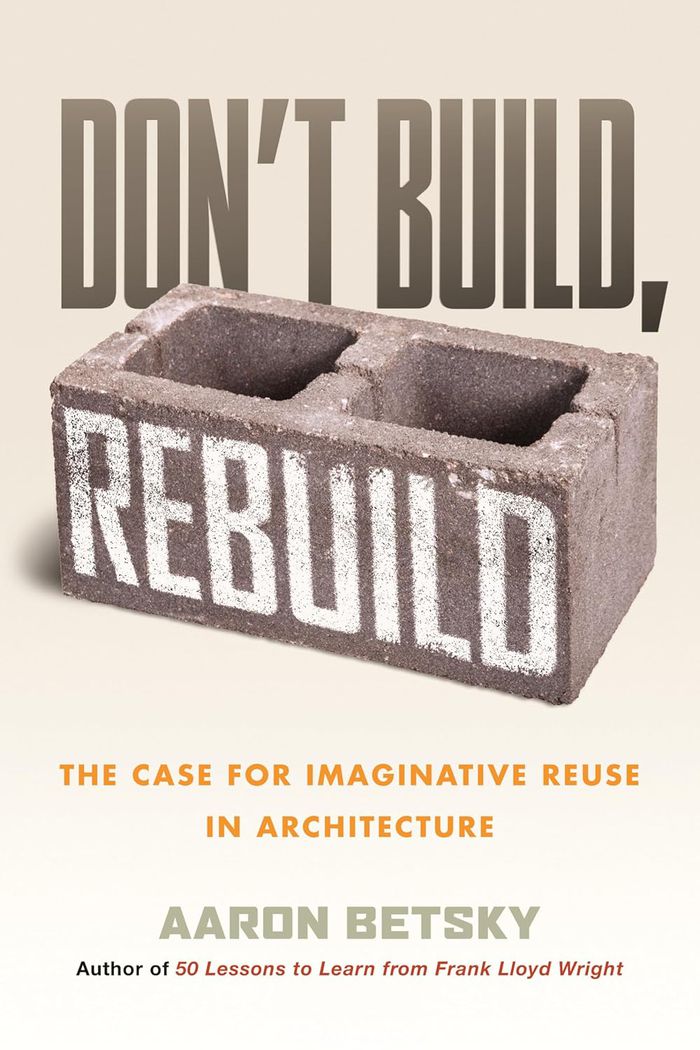
As climate change has escalated into a crisis, the reuse of existing structures is the only way to even begin to preserve our wood, sand, silicon, and iron, let alone stop belching carbon monoxide into the air. Our housing crisis means that we need usable buildings now more than ever, but architect and critic Aaron Betsky shows that new construction—often seeking to maximize profits rather than resources, often soulless in its feel—is not the answer. Whenever possible, it is better to repair, recycle, renovate, and reuse—not only from an environmental perspective, but culturally and artistically as well. Architectural reuse is as old as civilization itself. In the streets of Europe, you can find fragments from the Roman Empire. More recently, marginalized communities from New York to Detroit—queer people looking for places to gather or cruise, punks looking to make loud music, artists and displaced people looking for space to work and live—have taken over industrial spaces created then abandoned by capitalism, forging a unique style in the process. Their methods—from urban mining to dumpster diving—now inform architects transforming old structures today.
Don't build, rebuild
Actions:
Prix:
$43.95
(disponible sur commande)
Résumé:
As climate change has escalated into a crisis, the reuse of existing structures is the only way to even begin to preserve our wood, sand, silicon, and iron, let alone stop belching carbon monoxide into the air. Our housing crisis means that we need usable buildings now more than ever, but architect and critic Aaron Betsky shows that new construction—often seeking to maximize profits rather than resources, often soulless in its feel—is not the answer. Whenever possible, it is better to repair, recycle, renovate, and reuse—not only from an environmental perspective, but culturally and artistically as well. Architectural reuse is as old as civilization itself. In the streets of Europe, you can find fragments from the Roman Empire. More recently, marginalized communities from New York to Detroit—queer people looking for places to gather or cruise, punks looking to make loud music, artists and displaced people looking for space to work and live—have taken over industrial spaces created then abandoned by capitalism, forging a unique style in the process. Their methods—from urban mining to dumpster diving—now inform architects transforming old structures today.
Classification:
livres
livres
Publication:
novembre 2024
novembre 2024
Sujet:
Théorie de l’architecture
Théorie de l’architecture
Classification:
livres
livres
Titre:
John Lehr: The last things
John Lehr: The last things
Actions:
Prix:
$168.95
(disponible en magasin)
Résumé:
"The last things" explores the artifacts of an American archeological present. The work in this series depicts vernacular forms of architecture, signage, images, and objects that were hastily made in a rush for attention, or abandoned in place after their usefulness had expired. Lehr posits them as symptomatic symbols of the repetitive cycles of decline, rehabilitation,(...)
$168.95
(disponible en magasin)
Résumé:
"The last things" explores the artifacts of an American archeological present. The work in this series depicts vernacular forms of architecture, signage, images, and objects that were hastily made in a rush for attention, or abandoned in place after their usefulness had expired. Lehr posits them as symptomatic symbols of the repetitive cycles of decline, rehabilitation,(...)
Titre:
John Lehr: The last things
Actions:
Prix:
$168.95
(disponible en magasin)
Résumé:
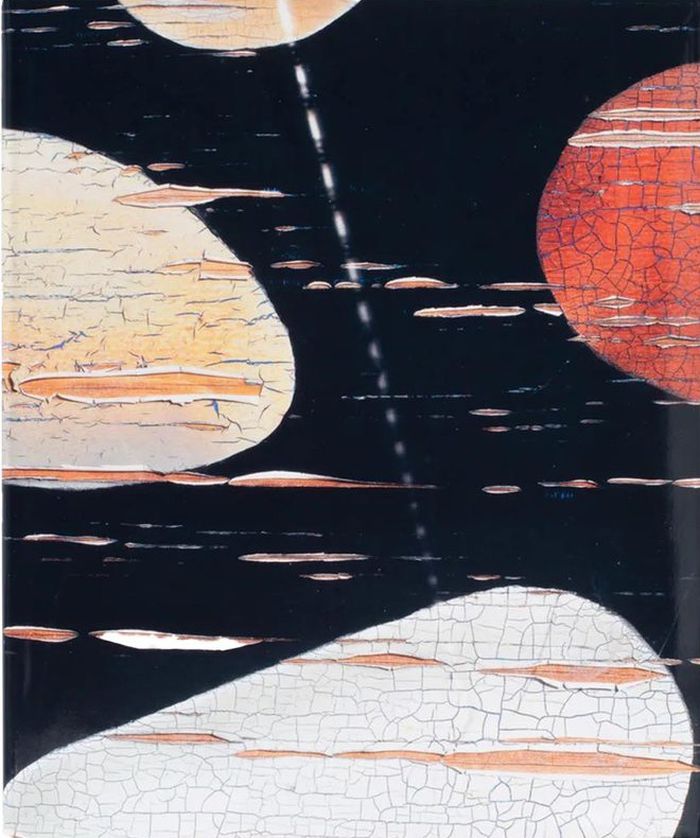
"The last things" explores the artifacts of an American archeological present. The work in this series depicts vernacular forms of architecture, signage, images, and objects that were hastily made in a rush for attention, or abandoned in place after their usefulness had expired. Lehr posits them as symptomatic symbols of the repetitive cycles of decline, rehabilitation, violence, and mourning that are woven into the fabric of contemporary American life. These light-drenched photographs vividly describe a nation speaking through the language of capitalism. Words and images repeat and contradict throughout the work, reflecting emphatic pleas and shifting priorities. At other times, language breaks down completely, giving way to pictographic forms that are both primitive and utterly contemporary. Flaking paint morphs into JPEG vinyl printouts and LED displays, blurring the line between commercial speech and individual expression. Embedded in the work is a belief in the power and absurdity of objects that—like a body—bear the traces of collective experience. In its distilled and emphatic sequencing "The last things" reads as a prose poem and a cryptic cipher about a country at the brink of a tipping point.
John Lehr: The last things
Actions:
Prix:
$168.95
(disponible en magasin)
Résumé:
"The last things" explores the artifacts of an American archeological present. The work in this series depicts vernacular forms of architecture, signage, images, and objects that were hastily made in a rush for attention, or abandoned in place after their usefulness had expired. Lehr posits them as symptomatic symbols of the repetitive cycles of decline, rehabilitation, violence, and mourning that are woven into the fabric of contemporary American life. These light-drenched photographs vividly describe a nation speaking through the language of capitalism. Words and images repeat and contradict throughout the work, reflecting emphatic pleas and shifting priorities. At other times, language breaks down completely, giving way to pictographic forms that are both primitive and utterly contemporary. Flaking paint morphs into JPEG vinyl printouts and LED displays, blurring the line between commercial speech and individual expression. Embedded in the work is a belief in the power and absurdity of objects that—like a body—bear the traces of collective experience. In its distilled and emphatic sequencing "The last things" reads as a prose poem and a cryptic cipher about a country at the brink of a tipping point.
Classification:
livres
livres
Publication:
novembre 2024
novembre 2024
Sujet:
Monographies photo
Monographies photo
Classification:
livres
livres
Titre:
Hotel an american history
Hotel an american history
Actions:
Prix:
$39.50
(disponible sur commande)
Résumé:
In this lucid and creative work, Sandoval-Strausz, an assistant professor of history at the University of New Mexico, situates the rise of hotels within the history of the triumph of capitalism and of an increasingly mobile society. Hotels, he says, facilitated mobility and the integration of frontier lands into larger networks of capital and commerce. Hotels were also(...)
$39.50
(disponible sur commande)
Résumé:
In this lucid and creative work, Sandoval-Strausz, an assistant professor of history at the University of New Mexico, situates the rise of hotels within the history of the triumph of capitalism and of an increasingly mobile society. Hotels, he says, facilitated mobility and the integration of frontier lands into larger networks of capital and commerce. Hotels were also(...)
Publication:
novembre 2007, New York
novembre 2007, New York
Titre:
Hotel an american history
Actions:
Prix:
$39.50
(disponible sur commande)
Résumé:
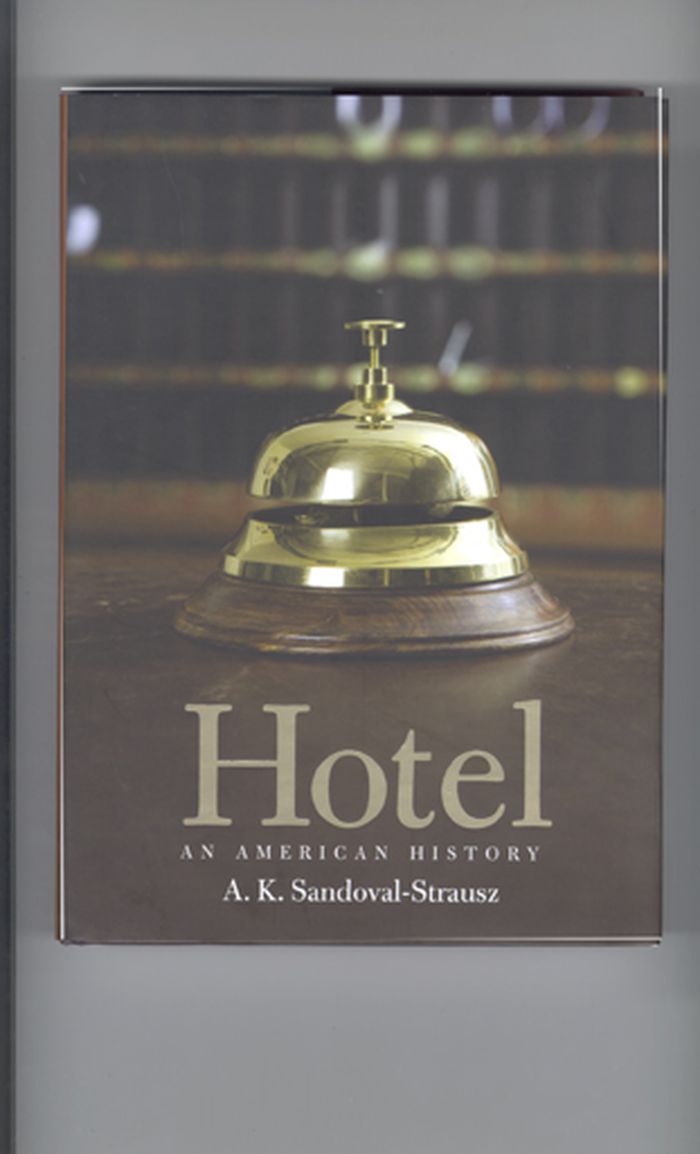
In this lucid and creative work, Sandoval-Strausz, an assistant professor of history at the University of New Mexico, situates the rise of hotels within the history of the triumph of capitalism and of an increasingly mobile society. Hotels, he says, facilitated mobility and the integration of frontier lands into larger networks of capital and commerce. Hotels were also part of the gradual process that dissociated people from particular places. If hotels solved some social problems, Sandoval-Strausz shows, they created others: guardians of domesticity, for example, worried about urban dwellers who chose to live full-time in hotels. In exploring the social and political meaning of hotels, the author pursues countless avenues, from menus to morals (Hotels were magnets for prostitution and other forms of illicit sex). There's a bit of labor history thrown in, too, since, in order to make good on the promise to be patrons' home away from home, hotels employed a huge number of workers, from cooks and launderers to janitors, Sandoval-Strausz also traces hotels' exclusion of Jews and blacks—the book ends with the 1964 Supreme Court case that desegregated public accommodations.
Hotel an american history
Actions:
Prix:
$39.50
(disponible sur commande)
Résumé:
In this lucid and creative work, Sandoval-Strausz, an assistant professor of history at the University of New Mexico, situates the rise of hotels within the history of the triumph of capitalism and of an increasingly mobile society. Hotels, he says, facilitated mobility and the integration of frontier lands into larger networks of capital and commerce. Hotels were also part of the gradual process that dissociated people from particular places. If hotels solved some social problems, Sandoval-Strausz shows, they created others: guardians of domesticity, for example, worried about urban dwellers who chose to live full-time in hotels. In exploring the social and political meaning of hotels, the author pursues countless avenues, from menus to morals (Hotels were magnets for prostitution and other forms of illicit sex). There's a bit of labor history thrown in, too, since, in order to make good on the promise to be patrons' home away from home, hotels employed a huge number of workers, from cooks and launderers to janitors, Sandoval-Strausz also traces hotels' exclusion of Jews and blacks—the book ends with the 1964 Supreme Court case that desegregated public accommodations.
Classification:
livres
livres
Publication:
novembre 2007, New York
novembre 2007, New York
Classification:
livres
livres
Actions:
Prix:
$22.95
(disponible sur commande)
Résumé:
In response to the contentious process surrounding the selection of a design for the World Trade Center site, the use of spectacular buildings to brand cities and institutions, and the dizzying transformations of the skylines of Shanghai and Dubai, public awareness of architecture and design has perhaps never been higher. At the same time, architecture itself is(...)
$22.95
(disponible sur commande)
Résumé:
In response to the contentious process surrounding the selection of a design for the World Trade Center site, the use of spectacular buildings to brand cities and institutions, and the dizzying transformations of the skylines of Shanghai and Dubai, public awareness of architecture and design has perhaps never been higher. At the same time, architecture itself is(...)
Sujet:
Théorie de l’architecture
Théorie de l’architecture
Publication:
novembre 2007, Minneapolis
novembre 2007, Minneapolis
Titre:
The new architectural pragmatism
Actions:
Prix:
$22.95
(disponible sur commande)
Résumé:
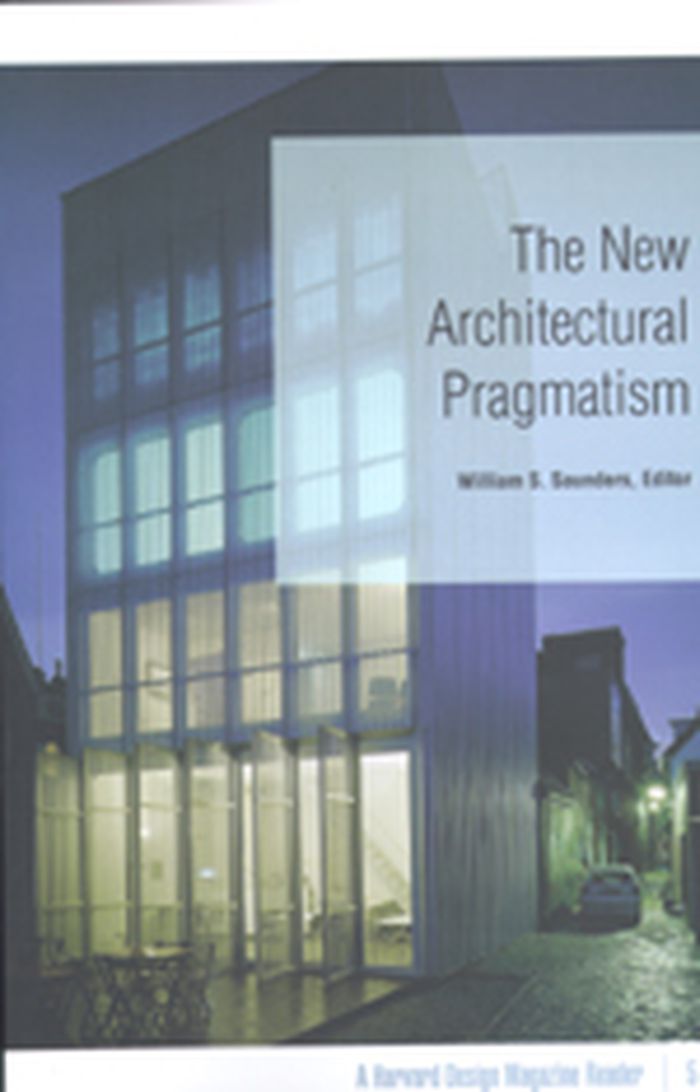
In response to the contentious process surrounding the selection of a design for the World Trade Center site, the use of spectacular buildings to brand cities and institutions, and the dizzying transformations of the skylines of Shanghai and Dubai, public awareness of architecture and design has perhaps never been higher. At the same time, architecture itself is undergoing an identity crisis as it confronts fundamental issues: the effect of digital technology on design, the pervasive impact of global capitalism, and whether to embrace or resist popular media and taste. The New Architectural Pragmatism collects the most provocative, penetrating, and influential attempts by leading theorists and practitioners in the field to define what architectural practice should be at the beginning of the twenty-first century. Written in the aftermath of modernism’s utopian impulse and postmodernism’s detached playfulness, the essays gathered here express and critique a new spirit of cultural and political engagement with contemporary society. Interrogating the architect’s social responsibility, the contributors deliberate about how much we should ask of architecture and suggest that in the coming century, architecture must be at once flexible and robust, responsive and self-directed.
The new architectural pragmatism
Actions:
Prix:
$22.95
(disponible sur commande)
Résumé:
In response to the contentious process surrounding the selection of a design for the World Trade Center site, the use of spectacular buildings to brand cities and institutions, and the dizzying transformations of the skylines of Shanghai and Dubai, public awareness of architecture and design has perhaps never been higher. At the same time, architecture itself is undergoing an identity crisis as it confronts fundamental issues: the effect of digital technology on design, the pervasive impact of global capitalism, and whether to embrace or resist popular media and taste. The New Architectural Pragmatism collects the most provocative, penetrating, and influential attempts by leading theorists and practitioners in the field to define what architectural practice should be at the beginning of the twenty-first century. Written in the aftermath of modernism’s utopian impulse and postmodernism’s detached playfulness, the essays gathered here express and critique a new spirit of cultural and political engagement with contemporary society. Interrogating the architect’s social responsibility, the contributors deliberate about how much we should ask of architecture and suggest that in the coming century, architecture must be at once flexible and robust, responsive and self-directed.
Classification:
livres
livres
Publication:
novembre 2007, Minneapolis
novembre 2007, Minneapolis
Sujet:
Théorie de l’architecture
Théorie de l’architecture
Classification:
livres
livres
Prix:
$74.95
(disponible sur commande)
Résumé:
The Unknown City takes its place in the emerging architectural literature that looks beyond design process and buildings to discover new ways of looking at the urban experience. A multistranded contemplation of the notion of "knowing a place," it is about both the existence and the possibilities of architecture and the city. An important inspiration for the book is the(...)
$74.95
(disponible sur commande)
Résumé:
The Unknown City takes its place in the emerging architectural literature that looks beyond design process and buildings to discover new ways of looking at the urban experience. A multistranded contemplation of the notion of "knowing a place," it is about both the existence and the possibilities of architecture and the city. An important inspiration for the book is the(...)
Sujet:
Théorie de l’urbanisme
Théorie de l’urbanisme
Publication:
juin 2000, Cambridge, Mass.
juin 2000, Cambridge, Mass.
Titre:
The unknown city : contesting architecture and social space
Actions:
Prix:
$74.95
(disponible sur commande)
Résumé:
The Unknown City takes its place in the emerging architectural literature that looks beyond design process and buildings to discover new ways of looking at the urban experience. A multistranded contemplation of the notion of "knowing a place," it is about both the existence and the possibilities of architecture and the city. An important inspiration for the book is the work of Henri Lefebvre, in particular his ideas on space as a historical production. Many of the essays also draw on the social critique and tactics of the Situationist movement. The international gathering of contributors includes art, architectural, and urban historians and theorists; urban geographers; architects, artists, and filmmakers; and literary and cultural theorists. The essays range from abstract considerations of spatial production and representation to such concrete examples of urban domination as video surveillance and Regency London as the site of male pleasure. Although many of the essays are driven by social, cultural, and urban theory, they also tell real stories about real places. Each piece is in some way a critique of capitalism and a thought experiment about how designers and city dwellers working together can shape the cities of tomorrow.
The unknown city : contesting architecture and social space
Actions:
Prix:
$74.95
(disponible sur commande)
Résumé:
The Unknown City takes its place in the emerging architectural literature that looks beyond design process and buildings to discover new ways of looking at the urban experience. A multistranded contemplation of the notion of "knowing a place," it is about both the existence and the possibilities of architecture and the city. An important inspiration for the book is the work of Henri Lefebvre, in particular his ideas on space as a historical production. Many of the essays also draw on the social critique and tactics of the Situationist movement. The international gathering of contributors includes art, architectural, and urban historians and theorists; urban geographers; architects, artists, and filmmakers; and literary and cultural theorists. The essays range from abstract considerations of spatial production and representation to such concrete examples of urban domination as video surveillance and Regency London as the site of male pleasure. Although many of the essays are driven by social, cultural, and urban theory, they also tell real stories about real places. Each piece is in some way a critique of capitalism and a thought experiment about how designers and city dwellers working together can shape the cities of tomorrow.
Classification:
livres
livres
Publication:
juin 2000, Cambridge, Mass.
juin 2000, Cambridge, Mass.
Sujet:
Théorie de l’urbanisme
Théorie de l’urbanisme
Classification:
livres
livres
Actions:
Prix:
$35.95
(disponible en magasin)
Résumé:
From the late nineteenth through most of the twentieth century, the evangelical Protestant Grenfell Mission in Newfoundland and Labrador, Canada, created a network of hospitals, schools, orphanages, stores, and industries with the goal of bringing health and organized society to settler fisherfolk and Indigenous populations. This infrastructure also served to support(...)
$35.95
(disponible en magasin)
Résumé:
From the late nineteenth through most of the twentieth century, the evangelical Protestant Grenfell Mission in Newfoundland and Labrador, Canada, created a network of hospitals, schools, orphanages, stores, and industries with the goal of bringing health and organized society to settler fisherfolk and Indigenous populations. This infrastructure also served to support(...)
Titre:
Slow disturbance: infrastructural mediation on the settler colonial resource frontier
Actions:
Prix:
$35.95
(disponible en magasin)
Résumé:
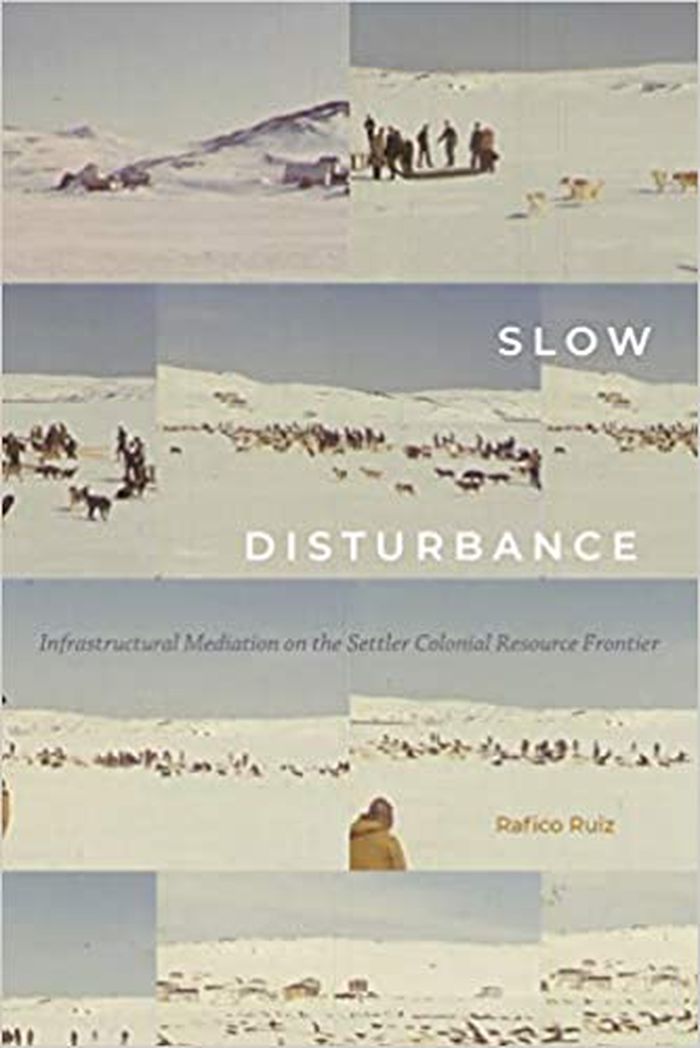
From the late nineteenth through most of the twentieth century, the evangelical Protestant Grenfell Mission in Newfoundland and Labrador, Canada, created a network of hospitals, schools, orphanages, stores, and industries with the goal of bringing health and organized society to settler fisherfolk and Indigenous populations. This infrastructure also served to support resource extraction of fisheries off Labrador's coast. In 'Slow Disturbance' Rafico Ruiz engages with the Grenfell Mission to theorize how settler colonialism establishes itself through what he calls infrastructural mediation—the ways in which colonial lifeworlds, subjectivities, and affects come into being through the creation and maintenance of infrastructures. Drawing on archival documents, maps, interviews with municipal officials, teachers, and residents, as well as his field photography, Ruiz shows how the mission's infrastructural mediation—from its attempts to restructure the local economy to the aerial surveying and mapping of the coastline—responded to the colony's environmental conditions in ways that expanded the bounds of the settler frontier. By tracing the mission's history and the mechanisms that enabled its functioning, Ruiz complicates understandings of mediation and infrastructure while expanding current debates surrounding settler colonialism and extractive capitalism.
Slow disturbance: infrastructural mediation on the settler colonial resource frontier
Actions:
Prix:
$35.95
(disponible en magasin)
Résumé:
From the late nineteenth through most of the twentieth century, the evangelical Protestant Grenfell Mission in Newfoundland and Labrador, Canada, created a network of hospitals, schools, orphanages, stores, and industries with the goal of bringing health and organized society to settler fisherfolk and Indigenous populations. This infrastructure also served to support resource extraction of fisheries off Labrador's coast. In 'Slow Disturbance' Rafico Ruiz engages with the Grenfell Mission to theorize how settler colonialism establishes itself through what he calls infrastructural mediation—the ways in which colonial lifeworlds, subjectivities, and affects come into being through the creation and maintenance of infrastructures. Drawing on archival documents, maps, interviews with municipal officials, teachers, and residents, as well as his field photography, Ruiz shows how the mission's infrastructural mediation—from its attempts to restructure the local economy to the aerial surveying and mapping of the coastline—responded to the colony's environmental conditions in ways that expanded the bounds of the settler frontier. By tracing the mission's history and the mechanisms that enabled its functioning, Ruiz complicates understandings of mediation and infrastructure while expanding current debates surrounding settler colonialism and extractive capitalism.
Classification:
livres
livres
Publication:
avril 2021
avril 2021
Sujet:
L'écologie de l'architecure
L'écologie de l'architecure


