


36173 Résultats
Classification:
livres
livres

Titre:
Daido Moriyama
Daido Moriyama
Actions:
Prix:
$14.95
(disponible sur commande)
Résumé:
This monograph on Moriyama follows a chronological order, identifying major themes and examining key works; a beautifully produced, affordable introduction to one of the most influential figures in photography today. Born in 1938 and brought up for a short while in Osaka, Japan, Daido Moriyama spent much of his childhood on the move, due to his father's profession as a(...)
$14.95
(disponible sur commande)
Résumé:
This monograph on Moriyama follows a chronological order, identifying major themes and examining key works; a beautifully produced, affordable introduction to one of the most influential figures in photography today. Born in 1938 and brought up for a short while in Osaka, Japan, Daido Moriyama spent much of his childhood on the move, due to his father's profession as a(...)
Titre:
Daido Moriyama
Actions:
Prix:
$14.95
(disponible sur commande)
Résumé:
This monograph on Moriyama follows a chronological order, identifying major themes and examining key works; a beautifully produced, affordable introduction to one of the most influential figures in photography today. Born in 1938 and brought up for a short while in Osaka, Japan, Daido Moriyama spent much of his childhood on the move, due to his father's profession as a travelling insurance salesman. Moriyama studied graphic design and, in the 1960s, moved to Tokyo to work with the VIVO group of photographers, which included Eikoh Hosoe and Shomei Tomatsu. Accompanied by a surge in Japanese economic growth and mass culture, Moriyama was published in several magazines and journals, earning him the accolade of Most Promising Photographer by the Japan Photography Critics Association. Moriyama was a member of PROVOKE Magazine at the time of international youth movements and unrest in 1968. The magazine, and Moriyama's photography, sought to assert an independence over the classically held notion of photography as purely a visual sign. He was aware that the camera can not offer a complete record and it is in this very partialness that the real excitement and enigma in his work arises. Exploring themes of self-expression, the disfiguration of urban landscapes, eroticism and fading Japanese traditions, Moriyama remarked that one of photography's essential qualities is its amateurism, and another its anonymity. These have numbered among his preoccupations from the beginning and most of Moriyama's images follow a snapshot aesthetic, often taken while running or from a moving car, without the use of a viewfinder.
Daido Moriyama
Actions:
Prix:
$14.95
(disponible sur commande)
Résumé:
This monograph on Moriyama follows a chronological order, identifying major themes and examining key works; a beautifully produced, affordable introduction to one of the most influential figures in photography today. Born in 1938 and brought up for a short while in Osaka, Japan, Daido Moriyama spent much of his childhood on the move, due to his father's profession as a travelling insurance salesman. Moriyama studied graphic design and, in the 1960s, moved to Tokyo to work with the VIVO group of photographers, which included Eikoh Hosoe and Shomei Tomatsu. Accompanied by a surge in Japanese economic growth and mass culture, Moriyama was published in several magazines and journals, earning him the accolade of Most Promising Photographer by the Japan Photography Critics Association. Moriyama was a member of PROVOKE Magazine at the time of international youth movements and unrest in 1968. The magazine, and Moriyama's photography, sought to assert an independence over the classically held notion of photography as purely a visual sign. He was aware that the camera can not offer a complete record and it is in this very partialness that the real excitement and enigma in his work arises. Exploring themes of self-expression, the disfiguration of urban landscapes, eroticism and fading Japanese traditions, Moriyama remarked that one of photography's essential qualities is its amateurism, and another its anonymity. These have numbered among his preoccupations from the beginning and most of Moriyama's images follow a snapshot aesthetic, often taken while running or from a moving car, without the use of a viewfinder.
Classification:
livres
livres
Publication:
septembre 2012
septembre 2012
Sujet:
Monographies photo
Monographies photo
Classification:
livres
livres
Actions:
Prix:
$12.95
(disponible sur commande)
Résumé:
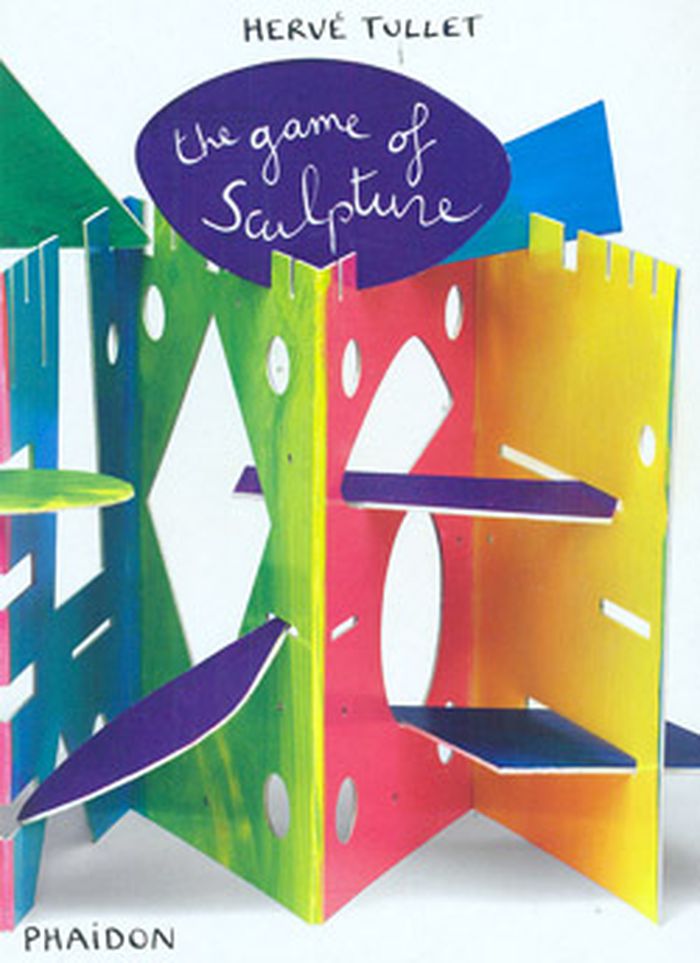
This is the first interactive book of its kind on sculpture. It encourages children to use their creativity and experiment by adding other materials to the sculpture: a pen, wrapping paper or even a toilet roll.
$12.95
(disponible sur commande)
Résumé:
This is the first interactive book of its kind on sculpture. It encourages children to use their creativity and experiment by adding other materials to the sculpture: a pen, wrapping paper or even a toilet roll.
Titre:
Hervé Tullet : the game of sculpture
Actions:
Prix:
$12.95
(disponible sur commande)
Résumé:
This is the first interactive book of its kind on sculpture. It encourages children to use their creativity and experiment by adding other materials to the sculpture: a pen, wrapping paper or even a toilet roll.
Hervé Tullet : the game of sculpture
Actions:
Prix:
$12.95
(disponible sur commande)
Résumé:
This is the first interactive book of its kind on sculpture. It encourages children to use their creativity and experiment by adding other materials to the sculpture: a pen, wrapping paper or even a toilet roll.
Classification:
livres
livres
Publication:
octobre 2012
octobre 2012
Sujet:
Littérature jeunesse
Littérature jeunesse
Classification:
livres
livres
Prix:
$59.95
(disponible sur commande)
Résumé:
Wallace’s work has played an important role in contemporary art over the past 50 years, from his early experiments with minimalism to his production of serial photographic tableaux and his subsequent juxtapositions of photography with monochrome painting. Consistently demonstrating conceptual rigour and aesthetic innovation, Wallace’s work can be considered a reflection(...)
$59.95
(disponible sur commande)
Résumé:
Wallace’s work has played an important role in contemporary art over the past 50 years, from his early experiments with minimalism to his production of serial photographic tableaux and his subsequent juxtapositions of photography with monochrome painting. Consistently demonstrating conceptual rigour and aesthetic innovation, Wallace’s work can be considered a reflection(...)
Titre:
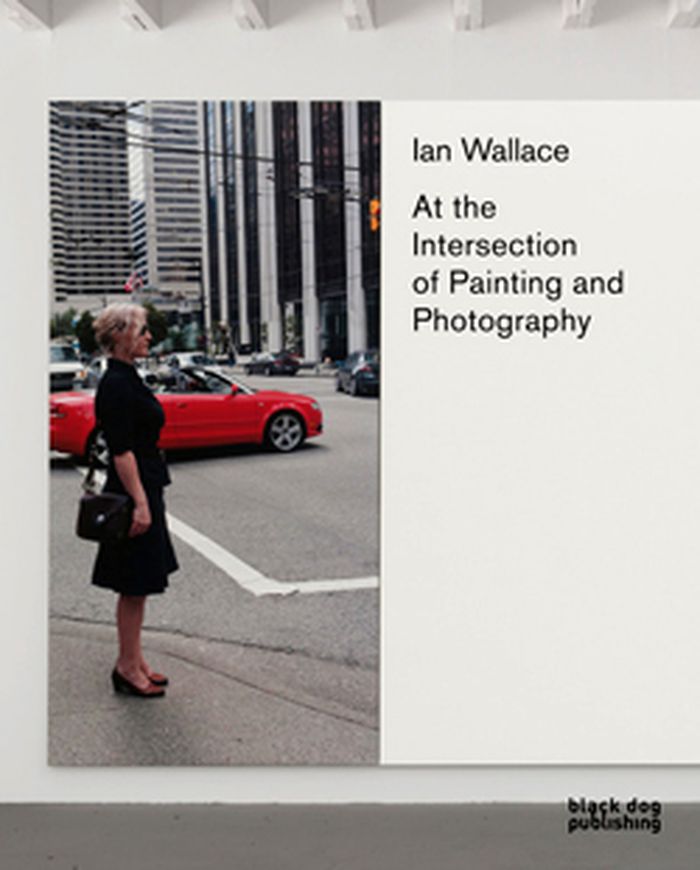
Ian Wallace : at the intersection of painting and photography
Actions:
Prix:
$59.95
(disponible sur commande)
Résumé:
Wallace’s work has played an important role in contemporary art over the past 50 years, from his early experiments with minimalism to his production of serial photographic tableaux and his subsequent juxtapositions of photography with monochrome painting. Consistently demonstrating conceptual rigour and aesthetic innovation, Wallace’s work can be considered a reflection of his position as social historian, critic and educator, with influences as far reaching as film and literature, the role of the institution, architecture, urban development, gender relations, environmentalism and civil disobedience. Organised in clear, concise sections that mirror the intersecting motifs that are present throughout Wallace’s practice : Minimalism, Narrative, Text Works, The Street, The Museum and The Studio, At the Intersection of Painting and Photography features essays that chart Wallace’s career over the past five decades by Daina Augaitis, Jeff Derksen, Diedrich Diederichsen, Stan Douglas, Jessica Morgan, Christine Poggi, Kathleen Ritter and William Wood. The book also includes a selection of five essays by the artist himself and an annotated chronology by Grant Arnold, providing the perfect introduction to Wallace’s lasting career and marking his influence on contemporary art today. A comprehensive publication exploring the oeuvre of Canadian artist Ian Wallace, At the Intersection of Painting and Photography accompanies a major survey of Wallace's work at the Vancouver Art Gallery, opening in October 2012.
Ian Wallace : at the intersection of painting and photography
Actions:
Prix:
$59.95
(disponible sur commande)
Résumé:
Wallace’s work has played an important role in contemporary art over the past 50 years, from his early experiments with minimalism to his production of serial photographic tableaux and his subsequent juxtapositions of photography with monochrome painting. Consistently demonstrating conceptual rigour and aesthetic innovation, Wallace’s work can be considered a reflection of his position as social historian, critic and educator, with influences as far reaching as film and literature, the role of the institution, architecture, urban development, gender relations, environmentalism and civil disobedience. Organised in clear, concise sections that mirror the intersecting motifs that are present throughout Wallace’s practice : Minimalism, Narrative, Text Works, The Street, The Museum and The Studio, At the Intersection of Painting and Photography features essays that chart Wallace’s career over the past five decades by Daina Augaitis, Jeff Derksen, Diedrich Diederichsen, Stan Douglas, Jessica Morgan, Christine Poggi, Kathleen Ritter and William Wood. The book also includes a selection of five essays by the artist himself and an annotated chronology by Grant Arnold, providing the perfect introduction to Wallace’s lasting career and marking his influence on contemporary art today. A comprehensive publication exploring the oeuvre of Canadian artist Ian Wallace, At the Intersection of Painting and Photography accompanies a major survey of Wallace's work at the Vancouver Art Gallery, opening in October 2012.
Classification:
livres
livres
Publication:
octobre 2012
octobre 2012
Sujet:
Monographies photo
Monographies photo
Classification:
livres
livres
Actions:
Prix:
$24.95
(disponible sur commande)
Résumé:
The Art of Walking: a field guide is one extensive survey of walking in contemporary art. Combining short texts on the subject with a variety of artists work, this publication provides a new way of looking at this everyday subject.
$24.95
(disponible sur commande)
Résumé:
The Art of Walking: a field guide is one extensive survey of walking in contemporary art. Combining short texts on the subject with a variety of artists work, this publication provides a new way of looking at this everyday subject.
Titre:
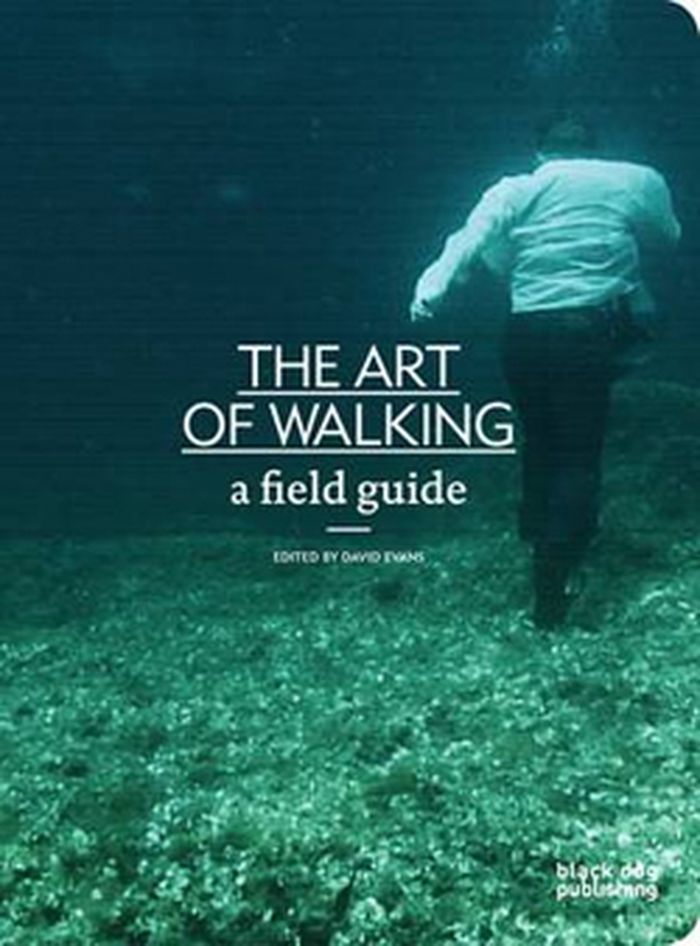
The art of walking: a field guide
Actions:
Prix:
$24.95
(disponible sur commande)
Résumé:
The Art of Walking: a field guide is one extensive survey of walking in contemporary art. Combining short texts on the subject with a variety of artists work, this publication provides a new way of looking at this everyday subject.
The art of walking: a field guide
Actions:
Prix:
$24.95
(disponible sur commande)
Résumé:
The Art of Walking: a field guide is one extensive survey of walking in contemporary art. Combining short texts on the subject with a variety of artists work, this publication provides a new way of looking at this everyday subject.
Classification:
livres
livres
Publication:
novembre 2012
novembre 2012
Sujet:
Trajets
Trajets
Classification:
livres
livres
Titre:
Future social: design ideas, essays and discussions on social housing for the 'hardest-to-house'
Future social: design ideas, essays and discussions on social housing for the 'hardest-to-house'
Actions:
Prix:
$19.95
(disponible sur commande)
Résumé:
Homelessness is a serious problem throughout the world and Vancouver is no exception. In 2009, students of the University of British Columbia's School of Architecture and Landscape Architecture produced a series of essays that generate innovative design ideas for Supportive Housing that meaningfully contribute to solving the problem of homelessness, envisioning(...)
$19.95
(disponible sur commande)
Résumé:
Homelessness is a serious problem throughout the world and Vancouver is no exception. In 2009, students of the University of British Columbia's School of Architecture and Landscape Architecture produced a series of essays that generate innovative design ideas for Supportive Housing that meaningfully contribute to solving the problem of homelessness, envisioning(...)
Titre:
Future social: design ideas, essays and discussions on social housing for the 'hardest-to-house'
Actions:
Prix:
$19.95
(disponible sur commande)
Résumé:
Homelessness is a serious problem throughout the world and Vancouver is no exception. In 2009, students of the University of British Columbia's School of Architecture and Landscape Architecture produced a series of essays that generate innovative design ideas for Supportive Housing that meaningfully contribute to solving the problem of homelessness, envisioning innovative and exciting new types of design for this serious issue. This book is a collection of their essays that grapple with the issue of housing the homeless of the Downtown Eastside. As editor Matthew Soules, professor at UBC and director of Matthew Soules Architecture, writes, "they aim to glance at a future Vancouver in which its model urbanism folds in the ways that architecture can respond to the issue of homelessness with superior social housing."
Future social: design ideas, essays and discussions on social housing for the 'hardest-to-house'
Actions:
Prix:
$19.95
(disponible sur commande)
Résumé:
Homelessness is a serious problem throughout the world and Vancouver is no exception. In 2009, students of the University of British Columbia's School of Architecture and Landscape Architecture produced a series of essays that generate innovative design ideas for Supportive Housing that meaningfully contribute to solving the problem of homelessness, envisioning innovative and exciting new types of design for this serious issue. This book is a collection of their essays that grapple with the issue of housing the homeless of the Downtown Eastside. As editor Matthew Soules, professor at UBC and director of Matthew Soules Architecture, writes, "they aim to glance at a future Vancouver in which its model urbanism folds in the ways that architecture can respond to the issue of homelessness with superior social housing."
Classification:
livres
livres
Publication:
septembre 2012
septembre 2012
Sujet:
Théorie de l’urbanisme
Théorie de l’urbanisme
Classification:
livres
livres

Actions:
Prix:
$29.95
(disponible sur commande)
Résumé:
Material Matters: New Materials in Design explores the fascinating world of materials, surveying characteristics, properties and new applications of materials in diverse fields, from sustainable resources to medicine, architectural design to aeronautical engineering and interior design to 'haute-culture' and fashion. This publication profiles the materials developed in(...)
$29.95
(disponible sur commande)
Résumé:
Material Matters: New Materials in Design explores the fascinating world of materials, surveying characteristics, properties and new applications of materials in diverse fields, from sustainable resources to medicine, architectural design to aeronautical engineering and interior design to 'haute-culture' and fashion. This publication profiles the materials developed in(...)
Titre:
Material matters: new materials in design
Actions:
Prix:
$29.95
(disponible sur commande)
Résumé:
Material Matters: New Materials in Design explores the fascinating world of materials, surveying characteristics, properties and new applications of materials in diverse fields, from sustainable resources to medicine, architectural design to aeronautical engineering and interior design to 'haute-culture' and fashion. This publication profiles the materials developed in recent years with full page profiles and colorful illustrations, examples include Aerogel or 'frozen smoke'--used by NASA it is the lightest solid on earth at 95% air. Amongst the detailed profiles are texts that discuss the fusion between science, art and design in the creation of these substances and their importance within contemporary living, sustainability and expanding technologies. The book also includes the work of designers Marc Newson, Ross Lovegrove, Apple, NASA, Intel, Ron Arad and household names.
Material matters: new materials in design
Actions:
Prix:
$29.95
(disponible sur commande)
Résumé:
Material Matters: New Materials in Design explores the fascinating world of materials, surveying characteristics, properties and new applications of materials in diverse fields, from sustainable resources to medicine, architectural design to aeronautical engineering and interior design to 'haute-culture' and fashion. This publication profiles the materials developed in recent years with full page profiles and colorful illustrations, examples include Aerogel or 'frozen smoke'--used by NASA it is the lightest solid on earth at 95% air. Amongst the detailed profiles are texts that discuss the fusion between science, art and design in the creation of these substances and their importance within contemporary living, sustainability and expanding technologies. The book also includes the work of designers Marc Newson, Ross Lovegrove, Apple, NASA, Intel, Ron Arad and household names.
Classification:
livres
livres
Publication:
juillet 2012
juillet 2012
Sujet:
Matériaux et éclairage
Matériaux et éclairage
Classification:
livres
livres
Actions:
Prix:
$49.95
(disponible sur commande)
Résumé:
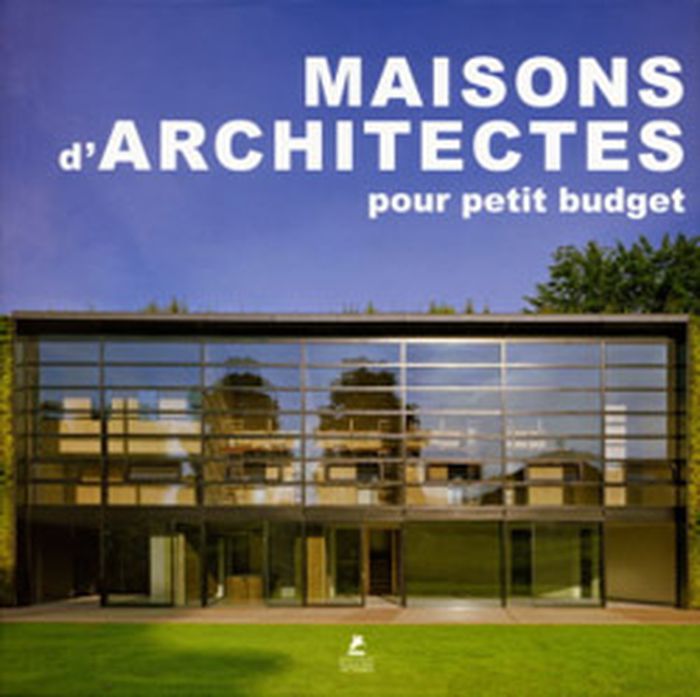
Publication présentant plus de 70 maisons d'architectes contemporain.
$49.95
(disponible sur commande)
Résumé:
Publication présentant plus de 70 maisons d'architectes contemporain.
Titre:
Maisons d'architectes pour petit budget
Actions:
Prix:
$49.95
(disponible sur commande)
Résumé:
Publication présentant plus de 70 maisons d'architectes contemporain.
Maisons d'architectes pour petit budget
Actions:
Prix:
$49.95
(disponible sur commande)
Résumé:
Publication présentant plus de 70 maisons d'architectes contemporain.
Classification:
livres
livres
Publication:
juillet 2012
juillet 2012
Sujet:
Architecture résidentielle
Architecture résidentielle
Classification:
livres
livres
Actions:
Prix:
$29.95
(disponible sur commande)
Résumé:
Adrian Tomine's illustrations and comics have been appearing for more than a decade in the pages (and on the cover) of "The New Yorker." Instantly recognizable for their deceptively simple and evocative style, these images have garnered the attention of "The New Yorker"'s readership and the approbation of such venerable institutions as the Art Directors Club and "American(...)
$29.95
(disponible sur commande)
Résumé:
Adrian Tomine's illustrations and comics have been appearing for more than a decade in the pages (and on the cover) of "The New Yorker." Instantly recognizable for their deceptively simple and evocative style, these images have garnered the attention of "The New Yorker"'s readership and the approbation of such venerable institutions as the Art Directors Club and "American(...)
Titre:
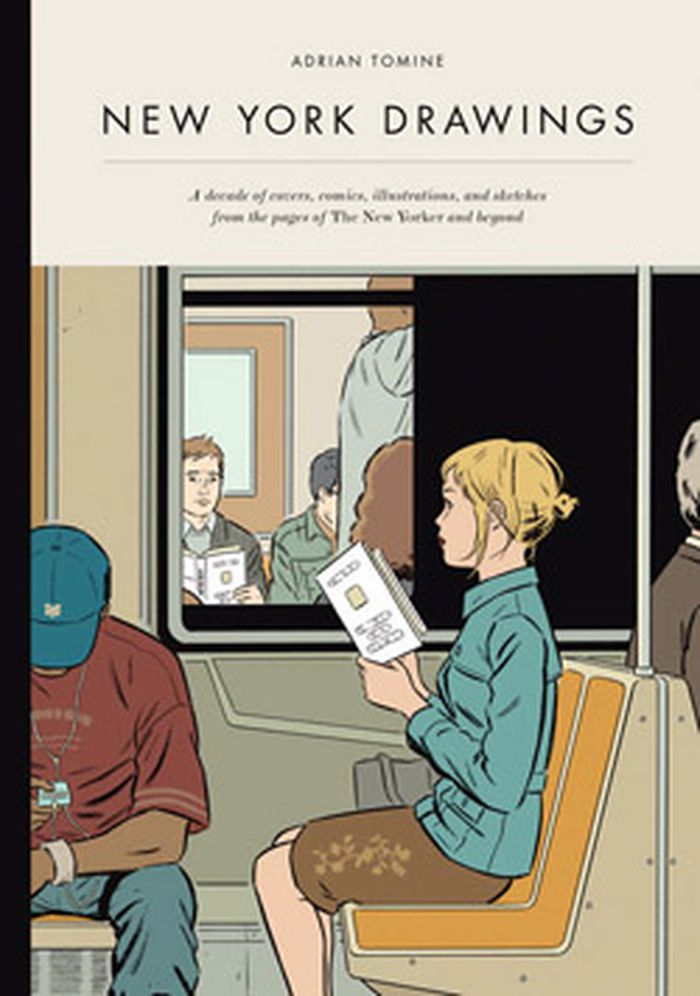
New York drawings: a decade of covers, comics, illustrations, and sketches from the pages of the New York Yorker and beyond
Actions:
Prix:
$29.95
(disponible sur commande)
Résumé:
Adrian Tomine's illustrations and comics have been appearing for more than a decade in the pages (and on the cover) of "The New Yorker." Instantly recognizable for their deceptively simple and evocative style, these images have garnered the attention of "The New Yorker"'s readership and the approbation of such venerable institutions as the Art Directors Club and "American Illustration." This publication collects every cover, comic, and illustration that he has produced for "The New Yorker "to date, along with an assortment of other rare and uncollected illustrations and sketches inspired by the city. Complete with notes and annotations by the author, "New York Drawings "will also feature a new introductory comic focusing on Tomine's experiences as a New York illustrator.
New York drawings: a decade of covers, comics, illustrations, and sketches from the pages of the New York Yorker and beyond
Actions:
Prix:
$29.95
(disponible sur commande)
Résumé:
Adrian Tomine's illustrations and comics have been appearing for more than a decade in the pages (and on the cover) of "The New Yorker." Instantly recognizable for their deceptively simple and evocative style, these images have garnered the attention of "The New Yorker"'s readership and the approbation of such venerable institutions as the Art Directors Club and "American Illustration." This publication collects every cover, comic, and illustration that he has produced for "The New Yorker "to date, along with an assortment of other rare and uncollected illustrations and sketches inspired by the city. Complete with notes and annotations by the author, "New York Drawings "will also feature a new introductory comic focusing on Tomine's experiences as a New York illustrator.
Classification:
livres
livres
Publication:
septembre 2012
septembre 2012
Sujet:
Illustration
Illustration
Classification:
livres
livres

Prix:
$50.00
(disponible sur commande)
Résumé:
The Moleskin edition contains a 144-page book, printed on ivory colored paper. The book is cloth-bound, mounted with raw cardboard and colored spine with an elastic band. Giving a comprehensive view of the hands-on approach to the creative process, this collection embraces not only architecture but also art, design and drawings.
$50.00
(disponible sur commande)
Résumé:
The Moleskin edition contains a 144-page book, printed on ivory colored paper. The book is cloth-bound, mounted with raw cardboard and colored spine with an elastic band. Giving a comprehensive view of the hands-on approach to the creative process, this collection embraces not only architecture but also art, design and drawings.
Titre:
Wiel Arets notebook: inspiration and process in architecture
Actions:
Prix:
$50.00
(disponible sur commande)
Résumé:
The Moleskin edition contains a 144-page book, printed on ivory colored paper. The book is cloth-bound, mounted with raw cardboard and colored spine with an elastic band. Giving a comprehensive view of the hands-on approach to the creative process, this collection embraces not only architecture but also art, design and drawings.
Wiel Arets notebook: inspiration and process in architecture
Actions:
Prix:
$50.00
(disponible sur commande)
Résumé:
The Moleskin edition contains a 144-page book, printed on ivory colored paper. The book is cloth-bound, mounted with raw cardboard and colored spine with an elastic band. Giving a comprehensive view of the hands-on approach to the creative process, this collection embraces not only architecture but also art, design and drawings.
Classification:
livres
livres
Publication:
octobre 2012
octobre 2012
Sujet:
Architecture, monographies
Architecture, monographies
Classification:
livres
livres
Prix:
$50.00
(disponible sur commande)
Résumé:
Studio Mumbai consists of a group of Indian architects and craftsmen, all resident artisans of Studio Mumbai, headed by Bijoy Jain. This book shows the development of Bijoy's personal process as well as the collective dialogue through which projects evolve. To exhibit the process of these conversations, the book gathers sketches made by both Bijoy and the carpenters, as(...)
$50.00
(disponible sur commande)
Résumé:
Studio Mumbai consists of a group of Indian architects and craftsmen, all resident artisans of Studio Mumbai, headed by Bijoy Jain. This book shows the development of Bijoy's personal process as well as the collective dialogue through which projects evolve. To exhibit the process of these conversations, the book gathers sketches made by both Bijoy and the carpenters, as(...)
Titre:
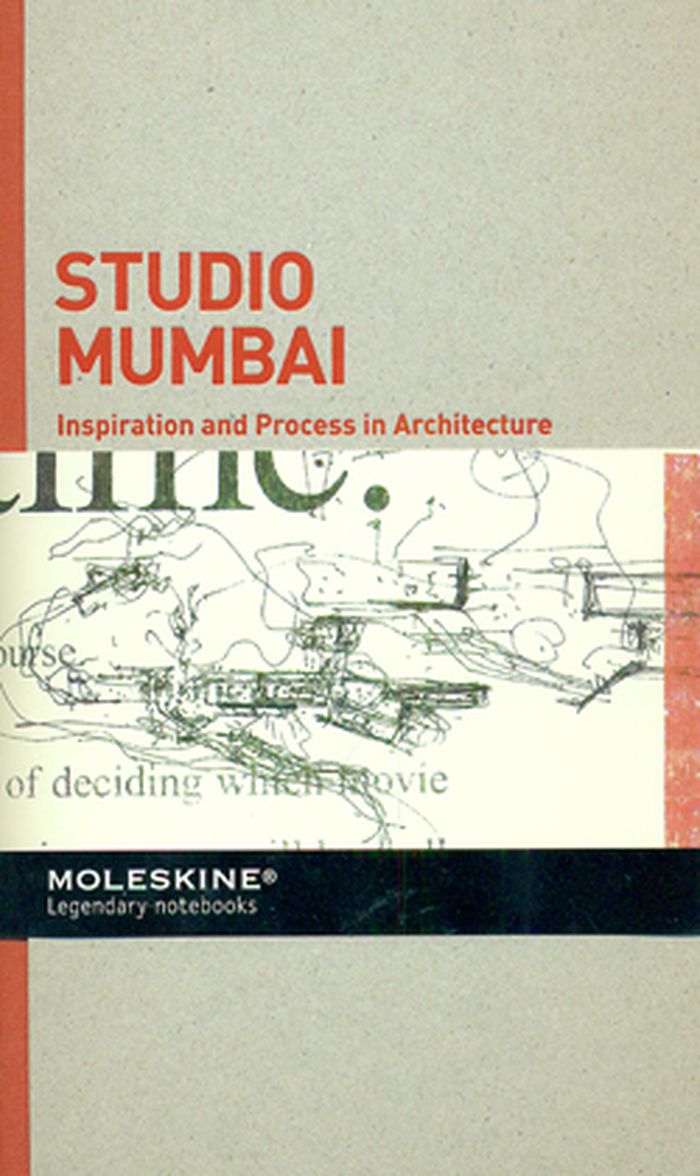
Studio Mumbai notebook: inspiration and process in architecture
Actions:
Prix:
$50.00
(disponible sur commande)
Résumé:
Studio Mumbai consists of a group of Indian architects and craftsmen, all resident artisans of Studio Mumbai, headed by Bijoy Jain. This book shows the development of Bijoy's personal process as well as the collective dialogue through which projects evolve. To exhibit the process of these conversations, the book gathers sketches made by both Bijoy and the carpenters, as well photographs that the team uses as study and inspiration showcasing a critical part of their design process. Part of Moleskine's Inspiration and Process in Architecture Series.
Studio Mumbai notebook: inspiration and process in architecture
Actions:
Prix:
$50.00
(disponible sur commande)
Résumé:
Studio Mumbai consists of a group of Indian architects and craftsmen, all resident artisans of Studio Mumbai, headed by Bijoy Jain. This book shows the development of Bijoy's personal process as well as the collective dialogue through which projects evolve. To exhibit the process of these conversations, the book gathers sketches made by both Bijoy and the carpenters, as well photographs that the team uses as study and inspiration showcasing a critical part of their design process. Part of Moleskine's Inspiration and Process in Architecture Series.
Classification:
livres
livres
Publication:
octobre 2012
octobre 2012
Sujet:
Architecture, monographies
Architecture, monographies


