


13794 Résultats
Classification:
livres
livres

Actions:
Prix:
$35.95
(disponible en magasin)
Résumé:
Some of the largest architecture firms have effectively become war corporations. At the same time as designing Olympic parks and world-famous buildings, they have constructed military bases, maintained weaponry, and trained personnel for wars in which hundreds of thousands of people have been killed. In some conflicts, the same firms have been contracted from invasion to(...)
$35.95
(disponible en magasin)
Résumé:
Some of the largest architecture firms have effectively become war corporations. At the same time as designing Olympic parks and world-famous buildings, they have constructed military bases, maintained weaponry, and trained personnel for wars in which hundreds of thousands of people have been killed. In some conflicts, the same firms have been contracted from invasion to(...)
Titre:
Architecture for warfare: How corporations profit from destruction and rerconstruction
Actions:
Prix:
$35.95
(disponible en magasin)
Résumé:
Some of the largest architecture firms have effectively become war corporations. At the same time as designing Olympic parks and world-famous buildings, they have constructed military bases, maintained weaponry, and trained personnel for wars in which hundreds of thousands of people have been killed. In some conflicts, the same firms have been contracted from invasion to reconstruction, including facilitating military attacks, rebuilding war-damaged infrastructure, and establishing new governments. Architecture for Warfare tells the story of a form of multidisciplinary corporation that employs architects skilled in designing structures alongside former military personnel with experience handling live-fire weapons. It highlights the tensions and contradictions within these architecture-led firms that claim to make the world a better place. The book combines personal narrative with detailed research to reveal unsettling relations between design, planning, and armed conflict.
Architecture for warfare: How corporations profit from destruction and rerconstruction
Actions:
Prix:
$35.95
(disponible en magasin)
Résumé:
Some of the largest architecture firms have effectively become war corporations. At the same time as designing Olympic parks and world-famous buildings, they have constructed military bases, maintained weaponry, and trained personnel for wars in which hundreds of thousands of people have been killed. In some conflicts, the same firms have been contracted from invasion to reconstruction, including facilitating military attacks, rebuilding war-damaged infrastructure, and establishing new governments. Architecture for Warfare tells the story of a form of multidisciplinary corporation that employs architects skilled in designing structures alongside former military personnel with experience handling live-fire weapons. It highlights the tensions and contradictions within these architecture-led firms that claim to make the world a better place. The book combines personal narrative with detailed research to reveal unsettling relations between design, planning, and armed conflict.
Classification:
livres
livres
Publication:
avril 2026
avril 2026
Sujet:
Théorie de l’architecture
Théorie de l’architecture
Classification:
livres
livres
Actions:
Prix:
$116.95
(disponible sur commande)
Résumé:
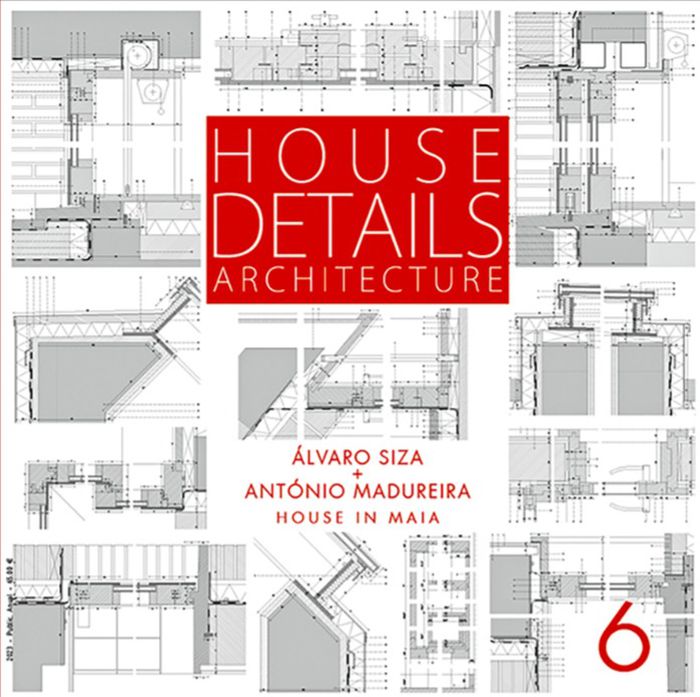
This edition of House Details is dedicated to ''House in Maia'', a project carried out by Álvaro Siza and António Madureira. It features hundreds of scale technical drawings, raised hand drawings and work records with selected photographs.
$116.95
(disponible sur commande)
Résumé:
This edition of House Details is dedicated to ''House in Maia'', a project carried out by Álvaro Siza and António Madureira. It features hundreds of scale technical drawings, raised hand drawings and work records with selected photographs.
Titre:
Álvaro Siza + Antónico Maduderira: House in Maia
Actions:
Prix:
$116.95
(disponible sur commande)
Résumé:
This edition of House Details is dedicated to ''House in Maia'', a project carried out by Álvaro Siza and António Madureira. It features hundreds of scale technical drawings, raised hand drawings and work records with selected photographs.
Álvaro Siza + Antónico Maduderira: House in Maia
Actions:
Prix:
$116.95
(disponible sur commande)
Résumé:
This edition of House Details is dedicated to ''House in Maia'', a project carried out by Álvaro Siza and António Madureira. It features hundreds of scale technical drawings, raised hand drawings and work records with selected photographs.
Classification:
livres
livres
Publication:
janvier 2023
janvier 2023
Sujet:
Théorie de l’architecture
Théorie de l’architecture
Classification:
livres
livres
Prix:
$21.95
(disponible en magasin)
Résumé:
We shower, cook and heat our homes. There is water, gas and electricity. We sit at a table, wash in a sink or rest on a couch. We are bodies among other bodies; living and dead, solid and fluid, raw and transformed, recognisable or in disguise. To live is to interact, but what are we interacting with? "The domestic encyclopaedia" is a collection of stories that explore(...)
$21.95
(disponible en magasin)
Résumé:
We shower, cook and heat our homes. There is water, gas and electricity. We sit at a table, wash in a sink or rest on a couch. We are bodies among other bodies; living and dead, solid and fluid, raw and transformed, recognisable or in disguise. To live is to interact, but what are we interacting with? "The domestic encyclopaedia" is a collection of stories that explore(...)
Titre:
Domestic encyclopaedia: Oblique encounters of domestic space
Actions:
Prix:
$21.95
(disponible en magasin)
Résumé:
We shower, cook and heat our homes. There is water, gas and electricity. We sit at a table, wash in a sink or rest on a couch. We are bodies among other bodies; living and dead, solid and fluid, raw and transformed, recognisable or in disguise. To live is to interact, but what are we interacting with? "The domestic encyclopaedia" is a collection of stories that explore the material body of architecture, of houses. In the midst of ongoing ecological disaster and increased alienation from nature it invites you to travel beyond the screen, to practice attention and probe the nature of domestic space.
Domestic encyclopaedia: Oblique encounters of domestic space
Actions:
Prix:
$21.95
(disponible en magasin)
Résumé:
We shower, cook and heat our homes. There is water, gas and electricity. We sit at a table, wash in a sink or rest on a couch. We are bodies among other bodies; living and dead, solid and fluid, raw and transformed, recognisable or in disguise. To live is to interact, but what are we interacting with? "The domestic encyclopaedia" is a collection of stories that explore the material body of architecture, of houses. In the midst of ongoing ecological disaster and increased alienation from nature it invites you to travel beyond the screen, to practice attention and probe the nature of domestic space.
Classification:
livres
livres
Publication:
mai 2026
mai 2026
Sujet:
Théorie de l’architecture
Théorie de l’architecture
Classification:
livres
livres
Titre:
The body of Europe
The body of Europe
Actions:
Prix:
$15.75
(disponible en magasin)
Résumé:
A ghost is haunting Europe: the ghost of Europe itself. It is a ghost without flesh and bone – a vanishing body that seems to satisfy itself with a vague geographical description. At best Europe refers to the sister of Cadmus, once upon a time abducted by Zeus. Can’t we do better? Is Europe condemned to incarnate itself in a name whose sole reality is to be the one of a(...)
$15.75
(disponible en magasin)
Résumé:
A ghost is haunting Europe: the ghost of Europe itself. It is a ghost without flesh and bone – a vanishing body that seems to satisfy itself with a vague geographical description. At best Europe refers to the sister of Cadmus, once upon a time abducted by Zeus. Can’t we do better? Is Europe condemned to incarnate itself in a name whose sole reality is to be the one of a(...)
Titre:
The body of Europe
Actions:
Prix:
$15.75
(disponible en magasin)
Résumé:
A ghost is haunting Europe: the ghost of Europe itself. It is a ghost without flesh and bone – a vanishing body that seems to satisfy itself with a vague geographical description. At best Europe refers to the sister of Cadmus, once upon a time abducted by Zeus. Can’t we do better? Is Europe condemned to incarnate itself in a name whose sole reality is to be the one of a political strategy, of a way to deal with crisis? Wouldn’t it be time that we start to interrogate what Europe could mean beyond ghosts and petty politics? After all, it is very well possible that what we call Europe has a body, has a corpus – and that this corpus is no other than the ensemble composed by the fragments of its literary history. What if Europe was not a matter of geography or politics, but a matter of literature – a matter of sense and sensibility: a way to welcome what, in a human body, makes it alive?
The body of Europe
Actions:
Prix:
$15.75
(disponible en magasin)
Résumé:
A ghost is haunting Europe: the ghost of Europe itself. It is a ghost without flesh and bone – a vanishing body that seems to satisfy itself with a vague geographical description. At best Europe refers to the sister of Cadmus, once upon a time abducted by Zeus. Can’t we do better? Is Europe condemned to incarnate itself in a name whose sole reality is to be the one of a political strategy, of a way to deal with crisis? Wouldn’t it be time that we start to interrogate what Europe could mean beyond ghosts and petty politics? After all, it is very well possible that what we call Europe has a body, has a corpus – and that this corpus is no other than the ensemble composed by the fragments of its literary history. What if Europe was not a matter of geography or politics, but a matter of literature – a matter of sense and sensibility: a way to welcome what, in a human body, makes it alive?
Classification:
livres
livres
Publication:
octobre 2025
octobre 2025
Sujet:
Théorie/ philosophie
Théorie/ philosophie
Classification:
livres
livres
Actions:
Prix:
$55.00
(disponible en magasin)
Résumé:
The book brings together the voices of artists, scientists, farmers, and bakers from the BAU community. Through the lens of cooking, food, and conviviality, these voices weave together reflections on vital themes: community, landscape, ecology, and climate change. What can a taste of future landscapes be? This volume gathers artists, scientists, farmers, bakers from the(...)
$55.00
(disponible en magasin)
Résumé:
The book brings together the voices of artists, scientists, farmers, and bakers from the BAU community. Through the lens of cooking, food, and conviviality, these voices weave together reflections on vital themes: community, landscape, ecology, and climate change. What can a taste of future landscapes be? This volume gathers artists, scientists, farmers, bakers from the(...)
Titre:
The taste of future landscapes
Actions:
Prix:
$55.00
(disponible en magasin)
Résumé:
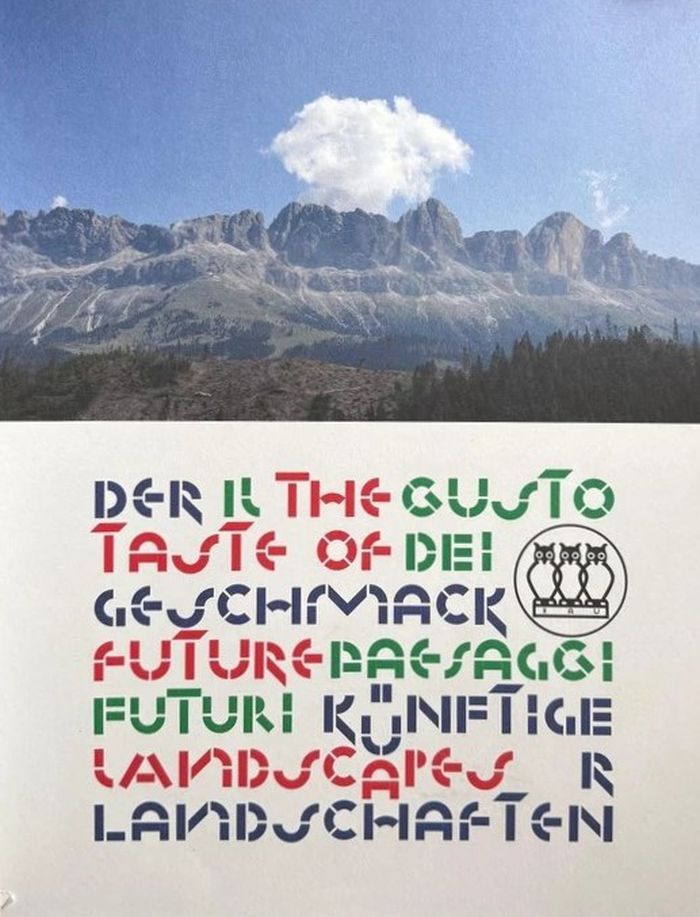
The book brings together the voices of artists, scientists, farmers, and bakers from the BAU community. Through the lens of cooking, food, and conviviality, these voices weave together reflections on vital themes: community, landscape, ecology, and climate change. What can a taste of future landscapes be? This volume gathers artists, scientists, farmers, bakers from the BAU Community.Through the lens of cooking, eating and coming together they explore pressing themes such as community, landscape, ecology and climate change.The book is published on the occasion of the 10th anniversary of BAU, Institute for Contemporary Art and Ecology established south of the Alps. Set in a multilingual area, we regard the landscape as a living site where different forms of life interact and leave traces.
The taste of future landscapes
Actions:
Prix:
$55.00
(disponible en magasin)
Résumé:
The book brings together the voices of artists, scientists, farmers, and bakers from the BAU community. Through the lens of cooking, food, and conviviality, these voices weave together reflections on vital themes: community, landscape, ecology, and climate change. What can a taste of future landscapes be? This volume gathers artists, scientists, farmers, bakers from the BAU Community.Through the lens of cooking, eating and coming together they explore pressing themes such as community, landscape, ecology and climate change.The book is published on the occasion of the 10th anniversary of BAU, Institute for Contemporary Art and Ecology established south of the Alps. Set in a multilingual area, we regard the landscape as a living site where different forms of life interact and leave traces.
Classification:
livres
livres
Publication:
novembre 2025
novembre 2025
Sujet:
Théorie du paysage
Théorie du paysage
Classification:
livres
livres
Titre:
Midwife of the intellect
Midwife of the intellect
Actions:
Prix:
$15.75
(disponible en magasin)
Résumé:
How could a Rhineland mystic of the 13th century help us better navigate the 21st? In a provocative reading of the work of Meister Eckhart, Peter Sloterdijk offers a compelling answer: What medieval mysticism teaches us is that all there is doesn’t exist per se—everything only exists in relation. For Eckhart, living on Earth is the same as the Holy Trinity: in a(...)
$15.75
(disponible en magasin)
Résumé:
How could a Rhineland mystic of the 13th century help us better navigate the 21st? In a provocative reading of the work of Meister Eckhart, Peter Sloterdijk offers a compelling answer: What medieval mysticism teaches us is that all there is doesn’t exist per se—everything only exists in relation. For Eckhart, living on Earth is the same as the Holy Trinity: in a(...)
Titre:
Midwife of the intellect
Actions:
Prix:
$15.75
(disponible en magasin)
Résumé:
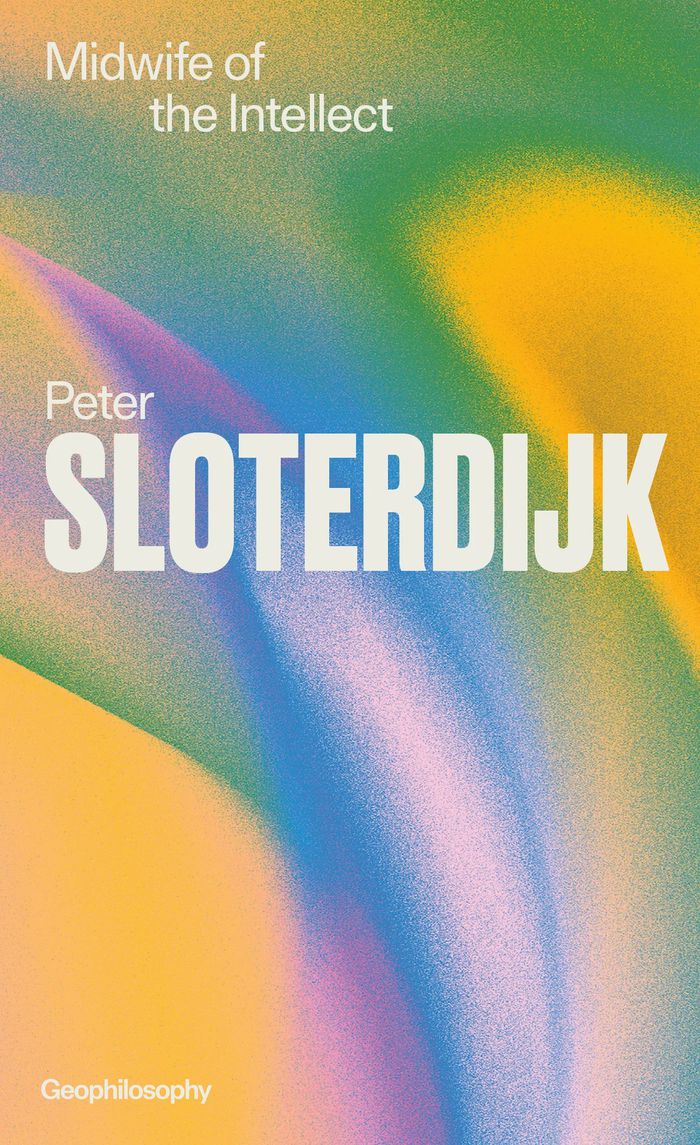
How could a Rhineland mystic of the 13th century help us better navigate the 21st? In a provocative reading of the work of Meister Eckhart, Peter Sloterdijk offers a compelling answer: What medieval mysticism teaches us is that all there is doesn’t exist per se—everything only exists in relation. For Eckhart, living on Earth is the same as the Holy Trinity: in a symbiosis, a form of co-relationship forgotten for too long. The triumph of individualism led to the shared illusion that humans, like everything else on the planet, had an essence, an identity, a being. But nothing could be more false. What everything is, is the others. What everything is, is a shared relationality. We are not alone—we are also all others; we depend on them. In the Anthropocene, when planetary symbiosis has never been more jeopardized, shifting our metaphysics and recalling lessons such as those of Meister Eckhart has become vital.
Midwife of the intellect
Actions:
Prix:
$15.75
(disponible en magasin)
Résumé:
How could a Rhineland mystic of the 13th century help us better navigate the 21st? In a provocative reading of the work of Meister Eckhart, Peter Sloterdijk offers a compelling answer: What medieval mysticism teaches us is that all there is doesn’t exist per se—everything only exists in relation. For Eckhart, living on Earth is the same as the Holy Trinity: in a symbiosis, a form of co-relationship forgotten for too long. The triumph of individualism led to the shared illusion that humans, like everything else on the planet, had an essence, an identity, a being. But nothing could be more false. What everything is, is the others. What everything is, is a shared relationality. We are not alone—we are also all others; we depend on them. In the Anthropocene, when planetary symbiosis has never been more jeopardized, shifting our metaphysics and recalling lessons such as those of Meister Eckhart has become vital.
Classification:
livres
livres
Publication:
novembre 2025
novembre 2025
Sujet:
Théorie/ philosophie
Théorie/ philosophie
Classification:
livres
livres
Titre:
For a sovereign Europe
For a sovereign Europe
Actions:
Prix:
$14.00
(disponible en magasin)
Résumé:
A specter haunts Europe: the specter of sovereignty. Legacy of a prestigious political tradition, sovereignty has metamorphosed into a monster in the 19th century, with the advent of nationalism and the ensuing catastrophes that tainted the globe in blood. Today, at a time when nationalist passions seem to be back with a vengeance, a renewed call for sovereignty presents(...)
$14.00
(disponible en magasin)
Résumé:
A specter haunts Europe: the specter of sovereignty. Legacy of a prestigious political tradition, sovereignty has metamorphosed into a monster in the 19th century, with the advent of nationalism and the ensuing catastrophes that tainted the globe in blood. Today, at a time when nationalist passions seem to be back with a vengeance, a renewed call for sovereignty presents(...)
Titre:
For a sovereign Europe
Actions:
Prix:
$14.00
(disponible en magasin)
Résumé:
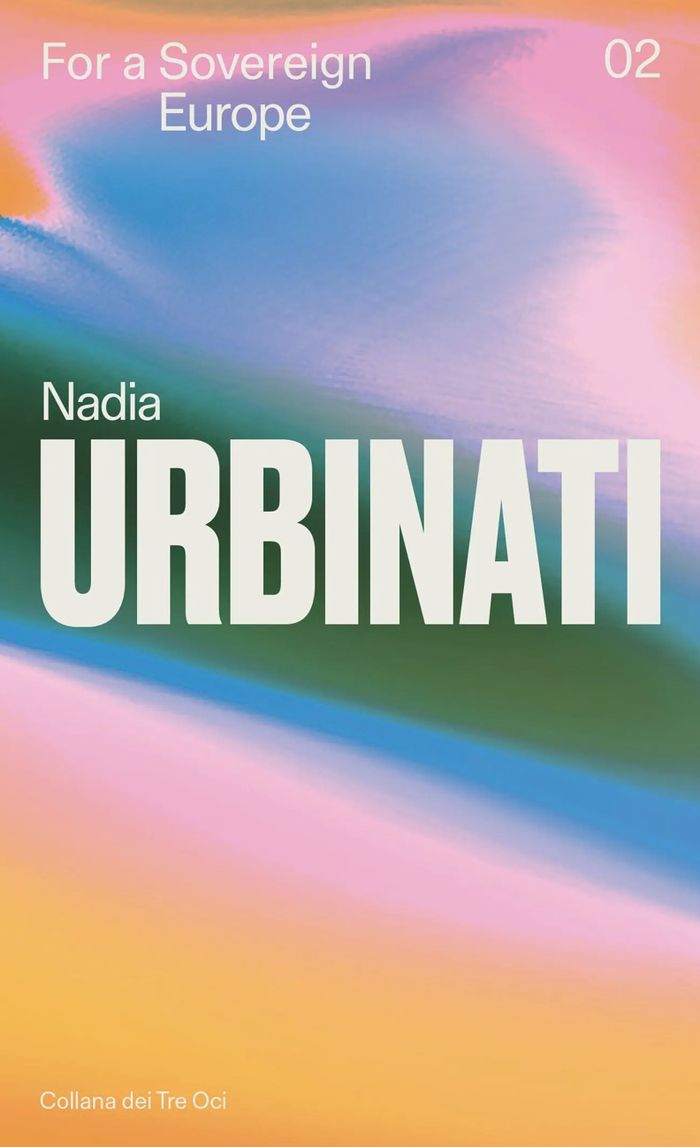
A specter haunts Europe: the specter of sovereignty. Legacy of a prestigious political tradition, sovereignty has metamorphosed into a monster in the 19th century, with the advent of nationalism and the ensuing catastrophes that tainted the globe in blood. Today, at a time when nationalist passions seem to be back with a vengeance, a renewed call for sovereignty presents itself as a return towards populations and territories to be defended. Any project aiming at doing away with nations and finding the route towards a larger political ensembles seems to be barred by what is now presented as a sacred value – the one of a people selecting its own way of being governed. But what if this was wrong? What if sovereignty could designate another horizon than the one of nations? What if Europe could become the place for a new experiment on the meaning and extension of sovereignty and democracy? This would mean a sovereign Europe.
For a sovereign Europe
Actions:
Prix:
$14.00
(disponible en magasin)
Résumé:
A specter haunts Europe: the specter of sovereignty. Legacy of a prestigious political tradition, sovereignty has metamorphosed into a monster in the 19th century, with the advent of nationalism and the ensuing catastrophes that tainted the globe in blood. Today, at a time when nationalist passions seem to be back with a vengeance, a renewed call for sovereignty presents itself as a return towards populations and territories to be defended. Any project aiming at doing away with nations and finding the route towards a larger political ensembles seems to be barred by what is now presented as a sacred value – the one of a people selecting its own way of being governed. But what if this was wrong? What if sovereignty could designate another horizon than the one of nations? What if Europe could become the place for a new experiment on the meaning and extension of sovereignty and democracy? This would mean a sovereign Europe.
Classification:
livres
livres
Publication:
novembre 2025
novembre 2025
Sujet:
Théorie/ philosophie
Théorie/ philosophie
Classification:
livres
livres
Titre:
Katso Koota/ Look at K
Katso Koota/ Look at K
Actions:
Prix:
$26.00
(disponible sur commande)
Résumé:
Olavi Laiho (1907-1944) was a writer, political organiser, and communist agitator, who was first imprisoned in 1932—a time when "communist laws" were in effect in Finland—for producing political material and running an illegal printing press in his home. He opposed Finland's WW2 era fighting alongside Nazi Germany against the Soviet Union, edited illegal journals, but(...)
$26.00
(disponible sur commande)
Résumé:
Olavi Laiho (1907-1944) was a writer, political organiser, and communist agitator, who was first imprisoned in 1932—a time when "communist laws" were in effect in Finland—for producing political material and running an illegal printing press in his home. He opposed Finland's WW2 era fighting alongside Nazi Germany against the Soviet Union, edited illegal journals, but(...)
Titre:
Katso Koota/ Look at K
Actions:
Prix:
$26.00
(disponible sur commande)
Résumé:
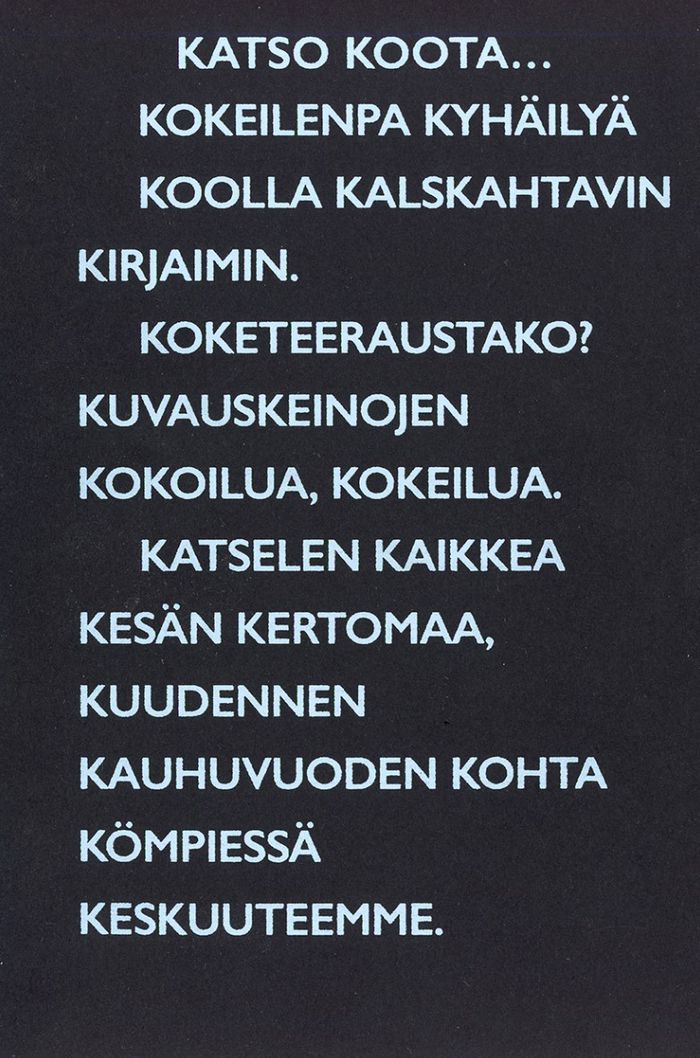
Olavi Laiho (1907-1944) was a writer, political organiser, and communist agitator, who was first imprisoned in 1932—a time when "communist laws" were in effect in Finland—for producing political material and running an illegal printing press in his home. He opposed Finland's WW2 era fighting alongside Nazi Germany against the Soviet Union, edited illegal journals, but also planned armed resistance and facilitated correspondence between the party's leadership in Helsinki and the Soviet embassy in Stockholm. Just a couple of weeks before his execution, Laiho wrote a remarkable essay "Katso Koota" [Look at K], using only words starting with the letter K. "Katso Koota" is an early example of Finnish modern alliterative writing, a lipogram, a literary technique in which every word must start with the same letter. Laiho's "Katso Koota" predates the French Oulipo ("workshop of potential literature") of the 1960s. Considering that he produced his "constrained writing" under conditions of extreme political and cultural confinement, it can be considered a true form of avant-garde subversion.
Katso Koota/ Look at K
Actions:
Prix:
$26.00
(disponible sur commande)
Résumé:
Olavi Laiho (1907-1944) was a writer, political organiser, and communist agitator, who was first imprisoned in 1932—a time when "communist laws" were in effect in Finland—for producing political material and running an illegal printing press in his home. He opposed Finland's WW2 era fighting alongside Nazi Germany against the Soviet Union, edited illegal journals, but also planned armed resistance and facilitated correspondence between the party's leadership in Helsinki and the Soviet embassy in Stockholm. Just a couple of weeks before his execution, Laiho wrote a remarkable essay "Katso Koota" [Look at K], using only words starting with the letter K. "Katso Koota" is an early example of Finnish modern alliterative writing, a lipogram, a literary technique in which every word must start with the same letter. Laiho's "Katso Koota" predates the French Oulipo ("workshop of potential literature") of the 1960s. Considering that he produced his "constrained writing" under conditions of extreme political and cultural confinement, it can be considered a true form of avant-garde subversion.
Classification:
livres
livres
Publication:
décembre 2025
décembre 2025
Sujet:
Théorie/ philosophie
Théorie/ philosophie
Classification:
livres
livres
Actions:
Prix:
$69.95
(disponible en magasin)
Résumé:
Surveying some 50 years of groundbreaking art related to digital technology and the screen, "I’ll be your mirror" examines how technologies such as home computers, smartphones and TV have affected art and life over the past five decades. It traces a trajectory stretching back to the late 1960s, a watershed moment in the rise of the screen in the home. Today, accelerated(...)
$69.95
(disponible en magasin)
Résumé:
Surveying some 50 years of groundbreaking art related to digital technology and the screen, "I’ll be your mirror" examines how technologies such as home computers, smartphones and TV have affected art and life over the past five decades. It traces a trajectory stretching back to the late 1960s, a watershed moment in the rise of the screen in the home. Today, accelerated(...)
Titre:
I'll be your mirror: Art and the digital screen
Actions:
Prix:
$69.95
(disponible en magasin)
Résumé:
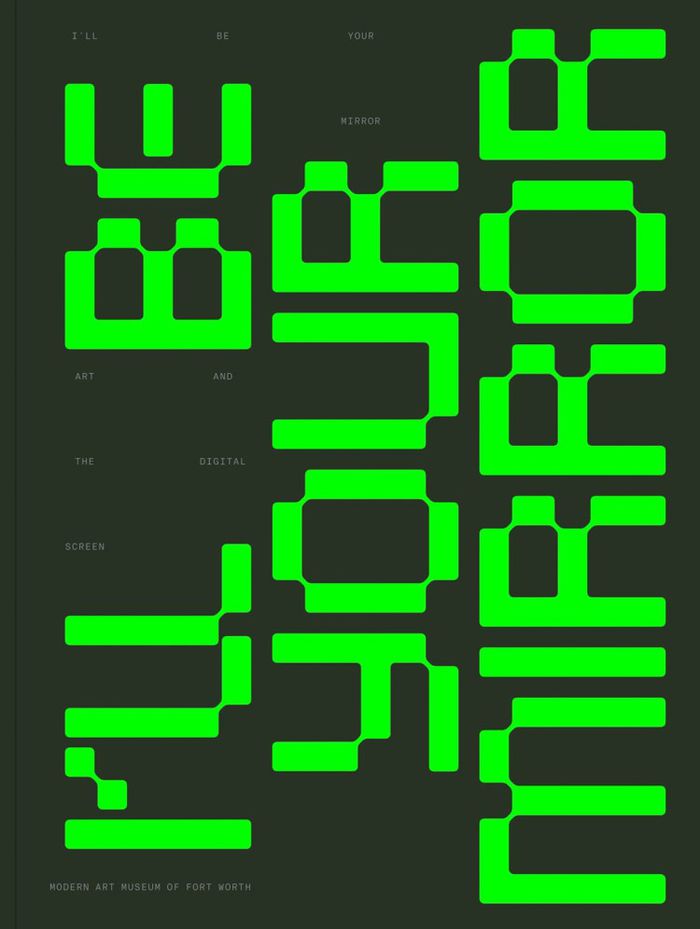
Surveying some 50 years of groundbreaking art related to digital technology and the screen, "I’ll be your mirror" examines how technologies such as home computers, smartphones and TV have affected art and life over the past five decades. It traces a trajectory stretching back to the late 1960s, a watershed moment in the rise of the screen in the home. Today, accelerated by the pandemic, our daily life is mediated through screens for work, entertainment and sociality.
I'll be your mirror: Art and the digital screen
Actions:
Prix:
$69.95
(disponible en magasin)
Résumé:
Surveying some 50 years of groundbreaking art related to digital technology and the screen, "I’ll be your mirror" examines how technologies such as home computers, smartphones and TV have affected art and life over the past five decades. It traces a trajectory stretching back to the late 1960s, a watershed moment in the rise of the screen in the home. Today, accelerated by the pandemic, our daily life is mediated through screens for work, entertainment and sociality.
Classification:
livres
livres
Publication:
janvier 2023
janvier 2023
Sujet:
Théorie de l’art
Théorie de l’art
Classification:
livres
livres
Titre:
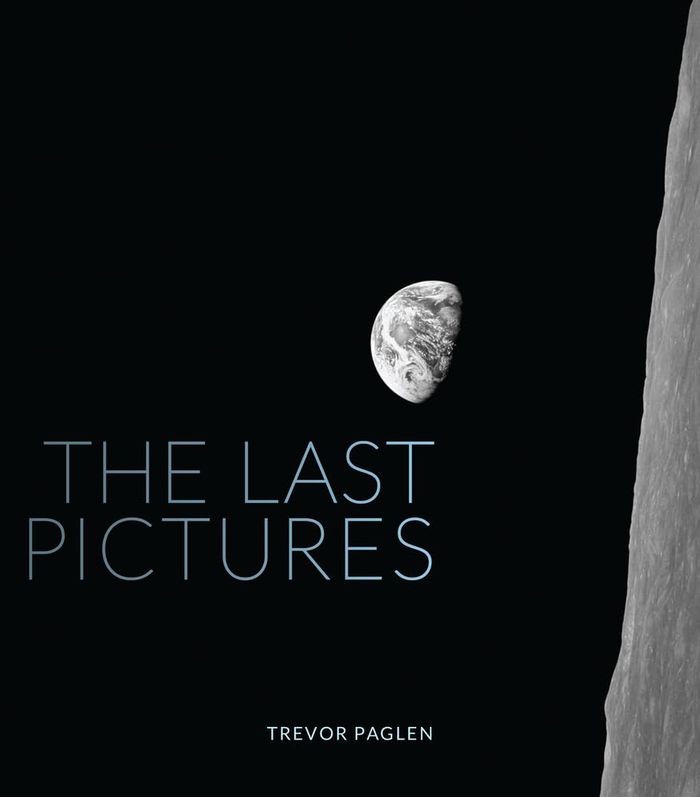
The last pictures
The last pictures
Actions:
Prix:
$52.00
(disponible en magasin)
Résumé:
Human civilizations' longest lasting artifacts are not the great Pyramids of Giza, nor the cave paintings at Lascaux, but the communications satellites that circle our planet. In a stationary orbit above the equator, the satellites that broadcast our TV signals, route our phone calls, and process our credit card transactions experience no atmospheric drag. Their inert(...)
$52.00
(disponible en magasin)
Résumé:
Human civilizations' longest lasting artifacts are not the great Pyramids of Giza, nor the cave paintings at Lascaux, but the communications satellites that circle our planet. In a stationary orbit above the equator, the satellites that broadcast our TV signals, route our phone calls, and process our credit card transactions experience no atmospheric drag. Their inert(...)
Titre:
The last pictures
Actions:
Prix:
$52.00
(disponible en magasin)
Résumé:
Human civilizations' longest lasting artifacts are not the great Pyramids of Giza, nor the cave paintings at Lascaux, but the communications satellites that circle our planet. In a stationary orbit above the equator, the satellites that broadcast our TV signals, route our phone calls, and process our credit card transactions experience no atmospheric drag. Their inert hulls will continue to drift around Earth until the Sun expands into a red giant and engulfs them about 4.5 billion years from now. he Last Pictures, co-published by Creative Time Books, is rooted in the premise that these communications satellites will ultimately become the cultural and material ruins of the late 20th and early 21st centuries, far outlasting anything else humans have created. Inspired in part by ancient cave paintings, nuclear waste warning signs, and Carl Sagan's Golden Records of the 1970s, artist/geographer and MacArthur "Genius" Fellow Trevor Paglen has developed a collection of one hundred images that will be etched onto an ultra-archival, golden silicon disc.
The last pictures
Actions:
Prix:
$52.00
(disponible en magasin)
Résumé:
Human civilizations' longest lasting artifacts are not the great Pyramids of Giza, nor the cave paintings at Lascaux, but the communications satellites that circle our planet. In a stationary orbit above the equator, the satellites that broadcast our TV signals, route our phone calls, and process our credit card transactions experience no atmospheric drag. Their inert hulls will continue to drift around Earth until the Sun expands into a red giant and engulfs them about 4.5 billion years from now. he Last Pictures, co-published by Creative Time Books, is rooted in the premise that these communications satellites will ultimately become the cultural and material ruins of the late 20th and early 21st centuries, far outlasting anything else humans have created. Inspired in part by ancient cave paintings, nuclear waste warning signs, and Carl Sagan's Golden Records of the 1970s, artist/geographer and MacArthur "Genius" Fellow Trevor Paglen has developed a collection of one hundred images that will be etched onto an ultra-archival, golden silicon disc.
Classification:
livres
livres
Publication:
septembre 2012
septembre 2012
Sujet:
Théorie de l’art
Théorie de l’art


