


1059 Résultats
Classification:
livres
livres
Actions:
Prix:
$34.95
(disponible en magasin)
Résumé:
Since the 2010s, the line between public and private, online and offline have increasingly become blurred by digitalization and social media. In contemporary art, digitality has assumed a new type of presence—no longer only as a virtual sphere of sociality, but increasingly as a technological interface that structures our embodied experiences. What is presented in an(...)
$34.95
(disponible en magasin)
Résumé:
Since the 2010s, the line between public and private, online and offline have increasingly become blurred by digitalization and social media. In contemporary art, digitality has assumed a new type of presence—no longer only as a virtual sphere of sociality, but increasingly as a technological interface that structures our embodied experiences. What is presented in an(...)
Titre:
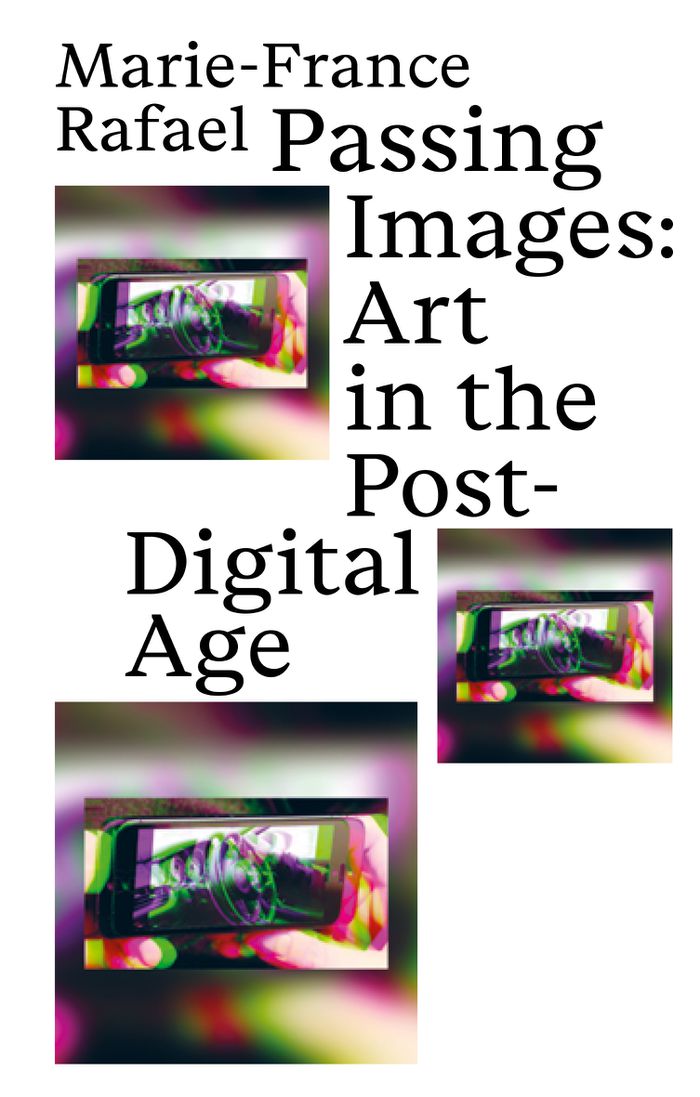
Passing images: Art in the post-digital age
Actions:
Prix:
$34.95
(disponible en magasin)
Résumé:
Since the 2010s, the line between public and private, online and offline have increasingly become blurred by digitalization and social media. In contemporary art, digitality has assumed a new type of presence—no longer only as a virtual sphere of sociality, but increasingly as a technological interface that structures our embodied experiences. What is presented in an ''exhibitio''? And how should we write about the new types of post-digital images we are seeing (in them)? In ''Passing images: Art in the post-digital age,'' Marie France Rafael provides an attempt to write with art, rather than just about it. Rafael aims to retrace the living spirit of art and the procedural-performative experience of art in her writing.
Passing images: Art in the post-digital age
Actions:
Prix:
$34.95
(disponible en magasin)
Résumé:
Since the 2010s, the line between public and private, online and offline have increasingly become blurred by digitalization and social media. In contemporary art, digitality has assumed a new type of presence—no longer only as a virtual sphere of sociality, but increasingly as a technological interface that structures our embodied experiences. What is presented in an ''exhibitio''? And how should we write about the new types of post-digital images we are seeing (in them)? In ''Passing images: Art in the post-digital age,'' Marie France Rafael provides an attempt to write with art, rather than just about it. Rafael aims to retrace the living spirit of art and the procedural-performative experience of art in her writing.
Classification:
livres
livres
Publication:
novembre 2022
novembre 2022
Sujet:
Théorie de l’art
Théorie de l’art
Classification:
livres
livres
Titre:
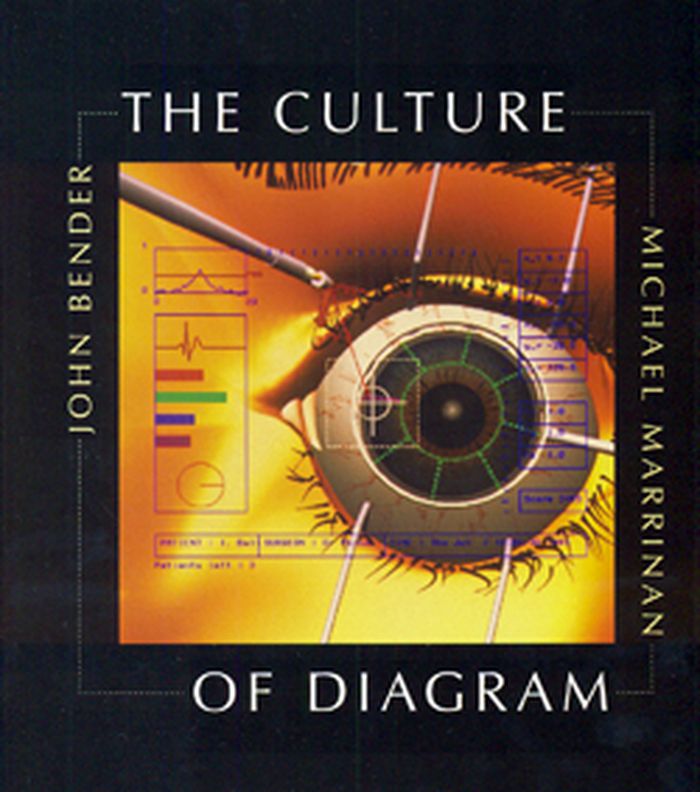
The culture of diagram
The culture of diagram
Actions:
Prix:
$26.95
(disponible sur commande)
Résumé:
This book is about visual thinking. Exploring a terrain where words meet pictures and formulas meet figures, the book foregrounds diagrams as tools for blurring those boundaries to focus on the production of knowledge as process. It outlines a history of convergence among diverse streams of data in real-time: from eighteenth-century print media and the diagrammatic(...)
$26.95
(disponible sur commande)
Résumé:
This book is about visual thinking. Exploring a terrain where words meet pictures and formulas meet figures, the book foregrounds diagrams as tools for blurring those boundaries to focus on the production of knowledge as process. It outlines a history of convergence among diverse streams of data in real-time: from eighteenth-century print media and the diagrammatic(...)
Titre:
The culture of diagram
Actions:
Prix:
$26.95
(disponible sur commande)
Résumé:
This book is about visual thinking. Exploring a terrain where words meet pictures and formulas meet figures, the book foregrounds diagrams as tools for blurring those boundaries to focus on the production of knowledge as process. It outlines a history of convergence among diverse streams of data in real-time: from eighteenth-century print media and the diagrammatic procedures in the pages of Diderot's Encyclopedia to the paintings of Jacques-Louis David and mathematical devices that reveal the unseen worlds of quantum physics. The culture of diagram broke with the certainties of eighteenth-century science to expand the range of human experience. Speaking across disciplines and discourses, Bender and Marrinan situate our modernity in a new and revealing light.
The culture of diagram
Actions:
Prix:
$26.95
(disponible sur commande)
Résumé:
This book is about visual thinking. Exploring a terrain where words meet pictures and formulas meet figures, the book foregrounds diagrams as tools for blurring those boundaries to focus on the production of knowledge as process. It outlines a history of convergence among diverse streams of data in real-time: from eighteenth-century print media and the diagrammatic procedures in the pages of Diderot's Encyclopedia to the paintings of Jacques-Louis David and mathematical devices that reveal the unseen worlds of quantum physics. The culture of diagram broke with the certainties of eighteenth-century science to expand the range of human experience. Speaking across disciplines and discourses, Bender and Marrinan situate our modernity in a new and revealing light.
Classification:
livres
livres
Publication:
mars 2010
mars 2010
Sujet:
Théorie de l’art
Théorie de l’art
Classification:
livres
livres
Actions:
Prix:
$19.95
(disponible sur commande)
Résumé:
Where do we come from? What are we? Where are we going? Few expressions in the culture of human thought have the iconic stature, and emotive power, that the word "evolution" entails. Though commonly relegated to modern-day science, the concept of evolution is ingrained in representations of life and nature in the visual arts, and artists and scientists have much to share(...)
$19.95
(disponible sur commande)
Résumé:
Where do we come from? What are we? Where are we going? Few expressions in the culture of human thought have the iconic stature, and emotive power, that the word "evolution" entails. Though commonly relegated to modern-day science, the concept of evolution is ingrained in representations of life and nature in the visual arts, and artists and scientists have much to share(...)
Titre:
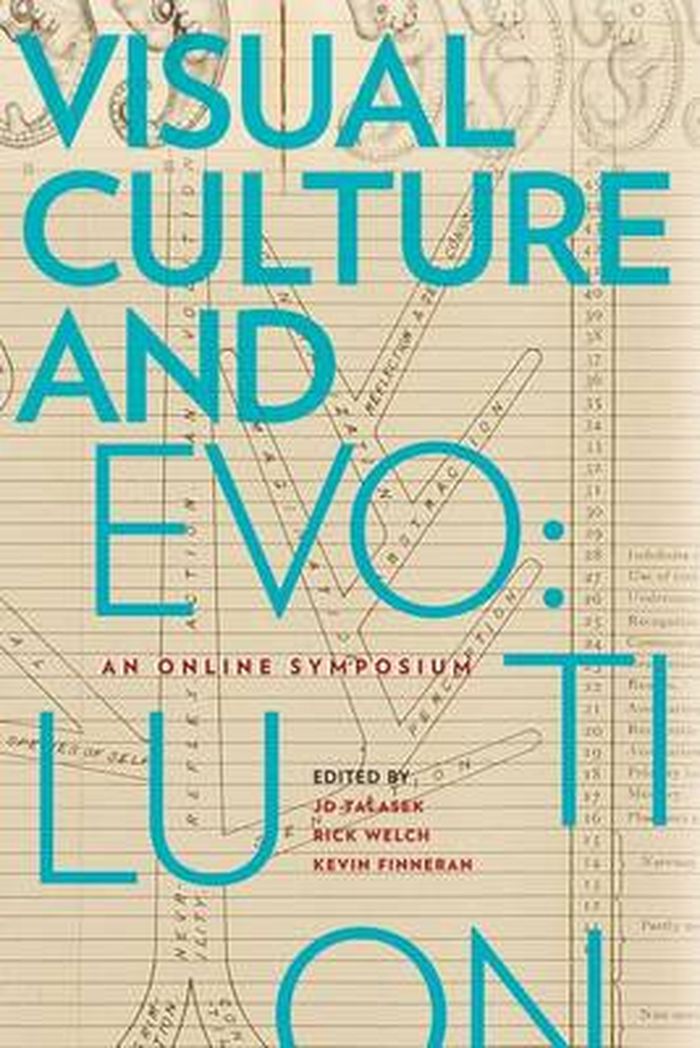
Visual culture and evolution : an online symposium
Actions:
Prix:
$19.95
(disponible sur commande)
Résumé:
Where do we come from? What are we? Where are we going? Few expressions in the culture of human thought have the iconic stature, and emotive power, that the word "evolution" entails. Though commonly relegated to modern-day science, the concept of evolution is ingrained in representations of life and nature in the visual arts, and artists and scientists have much to share on the meaning of human origin, human existence and human fate. The present volume documents an online symposium, Visual Culture and Evolution, in which a distinguished panel of artists, curators, scientists, historians, educators, media theorists and critics participated in a lively, informative conversation on the interface of art and science.
Visual culture and evolution : an online symposium
Actions:
Prix:
$19.95
(disponible sur commande)
Résumé:
Where do we come from? What are we? Where are we going? Few expressions in the culture of human thought have the iconic stature, and emotive power, that the word "evolution" entails. Though commonly relegated to modern-day science, the concept of evolution is ingrained in representations of life and nature in the visual arts, and artists and scientists have much to share on the meaning of human origin, human existence and human fate. The present volume documents an online symposium, Visual Culture and Evolution, in which a distinguished panel of artists, curators, scientists, historians, educators, media theorists and critics participated in a lively, informative conversation on the interface of art and science.
Classification:
livres
livres
Publication:
mars 2012
mars 2012
Sujet:
Théorie de l’art
Théorie de l’art
Classification:
livres
livres

Prix:
$65.95
(disponible en magasin)
Résumé:
''In visible presence'' explores the photographic images' singular power to capture a fleeting moment by approaching them as points of contestation and possibility. Drawing on over a decade of fieldwork and interviews, as well as internet ethnography, media analysis, and case studies,''In visible presence'' offers a rich account of the role of family photography in(...)
$65.95
(disponible en magasin)
Résumé:
''In visible presence'' explores the photographic images' singular power to capture a fleeting moment by approaching them as points of contestation and possibility. Drawing on over a decade of fieldwork and interviews, as well as internet ethnography, media analysis, and case studies,''In visible presence'' offers a rich account of the role of family photography in(...)
Sujet:
Théorie de la photographie
Théorie de la photographie
Publication:
octobre 2023
octobre 2023
Titre:
In visible presence: Soviet afterlives in family photos
Actions:
Prix:
$65.95
(disponible en magasin)
Résumé:
''In visible presence'' explores the photographic images' singular power to capture a fleeting moment by approaching them as points of contestation and possibility. Drawing on over a decade of fieldwork and interviews, as well as internet ethnography, media analysis, and case studies,''In visible presence'' offers a rich account of the role of family photography in creating communities of affect, enabling nostalgic longings, and processing memories of suffering, violence, and hardship. Together these photos evoke youthful aspirations, dashed hopes, and moral compromises, as well as the long legacy of silence that was passed down from grandparents to parents to children.
In visible presence: Soviet afterlives in family photos
Actions:
Prix:
$65.95
(disponible en magasin)
Résumé:
''In visible presence'' explores the photographic images' singular power to capture a fleeting moment by approaching them as points of contestation and possibility. Drawing on over a decade of fieldwork and interviews, as well as internet ethnography, media analysis, and case studies,''In visible presence'' offers a rich account of the role of family photography in creating communities of affect, enabling nostalgic longings, and processing memories of suffering, violence, and hardship. Together these photos evoke youthful aspirations, dashed hopes, and moral compromises, as well as the long legacy of silence that was passed down from grandparents to parents to children.
Classification:
livres
livres
Publication:
octobre 2023
octobre 2023
Sujet:
Théorie de la photographie
Théorie de la photographie
Classification:
livres
livres
Actions:
Prix:
$54.95
(disponible en magasin)
Résumé:
Beginning around 1910, vanguard artists demanded that true art go beyond the intellectual and transform daily life. This volume highlights the work of six influential European artists who took this idea into the wider world, where it merged enthusiastically with demands in the industrial marketplace, the nascent mass media, and urban popular culture.
$54.95
(disponible en magasin)
Résumé:
Beginning around 1910, vanguard artists demanded that true art go beyond the intellectual and transform daily life. This volume highlights the work of six influential European artists who took this idea into the wider world, where it merged enthusiastically with demands in the industrial marketplace, the nascent mass media, and urban popular culture.
Publication:
juillet 2011
juillet 2011
Titre:
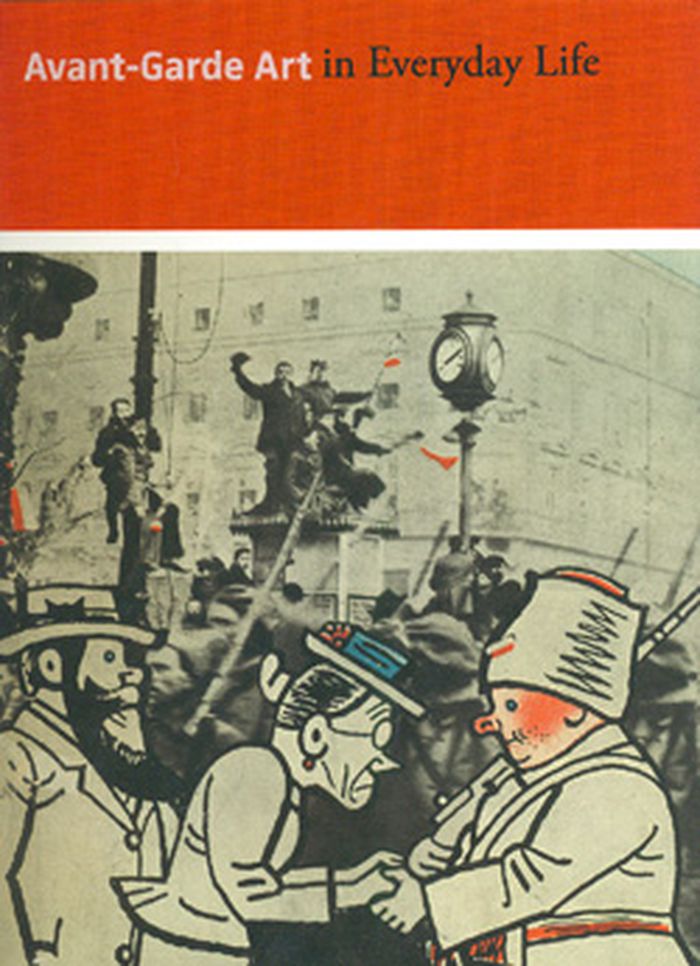
Avant-garde art in everyday life: early twentieth-century european modernism
Actions:
Prix:
$54.95
(disponible en magasin)
Résumé:
Beginning around 1910, vanguard artists demanded that true art go beyond the intellectual and transform daily life. This volume highlights the work of six influential European artists who took this idea into the wider world, where it merged enthusiastically with demands in the industrial marketplace, the nascent mass media, and urban popular culture.
Avant-garde art in everyday life: early twentieth-century european modernism
Actions:
Prix:
$54.95
(disponible en magasin)
Résumé:
Beginning around 1910, vanguard artists demanded that true art go beyond the intellectual and transform daily life. This volume highlights the work of six influential European artists who took this idea into the wider world, where it merged enthusiastically with demands in the industrial marketplace, the nascent mass media, and urban popular culture.
Classification:
livres
livres
Publication:
juillet 2011
juillet 2011
Classification:
livres
livres
Titre:
For an ecology of images
For an ecology of images
Actions:
Prix:
$25.95
(disponible sur commande)
Résumé:
When Susan Sontag first proposed the idea of an "ecology of images," she meant it as an exhortation to be vigilant against the vast surplus of pictures threatening our ability to truly see. Today, beyond the deep anxieties over a diminishing attention economy, concern focuses on the environmental cost of storing and circulating the digital images that confront us with(...)
$25.95
(disponible sur commande)
Résumé:
When Susan Sontag first proposed the idea of an "ecology of images," she meant it as an exhortation to be vigilant against the vast surplus of pictures threatening our ability to truly see. Today, beyond the deep anxieties over a diminishing attention economy, concern focuses on the environmental cost of storing and circulating the digital images that confront us with(...)
Titre:
For an ecology of images
Actions:
Prix:
$25.95
(disponible sur commande)
Résumé:
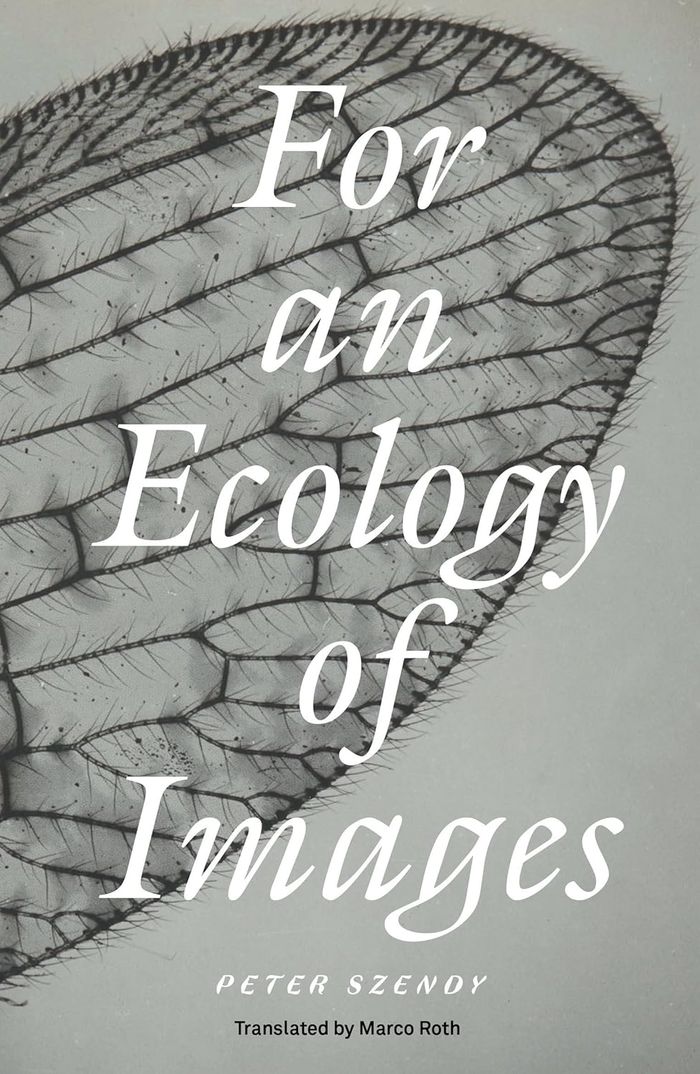
When Susan Sontag first proposed the idea of an "ecology of images," she meant it as an exhortation to be vigilant against the vast surplus of pictures threatening our ability to truly see. Today, beyond the deep anxieties over a diminishing attention economy, concern focuses on the environmental cost of storing and circulating the digital images that confront us with unprecedented speed. Against the disposable rapidity demanded by digital media, Peter Szendy emphasizes the labor and time required for images to develop and come into view. This inquisitive essay takes us from mimicry in the animal kingdom to the history of the shadow, Pliny’s story about the birth of painting to Nabokov’s butterflies, the first use of slo-mo in film to the first aerial photograph.
For an ecology of images
Actions:
Prix:
$25.95
(disponible sur commande)
Résumé:
When Susan Sontag first proposed the idea of an "ecology of images," she meant it as an exhortation to be vigilant against the vast surplus of pictures threatening our ability to truly see. Today, beyond the deep anxieties over a diminishing attention economy, concern focuses on the environmental cost of storing and circulating the digital images that confront us with unprecedented speed. Against the disposable rapidity demanded by digital media, Peter Szendy emphasizes the labor and time required for images to develop and come into view. This inquisitive essay takes us from mimicry in the animal kingdom to the history of the shadow, Pliny’s story about the birth of painting to Nabokov’s butterflies, the first use of slo-mo in film to the first aerial photograph.
Classification:
livres
livres
Publication:
janvier 2025
janvier 2025
Sujet:
Théorie de l’art
Théorie de l’art
Classification:
livres
livres
Prix:
$66.00
(disponible sur commande)
Résumé:
"The architecture of the wire" explores the development of telecommunications infrastructure and its impact on the architectural and urban culture of the modern age—from poles, wires, and cables, to "micro-architectures," such as the théâtrophone and the telephone booth. Starting with the intrepid worldwide infrastructures of the late nineteenth century, Carlotta Darò(...)
$66.00
(disponible sur commande)
Résumé:
"The architecture of the wire" explores the development of telecommunications infrastructure and its impact on the architectural and urban culture of the modern age—from poles, wires, and cables, to "micro-architectures," such as the théâtrophone and the telephone booth. Starting with the intrepid worldwide infrastructures of the late nineteenth century, Carlotta Darò(...)
Titre:
The architecture of the wire: infrastructures of telecommunication
Actions:
Prix:
$66.00
(disponible sur commande)
Résumé:
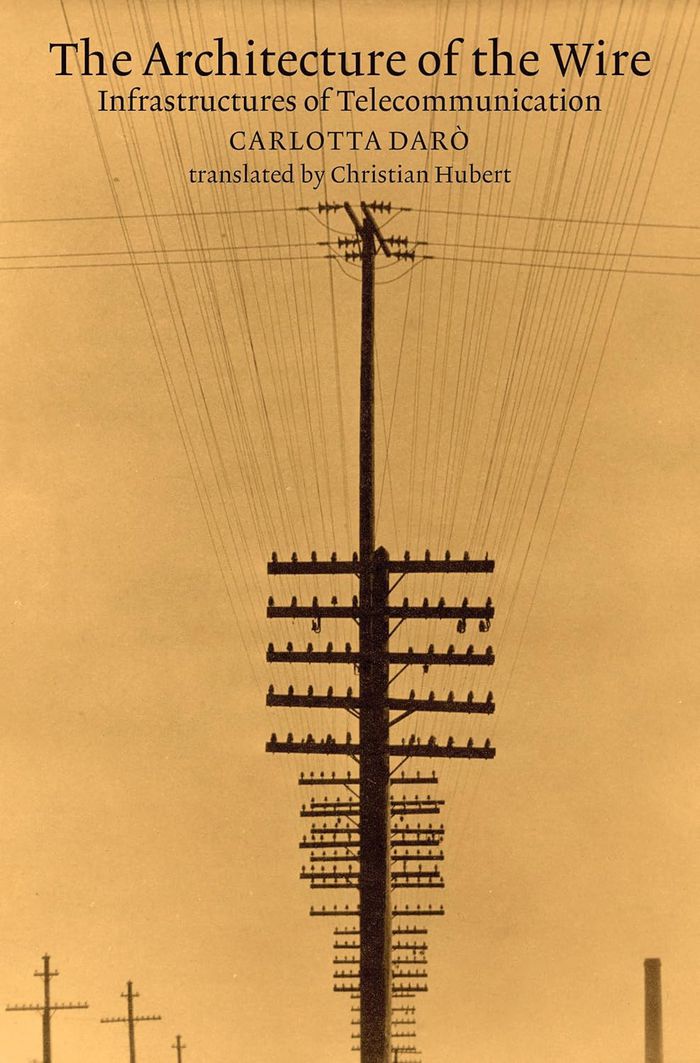
"The architecture of the wire" explores the development of telecommunications infrastructure and its impact on the architectural and urban culture of the modern age—from poles, wires, and cables, to "micro-architectures," such as the théâtrophone and the telephone booth. Starting with the intrepid worldwide infrastructures of the late nineteenth century, Carlotta Darò proposes a new history that explores the multiple links and crossroads of such technical "things" with architecture and art. Based on extensive research of North American company archives, and French institutional ones, and drawing on secondary literature in art and architectural history, media studies, and the history of technology, Darò examines the aesthetic implications of material objects that have forever changed our urban, rural, and domestic environments.
The architecture of the wire: infrastructures of telecommunication
Actions:
Prix:
$66.00
(disponible sur commande)
Résumé:
"The architecture of the wire" explores the development of telecommunications infrastructure and its impact on the architectural and urban culture of the modern age—from poles, wires, and cables, to "micro-architectures," such as the théâtrophone and the telephone booth. Starting with the intrepid worldwide infrastructures of the late nineteenth century, Carlotta Darò proposes a new history that explores the multiple links and crossroads of such technical "things" with architecture and art. Based on extensive research of North American company archives, and French institutional ones, and drawing on secondary literature in art and architectural history, media studies, and the history of technology, Darò examines the aesthetic implications of material objects that have forever changed our urban, rural, and domestic environments.
Classification:
livres
livres
Publication:
avril 2025
avril 2025
Sujet:
Théorie de l’architecture
Théorie de l’architecture
Classification:
livres
livres
Prix:
$52.00
(disponible sur commande)
Résumé:
In "Chicago Architecture", Charles Waldheim and Katerina Rüedi Ray revise and offer alternatives to the archetypal story of modern architecture in Chicago. They and an esteemed group of contributors assert that the mythic status of Chicago architecture has distorted our understanding of the historical circumstances in which it was realized. This searching volume(...)
$52.00
(disponible sur commande)
Résumé:
In "Chicago Architecture", Charles Waldheim and Katerina Rüedi Ray revise and offer alternatives to the archetypal story of modern architecture in Chicago. They and an esteemed group of contributors assert that the mythic status of Chicago architecture has distorted our understanding of the historical circumstances in which it was realized. This searching volume(...)
Sujet:
Théorie de l’urbanisme
Théorie de l’urbanisme
Publication:
janvier 2005, Chicago
janvier 2005, Chicago
Titre:
Chicago architecture : histories, revisions, alternatives
Actions:
Prix:
$52.00
(disponible sur commande)
Résumé:
In "Chicago Architecture", Charles Waldheim and Katerina Rüedi Ray revise and offer alternatives to the archetypal story of modern architecture in Chicago. They and an esteemed group of contributors assert that the mythic status of Chicago architecture has distorted our understanding of the historical circumstances in which it was realized. This searching volume illuminates the importance of photographs, books, magazines, and other media in the cultivation of an international audience for Chicago architecture; it explores the pivotal role of real estate developers, finance and insurance sectors, and speculative capital markets in the development of the city itself; and, perhaps most notably, it examines a wide variety of overlooked architectural works and their creators - individuals who did not fit into the dominant modernist narrative.
Chicago architecture : histories, revisions, alternatives
Actions:
Prix:
$52.00
(disponible sur commande)
Résumé:
In "Chicago Architecture", Charles Waldheim and Katerina Rüedi Ray revise and offer alternatives to the archetypal story of modern architecture in Chicago. They and an esteemed group of contributors assert that the mythic status of Chicago architecture has distorted our understanding of the historical circumstances in which it was realized. This searching volume illuminates the importance of photographs, books, magazines, and other media in the cultivation of an international audience for Chicago architecture; it explores the pivotal role of real estate developers, finance and insurance sectors, and speculative capital markets in the development of the city itself; and, perhaps most notably, it examines a wide variety of overlooked architectural works and their creators - individuals who did not fit into the dominant modernist narrative.
Classification:
livres
livres
Publication:
janvier 2005, Chicago
janvier 2005, Chicago
Sujet:
Théorie de l’urbanisme
Théorie de l’urbanisme
Classification:
livres
livres

Actions:
Prix:
$45.99
(disponible en magasin)
Résumé:
How can a political or social movement create so many positive changes, while simultaneously developing negative connotations? Such is the central paradox of feminism for the editors of this book. The dwindling interest of students to continue an academic career after their studies has been called "cooling out" by Burton Clark. The collaborative exhibition project took(...)
$45.99
(disponible en magasin)
Résumé:
How can a political or social movement create so many positive changes, while simultaneously developing negative connotations? Such is the central paradox of feminism for the editors of this book. The dwindling interest of students to continue an academic career after their studies has been called "cooling out" by Burton Clark. The collaborative exhibition project took(...)
Sujet:
Théorie de l’art
Théorie de l’art
Publication:
octobre 2007, Zürich
octobre 2007, Zürich
Titre:
Cooling out-on the paradox of feminism
Actions:
Prix:
$45.99
(disponible en magasin)
Résumé:
How can a political or social movement create so many positive changes, while simultaneously developing negative connotations? Such is the central paradox of feminism for the editors of this book. The dwindling interest of students to continue an academic career after their studies has been called "cooling out" by Burton Clark. The collaborative exhibition project took this term to describe the disinterest of young women toward ideas and forms of feminism, resulting from a lack of palpable aims on the one hand, and the acceptance of existing structures on the other. The exhibition "Cooling Out" examined through the works of contemporary female and male artists the influences of the media, education, and existing social structures on the constitution of a gender identity.
Cooling out-on the paradox of feminism
Actions:
Prix:
$45.99
(disponible en magasin)
Résumé:
How can a political or social movement create so many positive changes, while simultaneously developing negative connotations? Such is the central paradox of feminism for the editors of this book. The dwindling interest of students to continue an academic career after their studies has been called "cooling out" by Burton Clark. The collaborative exhibition project took this term to describe the disinterest of young women toward ideas and forms of feminism, resulting from a lack of palpable aims on the one hand, and the acceptance of existing structures on the other. The exhibition "Cooling Out" examined through the works of contemporary female and male artists the influences of the media, education, and existing social structures on the constitution of a gender identity.
Classification:
livres
livres
Publication:
octobre 2007, Zürich
octobre 2007, Zürich
Sujet:
Théorie de l’art
Théorie de l’art
Classification:
livres
livres
Actions:
Prix:
$34.95
(disponible en magasin)
Résumé:
Thomas Demand is known for his large-format photographic work. As the head designer of Dior Homme, Hedi Slimane revolutionized men’s fashion. He is also known for his work as an artist. Peter Saville wrote design history with his album covers for British bands such as Joy Division, New Order and Pulp, and with his work for fashion designers. Demand, Slimane, and Saville(...)
$34.95
(disponible en magasin)
Résumé:
Thomas Demand is known for his large-format photographic work. As the head designer of Dior Homme, Hedi Slimane revolutionized men’s fashion. He is also known for his work as an artist. Peter Saville wrote design history with his album covers for British bands such as Joy Division, New Order and Pulp, and with his work for fashion designers. Demand, Slimane, and Saville(...)
Sujet:
Théorie de l’art
Théorie de l’art
Publication:
juillet 2008, New York
juillet 2008, New York
Titre:
Art, fashion and work for hire
Actions:
Prix:
$34.95
(disponible en magasin)
Résumé:
Thomas Demand is known for his large-format photographic work. As the head designer of Dior Homme, Hedi Slimane revolutionized men’s fashion. He is also known for his work as an artist. Peter Saville wrote design history with his album covers for British bands such as Joy Division, New Order and Pulp, and with his work for fashion designers. Demand, Slimane, and Saville have all gone beyond the limitations of a single type of media to realize their ideas and visions. They discuss their work and motivation in a conversation in Berlin with the curator Hans Ulrich Obrist and the editor Cristina Bechtler, and also share their views on new forms of creativity, cross-border endeavors, fashion, architecture, photography, political art and many more subjects.
Art, fashion and work for hire
Actions:
Prix:
$34.95
(disponible en magasin)
Résumé:
Thomas Demand is known for his large-format photographic work. As the head designer of Dior Homme, Hedi Slimane revolutionized men’s fashion. He is also known for his work as an artist. Peter Saville wrote design history with his album covers for British bands such as Joy Division, New Order and Pulp, and with his work for fashion designers. Demand, Slimane, and Saville have all gone beyond the limitations of a single type of media to realize their ideas and visions. They discuss their work and motivation in a conversation in Berlin with the curator Hans Ulrich Obrist and the editor Cristina Bechtler, and also share their views on new forms of creativity, cross-border endeavors, fashion, architecture, photography, political art and many more subjects.
Classification:
livres
livres
Publication:
juillet 2008, New York
juillet 2008, New York
Sujet:
Théorie de l’art
Théorie de l’art


