


9436 Résultats
Classification:
livres
livres
Actions:
Prix:
$30.00
(disponible sur commande)
Résumé:
One of the twentieth century's most influential and iconoclastic protagonists, John Cage (1912-1992) may be described not so much as a composer, artist and author, as a thinker who applied his ideas equivalently to sound, visual art and writing. As with his music, the use of chance operations--in particular via the Chinese "Book of Changes," or "I Ching" - was central to(...)
$30.00
(disponible sur commande)
Résumé:
One of the twentieth century's most influential and iconoclastic protagonists, John Cage (1912-1992) may be described not so much as a composer, artist and author, as a thinker who applied his ideas equivalently to sound, visual art and writing. As with his music, the use of chance operations--in particular via the Chinese "Book of Changes," or "I Ching" - was central to(...)
Titre:
Everyday is a good day : The visual art of John Cage
Actions:
Prix:
$30.00
(disponible sur commande)
Résumé:
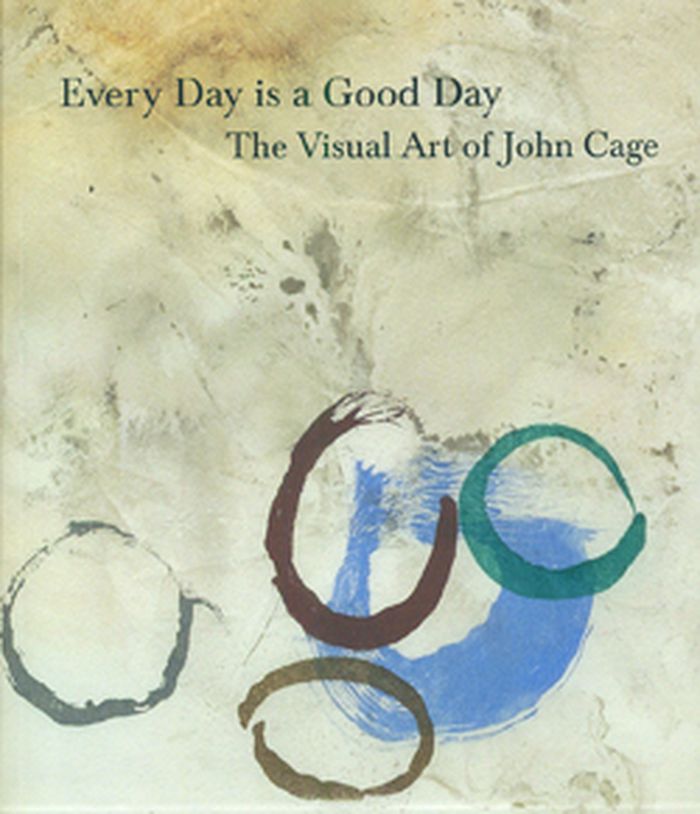
One of the twentieth century's most influential and iconoclastic protagonists, John Cage (1912-1992) may be described not so much as a composer, artist and author, as a thinker who applied his ideas equivalently to sound, visual art and writing. As with his music, the use of chance operations--in particular via the Chinese "Book of Changes," or "I Ching" - was central to Cage's approach to visual art, determining technique, the placement of forms and even tonal values. "Every Day is a Good Day" provides the first broad assessment of Cage's art, and is fully illustrated with plates of his drawings, watercolors and prints, including series such as "Where R=Ryoanji" (1983-92). Cage's working methods and philosophies are brought to light in new interviews with key collaborators: printmaker and writer Kathan Brown, founder of Crown Point Press; Laura Kuhn, Director of the John Cage Trust; artist Ray Kass; and Julie Lazar, curator of Cage's composition for a museum, "Rolywholyover: A Circus." Extracts from a 1966 interview between John Cage and critic Irving Sandler are also reproduced. At the heart of the book is a "Companion to John Cage," a selection of quotes by Cage and notes on key themes and influences, all of which make it essential reading on this important figure of the twentieth-century avant garde.
Everyday is a good day : The visual art of John Cage
Actions:
Prix:
$30.00
(disponible sur commande)
Résumé:
One of the twentieth century's most influential and iconoclastic protagonists, John Cage (1912-1992) may be described not so much as a composer, artist and author, as a thinker who applied his ideas equivalently to sound, visual art and writing. As with his music, the use of chance operations--in particular via the Chinese "Book of Changes," or "I Ching" - was central to Cage's approach to visual art, determining technique, the placement of forms and even tonal values. "Every Day is a Good Day" provides the first broad assessment of Cage's art, and is fully illustrated with plates of his drawings, watercolors and prints, including series such as "Where R=Ryoanji" (1983-92). Cage's working methods and philosophies are brought to light in new interviews with key collaborators: printmaker and writer Kathan Brown, founder of Crown Point Press; Laura Kuhn, Director of the John Cage Trust; artist Ray Kass; and Julie Lazar, curator of Cage's composition for a museum, "Rolywholyover: A Circus." Extracts from a 1966 interview between John Cage and critic Irving Sandler are also reproduced. At the heart of the book is a "Companion to John Cage," a selection of quotes by Cage and notes on key themes and influences, all of which make it essential reading on this important figure of the twentieth-century avant garde.
Classification:
livres
livres
Publication:
juillet 2011
juillet 2011
Classification:
livres
livres
Prix:
$44.95
(disponible sur commande)
Résumé:
This book attempts to chart the history of art and its interaction with written language. It examines the use of words (or language) in many genres of art – most often painting, but including prints, the book as art, sculpture, installation, and performance. This book asks what does it mean when a painting is 'invaded' by language? How do the two forms converse and(...)
$44.95
(disponible sur commande)
Résumé:
This book attempts to chart the history of art and its interaction with written language. It examines the use of words (or language) in many genres of art – most often painting, but including prints, the book as art, sculpture, installation, and performance. This book asks what does it mean when a painting is 'invaded' by language? How do the two forms converse and(...)
Sujet:
Théorie de l’art
Théorie de l’art
Publication:
septembre 2011
septembre 2011
Titre:
Art, word and image : 2,000 years of visual/textual interaction
Actions:
Prix:
$44.95
(disponible sur commande)
Résumé:
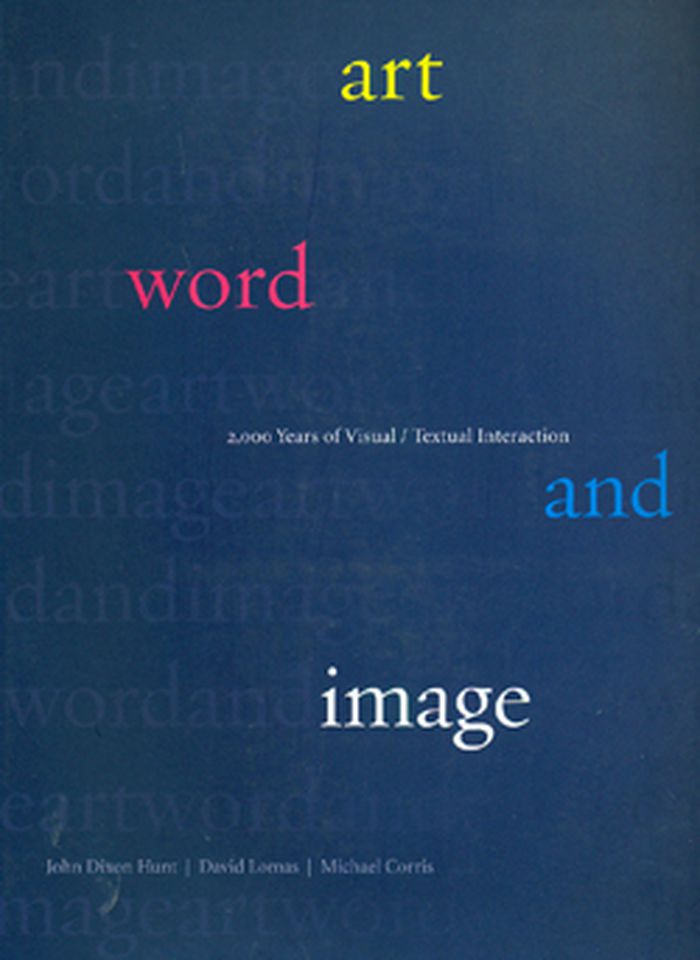
This book attempts to chart the history of art and its interaction with written language. It examines the use of words (or language) in many genres of art – most often painting, but including prints, the book as art, sculpture, installation, and performance. This book asks what does it mean when a painting is 'invaded' by language? How do the two forms converse and combine, and what messages are intended for the viewer? In addition, other important themes that are also addressed include the naming or titling of paintings, the uses of narrative in art, and the literary connections and aspirations of artists. The book is constructed around three wide-ranging essays by John Dixon Hunt, David Lomas and Michael Corris. These essays discuss the use and significance of words in art – from Classical Greece and Assyria, through to the Middle Ages and the Renaissance, to modern times and today’s digital media, where the words and image question has become a central issue. The essays cover a variety of movements (Pre-Raphaelites, Cubists, Surrealists, and Lettrists, for example) and many artists, among them Duchamp, Picasso, Ernst, Twombly, Michaux, Warhol and Kruger. The book also includes ‘spotlight’ essays on artists whose work engages substantially with questions of word and image: Blake, Klee, Schwitters, Haack, Pettibon, McCahon and Walla. With contributions by Jeremy Adler, Stephen Barber, Rex Butler and Laurence Simmons, Michael Corris, John Dixon Hunt, Michael R. Leaman, David Lomas, Joseph Viscomi, Hamza Walker, Barbara Weyandt and Michael White.
Art, word and image : 2,000 years of visual/textual interaction
Actions:
Prix:
$44.95
(disponible sur commande)
Résumé:
This book attempts to chart the history of art and its interaction with written language. It examines the use of words (or language) in many genres of art – most often painting, but including prints, the book as art, sculpture, installation, and performance. This book asks what does it mean when a painting is 'invaded' by language? How do the two forms converse and combine, and what messages are intended for the viewer? In addition, other important themes that are also addressed include the naming or titling of paintings, the uses of narrative in art, and the literary connections and aspirations of artists. The book is constructed around three wide-ranging essays by John Dixon Hunt, David Lomas and Michael Corris. These essays discuss the use and significance of words in art – from Classical Greece and Assyria, through to the Middle Ages and the Renaissance, to modern times and today’s digital media, where the words and image question has become a central issue. The essays cover a variety of movements (Pre-Raphaelites, Cubists, Surrealists, and Lettrists, for example) and many artists, among them Duchamp, Picasso, Ernst, Twombly, Michaux, Warhol and Kruger. The book also includes ‘spotlight’ essays on artists whose work engages substantially with questions of word and image: Blake, Klee, Schwitters, Haack, Pettibon, McCahon and Walla. With contributions by Jeremy Adler, Stephen Barber, Rex Butler and Laurence Simmons, Michael Corris, John Dixon Hunt, Michael R. Leaman, David Lomas, Joseph Viscomi, Hamza Walker, Barbara Weyandt and Michael White.
Classification:
livres
livres
Publication:
septembre 2011
septembre 2011
Sujet:
Théorie de l’art
Théorie de l’art
Classification:
livres
livres
Actions:
Prix:
$29.95
(disponible sur commande)
Résumé:
Moving the critical debate about photography away from its current Euro-American centre of gravity, "Photography’s Other Histories" breaks with the notion that photographic history is best seen as the explosion of a Western technology advanced by the work of singular individuals. This collection presents a different account, describing photography as a globally(...)
$29.95
(disponible sur commande)
Résumé:
Moving the critical debate about photography away from its current Euro-American centre of gravity, "Photography’s Other Histories" breaks with the notion that photographic history is best seen as the explosion of a Western technology advanced by the work of singular individuals. This collection presents a different account, describing photography as a globally(...)
Sujet:
Théorie de la photographie
Théorie de la photographie
Publication:
mars 2003, Durham, N.C.
mars 2003, Durham, N.C.
Titre:
Photography's other histories
Actions:
Prix:
$29.95
(disponible sur commande)
Résumé:
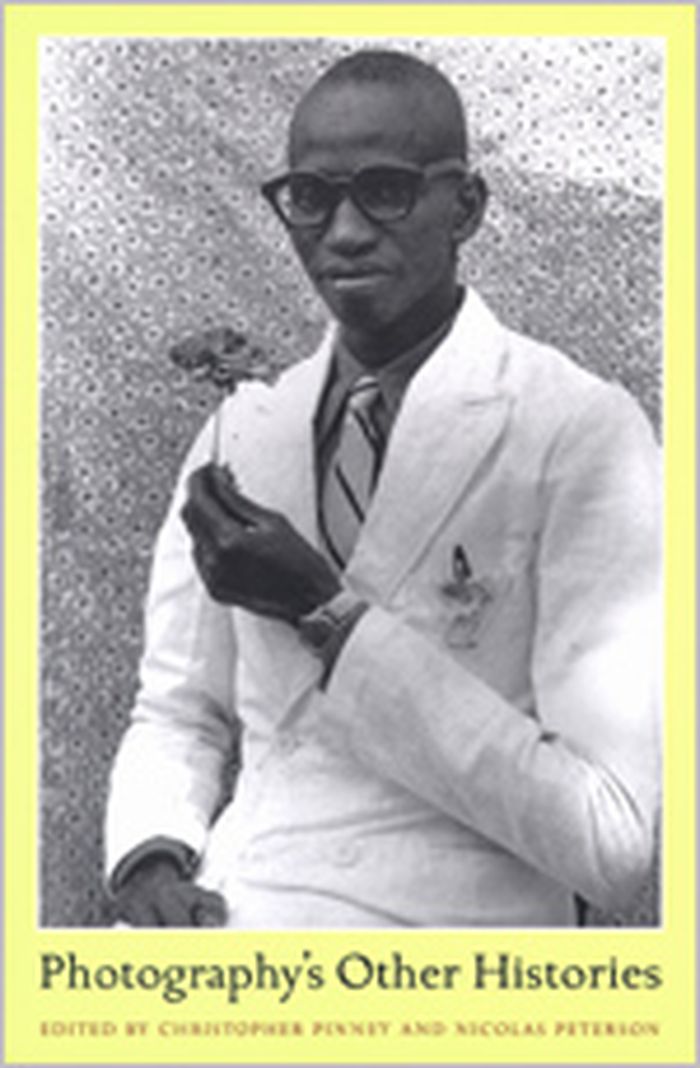
Moving the critical debate about photography away from its current Euro-American centre of gravity, "Photography’s Other Histories" breaks with the notion that photographic history is best seen as the explosion of a Western technology advanced by the work of singular individuals. This collection presents a different account, describing photography as a globally disseminated and locally appropriated medium. Essays firmly grounded in photographic practice — in the actual making of pictures — suggest the extraordinary diversity of nonwestern photography "Photography’s Other Histories" explores from a variety of geographic, cultural, and historic perspectives the role of photography in raising historical consciousness. It includes two first-person pieces by indigenous Australians and one by a Seminole/Muskogee/Diné artist. Some of the essays analyze representations of colonial subjects—from the limited ways Westerners have depicted Navajos to Japanese photos recording the occupation of Manchuria and from the changing nature of the "contract" between Aboriginal subjects and photographers to the surprising range of cultural influences evident in the photographs colonialist F. R. Barton took in New Guinea in the late 1800s and early 1900s. Focusing on photographic self-fashioning and the development of vernacular modernisms, other essays highlight the visionary quality of much popular photography. Case studies centered in early-twentieth-century Peru and contemporary India, Kenya, and Nigeria chronicle the diverse practices that have flourished in postcolonial societies. "Photography’s Other Histories" recasts popular photography around the world, as not simply reproducing culture but creating it.
Photography's other histories
Actions:
Prix:
$29.95
(disponible sur commande)
Résumé:
Moving the critical debate about photography away from its current Euro-American centre of gravity, "Photography’s Other Histories" breaks with the notion that photographic history is best seen as the explosion of a Western technology advanced by the work of singular individuals. This collection presents a different account, describing photography as a globally disseminated and locally appropriated medium. Essays firmly grounded in photographic practice — in the actual making of pictures — suggest the extraordinary diversity of nonwestern photography "Photography’s Other Histories" explores from a variety of geographic, cultural, and historic perspectives the role of photography in raising historical consciousness. It includes two first-person pieces by indigenous Australians and one by a Seminole/Muskogee/Diné artist. Some of the essays analyze representations of colonial subjects—from the limited ways Westerners have depicted Navajos to Japanese photos recording the occupation of Manchuria and from the changing nature of the "contract" between Aboriginal subjects and photographers to the surprising range of cultural influences evident in the photographs colonialist F. R. Barton took in New Guinea in the late 1800s and early 1900s. Focusing on photographic self-fashioning and the development of vernacular modernisms, other essays highlight the visionary quality of much popular photography. Case studies centered in early-twentieth-century Peru and contemporary India, Kenya, and Nigeria chronicle the diverse practices that have flourished in postcolonial societies. "Photography’s Other Histories" recasts popular photography around the world, as not simply reproducing culture but creating it.
Classification:
livres
livres
Publication:
mars 2003, Durham, N.C.
mars 2003, Durham, N.C.
Sujet:
Théorie de la photographie
Théorie de la photographie
Classification:
périodiques
périodiques
Titre:
Ethnology.
Ethnology.
Actions:
Description:
1 online resource
Auteur:
Sujet:
Publication:
Pittsburgh, Pa. : University of Pittsburgh, 1962-
Pittsburgh, Pa. : University of Pittsburgh, 1962-
Classification:
périodiques
périodiques
Publication:
Pittsburgh, Pa. : University of Pittsburgh, 1962-
Pittsburgh, Pa. : University of Pittsburgh, 1962-
Auteur:
Sujet:
Classification:
livres
livres
Actions:
Prix:
$31.50
(disponible sur commande)
Résumé:
Vladimir Nabokov could hear color. As he described it – "perhaps “hearing” is not quite accurate, since the color sensation seems to be produced by the very act of my orally forming a given letter while I imagine its outline. The long a of the English alphabet . . . has for me the tint of weathered wood, but a French a evokes polished ebony. This black group also includes(...)
$31.50
(disponible sur commande)
Résumé:
Vladimir Nabokov could hear color. As he described it – "perhaps “hearing” is not quite accurate, since the color sensation seems to be produced by the very act of my orally forming a given letter while I imagine its outline. The long a of the English alphabet . . . has for me the tint of weathered wood, but a French a evokes polished ebony. This black group also includes(...)
Publication:
octobre 2005, Corte Madera
octobre 2005, Corte Madera
Titre:
Vladimir Nabokov : alphabet in color
Actions:
Prix:
$31.50
(disponible sur commande)
Résumé:
Vladimir Nabokov could hear color. As he described it – "perhaps “hearing” is not quite accurate, since the color sensation seems to be produced by the very act of my orally forming a given letter while I imagine its outline. The long a of the English alphabet . . . has for me the tint of weathered wood, but a French a evokes polished ebony. This black group also includes hard g (vulcanized rubber) and r (a sooty rag being ripped). Oatmeal n, noodle-limp l, and the ivory-backed hand mirror of o take care of the whites". For anyone who has ever wondered how the colors Nabokov heard might manifest themselves visually, "Alphabet in color" is a remarkable journey of discovery. Jean Holabird’s interpretation of the colored alphabets of one of the twentieth century’s literary greats is a revelation. Nabokov saw rich colors in letters and sounds and noted the deficiency of color in literature, praising Gogol as the first Russian writer to truly appreciate yellow and violet. This book masterfully brings to life the charming and vibrant synesthetic colored letters that until now existed only in Nabokov’s mind. In "Alphabet in color" Jean Holabird’s grasp of form and space blends perfectly with Nabokov’s idea that a subtle interaction exists between sound and shape. He saw q as browner than k, while s is not the light blue of c, but a curious mixture of azure and mother-of-pearl. . . . "Dull green, combined somehow with violet, is the best I can do for w".
Vladimir Nabokov : alphabet in color
Actions:
Prix:
$31.50
(disponible sur commande)
Résumé:
Vladimir Nabokov could hear color. As he described it – "perhaps “hearing” is not quite accurate, since the color sensation seems to be produced by the very act of my orally forming a given letter while I imagine its outline. The long a of the English alphabet . . . has for me the tint of weathered wood, but a French a evokes polished ebony. This black group also includes hard g (vulcanized rubber) and r (a sooty rag being ripped). Oatmeal n, noodle-limp l, and the ivory-backed hand mirror of o take care of the whites". For anyone who has ever wondered how the colors Nabokov heard might manifest themselves visually, "Alphabet in color" is a remarkable journey of discovery. Jean Holabird’s interpretation of the colored alphabets of one of the twentieth century’s literary greats is a revelation. Nabokov saw rich colors in letters and sounds and noted the deficiency of color in literature, praising Gogol as the first Russian writer to truly appreciate yellow and violet. This book masterfully brings to life the charming and vibrant synesthetic colored letters that until now existed only in Nabokov’s mind. In "Alphabet in color" Jean Holabird’s grasp of form and space blends perfectly with Nabokov’s idea that a subtle interaction exists between sound and shape. He saw q as browner than k, while s is not the light blue of c, but a curious mixture of azure and mother-of-pearl. . . . "Dull green, combined somehow with violet, is the best I can do for w".
Classification:
livres
livres
Publication:
octobre 2005, Corte Madera
octobre 2005, Corte Madera
Classification:
livres
livres
Titre:
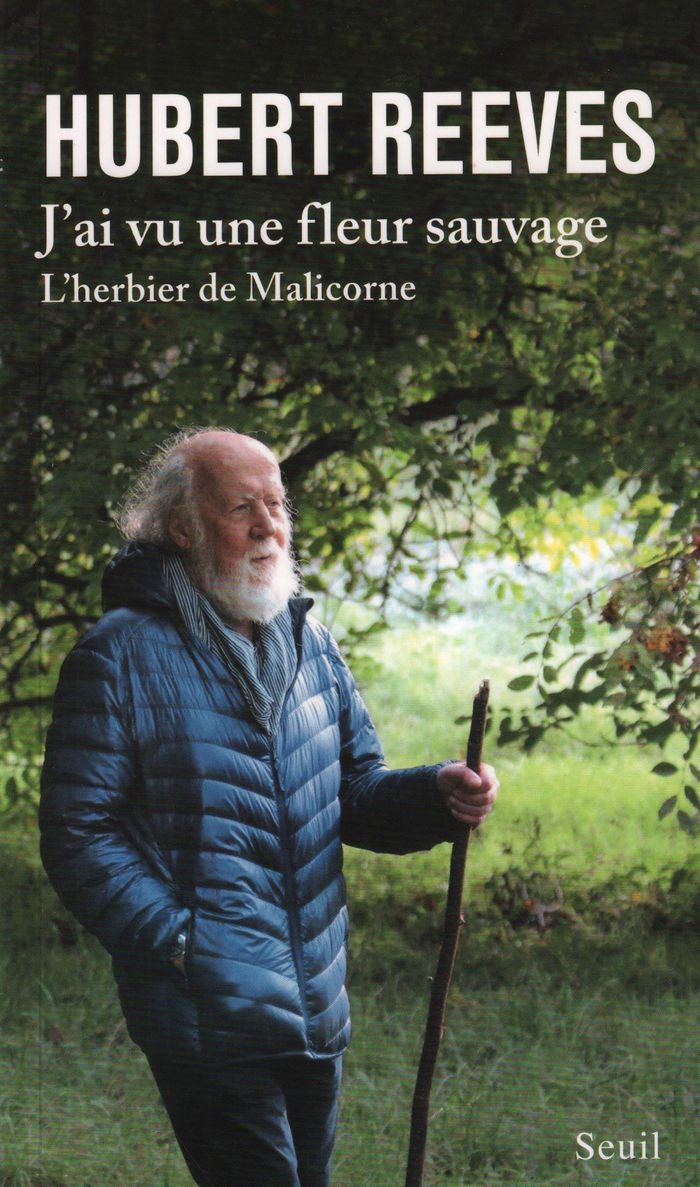
J'ai vu une fleur sauvage
J'ai vu une fleur sauvage
Actions:
Prix:
$27.95
(disponible sur commande)
Résumé:
« Le but de ces pages est de faire connaître un des domaines les plus admirables de la nature : celui des fleurs sauvages dans nos campagnes. Des splendeurs à portée de chacun, mais que l’on peut piétiner toute sa vie sans jamais se pencher pour les admirer. On passe ainsi à côté de joies, à coup sûr renouvelables chaque année. Ce plaisir intense exige un apprentissage :(...)
$27.95
(disponible sur commande)
Résumé:
« Le but de ces pages est de faire connaître un des domaines les plus admirables de la nature : celui des fleurs sauvages dans nos campagnes. Des splendeurs à portée de chacun, mais que l’on peut piétiner toute sa vie sans jamais se pencher pour les admirer. On passe ainsi à côté de joies, à coup sûr renouvelables chaque année. Ce plaisir intense exige un apprentissage :(...)
Titre:
J'ai vu une fleur sauvage
Actions:
Prix:
$27.95
(disponible sur commande)
Résumé:
« Le but de ces pages est de faire connaître un des domaines les plus admirables de la nature : celui des fleurs sauvages dans nos campagnes. Des splendeurs à portée de chacun, mais que l’on peut piétiner toute sa vie sans jamais se pencher pour les admirer. On passe ainsi à côté de joies, à coup sûr renouvelables chaque année. Ce plaisir intense exige un apprentissage : savoir reconnaître ces fleurs demande un peu de patience mais se révèle gratifiant au possible, tant est grande la diversité des fleurs sauvages et leurs variations selon les moments de leur vie – et de la nôtre. Pour faciliter cette initiation, j’ai souhaité ici livrer mon rapport personnel à chacune de ces fleurs. » H. R. Ainsi, l’auteur présente avec tendresse plusieurs dizaines de fleurs observées au quotidien sous ses fenêtres et dans les bois de Malicorne, mais que nous pouvons tous croiser au cours de nos promenades : du Millepertuis perforé à l'altière Reine-des-prés, du Pissenlit Dent-de-lion (sur lequel tous les enfants ont soufflé un jour) à la délicate Véronique de Perse en passant par le Bouillon-blanc (surnommé Mars attacks à Malicorne tellement ils est partout) et la Monnaie-du-Pape (dont le nom fait référence à ses fruits plats). Pour chacune de ces fleurs aux noms évocateurs, Hubert Reeves nous dévoile une anecdote, une histoire, une sensation. Puis, à travers ses « Propos botaniques », il nous rappelle la science de la ronde des saisons, de la minutieuse pollinisation, des incroyables copies de l’ADN... Et oui ! C’est plus beau maintenant que l’on sait !
J'ai vu une fleur sauvage
Actions:
Prix:
$27.95
(disponible sur commande)
Résumé:
« Le but de ces pages est de faire connaître un des domaines les plus admirables de la nature : celui des fleurs sauvages dans nos campagnes. Des splendeurs à portée de chacun, mais que l’on peut piétiner toute sa vie sans jamais se pencher pour les admirer. On passe ainsi à côté de joies, à coup sûr renouvelables chaque année. Ce plaisir intense exige un apprentissage : savoir reconnaître ces fleurs demande un peu de patience mais se révèle gratifiant au possible, tant est grande la diversité des fleurs sauvages et leurs variations selon les moments de leur vie – et de la nôtre. Pour faciliter cette initiation, j’ai souhaité ici livrer mon rapport personnel à chacune de ces fleurs. » H. R. Ainsi, l’auteur présente avec tendresse plusieurs dizaines de fleurs observées au quotidien sous ses fenêtres et dans les bois de Malicorne, mais que nous pouvons tous croiser au cours de nos promenades : du Millepertuis perforé à l'altière Reine-des-prés, du Pissenlit Dent-de-lion (sur lequel tous les enfants ont soufflé un jour) à la délicate Véronique de Perse en passant par le Bouillon-blanc (surnommé Mars attacks à Malicorne tellement ils est partout) et la Monnaie-du-Pape (dont le nom fait référence à ses fruits plats). Pour chacune de ces fleurs aux noms évocateurs, Hubert Reeves nous dévoile une anecdote, une histoire, une sensation. Puis, à travers ses « Propos botaniques », il nous rappelle la science de la ronde des saisons, de la minutieuse pollinisation, des incroyables copies de l’ADN... Et oui ! C’est plus beau maintenant que l’on sait !
Classification:
livres
livres
Publication:
avril 2017
avril 2017
Sujet:
Théorie du paysage
Théorie du paysage
Classification:
livres
livres
Prix:
$29.95
(disponible sur commande)
Résumé:
Designers and pundits explore what it means to be a designer in a corporate-driven, over-branded, global consumer culture. The book tackles design responsibility with a scope and diversity previously unseen. Forty essays and interviews espouse viewpoints covering a wide range of social, professional, political, and cultural topics including: reality branding, game design(...)
$29.95
(disponible sur commande)
Résumé:
Designers and pundits explore what it means to be a designer in a corporate-driven, over-branded, global consumer culture. The book tackles design responsibility with a scope and diversity previously unseen. Forty essays and interviews espouse viewpoints covering a wide range of social, professional, political, and cultural topics including: reality branding, game design(...)
Publication:
mai 2003, New York
mai 2003, New York
Titre:
Citizen designer : perspectives on design responsibility
Actions:
Prix:
$29.95
(disponible sur commande)
Résumé:
Designers and pundits explore what it means to be a designer in a corporate-driven, over-branded, global consumer culture. The book tackles design responsibility with a scope and diversity previously unseen. Forty essays and interviews espouse viewpoints covering a wide range of social, professional, political, and cultural topics including: reality branding, game design and school violence, socially responsible advertising and exploitation, and design as a force for improving the environment. Edited by two advocates of socially responsible design, Citizen Designer responds to the tough questions being asked by today’s designers: How can a designer effect social or political change? Can design be more than a service to clients? When does a designer have to take responsibility for a client’s actions? At what point must a designer take a stand? This book encourages designers and students of design to carefully research the clients they work with; to be alert about corporate, political, and social developments; and to design socially responsible products. With essays by: Hugh Aldersey-Williams, Julie Baugnet, Leslie Becker, Roy R. Behrens, Nancy Bernard, J.D. Biersdorfer, Anne Bush, Robbie Conal, Michael Dooley, Stuart Ewen, Thomas Frank, Ken Garland, Peter Hall, Mr. Keedy, Maud Lavin, Victor Margolin, Carolyn McCarron, Katherine McCoy, David Reinfurt, Chris Riley, Chase A. Rogers, Michael Schmidt, Judith Schwartz, Matt Soar, Gunnar Swanson, Susan S. Szenasy, Teal Triggs, Tucker Viemeister, David Vogler, and Cheryl Towler Weese. And interviews with: Fabrizio Gilardino, Milton Glaser, Kalle Lasn, Robert Menard, Don Norman, Mark Randall, David Sterling, Stanley Tigerman, and Shawn Wolfe.
Citizen designer : perspectives on design responsibility
Actions:
Prix:
$29.95
(disponible sur commande)
Résumé:
Designers and pundits explore what it means to be a designer in a corporate-driven, over-branded, global consumer culture. The book tackles design responsibility with a scope and diversity previously unseen. Forty essays and interviews espouse viewpoints covering a wide range of social, professional, political, and cultural topics including: reality branding, game design and school violence, socially responsible advertising and exploitation, and design as a force for improving the environment. Edited by two advocates of socially responsible design, Citizen Designer responds to the tough questions being asked by today’s designers: How can a designer effect social or political change? Can design be more than a service to clients? When does a designer have to take responsibility for a client’s actions? At what point must a designer take a stand? This book encourages designers and students of design to carefully research the clients they work with; to be alert about corporate, political, and social developments; and to design socially responsible products. With essays by: Hugh Aldersey-Williams, Julie Baugnet, Leslie Becker, Roy R. Behrens, Nancy Bernard, J.D. Biersdorfer, Anne Bush, Robbie Conal, Michael Dooley, Stuart Ewen, Thomas Frank, Ken Garland, Peter Hall, Mr. Keedy, Maud Lavin, Victor Margolin, Carolyn McCarron, Katherine McCoy, David Reinfurt, Chris Riley, Chase A. Rogers, Michael Schmidt, Judith Schwartz, Matt Soar, Gunnar Swanson, Susan S. Szenasy, Teal Triggs, Tucker Viemeister, David Vogler, and Cheryl Towler Weese. And interviews with: Fabrizio Gilardino, Milton Glaser, Kalle Lasn, Robert Menard, Don Norman, Mark Randall, David Sterling, Stanley Tigerman, and Shawn Wolfe.
Classification:
livres
livres
Publication:
mai 2003, New York
mai 2003, New York
Classification:
livres
livres
Actions:
Exemplaires:
Description:
296 pages : illustrations (chiefly color) ; 31 cm
Description:
296 pages : illustrations (chiefly color) ; 31 cm
Auteur:
Sujet:
Publication:
São Paulo : OLHARES ; New York : R&Company, 2019., ©2019
São Paulo : OLHARES ; New York : R&Company, 2019., ©2019
Titre:
José Zanine Caldas / Amanda Beatriz Palma de Carvalho, Lauro Cavalcanti, Maria Cecília Loschiavo dos Santos ; fotos/photos André Nazareth ; tradução, Priscila Adachi.
Actions:
Exemplaires:
Description:
296 pages : illustrations (chiefly color) ; 31 cm
José Zanine Caldas / Amanda Beatriz Palma de Carvalho, Lauro Cavalcanti, Maria Cecília Loschiavo dos Santos ; fotos/photos André Nazareth ; tradução, Priscila Adachi.
Actions:
Exemplaires:
Description:
296 pages : illustrations (chiefly color) ; 31 cm
Classification:
livres
livres
Publication:
São Paulo : OLHARES ; New York : R&Company, 2019., ©2019
São Paulo : OLHARES ; New York : R&Company, 2019., ©2019
Auteur:
Sujet:
Classification:
livres
livres
Actions:
Exemplaires:
Description:
363 pages, 8 unnumbered leaves of plates : illustrations ; 22 cm.
Description:
363 pages, 8 unnumbered leaves of plates : illustrations ; 22 cm.
Auteur:
Sujet:
Publication:
Stockholm : Swedish Royal Academy of Letters, History and Antiquities : Distributed by Almqvist & Wiksell International, [1975]
Stockholm : Swedish Royal Academy of Letters, History and Antiquities : Distributed by Almqvist & Wiksell International, [1975]
Titre:
Engelsberg ironworks : a pilot project / edited by Bengt Holtze.
Actions:
Exemplaires:
Description:
363 pages, 8 unnumbered leaves of plates : illustrations ; 22 cm.
Engelsberg ironworks : a pilot project / edited by Bengt Holtze.
Actions:
Exemplaires:
Description:
363 pages, 8 unnumbered leaves of plates : illustrations ; 22 cm.
Classification:
livres
livres
Publication:
Stockholm : Swedish Royal Academy of Letters, History and Antiquities : Distributed by Almqvist & Wiksell International, [1975]
Stockholm : Swedish Royal Academy of Letters, History and Antiquities : Distributed by Almqvist & Wiksell International, [1975]
Auteur:
Sujet:
Classification:
livres
livres
Actions:
Exemplaires:
Description:
311 pages (some folded) : chiefly illustrations (chiefly color), color plans ; 33 cm
Description:
311 pages (some folded) : chiefly illustrations (chiefly color), color plans ; 33 cm
Auteur:
Sujet:
Publication:
Bologna, Italy : Damiani, 2012, ©2012.
Bologna, Italy : Damiani, 2012, ©2012.
Titre:
Lincoln Center inside out : an architectural account / a book project by Diller Scofidio + Renfro ; featuring an architectural work by Diller Scofidio + Renfro ; in collaboration with FXFOWLE and Beyer Blinder Belle ; with photographs by Iwan Baan and Matthew Monteith and others.
Actions:
Exemplaires:
Description:
311 pages (some folded) : chiefly illustrations (chiefly color), color plans ; 33 cm
Lincoln Center inside out : an architectural account / a book project by Diller Scofidio + Renfro ; featuring an architectural work by Diller Scofidio + Renfro ; in collaboration with FXFOWLE and Beyer Blinder Belle ; with photographs by Iwan Baan and Matthew Monteith and others.
Actions:
Exemplaires:
Description:
311 pages (some folded) : chiefly illustrations (chiefly color), color plans ; 33 cm
Classification:
livres
livres
Publication:
Bologna, Italy : Damiani, 2012, ©2012.
Bologna, Italy : Damiani, 2012, ©2012.
Auteur:
Sujet:


