


36154 Résultats
Classification:
livres
livres
Prix:
$63.00
(disponible sur commande)
Résumé:
This volume follows the long-anticipated restoration work on the Procuratie Vecchie in St Mark’s Square in Venice, as overseen by David Chipperfield Architects. Thousands of people walk past the landmark each year, oblivious to what resides within. In April 2022, the building opened for the first time in 500 years, housing humanitarian organizations such as the Human(...)
$63.00
(disponible sur commande)
Résumé:
This volume follows the long-anticipated restoration work on the Procuratie Vecchie in St Mark’s Square in Venice, as overseen by David Chipperfield Architects. Thousands of people walk past the landmark each year, oblivious to what resides within. In April 2022, the building opened for the first time in 500 years, housing humanitarian organizations such as the Human(...)
Titre:
Venice lab: Rethinking St. Mark's square. David Chipperfield
Actions:
Prix:
$63.00
(disponible sur commande)
Résumé:
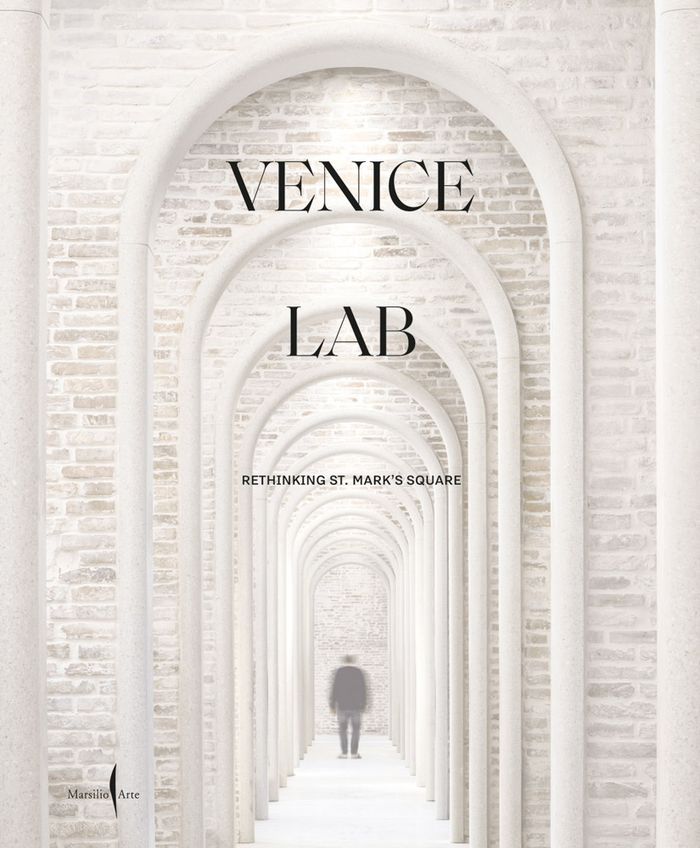
This volume follows the long-anticipated restoration work on the Procuratie Vecchie in St Mark’s Square in Venice, as overseen by David Chipperfield Architects. Thousands of people walk past the landmark each year, oblivious to what resides within. In April 2022, the building opened for the first time in 500 years, housing humanitarian organizations such as the Human Safety Net foundation. St Mark’s Square is often regarded as Venice’s central community complex; Venice, in turn, is often regarded across the globe as an architectural mecca. Accordingly, the major restoration has drawn a number of critical reflections by both Italian and international thinkers. ''Venice Lab'' gathers these essays from scholars and artists, as well as interviews with the architects involved in the restoration, conveying the project’s pluralistic vision for the lagoon city.
Venice lab: Rethinking St. Mark's square. David Chipperfield
Actions:
Prix:
$63.00
(disponible sur commande)
Résumé:
This volume follows the long-anticipated restoration work on the Procuratie Vecchie in St Mark’s Square in Venice, as overseen by David Chipperfield Architects. Thousands of people walk past the landmark each year, oblivious to what resides within. In April 2022, the building opened for the first time in 500 years, housing humanitarian organizations such as the Human Safety Net foundation. St Mark’s Square is often regarded as Venice’s central community complex; Venice, in turn, is often regarded across the globe as an architectural mecca. Accordingly, the major restoration has drawn a number of critical reflections by both Italian and international thinkers. ''Venice Lab'' gathers these essays from scholars and artists, as well as interviews with the architects involved in the restoration, conveying the project’s pluralistic vision for the lagoon city.
Classification:
livres
livres
Publication:
septembre 2022
septembre 2022
Sujet:
Architecture, monographies
Architecture, monographies
Classification:
livres
livres
Actions:
Prix:
$41.50
(disponible sur commande)
Résumé:
A.J. Lode Janssens is one of Belgium’s most idiosyncratic architects and a radical educator. He was cofounder of the experimental studio Atelier Alpha and the Sint-Lucas Werkgemeenschap, a workshop linking architectural education, practice and research, and operated in close collaboration with ILAUD, the International Laboratory of Architecture and Urban Design. This(...)
$41.50
(disponible sur commande)
Résumé:
A.J. Lode Janssens is one of Belgium’s most idiosyncratic architects and a radical educator. He was cofounder of the experimental studio Atelier Alpha and the Sint-Lucas Werkgemeenschap, a workshop linking architectural education, practice and research, and operated in close collaboration with ILAUD, the International Laboratory of Architecture and Urban Design. This(...)
Titre:
A. J. Lode Janssens: 1,47 mbar. Balloon Home
Actions:
Prix:
$41.50
(disponible sur commande)
Résumé:
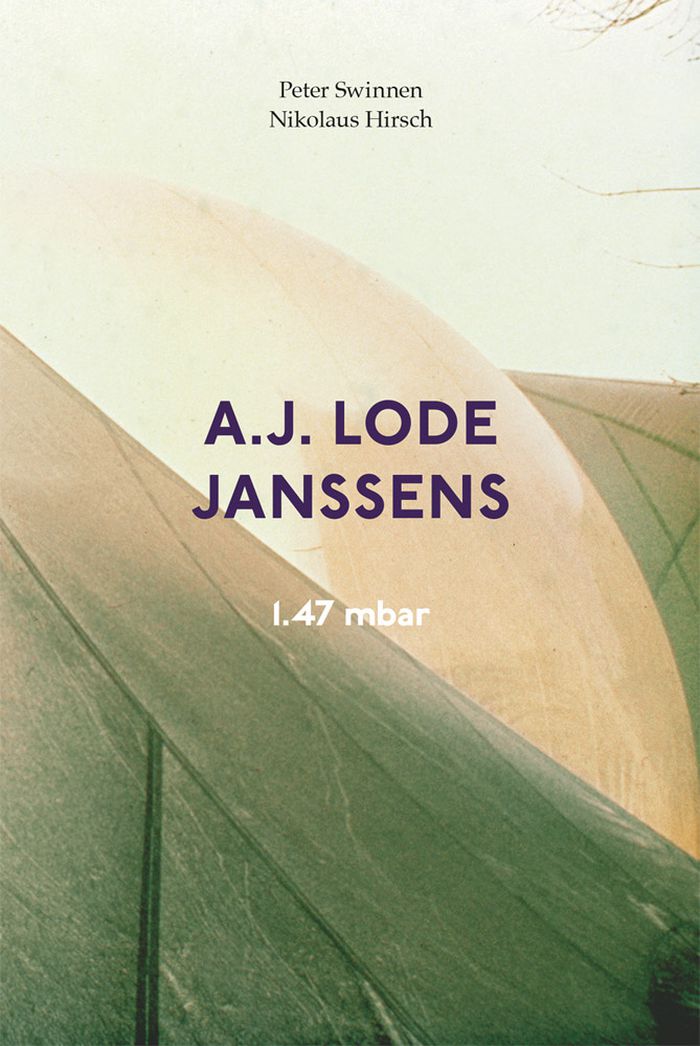
A.J. Lode Janssens is one of Belgium’s most idiosyncratic architects and a radical educator. He was cofounder of the experimental studio Atelier Alpha and the Sint-Lucas Werkgemeenschap, a workshop linking architectural education, practice and research, and operated in close collaboration with ILAUD, the International Laboratory of Architecture and Urban Design. This publication presents The Balloon, an all-but-unknown temporary pneumatic home experiment, built in 1973 in Humbeek, where he lived with his family until 1986. Lode Janssens considered it an uncompromising ephemeral attempt at de-architecturalization and living in harmony with nature: a cave-dwelling, a work-in-progress, an empirical residence. This publication accompanies the eponymous exhibition at CIVA in Brussels.
A. J. Lode Janssens: 1,47 mbar. Balloon Home
Actions:
Prix:
$41.50
(disponible sur commande)
Résumé:
A.J. Lode Janssens is one of Belgium’s most idiosyncratic architects and a radical educator. He was cofounder of the experimental studio Atelier Alpha and the Sint-Lucas Werkgemeenschap, a workshop linking architectural education, practice and research, and operated in close collaboration with ILAUD, the International Laboratory of Architecture and Urban Design. This publication presents The Balloon, an all-but-unknown temporary pneumatic home experiment, built in 1973 in Humbeek, where he lived with his family until 1986. Lode Janssens considered it an uncompromising ephemeral attempt at de-architecturalization and living in harmony with nature: a cave-dwelling, a work-in-progress, an empirical residence. This publication accompanies the eponymous exhibition at CIVA in Brussels.
Classification:
livres
livres
Publication:
octobre 2022
octobre 2022
Sujet:
Architecture, monographies
Architecture, monographies
Classification:
livres
livres
Actions:
Prix:
$76.00
(disponible sur commande)
Résumé:
This volume examines architecture and urban design games that have been conceived and created by architects, urban designers, artists and game developers since the end of the 20th century, from doll’s houses to construction games and city building games, from SimCity to Block by Block. ''Serious fun'' examines games from both a technical and an architectural-critical(...)
$76.00
(disponible sur commande)
Résumé:
This volume examines architecture and urban design games that have been conceived and created by architects, urban designers, artists and game developers since the end of the 20th century, from doll’s houses to construction games and city building games, from SimCity to Block by Block. ''Serious fun'' examines games from both a technical and an architectural-critical(...)
Titre:
Serious fun: Architecture & games
Actions:
Prix:
$76.00
(disponible sur commande)
Résumé:
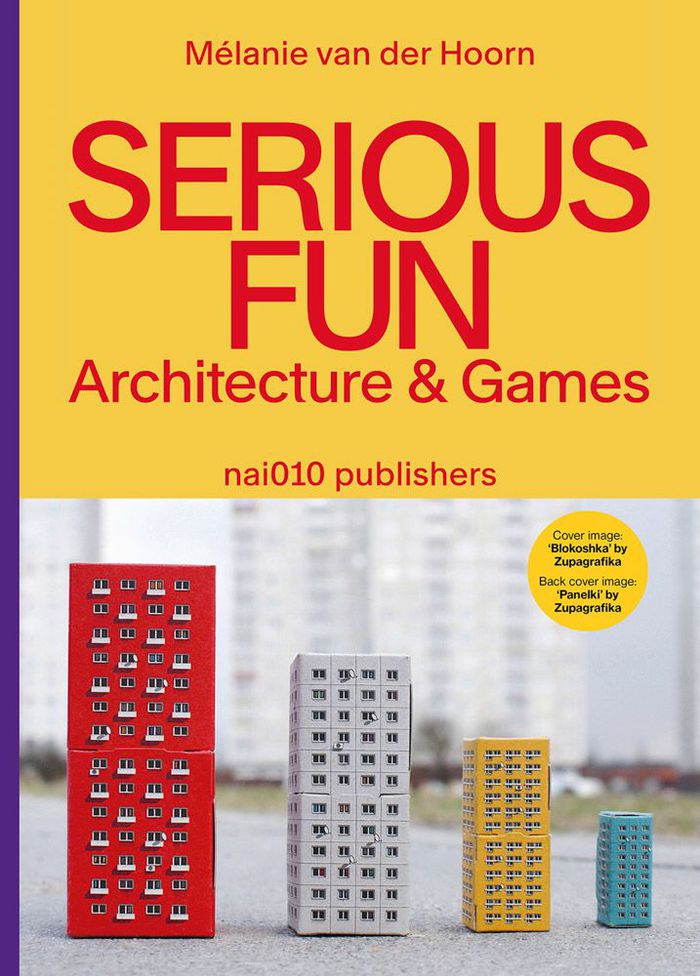
This volume examines architecture and urban design games that have been conceived and created by architects, urban designers, artists and game developers since the end of the 20th century, from doll’s houses to construction games and city building games, from SimCity to Block by Block. ''Serious fun'' examines games from both a technical and an architectural-critical point of view. As much attention is paid to the games themselves—the way they look, their construction and rules—as to their sociospatial implications, addressing the following questions: what perception of, and interaction with, the built environment do they express? What messages do the games communicate? How critical and innovative are the underlying concepts? ''Serious fun'' presents games and playfulness as tools worthy of earnest investigation, concluding with a triptych about alternative forms of representation and communication in architecture and urban design.
Serious fun: Architecture & games
Actions:
Prix:
$76.00
(disponible sur commande)
Résumé:
This volume examines architecture and urban design games that have been conceived and created by architects, urban designers, artists and game developers since the end of the 20th century, from doll’s houses to construction games and city building games, from SimCity to Block by Block. ''Serious fun'' examines games from both a technical and an architectural-critical point of view. As much attention is paid to the games themselves—the way they look, their construction and rules—as to their sociospatial implications, addressing the following questions: what perception of, and interaction with, the built environment do they express? What messages do the games communicate? How critical and innovative are the underlying concepts? ''Serious fun'' presents games and playfulness as tools worthy of earnest investigation, concluding with a triptych about alternative forms of representation and communication in architecture and urban design.
Classification:
livres
livres
Publication:
janvier 2023
janvier 2023
Sujet:
Théorie de l’architecture
Théorie de l’architecture
Classification:
livres
livres
Titre:
2G 85: Leopold Banchini
2G 85: Leopold Banchini
Actions:
Prix:
$76.00
(disponible sur commande)
Résumé:
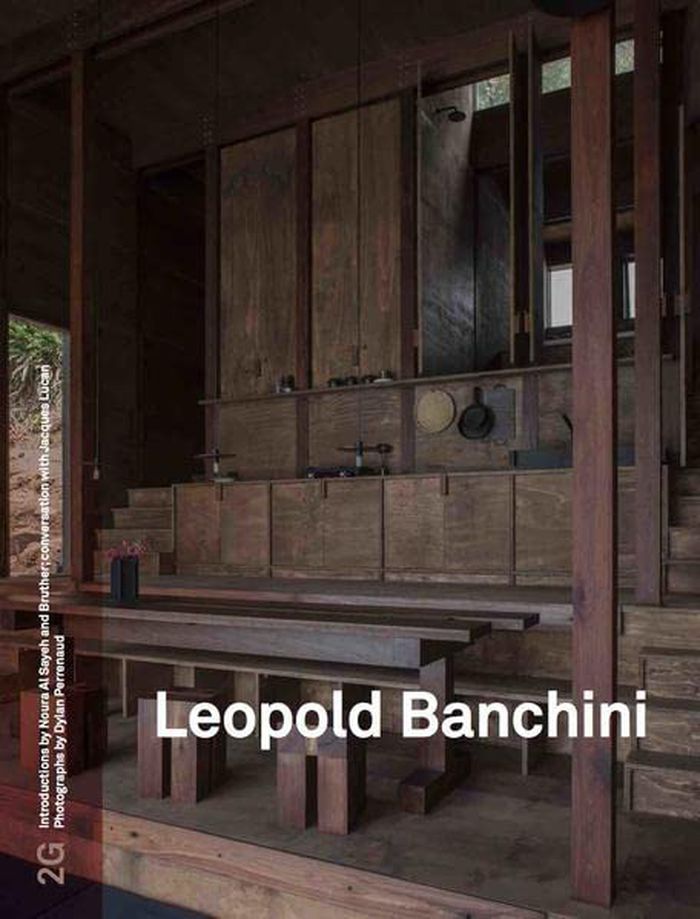
Based in Geneva, Switzerland, Leopold Banchini Architects is exploring the frontiers of space shaping through residential projects across Europe to Bahrain, Australia and beyond. Deeply rooted in architectural history, the firm’s practice is concerned with contemporary popular cultures as well as vernacular traditions and crafts.
$76.00
(disponible sur commande)
Résumé:
Based in Geneva, Switzerland, Leopold Banchini Architects is exploring the frontiers of space shaping through residential projects across Europe to Bahrain, Australia and beyond. Deeply rooted in architectural history, the firm’s practice is concerned with contemporary popular cultures as well as vernacular traditions and crafts.
Titre:
2G 85: Leopold Banchini
Actions:
Prix:
$76.00
(disponible sur commande)
Résumé:
Based in Geneva, Switzerland, Leopold Banchini Architects is exploring the frontiers of space shaping through residential projects across Europe to Bahrain, Australia and beyond. Deeply rooted in architectural history, the firm’s practice is concerned with contemporary popular cultures as well as vernacular traditions and crafts.
2G 85: Leopold Banchini
Actions:
Prix:
$76.00
(disponible sur commande)
Résumé:
Based in Geneva, Switzerland, Leopold Banchini Architects is exploring the frontiers of space shaping through residential projects across Europe to Bahrain, Australia and beyond. Deeply rooted in architectural history, the firm’s practice is concerned with contemporary popular cultures as well as vernacular traditions and crafts.
Classification:
livres
livres
Publication:
janvier 2023
janvier 2023
Sujet:
Architecture, monographies
Architecture, monographies
Classification:
livres
livres
Titre:
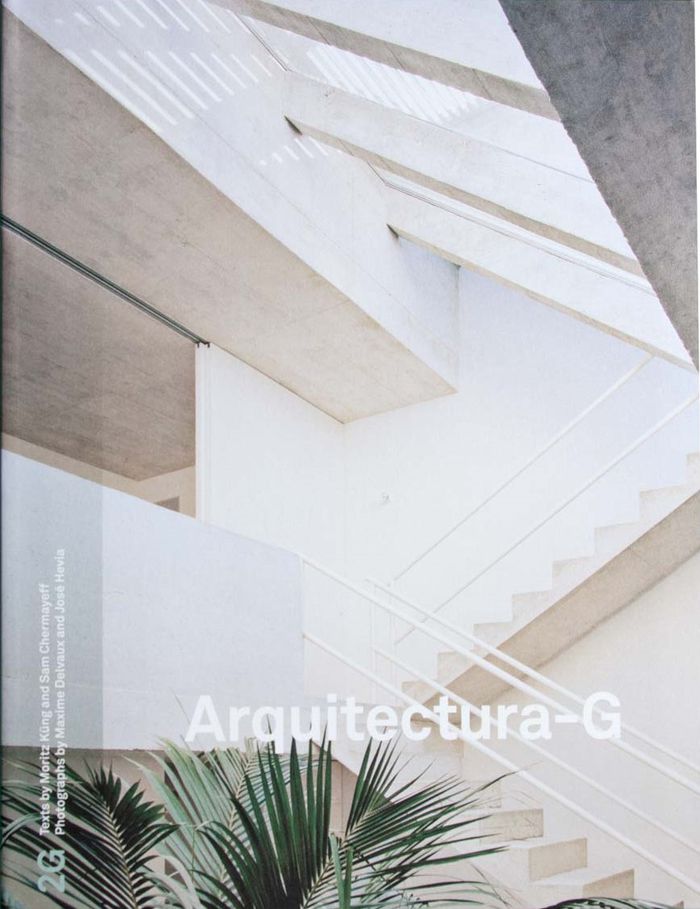
2G 86: Arquitectura-G
2G 86: Arquitectura-G
Actions:
Prix:
$76.00
(disponible sur commande)
Résumé:
Edited by Moises Puente. Introduction by Jonny Johansson, Sam Chermayeff. Photographs by Maxime Delvaux, José Hevia. Arquitectura-G is a Barcelona-based architectural studio (established in 2006) working with a broad foundation of experience in renovation of historical architecture. In recent years, they have also undertaken new construction projects, including four(...)
$76.00
(disponible sur commande)
Résumé:
Edited by Moises Puente. Introduction by Jonny Johansson, Sam Chermayeff. Photographs by Maxime Delvaux, José Hevia. Arquitectura-G is a Barcelona-based architectural studio (established in 2006) working with a broad foundation of experience in renovation of historical architecture. In recent years, they have also undertaken new construction projects, including four(...)
Titre:
2G 86: Arquitectura-G
Actions:
Prix:
$76.00
(disponible sur commande)
Résumé:
Edited by Moises Puente. Introduction by Jonny Johansson, Sam Chermayeff. Photographs by Maxime Delvaux, José Hevia. Arquitectura-G is a Barcelona-based architectural studio (established in 2006) working with a broad foundation of experience in renovation of historical architecture. In recent years, they have also undertaken new construction projects, including four stores for the fashion brand Acne (Nagoya, Stockholm, New York and Paris).
2G 86: Arquitectura-G
Actions:
Prix:
$76.00
(disponible sur commande)
Résumé:
Edited by Moises Puente. Introduction by Jonny Johansson, Sam Chermayeff. Photographs by Maxime Delvaux, José Hevia. Arquitectura-G is a Barcelona-based architectural studio (established in 2006) working with a broad foundation of experience in renovation of historical architecture. In recent years, they have also undertaken new construction projects, including four stores for the fashion brand Acne (Nagoya, Stockholm, New York and Paris).
Classification:
livres
livres
Publication:
novembre 2023
novembre 2023
Sujet:
Architecture, monographies
Architecture, monographies
Classification:
livres
livres
Actions:
Prix:
$49.00
(disponible sur commande)
Résumé:
The analysis of sanitary spaces and places dedicated to personal care, as in a privacy observatory, helps with the in-depth assessment of social changes, allowing us to determine how the lives of users can be improved, how conflicts of use in public places can be resolved between populations of different sexes and ages, and how the quality of public and private health can(...)
$49.00
(disponible sur commande)
Résumé:
The analysis of sanitary spaces and places dedicated to personal care, as in a privacy observatory, helps with the in-depth assessment of social changes, allowing us to determine how the lives of users can be improved, how conflicts of use in public places can be resolved between populations of different sexes and ages, and how the quality of public and private health can(...)
Publication:
janvier 2023
janvier 2023
Titre:
Intimacy exposed: toilets, bathrooms, restrooms
Actions:
Prix:
$49.00
(disponible sur commande)
Résumé:
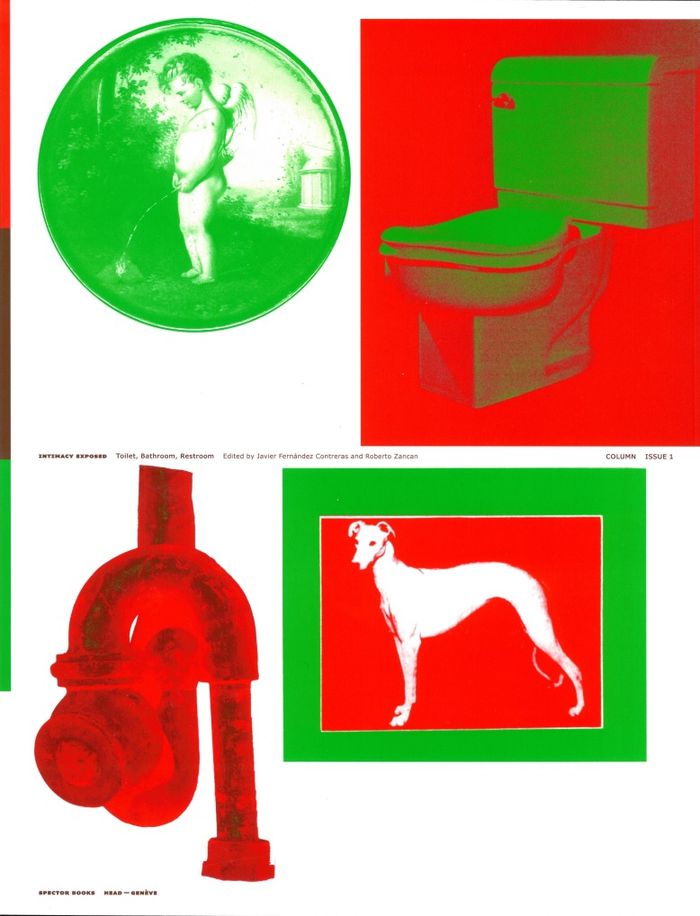
The analysis of sanitary spaces and places dedicated to personal care, as in a privacy observatory, helps with the in-depth assessment of social changes, allowing us to determine how the lives of users can be improved, how conflicts of use in public places can be resolved between populations of different sexes and ages, and how the quality of public and private health can be enhanced. Observing these issues pushes us to explore the forms and meanings of bathrooms and private spaces in relation to their different functions, including those of transgressive and informal meeting places and spaces of inevitable and forced social coexistence. This book constitutes a new step in this field of research, presenting a series of scientific and artistic interventions that proves the diverse range of uses to which ''wet rooms'' can be put in social life, the evolution of the use of furniture, and the new meanings of details and objects in domestic bathrooms and public toilets. The texts, largely written for the 2018 symposium ''Intimacy Exposed: Toilet, Bathroom, Restroom'' (organized by the Department of Interior Architecture at HEAD – Genève) present a practice-based study of the recent past of modernist technologies and a vision of the future of personal and collective practices regarding the realm of the toilet.
Intimacy exposed: toilets, bathrooms, restrooms
Actions:
Prix:
$49.00
(disponible sur commande)
Résumé:
The analysis of sanitary spaces and places dedicated to personal care, as in a privacy observatory, helps with the in-depth assessment of social changes, allowing us to determine how the lives of users can be improved, how conflicts of use in public places can be resolved between populations of different sexes and ages, and how the quality of public and private health can be enhanced. Observing these issues pushes us to explore the forms and meanings of bathrooms and private spaces in relation to their different functions, including those of transgressive and informal meeting places and spaces of inevitable and forced social coexistence. This book constitutes a new step in this field of research, presenting a series of scientific and artistic interventions that proves the diverse range of uses to which ''wet rooms'' can be put in social life, the evolution of the use of furniture, and the new meanings of details and objects in domestic bathrooms and public toilets. The texts, largely written for the 2018 symposium ''Intimacy Exposed: Toilet, Bathroom, Restroom'' (organized by the Department of Interior Architecture at HEAD – Genève) present a practice-based study of the recent past of modernist technologies and a vision of the future of personal and collective practices regarding the realm of the toilet.
Classification:
livres
livres
Publication:
janvier 2023
janvier 2023
Classification:
livres
livres
Actions:
Prix:
$80.00
(disponible sur commande)
Résumé:
In twelve essays, this book examines the spatial typologies and global phenomena that have defined the office in the last half century. Topics include the return of the work club, the rise of the corporate festival, the way of the charismatic guru, the shattering of the time clock, and the design of playgrounds for work. Photographic essays by Iwan Baan provide a visual(...)
$80.00
(disponible sur commande)
Résumé:
In twelve essays, this book examines the spatial typologies and global phenomena that have defined the office in the last half century. Topics include the return of the work club, the rise of the corporate festival, the way of the charismatic guru, the shattering of the time clock, and the design of playgrounds for work. Photographic essays by Iwan Baan provide a visual(...)
Publication:
octobre 2022
octobre 2022
Titre:
The office of good intentions. Human(s) Work
Actions:
Prix:
$80.00
(disponible sur commande)
Résumé:
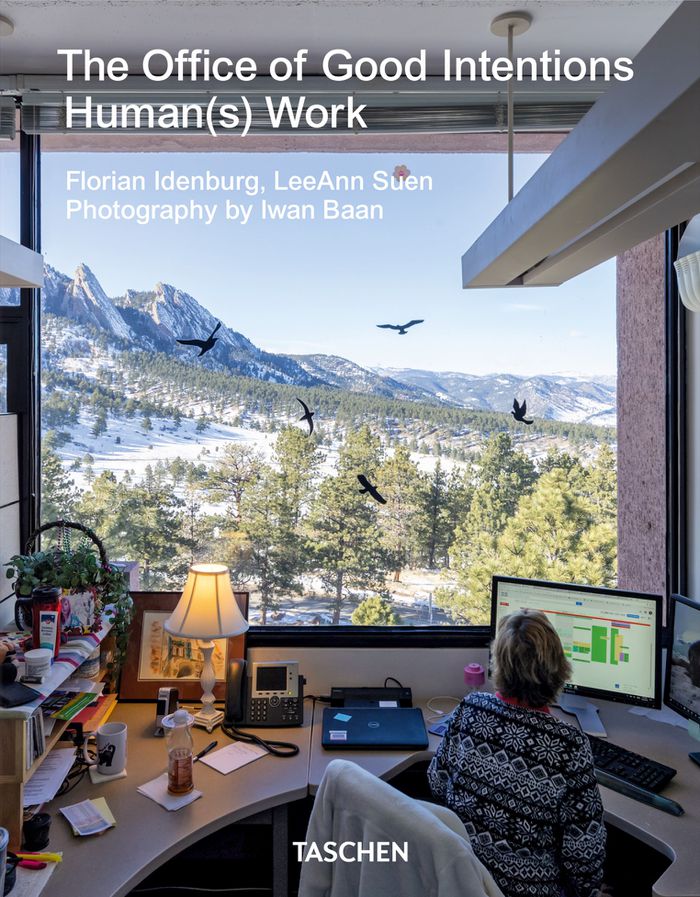
In twelve essays, this book examines the spatial typologies and global phenomena that have defined the office in the last half century. Topics include the return of the work club, the rise of the corporate festival, the way of the charismatic guru, the shattering of the time clock, and the design of playgrounds for work. Photographic essays by Iwan Baan provide a visual post-occupancy report on a range of canonical office projects, such as Marcel Breuer’s IBM campus in Florida and the Ford Foundation’s urban garden in Manhattan. Four intervening catalogs offer collections of experimental workplace products, augural advertisements for office building components, digital office components, and renderings of speculative workplaces; each catalog bridges the reality of the office and how we imagine its alternatives. This book is a theoretical backdrop for architects as much as it is for businesspeople and employees. With curiosity and skepticism, it looks at the spaces and solutions that have been designed for human work, tracing the transformation from work to occupation, from punch cards to “playbor,” from today’s lived experience to tomorrow’s unpredictable, imagined futures.
The office of good intentions. Human(s) Work
Actions:
Prix:
$80.00
(disponible sur commande)
Résumé:
In twelve essays, this book examines the spatial typologies and global phenomena that have defined the office in the last half century. Topics include the return of the work club, the rise of the corporate festival, the way of the charismatic guru, the shattering of the time clock, and the design of playgrounds for work. Photographic essays by Iwan Baan provide a visual post-occupancy report on a range of canonical office projects, such as Marcel Breuer’s IBM campus in Florida and the Ford Foundation’s urban garden in Manhattan. Four intervening catalogs offer collections of experimental workplace products, augural advertisements for office building components, digital office components, and renderings of speculative workplaces; each catalog bridges the reality of the office and how we imagine its alternatives. This book is a theoretical backdrop for architects as much as it is for businesspeople and employees. With curiosity and skepticism, it looks at the spaces and solutions that have been designed for human work, tracing the transformation from work to occupation, from punch cards to “playbor,” from today’s lived experience to tomorrow’s unpredictable, imagined futures.
Classification:
livres
livres
Publication:
octobre 2022
octobre 2022
Classification:
livres
livres

Prix:
$32.00
(disponible sur commande)
Résumé:
Fruit d’une collaboration entre deux grands défenseurs des droits des Premières Nations, ce livre est d’abord le récit de près d’un demi-siècle de militantisme autochtone. Il retrace le parcours personnel et militant d’Arthur Manuel et dresse du même souffle le portrait du renouveau des mouvements de lutte autochtone au pays depuis les années 1970. De la Paix des Braves à(...)
$32.00
(disponible sur commande)
Résumé:
Fruit d’une collaboration entre deux grands défenseurs des droits des Premières Nations, ce livre est d’abord le récit de près d’un demi-siècle de militantisme autochtone. Il retrace le parcours personnel et militant d’Arthur Manuel et dresse du même souffle le portrait du renouveau des mouvements de lutte autochtone au pays depuis les années 1970. De la Paix des Braves à(...)
Titre:
Décoloniser le Canada : Cinquante ans de militantisme autochtone
Actions:
Prix:
$32.00
(disponible sur commande)
Résumé:
Fruit d’une collaboration entre deux grands défenseurs des droits des Premières Nations, ce livre est d’abord le récit de près d’un demi-siècle de militantisme autochtone. Il retrace le parcours personnel et militant d’Arthur Manuel et dresse du même souffle le portrait du renouveau des mouvements de lutte autochtone au pays depuis les années 1970. De la Paix des Braves à la Déclaration des Nations unies sur les droits des peuples autochtones, en passant par le rapatriement de la Constitution et les importants jugements de la Cour suprême, cet ouvrage revisite de grands pans de l’histoire canadienne récente. Pour Manuel, la reconnaissance des droits autochtones est le meilleur gage pour assurer la défense de nos territoires devant l’appétit vorace des intérêts privés qui cherchent à faire main basse sur nos ressources naturelles. Dans l’esprit du mouvement Idle No More, il invite aussi à en finir avec l’apathie et l’inaction qui ont caractérisé les relations entre le gouvernement fédéral et les Autochtones. Ce livre est un vibrant appel à la résistance, mais aussi un message d’ouverture invitant à bâtir des ponts entre les communautés autochtones et allochtones.
Décoloniser le Canada : Cinquante ans de militantisme autochtone
Actions:
Prix:
$32.00
(disponible sur commande)
Résumé:
Fruit d’une collaboration entre deux grands défenseurs des droits des Premières Nations, ce livre est d’abord le récit de près d’un demi-siècle de militantisme autochtone. Il retrace le parcours personnel et militant d’Arthur Manuel et dresse du même souffle le portrait du renouveau des mouvements de lutte autochtone au pays depuis les années 1970. De la Paix des Braves à la Déclaration des Nations unies sur les droits des peuples autochtones, en passant par le rapatriement de la Constitution et les importants jugements de la Cour suprême, cet ouvrage revisite de grands pans de l’histoire canadienne récente. Pour Manuel, la reconnaissance des droits autochtones est le meilleur gage pour assurer la défense de nos territoires devant l’appétit vorace des intérêts privés qui cherchent à faire main basse sur nos ressources naturelles. Dans l’esprit du mouvement Idle No More, il invite aussi à en finir avec l’apathie et l’inaction qui ont caractérisé les relations entre le gouvernement fédéral et les Autochtones. Ce livre est un vibrant appel à la résistance, mais aussi un message d’ouverture invitant à bâtir des ponts entre les communautés autochtones et allochtones.
Classification:
livres
livres
Publication:
novembre 2018
novembre 2018
Sujet:
Autochtone
Autochtone
Classification:
livres
livres
Actions:
Prix:
$31.95
(disponible en magasin)
Résumé:
Des clous rouillés, des fruits pourris, des matelas crevés, des pneus usés... Voilà tout ce qui reste des marais salants qui bordaient New York et que la ville a transformés en décharge. Jusqu'à ce qu'un dénommé Herbert Johnson décide qu'il est le temps de faire reprendre ses droits à la nature. Inspiré de l'histoire vraie d'un pionnier de l'écologie, cet album tou en(...)
$31.95
(disponible en magasin)
Résumé:
Des clous rouillés, des fruits pourris, des matelas crevés, des pneus usés... Voilà tout ce qui reste des marais salants qui bordaient New York et que la ville a transformés en décharge. Jusqu'à ce qu'un dénommé Herbert Johnson décide qu'il est le temps de faire reprendre ses droits à la nature. Inspiré de l'histoire vraie d'un pionnier de l'écologie, cet album tou en(...)
Titre:
La bonne idée de Monsieur Johnson
Actions:
Prix:
$31.95
(disponible en magasin)
Résumé:
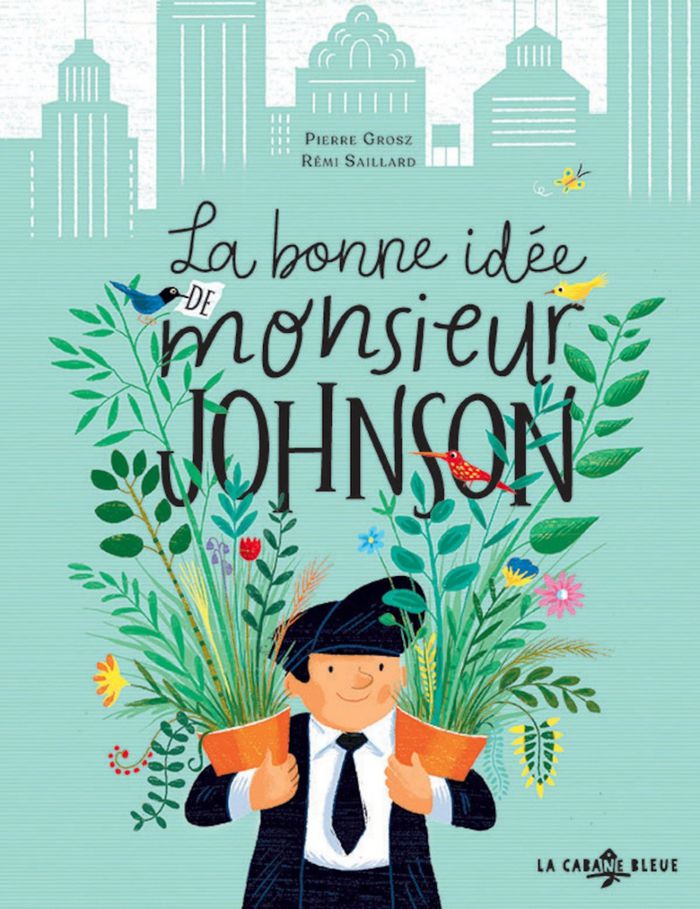
Des clous rouillés, des fruits pourris, des matelas crevés, des pneus usés... Voilà tout ce qui reste des marais salants qui bordaient New York et que la ville a transformés en décharge. Jusqu'à ce qu'un dénommé Herbert Johnson décide qu'il est le temps de faire reprendre ses droits à la nature. Inspiré de l'histoire vraie d'un pionnier de l'écologie, cet album tou en poésie nous rapelle comment chacun, à son échelle, peut accomplir de grandes choses pour la planète.
La bonne idée de Monsieur Johnson
Actions:
Prix:
$31.95
(disponible en magasin)
Résumé:
Des clous rouillés, des fruits pourris, des matelas crevés, des pneus usés... Voilà tout ce qui reste des marais salants qui bordaient New York et que la ville a transformés en décharge. Jusqu'à ce qu'un dénommé Herbert Johnson décide qu'il est le temps de faire reprendre ses droits à la nature. Inspiré de l'histoire vraie d'un pionnier de l'écologie, cet album tou en poésie nous rapelle comment chacun, à son échelle, peut accomplir de grandes choses pour la planète.
Classification:
livres
livres
Publication:
août 2022
août 2022
Sujet:
Littérature jeunesse
Littérature jeunesse
Classification:
livres
livres
Actions:
Prix:
$65.00
(disponible en magasin)
Résumé:
Être locataire du 305 rue de Bellechasse lorsqu’un changement de main enclenche une migration forcée. Voir se vider au compte-goutte ce lieu ayant abrité des ateliers d’artistes et des travailleurs créatifs pendant plusieurs années. Dans la précipitation, vouloir garder des images de ce lieu que j’adore. Réaliser que cette documentation était entamée depuis la minute où(...)
$65.00
(disponible en magasin)
Résumé:
Être locataire du 305 rue de Bellechasse lorsqu’un changement de main enclenche une migration forcée. Voir se vider au compte-goutte ce lieu ayant abrité des ateliers d’artistes et des travailleurs créatifs pendant plusieurs années. Dans la précipitation, vouloir garder des images de ce lieu que j’adore. Réaliser que cette documentation était entamée depuis la minute où(...)
Titre:
Sandra Larochelle: Habitat. 305 rue de Bellechasse
Actions:
Prix:
$65.00
(disponible en magasin)
Résumé:
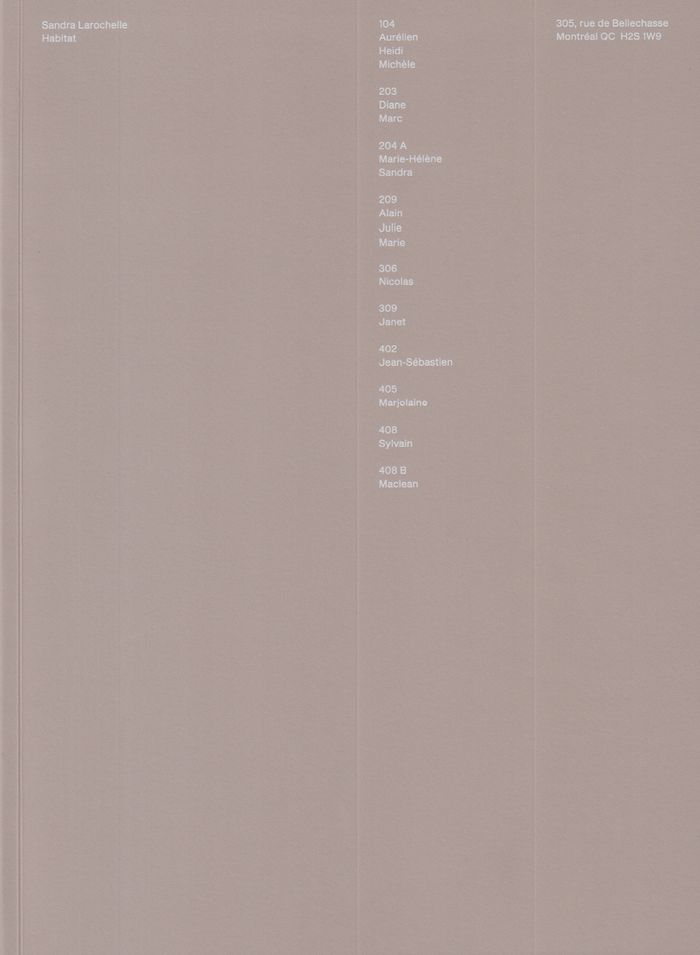
Être locataire du 305 rue de Bellechasse lorsqu’un changement de main enclenche une migration forcée. Voir se vider au compte-goutte ce lieu ayant abrité des ateliers d’artistes et des travailleurs créatifs pendant plusieurs années. Dans la précipitation, vouloir garder des images de ce lieu que j’adore. Réaliser que cette documentation était entamée depuis la minute où j’y ai mis les pieds. Offrir à d’autres occupants d’aller à leur rencontre avant leur départ, en ne sachant pas encore ce que ça donnerait. Revenir avec des centaines d’images d’atelier et des réflexions plein la tête. Présenter une série d’images plus près du photoreportage dans le cadre de l’exposition extérieure 305 à l’été 2020. Et maintenant vous proposer ce livre photo, un objet personnel qui incarne mon passage et ma sortie de cette adresse. Ce que j’y ai laissé et ce que j’en garde.
Sandra Larochelle: Habitat. 305 rue de Bellechasse
Actions:
Prix:
$65.00
(disponible en magasin)
Résumé:
Être locataire du 305 rue de Bellechasse lorsqu’un changement de main enclenche une migration forcée. Voir se vider au compte-goutte ce lieu ayant abrité des ateliers d’artistes et des travailleurs créatifs pendant plusieurs années. Dans la précipitation, vouloir garder des images de ce lieu que j’adore. Réaliser que cette documentation était entamée depuis la minute où j’y ai mis les pieds. Offrir à d’autres occupants d’aller à leur rencontre avant leur départ, en ne sachant pas encore ce que ça donnerait. Revenir avec des centaines d’images d’atelier et des réflexions plein la tête. Présenter une série d’images plus près du photoreportage dans le cadre de l’exposition extérieure 305 à l’été 2020. Et maintenant vous proposer ce livre photo, un objet personnel qui incarne mon passage et ma sortie de cette adresse. Ce que j’y ai laissé et ce que j’en garde.
Classification:
livres
livres
Publication:
septembre 2022
septembre 2022
Sujet:
Consignation
Consignation


