


9543 Résultats
Classification:
livres
livres
Actions:
Prix:
$82.50
(disponible sur commande)
Résumé:
Room 4.1.3, an Australian landscape architecture firm, is renowned for producing some of the world's most finely tuned design work, striking a balance between theory and praxis, design and planning. The firm's projects engage visitors in a way that few public spaces have before. Founded in the 1990s by Richard Weller and Vladimir Sitta, Room 4.1.3 has received awards in(...)
$82.50
(disponible sur commande)
Résumé:
Room 4.1.3, an Australian landscape architecture firm, is renowned for producing some of the world's most finely tuned design work, striking a balance between theory and praxis, design and planning. The firm's projects engage visitors in a way that few public spaces have before. Founded in the 1990s by Richard Weller and Vladimir Sitta, Room 4.1.3 has received awards in(...)
Titre:
Room 4.1.3 : innovations in landscape architecture
Actions:
Prix:
$82.50
(disponible sur commande)
Résumé:
Room 4.1.3, an Australian landscape architecture firm, is renowned for producing some of the world's most finely tuned design work, striking a balance between theory and praxis, design and planning. The firm's projects engage visitors in a way that few public spaces have before. Founded in the 1990s by Richard Weller and Vladimir Sitta, Room 4.1.3 has received awards in more than forty open design competitions and is currently at work on a new city in Singapore, "fusion-polis." Adopting a new proscriptive approach, the designs exhibit a strong theoretical base that extends into cultural studies, art, geography, anthropology, and psychology. For example, the controversial Garden of Australian Dreams at the National Museum of Australia in Canberra is a veritable playground of meanings, invoking events of such varying cultural significance as the birth of Australia as a nation and the work of Jackson Pollock. This lavishly illustrated volume features many other award-winning Room 4.1.3 designs, including Namesti Miru in Prague, Potsdamer Platz in Berlin, and Gallipoli Peace Park in Turkey. Internationally renowned scholars and critics provide essays that contextualize each project and ultimately argue for the primacy and efficacy of poetic and subversive imagination in the formation of our environment. The works collected here, both built and unbuilt, will introduce Room 4.1.3's iconic style to an ever-widening audience in North America and open up an international discourse on new meanings of landscape architecture.
Room 4.1.3 : innovations in landscape architecture
Actions:
Prix:
$82.50
(disponible sur commande)
Résumé:
Room 4.1.3, an Australian landscape architecture firm, is renowned for producing some of the world's most finely tuned design work, striking a balance between theory and praxis, design and planning. The firm's projects engage visitors in a way that few public spaces have before. Founded in the 1990s by Richard Weller and Vladimir Sitta, Room 4.1.3 has received awards in more than forty open design competitions and is currently at work on a new city in Singapore, "fusion-polis." Adopting a new proscriptive approach, the designs exhibit a strong theoretical base that extends into cultural studies, art, geography, anthropology, and psychology. For example, the controversial Garden of Australian Dreams at the National Museum of Australia in Canberra is a veritable playground of meanings, invoking events of such varying cultural significance as the birth of Australia as a nation and the work of Jackson Pollock. This lavishly illustrated volume features many other award-winning Room 4.1.3 designs, including Namesti Miru in Prague, Potsdamer Platz in Berlin, and Gallipoli Peace Park in Turkey. Internationally renowned scholars and critics provide essays that contextualize each project and ultimately argue for the primacy and efficacy of poetic and subversive imagination in the formation of our environment. The works collected here, both built and unbuilt, will introduce Room 4.1.3's iconic style to an ever-widening audience in North America and open up an international discourse on new meanings of landscape architecture.
Classification:
livres
livres
Publication:
janvier 2005, Philadelphia
janvier 2005, Philadelphia
Sujet:
Jardins
Jardins
Classification:
livres
livres
Prix:
$52.50
(disponible en magasin)
Résumé:
Soon after its inception in 1928, as part of Public Works, the Department of Physical Planning began work on Van Eesteren's General Extension Plan for Amsterdam (AUP). Issued in 1934, the AUP can be regarded as Amsterdam's first master plan. It fixed the broad lines of city policy on spatial development in a vision statement on the city. Vision statements and the plans(...)
$52.50
(disponible en magasin)
Résumé:
Soon after its inception in 1928, as part of Public Works, the Department of Physical Planning began work on Van Eesteren's General Extension Plan for Amsterdam (AUP). Issued in 1934, the AUP can be regarded as Amsterdam's first master plan. It fixed the broad lines of city policy on spatial development in a vision statement on the city. Vision statements and the plans(...)
Publication:
janvier 2004, Rotterdam
janvier 2004, Rotterdam
Titre:
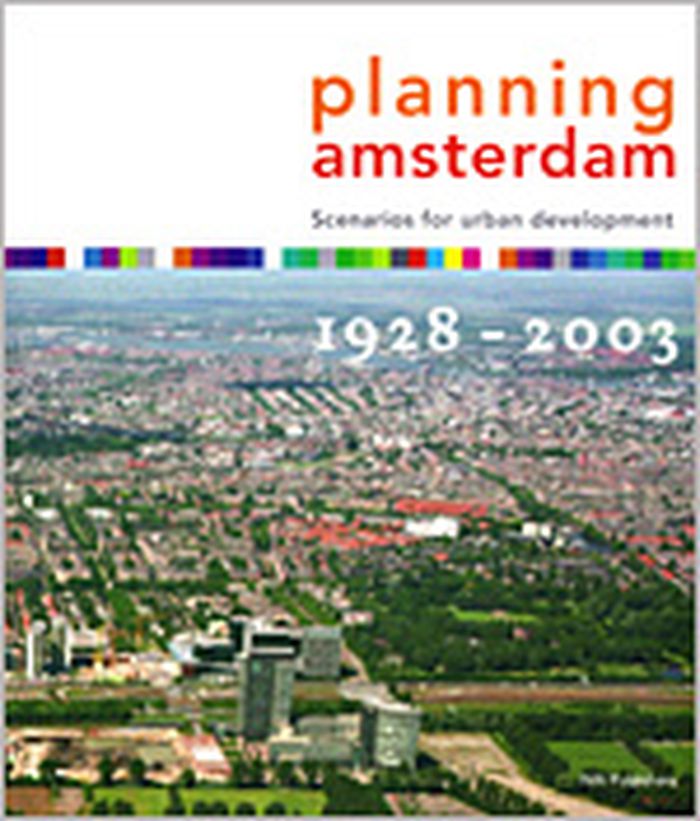
Planning Amsterdam : scenarios for urban development, 1928-2003
Actions:
Prix:
$52.50
(disponible en magasin)
Résumé:
Soon after its inception in 1928, as part of Public Works, the Department of Physical Planning began work on Van Eesteren's General Extension Plan for Amsterdam (AUP). Issued in 1934, the AUP can be regarded as Amsterdam's first master plan. It fixed the broad lines of city policy on spatial development in a vision statement on the city. Vision statements and the plans they spawn are necessarily centred on the future, but with hindsight such master plans tell us more about the time when they were made. This certainly holds true for the eight such plans that were to follow the AUP. The most recent, 'Opting for Urbanity', was completed in 2003, by the Physical Planning Department. Something new, whether this is a residential estate or a business park, is invariably at the expense of something existing. Seventy-five years after the AUP was issued, the fitting out of urban space for dwelling, working, traffic and recreation is still a subject of discussion. How the space is filled in determines the urban dynamic. This book is not just about the Amsterdam masterplans but more particularly about three-quarters of a century of spatial development in that city. Words, images and a series of maps specially made for the occasion clearly show what has been happening in the inner areas and garden city suburbs of Amsterdam, the urban expansions and consolidations, the plans for traffic and transport, and for greenspace and recreation.
Planning Amsterdam : scenarios for urban development, 1928-2003
Actions:
Prix:
$52.50
(disponible en magasin)
Résumé:
Soon after its inception in 1928, as part of Public Works, the Department of Physical Planning began work on Van Eesteren's General Extension Plan for Amsterdam (AUP). Issued in 1934, the AUP can be regarded as Amsterdam's first master plan. It fixed the broad lines of city policy on spatial development in a vision statement on the city. Vision statements and the plans they spawn are necessarily centred on the future, but with hindsight such master plans tell us more about the time when they were made. This certainly holds true for the eight such plans that were to follow the AUP. The most recent, 'Opting for Urbanity', was completed in 2003, by the Physical Planning Department. Something new, whether this is a residential estate or a business park, is invariably at the expense of something existing. Seventy-five years after the AUP was issued, the fitting out of urban space for dwelling, working, traffic and recreation is still a subject of discussion. How the space is filled in determines the urban dynamic. This book is not just about the Amsterdam masterplans but more particularly about three-quarters of a century of spatial development in that city. Words, images and a series of maps specially made for the occasion clearly show what has been happening in the inner areas and garden city suburbs of Amsterdam, the urban expansions and consolidations, the plans for traffic and transport, and for greenspace and recreation.
Classification:
livres
livres
Publication:
janvier 2004, Rotterdam
janvier 2004, Rotterdam
Classification:
livres
livres
Titre:
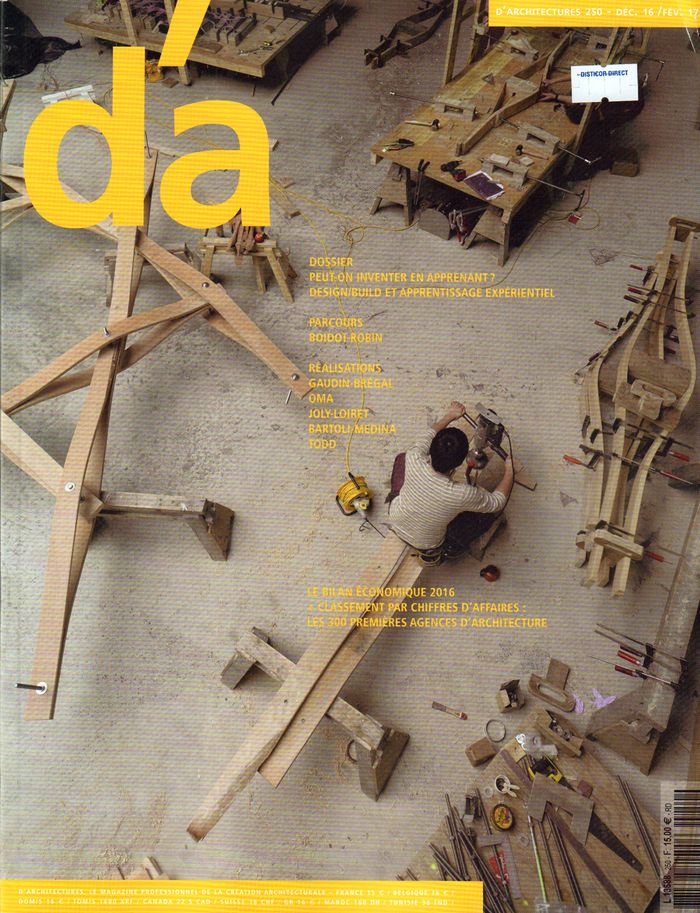
D'a (D'architectures) 250
D'a (D'architectures) 250
Actions:
Prix:
$22.00
(disponible sur commande)
Résumé:
Les historiens ont souvent dénoncé l’anti-intellectualisme du milieu de l’architecture française. Les architectes sont-ils pour autant des professionnels préparés à affronter la réalité de la commande et du chantier et formés aux savoir-faire constructifs ? Non, car il y a toujours eu en France une méfiance envers un enseignement trop professionnalisant, comme si la(...)
$22.00
(disponible sur commande)
Résumé:
Les historiens ont souvent dénoncé l’anti-intellectualisme du milieu de l’architecture française. Les architectes sont-ils pour autant des professionnels préparés à affronter la réalité de la commande et du chantier et formés aux savoir-faire constructifs ? Non, car il y a toujours eu en France une méfiance envers un enseignement trop professionnalisant, comme si la(...)
Titre:
D'a (D'architectures) 250
Actions:
Prix:
$22.00
(disponible sur commande)
Résumé:
Les historiens ont souvent dénoncé l’anti-intellectualisme du milieu de l’architecture française. Les architectes sont-ils pour autant des professionnels préparés à affronter la réalité de la commande et du chantier et formés aux savoir-faire constructifs ? Non, car il y a toujours eu en France une méfiance envers un enseignement trop professionnalisant, comme si la trivialité du BTP bridait la créativité et empêchait de réfléchir. Ni théorie ni pratique ; mais que reste-t-il aux architectes ? Le cliché de l’artiste socialement irresponsable, capricieux et dispendieux serait-il fondé ? Une voie pourtant échappe à cette fausse opposition et rencontre un succès grandissant auprès des nouvelles générations : le design/build – ou apprentissage expérientiel – se propose justement de concilier l’acte de concevoir et celui de construire. L’idée n’est pas tant de soumettre immédiatement celui qui apprend à la dure réalité du monde du bâtiment que d’infléchir puis de nourrir sa réflexion dans l’expérience pluridisciplinaire d’un projet concret. Né dans l’effervescence de la contre-culture américaine des années 1960, ce mouvement essaime aujourd’hui partout dans le monde. De Yale dans le Connecticut à Talca au Chili ou des Grands Ateliers à l’Isle-d’Abeau à Hooke Park dans le Dorset, naissent des architectures qui ne se réduisent pas à des maquettes d’étudiant agrandies. Souvent associées à des laboratoires de recherche, ces expériences sont un véritable terreau d’innovation. Élargissant le champ d’action de l’architecte, elle lui offre aussi l’opportunité d’une relégitimation sociale.
D'a (D'architectures) 250
Actions:
Prix:
$22.00
(disponible sur commande)
Résumé:
Les historiens ont souvent dénoncé l’anti-intellectualisme du milieu de l’architecture française. Les architectes sont-ils pour autant des professionnels préparés à affronter la réalité de la commande et du chantier et formés aux savoir-faire constructifs ? Non, car il y a toujours eu en France une méfiance envers un enseignement trop professionnalisant, comme si la trivialité du BTP bridait la créativité et empêchait de réfléchir. Ni théorie ni pratique ; mais que reste-t-il aux architectes ? Le cliché de l’artiste socialement irresponsable, capricieux et dispendieux serait-il fondé ? Une voie pourtant échappe à cette fausse opposition et rencontre un succès grandissant auprès des nouvelles générations : le design/build – ou apprentissage expérientiel – se propose justement de concilier l’acte de concevoir et celui de construire. L’idée n’est pas tant de soumettre immédiatement celui qui apprend à la dure réalité du monde du bâtiment que d’infléchir puis de nourrir sa réflexion dans l’expérience pluridisciplinaire d’un projet concret. Né dans l’effervescence de la contre-culture américaine des années 1960, ce mouvement essaime aujourd’hui partout dans le monde. De Yale dans le Connecticut à Talca au Chili ou des Grands Ateliers à l’Isle-d’Abeau à Hooke Park dans le Dorset, naissent des architectures qui ne se réduisent pas à des maquettes d’étudiant agrandies. Souvent associées à des laboratoires de recherche, ces expériences sont un véritable terreau d’innovation. Élargissant le champ d’action de l’architecte, elle lui offre aussi l’opportunité d’une relégitimation sociale.
Classification:
livres
livres
Publication:
décembre 2016
décembre 2016
Sujet:
Revues
Revues
Classification:
livres
livres
Titre:
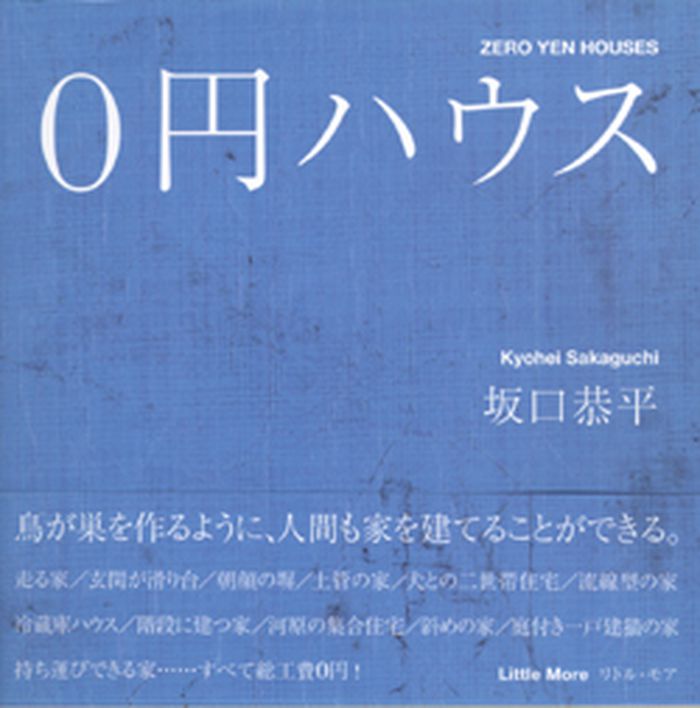
Zero yen houses
Zero yen houses
Actions:
Prix:
$75.00
(disponible sur commande)
Résumé:
A lean-to in an urban park, featuring a blue tarpaulin roof, a hinged door, and a bamboo blind. A car-shaped cardboard hut, lashed together with rope and sitting on a dolly. Temporary lodging under a bridge, incorporating a piece of playground equipment into its design. Each of these structures is an example of what Japanese artist and architect Kyohei Sakaguchi calls a(...)
$75.00
(disponible sur commande)
Résumé:
A lean-to in an urban park, featuring a blue tarpaulin roof, a hinged door, and a bamboo blind. A car-shaped cardboard hut, lashed together with rope and sitting on a dolly. Temporary lodging under a bridge, incorporating a piece of playground equipment into its design. Each of these structures is an example of what Japanese artist and architect Kyohei Sakaguchi calls a(...)
Titre:
Zero yen houses
Actions:
Prix:
$75.00
(disponible sur commande)
Résumé:
A lean-to in an urban park, featuring a blue tarpaulin roof, a hinged door, and a bamboo blind. A car-shaped cardboard hut, lashed together with rope and sitting on a dolly. Temporary lodging under a bridge, incorporating a piece of playground equipment into its design. Each of these structures is an example of what Japanese artist and architect Kyohei Sakaguchi calls a "zero-yen house".Built by the homeless of Tokyo, Osaka, and Nagoya, zero-yen houses employ discarded and found materials, including pieces of wood and corrugated roofing, temple ornaments, blankets, shipping pallets, an umbrella, and those ubiquitous blue tarps. They also incorporate into their assembly the imminence of their disassembly: at any moment, they may have to be taken apart and moved.Since his days as a university student at the turn of the millennium, Sakaguchi has been studying the kinds of shelters that street people have created for themselves in Japan's three largest cities. Based in Tokyo, he appears to be obsessed with this peculiar and transient form of "vernacular architecture". Sakaguchi uses images, descriptions, and even facsimiles of the improvised homes of the homeless as a way of celebrating human resourcefulness and ingenuity. These dwellings, he tells us, are worthy of our interest and admiration rather than our indifference, our scorn, or even our pity. They can instruct us on an approach to architecture that is the reverse of overconsumption and resource depletion.
Zero yen houses
Actions:
Prix:
$75.00
(disponible sur commande)
Résumé:
A lean-to in an urban park, featuring a blue tarpaulin roof, a hinged door, and a bamboo blind. A car-shaped cardboard hut, lashed together with rope and sitting on a dolly. Temporary lodging under a bridge, incorporating a piece of playground equipment into its design. Each of these structures is an example of what Japanese artist and architect Kyohei Sakaguchi calls a "zero-yen house".Built by the homeless of Tokyo, Osaka, and Nagoya, zero-yen houses employ discarded and found materials, including pieces of wood and corrugated roofing, temple ornaments, blankets, shipping pallets, an umbrella, and those ubiquitous blue tarps. They also incorporate into their assembly the imminence of their disassembly: at any moment, they may have to be taken apart and moved.Since his days as a university student at the turn of the millennium, Sakaguchi has been studying the kinds of shelters that street people have created for themselves in Japan's three largest cities. Based in Tokyo, he appears to be obsessed with this peculiar and transient form of "vernacular architecture". Sakaguchi uses images, descriptions, and even facsimiles of the improvised homes of the homeless as a way of celebrating human resourcefulness and ingenuity. These dwellings, he tells us, are worthy of our interest and admiration rather than our indifference, our scorn, or even our pity. They can instruct us on an approach to architecture that is the reverse of overconsumption and resource depletion.
Classification:
livres
livres
Publication:
janvier 2004, Tokyo
janvier 2004, Tokyo
Sujet:
Architecture résidentielle
Architecture résidentielle
Classification:
livres
livres
Actions:
Prix:
$60.00
(disponible sur commande)
Résumé:
Bertram Brooker (1888–1955), an associate of the Group of Seven, was a multi-disciplinary artist who was deeply engaged with the visual, literary and performing arts in Canada during the dynamic inter-war period. Brooker combined elements of abstraction and figuration as a painter, illustrator and graphic designer – the focus of this publication – and reflected myriad(...)
$60.00
(disponible sur commande)
Résumé:
Bertram Brooker (1888–1955), an associate of the Group of Seven, was a multi-disciplinary artist who was deeply engaged with the visual, literary and performing arts in Canada during the dynamic inter-war period. Brooker combined elements of abstraction and figuration as a painter, illustrator and graphic designer – the focus of this publication – and reflected myriad(...)
Titre:
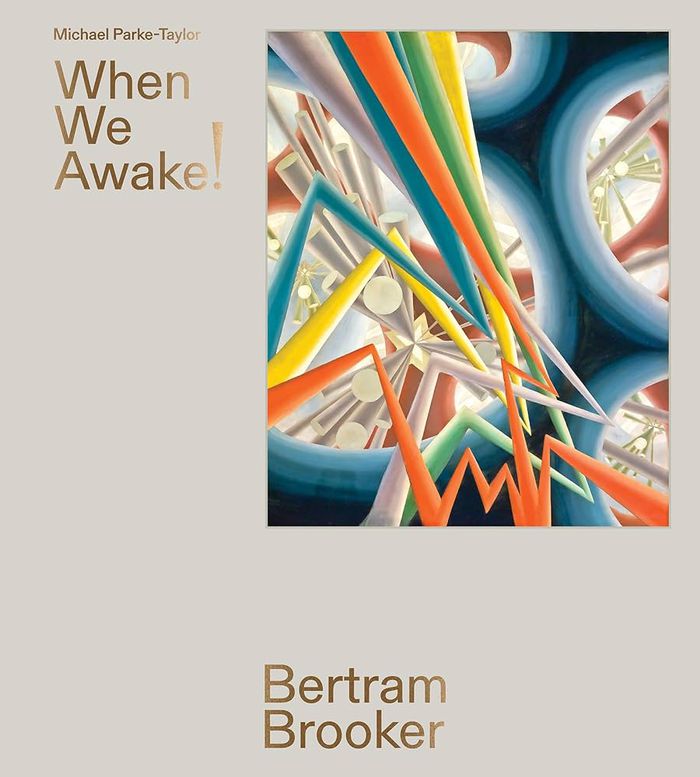
Bertram Brooker: When we awake!
Actions:
Prix:
$60.00
(disponible sur commande)
Résumé:
Bertram Brooker (1888–1955), an associate of the Group of Seven, was a multi-disciplinary artist who was deeply engaged with the visual, literary and performing arts in Canada during the dynamic inter-war period. Brooker combined elements of abstraction and figuration as a painter, illustrator and graphic designer – the focus of this publication – and reflected myriad strains of contemporary thought in his efforts as a novelist, poet, short-story and essay writer, screenwriter, playwright, actor, musician, and as one of the most influential art critics of his day.
Bertram Brooker: When we awake!
Actions:
Prix:
$60.00
(disponible sur commande)
Résumé:
Bertram Brooker (1888–1955), an associate of the Group of Seven, was a multi-disciplinary artist who was deeply engaged with the visual, literary and performing arts in Canada during the dynamic inter-war period. Brooker combined elements of abstraction and figuration as a painter, illustrator and graphic designer – the focus of this publication – and reflected myriad strains of contemporary thought in his efforts as a novelist, poet, short-story and essay writer, screenwriter, playwright, actor, musician, and as one of the most influential art critics of his day.
Classification:
livres
livres
Publication:
avril 2024
avril 2024
Sujet:
Art canadien
Art canadien
Classification:
livres
livres
Titre:
Public art New York
Public art New York
Actions:
Prix:
$33.00
(disponible sur commande)
Résumé:
A tour of the best permanent public art in all five boroughs of New York City. From outdoor sculpture in public plazas and landscapes to murals and works of art in lobbies accessible to the public, this book focuses on how exemplary works of public art enrich urban public space. Sponsored by the Municipal Art Society, Public Art New York is organized by neighborhood, with(...)
$33.00
(disponible sur commande)
Résumé:
A tour of the best permanent public art in all five boroughs of New York City. From outdoor sculpture in public plazas and landscapes to murals and works of art in lobbies accessible to the public, this book focuses on how exemplary works of public art enrich urban public space. Sponsored by the Municipal Art Society, Public Art New York is organized by neighborhood, with(...)
Sujet:
Espaces Public
Espaces Public
Publication:
mars 2009, New York, London
mars 2009, New York, London
Titre:
Public art New York
Actions:
Prix:
$33.00
(disponible sur commande)
Résumé:
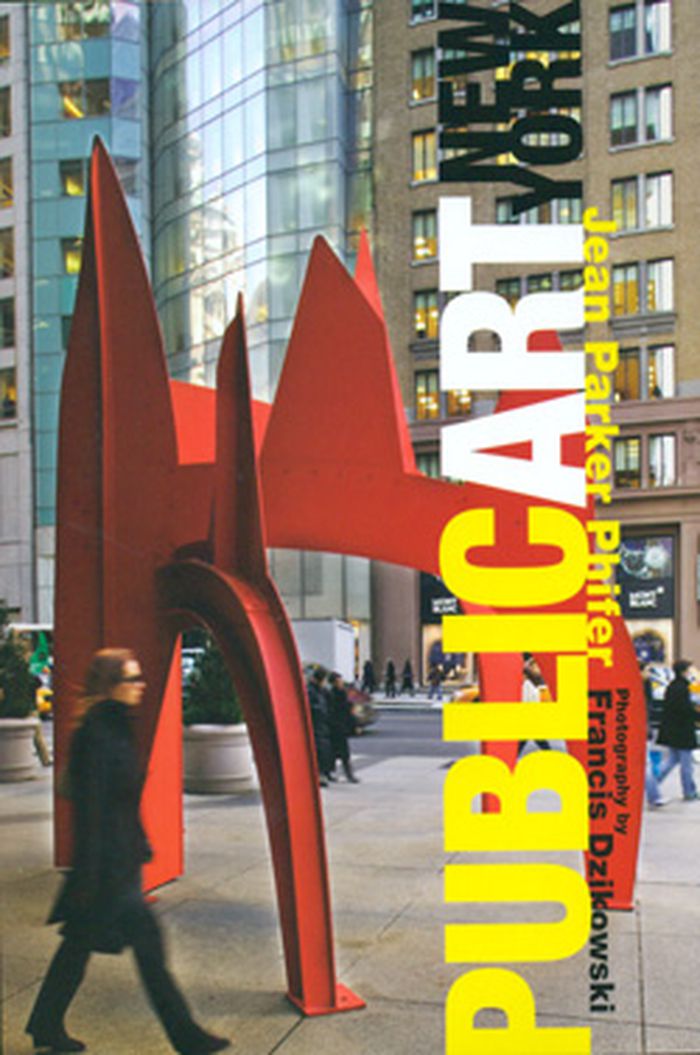
A tour of the best permanent public art in all five boroughs of New York City. From outdoor sculpture in public plazas and landscapes to murals and works of art in lobbies accessible to the public, this book focuses on how exemplary works of public art enrich urban public space. Sponsored by the Municipal Art Society, Public Art New York is organized by neighborhood, with maps suitable for walking tours. Architect Jean Parker Phifer specializes in planning, renovation and sustainable design projects for cultural institutions and has designed or restored numerous buildings, public spaces, and landscapes, primarily in New York.
Public art New York
Actions:
Prix:
$33.00
(disponible sur commande)
Résumé:
A tour of the best permanent public art in all five boroughs of New York City. From outdoor sculpture in public plazas and landscapes to murals and works of art in lobbies accessible to the public, this book focuses on how exemplary works of public art enrich urban public space. Sponsored by the Municipal Art Society, Public Art New York is organized by neighborhood, with maps suitable for walking tours. Architect Jean Parker Phifer specializes in planning, renovation and sustainable design projects for cultural institutions and has designed or restored numerous buildings, public spaces, and landscapes, primarily in New York.
Classification:
livres
livres
Publication:
mars 2009, New York, London
mars 2009, New York, London
Sujet:
Espaces Public
Espaces Public
Classification:
livres
livres
Prix:
$47.95
(disponible sur commande)
Résumé:
Since its invention, photography has been used to document and interpret the landscape. Survey photographers in the 1860s were the first environmental advocates, arguing for the U.S. national park system. During the first half of the 20th century photographers Ansel Adams and Eliot Porter were central figures in influencing American attitudes toward wilderness and(...)
$47.95
(disponible sur commande)
Résumé:
Since its invention, photography has been used to document and interpret the landscape. Survey photographers in the 1860s were the first environmental advocates, arguing for the U.S. national park system. During the first half of the 20th century photographers Ansel Adams and Eliot Porter were central figures in influencing American attitudes toward wilderness and(...)
Sujet:
Photographie par région
Photographie par région
Publication:
avril 2011
avril 2011
Titre:
Earth now: american photographers and the environment
Actions:
Prix:
$47.95
(disponible sur commande)
Résumé:
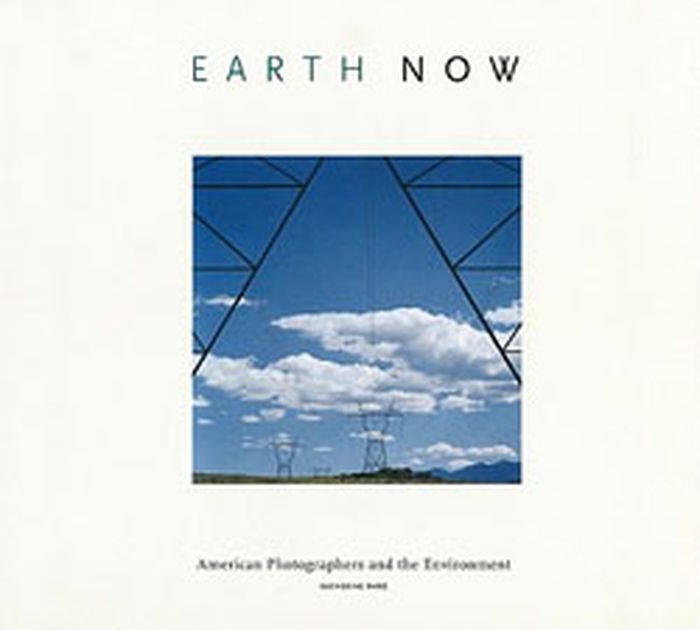
Since its invention, photography has been used to document and interpret the landscape. Survey photographers in the 1860s were the first environmental advocates, arguing for the U.S. national park system. During the first half of the 20th century photographers Ansel Adams and Eliot Porter were central figures in influencing American attitudes toward wilderness and conservation. This book traces the development of environmental photography beginning with Adams, Porter and others, and the next generation of landscape photographers - Robert Adams, Richard Misrach, Robert Glenn Ketchum, Patrick Nagatani, Mark Klett, whose works confronted the issues of landscape and the environment in less idealised terms. Shifting from the historical framework, the book presents new work by twenty-three photographers working in the U.S., the next wave of artists using the camera to engage the environmental issues of the day. Ranging from documentary to conceptual, the photographs touch on topics such as land and water use, the human place in the landscape, mounting consumer waste, industrial pollution, roof gardens and the green roof initiative, local food production, energy consumption, and the effects of industry on humans and animals. Katherine Ware's text offers insightful commentary on photography and the ways that environmental issues have been framed and advanced through the medium of photography. This is a powerful commentary on global environmental issues as seen through the lens of the newest wave of environmental photographers. This book is published to coincide with an exhibition to open at the New Mexico Museum of Art, Santa Fe, New Mexico, in April 2011.
Earth now: american photographers and the environment
Actions:
Prix:
$47.95
(disponible sur commande)
Résumé:
Since its invention, photography has been used to document and interpret the landscape. Survey photographers in the 1860s were the first environmental advocates, arguing for the U.S. national park system. During the first half of the 20th century photographers Ansel Adams and Eliot Porter were central figures in influencing American attitudes toward wilderness and conservation. This book traces the development of environmental photography beginning with Adams, Porter and others, and the next generation of landscape photographers - Robert Adams, Richard Misrach, Robert Glenn Ketchum, Patrick Nagatani, Mark Klett, whose works confronted the issues of landscape and the environment in less idealised terms. Shifting from the historical framework, the book presents new work by twenty-three photographers working in the U.S., the next wave of artists using the camera to engage the environmental issues of the day. Ranging from documentary to conceptual, the photographs touch on topics such as land and water use, the human place in the landscape, mounting consumer waste, industrial pollution, roof gardens and the green roof initiative, local food production, energy consumption, and the effects of industry on humans and animals. Katherine Ware's text offers insightful commentary on photography and the ways that environmental issues have been framed and advanced through the medium of photography. This is a powerful commentary on global environmental issues as seen through the lens of the newest wave of environmental photographers. This book is published to coincide with an exhibition to open at the New Mexico Museum of Art, Santa Fe, New Mexico, in April 2011.
Classification:
livres
livres
Publication:
avril 2011
avril 2011
Sujet:
Photographie par région
Photographie par région
Classification:
livres
livres
Actions:
Prix:
$53.95
(disponible sur commande)
Résumé:
In American popular imagination, the mobile home evokes images of cramped interiors, cheap materials, and occupants too poor or unsavory to live anywhere else. Since the 1940s and '50s, however, mobile home manufacturers have improved standards of construction and now present them as an affordable alternative to conventional site-built homes. Today one of every fourteen(...)
$53.95
(disponible sur commande)
Résumé:
In American popular imagination, the mobile home evokes images of cramped interiors, cheap materials, and occupants too poor or unsavory to live anywhere else. Since the 1940s and '50s, however, mobile home manufacturers have improved standards of construction and now present them as an affordable alternative to conventional site-built homes. Today one of every fourteen(...)
Sujet:
Maisons mobiles
Maisons mobiles
Publication:
janvier 1900, Baltimore
janvier 1900, Baltimore
Titre:
The unknown world of the mobile home
Actions:
Prix:
$53.95
(disponible sur commande)
Résumé:
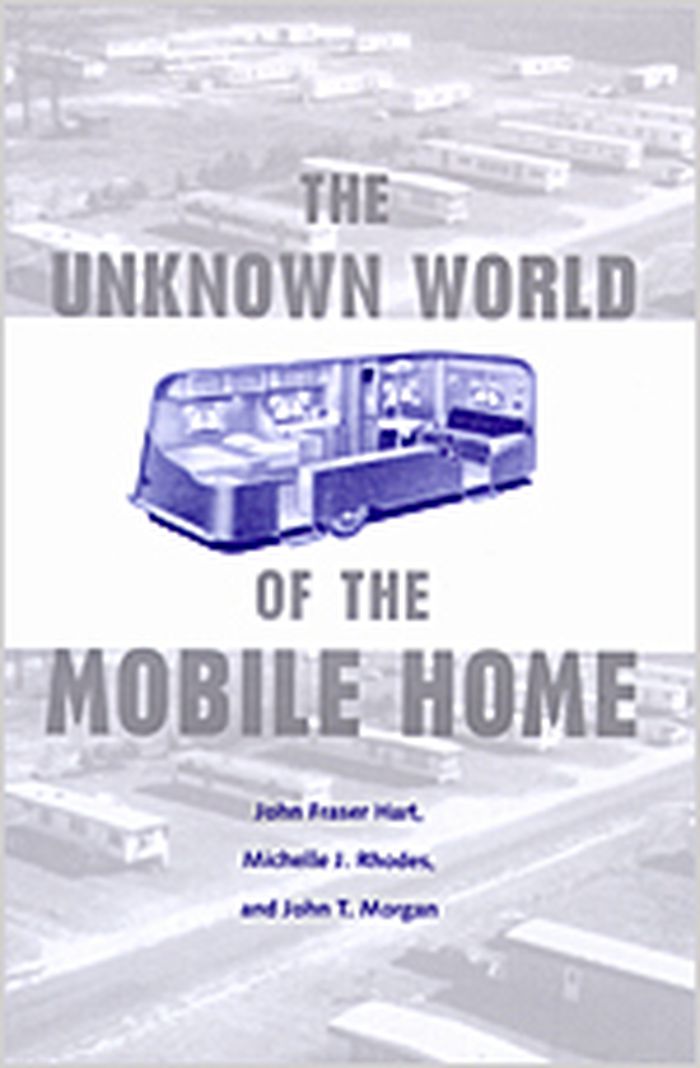
In American popular imagination, the mobile home evokes images of cramped interiors, cheap materials, and occupants too poor or unsavory to live anywhere else. Since the 1940s and '50s, however, mobile home manufacturers have improved standards of construction and now present them as an affordable alternative to conventional site-built homes. Today one of every fourteen Americans lives in a mobile home. In "The Unknown World of the Mobile Home" authors John Fraser Hart, Michelle J. Rhodes, and John T. Morgan illuminate the history and culture of these often misunderstood domiciles. They describe early mobile homes, which were trailers designed to be pulled behind automobiles and which were more often than not poorly constructed and unequal to the needs of those who used them. During the 1970s, however, Congress enacted federal standards for the quality and safety of mobile homes, which led to innovation in design and the production of much more attractive and durable models. These models now comply with local building codes and many are designed to look like conventional houses. As a result, one out every five new single-family housing units purchased in the United States is a mobile home, sited everywhere from the conventional trailer park to custom-designed "estates" aimed at young couples and retirees. Despite all these changes in manufacture and design, even the most immobile mobile homes are still sold, financed, regulated, and taxed as vehicles. With a wealth of detail and illustrations, "The Unknown World of the Mobile Home" provides readers with an in-depth look into this variation on the American dream.
The unknown world of the mobile home
Actions:
Prix:
$53.95
(disponible sur commande)
Résumé:
In American popular imagination, the mobile home evokes images of cramped interiors, cheap materials, and occupants too poor or unsavory to live anywhere else. Since the 1940s and '50s, however, mobile home manufacturers have improved standards of construction and now present them as an affordable alternative to conventional site-built homes. Today one of every fourteen Americans lives in a mobile home. In "The Unknown World of the Mobile Home" authors John Fraser Hart, Michelle J. Rhodes, and John T. Morgan illuminate the history and culture of these often misunderstood domiciles. They describe early mobile homes, which were trailers designed to be pulled behind automobiles and which were more often than not poorly constructed and unequal to the needs of those who used them. During the 1970s, however, Congress enacted federal standards for the quality and safety of mobile homes, which led to innovation in design and the production of much more attractive and durable models. These models now comply with local building codes and many are designed to look like conventional houses. As a result, one out every five new single-family housing units purchased in the United States is a mobile home, sited everywhere from the conventional trailer park to custom-designed "estates" aimed at young couples and retirees. Despite all these changes in manufacture and design, even the most immobile mobile homes are still sold, financed, regulated, and taxed as vehicles. With a wealth of detail and illustrations, "The Unknown World of the Mobile Home" provides readers with an in-depth look into this variation on the American dream.
Classification:
livres
livres
Publication:
janvier 1900, Baltimore
janvier 1900, Baltimore
Sujet:
Maisons mobiles
Maisons mobiles
Classification:
livres
livres
Actions:
Prix:
$39.95
(disponible en magasin)
Résumé:
For E. C. Relph, the landscape of late twentieth-century cities must be envisioned as a total environment—not just streets and buildings but billboards and parking meters as well. "The modern urban landscape" traces the developments since 1880 in architecture, technology, planning, and society that have formed the visual context of daily life. Each of these shaping(...)
$39.95
(disponible en magasin)
Résumé:
For E. C. Relph, the landscape of late twentieth-century cities must be envisioned as a total environment—not just streets and buildings but billboards and parking meters as well. "The modern urban landscape" traces the developments since 1880 in architecture, technology, planning, and society that have formed the visual context of daily life. Each of these shaping(...)
Titre:
The modern urban landscape: 1880 to the present
Actions:
Prix:
$39.95
(disponible en magasin)
Résumé:
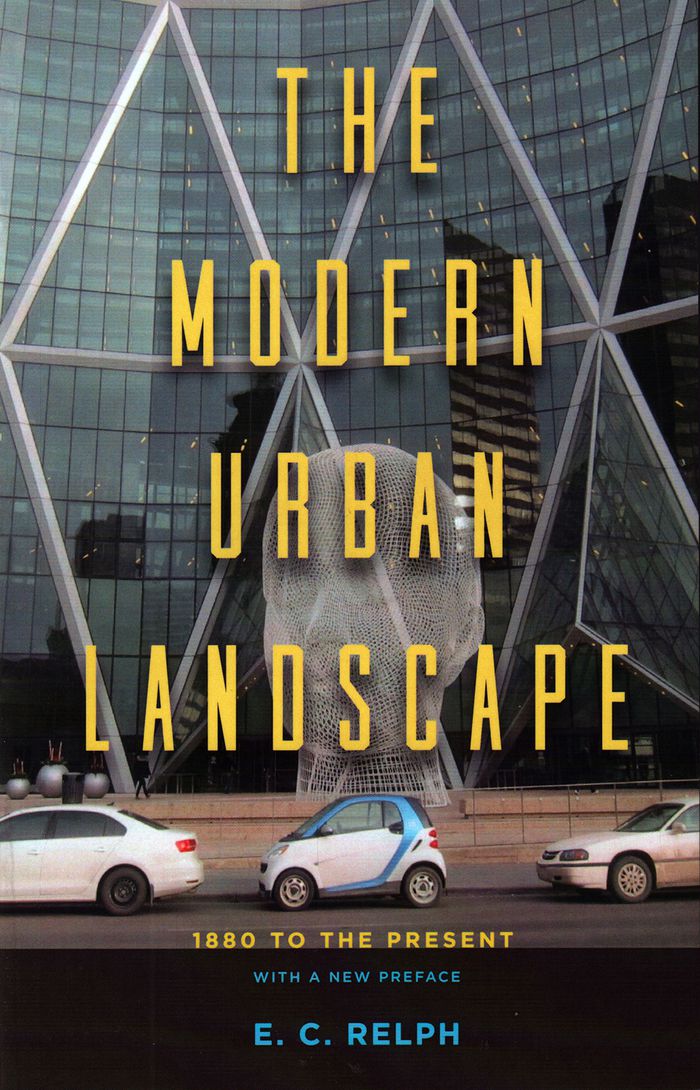
For E. C. Relph, the landscape of late twentieth-century cities must be envisioned as a total environment—not just streets and buildings but billboards and parking meters as well. "The modern urban landscape" traces the developments since 1880 in architecture, technology, planning, and society that have formed the visual context of daily life. Each of these shaping influences is often viewed in isolation, but Relph surveys the ways in which they have operated independently to create what we see when we walk down a street, shop in a mall, or stare through a windshield on an expressway. Two sets of ideas and fashions, Relph argues, have had an especially important impact on urban landscapes in the twentieth century. An "internationalism" made possible by new building technologies and design ideologies has replaced regional style and custom as the dominant feature of city appearance, while a firm belief in the merits of self-consciousness has imposed logical analysis and technical manipulation on such commonplace objects as curbstones and park benches. "As a result," writes Relph, "the modern urban landscape is both rationalized and artificial, which is another way of saying that it is intensely human." This edition features a new preface in which the author identifies the major visible changes in urban landscapes over the past thirty years, including destination architecture, coffee shops, condominium towers, revitalized downtown streets, and the creation of edge cities. He also considers the less visible yet pervasive impacts associated with the emergence of electronic technologies and sustainable development.
The modern urban landscape: 1880 to the present
Actions:
Prix:
$39.95
(disponible en magasin)
Résumé:
For E. C. Relph, the landscape of late twentieth-century cities must be envisioned as a total environment—not just streets and buildings but billboards and parking meters as well. "The modern urban landscape" traces the developments since 1880 in architecture, technology, planning, and society that have formed the visual context of daily life. Each of these shaping influences is often viewed in isolation, but Relph surveys the ways in which they have operated independently to create what we see when we walk down a street, shop in a mall, or stare through a windshield on an expressway. Two sets of ideas and fashions, Relph argues, have had an especially important impact on urban landscapes in the twentieth century. An "internationalism" made possible by new building technologies and design ideologies has replaced regional style and custom as the dominant feature of city appearance, while a firm belief in the merits of self-consciousness has imposed logical analysis and technical manipulation on such commonplace objects as curbstones and park benches. "As a result," writes Relph, "the modern urban landscape is both rationalized and artificial, which is another way of saying that it is intensely human." This edition features a new preface in which the author identifies the major visible changes in urban landscapes over the past thirty years, including destination architecture, coffee shops, condominium towers, revitalized downtown streets, and the creation of edge cities. He also considers the less visible yet pervasive impacts associated with the emergence of electronic technologies and sustainable development.
Classification:
livres
livres
Publication:
juillet 2016
juillet 2016
Sujet:
Théorie de l’urbanisme
Théorie de l’urbanisme
Classification:
livres
livres
Actions:
Prix:
$44.95
(disponible sur commande)
Résumé:
The Nature of Landscape offers an inspiring, personal account of a quest into the meaning and background of the term ‘landscape’. The author, a landscape planner and designer currently teaching at Eindhoven University of Technology, researches the origins of landscape in our civilization and describes different points of view that have helped shape our opinions on(...)
$44.95
(disponible sur commande)
Résumé:
The Nature of Landscape offers an inspiring, personal account of a quest into the meaning and background of the term ‘landscape’. The author, a landscape planner and designer currently teaching at Eindhoven University of Technology, researches the origins of landscape in our civilization and describes different points of view that have helped shape our opinions on(...)
Titre:
The nature of landscape : a personal quest
Actions:
Prix:
$44.95
(disponible sur commande)
Résumé:
The Nature of Landscape offers an inspiring, personal account of a quest into the meaning and background of the term ‘landscape’. The author, a landscape planner and designer currently teaching at Eindhoven University of Technology, researches the origins of landscape in our civilization and describes different points of view that have helped shape our opinions on landscape. For the author, our notion of landscape is focused around the terms 'nature versus culture' and 'native versus foreign'. These counterparts make up his 'mindscape diamond', a modified matrix that not only explains trends in landscape perception and design, but also helps to define developments in land use, architecture, urban planning and environmental art. On a more metaphorical level, the author's abundantly illustrated quest is symbolized by a number of personal impressions, such as the discovery of a stone circle in the desert, a lesson in the peculiarities of the Russian language, a journey along the industrial heritage of the German Ruhrgebiet and a visit to a town where ‘Bavaria comes to Washington’. Offering an unexpected reading experience, these and other descriptions demonstrate how varied ‘landscape’ can be. In a worldwide overview of 30 landscape related artworks and 30 park designs, the author discusses landscape attitudes past and present. In a final chapter, he brings together recent developments in society, architecture and art to make a forecast of landscape trends in the near future. Themes such as man-made nature and reinvented heritage conclude this unusual book on the essence of landscape.
The nature of landscape : a personal quest
Actions:
Prix:
$44.95
(disponible sur commande)
Résumé:
The Nature of Landscape offers an inspiring, personal account of a quest into the meaning and background of the term ‘landscape’. The author, a landscape planner and designer currently teaching at Eindhoven University of Technology, researches the origins of landscape in our civilization and describes different points of view that have helped shape our opinions on landscape. For the author, our notion of landscape is focused around the terms 'nature versus culture' and 'native versus foreign'. These counterparts make up his 'mindscape diamond', a modified matrix that not only explains trends in landscape perception and design, but also helps to define developments in land use, architecture, urban planning and environmental art. On a more metaphorical level, the author's abundantly illustrated quest is symbolized by a number of personal impressions, such as the discovery of a stone circle in the desert, a lesson in the peculiarities of the Russian language, a journey along the industrial heritage of the German Ruhrgebiet and a visit to a town where ‘Bavaria comes to Washington’. Offering an unexpected reading experience, these and other descriptions demonstrate how varied ‘landscape’ can be. In a worldwide overview of 30 landscape related artworks and 30 park designs, the author discusses landscape attitudes past and present. In a final chapter, he brings together recent developments in society, architecture and art to make a forecast of landscape trends in the near future. Themes such as man-made nature and reinvented heritage conclude this unusual book on the essence of landscape.
Classification:
livres
livres
Publication:
mars 2001, Rotterdam
mars 2001, Rotterdam
Sujet:
Théorie du paysage
Théorie du paysage


