


9543 Résultats
Classification:
livres
livres
Titre:
Le cabinet du duc d'Aumont.
Le cabinet du duc d'Aumont.
Actions:
Exemplaires:
Description:
xxvii, xxxii, 203 pages, 34 unnumbered pages of plates : illustrations ; 23 cm.
Description:
xxvii, xxxii, 203 pages, 34 unnumbered pages of plates : illustrations ; 23 cm.
Auteur:
Sujet:
Publication:
New York : Acanthus Books, 1986.
New York : Acanthus Books, 1986.
Titre:
Le cabinet du duc d'Aumont.
Actions:
Exemplaires:
Description:
xxvii, xxxii, 203 pages, 34 unnumbered pages of plates : illustrations ; 23 cm.
Le cabinet du duc d'Aumont.
Actions:
Exemplaires:
Description:
xxvii, xxxii, 203 pages, 34 unnumbered pages of plates : illustrations ; 23 cm.
Classification:
livres
livres
Publication:
New York : Acanthus Books, 1986.
New York : Acanthus Books, 1986.
Auteur:
Sujet:
Classification:
livres
livres
Actions:
Prix:
$80.99
(disponible sur commande)
Résumé:
'Neighbourhood planning (NP), introduced by the Localism Act of 2011, is the right for communities to decide the future of the places where they live and work. This book examines the experience of neighbourhood planners, analysing what communities have achieved, how they have done so and what went well or badly. Comparing NP with other forms of community planning and(...)
$80.99
(disponible sur commande)
Résumé:
'Neighbourhood planning (NP), introduced by the Localism Act of 2011, is the right for communities to decide the future of the places where they live and work. This book examines the experience of neighbourhood planners, analysing what communities have achieved, how they have done so and what went well or badly. Comparing NP with other forms of community planning and(...)
Sujet:
Théorie de l’urbanisme
Théorie de l’urbanisme
Publication:
avril 2019
avril 2019
Titre:
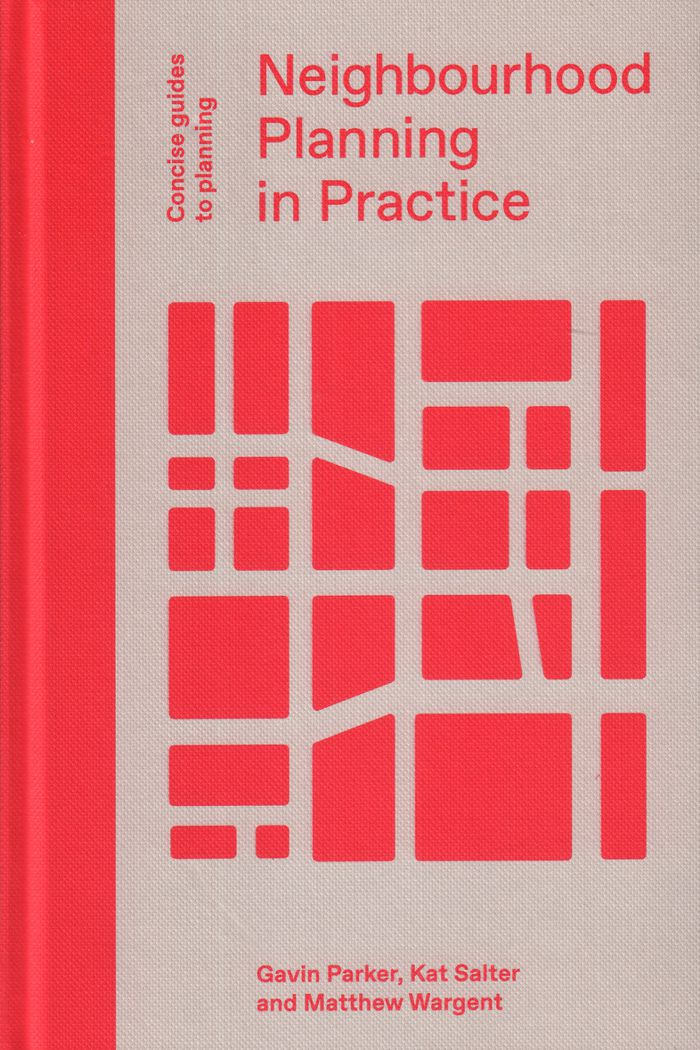
Neighbourhood planning in practice
Actions:
Prix:
$80.99
(disponible sur commande)
Résumé:
'Neighbourhood planning (NP), introduced by the Localism Act of 2011, is the right for communities to decide the future of the places where they live and work. This book examines the experience of neighbourhood planners, analysing what communities have achieved, how they have done so and what went well or badly. Comparing NP with other forms of community planning and highlighting the main lessons learned so far, it acts as a navigation tool for people already involved in neighbourhood planning, as well as those contemplating participation.
Neighbourhood planning in practice
Actions:
Prix:
$80.99
(disponible sur commande)
Résumé:
'Neighbourhood planning (NP), introduced by the Localism Act of 2011, is the right for communities to decide the future of the places where they live and work. This book examines the experience of neighbourhood planners, analysing what communities have achieved, how they have done so and what went well or badly. Comparing NP with other forms of community planning and highlighting the main lessons learned so far, it acts as a navigation tool for people already involved in neighbourhood planning, as well as those contemplating participation.
Classification:
livres
livres
Publication:
avril 2019
avril 2019
Sujet:
Théorie de l’urbanisme
Théorie de l’urbanisme
Classification:
livres
livres
Actions:
Prix:
$46.50
(disponible en magasin)
Résumé:
From ancient Persia to the Third Reich, imperial powers have built cities in their image, seeking to reflect their power and influence through a show of magnificence and a reflection of their values. Statues, pictures, temples, palaces—all combine to produce the necessary justification for the wielding of power while intimidating opponents. In Power in Stone, Geoffrey(...)
$46.50
(disponible en magasin)
Résumé:
From ancient Persia to the Third Reich, imperial powers have built cities in their image, seeking to reflect their power and influence through a show of magnificence and a reflection of their values. Statues, pictures, temples, palaces—all combine to produce the necessary justification for the wielding of power while intimidating opponents. In Power in Stone, Geoffrey(...)
Titre:
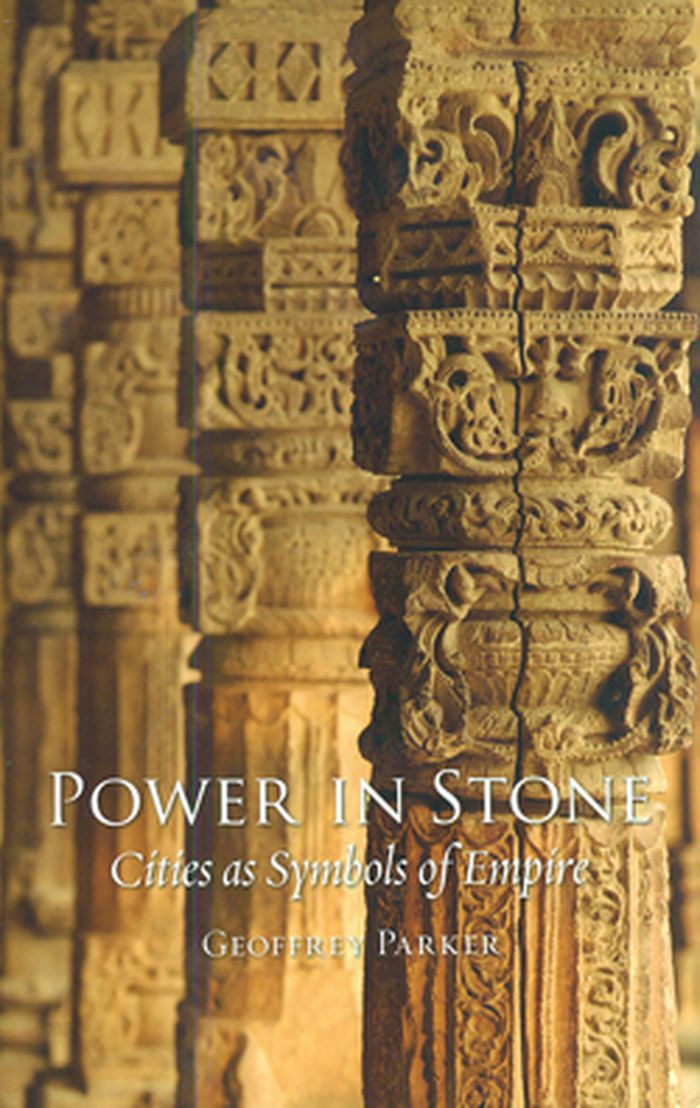
Power in stone: cities as symbols of Empire
Actions:
Prix:
$46.50
(disponible en magasin)
Résumé:
From ancient Persia to the Third Reich, imperial powers have built cities in their image, seeking to reflect their power and influence through a show of magnificence and a reflection of their values. Statues, pictures, temples, palaces—all combine to produce the necessary justification for the wielding of power while intimidating opponents. In Power in Stone, Geoffrey Parker traces the very nature of power through history by exploring the structural symbolism of these cities.
Power in stone: cities as symbols of Empire
Actions:
Prix:
$46.50
(disponible en magasin)
Résumé:
From ancient Persia to the Third Reich, imperial powers have built cities in their image, seeking to reflect their power and influence through a show of magnificence and a reflection of their values. Statues, pictures, temples, palaces—all combine to produce the necessary justification for the wielding of power while intimidating opponents. In Power in Stone, Geoffrey Parker traces the very nature of power through history by exploring the structural symbolism of these cities.
Classification:
livres
livres
Publication:
avril 2014
avril 2014
Sujet:
Histoire jusqu’à 1900
Histoire jusqu’à 1900
Classification:
livres
livres
Prix:
$64.95
(disponible en magasin)
Résumé:
Artist and educator Lionel LeMoine FitzGerald (1890–1956) was the only member of the Group of Seven based in Western Canada. Some Magnetic Force is the first collection to gather the surviving writings by the Winnipeg artist. Spanning from 1930 to 1954, the texts gathered here begin during the mature period of his artistic development at age forty and conclude with(...)
$64.95
(disponible en magasin)
Résumé:
Artist and educator Lionel LeMoine FitzGerald (1890–1956) was the only member of the Group of Seven based in Western Canada. Some Magnetic Force is the first collection to gather the surviving writings by the Winnipeg artist. Spanning from 1930 to 1954, the texts gathered here begin during the mature period of his artistic development at age forty and conclude with(...)
Titre:
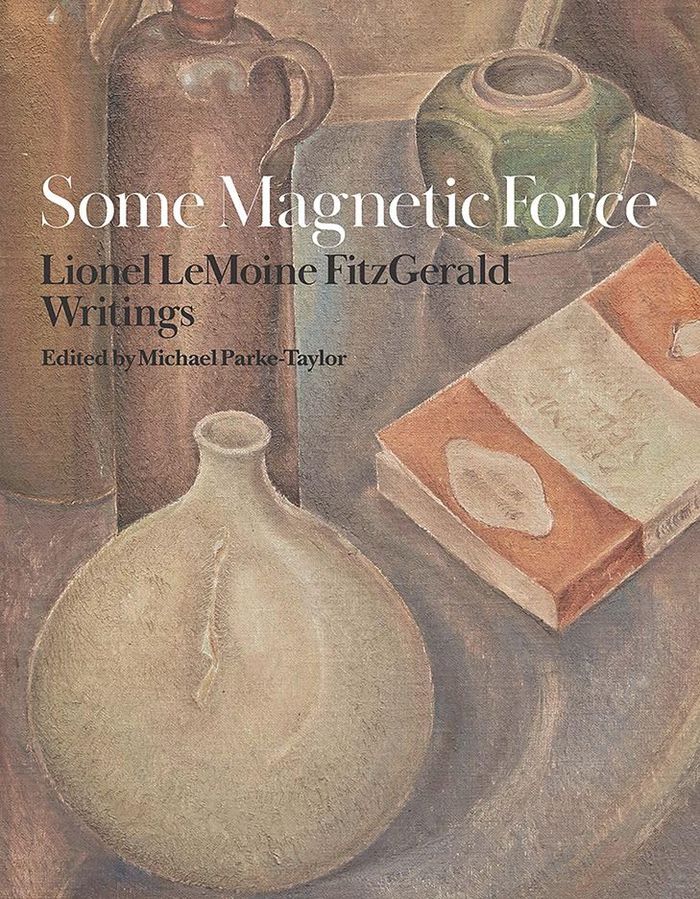
Some magnetic force: Lionel Lemoine Fitzgerald writings
Actions:
Prix:
$64.95
(disponible en magasin)
Résumé:
Artist and educator Lionel LeMoine FitzGerald (1890–1956) was the only member of the Group of Seven based in Western Canada. Some Magnetic Force is the first collection to gather the surviving writings by the Winnipeg artist. Spanning from 1930 to 1954, the texts gathered here begin during the mature period of his artistic development at age forty and conclude with personal reflections late in life on the nature of art and his career. Michael Parke-Taylor has uncovered and chronologically organized FitzGerald’s letters, diary, lectures, and reports to show how FitzGerald understood the development of his practice, communicated the philosophy of art to his art students, confronted challenges in his career, as well as revealing his spiritual aspirations, views about the natural world, and his private desires. These writings also elucidate the material and reputational realities of artistic production in places beyond the period’s dominant Canadian art centres of Toronto, Montreal, and Ottawa.
Some magnetic force: Lionel Lemoine Fitzgerald writings
Actions:
Prix:
$64.95
(disponible en magasin)
Résumé:
Artist and educator Lionel LeMoine FitzGerald (1890–1956) was the only member of the Group of Seven based in Western Canada. Some Magnetic Force is the first collection to gather the surviving writings by the Winnipeg artist. Spanning from 1930 to 1954, the texts gathered here begin during the mature period of his artistic development at age forty and conclude with personal reflections late in life on the nature of art and his career. Michael Parke-Taylor has uncovered and chronologically organized FitzGerald’s letters, diary, lectures, and reports to show how FitzGerald understood the development of his practice, communicated the philosophy of art to his art students, confronted challenges in his career, as well as revealing his spiritual aspirations, views about the natural world, and his private desires. These writings also elucidate the material and reputational realities of artistic production in places beyond the period’s dominant Canadian art centres of Toronto, Montreal, and Ottawa.
Classification:
livres
livres
Publication:
octobre 2023
octobre 2023
Sujet:
Théorie de l’art
Théorie de l’art
Classification:
livres
livres
Exemplaires:
Description:
xiv, 64, [1] pages, xlviii leaves of plates (some folded) : illustrations, plans ; 32 cm
Description:
xiv, 64, [1] pages, xlviii leaves of plates (some folded) : illustrations, plans ; 32 cm
Auteur:
Sujet:
Publication:
London : Published for the Royal Asiatic Society of Great Britain and Ireland by J.W. Parker : To be had also of Messrs. De Bure, Bros., and Messrs. Dondey Dupré and Son, Paris, and Messrs. Black, Young, and Young, Leipzig, 1834.
London : Published for the Royal Asiatic Society of Great Britain and Ireland by J.W. Parker : To be had also of Messrs. De Bure, Bros., and Messrs. Dondey Dupré and Son, Paris, and Messrs. Black, Young, and Young, Leipzig, 1834.
Titre:
Essay on the architecture of the Hindús / by Rám Ráz.
Actions:
Exemplaires:
Description:
xiv, 64, [1] pages, xlviii leaves of plates (some folded) : illustrations, plans ; 32 cm
Essay on the architecture of the Hindús / by Rám Ráz.
Actions:
Exemplaires:
Description:
xiv, 64, [1] pages, xlviii leaves of plates (some folded) : illustrations, plans ; 32 cm
Classification:
livres
livres
Publication:
London : Published for the Royal Asiatic Society of Great Britain and Ireland by J.W. Parker : To be had also of Messrs. De Bure, Bros., and Messrs. Dondey Dupré and Son, Paris, and Messrs. Black, Young, and Young, Leipzig, 1834.
London : Published for the Royal Asiatic Society of Great Britain and Ireland by J.W. Parker : To be had also of Messrs. De Bure, Bros., and Messrs. Dondey Dupré and Son, Paris, and Messrs. Black, Young, and Young, Leipzig, 1834.
Auteur:
Sujet:
Classification:
livres
livres
Actions:
Prix:
$33.50
(disponible en magasin)
Résumé:
For almost 100 years, Coney Island was the most popular seaside destination in the United States. Each year, millions escaped the heat of New York City to savor the thrills of the Cyclone roller coaster and Wonder Wheel at the Astroland amusement park. They came to sample an original Nathan's Famous hot dog, witness the first demolition derby, or to take a chance at a(...)
$33.50
(disponible en magasin)
Résumé:
For almost 100 years, Coney Island was the most popular seaside destination in the United States. Each year, millions escaped the heat of New York City to savor the thrills of the Cyclone roller coaster and Wonder Wheel at the Astroland amusement park. They came to sample an original Nathan's Famous hot dog, witness the first demolition derby, or to take a chance at a(...)
Publication:
avril 2007, New York
avril 2007, New York
Titre:
Coney island : the parchute pavilion competition
Actions:
Prix:
$33.50
(disponible en magasin)
Résumé:
For almost 100 years, Coney Island was the most popular seaside destination in the United States. Each year, millions escaped the heat of New York City to savor the thrills of the Cyclone roller coaster and Wonder Wheel at the Astroland amusement park. They came to sample an original Nathan's Famous hot dog, witness the first demolition derby, or to take a chance at a game of three-card Monte on the legendary boardwalk. The advent of air-conditioning, concerns about Coney's "tawdry" entertainment, and faster transportation to other beaches hastened the demise of what had become a uniquely American icon of entertainment and a defining terminus of New York at the water's edge. In an effort to revitalize the area, the Van Alen Institute, in concert with the Coney Island Development Corporation, held the Parachute Pavilion Competition, a contest to design a year-round pavilion in the shadow of the Parachute Jump, a landmark built for the 1939 World's Fair. Coney Island: The Parachute Pavilion Competition presents all 864 submissions—from the feasible to the fantastic—received from around the world. The winning design by London-based Carmody Groarke Hardie is a mesmerizing attraction in its own right, composed of two provocative trapezoids illuminated by thousands of colored light bulbs. The design respects the historic icon under which it is located but also promises to become an icon in its own right and bring the fun-loving spirit of Coney Island into the twenty-first century. Featuring essays, photographic documentation, and jury comments, Coney Island: The Parachute Pavilion Competition is a critical resource for students, designers, city officials, and anyone interested in Coney Island and the reinvention of the historic recreation sites of our cities.
Coney island : the parchute pavilion competition
Actions:
Prix:
$33.50
(disponible en magasin)
Résumé:
For almost 100 years, Coney Island was the most popular seaside destination in the United States. Each year, millions escaped the heat of New York City to savor the thrills of the Cyclone roller coaster and Wonder Wheel at the Astroland amusement park. They came to sample an original Nathan's Famous hot dog, witness the first demolition derby, or to take a chance at a game of three-card Monte on the legendary boardwalk. The advent of air-conditioning, concerns about Coney's "tawdry" entertainment, and faster transportation to other beaches hastened the demise of what had become a uniquely American icon of entertainment and a defining terminus of New York at the water's edge. In an effort to revitalize the area, the Van Alen Institute, in concert with the Coney Island Development Corporation, held the Parachute Pavilion Competition, a contest to design a year-round pavilion in the shadow of the Parachute Jump, a landmark built for the 1939 World's Fair. Coney Island: The Parachute Pavilion Competition presents all 864 submissions—from the feasible to the fantastic—received from around the world. The winning design by London-based Carmody Groarke Hardie is a mesmerizing attraction in its own right, composed of two provocative trapezoids illuminated by thousands of colored light bulbs. The design respects the historic icon under which it is located but also promises to become an icon in its own right and bring the fun-loving spirit of Coney Island into the twenty-first century. Featuring essays, photographic documentation, and jury comments, Coney Island: The Parachute Pavilion Competition is a critical resource for students, designers, city officials, and anyone interested in Coney Island and the reinvention of the historic recreation sites of our cities.
Classification:
livres
livres
Publication:
avril 2007, New York
avril 2007, New York
Classification:
livres
livres
Actions:
Prix:
$22.95
(disponible sur commande)
Résumé:
For Siegfried Kracauer, the urban ornament was not just an aspect of design; it was the medium through which city dwellers interpreted the metropolis itself. In "Ornaments of the metropolis", Henrik Reeh traces variations on the theme of the ornament in Kracauer's writings on urbanism, from his early journalism in Germany between the wars to his "sociobiography" of(...)
$22.95
(disponible sur commande)
Résumé:
For Siegfried Kracauer, the urban ornament was not just an aspect of design; it was the medium through which city dwellers interpreted the metropolis itself. In "Ornaments of the metropolis", Henrik Reeh traces variations on the theme of the ornament in Kracauer's writings on urbanism, from his early journalism in Germany between the wars to his "sociobiography" of(...)
Titre:
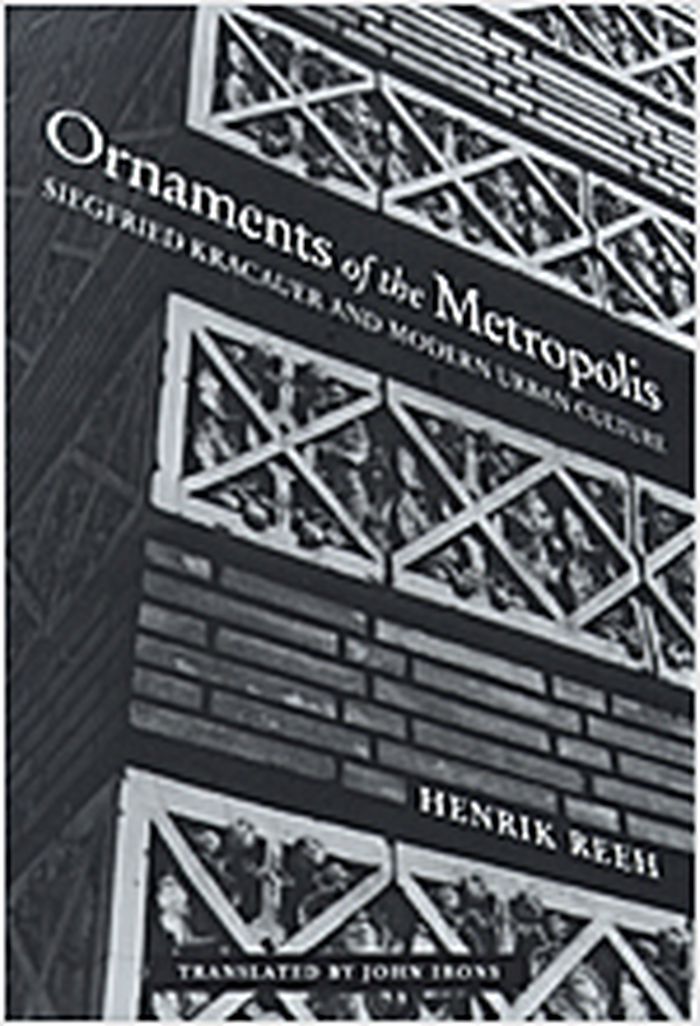
Ornaments of the metropolis : Siegfried Kracuaer and the Modern urban culture
Actions:
Prix:
$22.95
(disponible sur commande)
Résumé:
For Siegfried Kracauer, the urban ornament was not just an aspect of design; it was the medium through which city dwellers interpreted the metropolis itself. In "Ornaments of the metropolis", Henrik Reeh traces variations on the theme of the ornament in Kracauer's writings on urbanism, from his early journalism in Germany between the wars to his "sociobiography" of Jacques Offenbach in Paris. Kracauer (1889-1966), often associated with the Frankfurt School and the intellectual milieu of Walter Benjamin, is best known for his writings on cinema and the philosophy of history. Reeh examines Kracauer's lesser-known early work, much of it written for the trendsetting newspaper Frankfurter Zeitung in the 1920s and early 1930s, and analyzes Kracauer's continuing reflections on modern urban life, through the pivotal idea of ornament. Kracauer deciphers the subjective experience of the city by viewing fragments of the city as dynamic ornaments; an employment exchange, a day shelter for the homeless, a movie theater, and an amusement park become urban microcosms. Reeh focuses on three substantial works written by Kracauer before his emigration to the United States in 1940. In the early autobiographical novel "Ginster, written by himself", a young architect finds aesthetic pleasure in the ornamental forms that are largely unused in the profession of the time. The collection "Streets of Berlin and elsewhere", with many essays from Kracauer's years in Berlin, documents the subjectiveness of urban life. Finally, "Jacques Offenbach and the Paris of his time" shows how the superficial - in a sense, ornamental - milieu of the operetta evolved into a critical force during the Second Empire. Reeh argues that Kracauer's novel, essays, and historiography all suggest ways in which the subjective can reappropriate urban life. The book also includes a series of photographs by the author that reflect the ornamental experience of the metropolis in Paris, Frankfurt, and other cities.
Ornaments of the metropolis : Siegfried Kracuaer and the Modern urban culture
Actions:
Prix:
$22.95
(disponible sur commande)
Résumé:
For Siegfried Kracauer, the urban ornament was not just an aspect of design; it was the medium through which city dwellers interpreted the metropolis itself. In "Ornaments of the metropolis", Henrik Reeh traces variations on the theme of the ornament in Kracauer's writings on urbanism, from his early journalism in Germany between the wars to his "sociobiography" of Jacques Offenbach in Paris. Kracauer (1889-1966), often associated with the Frankfurt School and the intellectual milieu of Walter Benjamin, is best known for his writings on cinema and the philosophy of history. Reeh examines Kracauer's lesser-known early work, much of it written for the trendsetting newspaper Frankfurter Zeitung in the 1920s and early 1930s, and analyzes Kracauer's continuing reflections on modern urban life, through the pivotal idea of ornament. Kracauer deciphers the subjective experience of the city by viewing fragments of the city as dynamic ornaments; an employment exchange, a day shelter for the homeless, a movie theater, and an amusement park become urban microcosms. Reeh focuses on three substantial works written by Kracauer before his emigration to the United States in 1940. In the early autobiographical novel "Ginster, written by himself", a young architect finds aesthetic pleasure in the ornamental forms that are largely unused in the profession of the time. The collection "Streets of Berlin and elsewhere", with many essays from Kracauer's years in Berlin, documents the subjectiveness of urban life. Finally, "Jacques Offenbach and the Paris of his time" shows how the superficial - in a sense, ornamental - milieu of the operetta evolved into a critical force during the Second Empire. Reeh argues that Kracauer's novel, essays, and historiography all suggest ways in which the subjective can reappropriate urban life. The book also includes a series of photographs by the author that reflect the ornamental experience of the metropolis in Paris, Frankfurt, and other cities.
Classification:
livres
livres
Publication:
octobre 2006, Cambridge (MA), London
octobre 2006, Cambridge (MA), London
Sujet:
Théorie de l’urbanisme
Théorie de l’urbanisme
Classification:
livres
livres
Titre:
The gray cloth
The gray cloth
Actions:
Prix:
$44.95
(disponible sur commande)
Résumé:
The German expressionist, architectural visionary, author, inventor, and artist Paul Scheerbart (1863-1915) wrote several fictional utopian narratives related to glass architecture. In "The Gray Cloth", the first of his novels to be translated into English, Scheerbart uses subtle irony and the structural simplicity of a fairy tale to present the theories of coloured glass(...)
$44.95
(disponible sur commande)
Résumé:
The German expressionist, architectural visionary, author, inventor, and artist Paul Scheerbart (1863-1915) wrote several fictional utopian narratives related to glass architecture. In "The Gray Cloth", the first of his novels to be translated into English, Scheerbart uses subtle irony and the structural simplicity of a fairy tale to present the theories of coloured glass(...)
Sujet:
Théorie de l’architecture
Théorie de l’architecture
Publication:
octobre 2001, Cambridge, Mass.
octobre 2001, Cambridge, Mass.
Titre:
The gray cloth
Actions:
Prix:
$44.95
(disponible sur commande)
Résumé:
The German expressionist, architectural visionary, author, inventor, and artist Paul Scheerbart (1863-1915) wrote several fictional utopian narratives related to glass architecture. In "The Gray Cloth", the first of his novels to be translated into English, Scheerbart uses subtle irony and the structural simplicity of a fairy tale to present the theories of coloured glass outlined in his well-known treatise "Glass Architecture". The novel is set forward in time to the mid-twentieth century. The protagonist, a Swiss architect named Edgar Krug, circumnavigates the globe by airship with his wife, constructing wildly varied, colored-glass buildings. His projects include a high-rise and exhibition/concert hall in Chicago, a retirement complex for air pilots on the Fiji Islands, the structure for an elevated train across a zoological park in northern India, and a suspended residential villa on the Kuria Muria Islands off the coast of Oman in the Arabian Sea. Fearing that his architecture is challenged by the colourfulness of women’s clothing, Krug insists that his wife wear all gray clothing with the addition of ten percent white. This odd demand brings him notoriety and sensationalizes his international building campaign. For the reader, it underlines the confluence of architecture with fashion, gender, and global media. In his introduction John Stuart surveys Scheerbart’s career and role in German avant-garde circles, as well as his architectural and social ideas. He shows how Scheerbart strove to integrate his spiritual and romantic leanings with the modern world, often relying on glass architecture to do so. In addition to discussing the novel’s reception and its rediscovery by contemporary architects and critics, Stuart shows fiction to be a resource for the study of architecture and places "The Gray Cloth" in the context of German Expressionism.
The gray cloth
Actions:
Prix:
$44.95
(disponible sur commande)
Résumé:
The German expressionist, architectural visionary, author, inventor, and artist Paul Scheerbart (1863-1915) wrote several fictional utopian narratives related to glass architecture. In "The Gray Cloth", the first of his novels to be translated into English, Scheerbart uses subtle irony and the structural simplicity of a fairy tale to present the theories of coloured glass outlined in his well-known treatise "Glass Architecture". The novel is set forward in time to the mid-twentieth century. The protagonist, a Swiss architect named Edgar Krug, circumnavigates the globe by airship with his wife, constructing wildly varied, colored-glass buildings. His projects include a high-rise and exhibition/concert hall in Chicago, a retirement complex for air pilots on the Fiji Islands, the structure for an elevated train across a zoological park in northern India, and a suspended residential villa on the Kuria Muria Islands off the coast of Oman in the Arabian Sea. Fearing that his architecture is challenged by the colourfulness of women’s clothing, Krug insists that his wife wear all gray clothing with the addition of ten percent white. This odd demand brings him notoriety and sensationalizes his international building campaign. For the reader, it underlines the confluence of architecture with fashion, gender, and global media. In his introduction John Stuart surveys Scheerbart’s career and role in German avant-garde circles, as well as his architectural and social ideas. He shows how Scheerbart strove to integrate his spiritual and romantic leanings with the modern world, often relying on glass architecture to do so. In addition to discussing the novel’s reception and its rediscovery by contemporary architects and critics, Stuart shows fiction to be a resource for the study of architecture and places "The Gray Cloth" in the context of German Expressionism.
Classification:
livres
livres
Publication:
octobre 2001, Cambridge, Mass.
octobre 2001, Cambridge, Mass.
Sujet:
Théorie de l’architecture
Théorie de l’architecture
Classification:
livres
livres
Actions:
Prix:
$52.00
(disponible en magasin)
Résumé:
For Siegfried Kracauer, the urban ornament was not just an aspect of design; it was the medium through which city dwellers interpreted the metropolis itself. In “Ornaments of the Metropolis”, Henrik Reeh traces variations on the theme of the ornament in Kracauer's writings on urbanism, from his early journalism in Germany between the wars to his "sociobiography" of(...)
$52.00
(disponible en magasin)
Résumé:
For Siegfried Kracauer, the urban ornament was not just an aspect of design; it was the medium through which city dwellers interpreted the metropolis itself. In “Ornaments of the Metropolis”, Henrik Reeh traces variations on the theme of the ornament in Kracauer's writings on urbanism, from his early journalism in Germany between the wars to his "sociobiography" of(...)
Titre:
Ornaments of the metropolis : Siegfried Kracauer and modern urban culture
Actions:
Prix:
$52.00
(disponible en magasin)
Résumé:
For Siegfried Kracauer, the urban ornament was not just an aspect of design; it was the medium through which city dwellers interpreted the metropolis itself. In “Ornaments of the Metropolis”, Henrik Reeh traces variations on the theme of the ornament in Kracauer's writings on urbanism, from his early journalism in Germany between the wars to his "sociobiography" of Jacques Offenbach in Paris. Kracauer (1889-1966), often associated with the Frankfurt School and the intellectual milieu of Walter Benjamin, is best known for his writings on cinema and the philosophy of history. Reeh examines Kracauer's lesser-known early work, much of it written for the trendsetting newspaper Frankfurter Zeitung in the 1920s and early 1930s, and analyzes Kracauer's continuing reflections on modern urban life, through the pivotal idea of ornament. Kracauer deciphers the subjective experience of the city by viewing fragments of the city as dynamic ornaments; an employment exchange, a day shelter for the homeless, a movie theatre, and an amusement park become urban microcosms. Reeh focuses on three substantial works written by Kracauer before his emigration to the United States in 1940. In the early autobiographical novel “Ginster, Written by Himself”, a young architect finds aesthetic pleasure in the ornamental forms that are largely unused in the profession of the time. The collection “Streets of Berlin and Elsewhere”, with many essays from Kracauer's years in Berlin, documents the subjectiveness of urban life. Finally, “Jacques Offenbach and the Paris of His Time” shows how the superficial -- in a sense, ornamental -- milieu of the operetta evolved into a critical force during the Second Empire. Reeh argues that Kracauer's novel, essays, and historiography all suggest ways in which the subjective can reappropriate urban life. The book also includes a series of photographs by the author that reflect the ornamental experience of the metropolis in Paris, Frankfurt, and other cities.
Ornaments of the metropolis : Siegfried Kracauer and modern urban culture
Actions:
Prix:
$52.00
(disponible en magasin)
Résumé:
For Siegfried Kracauer, the urban ornament was not just an aspect of design; it was the medium through which city dwellers interpreted the metropolis itself. In “Ornaments of the Metropolis”, Henrik Reeh traces variations on the theme of the ornament in Kracauer's writings on urbanism, from his early journalism in Germany between the wars to his "sociobiography" of Jacques Offenbach in Paris. Kracauer (1889-1966), often associated with the Frankfurt School and the intellectual milieu of Walter Benjamin, is best known for his writings on cinema and the philosophy of history. Reeh examines Kracauer's lesser-known early work, much of it written for the trendsetting newspaper Frankfurter Zeitung in the 1920s and early 1930s, and analyzes Kracauer's continuing reflections on modern urban life, through the pivotal idea of ornament. Kracauer deciphers the subjective experience of the city by viewing fragments of the city as dynamic ornaments; an employment exchange, a day shelter for the homeless, a movie theatre, and an amusement park become urban microcosms. Reeh focuses on three substantial works written by Kracauer before his emigration to the United States in 1940. In the early autobiographical novel “Ginster, Written by Himself”, a young architect finds aesthetic pleasure in the ornamental forms that are largely unused in the profession of the time. The collection “Streets of Berlin and Elsewhere”, with many essays from Kracauer's years in Berlin, documents the subjectiveness of urban life. Finally, “Jacques Offenbach and the Paris of His Time” shows how the superficial -- in a sense, ornamental -- milieu of the operetta evolved into a critical force during the Second Empire. Reeh argues that Kracauer's novel, essays, and historiography all suggest ways in which the subjective can reappropriate urban life. The book also includes a series of photographs by the author that reflect the ornamental experience of the metropolis in Paris, Frankfurt, and other cities.
Classification:
livres
livres
Publication:
mars 2005, Cambridge, Massachusetts
mars 2005, Cambridge, Massachusetts
Sujet:
Théorie de l’urbanisme
Théorie de l’urbanisme
Classification:
livres
livres
Titre:
The gray cloth
The gray cloth
Actions:
Prix:
$24.95
(disponible sur commande)
Résumé:
The German expressionist, architectural visionary, author, inventor, and artist Paul Scheerbart (1863-1915) wrote several fictional utopian narratives related to glass architecture. In "The Gray Cloth", the first of his novels to be translated into English, Scheerbart uses subtle irony and the structural simplicity of a fairy tale to present the theories of coloured glass(...)
$24.95
(disponible sur commande)
Résumé:
The German expressionist, architectural visionary, author, inventor, and artist Paul Scheerbart (1863-1915) wrote several fictional utopian narratives related to glass architecture. In "The Gray Cloth", the first of his novels to be translated into English, Scheerbart uses subtle irony and the structural simplicity of a fairy tale to present the theories of coloured glass(...)
Sujet:
Théorie de l’architecture
Théorie de l’architecture
Publication:
octobre 2003, Cambridge / London
octobre 2003, Cambridge / London
Titre:
The gray cloth
Actions:
Prix:
$24.95
(disponible sur commande)
Résumé:
The German expressionist, architectural visionary, author, inventor, and artist Paul Scheerbart (1863-1915) wrote several fictional utopian narratives related to glass architecture. In "The Gray Cloth", the first of his novels to be translated into English, Scheerbart uses subtle irony and the structural simplicity of a fairy tale to present the theories of coloured glass outlined in his well-known treatise "Glass Architecture". The novel is set forward in time to the mid-twentieth century. The protagonist, a Swiss architect named Edgar Krug, circumnavigates the globe by airship with his wife, constructing wildly varied, colored-glass buildings. His projects include a high-rise and exhibition/concert hall in Chicago, a retirement complex for air pilots on the Fiji Islands, the structure for an elevated train across a zoological park in northern India, and a suspended residential villa on the Kuria Muria Islands off the coast of Oman in the Arabian Sea. Fearing that his architecture is challenged by the colourfulness of women’s clothing, Krug insists that his wife wear all gray clothing with the addition of ten percent white. This odd demand brings him notoriety and sensationalizes his international building campaign. For the reader, it underlines the confluence of architecture with fashion, gender, and global media. In his introduction John Stuart surveys Scheerbart’s career and role in German avant-garde circles, as well as his architectural and social ideas. He shows how Scheerbart strove to integrate his spiritual and romantic leanings with the modern world, often relying on glass architecture to do so. In addition to discussing the novel’s reception and its rediscovery by contemporary architects and critics, Stuart shows fiction to be a resource for the study of architecture and places "The Gray Cloth" in the context of German Expressionism.
The gray cloth
Actions:
Prix:
$24.95
(disponible sur commande)
Résumé:
The German expressionist, architectural visionary, author, inventor, and artist Paul Scheerbart (1863-1915) wrote several fictional utopian narratives related to glass architecture. In "The Gray Cloth", the first of his novels to be translated into English, Scheerbart uses subtle irony and the structural simplicity of a fairy tale to present the theories of coloured glass outlined in his well-known treatise "Glass Architecture". The novel is set forward in time to the mid-twentieth century. The protagonist, a Swiss architect named Edgar Krug, circumnavigates the globe by airship with his wife, constructing wildly varied, colored-glass buildings. His projects include a high-rise and exhibition/concert hall in Chicago, a retirement complex for air pilots on the Fiji Islands, the structure for an elevated train across a zoological park in northern India, and a suspended residential villa on the Kuria Muria Islands off the coast of Oman in the Arabian Sea. Fearing that his architecture is challenged by the colourfulness of women’s clothing, Krug insists that his wife wear all gray clothing with the addition of ten percent white. This odd demand brings him notoriety and sensationalizes his international building campaign. For the reader, it underlines the confluence of architecture with fashion, gender, and global media. In his introduction John Stuart surveys Scheerbart’s career and role in German avant-garde circles, as well as his architectural and social ideas. He shows how Scheerbart strove to integrate his spiritual and romantic leanings with the modern world, often relying on glass architecture to do so. In addition to discussing the novel’s reception and its rediscovery by contemporary architects and critics, Stuart shows fiction to be a resource for the study of architecture and places "The Gray Cloth" in the context of German Expressionism.
Classification:
livres
livres
Publication:
octobre 2003, Cambridge / London
octobre 2003, Cambridge / London
Sujet:
Théorie de l’architecture
Théorie de l’architecture


