


974 Résultats
Classification:
livres
livres
Actions:
Prix:
$46.50
(disponible sur commande)
Résumé:
Are there significant variations in the ways planners in different nations have influenced urban, regional, and national development? Do such variations arise from differences in planning cultures, meaning the collective ethos and dominant attitude of planners in different nations towards the appropriate roles of the state, market forces, and civil society? How are such(...)
$46.50
(disponible sur commande)
Résumé:
Are there significant variations in the ways planners in different nations have influenced urban, regional, and national development? Do such variations arise from differences in planning cultures, meaning the collective ethos and dominant attitude of planners in different nations towards the appropriate roles of the state, market forces, and civil society? How are such(...)
Titre:
Comparative planning cultures
Actions:
Prix:
$46.50
(disponible sur commande)
Résumé:
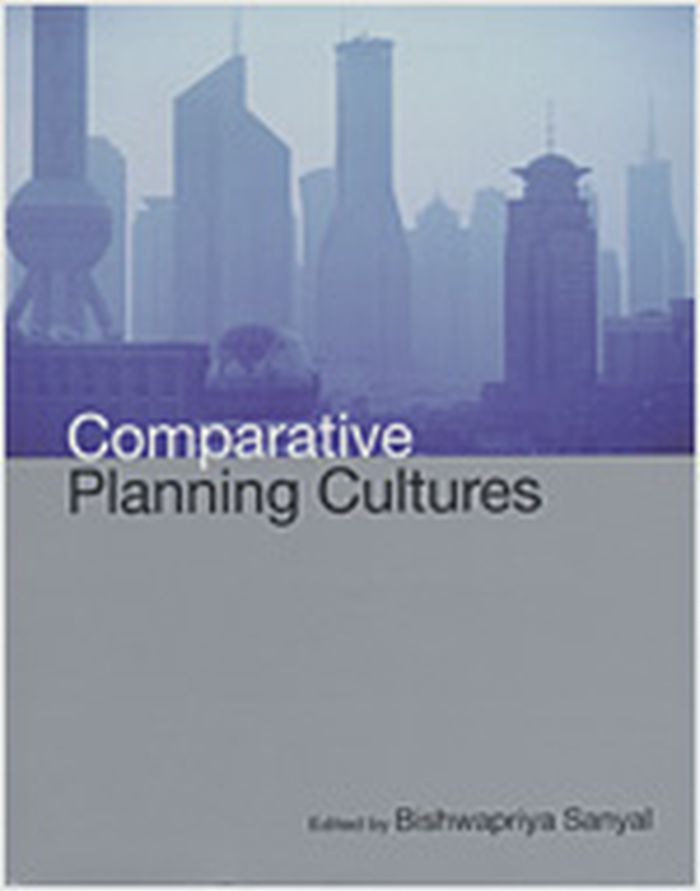
Are there significant variations in the ways planners in different nations have influenced urban, regional, and national development? Do such variations arise from differences in planning cultures, meaning the collective ethos and dominant attitude of planners in different nations towards the appropriate roles of the state, market forces, and civil society? How are such professional cultures formed? Are they indigenous and immutable, or do they evolve with social, political, and economic changes both within and outside the national territories? Specifically, what has been the impact of the intensification of global interconnectedness in trade, capital flows, labor migration, and technological connectivity on national planning cultures? "Comparative planning cultures" addresses these questions, drawing on the planning experience in ten nations and at different territorial levels. The result is an understanding of planning culture that is complex and dynamic-in contrast to traditional notions of culture that evoke a sense of immutability and inheritance of unchanging social attributes of planners. The volume concludes that there is no cultural nucleus or core planning culture, no social gene that can be decoded to reveal the cultural DNA of planning practice of any nation.
Comparative planning cultures
Actions:
Prix:
$46.50
(disponible sur commande)
Résumé:
Are there significant variations in the ways planners in different nations have influenced urban, regional, and national development? Do such variations arise from differences in planning cultures, meaning the collective ethos and dominant attitude of planners in different nations towards the appropriate roles of the state, market forces, and civil society? How are such professional cultures formed? Are they indigenous and immutable, or do they evolve with social, political, and economic changes both within and outside the national territories? Specifically, what has been the impact of the intensification of global interconnectedness in trade, capital flows, labor migration, and technological connectivity on national planning cultures? "Comparative planning cultures" addresses these questions, drawing on the planning experience in ten nations and at different territorial levels. The result is an understanding of planning culture that is complex and dynamic-in contrast to traditional notions of culture that evoke a sense of immutability and inheritance of unchanging social attributes of planners. The volume concludes that there is no cultural nucleus or core planning culture, no social gene that can be decoded to reveal the cultural DNA of planning practice of any nation.
Classification:
livres
livres
Publication:
avril 2005, New York / London
avril 2005, New York / London
Sujet:
Théorie de l’urbanisme
Théorie de l’urbanisme
Classification:
livres
livres
Actions:
Prix:
$15.95
(disponible sur commande)
Résumé:
Many of the projects described in the "Handbook" have combined innovative architectural training with cross-cultural immersion, social activism, and environmental science, using design skills (and where appropriate) hands-on construction projects to confront poverty and urgent social problems. Often involving community members and students, these case studies promote(...)
$15.95
(disponible sur commande)
Résumé:
Many of the projects described in the "Handbook" have combined innovative architectural training with cross-cultural immersion, social activism, and environmental science, using design skills (and where appropriate) hands-on construction projects to confront poverty and urgent social problems. Often involving community members and students, these case studies promote(...)
Publication:
juillet 2005, Los Angeles
juillet 2005, Los Angeles
Titre:
Cityworks Los Angeles : handbook
Actions:
Prix:
$15.95
(disponible sur commande)
Résumé:
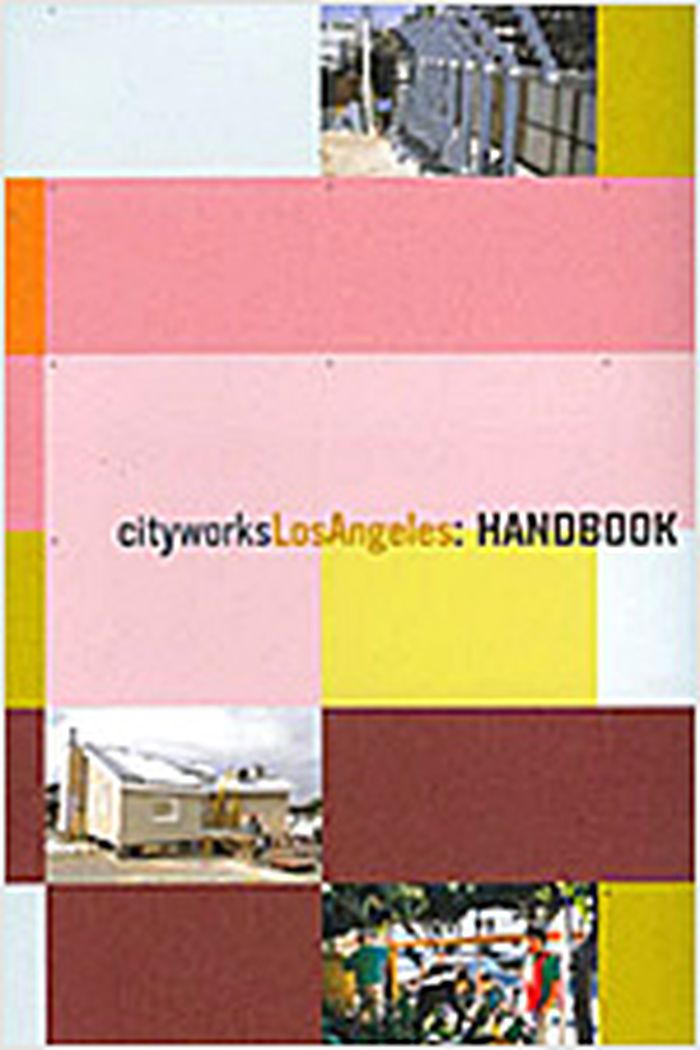
Many of the projects described in the "Handbook" have combined innovative architectural training with cross-cultural immersion, social activism, and environmental science, using design skills (and where appropriate) hands-on construction projects to confront poverty and urgent social problems. Often involving community members and students, these case studies promote maximum use of recycled or inexpensive, locally available materials, as well as lighting and energy systems that reduce utility costs and promote resource conservation. Not all the projects are specific to the City of Los Angeles, but they are examples of the types of projects CITYWORKSLA hopes to develop. Our aim is that the case studies assembled within the "Handbook" will serve as models for making architectural education relevant to urgent social problems, helping communities mobilize indigenous resources and social capital to develop long-term sustainable practices that protect, rather than erode, cultural identity, dignity, and stability. Edited by Elizabeth Martin with articles by : Peter Aesbacher, Chantal Aquin, Monique Birault, John Cary, Jeanine Centuori, Joaquin Herranz, Jr., Maria-Rosario Jackson, Florence Kabwasa-Green, Bruce Lindsey, Vic Liptak, Elizabeth Martin, Ken McCown, William McDonough, Russell Rock, Leslie Thomas, John Quale.
Cityworks Los Angeles : handbook
Actions:
Prix:
$15.95
(disponible sur commande)
Résumé:
Many of the projects described in the "Handbook" have combined innovative architectural training with cross-cultural immersion, social activism, and environmental science, using design skills (and where appropriate) hands-on construction projects to confront poverty and urgent social problems. Often involving community members and students, these case studies promote maximum use of recycled or inexpensive, locally available materials, as well as lighting and energy systems that reduce utility costs and promote resource conservation. Not all the projects are specific to the City of Los Angeles, but they are examples of the types of projects CITYWORKSLA hopes to develop. Our aim is that the case studies assembled within the "Handbook" will serve as models for making architectural education relevant to urgent social problems, helping communities mobilize indigenous resources and social capital to develop long-term sustainable practices that protect, rather than erode, cultural identity, dignity, and stability. Edited by Elizabeth Martin with articles by : Peter Aesbacher, Chantal Aquin, Monique Birault, John Cary, Jeanine Centuori, Joaquin Herranz, Jr., Maria-Rosario Jackson, Florence Kabwasa-Green, Bruce Lindsey, Vic Liptak, Elizabeth Martin, Ken McCown, William McDonough, Russell Rock, Leslie Thomas, John Quale.
Classification:
livres
livres
Publication:
juillet 2005, Los Angeles
juillet 2005, Los Angeles
Classification:
livres
livres
Titre:
Movements & moments
Movements & moments
Actions:
Prix:
$34.95
(disponible sur commande)
Résumé:
In 1930s Bolivia, self-described Anarchist Cholas form a libertarian trade union. In the Northern Highlands of Vietnam, the songs of one girl’s youth lead her to a life of activism. In the Philippines, female elders from Kalinga blaze a trail when pushed into impromptu protest. Equally striking accounts from Brazil, Chile, Ecuador, India, Nepal, Peru and Thailand weave a(...)
$34.95
(disponible sur commande)
Résumé:
In 1930s Bolivia, self-described Anarchist Cholas form a libertarian trade union. In the Northern Highlands of Vietnam, the songs of one girl’s youth lead her to a life of activism. In the Philippines, female elders from Kalinga blaze a trail when pushed into impromptu protest. Equally striking accounts from Brazil, Chile, Ecuador, India, Nepal, Peru and Thailand weave a(...)
Titre:
Movements & moments
Actions:
Prix:
$34.95
(disponible sur commande)
Résumé:
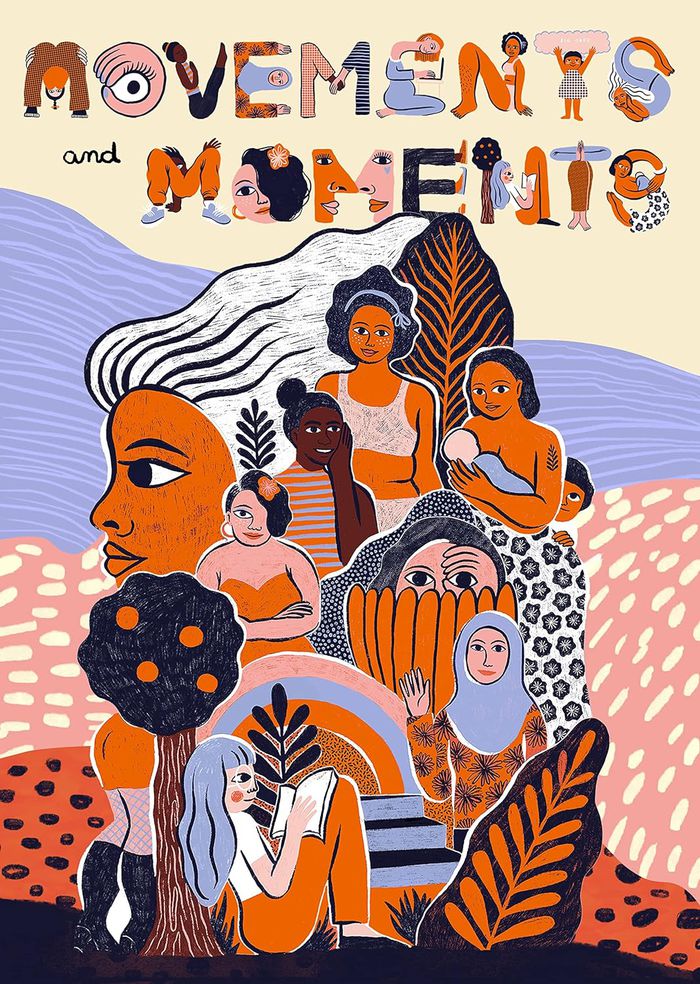
In 1930s Bolivia, self-described Anarchist Cholas form a libertarian trade union. In the Northern Highlands of Vietnam, the songs of one girl’s youth lead her to a life of activism. In the Philippines, female elders from Kalinga blaze a trail when pushed into impromptu protest. Equally striking accounts from Brazil, Chile, Ecuador, India, Nepal, Peru and Thailand weave a tapestry of trauma and triumph, shedding light on not-too-distant histories otherwise overlooked. Indigenous Peoples all over the world have always had to stand their ground in the face of colonialism. While the details may differ, what these stories have in common is their commitment to resistance in a world that puts profit before respect, and western notions of progress before their own. Movements and Moments is an introductory glimpse into how Indegenous Peoples tell these stories in their own words. From Southeast Asia to South America, vibrant communities must grapple with colonial realities to assert ownership over their lands and traditions. This project was undertaken in cooperation with the Goethe-Institut Indonesien in Jakarta. These stories were selected from an open call across 42 countries to spotlight feminist movements and advocacies in the Global South.
Movements & moments
Actions:
Prix:
$34.95
(disponible sur commande)
Résumé:
In 1930s Bolivia, self-described Anarchist Cholas form a libertarian trade union. In the Northern Highlands of Vietnam, the songs of one girl’s youth lead her to a life of activism. In the Philippines, female elders from Kalinga blaze a trail when pushed into impromptu protest. Equally striking accounts from Brazil, Chile, Ecuador, India, Nepal, Peru and Thailand weave a tapestry of trauma and triumph, shedding light on not-too-distant histories otherwise overlooked. Indigenous Peoples all over the world have always had to stand their ground in the face of colonialism. While the details may differ, what these stories have in common is their commitment to resistance in a world that puts profit before respect, and western notions of progress before their own. Movements and Moments is an introductory glimpse into how Indegenous Peoples tell these stories in their own words. From Southeast Asia to South America, vibrant communities must grapple with colonial realities to assert ownership over their lands and traditions. This project was undertaken in cooperation with the Goethe-Institut Indonesien in Jakarta. These stories were selected from an open call across 42 countries to spotlight feminist movements and advocacies in the Global South.
Classification:
livres
livres
Publication:
novembre 2022
novembre 2022
Sujet:
Illustration
Illustration
Classification:
livres
livres

Prix:
$50.95
(disponible sur commande)
Résumé:
In this sweeping chronicle of guaraná—a glossy-leaved Amazonian vine packed with more caffeine than any other plant—Seth Garfield develops a wide-ranging approach to the history of Brazil itself. The story begins with guaraná as the pre-Columbian cultivar of the Sateré-Mawé people in the Lower Amazon region, where it figured centrally in the Indigenous nation's origin(...)
$50.95
(disponible sur commande)
Résumé:
In this sweeping chronicle of guaraná—a glossy-leaved Amazonian vine packed with more caffeine than any other plant—Seth Garfield develops a wide-ranging approach to the history of Brazil itself. The story begins with guaraná as the pre-Columbian cultivar of the Sateré-Mawé people in the Lower Amazon region, where it figured centrally in the Indigenous nation's origin(...)
Titre:
Guaraná: How Brazil Embraced the World's Most Caffeine-Rich Plant
Actions:
Prix:
$50.95
(disponible sur commande)
Résumé:
In this sweeping chronicle of guaraná—a glossy-leaved Amazonian vine packed with more caffeine than any other plant—Seth Garfield develops a wide-ranging approach to the history of Brazil itself. The story begins with guaraná as the pre-Columbian cultivar of the Sateré-Mawé people in the Lower Amazon region, where it figured centrally in the Indigenous nation's origin stories, dietary regimes, and communal ceremonies. During subsequent centuries of Portuguese colonialism and Brazilian rule, guaraná was reformulated by settlers, scientists, folklorists, food technologists, and marketers. Whether in search of pleasure, profits, professional distinction, or patriotic markers, promoters imparted new meanings to guaraná and found new uses for it. Today, it is the namesake ingredient of a multibillion-dollar soft drink industry and a beloved national symbol. Guaraná’s journey elucidates human impacts on Amazonian ecosystems; the circulation of knowledge, goods, and power; and the promise of modernity in Latin America's largest nation. For Garfield, the beverage's history reveals not only the structuring of inequalities in Brazil but also the mythmaking and ordering of social practices that constitute so-called traditional and modern societies.
Guaraná: How Brazil Embraced the World's Most Caffeine-Rich Plant
Actions:
Prix:
$50.95
(disponible sur commande)
Résumé:
In this sweeping chronicle of guaraná—a glossy-leaved Amazonian vine packed with more caffeine than any other plant—Seth Garfield develops a wide-ranging approach to the history of Brazil itself. The story begins with guaraná as the pre-Columbian cultivar of the Sateré-Mawé people in the Lower Amazon region, where it figured centrally in the Indigenous nation's origin stories, dietary regimes, and communal ceremonies. During subsequent centuries of Portuguese colonialism and Brazilian rule, guaraná was reformulated by settlers, scientists, folklorists, food technologists, and marketers. Whether in search of pleasure, profits, professional distinction, or patriotic markers, promoters imparted new meanings to guaraná and found new uses for it. Today, it is the namesake ingredient of a multibillion-dollar soft drink industry and a beloved national symbol. Guaraná’s journey elucidates human impacts on Amazonian ecosystems; the circulation of knowledge, goods, and power; and the promise of modernity in Latin America's largest nation. For Garfield, the beverage's history reveals not only the structuring of inequalities in Brazil but also the mythmaking and ordering of social practices that constitute so-called traditional and modern societies.
Classification:
livres
livres
Publication:
juillet 2025
juillet 2025
Sujet:
Bouffe
Bouffe
Classification:
livres
livres
Actions:
Prix:
$35.95
(disponible en magasin)
Résumé:
From the late nineteenth through most of the twentieth century, the evangelical Protestant Grenfell Mission in Newfoundland and Labrador, Canada, created a network of hospitals, schools, orphanages, stores, and industries with the goal of bringing health and organized society to settler fisherfolk and Indigenous populations. This infrastructure also served to support(...)
$35.95
(disponible en magasin)
Résumé:
From the late nineteenth through most of the twentieth century, the evangelical Protestant Grenfell Mission in Newfoundland and Labrador, Canada, created a network of hospitals, schools, orphanages, stores, and industries with the goal of bringing health and organized society to settler fisherfolk and Indigenous populations. This infrastructure also served to support(...)
Titre:
Slow disturbance: infrastructural mediation on the settler colonial resource frontier
Actions:
Prix:
$35.95
(disponible en magasin)
Résumé:
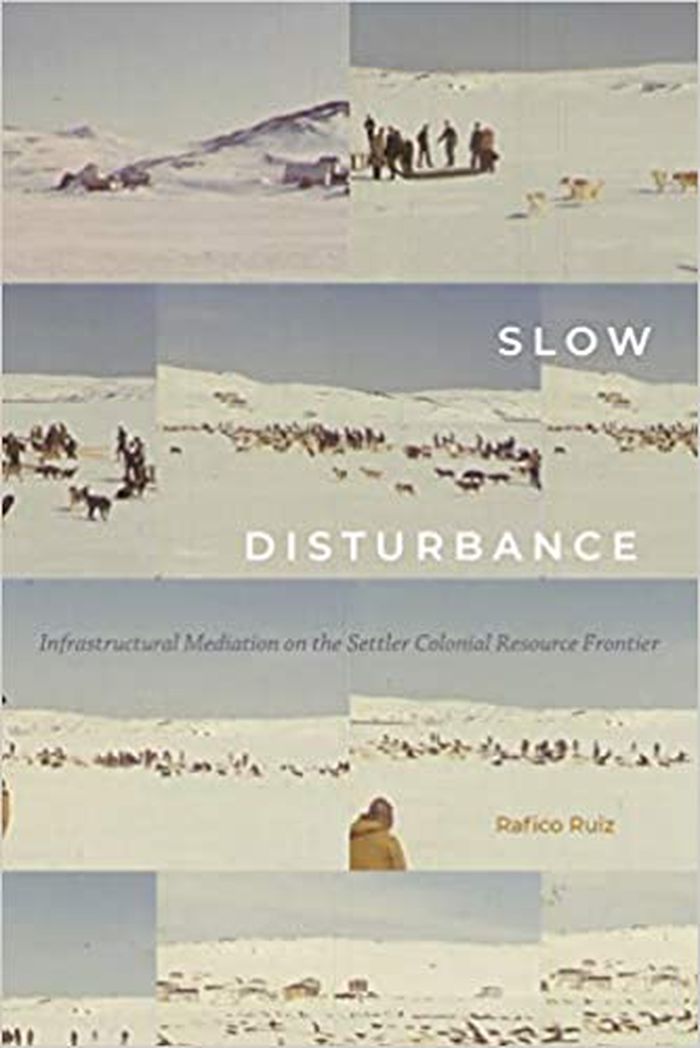
From the late nineteenth through most of the twentieth century, the evangelical Protestant Grenfell Mission in Newfoundland and Labrador, Canada, created a network of hospitals, schools, orphanages, stores, and industries with the goal of bringing health and organized society to settler fisherfolk and Indigenous populations. This infrastructure also served to support resource extraction of fisheries off Labrador's coast. In 'Slow Disturbance' Rafico Ruiz engages with the Grenfell Mission to theorize how settler colonialism establishes itself through what he calls infrastructural mediation—the ways in which colonial lifeworlds, subjectivities, and affects come into being through the creation and maintenance of infrastructures. Drawing on archival documents, maps, interviews with municipal officials, teachers, and residents, as well as his field photography, Ruiz shows how the mission's infrastructural mediation—from its attempts to restructure the local economy to the aerial surveying and mapping of the coastline—responded to the colony's environmental conditions in ways that expanded the bounds of the settler frontier. By tracing the mission's history and the mechanisms that enabled its functioning, Ruiz complicates understandings of mediation and infrastructure while expanding current debates surrounding settler colonialism and extractive capitalism.
Slow disturbance: infrastructural mediation on the settler colonial resource frontier
Actions:
Prix:
$35.95
(disponible en magasin)
Résumé:
From the late nineteenth through most of the twentieth century, the evangelical Protestant Grenfell Mission in Newfoundland and Labrador, Canada, created a network of hospitals, schools, orphanages, stores, and industries with the goal of bringing health and organized society to settler fisherfolk and Indigenous populations. This infrastructure also served to support resource extraction of fisheries off Labrador's coast. In 'Slow Disturbance' Rafico Ruiz engages with the Grenfell Mission to theorize how settler colonialism establishes itself through what he calls infrastructural mediation—the ways in which colonial lifeworlds, subjectivities, and affects come into being through the creation and maintenance of infrastructures. Drawing on archival documents, maps, interviews with municipal officials, teachers, and residents, as well as his field photography, Ruiz shows how the mission's infrastructural mediation—from its attempts to restructure the local economy to the aerial surveying and mapping of the coastline—responded to the colony's environmental conditions in ways that expanded the bounds of the settler frontier. By tracing the mission's history and the mechanisms that enabled its functioning, Ruiz complicates understandings of mediation and infrastructure while expanding current debates surrounding settler colonialism and extractive capitalism.
Classification:
livres
livres
Publication:
avril 2021
avril 2021
Sujet:
L'écologie de l'architecure
L'écologie de l'architecure
Classification:
livres
livres
Actions:
Prix:
$65.00
(disponible en magasin)
Résumé:
To commemorate the official opening of the Inuit Art Centre, now named Qaumajuq, Winnipeg Art Gallery director and CEO, Dr. Stephen Borys, set out to share the story of this extraordinary museum and building project. His book, Journey North: The Inuit Art Centre Project, traces the history of the centre beginning with the establishment of the Winnipeg Art Gallery in 1912,(...)
$65.00
(disponible en magasin)
Résumé:
To commemorate the official opening of the Inuit Art Centre, now named Qaumajuq, Winnipeg Art Gallery director and CEO, Dr. Stephen Borys, set out to share the story of this extraordinary museum and building project. His book, Journey North: The Inuit Art Centre Project, traces the history of the centre beginning with the establishment of the Winnipeg Art Gallery in 1912,(...)
Titre:
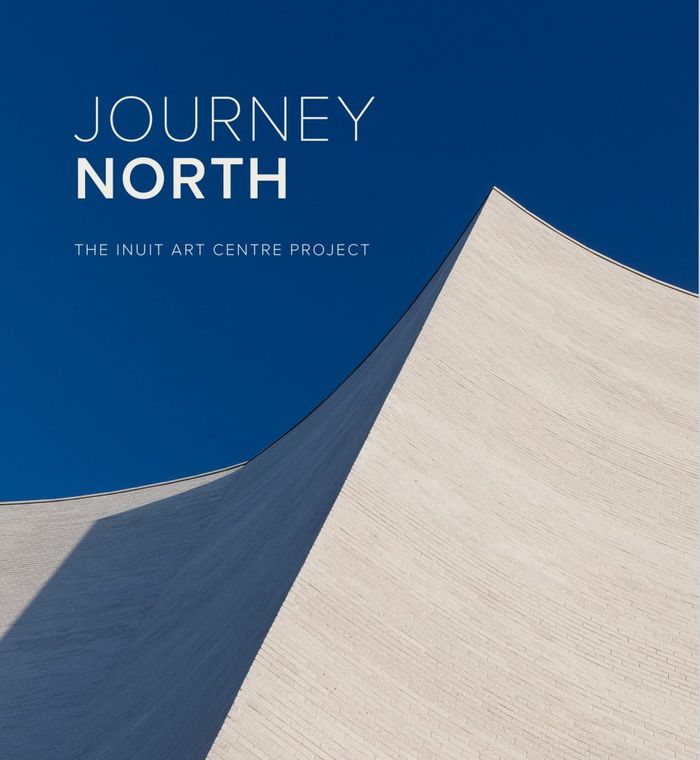
Journey North: The Inuit Art Centre Project
Actions:
Prix:
$65.00
(disponible en magasin)
Résumé:
To commemorate the official opening of the Inuit Art Centre, now named Qaumajuq, Winnipeg Art Gallery director and CEO, Dr. Stephen Borys, set out to share the story of this extraordinary museum and building project. His book, Journey North: The Inuit Art Centre Project, traces the history of the centre beginning with the establishment of the Winnipeg Art Gallery in 1912, when the foundation was laid to support a diverse and far-reaching mission that could embrace both historical and contemporary artmaking on national and international levels. By the time director Dr. Ferdinand Eckhardt arrived at the gallery in 1953, and discovered Inuit stone carving at the Hudson’s Bay Company department store located across the street from the WAG, the idea of assembling a collection to celebrate this Indigenous art form moved closer to reality. This account of the development of the Inuit Art Centre includes different historical and contemporary perspectives and voices through a compilation of texts and images. In addition to the key essay by the book’s author Stephen Borys, several writers from across the country have shared their stories about the gallery, the Inuit art collection, and the building project.
Journey North: The Inuit Art Centre Project
Actions:
Prix:
$65.00
(disponible en magasin)
Résumé:
To commemorate the official opening of the Inuit Art Centre, now named Qaumajuq, Winnipeg Art Gallery director and CEO, Dr. Stephen Borys, set out to share the story of this extraordinary museum and building project. His book, Journey North: The Inuit Art Centre Project, traces the history of the centre beginning with the establishment of the Winnipeg Art Gallery in 1912, when the foundation was laid to support a diverse and far-reaching mission that could embrace both historical and contemporary artmaking on national and international levels. By the time director Dr. Ferdinand Eckhardt arrived at the gallery in 1953, and discovered Inuit stone carving at the Hudson’s Bay Company department store located across the street from the WAG, the idea of assembling a collection to celebrate this Indigenous art form moved closer to reality. This account of the development of the Inuit Art Centre includes different historical and contemporary perspectives and voices through a compilation of texts and images. In addition to the key essay by the book’s author Stephen Borys, several writers from across the country have shared their stories about the gallery, the Inuit art collection, and the building project.
Classification:
livres
livres
Publication:
avril 2021
avril 2021
Classification:
livres
livres
Titre:
A culture of stone
A culture of stone
Actions:
Prix:
$27.95
(disponible sur commande)
Résumé:
A major contribution to both art history and Latin American studies, A Culture of Stone offers new insights into Inka culture and the interpretation of non-Western art. Carolyn Dean focuses on rock outcrops masterfully integrated into Inka architecture, exquisitely worked masonry, and freestanding sacred rocks, explaining how certain stones took on lives of their own and(...)
$27.95
(disponible sur commande)
Résumé:
A major contribution to both art history and Latin American studies, A Culture of Stone offers new insights into Inka culture and the interpretation of non-Western art. Carolyn Dean focuses on rock outcrops masterfully integrated into Inka architecture, exquisitely worked masonry, and freestanding sacred rocks, explaining how certain stones took on lives of their own and(...)
Titre:
A culture of stone
Actions:
Prix:
$27.95
(disponible sur commande)
Résumé:
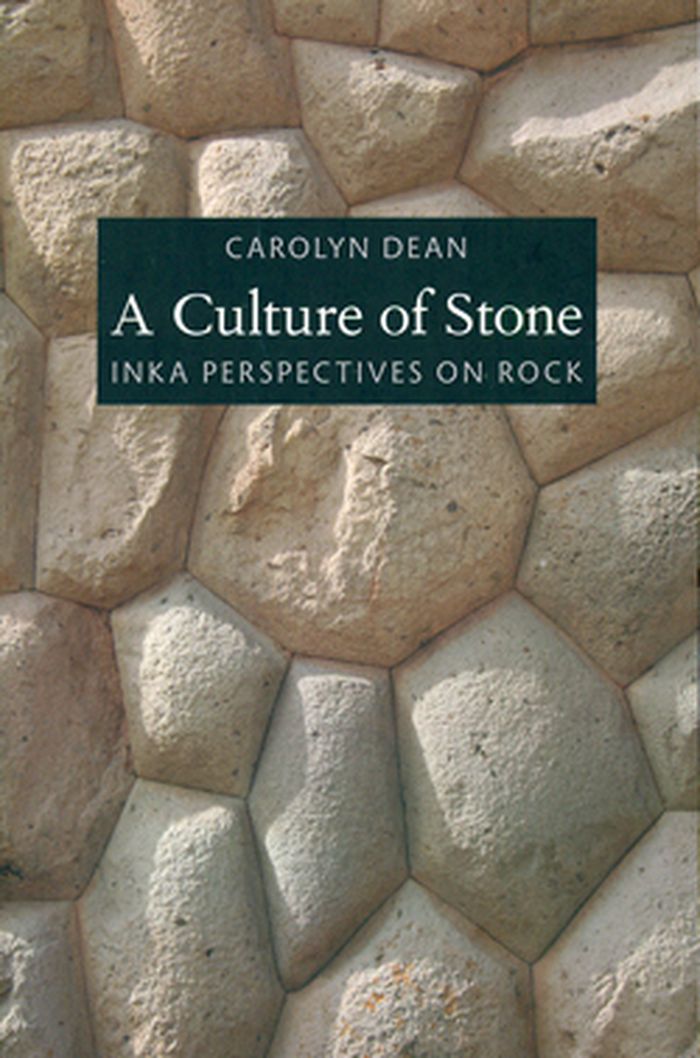
A major contribution to both art history and Latin American studies, A Culture of Stone offers new insights into Inka culture and the interpretation of non-Western art. Carolyn Dean focuses on rock outcrops masterfully integrated into Inka architecture, exquisitely worked masonry, and freestanding sacred rocks, explaining how certain stones took on lives of their own and played a vital role in the unfolding of Inka history. Examining the multiple uses of stone, she argues that the Inka understood building in stone as a way of ordering the chaos of unordered nature, converting untamed spaces into domesticated places, and laying claim to new territories. Dean contends that understanding what the rocks signified requires seeing them as the Inka saw them: as potentially animate, sentient, and sacred. Through careful analysis of Inka stonework, colonial-period accounts of the Inka, and contemporary ethnographic and folkloric studies of indigenous Andean culture, Dean reconstructs the relationships between stonework and other aspects of Inka life, including imperial expansion, worship, and agriculture. She also scrutinizes meanings imposed on Inka stone by the colonial Spanish and, later, by tourism and the tourist industry.
A culture of stone
Actions:
Prix:
$27.95
(disponible sur commande)
Résumé:
A major contribution to both art history and Latin American studies, A Culture of Stone offers new insights into Inka culture and the interpretation of non-Western art. Carolyn Dean focuses on rock outcrops masterfully integrated into Inka architecture, exquisitely worked masonry, and freestanding sacred rocks, explaining how certain stones took on lives of their own and played a vital role in the unfolding of Inka history. Examining the multiple uses of stone, she argues that the Inka understood building in stone as a way of ordering the chaos of unordered nature, converting untamed spaces into domesticated places, and laying claim to new territories. Dean contends that understanding what the rocks signified requires seeing them as the Inka saw them: as potentially animate, sentient, and sacred. Through careful analysis of Inka stonework, colonial-period accounts of the Inka, and contemporary ethnographic and folkloric studies of indigenous Andean culture, Dean reconstructs the relationships between stonework and other aspects of Inka life, including imperial expansion, worship, and agriculture. She also scrutinizes meanings imposed on Inka stone by the colonial Spanish and, later, by tourism and the tourist industry.
Classification:
livres
livres
Publication:
novembre 2010
novembre 2010
Classification:
livres
livres
Actions:
Prix:
$39.95
(disponible sur commande)
Résumé:
Architecture has a powerful role in nation building and identity formation. Buildings and monuments not only constitute the built fabric of society, they reflect the intersection of culture, politics, economics, and aesthetics as these forces are played out in distinct social settings and distinct times. This extraordinary anthology traces the interaction between(...)
$39.95
(disponible sur commande)
Résumé:
Architecture has a powerful role in nation building and identity formation. Buildings and monuments not only constitute the built fabric of society, they reflect the intersection of culture, politics, economics, and aesthetics as these forces are played out in distinct social settings and distinct times. This extraordinary anthology traces the interaction between(...)
Titre:
Architecture and the Canadian fabric
Actions:
Prix:
$39.95
(disponible sur commande)
Résumé:
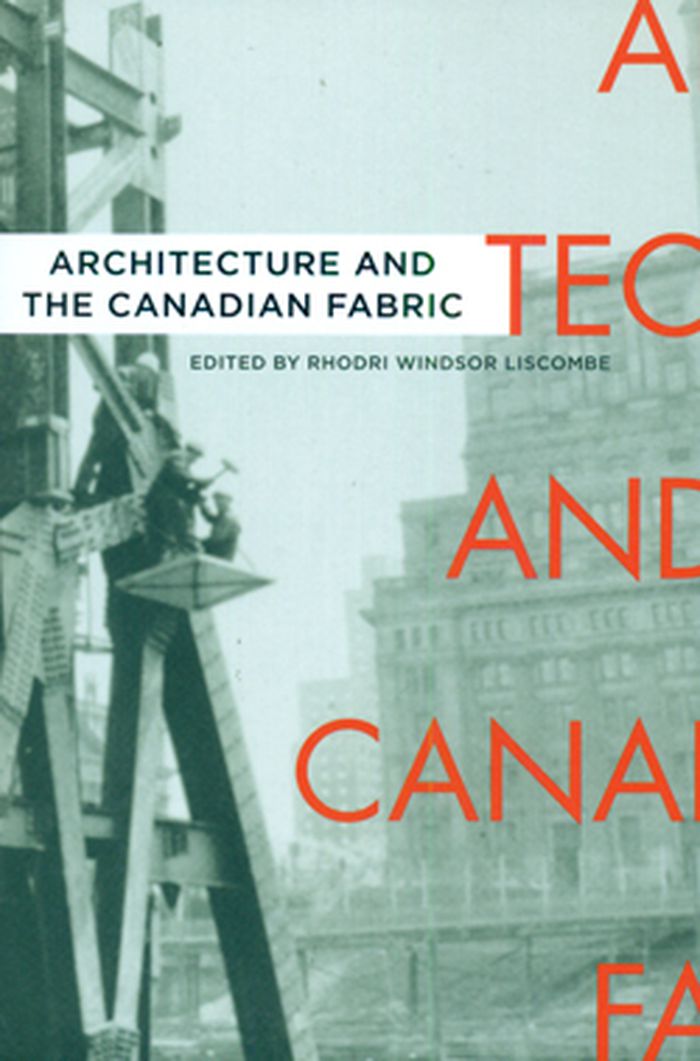
Architecture has a powerful role in nation building and identity formation. Buildings and monuments not only constitute the built fabric of society, they reflect the intersection of culture, politics, economics, and aesthetics as these forces are played out in distinct social settings and distinct times. This extraordinary anthology traces the interaction between culture and politics as reflected in Canadian architecture and the infrastructure of ordinary life, from the first contacts between indigenous peoples and European missionaries to the construction of big-box shopping centres in postmodern cities. Whether focusing on Jesuit perceptions of New France, the construction of Toronto’s St. James Cathedral or Canada’s first Parliament, Brutalism in Canadian architecture, or the ideas of Marshall McLuhan and Arthur Erickson, these essays showcase ways of thinking about the built environment that extend beyond considerations of authorship and style to address the influence of cultural politics and insights from race and gender studies and from postcolonial and spatial theory. By coupling a national focus with a wide historical scope, Architecture and the Canadian Fabric transforms how we see the role of architecture and in doing so radically questions how we continue to live in, interact with, and interpret the fabricated world.
Architecture and the Canadian fabric
Actions:
Prix:
$39.95
(disponible sur commande)
Résumé:
Architecture has a powerful role in nation building and identity formation. Buildings and monuments not only constitute the built fabric of society, they reflect the intersection of culture, politics, economics, and aesthetics as these forces are played out in distinct social settings and distinct times. This extraordinary anthology traces the interaction between culture and politics as reflected in Canadian architecture and the infrastructure of ordinary life, from the first contacts between indigenous peoples and European missionaries to the construction of big-box shopping centres in postmodern cities. Whether focusing on Jesuit perceptions of New France, the construction of Toronto’s St. James Cathedral or Canada’s first Parliament, Brutalism in Canadian architecture, or the ideas of Marshall McLuhan and Arthur Erickson, these essays showcase ways of thinking about the built environment that extend beyond considerations of authorship and style to address the influence of cultural politics and insights from race and gender studies and from postcolonial and spatial theory. By coupling a national focus with a wide historical scope, Architecture and the Canadian Fabric transforms how we see the role of architecture and in doing so radically questions how we continue to live in, interact with, and interpret the fabricated world.
Classification:
livres
livres
Publication:
novembre 2012
novembre 2012
Sujet:
Architecture du Canada
Architecture du Canada
Classification:
livres
livres
Actions:
Prix:
$58.95
(disponible en magasin)
Résumé:
This book brings the history of the geosciences and world cosmologies together, exploring many traditions, including Chinese, Pacific, Islamic, South and Southeast Asian conceptions of the earth’s origin and makeup. Together the chapters ask: How have different ideas about the sacred, animate, and earthly changed modern environmental sciences? How have different world(...)
$58.95
(disponible en magasin)
Résumé:
This book brings the history of the geosciences and world cosmologies together, exploring many traditions, including Chinese, Pacific, Islamic, South and Southeast Asian conceptions of the earth’s origin and makeup. Together the chapters ask: How have different ideas about the sacred, animate, and earthly changed modern environmental sciences? How have different world(...)
Publication:
novembre 2023
novembre 2023
Titre:
New earth histories: Geo-cosmologies and the making of the modern world
Actions:
Prix:
$58.95
(disponible en magasin)
Résumé:
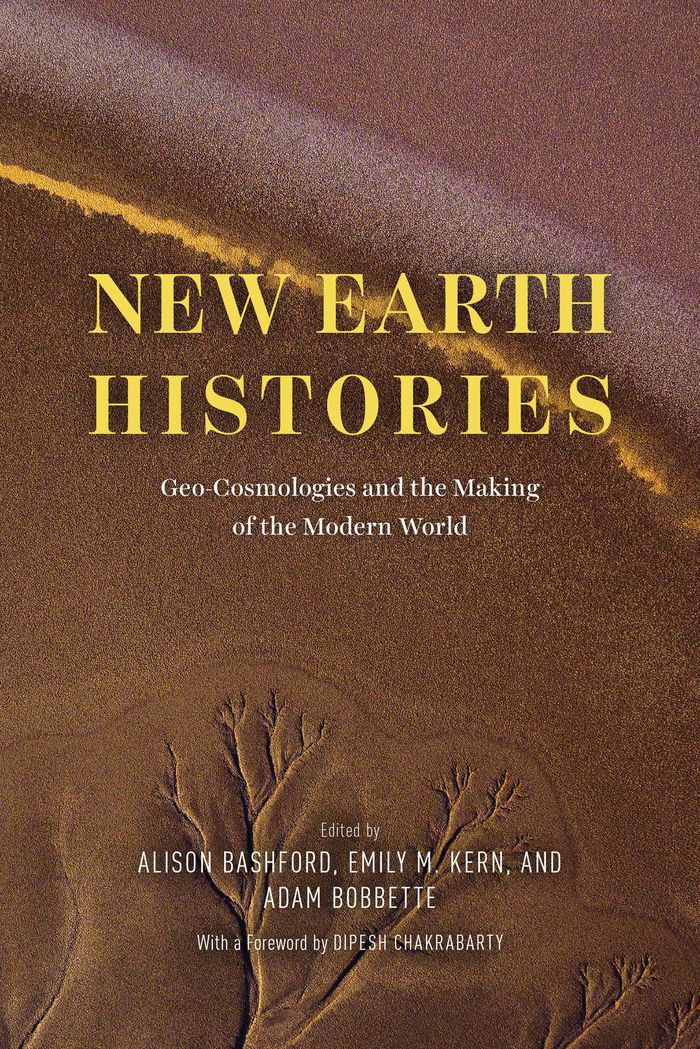
This book brings the history of the geosciences and world cosmologies together, exploring many traditions, including Chinese, Pacific, Islamic, South and Southeast Asian conceptions of the earth’s origin and makeup. Together the chapters ask: How have different ideas about the sacred, animate, and earthly changed modern environmental sciences? How have different world traditions understood human and geological origins? How does the inclusion of multiple cosmologies change the meaning of the Anthropocene and the global climate crisis? By carefully examining these questions, ''New earth histories'' sets an ambitious agenda for how we think about the earth. The chapters consider debates about the age and structure of the earth, how humans and earth systems interact, and how empire has been conceived in multiple traditions. The methods the authors deploy are diverse—from cultural history and visual and material studies to ethnography, geography, and Indigenous studies—and the effect is to highlight how earth knowledge emerged from historically specific situations. ''New earth histories'' provides both a framework for studying science at a global scale and fascinating examples to educate as well as inspire future work. Essential reading for students and scholars of earth science history, environmental humanities, history of science and religion, and science and empire.
New earth histories: Geo-cosmologies and the making of the modern world
Actions:
Prix:
$58.95
(disponible en magasin)
Résumé:
This book brings the history of the geosciences and world cosmologies together, exploring many traditions, including Chinese, Pacific, Islamic, South and Southeast Asian conceptions of the earth’s origin and makeup. Together the chapters ask: How have different ideas about the sacred, animate, and earthly changed modern environmental sciences? How have different world traditions understood human and geological origins? How does the inclusion of multiple cosmologies change the meaning of the Anthropocene and the global climate crisis? By carefully examining these questions, ''New earth histories'' sets an ambitious agenda for how we think about the earth. The chapters consider debates about the age and structure of the earth, how humans and earth systems interact, and how empire has been conceived in multiple traditions. The methods the authors deploy are diverse—from cultural history and visual and material studies to ethnography, geography, and Indigenous studies—and the effect is to highlight how earth knowledge emerged from historically specific situations. ''New earth histories'' provides both a framework for studying science at a global scale and fascinating examples to educate as well as inspire future work. Essential reading for students and scholars of earth science history, environmental humanities, history of science and religion, and science and empire.
Classification:
livres
livres
Publication:
novembre 2023
novembre 2023
Classification:
livres
livres
Titre:
6,000 years of housing
6,000 years of housing
Actions:
Prix:
$54.00
(disponible sur commande)
Résumé:
Part architecture, part history, and part anthropology, this encyclopedic book limns the story of housing around the world from the pre-urban dwellings of nomadic, semi-nomadic, and sedentary agricultural societies to the present. Ancient urban dwellings were inward-looking, ranged around a courtyard. Until fairly recently, these dwelling types survived in indigenous(...)
$54.00
(disponible sur commande)
Résumé:
Part architecture, part history, and part anthropology, this encyclopedic book limns the story of housing around the world from the pre-urban dwellings of nomadic, semi-nomadic, and sedentary agricultural societies to the present. Ancient urban dwellings were inward-looking, ranged around a courtyard. Until fairly recently, these dwelling types survived in indigenous(...)
Titre:
6,000 years of housing
Actions:
Prix:
$54.00
(disponible sur commande)
Résumé:
Part architecture, part history, and part anthropology, this encyclopedic book limns the story of housing around the world from the pre-urban dwellings of nomadic, semi-nomadic, and sedentary agricultural societies to the present. Ancient urban dwellings were inward-looking, ranged around a courtyard. Until fairly recently, these dwelling types survived in indigenous urban house forms in the Islamic world, India, China, and the Iberian peninsula and Latin America. After the collapse of the Roman Empire, however, outward-looking house forms replaced the ancient form in most of Europe and the New World. In the Middle Ages houses served both as homes and as places of work, but gradually the domestic and business lives of the inhabitants became separate. In the wake of the Industrial Revolution, profound changes in the residential development of the western world occurred: housing became segregated along socioeconomic lines and dwelling types polarized, with low-density, single-family houses at one extreme, and tall, high-density, multifamily tenements and apartments at the other. Side effects of America’s automobile-intensive suburban dream housing include inefficient land use, pollution, and urban decay. "6,000 Years of Housing" chronicles how this came about, and suggests solutions based on a rich variety of historical precedents.
6,000 years of housing
Actions:
Prix:
$54.00
(disponible sur commande)
Résumé:
Part architecture, part history, and part anthropology, this encyclopedic book limns the story of housing around the world from the pre-urban dwellings of nomadic, semi-nomadic, and sedentary agricultural societies to the present. Ancient urban dwellings were inward-looking, ranged around a courtyard. Until fairly recently, these dwelling types survived in indigenous urban house forms in the Islamic world, India, China, and the Iberian peninsula and Latin America. After the collapse of the Roman Empire, however, outward-looking house forms replaced the ancient form in most of Europe and the New World. In the Middle Ages houses served both as homes and as places of work, but gradually the domestic and business lives of the inhabitants became separate. In the wake of the Industrial Revolution, profound changes in the residential development of the western world occurred: housing became segregated along socioeconomic lines and dwelling types polarized, with low-density, single-family houses at one extreme, and tall, high-density, multifamily tenements and apartments at the other. Side effects of America’s automobile-intensive suburban dream housing include inefficient land use, pollution, and urban decay. "6,000 Years of Housing" chronicles how this came about, and suggests solutions based on a rich variety of historical precedents.
Classification:
livres
livres
Publication:
juillet 2003, New York
juillet 2003, New York
Sujet:
Logements collectifs
Logements collectifs


