


7432 Résultats
Niveau de description archivistique:
Série(s)
Série(s)
Titre:
Personal Papers
Personal Papers
Numéro de référence:
AP032.S1
Description:
This series contains chronologically-arranged papers, photographs and drawings concerning Goldsmith's life from about the time of his enrollment at the Armour Institute in Chicago, to the mid-1950s when he returned from Europe to America to join Skidmore, Owings & Merrill. These documents are records of Goldsmith's early influences, and his education and training as an architect at the Armour Institute (later the Illinois Institute of Technology) and at the University of Rome. The papers also concern his service as an structural engineer in the U.S. armed forces, work in the office of Mies van der Rohe, and travels in Europe in the early 1950's all of which could be also considered as part of his education. The documents in this series are interesting for the quantity of Goldsmith's student sketches and research notes, including lectures by and observations on Mies van der Rohe and Pier Luigi Nervi. Moreover, correspondence, notes and photographs reveal a variety of other important influences on the young Goldsmith, such as a pilgrimage to visit Frank Lloyd Wright at Taliesan East, and letters to Buckminister Fuller. Of particular interest are the papers concerning Mies van der Rohe as teacher, mentor and friend to Goldsmith. The fonds contains various documents from office files, including Goldsmith's notations on projects like the Farnsworth House, and collections of period photographs and blueprints of Mies' buildings and furniture designs. Related documentation on Mies exists in various files throughout the fonds, especially in the Mies van der Rohe Centennial Project located in Series 3: Professional Activities - Teaching. The last section in this series, Papers and Correspondence, which consists of personal and business papers dating from the late 1950's to the mid-1990's. This material includes the Goldsmith-Ferris Portfolio, a collection of 150 mounted photographs (possibly for an exhibition) that presents mostly Goldsmith's collaborative work with architect James Ferris, from the experimental projects in reinforced concrete in Rome to the Kitt Peak Solar Telescope of 1962. Also included are documents concerning Mies van der Rohe's Mansion House Square scheme as revived by architect Peter Carter (1982-84).
AP032.S1
Description:
This series contains chronologically-arranged papers, photographs and drawings concerning Goldsmith's life from about the time of his enrollment at the Armour Institute in Chicago, to the mid-1950s when he returned from Europe to America to join Skidmore, Owings & Merrill. These documents are records of Goldsmith's early influences, and his education and training as an architect at the Armour Institute (later the Illinois Institute of Technology) and at the University of Rome. The papers also concern his service as an structural engineer in the U.S. armed forces, work in the office of Mies van der Rohe, and travels in Europe in the early 1950's all of which could be also considered as part of his education. The documents in this series are interesting for the quantity of Goldsmith's student sketches and research notes, including lectures by and observations on Mies van der Rohe and Pier Luigi Nervi. Moreover, correspondence, notes and photographs reveal a variety of other important influences on the young Goldsmith, such as a pilgrimage to visit Frank Lloyd Wright at Taliesan East, and letters to Buckminister Fuller. Of particular interest are the papers concerning Mies van der Rohe as teacher, mentor and friend to Goldsmith. The fonds contains various documents from office files, including Goldsmith's notations on projects like the Farnsworth House, and collections of period photographs and blueprints of Mies' buildings and furniture designs. Related documentation on Mies exists in various files throughout the fonds, especially in the Mies van der Rohe Centennial Project located in Series 3: Professional Activities - Teaching. The last section in this series, Papers and Correspondence, which consists of personal and business papers dating from the late 1950's to the mid-1990's. This material includes the Goldsmith-Ferris Portfolio, a collection of 150 mounted photographs (possibly for an exhibition) that presents mostly Goldsmith's collaborative work with architect James Ferris, from the experimental projects in reinforced concrete in Rome to the Kitt Peak Solar Telescope of 1962. Also included are documents concerning Mies van der Rohe's Mansion House Square scheme as revived by architect Peter Carter (1982-84).
Personnes et institutions:
Date:
1931-1995
1931-1995
Titre:
Personal Papers
Actions:
AP032.S1
Description:
This series contains chronologically-arranged papers, photographs and drawings concerning Goldsmith's life from about the time of his enrollment at the Armour Institute in Chicago, to the mid-1950s when he returned from Europe to America to join Skidmore, Owings & Merrill. These documents are records of Goldsmith's early influences, and his education and training as an architect at the Armour Institute (later the Illinois Institute of Technology) and at the University of Rome. The papers also concern his service as an structural engineer in the U.S. armed forces, work in the office of Mies van der Rohe, and travels in Europe in the early 1950's all of which could be also considered as part of his education. The documents in this series are interesting for the quantity of Goldsmith's student sketches and research notes, including lectures by and observations on Mies van der Rohe and Pier Luigi Nervi. Moreover, correspondence, notes and photographs reveal a variety of other important influences on the young Goldsmith, such as a pilgrimage to visit Frank Lloyd Wright at Taliesan East, and letters to Buckminister Fuller. Of particular interest are the papers concerning Mies van der Rohe as teacher, mentor and friend to Goldsmith. The fonds contains various documents from office files, including Goldsmith's notations on projects like the Farnsworth House, and collections of period photographs and blueprints of Mies' buildings and furniture designs. Related documentation on Mies exists in various files throughout the fonds, especially in the Mies van der Rohe Centennial Project located in Series 3: Professional Activities - Teaching. The last section in this series, Papers and Correspondence, which consists of personal and business papers dating from the late 1950's to the mid-1990's. This material includes the Goldsmith-Ferris Portfolio, a collection of 150 mounted photographs (possibly for an exhibition) that presents mostly Goldsmith's collaborative work with architect James Ferris, from the experimental projects in reinforced concrete in Rome to the Kitt Peak Solar Telescope of 1962. Also included are documents concerning Mies van der Rohe's Mansion House Square scheme as revived by architect Peter Carter (1982-84).
Personal Papers
Actions:
AP032.S1
Description:
This series contains chronologically-arranged papers, photographs and drawings concerning Goldsmith's life from about the time of his enrollment at the Armour Institute in Chicago, to the mid-1950s when he returned from Europe to America to join Skidmore, Owings & Merrill. These documents are records of Goldsmith's early influences, and his education and training as an architect at the Armour Institute (later the Illinois Institute of Technology) and at the University of Rome. The papers also concern his service as an structural engineer in the U.S. armed forces, work in the office of Mies van der Rohe, and travels in Europe in the early 1950's all of which could be also considered as part of his education. The documents in this series are interesting for the quantity of Goldsmith's student sketches and research notes, including lectures by and observations on Mies van der Rohe and Pier Luigi Nervi. Moreover, correspondence, notes and photographs reveal a variety of other important influences on the young Goldsmith, such as a pilgrimage to visit Frank Lloyd Wright at Taliesan East, and letters to Buckminister Fuller. Of particular interest are the papers concerning Mies van der Rohe as teacher, mentor and friend to Goldsmith. The fonds contains various documents from office files, including Goldsmith's notations on projects like the Farnsworth House, and collections of period photographs and blueprints of Mies' buildings and furniture designs. Related documentation on Mies exists in various files throughout the fonds, especially in the Mies van der Rohe Centennial Project located in Series 3: Professional Activities - Teaching. The last section in this series, Papers and Correspondence, which consists of personal and business papers dating from the late 1950's to the mid-1990's. This material includes the Goldsmith-Ferris Portfolio, a collection of 150 mounted photographs (possibly for an exhibition) that presents mostly Goldsmith's collaborative work with architect James Ferris, from the experimental projects in reinforced concrete in Rome to the Kitt Peak Solar Telescope of 1962. Also included are documents concerning Mies van der Rohe's Mansion House Square scheme as revived by architect Peter Carter (1982-84).
Niveau de description archivistique:
Series 1
Series 1
Date:
1931-1995
1931-1995
Personnes et institutions:
Classification:
archives
Niveau de description archivistique:
Fonds
archives
Niveau de description archivistique:
Fonds
Titre:
Bernard Cache fonds
Bernard Cache fonds
Numéro de référence:
AP169
Résumé:
Bernard Cache, fonds, 1991-2011, document the development and design process for the Objectile firm and its decorative panels and furniture. The records focus mostly on daily activities of the firm, the collaboration of principal Bernard Cache with TopSolid software, and his parallel academic work. The records consist solely of original born-digital material.
AP169
Résumé:
Bernard Cache, fonds, 1991-2011, document the development and design process for the Objectile firm and its decorative panels and furniture. The records focus mostly on daily activities of the firm, the collaboration of principal Bernard Cache with TopSolid software, and his parallel academic work. The records consist solely of original born-digital material.
Personnes et institutions:
Date:
1992-2011
1992-2011
Titre:
Bernard Cache fonds
Actions:
AP169
Résumé:
Bernard Cache, fonds, 1991-2011, document the development and design process for the Objectile firm and its decorative panels and furniture. The records focus mostly on daily activities of the firm, the collaboration of principal Bernard Cache with TopSolid software, and his parallel academic work. The records consist solely of original born-digital material.
Bernard Cache fonds
Actions:
AP169
Résumé:
Bernard Cache, fonds, 1991-2011, document the development and design process for the Objectile firm and its decorative panels and furniture. The records focus mostly on daily activities of the firm, the collaboration of principal Bernard Cache with TopSolid software, and his parallel academic work. The records consist solely of original born-digital material.
Classification:
archives
Niveau de description archivistique:
Fonds
archives
Niveau de description archivistique:
Fonds
Date:
1992-2011
1992-2011
Personnes et institutions:
Niveau de description archivistique:
Série(s)
Série(s)
Titre:
Architectural projects
Architectural projects
Numéro de référence:
AP166.S1
Description:
Series 1, Architectural Projects (1990-2012, predominant 1990-1996) contains files for seven projects developed by Shoei Yoh and the firm Shoei Yoh + Architects. Six of these projects were developed during the period 1990-1996 in Japan. The Galaxy Toyama Gymnasium in Imizu, Toyama Prefecture, Japan, is the most voluminous project file and is related to two other projects in the series—the Odawara Municipal Sports Complex and the Prospecta Toyama ’92 Observatory Tower. The Odawara Municipal Sports Complex and the Galaxy Toyama Gymnasium were developed at approximately the same time, and, for both projects, digital technology was used to calculate the dimensions of elements in a space frame roof structure. The Galaxy Toyama Gymnasium and the Prospecta Toyama ’92 Observatory Tower were both designed by Shoei Yoh for the 1st Japan Expo Toyama ’92 (JET ‘92) and each of the two project files contains some material related to the other. The Galaxy Toyama Gymnasium project contains CAD files related to the roof design, printouts from computer simulations of the roof, design drawings, presentation material, architectural and structural working drawings, models and textual records. The project file for the Odawara Municipal Sports Complex contains some design drawings--including printouts from computer simulations of the roof, proposal documents and some photographs of the site. The other built projects—the Prospecta Toyama ’92 Observatory Tower, the Glass Station, the Naiju Community Center and Nursery School, and the Uchino Community Center for Seniors and Children—are documented through drawings, models, and photographic material. The final project file in the series--a project for a tower in Taichung, Taiwan—is composed of a few presentation documents. Drawings in the series include hand drawings and printouts or photocopies of images created using digital design software. Apart from the CAD files related to the roof design for the Galaxy Toyama Gymnasium, digital material in the series is composed of still images in .jpg format related to the projects for the Odawara Municipal Sports Complex and the Galaxy Toyama Gymnasium. Some of the documents in .jpg format are duplicates of paper documents in the series.
AP166.S1
Description:
Series 1, Architectural Projects (1990-2012, predominant 1990-1996) contains files for seven projects developed by Shoei Yoh and the firm Shoei Yoh + Architects. Six of these projects were developed during the period 1990-1996 in Japan. The Galaxy Toyama Gymnasium in Imizu, Toyama Prefecture, Japan, is the most voluminous project file and is related to two other projects in the series—the Odawara Municipal Sports Complex and the Prospecta Toyama ’92 Observatory Tower. The Odawara Municipal Sports Complex and the Galaxy Toyama Gymnasium were developed at approximately the same time, and, for both projects, digital technology was used to calculate the dimensions of elements in a space frame roof structure. The Galaxy Toyama Gymnasium and the Prospecta Toyama ’92 Observatory Tower were both designed by Shoei Yoh for the 1st Japan Expo Toyama ’92 (JET ‘92) and each of the two project files contains some material related to the other. The Galaxy Toyama Gymnasium project contains CAD files related to the roof design, printouts from computer simulations of the roof, design drawings, presentation material, architectural and structural working drawings, models and textual records. The project file for the Odawara Municipal Sports Complex contains some design drawings--including printouts from computer simulations of the roof, proposal documents and some photographs of the site. The other built projects—the Prospecta Toyama ’92 Observatory Tower, the Glass Station, the Naiju Community Center and Nursery School, and the Uchino Community Center for Seniors and Children—are documented through drawings, models, and photographic material. The final project file in the series--a project for a tower in Taichung, Taiwan—is composed of a few presentation documents. Drawings in the series include hand drawings and printouts or photocopies of images created using digital design software. Apart from the CAD files related to the roof design for the Galaxy Toyama Gymnasium, digital material in the series is composed of still images in .jpg format related to the projects for the Odawara Municipal Sports Complex and the Galaxy Toyama Gymnasium. Some of the documents in .jpg format are duplicates of paper documents in the series.
Personnes et institutions:
Date:
1990-2012, predominant 1990-1996
1990-2012, predominant 1990-1996
Titre:
Architectural projects
Actions:
AP166.S1
Description:
Series 1, Architectural Projects (1990-2012, predominant 1990-1996) contains files for seven projects developed by Shoei Yoh and the firm Shoei Yoh + Architects. Six of these projects were developed during the period 1990-1996 in Japan. The Galaxy Toyama Gymnasium in Imizu, Toyama Prefecture, Japan, is the most voluminous project file and is related to two other projects in the series—the Odawara Municipal Sports Complex and the Prospecta Toyama ’92 Observatory Tower. The Odawara Municipal Sports Complex and the Galaxy Toyama Gymnasium were developed at approximately the same time, and, for both projects, digital technology was used to calculate the dimensions of elements in a space frame roof structure. The Galaxy Toyama Gymnasium and the Prospecta Toyama ’92 Observatory Tower were both designed by Shoei Yoh for the 1st Japan Expo Toyama ’92 (JET ‘92) and each of the two project files contains some material related to the other. The Galaxy Toyama Gymnasium project contains CAD files related to the roof design, printouts from computer simulations of the roof, design drawings, presentation material, architectural and structural working drawings, models and textual records. The project file for the Odawara Municipal Sports Complex contains some design drawings--including printouts from computer simulations of the roof, proposal documents and some photographs of the site. The other built projects—the Prospecta Toyama ’92 Observatory Tower, the Glass Station, the Naiju Community Center and Nursery School, and the Uchino Community Center for Seniors and Children—are documented through drawings, models, and photographic material. The final project file in the series--a project for a tower in Taichung, Taiwan—is composed of a few presentation documents. Drawings in the series include hand drawings and printouts or photocopies of images created using digital design software. Apart from the CAD files related to the roof design for the Galaxy Toyama Gymnasium, digital material in the series is composed of still images in .jpg format related to the projects for the Odawara Municipal Sports Complex and the Galaxy Toyama Gymnasium. Some of the documents in .jpg format are duplicates of paper documents in the series.
Architectural projects
Actions:
AP166.S1
Description:
Series 1, Architectural Projects (1990-2012, predominant 1990-1996) contains files for seven projects developed by Shoei Yoh and the firm Shoei Yoh + Architects. Six of these projects were developed during the period 1990-1996 in Japan. The Galaxy Toyama Gymnasium in Imizu, Toyama Prefecture, Japan, is the most voluminous project file and is related to two other projects in the series—the Odawara Municipal Sports Complex and the Prospecta Toyama ’92 Observatory Tower. The Odawara Municipal Sports Complex and the Galaxy Toyama Gymnasium were developed at approximately the same time, and, for both projects, digital technology was used to calculate the dimensions of elements in a space frame roof structure. The Galaxy Toyama Gymnasium and the Prospecta Toyama ’92 Observatory Tower were both designed by Shoei Yoh for the 1st Japan Expo Toyama ’92 (JET ‘92) and each of the two project files contains some material related to the other. The Galaxy Toyama Gymnasium project contains CAD files related to the roof design, printouts from computer simulations of the roof, design drawings, presentation material, architectural and structural working drawings, models and textual records. The project file for the Odawara Municipal Sports Complex contains some design drawings--including printouts from computer simulations of the roof, proposal documents and some photographs of the site. The other built projects—the Prospecta Toyama ’92 Observatory Tower, the Glass Station, the Naiju Community Center and Nursery School, and the Uchino Community Center for Seniors and Children—are documented through drawings, models, and photographic material. The final project file in the series--a project for a tower in Taichung, Taiwan—is composed of a few presentation documents. Drawings in the series include hand drawings and printouts or photocopies of images created using digital design software. Apart from the CAD files related to the roof design for the Galaxy Toyama Gymnasium, digital material in the series is composed of still images in .jpg format related to the projects for the Odawara Municipal Sports Complex and the Galaxy Toyama Gymnasium. Some of the documents in .jpg format are duplicates of paper documents in the series.
Niveau de description archivistique:
series
series
Date:
1990-2012, predominant 1990-1996
1990-2012, predominant 1990-1996
Personnes et institutions:
Classification:
dessins
dessins
Numéro de référence:
AP075.S3.SS2.090
Description:
Includes flats from the following landscape projects: - Playground for Children's Creative Centre of the Canadian Federal Pavilion at Expo '67, Montréal, Québec, Canada (1965-1967) - Robson Square Provincial Government Complex, Vancouver, British Columbia, Canada (1974-1982) - Dr. Norman Keevil Residence, Vancouver, British Columbia, Canada (1977) - Russell Residence, Tacoma, Washington, United States (1986) - Dr. Norman Keevil Residence (or The Hollies), Vancouver, British Columbia, Canada (1986-1989) - British Columbia Institute of Technology Multi-Tenant Facility, Discovery Parks, Willingdon Site, Burnaby, British Columbia, Canada (1987-1984) - Friedman Residence, Vancouver, British Columbia, Canada (ca. 1988) - Jarvis Residence, 7075 Hudson Street, Vancouver, British Columbia, Canada (1988-1992) -Ottawa City Hall, Ottawa, Ontario, Canada (1989) - University of British Columbia Faculty Club, upgrade and maintenance, Vancouver, British Columbia, Canada (1991)
AP075.S3.SS2.090
Description:
Includes flats from the following landscape projects: - Playground for Children's Creative Centre of the Canadian Federal Pavilion at Expo '67, Montréal, Québec, Canada (1965-1967) - Robson Square Provincial Government Complex, Vancouver, British Columbia, Canada (1974-1982) - Dr. Norman Keevil Residence, Vancouver, British Columbia, Canada (1977) - Russell Residence, Tacoma, Washington, United States (1986) - Dr. Norman Keevil Residence (or The Hollies), Vancouver, British Columbia, Canada (1986-1989) - British Columbia Institute of Technology Multi-Tenant Facility, Discovery Parks, Willingdon Site, Burnaby, British Columbia, Canada (1987-1984) - Friedman Residence, Vancouver, British Columbia, Canada (ca. 1988) - Jarvis Residence, 7075 Hudson Street, Vancouver, British Columbia, Canada (1988-1992) -Ottawa City Hall, Ottawa, Ontario, Canada (1989) - University of British Columbia Faculty Club, upgrade and maintenance, Vancouver, British Columbia, Canada (1991)
Personnes et institutions:
Date:
1965-1991
1965-1991
Titre:
Negatives for presentation drawings for various landscape projects by Cornelia Hahn Oberlander
Actions:
AP075.S3.SS2.090
Description:
Includes flats from the following landscape projects: - Playground for Children's Creative Centre of the Canadian Federal Pavilion at Expo '67, Montréal, Québec, Canada (1965-1967) - Robson Square Provincial Government Complex, Vancouver, British Columbia, Canada (1974-1982) - Dr. Norman Keevil Residence, Vancouver, British Columbia, Canada (1977) - Russell Residence, Tacoma, Washington, United States (1986) - Dr. Norman Keevil Residence (or The Hollies), Vancouver, British Columbia, Canada (1986-1989) - British Columbia Institute of Technology Multi-Tenant Facility, Discovery Parks, Willingdon Site, Burnaby, British Columbia, Canada (1987-1984) - Friedman Residence, Vancouver, British Columbia, Canada (ca. 1988) - Jarvis Residence, 7075 Hudson Street, Vancouver, British Columbia, Canada (1988-1992) -Ottawa City Hall, Ottawa, Ontario, Canada (1989) - University of British Columbia Faculty Club, upgrade and maintenance, Vancouver, British Columbia, Canada (1991)
Negatives for presentation drawings for various landscape projects by Cornelia Hahn Oberlander
Actions:
AP075.S3.SS2.090
Description:
Includes flats from the following landscape projects: - Playground for Children's Creative Centre of the Canadian Federal Pavilion at Expo '67, Montréal, Québec, Canada (1965-1967) - Robson Square Provincial Government Complex, Vancouver, British Columbia, Canada (1974-1982) - Dr. Norman Keevil Residence, Vancouver, British Columbia, Canada (1977) - Russell Residence, Tacoma, Washington, United States (1986) - Dr. Norman Keevil Residence (or The Hollies), Vancouver, British Columbia, Canada (1986-1989) - British Columbia Institute of Technology Multi-Tenant Facility, Discovery Parks, Willingdon Site, Burnaby, British Columbia, Canada (1987-1984) - Friedman Residence, Vancouver, British Columbia, Canada (ca. 1988) - Jarvis Residence, 7075 Hudson Street, Vancouver, British Columbia, Canada (1988-1992) -Ottawa City Hall, Ottawa, Ontario, Canada (1989) - University of British Columbia Faculty Club, upgrade and maintenance, Vancouver, British Columbia, Canada (1991)
Classification:
dessins
dessins
Date:
1965-1991
1965-1991
Personnes et institutions:
Classification:
événements
événements
Actions:
Date:
22 août 2019, 18h30
22 août 2019, 18h30
Classification:
événements
événements
Date:
22 août 2019
18h30
22 août 2019
18h30
Classification:
recherche
recherche
Actions:
Description:
Subventions de recherche Groupe Banque TD dans la collection du CCA Amin Alsaden (Harvard University, Graduate School of Design); Heather Braiden (McGill University); Christina Crawford (Harvard University, Graduate School of Design); Ayca Koseoglu (McGill University); Whitten Overby (Cornell University, College of Architecture, Art and Planning); Dana Samuel (Université(...)
Subventions de recherche Groupe Banque TD dans la collection du CCA Amin Alsaden (Harvard University, Graduate School of Design); Heather Braiden (McGill University); Christina Crawford (Harvard University, Graduate School of Design); Ayca Koseoglu (McGill University); Whitten Overby (Cornell University, College of Architecture, Art and Planning); Dana Samuel (Université(...)
Date:
juin 2014 au septembre 2014
juin 2014 au septembre 2014
Titre:
Programme pour les doctorants 2014
Actions:
Description:
Subventions de recherche Groupe Banque TD dans la collection du CCA Amin Alsaden (Harvard University, Graduate School of Design); Heather Braiden (McGill University); Christina Crawford (Harvard University, Graduate School of Design); Ayca Koseoglu (McGill University); Whitten Overby (Cornell University, College of Architecture, Art and Planning); Dana Samuel (Université(...)
Programme pour les doctorants 2014
Actions:
Description:
Subventions de recherche Groupe Banque TD dans la collection du CCA Amin Alsaden (Harvard University, Graduate School of Design); Heather Braiden (McGill University); Christina Crawford (Harvard University, Graduate School of Design); Ayca Koseoglu (McGill University); Whitten Overby (Cornell University, College of Architecture, Art and Planning); Dana Samuel (Université(...)
Classification:
recherche
recherche
Date:
juin 2014 au
septembre 2014
juin 2014 au
septembre 2014
Classification:
articles
articles
Titre:
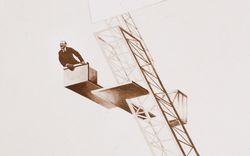
Les tours sonores
Les tours sonores
Actions:
Texte de Shannon Mattern
Dossier:
Autres sens, autres espaces
Autres sens, autres espaces
Mot(s)-clé(s):
20th century, 21st century, Carlotta Darò, Chabolovka, communism, communisme, El Lissitzky, Emily Thompson, Geoff Manaugh, Ilia Chashnik, Karin Bijsterveld, Lenin, Lénine, Lissitzky, photographie, photography, radio, Richard Pare, Sabine von Fischer, Sensations urbaines, Sense of the City, Shabolovka, Soviet Union, Susan Buck-Morss, technologie, technology, tour, tower, Union soviétique, Vitebsk, Vladimir Shukhov, XXe siècle, XXIe siècle
20th century, 21st century, Carlotta Darò, Chabolovka, communism, communisme, El Lissitzky, Emily Thompson, Geoff Manaugh, Ilia Chashnik, Karin Bijsterveld, Lenin, Lénine, Lissitzky, photographie, photography, radio, Richard Pare, Sabine von Fischer, Sensations urbaines, Sense of the City, Shabolovka, Soviet Union, Susan Buck-Morss, technologie, technology, tour, tower, Union soviétique, Vitebsk, Vladimir Shukhov, XXe siècle, XXIe siècle
Publié:
23 juillet 2012
23 juillet 2012
Dossier:
Autres sens, autres espaces
Autres sens, autres espaces
Classification:
archives
Niveau de description archivistique:
Fonds
archives
Niveau de description archivistique:
Fonds
Titre:
Fonds Myron Goldsmith
Fonds Myron Goldsmith
Numéro de référence:
AP032
Résumé:
The Myron Goldsmith fonds consists primarily of 30.4 metres of textual documents, including notebooks, research and reading notes, travel journals, documentation files, correspondence, sketchbooks and personal and office papers. There are also 2,800 original drawings and prints, 10,000 photographs and slides, and 5 architectural models. The material ranges in date from c.1933 to 1996. In shedding light on Goldsmith's student years and working career, the fonds' rich collection of documents also provides material on activities in the architectural profession, architectural education, and architectural and engineering theory and building techniques through the 1940s to the 1990s.
AP032
Résumé:
The Myron Goldsmith fonds consists primarily of 30.4 metres of textual documents, including notebooks, research and reading notes, travel journals, documentation files, correspondence, sketchbooks and personal and office papers. There are also 2,800 original drawings and prints, 10,000 photographs and slides, and 5 architectural models. The material ranges in date from c.1933 to 1996. In shedding light on Goldsmith's student years and working career, the fonds' rich collection of documents also provides material on activities in the architectural profession, architectural education, and architectural and engineering theory and building techniques through the 1940s to the 1990s.
Personnes et institutions:
Date:
1933-1996
1933-1996
Titre:
Fonds Myron Goldsmith
Actions:
AP032
Résumé:
The Myron Goldsmith fonds consists primarily of 30.4 metres of textual documents, including notebooks, research and reading notes, travel journals, documentation files, correspondence, sketchbooks and personal and office papers. There are also 2,800 original drawings and prints, 10,000 photographs and slides, and 5 architectural models. The material ranges in date from c.1933 to 1996. In shedding light on Goldsmith's student years and working career, the fonds' rich collection of documents also provides material on activities in the architectural profession, architectural education, and architectural and engineering theory and building techniques through the 1940s to the 1990s.
Fonds Myron Goldsmith
Actions:
AP032
Résumé:
The Myron Goldsmith fonds consists primarily of 30.4 metres of textual documents, including notebooks, research and reading notes, travel journals, documentation files, correspondence, sketchbooks and personal and office papers. There are also 2,800 original drawings and prints, 10,000 photographs and slides, and 5 architectural models. The material ranges in date from c.1933 to 1996. In shedding light on Goldsmith's student years and working career, the fonds' rich collection of documents also provides material on activities in the architectural profession, architectural education, and architectural and engineering theory and building techniques through the 1940s to the 1990s.
Classification:
archives
Niveau de description archivistique:
Fonds
archives
Niveau de description archivistique:
Fonds
Date:
1933-1996
1933-1996
Personnes et institutions:
Niveau de description archivistique:
Série(s)
Série(s)
Numéro de référence:
AP170.S2
Description:
Series 2, Software and related documentation, 1990 – 2014, contains unique iterations of the ACDC, Aegis, and HypoSurface software, and contains roughly 45,000 digital files. The bulk of the files date from approximately 2000 – 2001. This series chiefly consists of the materials received from Xavier Robitaille. This includes a virtual machine and DOS emulator for Aegis HypoSurface, as well as ACDC and Aegis Simulator software for Microsoft DOS and Win32 for Hyposurface installations. There is also a small amount of email correspondence in MBOX format between Robitaille, Mark Goulthorpe, and other project members documenting their work on the project. Additionally, there are two computer backups in this series. One is for Goulthorpe’s computer. The files from the disk image were carved out and only unique files were kept. It includes his files for the Aegis HypoSurface project and reflects his working environment. The second backup is a disk image of Paul Steenhuisen’s Mac G5 computer. The Mac G5 computer is a clone of an earlier G4, and is included with the archive to allow demonstration of the interactive logic that was developed through CeBIT, the International Manufacturers Technology Show (IMTS), and the Biotechnology Industry Organization (BIO) conference at the Boston Convention Centre, including an interactive soundscape piece executed by artist Paul Steenhuisen. The G5 has a copy of FIELD, the user interface software developed for HypoSurface 2 and HypoSurface 3. The files from this computer were processed and made available in Series 3: Projects and events, and Series 4: Promotional materials. The disk image of the internal hard drive was retained in case future emulation is necessary. Because much of this series is software, roughly 42,000 files are or relate to executable programs. Formats for these materials are largely Java source code and Java object code, but also include HTML, plain text files, Aegis pattern files, and some unidentified formats. The remaining files in this series are chiefly vector and raster images referenced in the software. Notably, the Steenhuisen disk image is approximately 250 GB, and represents the largest part of this series. This series overlaps significantly with Series 3: Projects and events. This series contains software generally, while Series 3 contains any software related to a specific project or event.
AP170.S2
Description:
Series 2, Software and related documentation, 1990 – 2014, contains unique iterations of the ACDC, Aegis, and HypoSurface software, and contains roughly 45,000 digital files. The bulk of the files date from approximately 2000 – 2001. This series chiefly consists of the materials received from Xavier Robitaille. This includes a virtual machine and DOS emulator for Aegis HypoSurface, as well as ACDC and Aegis Simulator software for Microsoft DOS and Win32 for Hyposurface installations. There is also a small amount of email correspondence in MBOX format between Robitaille, Mark Goulthorpe, and other project members documenting their work on the project. Additionally, there are two computer backups in this series. One is for Goulthorpe’s computer. The files from the disk image were carved out and only unique files were kept. It includes his files for the Aegis HypoSurface project and reflects his working environment. The second backup is a disk image of Paul Steenhuisen’s Mac G5 computer. The Mac G5 computer is a clone of an earlier G4, and is included with the archive to allow demonstration of the interactive logic that was developed through CeBIT, the International Manufacturers Technology Show (IMTS), and the Biotechnology Industry Organization (BIO) conference at the Boston Convention Centre, including an interactive soundscape piece executed by artist Paul Steenhuisen. The G5 has a copy of FIELD, the user interface software developed for HypoSurface 2 and HypoSurface 3. The files from this computer were processed and made available in Series 3: Projects and events, and Series 4: Promotional materials. The disk image of the internal hard drive was retained in case future emulation is necessary. Because much of this series is software, roughly 42,000 files are or relate to executable programs. Formats for these materials are largely Java source code and Java object code, but also include HTML, plain text files, Aegis pattern files, and some unidentified formats. The remaining files in this series are chiefly vector and raster images referenced in the software. Notably, the Steenhuisen disk image is approximately 250 GB, and represents the largest part of this series. This series overlaps significantly with Series 3: Projects and events. This series contains software generally, while Series 3 contains any software related to a specific project or event.
Personnes et institutions:
Date:
1990 - 2014
1990 - 2014
Titre:
Software and related documentation
Actions:
AP170.S2
Description:
Series 2, Software and related documentation, 1990 – 2014, contains unique iterations of the ACDC, Aegis, and HypoSurface software, and contains roughly 45,000 digital files. The bulk of the files date from approximately 2000 – 2001. This series chiefly consists of the materials received from Xavier Robitaille. This includes a virtual machine and DOS emulator for Aegis HypoSurface, as well as ACDC and Aegis Simulator software for Microsoft DOS and Win32 for Hyposurface installations. There is also a small amount of email correspondence in MBOX format between Robitaille, Mark Goulthorpe, and other project members documenting their work on the project. Additionally, there are two computer backups in this series. One is for Goulthorpe’s computer. The files from the disk image were carved out and only unique files were kept. It includes his files for the Aegis HypoSurface project and reflects his working environment. The second backup is a disk image of Paul Steenhuisen’s Mac G5 computer. The Mac G5 computer is a clone of an earlier G4, and is included with the archive to allow demonstration of the interactive logic that was developed through CeBIT, the International Manufacturers Technology Show (IMTS), and the Biotechnology Industry Organization (BIO) conference at the Boston Convention Centre, including an interactive soundscape piece executed by artist Paul Steenhuisen. The G5 has a copy of FIELD, the user interface software developed for HypoSurface 2 and HypoSurface 3. The files from this computer were processed and made available in Series 3: Projects and events, and Series 4: Promotional materials. The disk image of the internal hard drive was retained in case future emulation is necessary. Because much of this series is software, roughly 42,000 files are or relate to executable programs. Formats for these materials are largely Java source code and Java object code, but also include HTML, plain text files, Aegis pattern files, and some unidentified formats. The remaining files in this series are chiefly vector and raster images referenced in the software. Notably, the Steenhuisen disk image is approximately 250 GB, and represents the largest part of this series. This series overlaps significantly with Series 3: Projects and events. This series contains software generally, while Series 3 contains any software related to a specific project or event.
Software and related documentation
Actions:
AP170.S2
Description:
Series 2, Software and related documentation, 1990 – 2014, contains unique iterations of the ACDC, Aegis, and HypoSurface software, and contains roughly 45,000 digital files. The bulk of the files date from approximately 2000 – 2001. This series chiefly consists of the materials received from Xavier Robitaille. This includes a virtual machine and DOS emulator for Aegis HypoSurface, as well as ACDC and Aegis Simulator software for Microsoft DOS and Win32 for Hyposurface installations. There is also a small amount of email correspondence in MBOX format between Robitaille, Mark Goulthorpe, and other project members documenting their work on the project. Additionally, there are two computer backups in this series. One is for Goulthorpe’s computer. The files from the disk image were carved out and only unique files were kept. It includes his files for the Aegis HypoSurface project and reflects his working environment. The second backup is a disk image of Paul Steenhuisen’s Mac G5 computer. The Mac G5 computer is a clone of an earlier G4, and is included with the archive to allow demonstration of the interactive logic that was developed through CeBIT, the International Manufacturers Technology Show (IMTS), and the Biotechnology Industry Organization (BIO) conference at the Boston Convention Centre, including an interactive soundscape piece executed by artist Paul Steenhuisen. The G5 has a copy of FIELD, the user interface software developed for HypoSurface 2 and HypoSurface 3. The files from this computer were processed and made available in Series 3: Projects and events, and Series 4: Promotional materials. The disk image of the internal hard drive was retained in case future emulation is necessary. Because much of this series is software, roughly 42,000 files are or relate to executable programs. Formats for these materials are largely Java source code and Java object code, but also include HTML, plain text files, Aegis pattern files, and some unidentified formats. The remaining files in this series are chiefly vector and raster images referenced in the software. Notably, the Steenhuisen disk image is approximately 250 GB, and represents the largest part of this series. This series overlaps significantly with Series 3: Projects and events. This series contains software generally, while Series 3 contains any software related to a specific project or event.
Niveau de description archivistique:
Series
Series
Date:
1990 - 2014
1990 - 2014
Personnes et institutions:
Classification:
événements
événements
Actions:
Description:
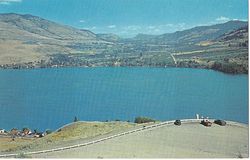
Ben Bradley présente comment lautomobile a influencé la manière dont les Canadiens ont fait lexpérience de leur pays cours du XXe siècle. Alors que des millions de personnes sont parties à la rencontre du Canada à travers le voyage automobile, elles ont aussi donné forme aux endroits quelles ont traversés, par leurs habitudes de visite, leurs goûts et leurs mouvements.(...)
Ben Bradley présente comment lautomobile a influencé la manière dont les Canadiens ont fait lexpérience de leur pays cours du XXe siècle. Alors que des millions de personnes sont parties à la rencontre du Canada à travers le voyage automobile, elles ont aussi donné forme aux endroits quelles ont traversés, par leurs habitudes de visite, leurs goûts et leurs mouvements.(...)
Localisation:
Théâtre Paul-Demarais Mot(s)-clé(s):
Canada, Le temps presse, environnement, Bradley, halte-routière, roadside
Théâtre Paul-Demarais Mot(s)-clé(s):
Canada, Le temps presse, environnement, Bradley, halte-routière, roadside
Date:
23 février 2017, 18h
23 février 2017, 18h
Titre:
Faire du Canada une halte-routière
Actions:
Description:
Ben Bradley présente comment lautomobile a influencé la manière dont les Canadiens ont fait lexpérience de leur pays cours du XXe siècle. Alors que des millions de personnes sont parties à la rencontre du Canada à travers le voyage automobile, elles ont aussi donné forme aux endroits quelles ont traversés, par leurs habitudes de visite, leurs goûts et leurs mouvements.(...)
Faire du Canada une halte-routière
Actions:
Description:
Ben Bradley présente comment lautomobile a influencé la manière dont les Canadiens ont fait lexpérience de leur pays cours du XXe siècle. Alors que des millions de personnes sont parties à la rencontre du Canada à travers le voyage automobile, elles ont aussi donné forme aux endroits quelles ont traversés, par leurs habitudes de visite, leurs goûts et leurs mouvements.(...)
Classification:
événements
événements
Date:
23 février 2017
18h
23 février 2017
18h
Localisation:
Théâtre Paul-Demarais Mot(s)-clé(s):
Canada, Le temps presse, environnement, Bradley, halte-routière, roadside
Théâtre Paul-Demarais Mot(s)-clé(s):
Canada, Le temps presse, environnement, Bradley, halte-routière, roadside


