


13794 Résultats
Classification:
livres
livres
Prix:
$30.00
(disponible sur commande)
Résumé:
In 2021, Etel Adnan and Simone Fattal recorded an intimate conversation about the Mediterranean at their Parisian home: "There are many Mediterraneans: the geographical, the historical, the philosophical... the personal, the one we swim, and we have swum in. It‘s an experience to swim, it is something you can‘t explain to somebody who never swam. This feeling of being(...)
$30.00
(disponible sur commande)
Résumé:
In 2021, Etel Adnan and Simone Fattal recorded an intimate conversation about the Mediterranean at their Parisian home: "There are many Mediterraneans: the geographical, the historical, the philosophical... the personal, the one we swim, and we have swum in. It‘s an experience to swim, it is something you can‘t explain to somebody who never swam. This feeling of being(...)
Titre:
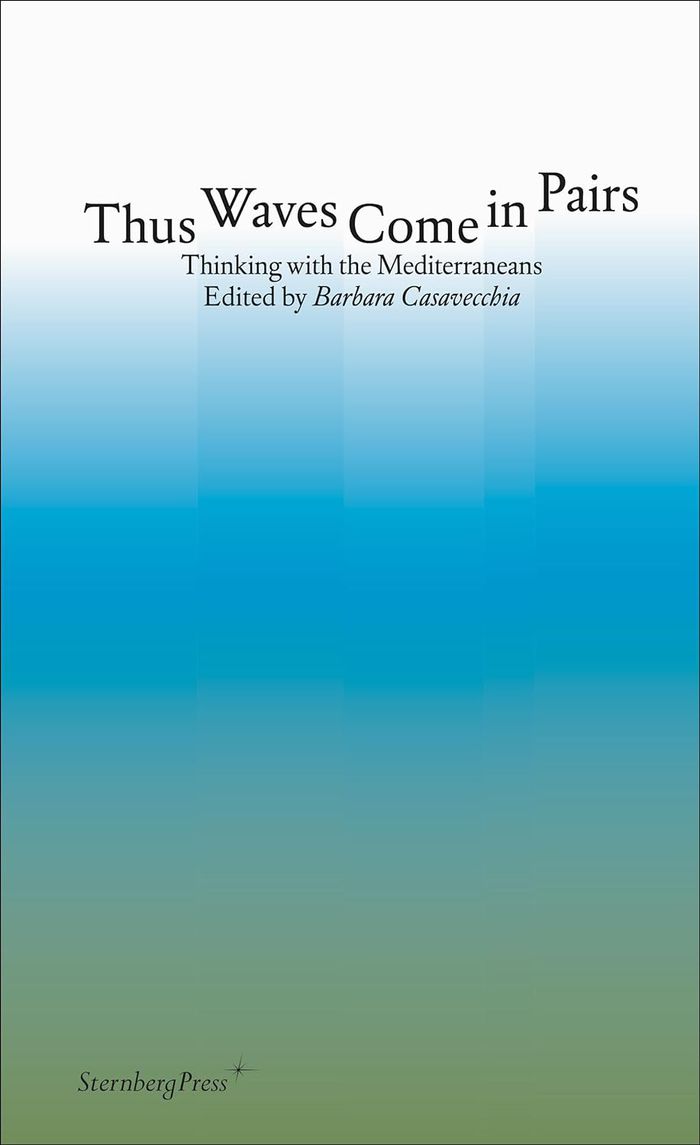
Thus waves come in pairs: Thinking with the Mediterraneans
Actions:
Prix:
$30.00
(disponible sur commande)
Résumé:
In 2021, Etel Adnan and Simone Fattal recorded an intimate conversation about the Mediterranean at their Parisian home: "There are many Mediterraneans: the geographical, the historical, the philosophical... the personal, the one we swim, and we have swum in. It‘s an experience to swim, it is something you can‘t explain to somebody who never swam. This feeling of being held up by this water." The third cycle of TBA21–Academy’s curatorial fellowship program "The Current", spanning from 2021–2023 focused on the Mediterraneans in a program entitled "Thus waves come in pairs" after a line from Adnan’s poem "Sea and Fog." It pointed to the necessity of thinking of, and thinking with, the Mediterraneans as plural—plural as their interconnected cultures, and bodies of sweet and salty water, and possibilities of narrating their current transformations.
Thus waves come in pairs: Thinking with the Mediterraneans
Actions:
Prix:
$30.00
(disponible sur commande)
Résumé:
In 2021, Etel Adnan and Simone Fattal recorded an intimate conversation about the Mediterranean at their Parisian home: "There are many Mediterraneans: the geographical, the historical, the philosophical... the personal, the one we swim, and we have swum in. It‘s an experience to swim, it is something you can‘t explain to somebody who never swam. This feeling of being held up by this water." The third cycle of TBA21–Academy’s curatorial fellowship program "The Current", spanning from 2021–2023 focused on the Mediterraneans in a program entitled "Thus waves come in pairs" after a line from Adnan’s poem "Sea and Fog." It pointed to the necessity of thinking of, and thinking with, the Mediterraneans as plural—plural as their interconnected cultures, and bodies of sweet and salty water, and possibilities of narrating their current transformations.
Classification:
livres
livres
Publication:
février 2024
février 2024
Sujet:
Théorie de l’art
Théorie de l’art
Classification:
livres
livres
Prix:
$58.95
(disponible en magasin)
Résumé:
Afin de faire face à l'évolution du métier et de ses enjeux, l'architecte et théoricien prône une relecture des textes fondateurs de la discipline au premier rang desquels De re aedificatoria d'Alberti, traité majeur pour l'architecture de la Renaissance. Sont examinées trois notions interdépendantes et clés d'Alberti, la région, l'aire et la partition, et leurs usages à(...)
$58.95
(disponible en magasin)
Résumé:
Afin de faire face à l'évolution du métier et de ses enjeux, l'architecte et théoricien prône une relecture des textes fondateurs de la discipline au premier rang desquels De re aedificatoria d'Alberti, traité majeur pour l'architecture de la Renaissance. Sont examinées trois notions interdépendantes et clés d'Alberti, la région, l'aire et la partition, et leurs usages à(...)
Titre:
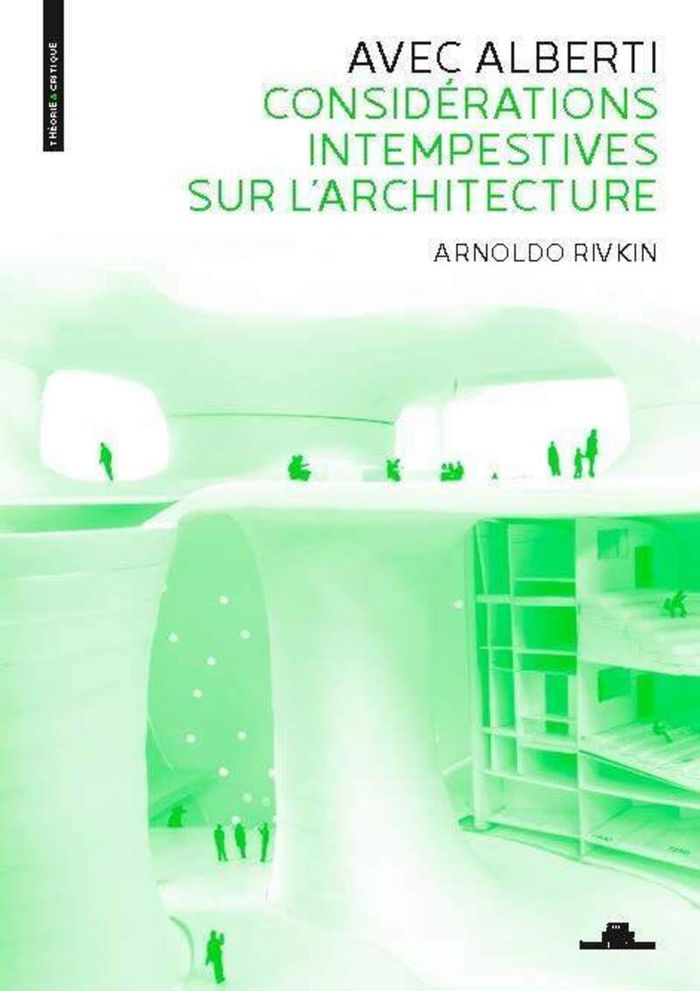
Avec Alberti : Considérations intempestives sur l'architecture
Actions:
Prix:
$58.95
(disponible en magasin)
Résumé:
Afin de faire face à l'évolution du métier et de ses enjeux, l'architecte et théoricien prône une relecture des textes fondateurs de la discipline au premier rang desquels De re aedificatoria d'Alberti, traité majeur pour l'architecture de la Renaissance. Sont examinées trois notions interdépendantes et clés d'Alberti, la région, l'aire et la partition, et leurs usages à travers les siècles.
Avec Alberti : Considérations intempestives sur l'architecture
Actions:
Prix:
$58.95
(disponible en magasin)
Résumé:
Afin de faire face à l'évolution du métier et de ses enjeux, l'architecte et théoricien prône une relecture des textes fondateurs de la discipline au premier rang desquels De re aedificatoria d'Alberti, traité majeur pour l'architecture de la Renaissance. Sont examinées trois notions interdépendantes et clés d'Alberti, la région, l'aire et la partition, et leurs usages à travers les siècles.
Classification:
livres
livres
Publication:
février 2024
février 2024
Sujet:
Théorie de l’architecture
Théorie de l’architecture
Classification:
livres
livres
Actions:
Prix:
$60.00
(disponible sur commande)
Résumé:
Une étude historique approfondie du projet artistique et politique de l'Internationale situationniste (IS).
$60.00
(disponible sur commande)
Résumé:
Une étude historique approfondie du projet artistique et politique de l'Internationale situationniste (IS).
Titre:
Le Monde en situation : La révolte sensible de l'Internationale situationniste
Actions:
Prix:
$60.00
(disponible sur commande)
Résumé:
Une étude historique approfondie du projet artistique et politique de l'Internationale situationniste (IS).
Le Monde en situation : La révolte sensible de l'Internationale situationniste
Actions:
Prix:
$60.00
(disponible sur commande)
Résumé:
Une étude historique approfondie du projet artistique et politique de l'Internationale situationniste (IS).
Classification:
livres
livres
Publication:
janvier 2024
janvier 2024
Sujet:
Théorie de l’art
Théorie de l’art
Classification:
livres
livres

Actions:
Prix:
$40.00
(disponible sur commande)
Résumé:
Un manifeste collectif pour des écoles d'art féministes. Retranscrire un cycle de conférences, entretiens, workshops et groupes de discussion féministes intersectionnels dans une école d'art s'avère crucial pour partager des outils d'émancipation et bousculer les critères implicites qui structurent nos regards et nos pratiques (identification aux normes visuelles(...)
$40.00
(disponible sur commande)
Résumé:
Un manifeste collectif pour des écoles d'art féministes. Retranscrire un cycle de conférences, entretiens, workshops et groupes de discussion féministes intersectionnels dans une école d'art s'avère crucial pour partager des outils d'émancipation et bousculer les critères implicites qui structurent nos regards et nos pratiques (identification aux normes visuelles(...)
Titre:
Pour des écoles d'art féministes !
Actions:
Prix:
$40.00
(disponible sur commande)
Résumé:
Un manifeste collectif pour des écoles d'art féministes. Retranscrire un cycle de conférences, entretiens, workshops et groupes de discussion féministes intersectionnels dans une école d'art s'avère crucial pour partager des outils d'émancipation et bousculer les critères implicites qui structurent nos regards et nos pratiques (identification aux normes visuelles occidentales, représentations romantico-capitalistes de l'artiste-auteur·rice…). Cet ouvrage a pour premier objet de partager les contenus accueillis et produits à l'École Supérieure d'Art de Clermont Métropole entre 2017 et 2022. Il est aussi l'occasion de travailler avec un groupe d'étudiant·es, d'artistes et de chercheureuses, pour penser la manière d'élaborer collectivement des invitations mais aussi l'élaboration de l'ouvrage ; il est un outil pour un travail pédagogique collectif et idéalement horizontal au cœur d'une institution hiérarchisée et hiérarchisante.
Pour des écoles d'art féministes !
Actions:
Prix:
$40.00
(disponible sur commande)
Résumé:
Un manifeste collectif pour des écoles d'art féministes. Retranscrire un cycle de conférences, entretiens, workshops et groupes de discussion féministes intersectionnels dans une école d'art s'avère crucial pour partager des outils d'émancipation et bousculer les critères implicites qui structurent nos regards et nos pratiques (identification aux normes visuelles occidentales, représentations romantico-capitalistes de l'artiste-auteur·rice…). Cet ouvrage a pour premier objet de partager les contenus accueillis et produits à l'École Supérieure d'Art de Clermont Métropole entre 2017 et 2022. Il est aussi l'occasion de travailler avec un groupe d'étudiant·es, d'artistes et de chercheureuses, pour penser la manière d'élaborer collectivement des invitations mais aussi l'élaboration de l'ouvrage ; il est un outil pour un travail pédagogique collectif et idéalement horizontal au cœur d'une institution hiérarchisée et hiérarchisante.
Classification:
livres
livres
Publication:
février 2024
février 2024
Sujet:
Théorie de l’art
Théorie de l’art
Classification:
livres
livres
Actions:
Prix:
$40.00
(disponible en magasin)
Résumé:
Invités par Rachel Valinsky, sept artistes portent leurs regards sur l'œuvre de Guy de Cointet. Guy de Cointet est une figure majeure du mouvement de l'art conceptuel et de la performance. Français, installé aux Etats-Unis en 1966, il est resté un membre actif de la scène artistique californienne jusqu'à sa mort en 1983. Son œuvre pluridisciplinaire, a fait l'objet d'une(...)
$40.00
(disponible en magasin)
Résumé:
Invités par Rachel Valinsky, sept artistes portent leurs regards sur l'œuvre de Guy de Cointet. Guy de Cointet est une figure majeure du mouvement de l'art conceptuel et de la performance. Français, installé aux Etats-Unis en 1966, il est resté un membre actif de la scène artistique californienne jusqu'à sa mort en 1983. Son œuvre pluridisciplinaire, a fait l'objet d'une(...)
Titre:
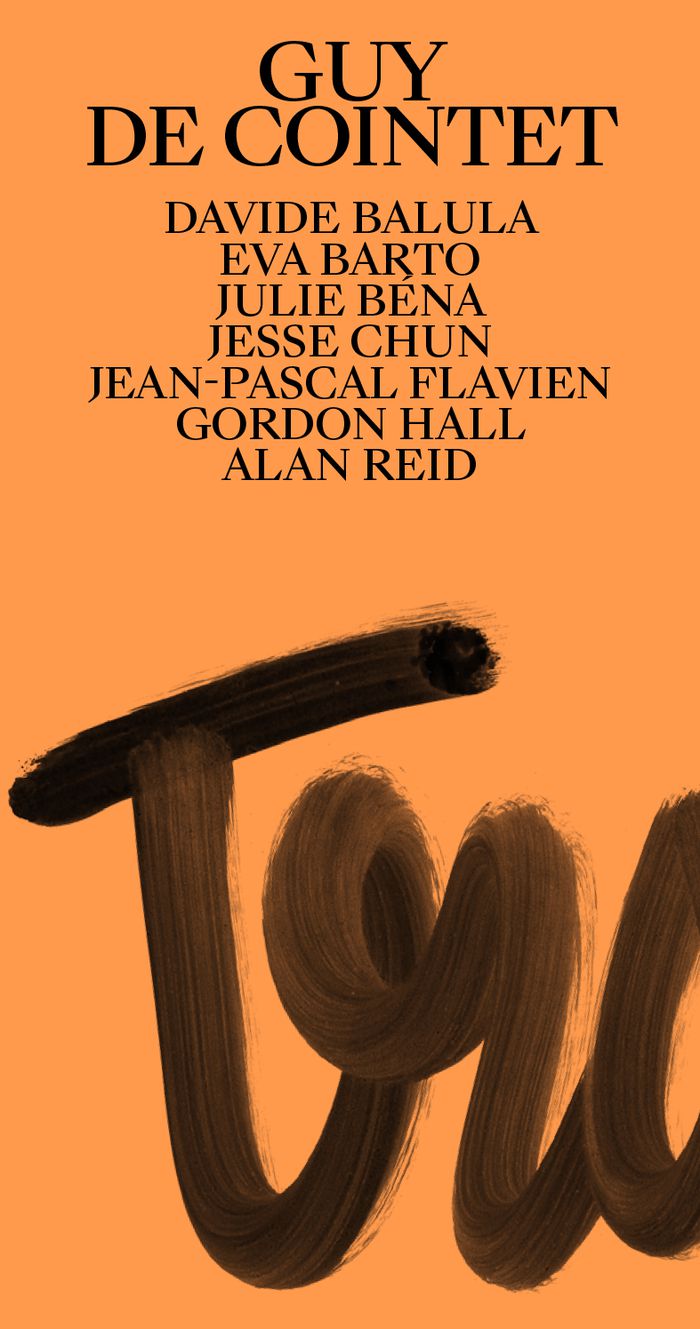
Guy de Cointet : Transatlantique
Actions:
Prix:
$40.00
(disponible en magasin)
Résumé:
Invités par Rachel Valinsky, sept artistes portent leurs regards sur l'œuvre de Guy de Cointet. Guy de Cointet est une figure majeure du mouvement de l'art conceptuel et de la performance. Français, installé aux Etats-Unis en 1966, il est resté un membre actif de la scène artistique californienne jusqu'à sa mort en 1983. Son œuvre pluridisciplinaire, a fait l'objet d'une attention renouvelée, au cours des vingt dernières années. Rachel Valinsky invite sept artistes, basés de part et d'autre de l'Atlantique, à mettre en lumière, plus vivement que jamais, l'impact de cette œuvre.
Guy de Cointet : Transatlantique
Actions:
Prix:
$40.00
(disponible en magasin)
Résumé:
Invités par Rachel Valinsky, sept artistes portent leurs regards sur l'œuvre de Guy de Cointet. Guy de Cointet est une figure majeure du mouvement de l'art conceptuel et de la performance. Français, installé aux Etats-Unis en 1966, il est resté un membre actif de la scène artistique californienne jusqu'à sa mort en 1983. Son œuvre pluridisciplinaire, a fait l'objet d'une attention renouvelée, au cours des vingt dernières années. Rachel Valinsky invite sept artistes, basés de part et d'autre de l'Atlantique, à mettre en lumière, plus vivement que jamais, l'impact de cette œuvre.
Classification:
livres
livres
Publication:
janvier 2024
janvier 2024
Sujet:
Théorie de l’art
Théorie de l’art
Classification:
livres
livres
Prix:
$60.00
(disponible sur commande)
Résumé:
Eye on Design is an editorial platform from AIGA that has, for the last decade, covered the ins and outs of the design industry. From documenting bold new work from global designers to chronicling the field's most critical issues, their reported stories, op-eds, interviews, and conversations help designers make sense of the world and place their profession within a(...)
$60.00
(disponible sur commande)
Résumé:
Eye on Design is an editorial platform from AIGA that has, for the last decade, covered the ins and outs of the design industry. From documenting bold new work from global designers to chronicling the field's most critical issues, their reported stories, op-eds, interviews, and conversations help designers make sense of the world and place their profession within a(...)
Titre:
What it means to be a designer today: Ideas from AIGA's on design
Actions:
Prix:
$60.00
(disponible sur commande)
Résumé:
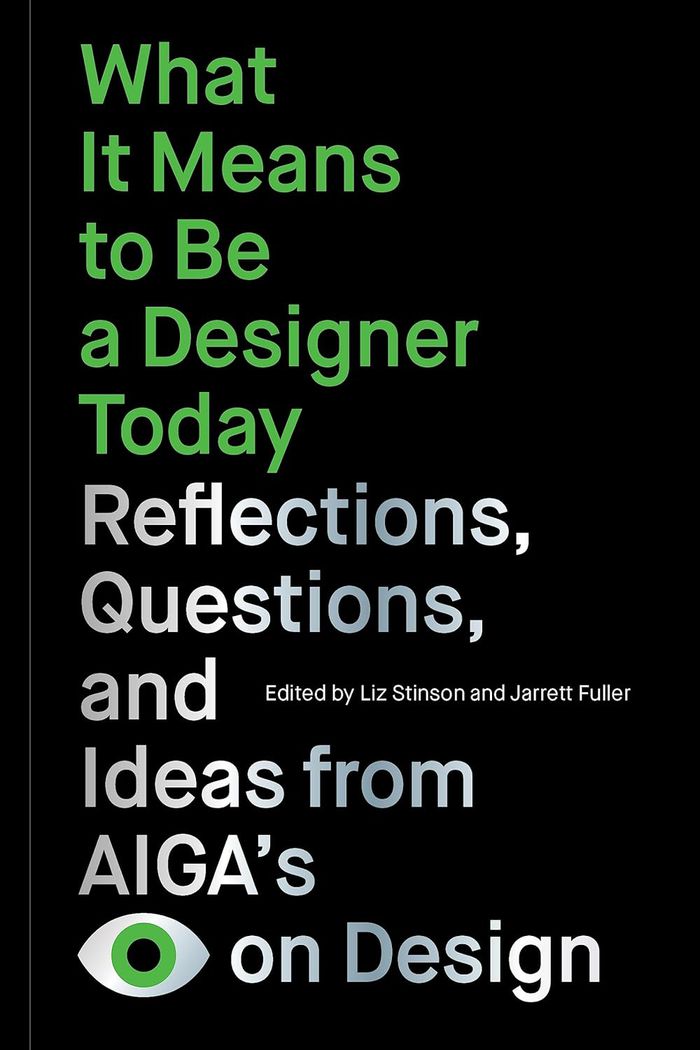
Eye on Design is an editorial platform from AIGA that has, for the last decade, covered the ins and outs of the design industry. From documenting bold new work from global designers to chronicling the field's most critical issues, their reported stories, op-eds, interviews, and conversations help designers make sense of the world and place their profession within a broader context. Weaving together original and previously published content from some of the most important writers in today’s design conversation, this book for designers encapsulates wide-reaching topics that strive to answer an essential question: What does it mean to be a designer today?
What it means to be a designer today: Ideas from AIGA's on design
Actions:
Prix:
$60.00
(disponible sur commande)
Résumé:
Eye on Design is an editorial platform from AIGA that has, for the last decade, covered the ins and outs of the design industry. From documenting bold new work from global designers to chronicling the field's most critical issues, their reported stories, op-eds, interviews, and conversations help designers make sense of the world and place their profession within a broader context. Weaving together original and previously published content from some of the most important writers in today’s design conversation, this book for designers encapsulates wide-reaching topics that strive to answer an essential question: What does it mean to be a designer today?
Classification:
livres
livres
Publication:
avril 2024
avril 2024
Sujet:
Théorie du design
Théorie du design
Classification:
livres
livres

Actions:
Prix:
$12.95
(disponible en magasin)
Résumé:
Against the pernicious machinations of modern-day capitalism and a perverse optimism that sustains it, ''Disconsolate Dreamers'' explores the extent to which pessimism is compatible with a radical utopian goal - namely, a collective escape from the misery of modern existence. It shows that, in a thoroughly hopeless world devoid of rational alternatives, it is time for the(...)
$12.95
(disponible en magasin)
Résumé:
Against the pernicious machinations of modern-day capitalism and a perverse optimism that sustains it, ''Disconsolate Dreamers'' explores the extent to which pessimism is compatible with a radical utopian goal - namely, a collective escape from the misery of modern existence. It shows that, in a thoroughly hopeless world devoid of rational alternatives, it is time for the(...)
Titre:
Disconsolate dreamers: On pessimism and utopia
Actions:
Prix:
$12.95
(disponible en magasin)
Résumé:
Against the pernicious machinations of modern-day capitalism and a perverse optimism that sustains it, ''Disconsolate Dreamers'' explores the extent to which pessimism is compatible with a radical utopian goal - namely, a collective escape from the misery of modern existence. It shows that, in a thoroughly hopeless world devoid of rational alternatives, it is time for the Left to consider the pessimist a helpful guide out of the somnolence of capitalist realism, revealing how pessimism necessitates a radical revision of utopian alterity.
Disconsolate dreamers: On pessimism and utopia
Actions:
Prix:
$12.95
(disponible en magasin)
Résumé:
Against the pernicious machinations of modern-day capitalism and a perverse optimism that sustains it, ''Disconsolate Dreamers'' explores the extent to which pessimism is compatible with a radical utopian goal - namely, a collective escape from the misery of modern existence. It shows that, in a thoroughly hopeless world devoid of rational alternatives, it is time for the Left to consider the pessimist a helpful guide out of the somnolence of capitalist realism, revealing how pessimism necessitates a radical revision of utopian alterity.
Classification:
livres
livres
Publication:
août 2023
août 2023
Sujet:
Théorie/ philosophie
Théorie/ philosophie
Classification:
livres
livres

Actions:
Prix:
$134.99
(disponible en magasin)
Résumé:
Since the era of pre-industrial religious pilgrimages, architecture has beckoned travellers. This book charts the relationship, and even the entanglement, between architecture and tourism. It reveals how architecture is always tied to its physical site, yet is transportable in our imagination—and into the virtual spheres of social media and armchair travel. Illustrated(...)
$134.99
(disponible en magasin)
Résumé:
Since the era of pre-industrial religious pilgrimages, architecture has beckoned travellers. This book charts the relationship, and even the entanglement, between architecture and tourism. It reveals how architecture is always tied to its physical site, yet is transportable in our imagination—and into the virtual spheres of social media and armchair travel. Illustrated(...)
Titre:
Architectural tourism: Monumental Itineraries, Cultural Heritage, and Sites of memory
Actions:
Prix:
$134.99
(disponible en magasin)
Résumé:
Since the era of pre-industrial religious pilgrimages, architecture has beckoned travellers. This book charts the relationship, and even the entanglement, between architecture and tourism. It reveals how architecture is always tied to its physical site, yet is transportable in our imagination—and into the virtual spheres of social media and armchair travel. Illustrated with a range of studies of key buildings from history and the present-day, the book engagingly sheds light on topics such as the culture of ruins, the evolution of how tourists capture images of places, the rise of the designer museum, and architecture on television, film, and in other media. It asks why architectural monuments and buildings attract and compel us to visit, why we feel the need to understand cities through architectural sites such as museums, historic sites, and monuments, and how national identity is galvanised through its architecture and tourism. Sightseeing is, whether virtual or actual, site-seeing.
Architectural tourism: Monumental Itineraries, Cultural Heritage, and Sites of memory
Actions:
Prix:
$134.99
(disponible en magasin)
Résumé:
Since the era of pre-industrial religious pilgrimages, architecture has beckoned travellers. This book charts the relationship, and even the entanglement, between architecture and tourism. It reveals how architecture is always tied to its physical site, yet is transportable in our imagination—and into the virtual spheres of social media and armchair travel. Illustrated with a range of studies of key buildings from history and the present-day, the book engagingly sheds light on topics such as the culture of ruins, the evolution of how tourists capture images of places, the rise of the designer museum, and architecture on television, film, and in other media. It asks why architectural monuments and buildings attract and compel us to visit, why we feel the need to understand cities through architectural sites such as museums, historic sites, and monuments, and how national identity is galvanised through its architecture and tourism. Sightseeing is, whether virtual or actual, site-seeing.
Classification:
livres
livres
Publication:
mars 2021
mars 2021
Sujet:
Théorie de l’architecture
Théorie de l’architecture
Classification:
livres
livres
Actions:
Prix:
$38.00
(disponible en magasin)
Résumé:
When the New Yorker art critic Peter Schjeldahl published his widely read autobiographical essay "The art of dying" in December 2019, he reported that he had lung cancer and his oncologist had given him six months to live, but his experimental treatment was showing some improvement. "These extra months," he wrote, "are a luxury that I hope to have put to good use.” And he(...)
$38.00
(disponible en magasin)
Résumé:
When the New Yorker art critic Peter Schjeldahl published his widely read autobiographical essay "The art of dying" in December 2019, he reported that he had lung cancer and his oncologist had given him six months to live, but his experimental treatment was showing some improvement. "These extra months," he wrote, "are a luxury that I hope to have put to good use.” And he(...)
Titre:
The art of dying: Writings 2019-2022
Actions:
Prix:
$38.00
(disponible en magasin)
Résumé:
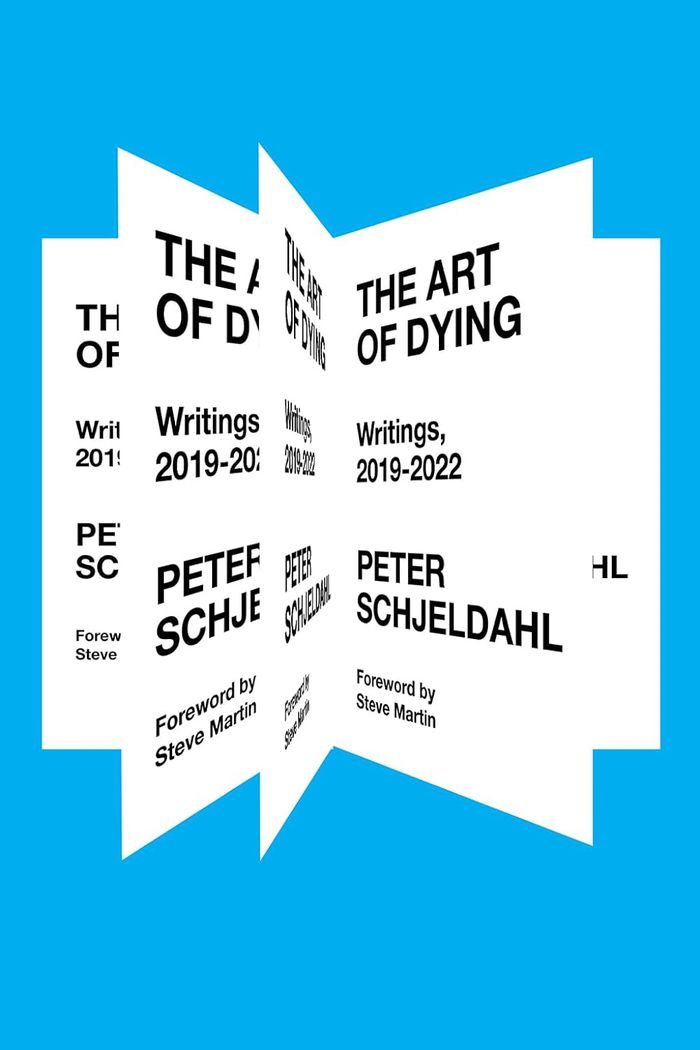
When the New Yorker art critic Peter Schjeldahl published his widely read autobiographical essay "The art of dying" in December 2019, he reported that he had lung cancer and his oncologist had given him six months to live, but his experimental treatment was showing some improvement. "These extra months," he wrote, "are a luxury that I hope to have put to good use.” And he did. "The art of dying: Writings, 2019-2022" begins with that essay and collects all 46 pieces that he wrote for the magazine before his death in October 2022. These last works express Schjeldahl’s hard-won reflections on art and life, against the backdrop of an intensely anxious period in America, spanning the pandemic, the George Floyd protests, the 2020 presidential election, and the war in Ukraine. Schjeldahl, who was the leading art writer of his generation, wrote with generosity and openness about the art world during these tempestuous three years.
The art of dying: Writings 2019-2022
Actions:
Prix:
$38.00
(disponible en magasin)
Résumé:
When the New Yorker art critic Peter Schjeldahl published his widely read autobiographical essay "The art of dying" in December 2019, he reported that he had lung cancer and his oncologist had given him six months to live, but his experimental treatment was showing some improvement. "These extra months," he wrote, "are a luxury that I hope to have put to good use.” And he did. "The art of dying: Writings, 2019-2022" begins with that essay and collects all 46 pieces that he wrote for the magazine before his death in October 2022. These last works express Schjeldahl’s hard-won reflections on art and life, against the backdrop of an intensely anxious period in America, spanning the pandemic, the George Floyd protests, the 2020 presidential election, and the war in Ukraine. Schjeldahl, who was the leading art writer of his generation, wrote with generosity and openness about the art world during these tempestuous three years.
Classification:
livres
livres
Publication:
mai 2024
mai 2024
Sujet:
Théorie de l’art
Théorie de l’art
Classification:
livres
livres
Titre:
Frugalité : Un récit heureux
Frugalité : Un récit heureux
Actions:
Prix:
$15.95
(disponible sur commande)
Résumé:
La frugalité dit la juste récolte des fruits de la Terre. Les Romains, avec les Grecs, l'accordaient à un idéal personnel, à la santé, au plaisir, à une vertu politique, mais pas à une abstinence et une mortification. La frugalité est joyeuse, créative, et propose une autre façon de vivre qui valorise le déjà-là, la mutualisation, le partage, et prônes les usages(...)
$15.95
(disponible sur commande)
Résumé:
La frugalité dit la juste récolte des fruits de la Terre. Les Romains, avec les Grecs, l'accordaient à un idéal personnel, à la santé, au plaisir, à une vertu politique, mais pas à une abstinence et une mortification. La frugalité est joyeuse, créative, et propose une autre façon de vivre qui valorise le déjà-là, la mutualisation, le partage, et prônes les usages(...)
Titre:
Frugalité : Un récit heureux
Actions:
Prix:
$15.95
(disponible sur commande)
Résumé:
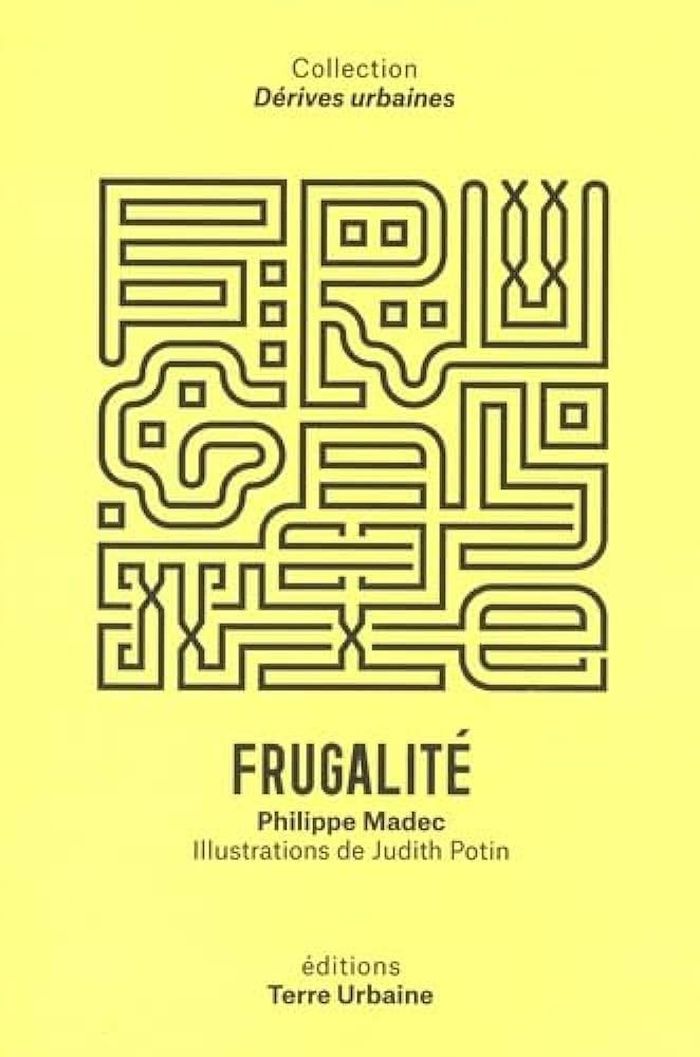
La frugalité dit la juste récolte des fruits de la Terre. Les Romains, avec les Grecs, l'accordaient à un idéal personnel, à la santé, au plaisir, à une vertu politique, mais pas à une abstinence et une mortification. La frugalité est joyeuse, créative, et propose une autre façon de vivre qui valorise le déjà-là, la mutualisation, le partage, et prônes les usages transitoires. La frugalité en territoires ménage plutôt qu'elle aménage. La frugalité est une autre façon d'« être au monde », une relation à la Terre qui se veut heureuse et durable. Dans ce carnet de 48 pages illustré par les dessins de Judith Potin, l'architecte Philippe Madec pose les principes fondateurs d'une philosophie devenue Mouvement, celui de la Frugalité heureuse et créative.
Frugalité : Un récit heureux
Actions:
Prix:
$15.95
(disponible sur commande)
Résumé:
La frugalité dit la juste récolte des fruits de la Terre. Les Romains, avec les Grecs, l'accordaient à un idéal personnel, à la santé, au plaisir, à une vertu politique, mais pas à une abstinence et une mortification. La frugalité est joyeuse, créative, et propose une autre façon de vivre qui valorise le déjà-là, la mutualisation, le partage, et prônes les usages transitoires. La frugalité en territoires ménage plutôt qu'elle aménage. La frugalité est une autre façon d'« être au monde », une relation à la Terre qui se veut heureuse et durable. Dans ce carnet de 48 pages illustré par les dessins de Judith Potin, l'architecte Philippe Madec pose les principes fondateurs d'une philosophie devenue Mouvement, celui de la Frugalité heureuse et créative.
Classification:
livres
livres
Publication:
mars 2024
mars 2024
Sujet:
Théorie/ philosophie
Théorie/ philosophie


