


1070 Résultats
Classification:
livres
livres
Actions:
Prix:
$54.00
(disponible sur commande)
Résumé:
In this book, Nina Lager Vestberg artfully details the range of research skills, reproduction machinery, and communication infrastructures that was needed to make pictures available to a public before digitization. Drawing on documents and representations across a range of cultural expressions, ''Picture research'' reveals the intermediation that has been performed by(...)
$54.00
(disponible sur commande)
Résumé:
In this book, Nina Lager Vestberg artfully details the range of research skills, reproduction machinery, and communication infrastructures that was needed to make pictures available to a public before digitization. Drawing on documents and representations across a range of cultural expressions, ''Picture research'' reveals the intermediation that has been performed by(...)
Titre:
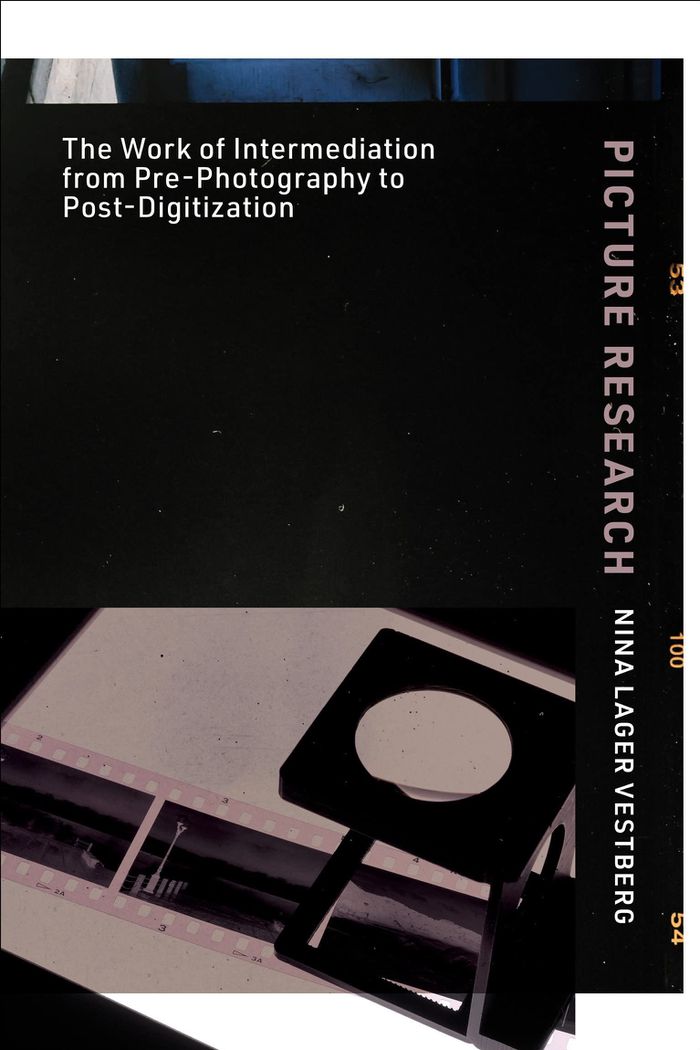
Picture research: The work of intermediation from pre-photography to post-digitization
Actions:
Prix:
$54.00
(disponible sur commande)
Résumé:
In this book, Nina Lager Vestberg artfully details the range of research skills, reproduction machinery, and communication infrastructures that was needed to make pictures available to a public before digitization. Drawing on documents and representations across a range of cultural expressions, ''Picture research'' reveals the intermediation that has been performed by skilled workers in a variety of roles, making use of pre-photographic, photographic, and digital machineries of capture, accumulation, extraction, and transmission. Tracing a history of the modern pictorial economy from the pre-photographic 1830s to the post-digitized 2010s, it makes visible and explicit the invisible labor that has built—and still sustains—the visual commodity culture of everyday life.
Picture research: The work of intermediation from pre-photography to post-digitization
Actions:
Prix:
$54.00
(disponible sur commande)
Résumé:
In this book, Nina Lager Vestberg artfully details the range of research skills, reproduction machinery, and communication infrastructures that was needed to make pictures available to a public before digitization. Drawing on documents and representations across a range of cultural expressions, ''Picture research'' reveals the intermediation that has been performed by skilled workers in a variety of roles, making use of pre-photographic, photographic, and digital machineries of capture, accumulation, extraction, and transmission. Tracing a history of the modern pictorial economy from the pre-photographic 1830s to the post-digitized 2010s, it makes visible and explicit the invisible labor that has built—and still sustains—the visual commodity culture of everyday life.
Classification:
livres
livres
Publication:
août 2023
août 2023
Sujet:
Théorie de la photographie
Théorie de la photographie
Classification:
livres
livres
Actions:
Prix:
$81.50
(disponible sur commande)
Résumé:
''Reciprocal landscapes: stories of material movements'' traces five everyday landscape construction materials – fertilizer, stone, steel, trees, and wood – from seminal public landscapes in New York City, back to where they came from. Drawing from archival documents, photographs, and field trips, the author brings these two separate landscapes – the material’s source and(...)
$81.50
(disponible sur commande)
Résumé:
''Reciprocal landscapes: stories of material movements'' traces five everyday landscape construction materials – fertilizer, stone, steel, trees, and wood – from seminal public landscapes in New York City, back to where they came from. Drawing from archival documents, photographs, and field trips, the author brings these two separate landscapes – the material’s source and(...)
Titre:
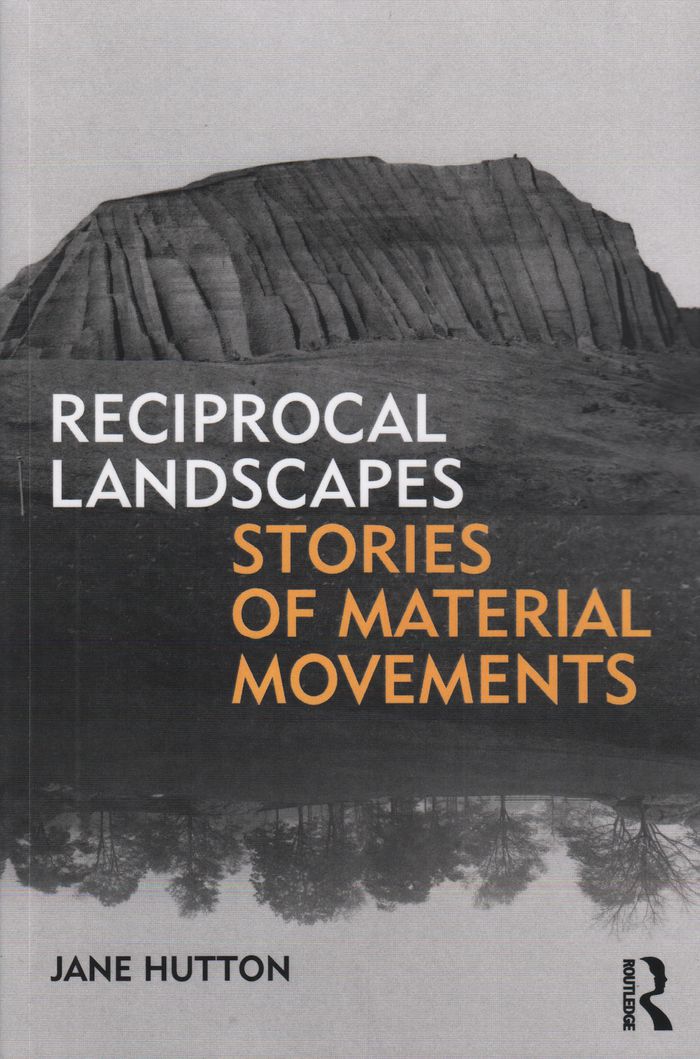
Reciprocal landscapes: stories of material movements
Actions:
Prix:
$81.50
(disponible sur commande)
Résumé:
''Reciprocal landscapes: stories of material movements'' traces five everyday landscape construction materials – fertilizer, stone, steel, trees, and wood – from seminal public landscapes in New York City, back to where they came from. Drawing from archival documents, photographs, and field trips, the author brings these two separate landscapes – the material’s source and the urban site where the material ended up – together, exploring themes of unequal ecological exchange, labor, and material flows. This book considers the social, political, and ecological entanglements of material practice, challenging readers to think of materials not as inert products but as continuous with land and the people that shape them, and to reimagine forms of construction in solidarity with people, other species, and landscapes elsewhere.
Reciprocal landscapes: stories of material movements
Actions:
Prix:
$81.50
(disponible sur commande)
Résumé:
''Reciprocal landscapes: stories of material movements'' traces five everyday landscape construction materials – fertilizer, stone, steel, trees, and wood – from seminal public landscapes in New York City, back to where they came from. Drawing from archival documents, photographs, and field trips, the author brings these two separate landscapes – the material’s source and the urban site where the material ended up – together, exploring themes of unequal ecological exchange, labor, and material flows. This book considers the social, political, and ecological entanglements of material practice, challenging readers to think of materials not as inert products but as continuous with land and the people that shape them, and to reimagine forms of construction in solidarity with people, other species, and landscapes elsewhere.
Classification:
livres
livres
Publication:
octobre 2019
octobre 2019
Sujet:
Théorie du paysage
Théorie du paysage
Classification:
livres
livres
Titre:
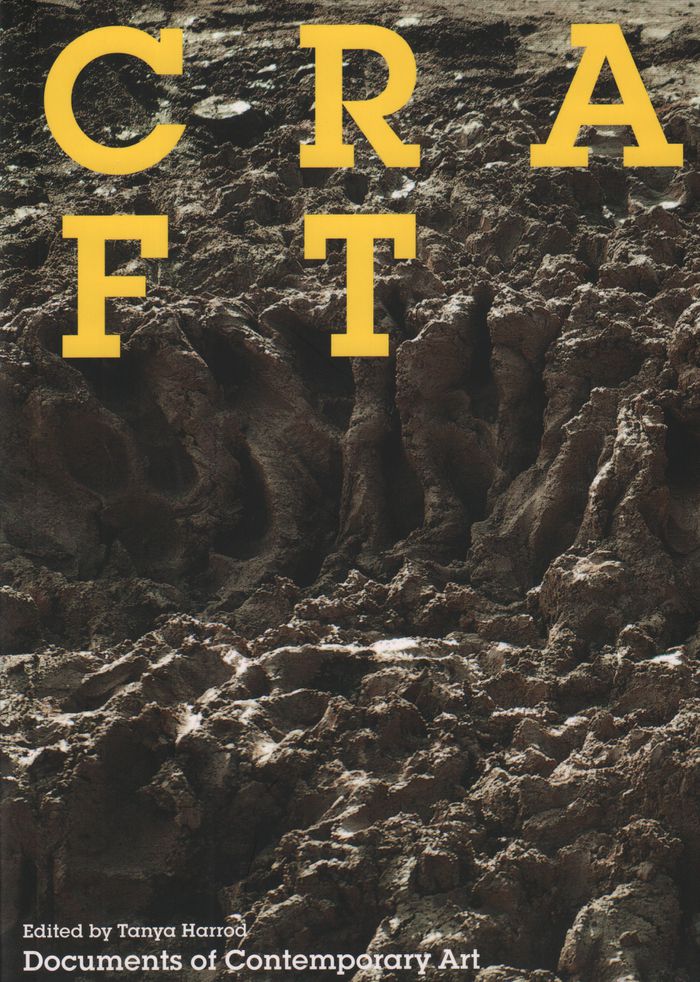
Craft
Craft
Actions:
Prix:
$34.95
(disponible sur commande)
Résumé:
“Craft” is a contested concept in art history and a vital category through which to understand contemporary art. Through craft, materials, techniques, and tools are investigated and their histories explored in order to reflect on the politics of labor and on the extraordinary complexity of the made world around us. This anthology offers an ethnography of craft, surveying(...)
$34.95
(disponible sur commande)
Résumé:
“Craft” is a contested concept in art history and a vital category through which to understand contemporary art. Through craft, materials, techniques, and tools are investigated and their histories explored in order to reflect on the politics of labor and on the extraordinary complexity of the made world around us. This anthology offers an ethnography of craft, surveying(...)
Titre:
Craft
Actions:
Prix:
$34.95
(disponible sur commande)
Résumé:
“Craft” is a contested concept in art history and a vital category through which to understand contemporary art. Through craft, materials, techniques, and tools are investigated and their histories explored in order to reflect on the politics of labor and on the extraordinary complexity of the made world around us. This anthology offers an ethnography of craft, surveying its shape-shifting identities in the context of progressive art and design through writings by artists and makers as well as poetry, fiction, anthropology, and sociology. It maps a secret history of craft through lost and overlooked texts that consider pedagogy, design, folk art, the factory, and new media in ways that illuminate our understanding of current art practice.
Craft
Actions:
Prix:
$34.95
(disponible sur commande)
Résumé:
“Craft” is a contested concept in art history and a vital category through which to understand contemporary art. Through craft, materials, techniques, and tools are investigated and their histories explored in order to reflect on the politics of labor and on the extraordinary complexity of the made world around us. This anthology offers an ethnography of craft, surveying its shape-shifting identities in the context of progressive art and design through writings by artists and makers as well as poetry, fiction, anthropology, and sociology. It maps a secret history of craft through lost and overlooked texts that consider pedagogy, design, folk art, the factory, and new media in ways that illuminate our understanding of current art practice.
Classification:
livres
livres
Publication:
septembre 2018
septembre 2018
Sujet:
Théorie de l’art
Théorie de l’art
Classification:
livres
livres
Actions:
Prix:
$46.95
(disponible sur commande)
Résumé:
A monumental history of the nineteenth century, The Transformation of the World offers a panoramic and multifaceted portrait of a world in transition. Jürgen Osterhammel, a scholar who has been called the Braudel of the nineteenth century, moves beyond conventional Eurocentric and chronological accounts of the era, presenting instead a truly global history of breathtaking(...)
$46.95
(disponible sur commande)
Résumé:
A monumental history of the nineteenth century, The Transformation of the World offers a panoramic and multifaceted portrait of a world in transition. Jürgen Osterhammel, a scholar who has been called the Braudel of the nineteenth century, moves beyond conventional Eurocentric and chronological accounts of the era, presenting instead a truly global history of breathtaking(...)
Titre:
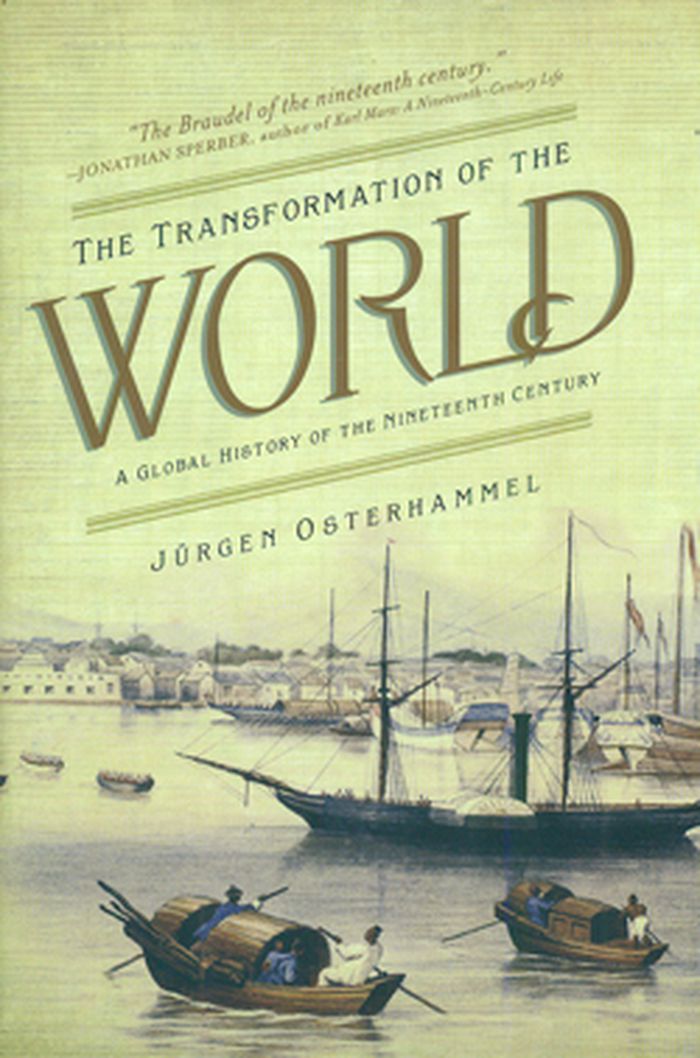
The transformation of the world: a global history of the nineteenth century
Actions:
Prix:
$46.95
(disponible sur commande)
Résumé:
A monumental history of the nineteenth century, The Transformation of the World offers a panoramic and multifaceted portrait of a world in transition. Jürgen Osterhammel, a scholar who has been called the Braudel of the nineteenth century, moves beyond conventional Eurocentric and chronological accounts of the era, presenting instead a truly global history of breathtaking scope and towering erudition. He examines the powerful and complex forces that drove global change during the "long nineteenth century," taking readers from New York to New Delhi, from the Latin American revolutions to the Taiping Rebellion, from the perils and promise of Europe's transatlantic labor markets to the hardships endured by nomadic, tribal peoples across the planet.
The transformation of the world: a global history of the nineteenth century
Actions:
Prix:
$46.95
(disponible sur commande)
Résumé:
A monumental history of the nineteenth century, The Transformation of the World offers a panoramic and multifaceted portrait of a world in transition. Jürgen Osterhammel, a scholar who has been called the Braudel of the nineteenth century, moves beyond conventional Eurocentric and chronological accounts of the era, presenting instead a truly global history of breathtaking scope and towering erudition. He examines the powerful and complex forces that drove global change during the "long nineteenth century," taking readers from New York to New Delhi, from the Latin American revolutions to the Taiping Rebellion, from the perils and promise of Europe's transatlantic labor markets to the hardships endured by nomadic, tribal peoples across the planet.
Classification:
livres
livres
Publication:
mai 2014
mai 2014
Sujet:
Théorie de l’architecture
Théorie de l’architecture
Classification:
livres
livres
Actions:
Exemplaires:
Description:
xiv, 232 pages : illustrations ; 24 cm
Description:
xiv, 232 pages : illustrations ; 24 cm
Auteur:
Sujet:
Publication:
Charlottesville : University of Virginia Press, 2014.
Charlottesville : University of Virginia Press, 2014.
Titre:
The working man's green space : allotment gardens in England, France, and Germany, 1870-1919 / Micheline Nilsen.
Actions:
Exemplaires:
Description:
xiv, 232 pages : illustrations ; 24 cm
The working man's green space : allotment gardens in England, France, and Germany, 1870-1919 / Micheline Nilsen.
Actions:
Exemplaires:
Description:
xiv, 232 pages : illustrations ; 24 cm
Classification:
livres
livres
Publication:
Charlottesville : University of Virginia Press, 2014.
Charlottesville : University of Virginia Press, 2014.
Auteur:
Sujet:
Classification:
livres
livres
Titre:
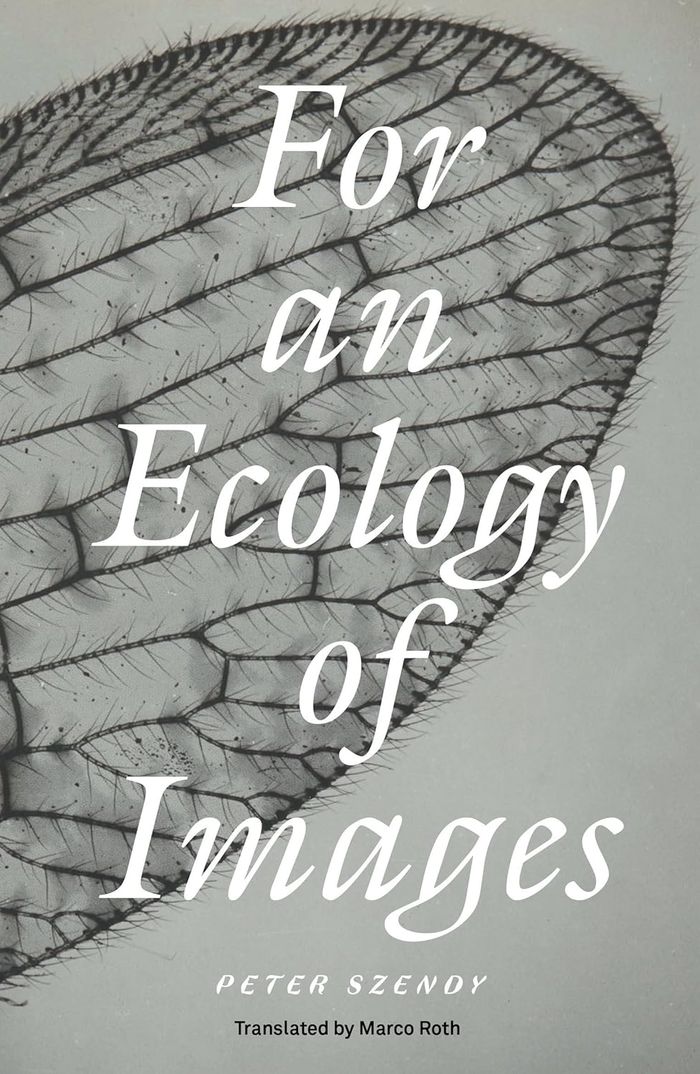
For an ecology of images
For an ecology of images
Actions:
Prix:
$25.95
(disponible sur commande)
Résumé:
When Susan Sontag first proposed the idea of an "ecology of images," she meant it as an exhortation to be vigilant against the vast surplus of pictures threatening our ability to truly see. Today, beyond the deep anxieties over a diminishing attention economy, concern focuses on the environmental cost of storing and circulating the digital images that confront us with(...)
$25.95
(disponible sur commande)
Résumé:
When Susan Sontag first proposed the idea of an "ecology of images," she meant it as an exhortation to be vigilant against the vast surplus of pictures threatening our ability to truly see. Today, beyond the deep anxieties over a diminishing attention economy, concern focuses on the environmental cost of storing and circulating the digital images that confront us with(...)
Titre:
For an ecology of images
Actions:
Prix:
$25.95
(disponible sur commande)
Résumé:
When Susan Sontag first proposed the idea of an "ecology of images," she meant it as an exhortation to be vigilant against the vast surplus of pictures threatening our ability to truly see. Today, beyond the deep anxieties over a diminishing attention economy, concern focuses on the environmental cost of storing and circulating the digital images that confront us with unprecedented speed. Against the disposable rapidity demanded by digital media, Peter Szendy emphasizes the labor and time required for images to develop and come into view. This inquisitive essay takes us from mimicry in the animal kingdom to the history of the shadow, Pliny’s story about the birth of painting to Nabokov’s butterflies, the first use of slo-mo in film to the first aerial photograph.
For an ecology of images
Actions:
Prix:
$25.95
(disponible sur commande)
Résumé:
When Susan Sontag first proposed the idea of an "ecology of images," she meant it as an exhortation to be vigilant against the vast surplus of pictures threatening our ability to truly see. Today, beyond the deep anxieties over a diminishing attention economy, concern focuses on the environmental cost of storing and circulating the digital images that confront us with unprecedented speed. Against the disposable rapidity demanded by digital media, Peter Szendy emphasizes the labor and time required for images to develop and come into view. This inquisitive essay takes us from mimicry in the animal kingdom to the history of the shadow, Pliny’s story about the birth of painting to Nabokov’s butterflies, the first use of slo-mo in film to the first aerial photograph.
Classification:
livres
livres
Publication:
janvier 2025
janvier 2025
Sujet:
Théorie de l’art
Théorie de l’art
Classification:
livres
livres
Prix:
$46.95
(disponible sur commande)
Résumé:
Studios are, at once, material environments and symbolic forms, sites of artistic creation and physical labor, and nodes in networks of resource circulation. They are architectural places that generate virtual spaces—worlds built to build worlds. On the outside, they have become icons of corporate identity, while on the inside, they have remained invisible in order to be(...)
$46.95
(disponible sur commande)
Résumé:
Studios are, at once, material environments and symbolic forms, sites of artistic creation and physical labor, and nodes in networks of resource circulation. They are architectural places that generate virtual spaces—worlds built to build worlds. On the outside, they have become icons of corporate identity, while on the inside, they have remained invisible in order to be(...)
Titre:
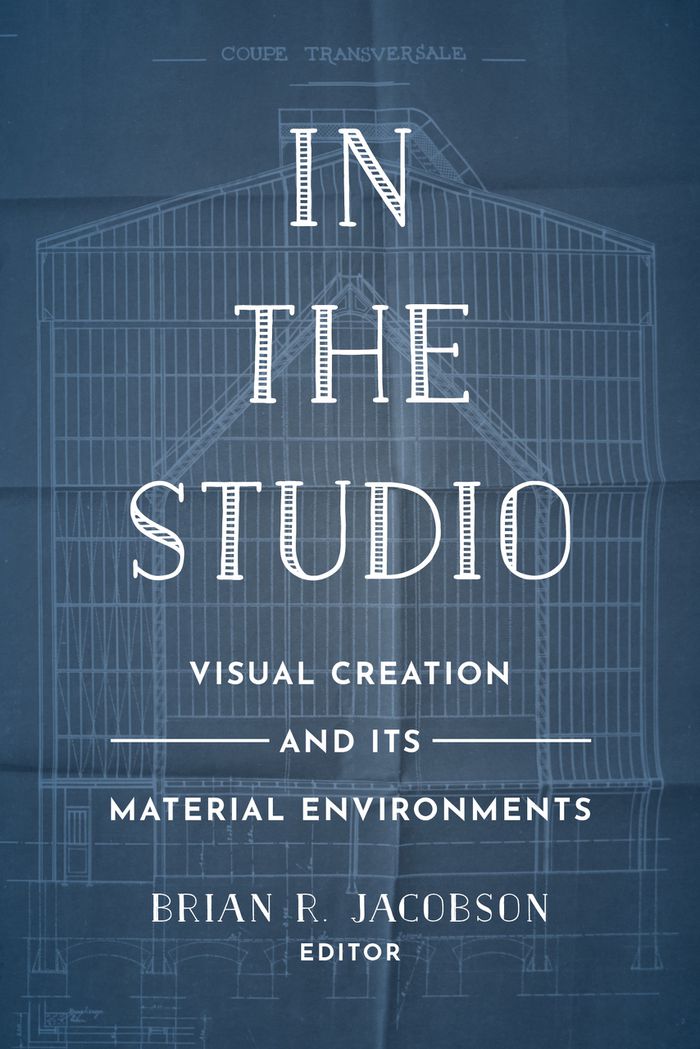
In the studio: Visual creation and its material environments
Actions:
Prix:
$46.95
(disponible sur commande)
Résumé:
Studios are, at once, material environments and symbolic forms, sites of artistic creation and physical labor, and nodes in networks of resource circulation. They are architectural places that generate virtual spaces—worlds built to build worlds. On the outside, they have become icons of corporate identity, while on the inside, they have remained invisible in order to be seen. As such, they have actively faded into the background of critical discourse and into the margins of film and media history. Recovering their hidden role in the history of visual creation, ''In the studio'' demonstrates that when we foreground these worlds, we gain new insights into moving-image culture and the material, ecological, social, political, and economic dynamics that quietly mark the worlds on our screens.
In the studio: Visual creation and its material environments
Actions:
Prix:
$46.95
(disponible sur commande)
Résumé:
Studios are, at once, material environments and symbolic forms, sites of artistic creation and physical labor, and nodes in networks of resource circulation. They are architectural places that generate virtual spaces—worlds built to build worlds. On the outside, they have become icons of corporate identity, while on the inside, they have remained invisible in order to be seen. As such, they have actively faded into the background of critical discourse and into the margins of film and media history. Recovering their hidden role in the history of visual creation, ''In the studio'' demonstrates that when we foreground these worlds, we gain new insights into moving-image culture and the material, ecological, social, political, and economic dynamics that quietly mark the worlds on our screens.
Classification:
livres
livres
Publication:
juillet 2020
juillet 2020
Classification:
livres
livres
Prix:
$21.95
(disponible sur commande)
Résumé:
Drawing on rich historical research, Silvia Federici maps the connections between the previous forms of enclosure that occurred with the birth of capitalism and the destruction of the commons and the "new enclosures" at the heart of the present phase of global capitalist accumulation. Considering the commons from a feminist perspective, this collection centers on women(...)
$21.95
(disponible sur commande)
Résumé:
Drawing on rich historical research, Silvia Federici maps the connections between the previous forms of enclosure that occurred with the birth of capitalism and the destruction of the commons and the "new enclosures" at the heart of the present phase of global capitalist accumulation. Considering the commons from a feminist perspective, this collection centers on women(...)
Titre:
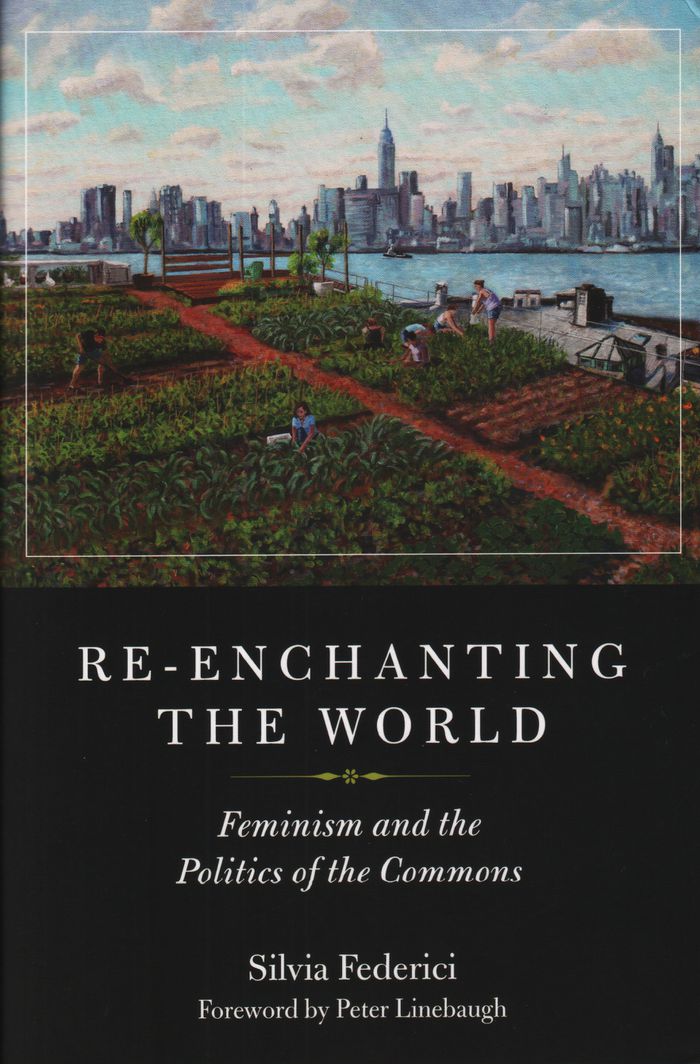
Re-enchanting the world: feminism and the politics of the commons
Actions:
Prix:
$21.95
(disponible sur commande)
Résumé:
Drawing on rich historical research, Silvia Federici maps the connections between the previous forms of enclosure that occurred with the birth of capitalism and the destruction of the commons and the "new enclosures" at the heart of the present phase of global capitalist accumulation. Considering the commons from a feminist perspective, this collection centers on women and reproductive work as crucial to both our economic survival and the construction of a world free from the hierarchies and divisions capital has planted in the body of the world proletariat. Federici is clear that the commons should not be understood as happy islands in a sea of exploitative relations but rather autonomous spaces from which to challenge the existing capitalist organization of life and labor.
Re-enchanting the world: feminism and the politics of the commons
Actions:
Prix:
$21.95
(disponible sur commande)
Résumé:
Drawing on rich historical research, Silvia Federici maps the connections between the previous forms of enclosure that occurred with the birth of capitalism and the destruction of the commons and the "new enclosures" at the heart of the present phase of global capitalist accumulation. Considering the commons from a feminist perspective, this collection centers on women and reproductive work as crucial to both our economic survival and the construction of a world free from the hierarchies and divisions capital has planted in the body of the world proletariat. Federici is clear that the commons should not be understood as happy islands in a sea of exploitative relations but rather autonomous spaces from which to challenge the existing capitalist organization of life and labor.
Classification:
livres
livres
Publication:
septembre 2018
septembre 2018
Sujet:
Théorie/ philosophie
Théorie/ philosophie
Classification:
livres
livres
Prix:
$39.95
(disponible sur commande)
Résumé:
In the 19th century railroads and canals provided both structure and motor for city development. This role has been taken over today by the global flow of data and products, as the author argues. The author describes the current development and its impact on architecture, landscape architecture and urbanism. Flow of material and communication is the DNA of contemporary(...)
$39.95
(disponible sur commande)
Résumé:
In the 19th century railroads and canals provided both structure and motor for city development. This role has been taken over today by the global flow of data and products, as the author argues. The author describes the current development and its impact on architecture, landscape architecture and urbanism. Flow of material and communication is the DNA of contemporary(...)
Titre:
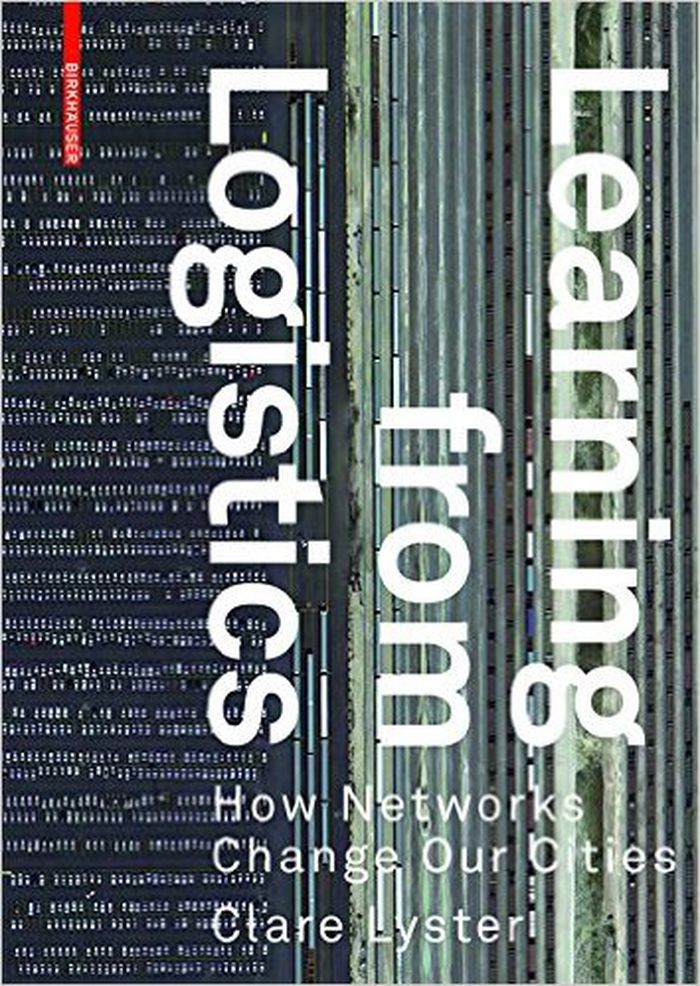
Learning from logistics: how networks change our cities
Actions:
Prix:
$39.95
(disponible sur commande)
Résumé:
In the 19th century railroads and canals provided both structure and motor for city development. This role has been taken over today by the global flow of data and products, as the author argues. The author describes the current development and its impact on architecture, landscape architecture and urbanism. Flow of material and communication is the DNA of contemporary environments. This development has enormous and partially unfathomable implications for our city fabric. Logistics networks and their complex structure increasingly bear upon many urban spheres. Counter trends to the ubiquitous internet retail trade – to name one of the most palpable phenomena – are gaining momentum as well, exemplified by the criticism of labor conditions in e-commerce and the trend to buy regional products from local stores.
Learning from logistics: how networks change our cities
Actions:
Prix:
$39.95
(disponible sur commande)
Résumé:
In the 19th century railroads and canals provided both structure and motor for city development. This role has been taken over today by the global flow of data and products, as the author argues. The author describes the current development and its impact on architecture, landscape architecture and urbanism. Flow of material and communication is the DNA of contemporary environments. This development has enormous and partially unfathomable implications for our city fabric. Logistics networks and their complex structure increasingly bear upon many urban spheres. Counter trends to the ubiquitous internet retail trade – to name one of the most palpable phenomena – are gaining momentum as well, exemplified by the criticism of labor conditions in e-commerce and the trend to buy regional products from local stores.
Classification:
livres
livres
Publication:
mars 2016
mars 2016
Sujet:
Théorie de l’urbanisme
Théorie de l’urbanisme
Classification:
livres
livres
Titre:
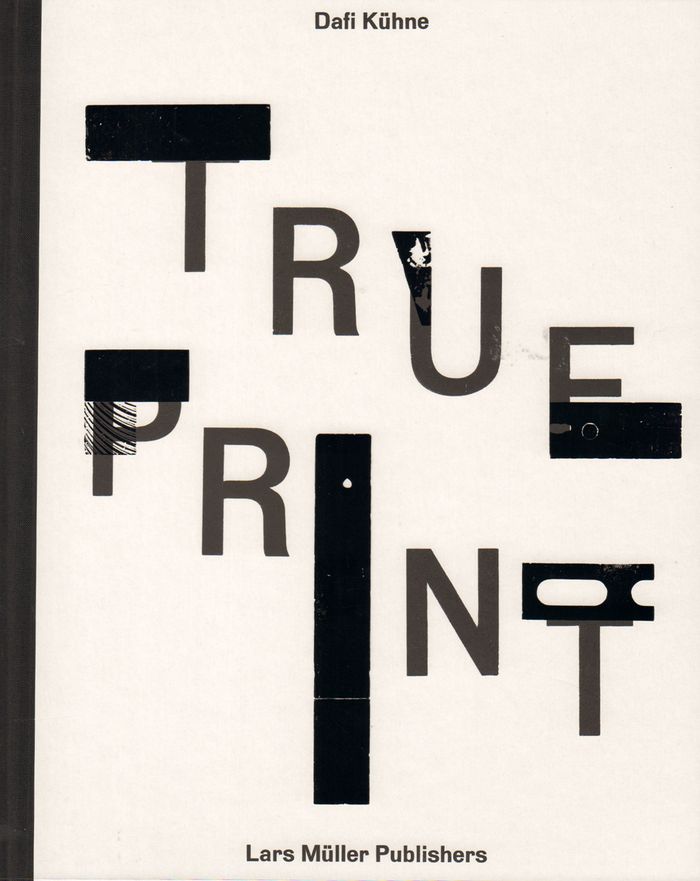
Dafi Kühne: true print
Dafi Kühne: true print
Actions:
Prix:
$49.00
(disponible sur commande)
Résumé:
Dafi Ku¨hne is a Swiss designer who works with analogue and digital techniques to produce fresh and unique letterpress-printed posters. Using very different kinds of tools — from a computer to a pantograph — for his compositions, he pushes the boundaries of design. Never afraid of getting his hands dirty in his creative workshop, Dafi Kühne embraces the labor involved in(...)
$49.00
(disponible sur commande)
Résumé:
Dafi Ku¨hne is a Swiss designer who works with analogue and digital techniques to produce fresh and unique letterpress-printed posters. Using very different kinds of tools — from a computer to a pantograph — for his compositions, he pushes the boundaries of design. Never afraid of getting his hands dirty in his creative workshop, Dafi Kühne embraces the labor involved in(...)
Titre:
Dafi Kühne: true print
Actions:
Prix:
$49.00
(disponible sur commande)
Résumé:
Dafi Ku¨hne is a Swiss designer who works with analogue and digital techniques to produce fresh and unique letterpress-printed posters. Using very different kinds of tools — from a computer to a pantograph — for his compositions, he pushes the boundaries of design. Never afraid of getting his hands dirty in his creative workshop, Dafi Kühne embraces the labor involved in the entire process of creating a poster, from initial idea to finished product. Fusing modern means with the century-old tradition of letterpress, he forms a new vocabulary for how to communicate through type and form in a truly contemporary way. Never retro, his work is a clever response to the search for new possibilities of graphic expression: true print.
Dafi Kühne: true print
Actions:
Prix:
$49.00
(disponible sur commande)
Résumé:
Dafi Ku¨hne is a Swiss designer who works with analogue and digital techniques to produce fresh and unique letterpress-printed posters. Using very different kinds of tools — from a computer to a pantograph — for his compositions, he pushes the boundaries of design. Never afraid of getting his hands dirty in his creative workshop, Dafi Kühne embraces the labor involved in the entire process of creating a poster, from initial idea to finished product. Fusing modern means with the century-old tradition of letterpress, he forms a new vocabulary for how to communicate through type and form in a truly contemporary way. Never retro, his work is a clever response to the search for new possibilities of graphic expression: true print.
Classification:
livres
livres
Publication:
octobre 2016
octobre 2016


