


36051 Résultats
Classification:
livres
livres
Titre:
Soviet bus stops 2
Soviet bus stops 2
Actions:
Prix:
$42.50
(disponible sur commande)
Résumé:
Photographer Christopher Herwig has returned to the former Soviet Union in this second volume of Soviet Bus Stops, discovering new stops in the remotest areas of Georgia and Ukraine. Following exhaustive research, he drove more than 9,000 miles from coast to coast across the largest country in the world, in pursuit of new examples of this singular architectural form. A(...)
$42.50
(disponible sur commande)
Résumé:
Photographer Christopher Herwig has returned to the former Soviet Union in this second volume of Soviet Bus Stops, discovering new stops in the remotest areas of Georgia and Ukraine. Following exhaustive research, he drove more than 9,000 miles from coast to coast across the largest country in the world, in pursuit of new examples of this singular architectural form. A(...)
Titre:
Soviet bus stops 2
Actions:
Prix:
$42.50
(disponible sur commande)
Résumé:
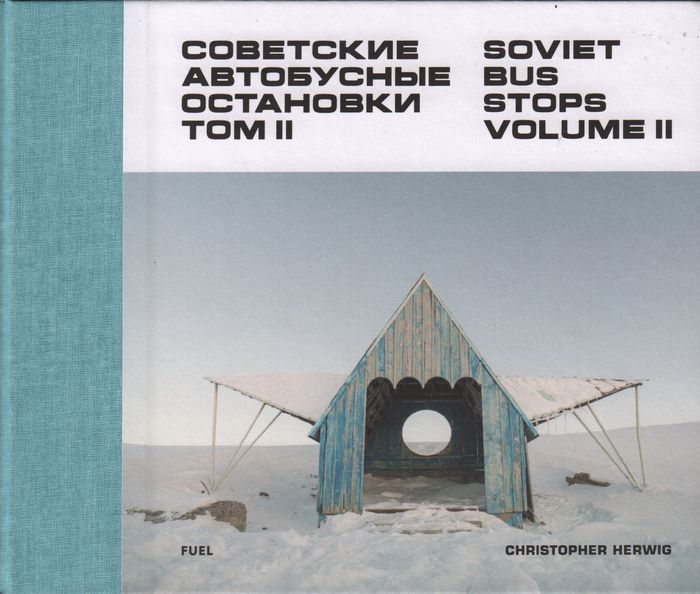
Photographer Christopher Herwig has returned to the former Soviet Union in this second volume of Soviet Bus Stops, discovering new stops in the remotest areas of Georgia and Ukraine. Following exhaustive research, he drove more than 9,000 miles from coast to coast across the largest country in the world, in pursuit of new examples of this singular architectural form. A foreword by renowned architecture and culture critic Owen Hatherley reveals new information on the origins of the Soviet bus stop.
Soviet bus stops 2
Actions:
Prix:
$42.50
(disponible sur commande)
Résumé:
Photographer Christopher Herwig has returned to the former Soviet Union in this second volume of Soviet Bus Stops, discovering new stops in the remotest areas of Georgia and Ukraine. Following exhaustive research, he drove more than 9,000 miles from coast to coast across the largest country in the world, in pursuit of new examples of this singular architectural form. A foreword by renowned architecture and culture critic Owen Hatherley reveals new information on the origins of the Soviet bus stop.
Classification:
livres
livres
Publication:
septembre 2017
septembre 2017
Sujet:
Monographies photo
Monographies photo
Classification:
livres
livres

Actions:
Prix:
$42.50
(disponible sur commande)
Résumé:
Visiting a Soviet sanatorium is like stepping back in time. Originally built in the 1920s, they afforded workers a place to holiday, courtesy of a state-funded voucher system. At their peak they were visited by millions of citizens across the USSR every year. A combination of medical institution and spa, the era’s sanatoriums are among the most innovative buildings of(...)
$42.50
(disponible sur commande)
Résumé:
Visiting a Soviet sanatorium is like stepping back in time. Originally built in the 1920s, they afforded workers a place to holiday, courtesy of a state-funded voucher system. At their peak they were visited by millions of citizens across the USSR every year. A combination of medical institution and spa, the era’s sanatoriums are among the most innovative buildings of(...)
Titre:
Holidays in soviet sanatoriums
Actions:
Prix:
$42.50
(disponible sur commande)
Résumé:
Visiting a Soviet sanatorium is like stepping back in time. Originally built in the 1920s, they afforded workers a place to holiday, courtesy of a state-funded voucher system. At their peak they were visited by millions of citizens across the USSR every year. A combination of medical institution and spa, the era’s sanatoriums are among the most innovative buildings of their time. Although aesthetically diverse, Soviet utopian values permeated every aspect of these structures; Western holidays were perceived as decadent. By contrast, sanatorium breaks were intended to edify and strengthen visitors: health professionals carefully monitored guests throughout their stay, so they could return to work with renewed vigor. Certain sanatoriums became known for their specialist treatments, such as crude-oil baths, radon water douches and stints in underground salt caves. While today some sanatoriums are in critical states of decline, many are still fully operational and continue to offer their Soviet-era treatments to visitors. Using specially commissioned photographs by leading photographers of the post-Soviet territories, and texts by sanatorium expert Maryam Omidi, this book documents over 45 sanatoriums and their unconventional treatments. From Armenia to Uzbekistan, it represents the most comprehensive survey to date of this fascinating and previously overlooked Soviet institution.
Holidays in soviet sanatoriums
Actions:
Prix:
$42.50
(disponible sur commande)
Résumé:
Visiting a Soviet sanatorium is like stepping back in time. Originally built in the 1920s, they afforded workers a place to holiday, courtesy of a state-funded voucher system. At their peak they were visited by millions of citizens across the USSR every year. A combination of medical institution and spa, the era’s sanatoriums are among the most innovative buildings of their time. Although aesthetically diverse, Soviet utopian values permeated every aspect of these structures; Western holidays were perceived as decadent. By contrast, sanatorium breaks were intended to edify and strengthen visitors: health professionals carefully monitored guests throughout their stay, so they could return to work with renewed vigor. Certain sanatoriums became known for their specialist treatments, such as crude-oil baths, radon water douches and stints in underground salt caves. While today some sanatoriums are in critical states of decline, many are still fully operational and continue to offer their Soviet-era treatments to visitors. Using specially commissioned photographs by leading photographers of the post-Soviet territories, and texts by sanatorium expert Maryam Omidi, this book documents over 45 sanatoriums and their unconventional treatments. From Armenia to Uzbekistan, it represents the most comprehensive survey to date of this fascinating and previously overlooked Soviet institution.
Classification:
livres
livres
Publication:
octobre 2017
octobre 2017
Sujet:
Monographies photo
Monographies photo
Classification:
livres
livres
Titre:
The future of public space
The future of public space
Actions:
Prix:
$25.50
(disponible sur commande)
Résumé:
In this publication Rachel Monroe challenges American preconceptions of the wild, wide-open West by addressing issues of surveillance; the series’ first fictional piece, by China Miéville, covers an under-examined area of public space under the guise of detective fiction; a study of public art by Ben Davis sheds light on the myths and stigmas that have accrued to public(...)
$25.50
(disponible sur commande)
Résumé:
In this publication Rachel Monroe challenges American preconceptions of the wild, wide-open West by addressing issues of surveillance; the series’ first fictional piece, by China Miéville, covers an under-examined area of public space under the guise of detective fiction; a study of public art by Ben Davis sheds light on the myths and stigmas that have accrued to public(...)
Titre:
The future of public space
Actions:
Prix:
$25.50
(disponible sur commande)
Résumé:
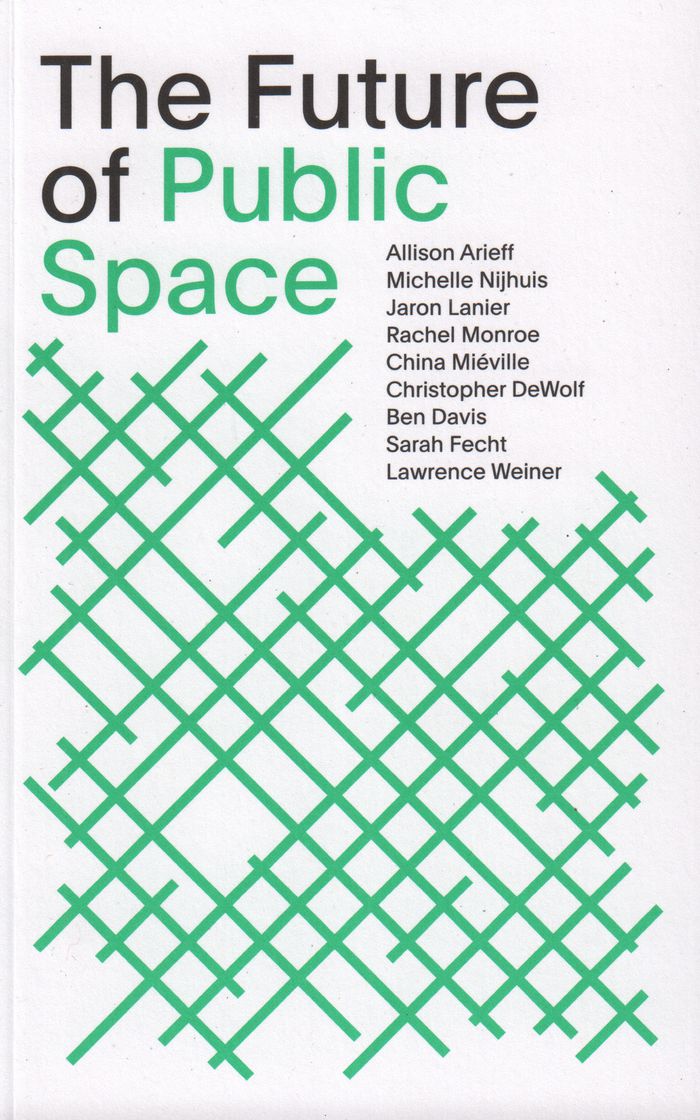
In this publication Rachel Monroe challenges American preconceptions of the wild, wide-open West by addressing issues of surveillance; the series’ first fictional piece, by China Miéville, covers an under-examined area of public space under the guise of detective fiction; a study of public art by Ben Davis sheds light on the myths and stigmas that have accrued to public art, also asking what it can become; Christopher DeWolf shares a sensory navigation trip through a directionless Hong Kong; Michelle Nijhuis writes on the shifting ecologies of national parks; Sarah Fecht explores architecture and social life beyond Earth; while Jaron Lanier meditates on the idea of public space online, linking the prevailing, free-for-all model of the internet with a characteristically American yearning for freedom and repudiation of rules and structure. Also included are examples of public art works by Lawrence Weiner.
The future of public space
Actions:
Prix:
$25.50
(disponible sur commande)
Résumé:
In this publication Rachel Monroe challenges American preconceptions of the wild, wide-open West by addressing issues of surveillance; the series’ first fictional piece, by China Miéville, covers an under-examined area of public space under the guise of detective fiction; a study of public art by Ben Davis sheds light on the myths and stigmas that have accrued to public art, also asking what it can become; Christopher DeWolf shares a sensory navigation trip through a directionless Hong Kong; Michelle Nijhuis writes on the shifting ecologies of national parks; Sarah Fecht explores architecture and social life beyond Earth; while Jaron Lanier meditates on the idea of public space online, linking the prevailing, free-for-all model of the internet with a characteristically American yearning for freedom and repudiation of rules and structure. Also included are examples of public art works by Lawrence Weiner.
Classification:
livres
livres
Publication:
février 2018
février 2018
Sujet:
Théorie de l’architecture
Théorie de l’architecture
Classification:
livres
livres
Actions:
Prix:
$39.95
(disponible en magasin)
Résumé:
Les photographies de Vincent-Valerio, d’une grande concision, sont composées dans la lumière d’un jour qui s’efface avant la nuit, ou juste avant son retour à l’aube, quand tout bleuit sensiblement dans la profondeur d’un lieu. Cette belle lumière étrange et rare, presque surnaturelle, permet l’écriture d’un paysage immense et dense, et la lente découverte des détails de(...)
$39.95
(disponible en magasin)
Résumé:
Les photographies de Vincent-Valerio, d’une grande concision, sont composées dans la lumière d’un jour qui s’efface avant la nuit, ou juste avant son retour à l’aube, quand tout bleuit sensiblement dans la profondeur d’un lieu. Cette belle lumière étrange et rare, presque surnaturelle, permet l’écriture d’un paysage immense et dense, et la lente découverte des détails de(...)
Titre:
Vincent-Valério François : formes lentes
Actions:
Prix:
$39.95
(disponible en magasin)
Résumé:
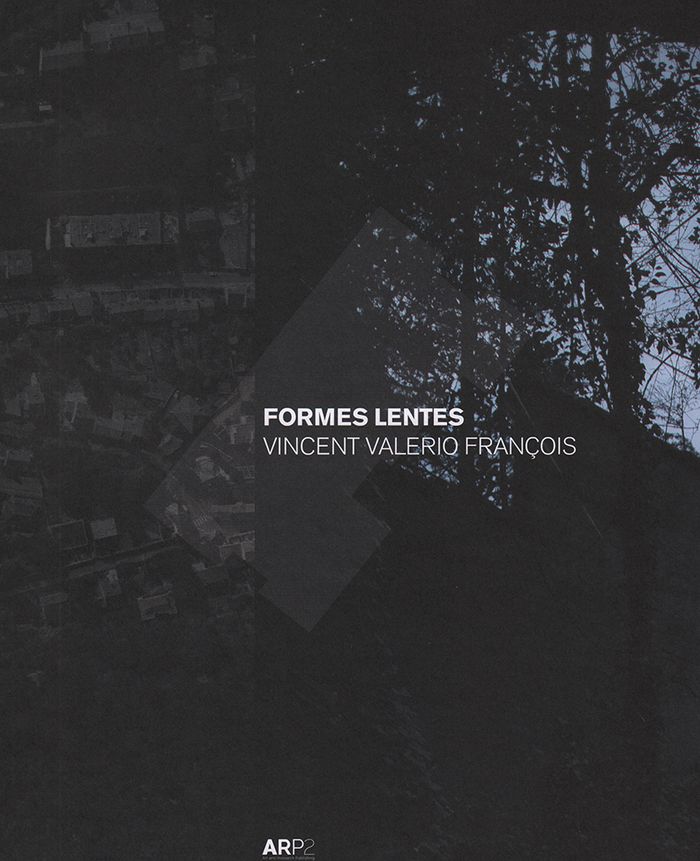
Les photographies de Vincent-Valerio, d’une grande concision, sont composées dans la lumière d’un jour qui s’efface avant la nuit, ou juste avant son retour à l’aube, quand tout bleuit sensiblement dans la profondeur d’un lieu. Cette belle lumière étrange et rare, presque surnaturelle, permet l’écriture d’un paysage immense et dense, et la lente découverte des détails de son monde à méditer.
Vincent-Valério François : formes lentes
Actions:
Prix:
$39.95
(disponible en magasin)
Résumé:
Les photographies de Vincent-Valerio, d’une grande concision, sont composées dans la lumière d’un jour qui s’efface avant la nuit, ou juste avant son retour à l’aube, quand tout bleuit sensiblement dans la profondeur d’un lieu. Cette belle lumière étrange et rare, presque surnaturelle, permet l’écriture d’un paysage immense et dense, et la lente découverte des détails de son monde à méditer.
Classification:
livres
livres
Publication:
mai 2017
mai 2017
Sujet:
Monographies photo
Monographies photo
Classification:
livres
livres

Actions:
Prix:
$45.00
(disponible sur commande)
Résumé:
As the global economy has changed over the past decades, it has left an architectural legacy of abandoned factories, warehouses and docks in its wake. But these spaces need not remain empty; the history of post-industrial society is still being written. All over the world, abandoned industrial infrastructure is being creatively repurposed. RE–USA provides a toolkit for(...)
$45.00
(disponible sur commande)
Résumé:
As the global economy has changed over the past decades, it has left an architectural legacy of abandoned factories, warehouses and docks in its wake. But these spaces need not remain empty; the history of post-industrial society is still being written. All over the world, abandoned industrial infrastructure is being creatively repurposed. RE–USA provides a toolkit for(...)
Titre:
RE–USA: 20 American stories of adaptive reuse
Actions:
Prix:
$45.00
(disponible sur commande)
Résumé:
As the global economy has changed over the past decades, it has left an architectural legacy of abandoned factories, warehouses and docks in its wake. But these spaces need not remain empty; the history of post-industrial society is still being written. All over the world, abandoned industrial infrastructure is being creatively repurposed. RE–USA provides a toolkit for adaptive reuse grounded in practical examples. Cities and cases are selected to illustrate the power of innovative processes and projects based on private-public partnerships, bottom-up initiatives, community involvement and smart design despite difficult conditions, from declining demography to weak real estate values and scarce investment.
RE–USA: 20 American stories of adaptive reuse
Actions:
Prix:
$45.00
(disponible sur commande)
Résumé:
As the global economy has changed over the past decades, it has left an architectural legacy of abandoned factories, warehouses and docks in its wake. But these spaces need not remain empty; the history of post-industrial society is still being written. All over the world, abandoned industrial infrastructure is being creatively repurposed. RE–USA provides a toolkit for adaptive reuse grounded in practical examples. Cities and cases are selected to illustrate the power of innovative processes and projects based on private-public partnerships, bottom-up initiatives, community involvement and smart design despite difficult conditions, from declining demography to weak real estate values and scarce investment.
Classification:
livres
livres
Publication:
octobre 2017
octobre 2017
Sujet:
Théorie de l’urbanisme
Théorie de l’urbanisme
Classification:
livres
livres
Titre:
Space colonies
Space colonies
Actions:
Prix:
$21.50
(disponible sur commande)
Résumé:
At the beginning of the 1970s, American physicist Gerard K. O’Neill developed the first ideas for colonizing space. Shortly thereafter, Stewart Brand, cyber-communard and editor of the Whole Earth Catalog, took up these ideas and published the book Space Colonies in 1977. Space Colonies, an edition of Brand’s CoEvolution Quarterly, funded by the proceeds of the Whole(...)
$21.50
(disponible sur commande)
Résumé:
At the beginning of the 1970s, American physicist Gerard K. O’Neill developed the first ideas for colonizing space. Shortly thereafter, Stewart Brand, cyber-communard and editor of the Whole Earth Catalog, took up these ideas and published the book Space Colonies in 1977. Space Colonies, an edition of Brand’s CoEvolution Quarterly, funded by the proceeds of the Whole(...)
Titre:
Space colonies
Actions:
Prix:
$21.50
(disponible sur commande)
Résumé:
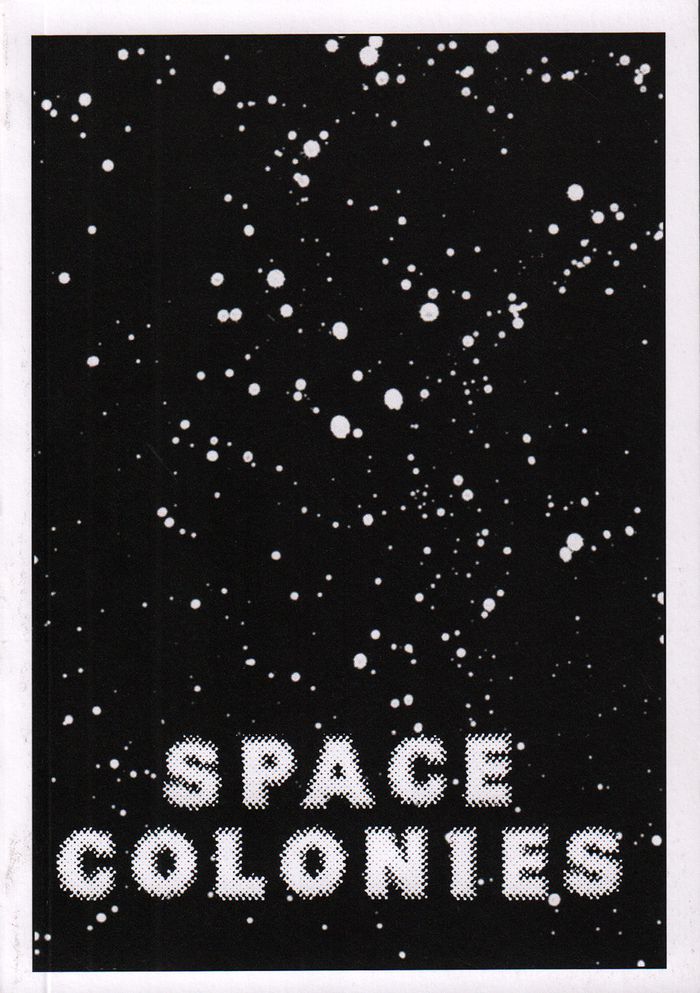
At the beginning of the 1970s, American physicist Gerard K. O’Neill developed the first ideas for colonizing space. Shortly thereafter, Stewart Brand, cyber-communard and editor of the Whole Earth Catalog, took up these ideas and published the book Space Colonies in 1977. Space Colonies, an edition of Brand’s CoEvolution Quarterly, funded by the proceeds of the Whole Earth Catalog, took up the question of whether space might be colonized by the year 2000. Artist Fabian Reimann takes up Brand and O’Neill’s particular strain of techno-utopianism in Space Colonies: A Galactic Freeman’s Journal. In his photo-essay Reimann assembles historical, present-day and speculative material, combining these with fictional and factual stories to create a composite of different images of the world. With global ecological disaster an even more pressing issue than it was in 1977, and the colonization of space still touted by some as a last-ditch resort, Reimann looks back at the dreams and nightmares of the 1970s with a sophisticated visual humor.
Space colonies
Actions:
Prix:
$21.50
(disponible sur commande)
Résumé:
At the beginning of the 1970s, American physicist Gerard K. O’Neill developed the first ideas for colonizing space. Shortly thereafter, Stewart Brand, cyber-communard and editor of the Whole Earth Catalog, took up these ideas and published the book Space Colonies in 1977. Space Colonies, an edition of Brand’s CoEvolution Quarterly, funded by the proceeds of the Whole Earth Catalog, took up the question of whether space might be colonized by the year 2000. Artist Fabian Reimann takes up Brand and O’Neill’s particular strain of techno-utopianism in Space Colonies: A Galactic Freeman’s Journal. In his photo-essay Reimann assembles historical, present-day and speculative material, combining these with fictional and factual stories to create a composite of different images of the world. With global ecological disaster an even more pressing issue than it was in 1977, and the colonization of space still touted by some as a last-ditch resort, Reimann looks back at the dreams and nightmares of the 1970s with a sophisticated visual humor.
Classification:
livres
livres
Publication:
août 2017
août 2017
Sujet:
Trajets
Trajets
Classification:
livres
livres

Titre:
The blind man
The blind man
Actions:
Prix:
$90.00
(disponible sur commande)
Résumé:
The Blind Man and rongwrong were seminal New York Dada magazines edited and published by Marcel Duchamp, Henri-Pierre Roché, and Beatrice Wood in 1917. This facsimile edition, introduced by Sophie Seita, celebrates the 100th anniversary of their publication. The box set also includes a two-color offset reproduction of Beatrice Wood’s poster for The Blind Man’s Ball (1917)(...)
$90.00
(disponible sur commande)
Résumé:
The Blind Man and rongwrong were seminal New York Dada magazines edited and published by Marcel Duchamp, Henri-Pierre Roché, and Beatrice Wood in 1917. This facsimile edition, introduced by Sophie Seita, celebrates the 100th anniversary of their publication. The box set also includes a two-color offset reproduction of Beatrice Wood’s poster for The Blind Man’s Ball (1917)(...)
Titre:
The blind man
Actions:
Prix:
$90.00
(disponible sur commande)
Résumé:
The Blind Man and rongwrong were seminal New York Dada magazines edited and published by Marcel Duchamp, Henri-Pierre Roché, and Beatrice Wood in 1917. This facsimile edition, introduced by Sophie Seita, celebrates the 100th anniversary of their publication. The box set also includes a two-color offset reproduction of Beatrice Wood’s poster for The Blind Man’s Ball (1917) and a letterpress facsimile of Man Ray’s The Ridgefield Gazook (1915). Translations of the French texts by Elizabeth Zuba accompany the facsimile reprints. The Blind Man and rongwrong were part of a network of little magazines that introduced audiences to avant-garde movements in art and literature; they featured contributions of poetry, prose, and visual art by Mina Loy, Louise Norton, Robert Carlton Brown, Erik Satie, Walter Arensberg, Francis Picabia, Alfred Stieglitz, and others.
The blind man
Actions:
Prix:
$90.00
(disponible sur commande)
Résumé:
The Blind Man and rongwrong were seminal New York Dada magazines edited and published by Marcel Duchamp, Henri-Pierre Roché, and Beatrice Wood in 1917. This facsimile edition, introduced by Sophie Seita, celebrates the 100th anniversary of their publication. The box set also includes a two-color offset reproduction of Beatrice Wood’s poster for The Blind Man’s Ball (1917) and a letterpress facsimile of Man Ray’s The Ridgefield Gazook (1915). Translations of the French texts by Elizabeth Zuba accompany the facsimile reprints. The Blind Man and rongwrong were part of a network of little magazines that introduced audiences to avant-garde movements in art and literature; they featured contributions of poetry, prose, and visual art by Mina Loy, Louise Norton, Robert Carlton Brown, Erik Satie, Walter Arensberg, Francis Picabia, Alfred Stieglitz, and others.
Classification:
livres
livres
Publication:
novembre 2017
novembre 2017
Classification:
livres
livres
Actions:
Prix:
$70.00
(disponible sur commande)
Résumé:
'Craft Becomes Modern: The Bauhaus in the Making' looks at the Bauhaus from the perspective of this noisy activity — handcraft. No term was more fiercely disputed there. Although conceived as “laboratories for industry,” a great deal was still done by hand in the Dessau workshops. Workshops at the Bauhaus straddled the different priorities and practical realities at play,(...)
$70.00
(disponible sur commande)
Résumé:
'Craft Becomes Modern: The Bauhaus in the Making' looks at the Bauhaus from the perspective of this noisy activity — handcraft. No term was more fiercely disputed there. Although conceived as “laboratories for industry,” a great deal was still done by hand in the Dessau workshops. Workshops at the Bauhaus straddled the different priorities and practical realities at play,(...)
Titre:
Craft becomes modern : the Bauhaus in the making
Actions:
Prix:
$70.00
(disponible sur commande)
Résumé:
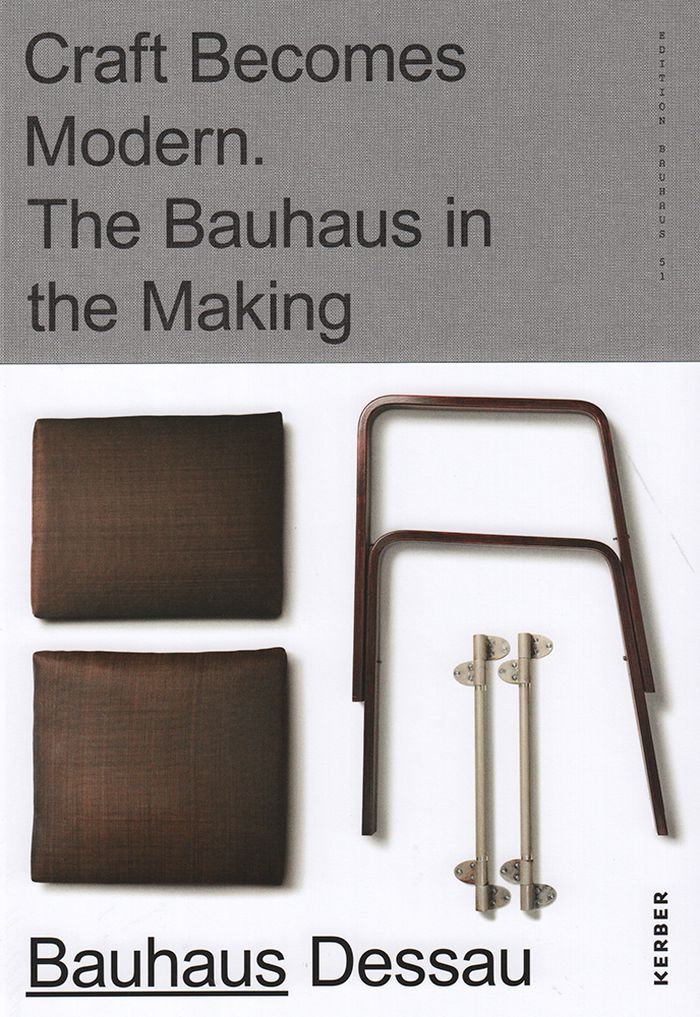
'Craft Becomes Modern: The Bauhaus in the Making' looks at the Bauhaus from the perspective of this noisy activity — handcraft. No term was more fiercely disputed there. Although conceived as “laboratories for industry,” a great deal was still done by hand in the Dessau workshops. Workshops at the Bauhaus straddled the different priorities and practical realities at play, falling somewhere between factory and craft business, between free experimentation and industrial contract work. From this field of tension, the Bauhaus tried to define handcraft anew as a utopian pursuit that could coexist with industrial culture. The Bauhaus’ interest in industrialization has been thoroughly studied; the persistence of craft among its teachers and students much less so. Craft Becomes Modern surveys this aspect of the Bauhaus’ teaching and work, and puts it in historical context.
Craft becomes modern : the Bauhaus in the making
Actions:
Prix:
$70.00
(disponible sur commande)
Résumé:
'Craft Becomes Modern: The Bauhaus in the Making' looks at the Bauhaus from the perspective of this noisy activity — handcraft. No term was more fiercely disputed there. Although conceived as “laboratories for industry,” a great deal was still done by hand in the Dessau workshops. Workshops at the Bauhaus straddled the different priorities and practical realities at play, falling somewhere between factory and craft business, between free experimentation and industrial contract work. From this field of tension, the Bauhaus tried to define handcraft anew as a utopian pursuit that could coexist with industrial culture. The Bauhaus’ interest in industrialization has been thoroughly studied; the persistence of craft among its teachers and students much less so. Craft Becomes Modern surveys this aspect of the Bauhaus’ teaching and work, and puts it in historical context.
Classification:
livres
livres
Publication:
août 2017
août 2017
Sujet:
Théorie du design
Théorie du design
Classification:
livres
livres
Titre:
Desk in exile
Desk in exile
Actions:
Prix:
$19.95
(disponible sur commande)
Résumé:
When the Bauhaus moved to Dessau, the desk moved with it, landing in the director’s office, where it was used as a demonstration of a vision of a modern office culture. The desk took up residence temporarily in the Lawn Road Flats in London before following Gropius to Lincoln, Massachusetts, in 1938. It has remained in Lincoln since then and is currently in the Gropius(...)
$19.95
(disponible sur commande)
Résumé:
When the Bauhaus moved to Dessau, the desk moved with it, landing in the director’s office, where it was used as a demonstration of a vision of a modern office culture. The desk took up residence temporarily in the Lawn Road Flats in London before following Gropius to Lincoln, Massachusetts, in 1938. It has remained in Lincoln since then and is currently in the Gropius(...)
Titre:
Desk in exile
Actions:
Prix:
$19.95
(disponible sur commande)
Résumé:
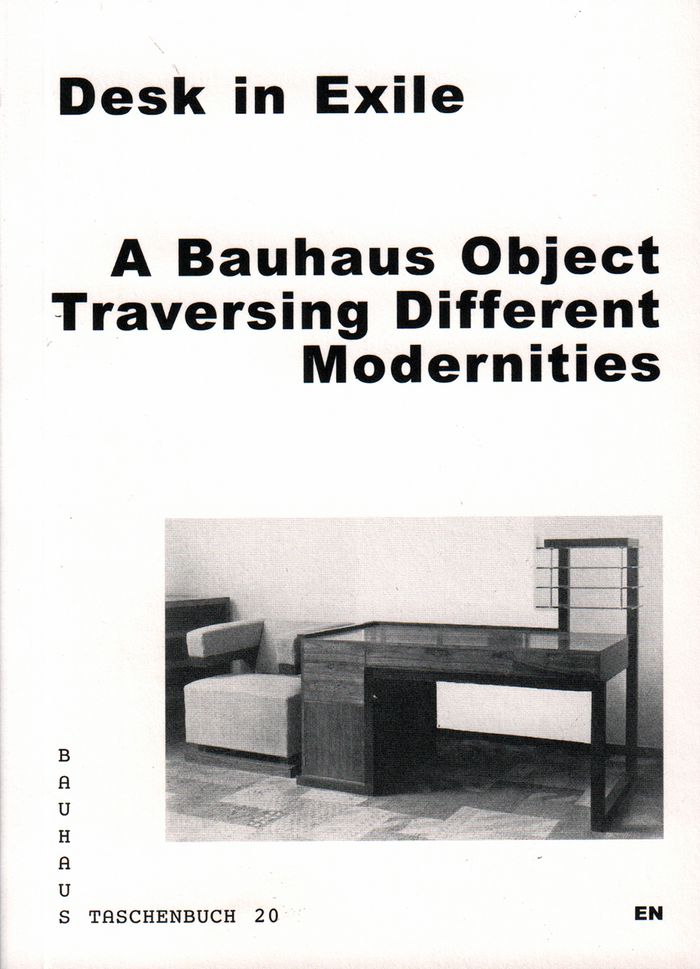
When the Bauhaus moved to Dessau, the desk moved with it, landing in the director’s office, where it was used as a demonstration of a vision of a modern office culture. The desk took up residence temporarily in the Lawn Road Flats in London before following Gropius to Lincoln, Massachusetts, in 1938. It has remained in Lincoln since then and is currently in the Gropius family’s private home. An index of the changing fortunes of the Bauhaus, Gropius’ desk itself becomes an actor in a complex history of changing locations and social environments. Desk in Exile traces the trajectory of this uniquely weighted object, offering a model of an object-based history of exile. Part of Spector Books’ series of readers on individual aspects of Bauhaus design, this volume comes out of the research and curatorial work carried out by the Bauhaus Lab 2016.
Desk in exile
Actions:
Prix:
$19.95
(disponible sur commande)
Résumé:
When the Bauhaus moved to Dessau, the desk moved with it, landing in the director’s office, where it was used as a demonstration of a vision of a modern office culture. The desk took up residence temporarily in the Lawn Road Flats in London before following Gropius to Lincoln, Massachusetts, in 1938. It has remained in Lincoln since then and is currently in the Gropius family’s private home. An index of the changing fortunes of the Bauhaus, Gropius’ desk itself becomes an actor in a complex history of changing locations and social environments. Desk in Exile traces the trajectory of this uniquely weighted object, offering a model of an object-based history of exile. Part of Spector Books’ series of readers on individual aspects of Bauhaus design, this volume comes out of the research and curatorial work carried out by the Bauhaus Lab 2016.
Classification:
livres
livres
Publication:
septembre 2017
septembre 2017
Sujet:
Théorie du design
Théorie du design
Classification:
livres
livres
Actions:
Prix:
$78.00
(disponible sur commande)
Résumé:
The focus of this large book is an 18th century Dutch cabinet from the Rijksmuseum’s furniture collection. This cabinet houses a collection of curiosities including a mini-apothecary’s shop filled with over 300 jars, pots, and bottles containing medicines. Concealed behind the rear wall of the cabinet, 55 secret drawers reveal a varied collection of over 2,000 naturalia(...)
$78.00
(disponible sur commande)
Résumé:
The focus of this large book is an 18th century Dutch cabinet from the Rijksmuseum’s furniture collection. This cabinet houses a collection of curiosities including a mini-apothecary’s shop filled with over 300 jars, pots, and bottles containing medicines. Concealed behind the rear wall of the cabinet, 55 secret drawers reveal a varied collection of over 2,000 naturalia(...)
Titre:
The collector's cabinet and miniature pharmacy
Actions:
Prix:
$78.00
(disponible sur commande)
Résumé:
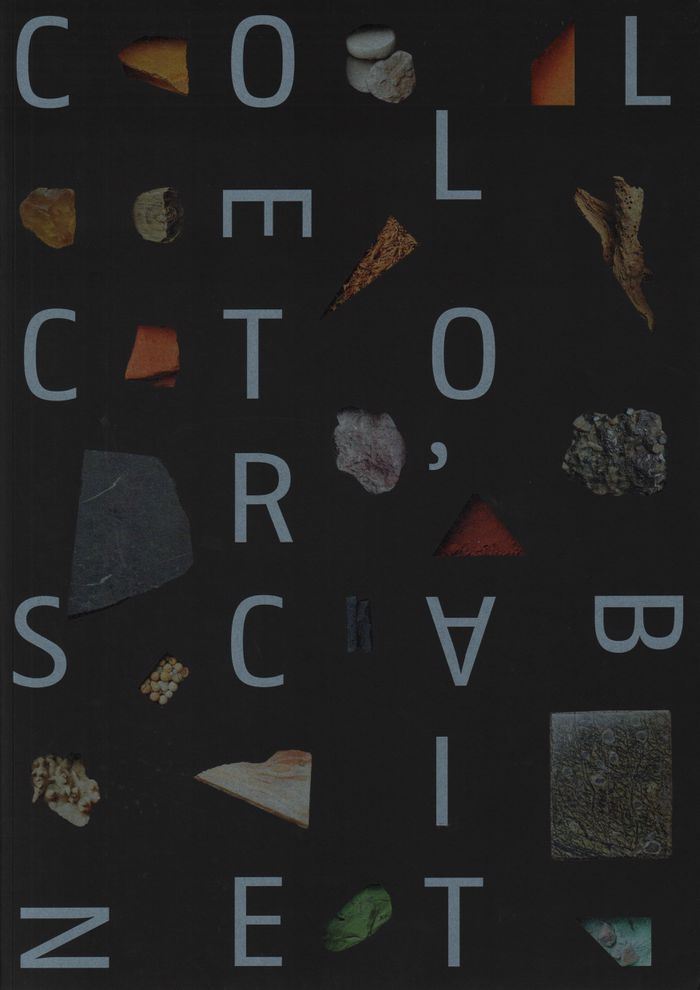
The focus of this large book is an 18th century Dutch cabinet from the Rijksmuseum’s furniture collection. This cabinet houses a collection of curiosities including a mini-apothecary’s shop filled with over 300 jars, pots, and bottles containing medicines. Concealed behind the rear wall of the cabinet, 55 secret drawers reveal a varied collection of over 2,000 naturalia specimens – including seeds, flowers, roots, resins, ores, and a great deal more. The cabinet was probably owned by a wealthy doctor or pharmacist and its contents were intended as a curiosity, for the amusement of a select group of friends. 21st century readers will be equally impressed by this exceptional Dutch collector’s cabinet.
The collector's cabinet and miniature pharmacy
Actions:
Prix:
$78.00
(disponible sur commande)
Résumé:
The focus of this large book is an 18th century Dutch cabinet from the Rijksmuseum’s furniture collection. This cabinet houses a collection of curiosities including a mini-apothecary’s shop filled with over 300 jars, pots, and bottles containing medicines. Concealed behind the rear wall of the cabinet, 55 secret drawers reveal a varied collection of over 2,000 naturalia specimens – including seeds, flowers, roots, resins, ores, and a great deal more. The cabinet was probably owned by a wealthy doctor or pharmacist and its contents were intended as a curiosity, for the amusement of a select group of friends. 21st century readers will be equally impressed by this exceptional Dutch collector’s cabinet.
Classification:
livres
livres
Publication:
octobre 2017
octobre 2017


