


9995 Résultats
Classification:
livres
livres
Actions:
Prix:
$65.99
(disponible sur commande)
Résumé:
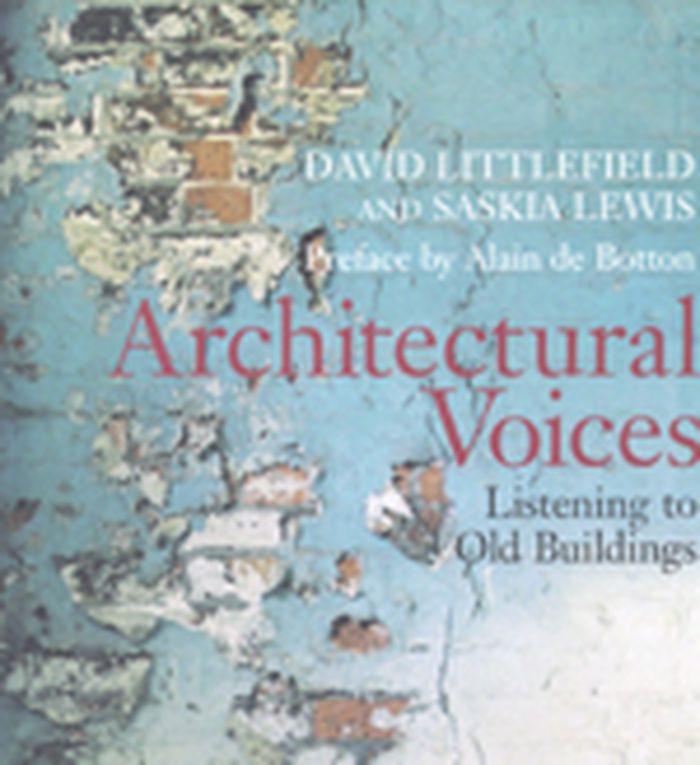
If a building could speak, what would it say? What would it sound like? Would it be worth listening to? This book treats buildings as deeply human creations - built by people for people; they come to embody the dreams, imaginings and stories that take place within them. David Littlefield and Saskia Lewis argue that buildings have voices and that it is worth listening(...)
Publication:
décembre 2007, Chichester
décembre 2007, Chichester
Titre:
Architectural voices : listening to old buildings
Actions:
Prix:
$65.99
(disponible sur commande)
Résumé:
If a building could speak, what would it say? What would it sound like? Would it be worth listening to? This book treats buildings as deeply human creations - built by people for people; they come to embody the dreams, imaginings and stories that take place within them. David Littlefield and Saskia Lewis argue that buildings have voices and that it is worth listening to what they have to say. By focusing on elderly structures that are the subject of reinvention, this book examines how the buildings guide architects and artists. These reinventions, or re-imaginings, are not merely examples of straightforward conservation, nor simple exercises in contrasting old and new; they represent a more sensitive, personal approach to creative reuse. The authors' accounts of more than 20 historic buildings and their interviews with the people responsible for renewing them, demonstrate that the poetic qualities of the places we inhabit are not limited to just architectural style. In this book, the voices of an abandoned cathedral, a former brothel, a stately home and a Royal Mail sorting office reveal themselves. Listening to these voices opens up a new dimension to understanding the lives and meanings of old buildings. Preface by Alain de Botton.
Classification:
livres
livres
Publication:
décembre 2007, Chichester
décembre 2007, Chichester
Classification:
livres
livres
Actions:
Prix:
$90.00
(disponible en magasin)
Résumé:
For Denise Scott Brown (born 1931), who is among the most important architects of the postwar era, photography has long served as a critical medium through which to perceive, document and think about the world in which designers operate. Fascinated by the ephemeral and the everyday, Scott Brown took photographs for fun, research and teaching, and later as a component of(...)
Titre:
Encounters: Denise Scott Brown photographs
Actions:
Prix:
$90.00
(disponible en magasin)
Résumé:
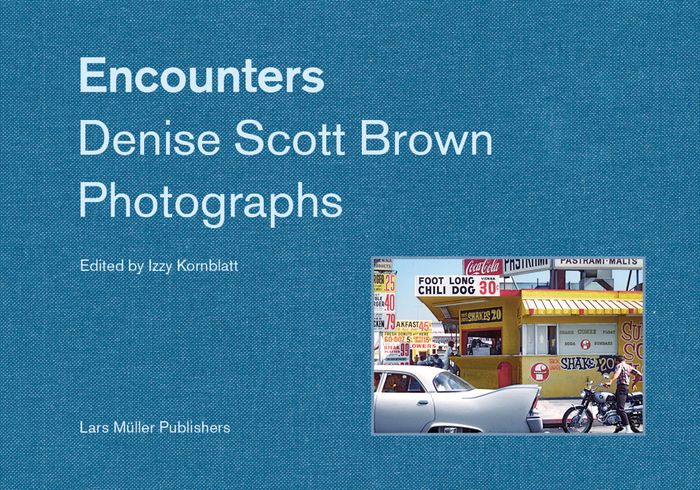
For Denise Scott Brown (born 1931), who is among the most important architects of the postwar era, photography has long served as a critical medium through which to perceive, document and think about the world in which designers operate. Fascinated by the ephemeral and the everyday, Scott Brown took photographs for fun, research and teaching, and later as a component of design and planning projects. Through the lens of her Alpa camera she sought to penetrate the irreducible complexities of life around her—and to make a case for the architect and planner's role in intervening within it. "Encounters" gathers an essential collection of Scott Brown's photography from the 1950s to the 1970s, presented here for the first time. The book focuses on the formative decades during which Scott Brown departed her childhood home of Johannesburg to study in London, traveled through Europe, moved to the United States, met her partner Robert Venturi and eventually developed the profound interest in postwar suburbia from which her most famous work, "Learning from Las Vegas", would emerge. Moving thematically rather than sequentially through Scott Brown's photographic oeuvre, "Encounters" opens up new ways of reading this body of work, presenting it less as a continuous historical record than as the product of a careful and studied practice of observation.
Classification:
livres
livres
Publication:
août 2025
août 2025
Sujet:
Monographies photo
Monographies photo
Classification:
livres
livres

Actions:
Prix:
$48.95
(disponible en magasin)
Résumé:
''Los Angeles Lost and Found'' is a collection of essays and photographs that explores Los Angeles as a city of constant reinvention, where history is often buried beneath layers of change. Experience designer Margaret Chandra Kerrison uses the lens of narrative placemaking to examine how LA’s physical spaces—its streets, neighborhoods, and landmarks—shape both individual(...)
Titre:
Los Angeles lost and found: Essays on identity, place and belonging
Actions:
Prix:
$48.95
(disponible en magasin)
Résumé:
''Los Angeles Lost and Found'' is a collection of essays and photographs that explores Los Angeles as a city of constant reinvention, where history is often buried beneath layers of change. Experience designer Margaret Chandra Kerrison uses the lens of narrative placemaking to examine how LA’s physical spaces—its streets, neighborhoods, and landmarks—shape both individual and collective identity. What sets this collection apart is Kerrison’s deeply personal approach. She weaves her own story into the fabric of the city’s landscape, grounding cultural analysis in lived experience. Her reflections on the recent Los Angeles wildfires are especially poignant, revealing how natural disaster can strip a place down to its essence and reshape the stories we tell about it. Through these moments of vulnerability, she illustrates how loss and resilience are embedded in the urban environment. Blending memoir with observation, Kerrison highlights how overlooked spaces carry emotional weight and cultural memory. In doing so, she invites readers to view Los Angeles not just as a city of spectacle, but as a living, breathing narrative. Los Angeles Lost and Found is both intimate and expansive, offering a portrait of a city that continues to inspire and challenge those who call it home—or dream of doing so.
Classification:
livres
livres
Publication:
mars 2026
mars 2026
Sujet:
Théorie de l’urbanisme
Théorie de l’urbanisme
Classification:
livres
livres
Titre:
Proto-Habitat
Proto-Habitat
Actions:
Prix:
$52.00
(disponible en magasin)
Résumé:
Proto-Habitat is a name composed of the prefix proto-, which comes from the ancient Greek protos, meaning "the first", but also its inscription in a series of events of which it is the trigger. Proto-Habitat evokes a return to basics, where "living" resonates in harmony with nature and awakens to the idea of ??human communities in which the social pact is characterized by(...)
Titre:
Proto-Habitat
Actions:
Prix:
$52.00
(disponible en magasin)
Résumé:
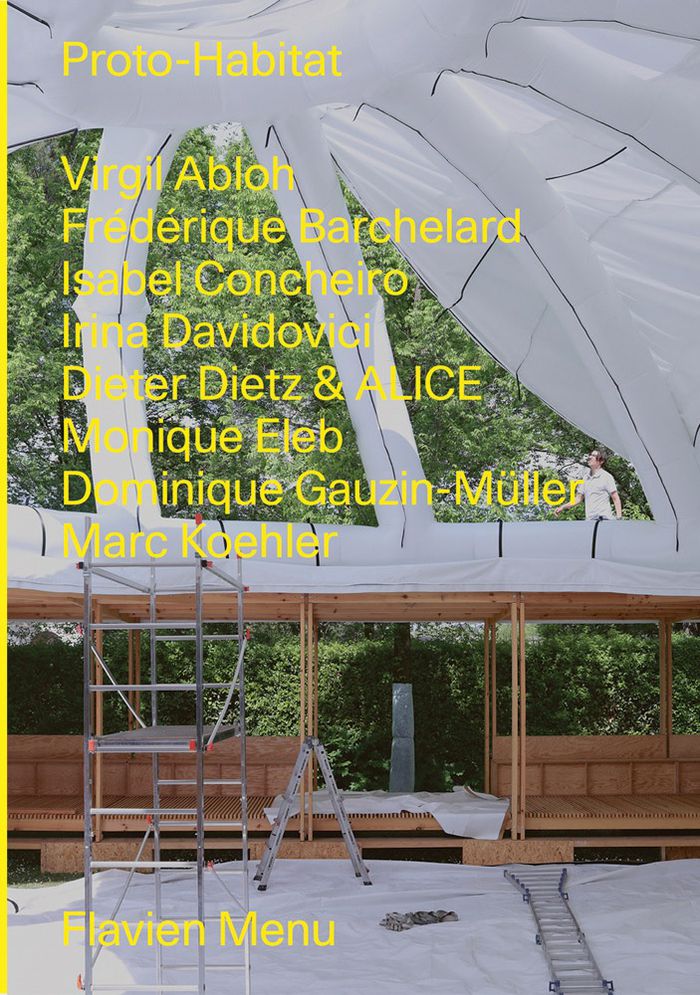
Proto-Habitat is a name composed of the prefix proto-, which comes from the ancient Greek protos, meaning "the first", but also its inscription in a series of events of which it is the trigger. Proto-Habitat evokes a return to basics, where "living" resonates in harmony with nature and awakens to the idea of ??human communities in which the social pact is characterized by diversity, solidarity and the common good. The book "Proto-Habitat" retraces a reflection combining interviews, visits, paintings, objects, images and architecture exploring the imagination of our ways of existing as well as their means of production. This reflection gave rise to and participated in several exhibitions: Fabricating differently: from the prototype to inhabiting it at the Arc en Rêve architecture center, Tiny Lives at the Collection. Lambert and Home Made at CID Grand Hornu. The Proto-Habitat was installed in Bordeaux, in Chamonix for the Artocène festival and Clermont-Ferrand as part of the candidacy for European Capital of Culture 2028. In the meantime two other demonstrator prototypes were built, assembled then dismantled: the protoCAMPO - an events venue for 300 people in the Gardens of the Villa Medici in Rome - and the SOLARproto - an autonomous water and electricity exhibition space on a polder in the Netherlands.
Classification:
livres
livres
Publication:
novembre 2023
novembre 2023
Sujet:
Architecture expérimentale
Architecture expérimentale
Classification:
livres
livres

Actions:
Prix:
$35.00
(disponible sur commande)
Résumé:
A genre-bending exploration of that most elemental force—water—through Indigenous storytelling, personal memory, and the work of influential artists and writers For many years, Leanne Betasamosake Simpson took solace in skiing—in all kinds of weather, on all kinds of snow across all kinds of terrain, often following the trail beside a beloved creek near her home.(...)
Titre:
Theory of water: Nishnaabe maps to the times ahead
Actions:
Prix:
$35.00
(disponible sur commande)
Résumé:
A genre-bending exploration of that most elemental force—water—through Indigenous storytelling, personal memory, and the work of influential artists and writers For many years, Leanne Betasamosake Simpson took solace in skiing—in all kinds of weather, on all kinds of snow across all kinds of terrain, often following the trail beside a beloved creek near her home. Recently, as she skied on this path against the backdrop of uncertainty, environmental devastation, rising authoritarianism and ongoing social injustice, her mind turned to the water in the creek and an elemental What might it mean to truly listen to water? To know water? To exist with and alongside water? So began a quest to understand her people's historical, cultural, and ongoing interactions with water in all its forms (ice, snow, rain, perspiration, breath). Pulling together these threads, Leanne began to see how a "Theory of Water" might suggest a radical rethinking of relationships between beings and forces in the world today. In this inventive work, Simpson draws on Nishnaabeg origin stories while artfully weaving the work of influential writers and artists alongside her personal memories and experience—and in doing so, reimagines water as a catalyst for radical transformation, capable of birthing a new world.
Classification:
livres
livres
Publication:
avril 2025
avril 2025
Sujet:
Autochtone
Autochtone
Classification:
livres
livres
Titre:
The Arts & Crafts cabin
The Arts & Crafts cabin
Actions:
Prix:
$49.95
(disponible sur commande)
Résumé:
Take a tour through twenty-five modern log homes reborn in the Arts & Crafts tradition, and witness how Craftsman style combines with the latest in log hybrid architecture to create a totally new and unique genre of building in "The Arts & Crafts Cabin". In this new title from log building expert Robbin Obomsawin, the rich Arts & Crafts heritage of the late 1800s that(...)
Titre:
The Arts & Crafts cabin
Actions:
Prix:
$49.95
(disponible sur commande)
Résumé:
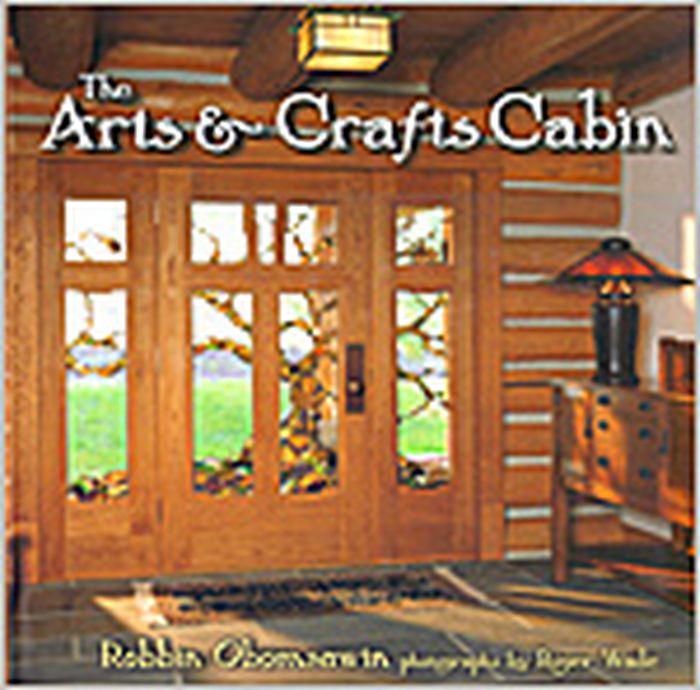
Take a tour through twenty-five modern log homes reborn in the Arts & Crafts tradition, and witness how Craftsman style combines with the latest in log hybrid architecture to create a totally new and unique genre of building in "The Arts & Crafts Cabin". In this new title from log building expert Robbin Obomsawin, the rich Arts & Crafts heritage of the late 1800s that rebelled against mass-produced goods and the opulence of the Victorian era melds beautifully with the ideals of log home design and cabin living, where a simple life and appreciation for fine craftsmanship are held in the highest esteem. This new hybrid style incorporates the exquisite workmanship and sophistication that have become hallmarks of Arts & Crafts design with the warmth and comfort of log elements to create homes inspired by nature, creativity, and simple beauty. With one of the industry's premier photographers, Roger Wade, and the log industry's most prolific and respected author, Robbin Obomsawin, "The Arts & Crafts Cabin" uses spectacular colour photography, floor plans, and compelling historical text to showcase how the principles and philosophy of William Morris, Gustav Stickley, and Charles and Henry Greene combine with modern artistry to create some of the most exciting residential and recreational architecture being created today.
Classification:
livres
livres
Publication:
avril 2004, Salt Lake City
avril 2004, Salt Lake City
Sujet:
Architecture écologique
Architecture écologique
Classification:
livres
livres
Prix:
$62.50
(disponible sur commande)
Résumé:
n 1954, the French writer, politician, and publisher André Malraux (1901–1976) posed at home for a photographer from the magazine Paris Match, surrounded by pages from his forthcoming book Le musée imaginaire de la sculpture mondiale. The enchanting metaphor of the musée imaginaire (imaginary museum) was built upon that illustrated art book, and Malraux was one of its(...)
Titre:
The book on the floor: André Malraux and the imaginary museum
Actions:
Prix:
$62.50
(disponible sur commande)
Résumé:
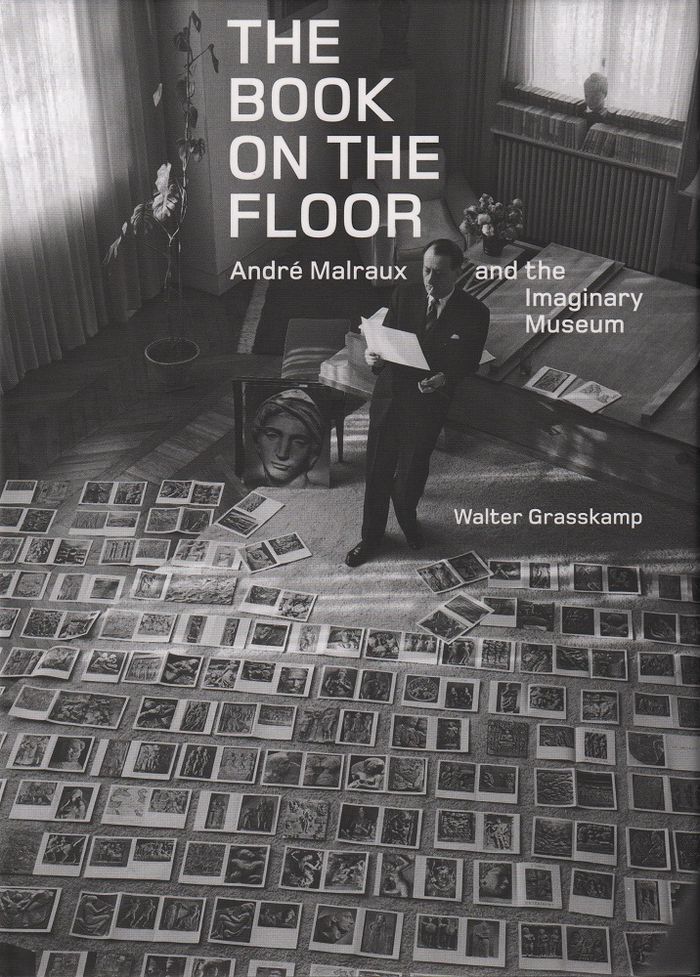
n 1954, the French writer, politician, and publisher André Malraux (1901–1976) posed at home for a photographer from the magazine Paris Match, surrounded by pages from his forthcoming book Le musée imaginaire de la sculpture mondiale. The enchanting metaphor of the musée imaginaire (imaginary museum) was built upon that illustrated art book, and Malraux was one of its greatest champions. Drawing on a range of contemporary publications, he adopted images and responded to ideas. Indeed, Malraux’s book on the floor is a variation of photographer André Vigneau’s spectacular Encyclopédie photographique de l’art, published in five volumes from 1935 on—years before Malraux would enter this field. Both authors were engaged in juxtaposing artworks via photographs and publishing these photographs by the hundreds, but Malraux was the better sloganeer. Starting from a close examination of the photograph of Malraux in his salon, art historian Walter Grasskamp takes the reader back to the dawn of this genre of illustrated art book. He shows how it catalyzed the practice of comparing works of art on a global scale. He retraces the metaphor to earlier reproduction practices and highlights its ubiquity in contemporary art, ending with an homage to the other pioneer of the “museum without walls,” the unjustly forgotten Vigneau.
Classification:
livres
livres
Publication:
janvier 2017
janvier 2017
Sujet:
Théorie de la photographie
Théorie de la photographie
Classification:
livres
livres
Prix:
$86.00
(disponible sur commande)
Résumé:
In the 11 days following the Chernobyl catastrophe on April 26, 1986, more than 116,000 people were permanently evacuated from the area surrounding the nuclear power plant. Declared unfit for human habitation, the zones of exclusion includes the towns of Pripyat (established in the 1970s to house workers) and Chernobyl. In May 2001, Robert Polidori photographed what was(...)
Titre:
Robert Polidori : zones of exclusion : Pripyat and Chernobyl
Actions:
Prix:
$86.00
(disponible sur commande)
Résumé:
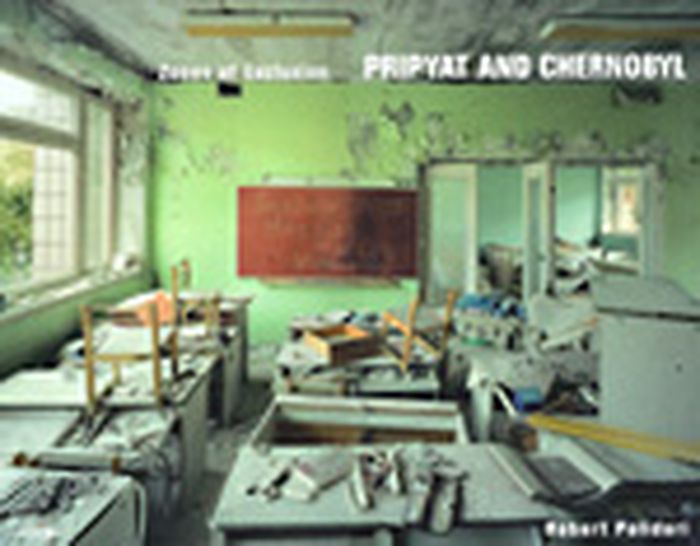
In the 11 days following the Chernobyl catastrophe on April 26, 1986, more than 116,000 people were permanently evacuated from the area surrounding the nuclear power plant. Declared unfit for human habitation, the zones of exclusion includes the towns of Pripyat (established in the 1970s to house workers) and Chernobyl. In May 2001, Robert Polidori photographed what was left behind in the this dead zone. His richly detailed images move from the burned-out control room of reactor 4, where technicians staged the experiment that caused the disaster, to the unfinished apartment complexes, ransacked schools and abandoned nurseries that remain as evidence of those who once called Pripyat home. Nearby, trucks and tanks used in the cleanup efforts rest in an auto graveyard, some covered in lead shrouds and others robbed of parts. Houseboats and barges rust in the contaminated waters of the Pripyat River. Foliage grows over the sidewalks and hides the modest homes of Chernobyl. In his large-scale photographs, Polidori captures the faded colors and desolate atmosphere of these two towns, producing haunting documents that present the reader with a rare view of not just a disastrous event, but a place and the people who lived there.
Classification:
livres
livres
Publication:
août 2003, Göttingen
août 2003, Göttingen
Sujet:
Monographies photo
Monographies photo
Classification:
livres
livres
Actions:
Prix:
$19.95
(disponible sur commande)
Résumé:
Welcome to Blubberland--a world of quadruple-garaged mansions, vast malls, gated communities, stretch limos, and posh resorts. Blubberland is a place, but it is also a state of mind: we expect to be happy (trophy house, SUV in the driveway, home entertainment system, pension fund, cosmetic surgery), but in fact we've grown increasingly bloated, bored, and miserable. In(...)
Titre:
Blubberland: the dangers of happiness
Actions:
Prix:
$19.95
(disponible sur commande)
Résumé:
Welcome to Blubberland--a world of quadruple-garaged mansions, vast malls, gated communities, stretch limos, and posh resorts. Blubberland is a place, but it is also a state of mind: we expect to be happy (trophy house, SUV in the driveway, home entertainment system, pension fund, cosmetic surgery), but in fact we've grown increasingly bloated, bored, and miserable. In Blubberland, award-winning critic Elizabeth Farrelly looks at our "superfluous superfluity," our huge eco-footprint, and asks why we find it so hard to abandon habits we know to be destructive. Why can't we build human-scale cities, design meaningful public spaces, eat reasonable meals, and stop assaulting nature? Farrelly, trained as an architect, begins this story with architecture, urban sprawl, and housing, but she does not end there. She also looks at "affluenza," childhood asthma, diabetes, addiction, beauty, ugliness, narcissism, climate change, mega-churches, big box retailers, sustainability, depression, anorexia, and the links that collect all of these issues under the same roof--the roof, as it were, of the McMansion. As "big" becomes more and more pervasive, and success is seen in increasingly measurable and material terms, the goal of happiness jeopardizes our survival. Blubberland is a smart, thoughtful, and stylish argument for turning things around.
Classification:
livres
livres
Publication:
mars 2008, Cambridge, London
mars 2008, Cambridge, London
Sujet:
Théorie de l’urbanisme
Théorie de l’urbanisme
Classification:
livres
livres
Titre:
The photographer's cookbook
The photographer's cookbook
Actions:
Prix:
$37.50
(disponible sur commande)
Résumé:
In the late 1970s, the George Eastman Museum approached a group of photographers to ask for their favorite recipes and food-related photographs to go with them, in pursuit of publishing a cookbook. Playing off George Eastman’s own famous recipe for lemon meringue pie, as well as former director Beaumont Newhall’s love of food, the cookbook grew from the idea that(...)
Titre:
The photographer's cookbook
Actions:
Prix:
$37.50
(disponible sur commande)
Résumé:
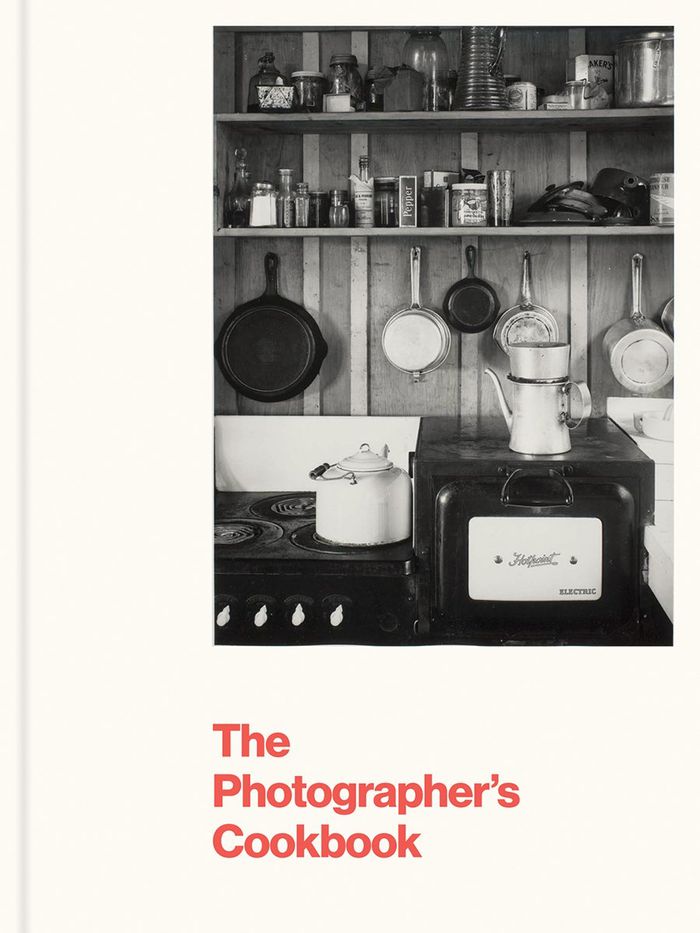
In the late 1970s, the George Eastman Museum approached a group of photographers to ask for their favorite recipes and food-related photographs to go with them, in pursuit of publishing a cookbook. Playing off George Eastman’s own famous recipe for lemon meringue pie, as well as former director Beaumont Newhall’s love of food, the cookbook grew from the idea that photographers’ talent in the darkroom must also translate into special skills in the kitchen. The recipes do not disappoint, with Robert Adams’ Big Sugar Cookies, Ansel Adams’ Poached Eggs in Beer, Richard Avedon’s Royal Pot Roast, Imogen Cunningham’s Borscht, William Eggleston’s Cheese Grits Casserole, Stephen Shore’s Key Lime Pie Supreme and Ed Ruscha’s Cactus Omelette, to name a few. The book was never published, and the materials have remained in George Eastman Museum’s collection ever since. Now, nearly 40 years later, this extensive and distinctive archive of untouched recipes and photographs is published in 'The Photographer’s Cookbook' for the first time. The book provides a time capsule of contemporary photographers of the 1970s many before they made a name for themselves as well as a fascinating look at how they depicted food, family and home, taking readers behind the camera and into the hearts and stomachs of some of photography’s most important practitioners.
Classification:
livres
livres
Publication:
juin 2016
juin 2016
Sujet:
Bouffe
Bouffe


