


13794 Résultats
Classification:
livres
livres
Prix:
$66.00
(disponible sur commande)
Résumé:
"The architecture of the wire" explores the development of telecommunications infrastructure and its impact on the architectural and urban culture of the modern age—from poles, wires, and cables, to "micro-architectures," such as the théâtrophone and the telephone booth. Starting with the intrepid worldwide infrastructures of the late nineteenth century, Carlotta Darò(...)
$66.00
(disponible sur commande)
Résumé:
"The architecture of the wire" explores the development of telecommunications infrastructure and its impact on the architectural and urban culture of the modern age—from poles, wires, and cables, to "micro-architectures," such as the théâtrophone and the telephone booth. Starting with the intrepid worldwide infrastructures of the late nineteenth century, Carlotta Darò(...)
Titre:
The architecture of the wire: infrastructures of telecommunication
Actions:
Prix:
$66.00
(disponible sur commande)
Résumé:
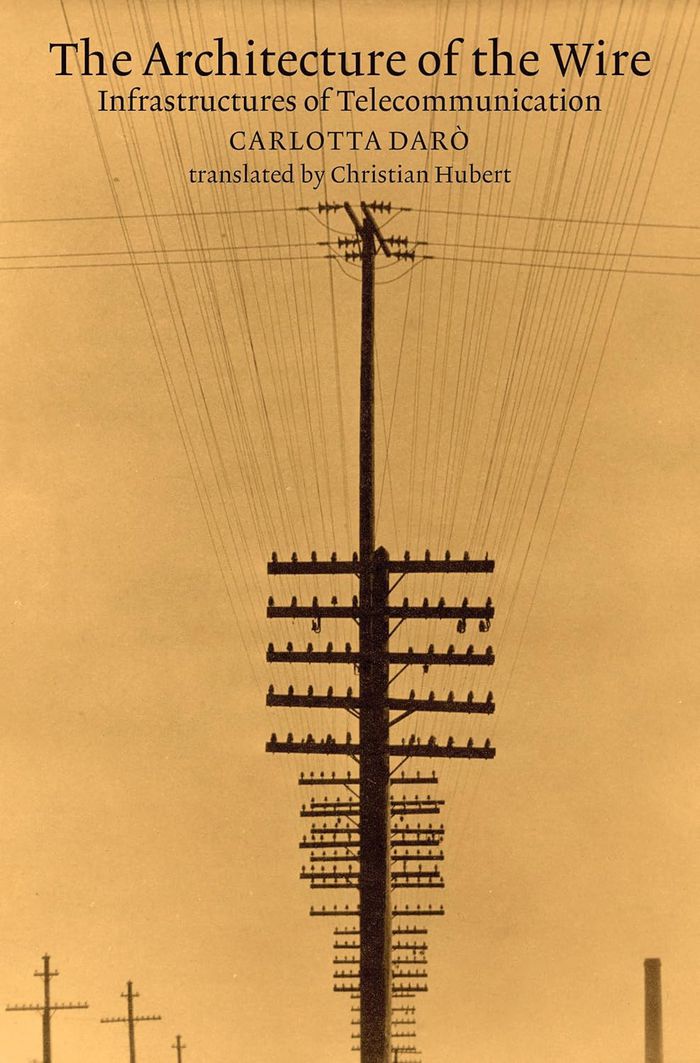
"The architecture of the wire" explores the development of telecommunications infrastructure and its impact on the architectural and urban culture of the modern age—from poles, wires, and cables, to "micro-architectures," such as the théâtrophone and the telephone booth. Starting with the intrepid worldwide infrastructures of the late nineteenth century, Carlotta Darò proposes a new history that explores the multiple links and crossroads of such technical "things" with architecture and art. Based on extensive research of North American company archives, and French institutional ones, and drawing on secondary literature in art and architectural history, media studies, and the history of technology, Darò examines the aesthetic implications of material objects that have forever changed our urban, rural, and domestic environments.
The architecture of the wire: infrastructures of telecommunication
Actions:
Prix:
$66.00
(disponible sur commande)
Résumé:
"The architecture of the wire" explores the development of telecommunications infrastructure and its impact on the architectural and urban culture of the modern age—from poles, wires, and cables, to "micro-architectures," such as the théâtrophone and the telephone booth. Starting with the intrepid worldwide infrastructures of the late nineteenth century, Carlotta Darò proposes a new history that explores the multiple links and crossroads of such technical "things" with architecture and art. Based on extensive research of North American company archives, and French institutional ones, and drawing on secondary literature in art and architectural history, media studies, and the history of technology, Darò examines the aesthetic implications of material objects that have forever changed our urban, rural, and domestic environments.
Classification:
livres
livres
Publication:
avril 2025
avril 2025
Sujet:
Théorie de l’architecture
Théorie de l’architecture
Classification:
livres
livres
Prix:
$33.95
(disponible sur commande)
Résumé:
"Against reason, volume 1" is published alongside the "Tony Smith catalogue raisonné: Sculpture", itself the first of two volumes—the other focusing on architecture—documenting the artist's career. This book reveals the depth and complexity of Smith's oeuvre in sculpture while positioning its transdisciplinary nature in dialogue with contemporary practitioners.(...)
$33.95
(disponible sur commande)
Résumé:
"Against reason, volume 1" is published alongside the "Tony Smith catalogue raisonné: Sculpture", itself the first of two volumes—the other focusing on architecture—documenting the artist's career. This book reveals the depth and complexity of Smith's oeuvre in sculpture while positioning its transdisciplinary nature in dialogue with contemporary practitioners.(...)
Titre:
Against reason, Volume 1. Tony Smith, culture and other modernisms
Actions:
Prix:
$33.95
(disponible sur commande)
Résumé:
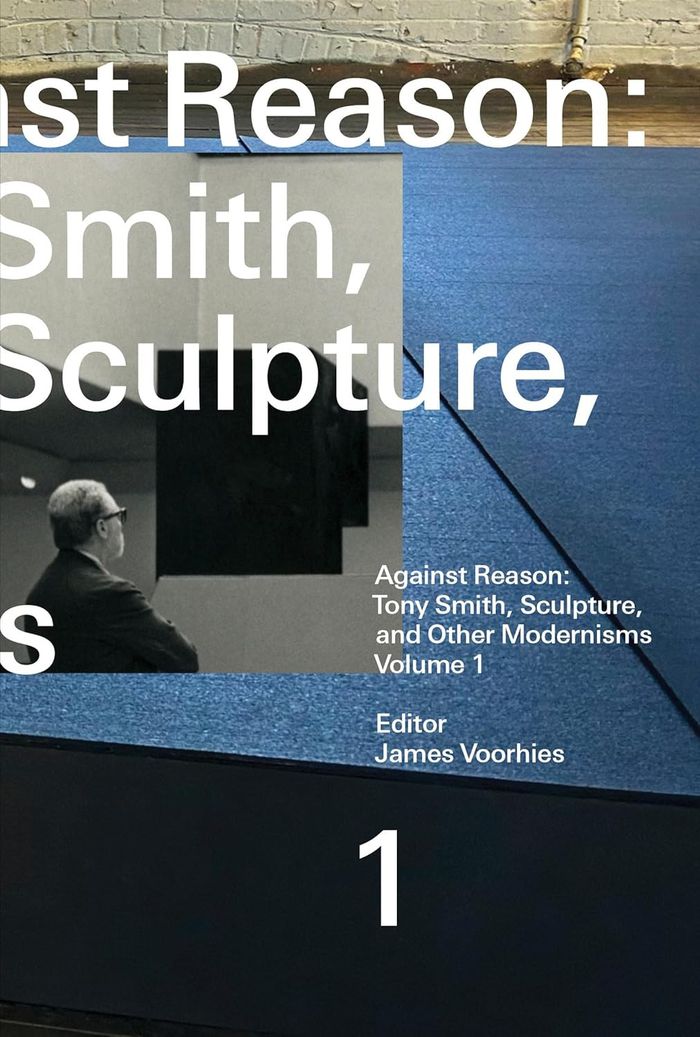
"Against reason, volume 1" is published alongside the "Tony Smith catalogue raisonné: Sculpture", itself the first of two volumes—the other focusing on architecture—documenting the artist's career. This book reveals the depth and complexity of Smith's oeuvre in sculpture while positioning its transdisciplinary nature in dialogue with contemporary practitioners. Commissioned essays by art historians and curators and visual projects by artists offer renewed perspectives on a variety of cultural systems, exploring the ongoing vitality of Smith's work. Their contributions reflect upon the modernist era in which Smith's work was produced to think through ingrained ideologies, revealing other, parallel modernisms and histories.
Against reason, Volume 1. Tony Smith, culture and other modernisms
Actions:
Prix:
$33.95
(disponible sur commande)
Résumé:
"Against reason, volume 1" is published alongside the "Tony Smith catalogue raisonné: Sculpture", itself the first of two volumes—the other focusing on architecture—documenting the artist's career. This book reveals the depth and complexity of Smith's oeuvre in sculpture while positioning its transdisciplinary nature in dialogue with contemporary practitioners. Commissioned essays by art historians and curators and visual projects by artists offer renewed perspectives on a variety of cultural systems, exploring the ongoing vitality of Smith's work. Their contributions reflect upon the modernist era in which Smith's work was produced to think through ingrained ideologies, revealing other, parallel modernisms and histories.
Classification:
livres
livres
Publication:
octobre 2024
octobre 2024
Sujet:
Théorie de l’architecture
Théorie de l’architecture
Classification:
livres
livres

Actions:
Prix:
$105.00
(disponible sur commande)
Résumé:
Among the Russian avant-garde artist Kazimir Malevich’s most intriguing works, the arkhitektons are also the most enigmatic, as these quasi-architectural sculptures made in the 1920s were almost entirely lost, along with many of the accompanying drawings, or planits. In The Additional Element in Architecture, Pedro Ignacio Alonso and Paulina Bitrán bring Malevich's(...)
$105.00
(disponible sur commande)
Résumé:
Among the Russian avant-garde artist Kazimir Malevich’s most intriguing works, the arkhitektons are also the most enigmatic, as these quasi-architectural sculptures made in the 1920s were almost entirely lost, along with many of the accompanying drawings, or planits. In The Additional Element in Architecture, Pedro Ignacio Alonso and Paulina Bitrán bring Malevich's(...)
Titre:
The additional element in architecture: On Kazimir Malevich's Arkhitektons and Planits
Actions:
Prix:
$105.00
(disponible sur commande)
Résumé:
Among the Russian avant-garde artist Kazimir Malevich’s most intriguing works, the arkhitektons are also the most enigmatic, as these quasi-architectural sculptures made in the 1920s were almost entirely lost, along with many of the accompanying drawings, or planits. In The Additional Element in Architecture, Pedro Ignacio Alonso and Paulina Bitrán bring Malevich's elusive arkhitektons to startling, three-dimensional life and show how these objects form a comprehensive universe that embodies the artist's Suprematism—his belief in the supremacy of pure artistic sensation in abstraction. The book features digital reconstructions of 15 arkhitektons and planits that are lost in their original physical form.
The additional element in architecture: On Kazimir Malevich's Arkhitektons and Planits
Actions:
Prix:
$105.00
(disponible sur commande)
Résumé:
Among the Russian avant-garde artist Kazimir Malevich’s most intriguing works, the arkhitektons are also the most enigmatic, as these quasi-architectural sculptures made in the 1920s were almost entirely lost, along with many of the accompanying drawings, or planits. In The Additional Element in Architecture, Pedro Ignacio Alonso and Paulina Bitrán bring Malevich's elusive arkhitektons to startling, three-dimensional life and show how these objects form a comprehensive universe that embodies the artist's Suprematism—his belief in the supremacy of pure artistic sensation in abstraction. The book features digital reconstructions of 15 arkhitektons and planits that are lost in their original physical form.
Classification:
livres
livres
Publication:
mai 2025
mai 2025
Sujet:
Théorie de l’architecture
Théorie de l’architecture
Classification:
livres
livres

Titre:
Designing the X
Designing the X
Actions:
Prix:
$53.95
(disponible sur commande)
Résumé:
As the pace of global change accelerates—ecologically, socially, and technologically—our traditional ways of understanding and responding to change fall short. We now live in an era of supercomplexity, where challenges like climate instability, migration, technological disruption, resource depletion, and systemic inequality converge and defy conventional(...)
$53.95
(disponible sur commande)
Résumé:
As the pace of global change accelerates—ecologically, socially, and technologically—our traditional ways of understanding and responding to change fall short. We now live in an era of supercomplexity, where challenges like climate instability, migration, technological disruption, resource depletion, and systemic inequality converge and defy conventional(...)
Titre:
Designing the X
Actions:
Prix:
$53.95
(disponible sur commande)
Résumé:
As the pace of global change accelerates—ecologically, socially, and technologically—our traditional ways of understanding and responding to change fall short. We now live in an era of supercomplexity, where challenges like climate instability, migration, technological disruption, resource depletion, and systemic inequality converge and defy conventional solutions. ''Designing the X'' meets this moment with a bold and timely proposition: when data, science, and analysis alone are insufficient to move us forward, we must turn to design as a powerful mode of reasoning through synthesis, where intuition meets insight and imagination drives action. Design enables us to move with complexity, not against it, and to shape futures beyond the limits of the present. Grounded in praxis and research—including 67 interviews with designers, technologists and scientists, innovators and entrepreneurs, urbanists, and educators— ''Designing the X'' makes a compelling case for design as an essential partner to science and technology: integrative, inventive, and profoundly human. The “X” stands for what’s missing in today’s analytic methods: the leap from parts to greater wholes, from current conditions to future potential. This book is for anyone seeking agency in an age of accelerating change. It’s a compass for those ready to imagine—and design—the future we cannot yet see.
Designing the X
Actions:
Prix:
$53.95
(disponible sur commande)
Résumé:
As the pace of global change accelerates—ecologically, socially, and technologically—our traditional ways of understanding and responding to change fall short. We now live in an era of supercomplexity, where challenges like climate instability, migration, technological disruption, resource depletion, and systemic inequality converge and defy conventional solutions. ''Designing the X'' meets this moment with a bold and timely proposition: when data, science, and analysis alone are insufficient to move us forward, we must turn to design as a powerful mode of reasoning through synthesis, where intuition meets insight and imagination drives action. Design enables us to move with complexity, not against it, and to shape futures beyond the limits of the present. Grounded in praxis and research—including 67 interviews with designers, technologists and scientists, innovators and entrepreneurs, urbanists, and educators— ''Designing the X'' makes a compelling case for design as an essential partner to science and technology: integrative, inventive, and profoundly human. The “X” stands for what’s missing in today’s analytic methods: the leap from parts to greater wholes, from current conditions to future potential. This book is for anyone seeking agency in an age of accelerating change. It’s a compass for those ready to imagine—and design—the future we cannot yet see.
Classification:
livres
livres
Publication:
octobre 2025
octobre 2025
Sujet:
Théorie du design
Théorie du design
Classification:
livres
livres

Actions:
Prix:
$36.95
(disponible sur commande)
Résumé:
The devastation left in the wake of modernity and globalization is revealing a fragile and unfamiliar planet, and humanity has awakened to a new real. If the old “realist” tools of objectivism have contributed to capitalist society’s divorce from the natural world, how are artists finding new ways to make us really see—and feel—the planet? Surveying a body of(...)
$36.95
(disponible sur commande)
Résumé:
The devastation left in the wake of modernity and globalization is revealing a fragile and unfamiliar planet, and humanity has awakened to a new real. If the old “realist” tools of objectivism have contributed to capitalist society’s divorce from the natural world, how are artists finding new ways to make us really see—and feel—the planet? Surveying a body of(...)
Titre:
Planetary realism: Art against end times
Actions:
Prix:
$36.95
(disponible sur commande)
Résumé:
The devastation left in the wake of modernity and globalization is revealing a fragile and unfamiliar planet, and humanity has awakened to a new real. If the old “realist” tools of objectivism have contributed to capitalist society’s divorce from the natural world, how are artists finding new ways to make us really see—and feel—the planet? Surveying a body of planet-facing art, communal practices, and activism, Josephine Berry investigates art’s power to break with capitalist realism and decarbonize the imagination. With chapters on feeling as world-making, the rupture of petroleum landscapes, artists’ urban exodus, and migration as survival, ''Planetary Realism'' delves deeply into art’s necessary reimagining of life on Earth.
Planetary realism: Art against end times
Actions:
Prix:
$36.95
(disponible sur commande)
Résumé:
The devastation left in the wake of modernity and globalization is revealing a fragile and unfamiliar planet, and humanity has awakened to a new real. If the old “realist” tools of objectivism have contributed to capitalist society’s divorce from the natural world, how are artists finding new ways to make us really see—and feel—the planet? Surveying a body of planet-facing art, communal practices, and activism, Josephine Berry investigates art’s power to break with capitalist realism and decarbonize the imagination. With chapters on feeling as world-making, the rupture of petroleum landscapes, artists’ urban exodus, and migration as survival, ''Planetary Realism'' delves deeply into art’s necessary reimagining of life on Earth.
Classification:
livres
livres
Publication:
juin 2025
juin 2025
Sujet:
Théorie de l’art
Théorie de l’art
Classification:
livres
livres
Actions:
Prix:
$16.00
(disponible en magasin)
Résumé:
What parallels are there between a human pranayama practitioner and a migratory bird in heavily datafied environments? And what can they tell us about the need to reorient our thinking towards the planetary? In ''Contemporaneity in Embodied Data Practices'', two artistic field studies provide the starting point for a dialogical reflection on the entanglement of diverse(...)
$16.00
(disponible en magasin)
Résumé:
What parallels are there between a human pranayama practitioner and a migratory bird in heavily datafied environments? And what can they tell us about the need to reorient our thinking towards the planetary? In ''Contemporaneity in Embodied Data Practices'', two artistic field studies provide the starting point for a dialogical reflection on the entanglement of diverse(...)
Titre:
Contemporaneity in embodied data practices. The contemporary condition
Actions:
Prix:
$16.00
(disponible en magasin)
Résumé:
What parallels are there between a human pranayama practitioner and a migratory bird in heavily datafied environments? And what can they tell us about the need to reorient our thinking towards the planetary? In ''Contemporaneity in Embodied Data Practices'', two artistic field studies provide the starting point for a dialogical reflection on the entanglement of diverse temporalities in body-related, datafied, and experiential practices. Shifting through lived, historical, evolutionary, and technological rhythms, Cornelia Sollfrank and Felix Stalder unfold their respective more-than-human frames of reference, and arrive at specific forms of agency in the contemporary moment.
Contemporaneity in embodied data practices. The contemporary condition
Actions:
Prix:
$16.00
(disponible en magasin)
Résumé:
What parallels are there between a human pranayama practitioner and a migratory bird in heavily datafied environments? And what can they tell us about the need to reorient our thinking towards the planetary? In ''Contemporaneity in Embodied Data Practices'', two artistic field studies provide the starting point for a dialogical reflection on the entanglement of diverse temporalities in body-related, datafied, and experiential practices. Shifting through lived, historical, evolutionary, and technological rhythms, Cornelia Sollfrank and Felix Stalder unfold their respective more-than-human frames of reference, and arrive at specific forms of agency in the contemporary moment.
Classification:
livres
livres
Publication:
avril 2025
avril 2025
Sujet:
Théorie de l’art
Théorie de l’art
Classification:
livres
livres
Actions:
Prix:
$34.95
(disponible sur commande)
Résumé:
Over the last three decades, religious practices and belongings have gained increased visibility across the globe, turning secularity and its relationship with religion into subjects of intense interdisciplinary and international debate. Previously marginalized in gender studies, the secular and the religious now attract growing interest in academic and activist feminism,(...)
$34.95
(disponible sur commande)
Résumé:
Over the last three decades, religious practices and belongings have gained increased visibility across the globe, turning secularity and its relationship with religion into subjects of intense interdisciplinary and international debate. Previously marginalized in gender studies, the secular and the religious now attract growing interest in academic and activist feminism,(...)
Titre:
Gender and postsecularity in knowledge production and visual culture
Actions:
Prix:
$34.95
(disponible sur commande)
Résumé:
Over the last three decades, religious practices and belongings have gained increased visibility across the globe, turning secularity and its relationship with religion into subjects of intense interdisciplinary and international debate. Previously marginalized in gender studies, the secular and the religious now attract growing interest in academic and activist feminism, prompting a critical reflection on secularity's emancipatory potential. This publication aims to foster this interest by providing a platform for interdisciplinary and transregional discussions on the complex dynamics of secularity, religiosity, and gender, as well as new approaches to explore these relationships. The contributions examine the entanglements and boundaries of religions and secularities in everyday life, art, culture, and knowledge production. By presenting relevant case studies, this book underscores an understanding of religion as both a category of knowledge and a marker of identity.
Gender and postsecularity in knowledge production and visual culture
Actions:
Prix:
$34.95
(disponible sur commande)
Résumé:
Over the last three decades, religious practices and belongings have gained increased visibility across the globe, turning secularity and its relationship with religion into subjects of intense interdisciplinary and international debate. Previously marginalized in gender studies, the secular and the religious now attract growing interest in academic and activist feminism, prompting a critical reflection on secularity's emancipatory potential. This publication aims to foster this interest by providing a platform for interdisciplinary and transregional discussions on the complex dynamics of secularity, religiosity, and gender, as well as new approaches to explore these relationships. The contributions examine the entanglements and boundaries of religions and secularities in everyday life, art, culture, and knowledge production. By presenting relevant case studies, this book underscores an understanding of religion as both a category of knowledge and a marker of identity.
Classification:
livres
livres
Publication:
janvier 2025
janvier 2025
Sujet:
Théorie de l’art
Théorie de l’art
Classification:
livres
livres
Prix:
$30.95
(disponible sur commande)
Résumé:
Le Palmarès des jeunes urbanistes, porté par le ministère en charge de l'urbanisme, est une invitation à découvrir des démarches alternatives et des méthodes inédites pour appréhender les changements de l'époque incertaine que nous traversons.Les sept lauréats de cette édition 2024 – Bellevilles, L'Atelier de l'ours, Le Vent se lève !, Meat, Nommos, Tout terrain et UR –(...)
$30.95
(disponible sur commande)
Résumé:
Le Palmarès des jeunes urbanistes, porté par le ministère en charge de l'urbanisme, est une invitation à découvrir des démarches alternatives et des méthodes inédites pour appréhender les changements de l'époque incertaine que nous traversons.Les sept lauréats de cette édition 2024 – Bellevilles, L'Atelier de l'ours, Le Vent se lève !, Meat, Nommos, Tout terrain et UR –(...)
Titre:
La boussole des communs : Palmères des jeunes urbanistes 2024
Actions:
Prix:
$30.95
(disponible sur commande)
Résumé:
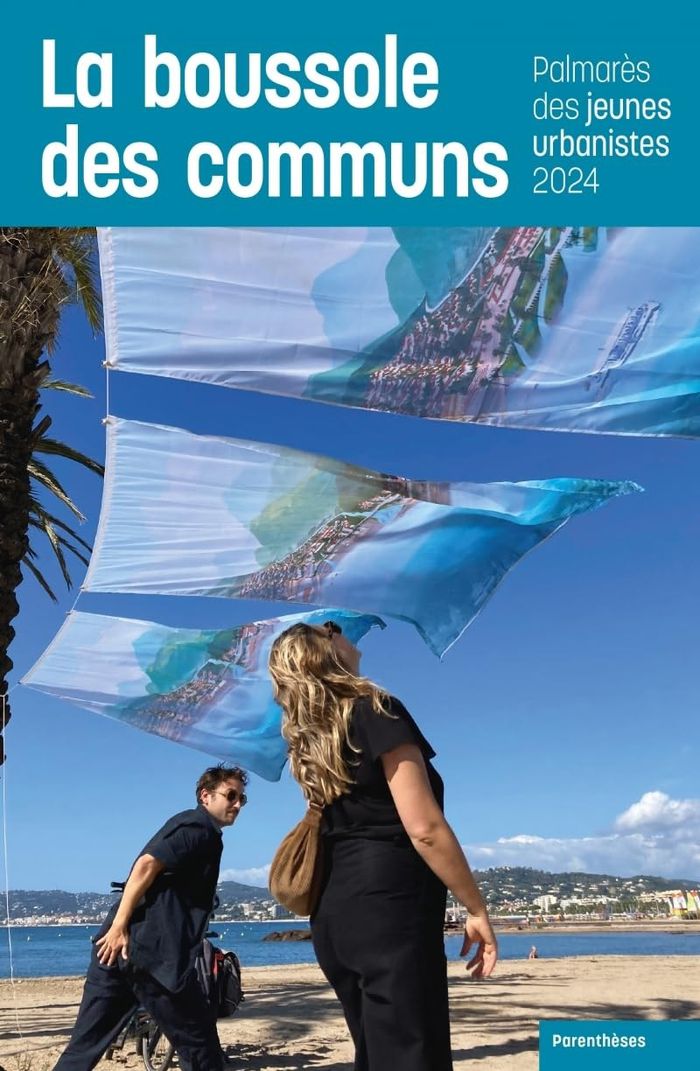
Le Palmarès des jeunes urbanistes, porté par le ministère en charge de l'urbanisme, est une invitation à découvrir des démarches alternatives et des méthodes inédites pour appréhender les changements de l'époque incertaine que nous traversons.Les sept lauréats de cette édition 2024 – Bellevilles, L'Atelier de l'ours, Le Vent se lève !, Meat, Nommos, Tout terrain et UR – témoignent une fois encore de la capacité des jeunes professionnels à discerner de nouveaux modes d'action, à penser les communs, à réconcilier les territoires en valorisant leurs ressources propres. Tous ont en ligne de mire l'adaptation de nos sociétés urbaines aux mutations sociales et environnementales du xxie siècle et l'urgente régénération des milieux de vie dégradés.
La boussole des communs : Palmères des jeunes urbanistes 2024
Actions:
Prix:
$30.95
(disponible sur commande)
Résumé:
Le Palmarès des jeunes urbanistes, porté par le ministère en charge de l'urbanisme, est une invitation à découvrir des démarches alternatives et des méthodes inédites pour appréhender les changements de l'époque incertaine que nous traversons.Les sept lauréats de cette édition 2024 – Bellevilles, L'Atelier de l'ours, Le Vent se lève !, Meat, Nommos, Tout terrain et UR – témoignent une fois encore de la capacité des jeunes professionnels à discerner de nouveaux modes d'action, à penser les communs, à réconcilier les territoires en valorisant leurs ressources propres. Tous ont en ligne de mire l'adaptation de nos sociétés urbaines aux mutations sociales et environnementales du xxie siècle et l'urgente régénération des milieux de vie dégradés.
Classification:
livres
livres
Publication:
janvier 2025
janvier 2025
Sujet:
Théorie de l’urbanisme
Théorie de l’urbanisme
Classification:
livres
livres
Actions:
Prix:
$46.95
(disponible sur commande)
Résumé:
La vitesse des rythmes sociaux, la montée des incertitudes, l'affirmation du présentisme transforment en profondeur les rapports au temps des sociétés et leurs modes de fonctionnement. Prises dans un processus d'accélération généralisé, ces mutations ont des effets considérables sur la fabrique des espaces. En proposant une analyse temporelle sur différents pans de la(...)
$46.95
(disponible sur commande)
Résumé:
La vitesse des rythmes sociaux, la montée des incertitudes, l'affirmation du présentisme transforment en profondeur les rapports au temps des sociétés et leurs modes de fonctionnement. Prises dans un processus d'accélération généralisé, ces mutations ont des effets considérables sur la fabrique des espaces. En proposant une analyse temporelle sur différents pans de la(...)
Titre:
Politiques urbaines de l'accélération : Le temps de l'urbanisme présentiste
Actions:
Prix:
$46.95
(disponible sur commande)
Résumé:
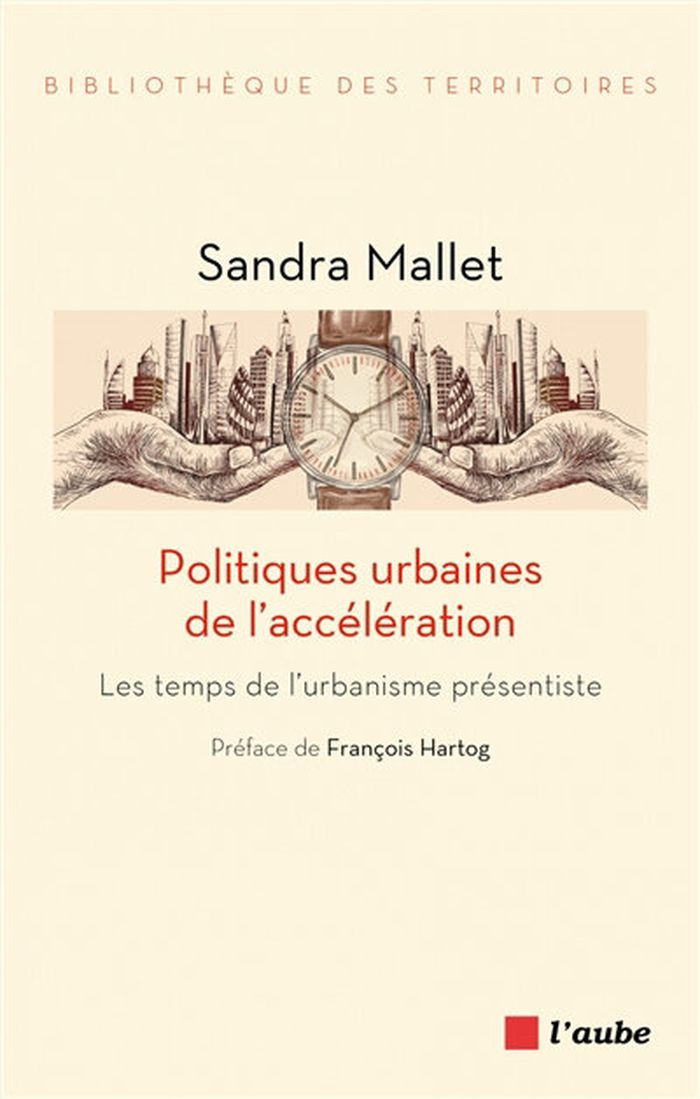
La vitesse des rythmes sociaux, la montée des incertitudes, l'affirmation du présentisme transforment en profondeur les rapports au temps des sociétés et leurs modes de fonctionnement. Prises dans un processus d'accélération généralisé, ces mutations ont des effets considérables sur la fabrique des espaces. En proposant une analyse temporelle sur différents pans de la fabrique urbaine, cet ouvrage met en lumière les divers modèles temporels de l'action publique et la diversité des pratiques existantes. Il permet de comprendre combien les acteurs locaux soutiennent ces modèles dominants, qui sont loin de n'être portés que par des acteurs économiques privés. Mais des modèles alternatifs se dessinent, dénonçant l'accélération sociale permanente, tentant d'ouvrir des possibilités de ralentissement, de réintroduire de la durée, d'assumer l'incertitude dans les pratiques de l'urbanisme. Ces pratiques alternatives représentent des moyens de renouveler les approches traditionnelles de l'urbanisme et de l'aménagement, tentant de réinvestir le présent en vue de construire un avenir plus désirable.
Politiques urbaines de l'accélération : Le temps de l'urbanisme présentiste
Actions:
Prix:
$46.95
(disponible sur commande)
Résumé:
La vitesse des rythmes sociaux, la montée des incertitudes, l'affirmation du présentisme transforment en profondeur les rapports au temps des sociétés et leurs modes de fonctionnement. Prises dans un processus d'accélération généralisé, ces mutations ont des effets considérables sur la fabrique des espaces. En proposant une analyse temporelle sur différents pans de la fabrique urbaine, cet ouvrage met en lumière les divers modèles temporels de l'action publique et la diversité des pratiques existantes. Il permet de comprendre combien les acteurs locaux soutiennent ces modèles dominants, qui sont loin de n'être portés que par des acteurs économiques privés. Mais des modèles alternatifs se dessinent, dénonçant l'accélération sociale permanente, tentant d'ouvrir des possibilités de ralentissement, de réintroduire de la durée, d'assumer l'incertitude dans les pratiques de l'urbanisme. Ces pratiques alternatives représentent des moyens de renouveler les approches traditionnelles de l'urbanisme et de l'aménagement, tentant de réinvestir le présent en vue de construire un avenir plus désirable.
Classification:
livres
livres
Publication:
mars 2025
mars 2025
Sujet:
Théorie de l’urbanisme
Théorie de l’urbanisme
Classification:
livres
livres
Actions:
Prix:
$42.95
(disponible sur commande)
Résumé:
L'architecte et urbaniste Claire Schorter, Grand Prix de l'urbanisme 2024, revendique un «art des tracés», et s'engage pour une ville complexe, dont la profondeur historique permet d'en développer la dimension sensible et humaine.Le nom de l'agence qu'elle préside, l'agence LAQ, ''L'Amour des Quartiers'', donne le ton. Son objectif est d'utiliser la dépendance(...)
$42.95
(disponible sur commande)
Résumé:
L'architecte et urbaniste Claire Schorter, Grand Prix de l'urbanisme 2024, revendique un «art des tracés», et s'engage pour une ville complexe, dont la profondeur historique permet d'en développer la dimension sensible et humaine.Le nom de l'agence qu'elle préside, l'agence LAQ, ''L'Amour des Quartiers'', donne le ton. Son objectif est d'utiliser la dépendance(...)
Titre:
La ville à l'usage : Claire Schorter, Grand Prix de l'urbanisme 2024
Actions:
Prix:
$42.95
(disponible sur commande)
Résumé:
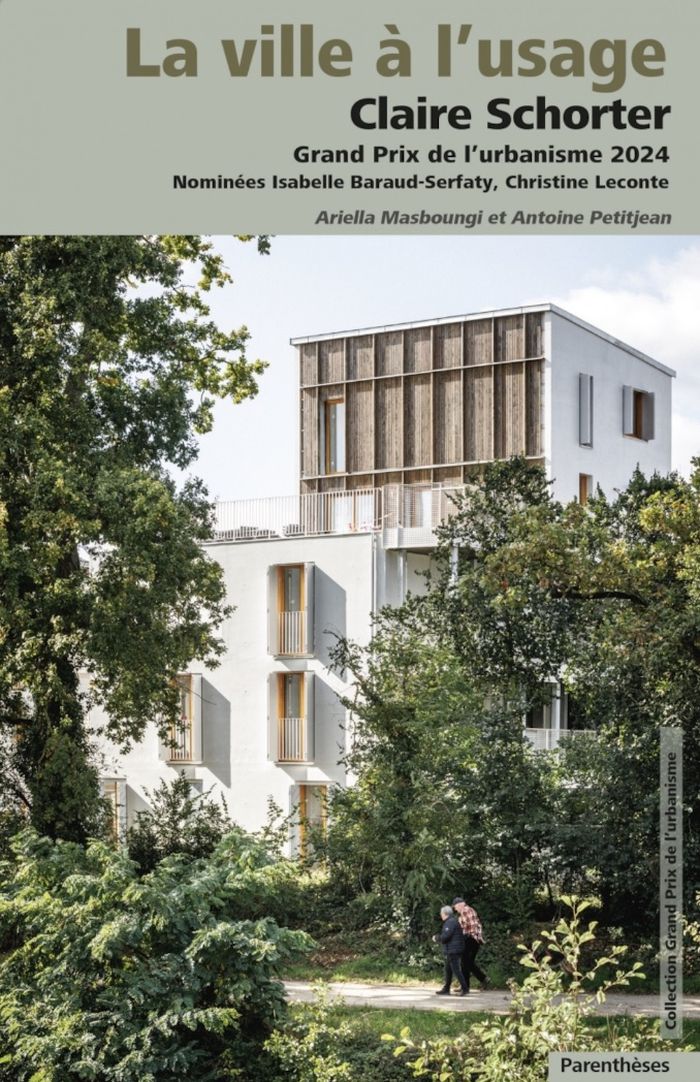
L'architecte et urbaniste Claire Schorter, Grand Prix de l'urbanisme 2024, revendique un «art des tracés», et s'engage pour une ville complexe, dont la profondeur historique permet d'en développer la dimension sensible et humaine.Le nom de l'agence qu'elle préside, l'agence LAQ, ''L'Amour des Quartiers'', donne le ton. Son objectif est d'utiliser la dépendance fragilisante des métropoles pour repenser les systèmes de réciprocité avec leurs territoires vitaux périphériques. À cet égard, la restauration et la préservation des sols nourriciers, porteurs de biodiversité, sont au cœur de son approche de la ville. Une pratique tout en nuances, en exigence et en attention aux détails qui invite à sortir des logiques sectorielles et à repenser les approches, publiques comme privées, pour mieux répondre aux enjeux climatiques. Cet ouvrage explore les trois principaux axes de sa démarche : un art précis de la composition urbaine s'appuyant sur des méthodes originales, la priorité faite aux usages, qui porte à dessiner une ville pacifiée, dont le confort des espaces publics et privés résulte d'une articulation soigneuse entre forme urbaine et architecture, ainsi que le souci écologique des sols, de la biodiversité et de la nécessaire réparation des territoires.
La ville à l'usage : Claire Schorter, Grand Prix de l'urbanisme 2024
Actions:
Prix:
$42.95
(disponible sur commande)
Résumé:
L'architecte et urbaniste Claire Schorter, Grand Prix de l'urbanisme 2024, revendique un «art des tracés», et s'engage pour une ville complexe, dont la profondeur historique permet d'en développer la dimension sensible et humaine.Le nom de l'agence qu'elle préside, l'agence LAQ, ''L'Amour des Quartiers'', donne le ton. Son objectif est d'utiliser la dépendance fragilisante des métropoles pour repenser les systèmes de réciprocité avec leurs territoires vitaux périphériques. À cet égard, la restauration et la préservation des sols nourriciers, porteurs de biodiversité, sont au cœur de son approche de la ville. Une pratique tout en nuances, en exigence et en attention aux détails qui invite à sortir des logiques sectorielles et à repenser les approches, publiques comme privées, pour mieux répondre aux enjeux climatiques. Cet ouvrage explore les trois principaux axes de sa démarche : un art précis de la composition urbaine s'appuyant sur des méthodes originales, la priorité faite aux usages, qui porte à dessiner une ville pacifiée, dont le confort des espaces publics et privés résulte d'une articulation soigneuse entre forme urbaine et architecture, ainsi que le souci écologique des sols, de la biodiversité et de la nécessaire réparation des territoires.
Classification:
livres
livres
Publication:
mars 2025
mars 2025
Sujet:
Théorie de l’urbanisme
Théorie de l’urbanisme


