


13794 Résultats
Classification:
livres
livres
Prix:
$42.00
(disponible en magasin)
Résumé:
Western society is being terrorized by fear. Whether concerning national security, road safety or the protection of public health, every form of risk is meant to be spread, accounted for or eradicated. The safety and security obsession is leaving behind ever more visible traces, especially in public space. Speed bumps, smoke-free zones and surveillance cameras serve a(...)
$42.00
(disponible en magasin)
Résumé:
Western society is being terrorized by fear. Whether concerning national security, road safety or the protection of public health, every form of risk is meant to be spread, accounted for or eradicated. The safety and security obsession is leaving behind ever more visible traces, especially in public space. Speed bumps, smoke-free zones and surveillance cameras serve a(...)
Titre:
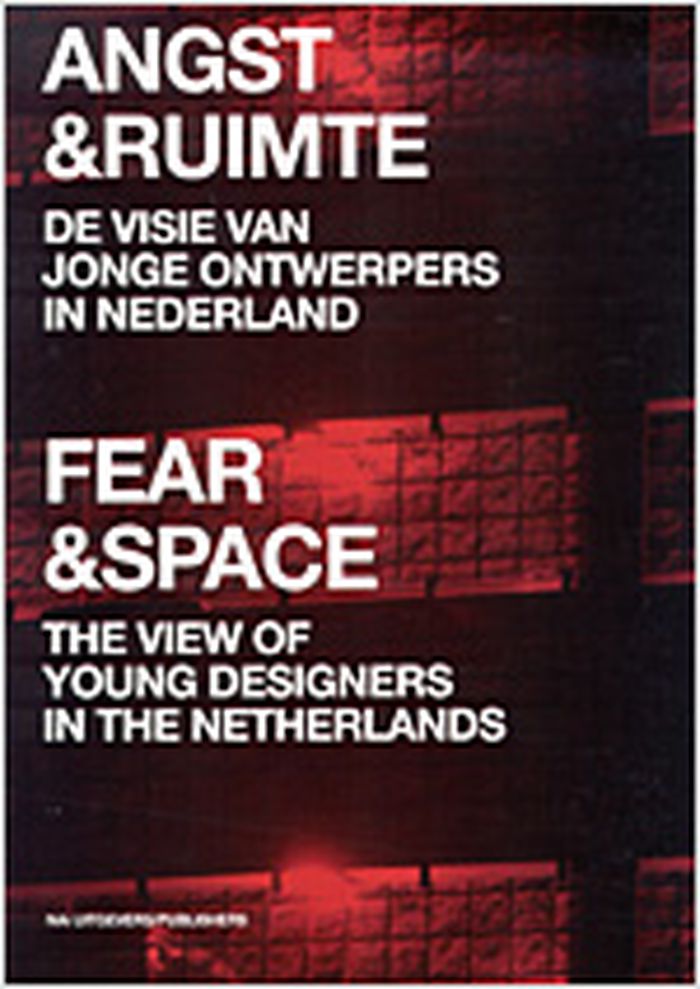
Fear & space : the view of young designers in the Netherlands
Actions:
Prix:
$42.00
(disponible en magasin)
Résumé:
Western society is being terrorized by fear. Whether concerning national security, road safety or the protection of public health, every form of risk is meant to be spread, accounted for or eradicated. The safety and security obsession is leaving behind ever more visible traces, especially in public space. Speed bumps, smoke-free zones and surveillance cameras serve a society where prevention is the order of the day. This second book in the Group portraits series -a collaboration between the Netherlands architecture fund and the Netherlands foundation for visual arts, design and architecture (Fonds BKVB) - once again brings together four groups of young designers around a highly topical theme. As a sequel to the successful "City branding" book, this publication explores the various aspects of fear and prevention and considers the impact on contemporary urban space in four chapters. All the stops are pulled out: text, photography, research and design alternate in a thought-provoking sequence. This publication is the result of intensive research into the presence of fear in our Western society and the role that architecture might play herein. It is therefore an instrument for students, researchers, architects and policy-makers who are concerned with security issues.
Fear & space : the view of young designers in the Netherlands
Actions:
Prix:
$42.00
(disponible en magasin)
Résumé:
Western society is being terrorized by fear. Whether concerning national security, road safety or the protection of public health, every form of risk is meant to be spread, accounted for or eradicated. The safety and security obsession is leaving behind ever more visible traces, especially in public space. Speed bumps, smoke-free zones and surveillance cameras serve a society where prevention is the order of the day. This second book in the Group portraits series -a collaboration between the Netherlands architecture fund and the Netherlands foundation for visual arts, design and architecture (Fonds BKVB) - once again brings together four groups of young designers around a highly topical theme. As a sequel to the successful "City branding" book, this publication explores the various aspects of fear and prevention and considers the impact on contemporary urban space in four chapters. All the stops are pulled out: text, photography, research and design alternate in a thought-provoking sequence. This publication is the result of intensive research into the presence of fear in our Western society and the role that architecture might play herein. It is therefore an instrument for students, researchers, architects and policy-makers who are concerned with security issues.
Classification:
livres
livres
Publication:
janvier 2005, Rotterdam
janvier 2005, Rotterdam
Sujet:
Théorie de l’architecture
Théorie de l’architecture
Classification:
livres
livres
Prix:
$34.00
(disponible sur commande)
Résumé:
Since September 11, the war on terrorism, and the war in Iraq, it has been almost impossible to dissociate architecture from its social context. Add to this the massive influence of capitalism on architecture, disturbing demographic developments, and associated political, social, and ecological catastrophes, and the result is a robotic snapshot of a society dominated by(...)
$34.00
(disponible sur commande)
Résumé:
Since September 11, the war on terrorism, and the war in Iraq, it has been almost impossible to dissociate architecture from its social context. Add to this the massive influence of capitalism on architecture, disturbing demographic developments, and associated political, social, and ecological catastrophes, and the result is a robotic snapshot of a society dominated by(...)
Titre:
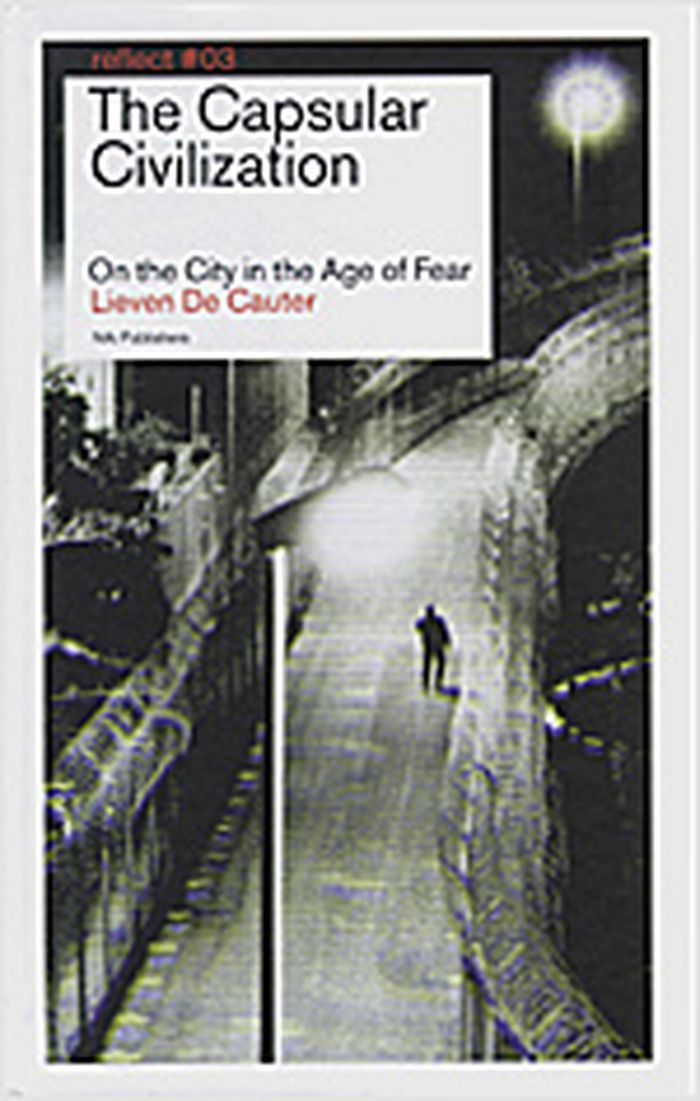
The capsular civilization : on the city in the age of fear
Actions:
Prix:
$34.00
(disponible sur commande)
Résumé:
Since September 11, the war on terrorism, and the war in Iraq, it has been almost impossible to dissociate architecture from its social context. Add to this the massive influence of capitalism on architecture, disturbing demographic developments, and associated political, social, and ecological catastrophes, and the result is a robotic snapshot of a society dominated by fear, exclusion, and simulation. Lieven De Cauter, a leading theoretician on the subject of capsularisation, has worked over the past six years on the essays and articles contained in this book, and has documented and analyzed our changing societies before and after 9/11. For the first time, the link between the global economy, demographic changes, world terror, and the role played by the United States under the Bush admisinstration, are examined in detail in a single publication. De Cauter sketches a realistic and alarming account of the new world order that is an everyday concern for the architects and planners of the contemporary city as well as for its inhabitants and users.
The capsular civilization : on the city in the age of fear
Actions:
Prix:
$34.00
(disponible sur commande)
Résumé:
Since September 11, the war on terrorism, and the war in Iraq, it has been almost impossible to dissociate architecture from its social context. Add to this the massive influence of capitalism on architecture, disturbing demographic developments, and associated political, social, and ecological catastrophes, and the result is a robotic snapshot of a society dominated by fear, exclusion, and simulation. Lieven De Cauter, a leading theoretician on the subject of capsularisation, has worked over the past six years on the essays and articles contained in this book, and has documented and analyzed our changing societies before and after 9/11. For the first time, the link between the global economy, demographic changes, world terror, and the role played by the United States under the Bush admisinstration, are examined in detail in a single publication. De Cauter sketches a realistic and alarming account of the new world order that is an everyday concern for the architects and planners of the contemporary city as well as for its inhabitants and users.
Classification:
livres
livres
Publication:
janvier 1900, Rotterdam
janvier 1900, Rotterdam
Sujet:
Théorie de l’urbanisme
Théorie de l’urbanisme
Classification:
livres
livres
Actions:
Prix:
$31.95
(disponible en magasin)
Résumé:
This architect from Rome is one of the younger generation of Italian architects who possesses a wide knowledge of the architectural debate and is firmly dedicated to a qualitative and innovative resurrection of architecture in Italy. He is known, among other reasons, for his analyses of the cultural situation and the profession of the contemporary architect in the(...)
$31.95
(disponible en magasin)
Résumé:
This architect from Rome is one of the younger generation of Italian architects who possesses a wide knowledge of the architectural debate and is firmly dedicated to a qualitative and innovative resurrection of architecture in Italy. He is known, among other reasons, for his analyses of the cultural situation and the profession of the contemporary architect in the(...)
Titre:
Towards an architecture of today / panta rhei 1
Actions:
Prix:
$31.95
(disponible en magasin)
Résumé:
This architect from Rome is one of the younger generation of Italian architects who possesses a wide knowledge of the architectural debate and is firmly dedicated to a qualitative and innovative resurrection of architecture in Italy. He is known, among other reasons, for his analyses of the cultural situation and the profession of the contemporary architect in the internationally renowned architectural magazine "Domus", as well as for his activities as deputy editor-in-chief of this journal from 1992 to 1996. In this book, Nicola Di Battista analyses the discipline of architecture and the architect's profession, developing principles of a new orientation from a beneficial distance and with a clear overview.
Towards an architecture of today / panta rhei 1
Actions:
Prix:
$31.95
(disponible en magasin)
Résumé:
This architect from Rome is one of the younger generation of Italian architects who possesses a wide knowledge of the architectural debate and is firmly dedicated to a qualitative and innovative resurrection of architecture in Italy. He is known, among other reasons, for his analyses of the cultural situation and the profession of the contemporary architect in the internationally renowned architectural magazine "Domus", as well as for his activities as deputy editor-in-chief of this journal from 1992 to 1996. In this book, Nicola Di Battista analyses the discipline of architecture and the architect's profession, developing principles of a new orientation from a beneficial distance and with a clear overview.
Classification:
livres
livres
Publication:
janvier 2001, Luzern
janvier 2001, Luzern
Sujet:
Théorie de l’architecture
Théorie de l’architecture
Classification:
livres
livres

Titre:
The world : who wants it?
The world : who wants it?
Actions:
Prix:
$24.50
(disponible sur commande)
Résumé:
"The World: Who Wants It?" proposes a concrete plan, albeit satirical, for re-establishing world peace. Set in the near present, the $100 billion that has been pledged by the United States to address the world's wrongs is used to advocate consumptive restraint and to seek new American Values, thus lessening the fury of the Third World against America's apparent wastage,(...)
$24.50
(disponible sur commande)
Résumé:
"The World: Who Wants It?" proposes a concrete plan, albeit satirical, for re-establishing world peace. Set in the near present, the $100 billion that has been pledged by the United States to address the world's wrongs is used to advocate consumptive restraint and to seek new American Values, thus lessening the fury of the Third World against America's apparent wastage,(...)
Titre:
The world : who wants it?
Actions:
Prix:
$24.50
(disponible sur commande)
Résumé:
"The World: Who Wants It?" proposes a concrete plan, albeit satirical, for re-establishing world peace. Set in the near present, the $100 billion that has been pledged by the United States to address the world's wrongs is used to advocate consumptive restraint and to seek new American Values, thus lessening the fury of the Third World against America's apparent wastage, misuse of resources, vice, and militaristic bombast. In this vision of a new world order, International policy largely focuses on the rebuilding of the city of Jerusalem so as to accommodate all the hope and aspirations of the three Abrahamic faiths, Christianity, Islam, and Judaism. The starting point for Ben Nicholson's restructuring of the world is that what was remarkable about the World Trade Center is that its given name purported to suggest that the building was the center of world trade. When the towers were removed they took along with them a myriad of links and responsibilities that course throughout the globe, touching every aspect of life. It is ultimately immaterial what the shape and size of the rebuilt World Trade Center will be, unless the whole world is simultaneously rethought and restructured along with the reconstruction. What would the new world order be?
The world : who wants it?
Actions:
Prix:
$24.50
(disponible sur commande)
Résumé:
"The World: Who Wants It?" proposes a concrete plan, albeit satirical, for re-establishing world peace. Set in the near present, the $100 billion that has been pledged by the United States to address the world's wrongs is used to advocate consumptive restraint and to seek new American Values, thus lessening the fury of the Third World against America's apparent wastage, misuse of resources, vice, and militaristic bombast. In this vision of a new world order, International policy largely focuses on the rebuilding of the city of Jerusalem so as to accommodate all the hope and aspirations of the three Abrahamic faiths, Christianity, Islam, and Judaism. The starting point for Ben Nicholson's restructuring of the world is that what was remarkable about the World Trade Center is that its given name purported to suggest that the building was the center of world trade. When the towers were removed they took along with them a myriad of links and responsibilities that course throughout the globe, touching every aspect of life. It is ultimately immaterial what the shape and size of the rebuilt World Trade Center will be, unless the whole world is simultaneously rethought and restructured along with the reconstruction. What would the new world order be?
Classification:
livres
livres
Publication:
mars 2004, London
mars 2004, London
Sujet:
Théorie de l’architecture
Théorie de l’architecture
Classification:
livres
livres
Titre:
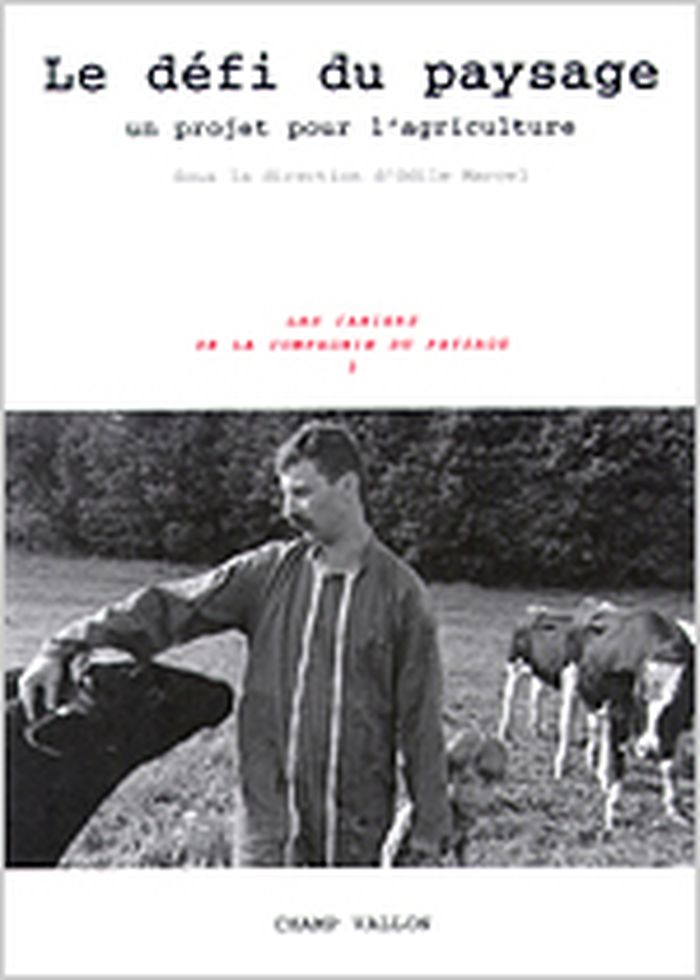
Le défi du paysage
Le défi du paysage
Actions:
Prix:
$49.95
(disponible sur commande)
Résumé:
Initiée il y a dix mille ans à la fin de la dernière glaciation, la domestication des plantes et des animaux permit aux sociétés humaines de développer les civilisations: l'agriculture aménageait la terre, elle l'entretenait pour pouvoir y cultiver les plantes. Les paysages de la terre évoquent cette construction lente, savante et patiente, cette gigantesque entreprise(...)
$49.95
(disponible sur commande)
Résumé:
Initiée il y a dix mille ans à la fin de la dernière glaciation, la domestication des plantes et des animaux permit aux sociétés humaines de développer les civilisations: l'agriculture aménageait la terre, elle l'entretenait pour pouvoir y cultiver les plantes. Les paysages de la terre évoquent cette construction lente, savante et patiente, cette gigantesque entreprise(...)
Titre:
Le défi du paysage
Actions:
Prix:
$49.95
(disponible sur commande)
Résumé:
Initiée il y a dix mille ans à la fin de la dernière glaciation, la domestication des plantes et des animaux permit aux sociétés humaines de développer les civilisations: l'agriculture aménageait la terre, elle l'entretenait pour pouvoir y cultiver les plantes. Les paysages de la terre évoquent cette construction lente, savante et patiente, cette gigantesque entreprise de composition de l'espace où l'intelligence et le soin des générations ont su donner forme au milieu et l'ont transformé pour faire prospérer les vivants. À l'heure où les sociétés industrielles tirent le bilan environnemental de leurs systèmes de production et dans la perspective annoncée du changement climatique, la question du paysage interroge les équilibres ménagés par l'homme entre lui-même et le milieu, entre le Nord et le Sud, entre le présent et l'avenir. De l'économie à l'esthétique et de l'éthique à la politique, quel souci du meilleur inspirera le lendemain de nos sociétés?
Le défi du paysage
Actions:
Prix:
$49.95
(disponible sur commande)
Résumé:
Initiée il y a dix mille ans à la fin de la dernière glaciation, la domestication des plantes et des animaux permit aux sociétés humaines de développer les civilisations: l'agriculture aménageait la terre, elle l'entretenait pour pouvoir y cultiver les plantes. Les paysages de la terre évoquent cette construction lente, savante et patiente, cette gigantesque entreprise de composition de l'espace où l'intelligence et le soin des générations ont su donner forme au milieu et l'ont transformé pour faire prospérer les vivants. À l'heure où les sociétés industrielles tirent le bilan environnemental de leurs systèmes de production et dans la perspective annoncée du changement climatique, la question du paysage interroge les équilibres ménagés par l'homme entre lui-même et le milieu, entre le Nord et le Sud, entre le présent et l'avenir. De l'économie à l'esthétique et de l'éthique à la politique, quel souci du meilleur inspirera le lendemain de nos sociétés?
Classification:
livres
livres
Publication:
octobre 2004, Seyssel
octobre 2004, Seyssel
Sujet:
Théorie du paysage
Théorie du paysage
Classification:
livres
livres
Titre:
Poétique de la ville
Poétique de la ville
Actions:
Prix:
$20.95
(disponible sur commande)
Résumé:
Poétique de la ville est probablement le plus sensible, le plus exhaustif, le plus amoureux des livres écrits sur la ville. Monumental, riche et foisonnant, il résulte d'un pari insensé : qu'un homme puisse, à lui seul, s'emparer de la ville et nous en restituer toutes les facettes, tous les secrets. Qu'il s'agisse de l'arrivée sous la pluie dans une petite ville, des(...)
$20.95
(disponible sur commande)
Résumé:
Poétique de la ville est probablement le plus sensible, le plus exhaustif, le plus amoureux des livres écrits sur la ville. Monumental, riche et foisonnant, il résulte d'un pari insensé : qu'un homme puisse, à lui seul, s'emparer de la ville et nous en restituer toutes les facettes, tous les secrets. Qu'il s'agisse de l'arrivée sous la pluie dans une petite ville, des(...)
Titre:
Poétique de la ville
Actions:
Prix:
$20.95
(disponible sur commande)
Résumé:
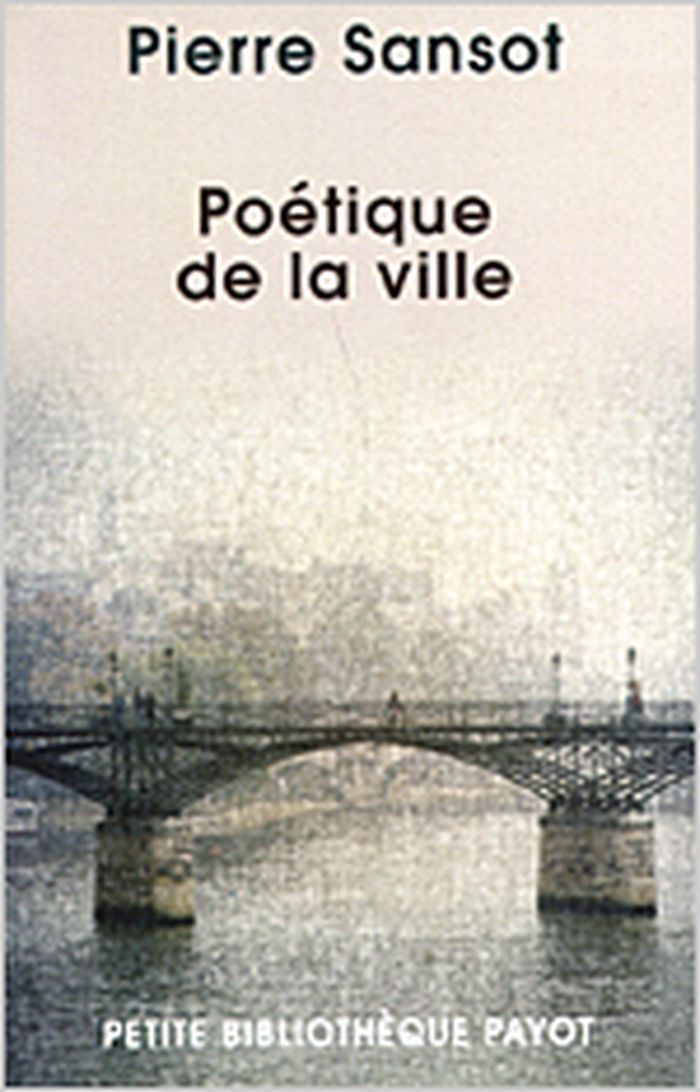
Poétique de la ville est probablement le plus sensible, le plus exhaustif, le plus amoureux des livres écrits sur la ville. Monumental, riche et foisonnant, il résulte d'un pari insensé : qu'un homme puisse, à lui seul, s'emparer de la ville et nous en restituer toutes les facettes, tous les secrets. Qu'il s'agisse de l'arrivée sous la pluie dans une petite ville, des manifestations de rue, des dérives nocturnes ou des promenades matinales, des rythmes urbains, de la symbolique des artères, des transports, de personnages emblématiques (prostituée, clochard), des quartiers et faubourgs, ou encore des intérieurs (hôtels, studios, salle de bain ou de séjour), c'est un Sansot éblouissant qui nous révèle la géographie sentimentale des villes.
Poétique de la ville
Actions:
Prix:
$20.95
(disponible sur commande)
Résumé:
Poétique de la ville est probablement le plus sensible, le plus exhaustif, le plus amoureux des livres écrits sur la ville. Monumental, riche et foisonnant, il résulte d'un pari insensé : qu'un homme puisse, à lui seul, s'emparer de la ville et nous en restituer toutes les facettes, tous les secrets. Qu'il s'agisse de l'arrivée sous la pluie dans une petite ville, des manifestations de rue, des dérives nocturnes ou des promenades matinales, des rythmes urbains, de la symbolique des artères, des transports, de personnages emblématiques (prostituée, clochard), des quartiers et faubourgs, ou encore des intérieurs (hôtels, studios, salle de bain ou de séjour), c'est un Sansot éblouissant qui nous révèle la géographie sentimentale des villes.
Classification:
livres
livres
Publication:
septembre 2004, Paris
septembre 2004, Paris
Sujet:
Théorie de l’urbanisme
Théorie de l’urbanisme
Classification:
livres
livres
Actions:
Prix:
$40.95
(disponible sur commande)
Résumé:
The story of the development of artificial light in the 19th century is not only a history of its technology but a revelation of how that technology helped forge modern consciousness. The range of subjects includes the political symbolism of streetlamps, the rise of nightlife and the shop window, and the importance of the salon in the bourgeois culture.
$40.95
(disponible sur commande)
Résumé:
The story of the development of artificial light in the 19th century is not only a history of its technology but a revelation of how that technology helped forge modern consciousness. The range of subjects includes the political symbolism of streetlamps, the rise of nightlife and the shop window, and the importance of the salon in the bourgeois culture.
Titre:
Disenchanted night : the industrialization of light in the nineteenth century
Actions:
Prix:
$40.95
(disponible sur commande)
Résumé:
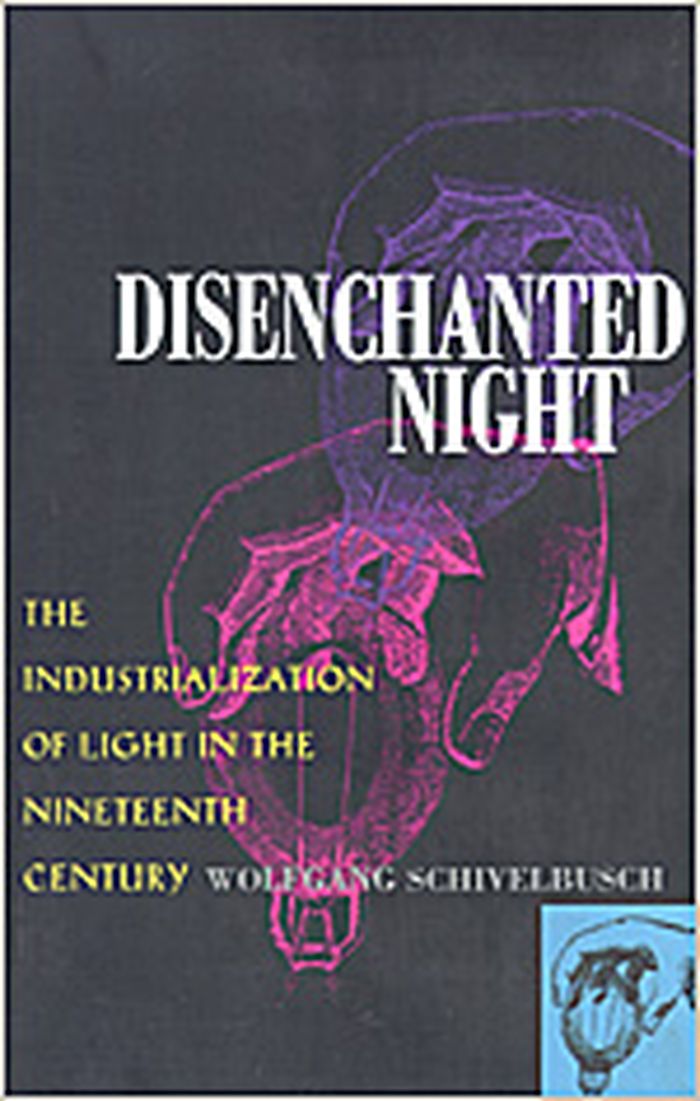
The story of the development of artificial light in the 19th century is not only a history of its technology but a revelation of how that technology helped forge modern consciousness. The range of subjects includes the political symbolism of streetlamps, the rise of nightlife and the shop window, and the importance of the salon in the bourgeois culture.
Disenchanted night : the industrialization of light in the nineteenth century
Actions:
Prix:
$40.95
(disponible sur commande)
Résumé:
The story of the development of artificial light in the 19th century is not only a history of its technology but a revelation of how that technology helped forge modern consciousness. The range of subjects includes the political symbolism of streetlamps, the rise of nightlife and the shop window, and the importance of the salon in the bourgeois culture.
Classification:
livres
livres
Publication:
janvier 1995, Berkeley
janvier 1995, Berkeley
Sujet:
Théorie de l’architecture
Théorie de l’architecture
Classification:
livres
livres
Actions:
Prix:
$40.95
(disponible sur commande)
Résumé:
Saskia Sassen's collection is a unique contribution to the emerging literature on global cities and networks: first, because it assembles state-of-the-art presentations by leading researchers in the field, and second, because it gives due attention to key cities in the developing world, which perform vital roles in the new global networks but have hitherto been neglected.
$40.95
(disponible sur commande)
Résumé:
Saskia Sassen's collection is a unique contribution to the emerging literature on global cities and networks: first, because it assembles state-of-the-art presentations by leading researchers in the field, and second, because it gives due attention to key cities in the developing world, which perform vital roles in the new global networks but have hitherto been neglected.
Titre:
Global networks, linked cities
Actions:
Prix:
$40.95
(disponible sur commande)
Résumé:
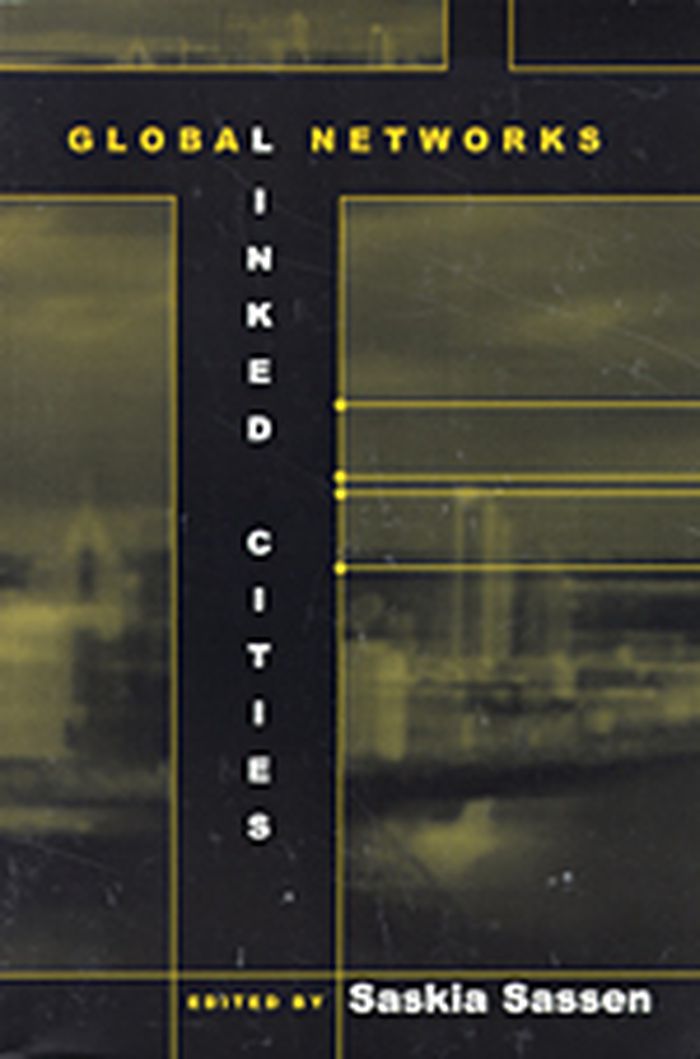
Saskia Sassen's collection is a unique contribution to the emerging literature on global cities and networks: first, because it assembles state-of-the-art presentations by leading researchers in the field, and second, because it gives due attention to key cities in the developing world, which perform vital roles in the new global networks but have hitherto been neglected.
Global networks, linked cities
Actions:
Prix:
$40.95
(disponible sur commande)
Résumé:
Saskia Sassen's collection is a unique contribution to the emerging literature on global cities and networks: first, because it assembles state-of-the-art presentations by leading researchers in the field, and second, because it gives due attention to key cities in the developing world, which perform vital roles in the new global networks but have hitherto been neglected.
Classification:
livres
livres
Publication:
janvier 1900, New York
janvier 1900, New York
Sujet:
Théorie de l’urbanisme
Théorie de l’urbanisme
Classification:
livres
livres
Actions:
Prix:
$53.95
(disponible sur commande)
Résumé:
"Urban forms : the death and life of the urban block" is concerned with the fundamental grammar of our cities which is the key to successful urban environmnents. This work, translated here into English for the first time, argues that modern urbanism has upset the morphology of cities, abolished their streets and isolated the urban tissue, the intermediate scale between(...)
$53.95
(disponible sur commande)
Résumé:
"Urban forms : the death and life of the urban block" is concerned with the fundamental grammar of our cities which is the key to successful urban environmnents. This work, translated here into English for the first time, argues that modern urbanism has upset the morphology of cities, abolished their streets and isolated the urban tissue, the intermediate scale between(...)
Sujet:
Théorie de l’urbanisme
Théorie de l’urbanisme
Publication:
juin 2004, Oxford
juin 2004, Oxford
Titre:
Urban forms : the death and life of the urban block
Actions:
Prix:
$53.95
(disponible sur commande)
Résumé:
"Urban forms : the death and life of the urban block" is concerned with the fundamental grammar of our cities which is the key to successful urban environmnents. This work, translated here into English for the first time, argues that modern urbanism has upset the morphology of cities, abolished their streets and isolated the urban tissue, the intermediate scale between the architecture of buildings and the dynamic layouts of town planning, is the essential framework for everyday life. Only by investigating the urban tissue will it be possible to understand the complex relationship between plot and built form, between streets and buildings and between these forms and design practices.
Urban forms : the death and life of the urban block
Actions:
Prix:
$53.95
(disponible sur commande)
Résumé:
"Urban forms : the death and life of the urban block" is concerned with the fundamental grammar of our cities which is the key to successful urban environmnents. This work, translated here into English for the first time, argues that modern urbanism has upset the morphology of cities, abolished their streets and isolated the urban tissue, the intermediate scale between the architecture of buildings and the dynamic layouts of town planning, is the essential framework for everyday life. Only by investigating the urban tissue will it be possible to understand the complex relationship between plot and built form, between streets and buildings and between these forms and design practices.
Classification:
livres
livres
Publication:
juin 2004, Oxford
juin 2004, Oxford
Sujet:
Théorie de l’urbanisme
Théorie de l’urbanisme
Classification:
livres
livres
Actions:
Prix:
$93.95
(disponible en magasin)
Résumé:
Partie à la découverte de la ville, Monique Eleb a parcouru au fil des quinze dernières années les quartiers de Los Angeles. Observant les cafés, de plus en plus nombreux, elle y a trouvé les indices des modes de vie et des valeurs de citadins à la recherche d'une identité dans cette métropole démesurée. Les chroniques montrent comment les relations s'instaurent ainsi que(...)
$93.95
(disponible en magasin)
Résumé:
Partie à la découverte de la ville, Monique Eleb a parcouru au fil des quinze dernières années les quartiers de Los Angeles. Observant les cafés, de plus en plus nombreux, elle y a trouvé les indices des modes de vie et des valeurs de citadins à la recherche d'une identité dans cette métropole démesurée. Les chroniques montrent comment les relations s'instaurent ainsi que(...)
Titre:
La Société des cafés à Los Angeles
Actions:
Prix:
$93.95
(disponible en magasin)
Résumé:
Partie à la découverte de la ville, Monique Eleb a parcouru au fil des quinze dernières années les quartiers de Los Angeles. Observant les cafés, de plus en plus nombreux, elle y a trouvé les indices des modes de vie et des valeurs de citadins à la recherche d'une identité dans cette métropole démesurée. Les chroniques montrent comment les relations s'instaurent ainsi que les hiérarchies et les positions des différents groupes - sociaux, ethniques, sexuels, de génération - qui ont adopté un café, les attitudes légitimes et illégitimes et les rites quotidiens. Le décor et l'ambiance créés par les cafetiers jouent aussi leur rôle et cet ensemble construit une sorte de texture formant tableau qui éclaire certains des phénomènes émergents à Los Angeles, ces récits permettent de comprendre les mœurs et les paysages angelenos mais aussi le rôle que les cafés tiennent dans nos vies.
La Société des cafés à Los Angeles
Actions:
Prix:
$93.95
(disponible en magasin)
Résumé:
Partie à la découverte de la ville, Monique Eleb a parcouru au fil des quinze dernières années les quartiers de Los Angeles. Observant les cafés, de plus en plus nombreux, elle y a trouvé les indices des modes de vie et des valeurs de citadins à la recherche d'une identité dans cette métropole démesurée. Les chroniques montrent comment les relations s'instaurent ainsi que les hiérarchies et les positions des différents groupes - sociaux, ethniques, sexuels, de génération - qui ont adopté un café, les attitudes légitimes et illégitimes et les rites quotidiens. Le décor et l'ambiance créés par les cafetiers jouent aussi leur rôle et cet ensemble construit une sorte de texture formant tableau qui éclaire certains des phénomènes émergents à Los Angeles, ces récits permettent de comprendre les mœurs et les paysages angelenos mais aussi le rôle que les cafés tiennent dans nos vies.
Classification:
livres
livres
Publication:
novembre 2004, Paris
novembre 2004, Paris
Sujet:
Théorie de l’architecture
Théorie de l’architecture


