


1897 Résultats
Classification:
livres
livres
Prix:
$28.00
(disponible en magasin)
Résumé:
Lamentation practices can empower the potentiality to defy patriarchal orders ruling everyday life. Always a collective process, lamentation inscribes loss and vulnerability by tending bridges towards the world of the dead and the more-than-human. Gestures such as singing or breathing, gathering, and performances that exceed rationality can inspire a renewed approach to(...)
$28.00
(disponible en magasin)
Résumé:
Lamentation practices can empower the potentiality to defy patriarchal orders ruling everyday life. Always a collective process, lamentation inscribes loss and vulnerability by tending bridges towards the world of the dead and the more-than-human. Gestures such as singing or breathing, gathering, and performances that exceed rationality can inspire a renewed approach to(...)
Sujet:
Théorie/ philosophie
Théorie/ philosophie
Publication:
octobre 2023
octobre 2023
Titre:
Urban lament: Collective expressions of pain, rage and affection
Actions:
Prix:
$28.00
(disponible en magasin)
Résumé:
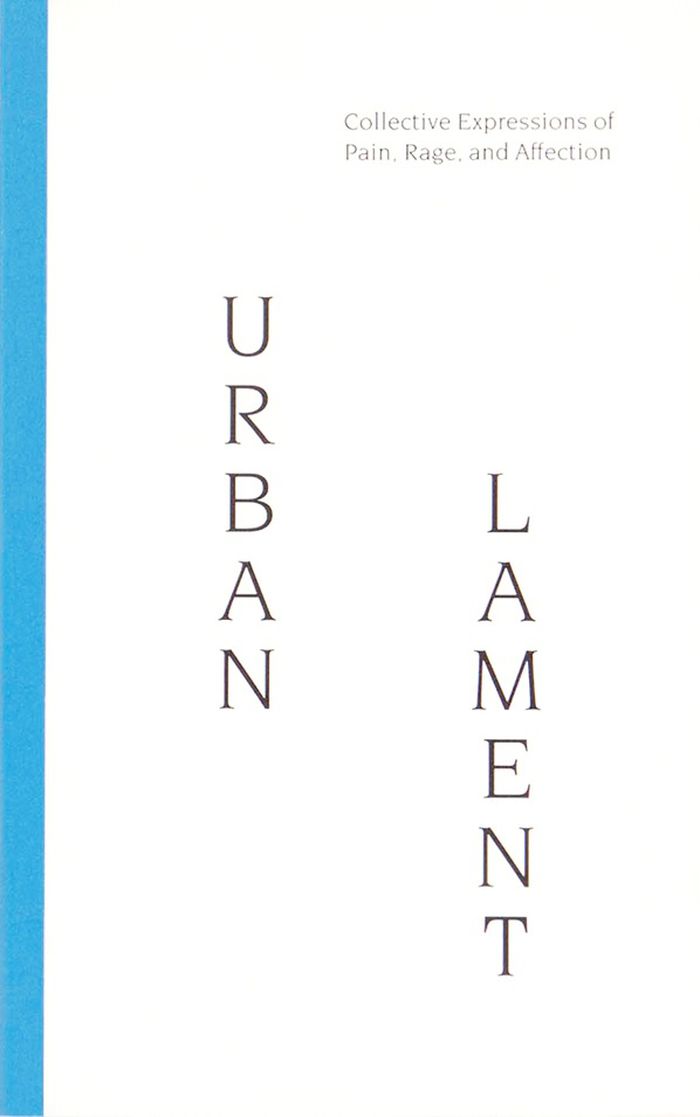
Lamentation practices can empower the potentiality to defy patriarchal orders ruling everyday life. Always a collective process, lamentation inscribes loss and vulnerability by tending bridges towards the world of the dead and the more-than-human. Gestures such as singing or breathing, gathering, and performances that exceed rationality can inspire a renewed approach to life and death, rural and urban. After all, amidst ongoing processes of extinction, how to mourn a queer activist, a Roma father, a burnt forest, an exiled body, and a ship sunken in the Mediterranean? How to experience loss not as something individual, but within an expanded continuum of pain? How to explore emotions beyond the private sphere? Through case studies and narrations, in different times and geographies surrounding the Aegean Sea, this book amplifies the echoes of collective tears to invigorate contemporary mourning practices that claim public space by grief, rage, and affect.
Urban lament: Collective expressions of pain, rage and affection
Actions:
Prix:
$28.00
(disponible en magasin)
Résumé:
Lamentation practices can empower the potentiality to defy patriarchal orders ruling everyday life. Always a collective process, lamentation inscribes loss and vulnerability by tending bridges towards the world of the dead and the more-than-human. Gestures such as singing or breathing, gathering, and performances that exceed rationality can inspire a renewed approach to life and death, rural and urban. After all, amidst ongoing processes of extinction, how to mourn a queer activist, a Roma father, a burnt forest, an exiled body, and a ship sunken in the Mediterranean? How to experience loss not as something individual, but within an expanded continuum of pain? How to explore emotions beyond the private sphere? Through case studies and narrations, in different times and geographies surrounding the Aegean Sea, this book amplifies the echoes of collective tears to invigorate contemporary mourning practices that claim public space by grief, rage, and affect.
Classification:
livres
livres
Publication:
octobre 2023
octobre 2023
Sujet:
Théorie/ philosophie
Théorie/ philosophie
Classification:
livres
livres
Titre:
From Lascaux to Brooklyn
From Lascaux to Brooklyn
Actions:
Prix:
$64.95
(disponible sur commande)
Résumé:
Hailed upon its publication as “discriminating, erudite, and eclectic,” From Lascaux to Brooklyn is now available to readers once again. First published in 1996, the year of Paul Rand’s death, the volume embarks on a wonderful journey from the time before graphic design to the author’s own studio work and beyond. An excellent companion to Rand’s Design, Form, and Chaos,(...)
$64.95
(disponible sur commande)
Résumé:
Hailed upon its publication as “discriminating, erudite, and eclectic,” From Lascaux to Brooklyn is now available to readers once again. First published in 1996, the year of Paul Rand’s death, the volume embarks on a wonderful journey from the time before graphic design to the author’s own studio work and beyond. An excellent companion to Rand’s Design, Form, and Chaos,(...)
Titre:
From Lascaux to Brooklyn
Actions:
Prix:
$64.95
(disponible sur commande)
Résumé:
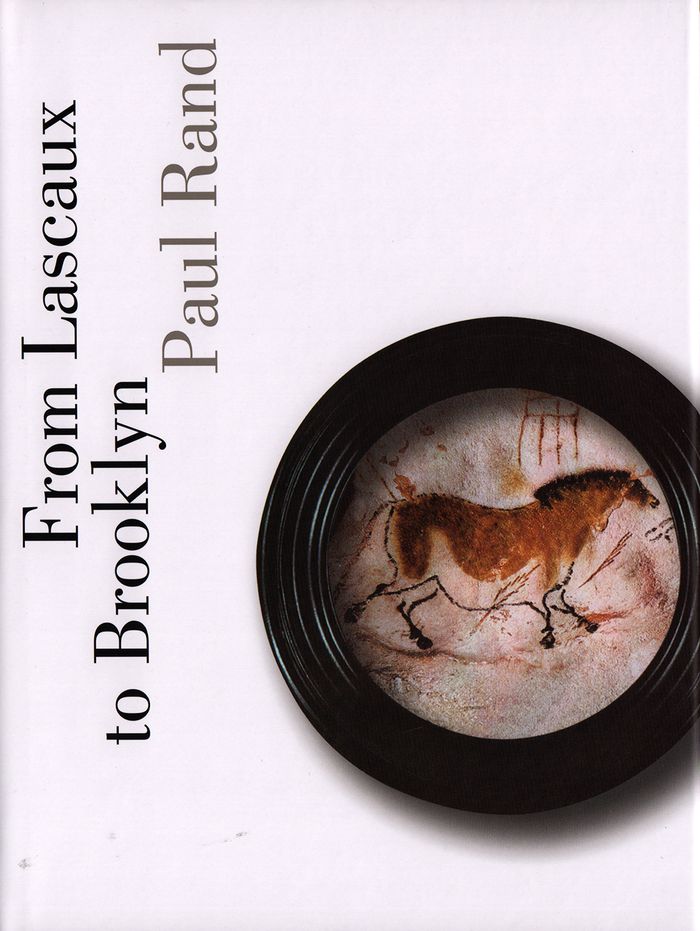
Hailed upon its publication as “discriminating, erudite, and eclectic,” From Lascaux to Brooklyn is now available to readers once again. First published in 1996, the year of Paul Rand’s death, the volume embarks on a wonderful journey from the time before graphic design to the author’s own studio work and beyond. An excellent companion to Rand’s Design, Form, and Chaos, this book awakens readers to the lessons of the cave paintings of Lascaux and demonstrates how this learning is later conveyed in artworks ranging from the Tower of Pisa to a Cézanne painting, an African sculpture, or a park in Brooklyn. Topics discussed include the relationship between art and business, the presentation of design concepts to prospective clients, the debate over typographic style, and the aesthetics of combinatorial geometry. This book engages and enlightens anyone interested in the practice or theory of graphic design.
From Lascaux to Brooklyn
Actions:
Prix:
$64.95
(disponible sur commande)
Résumé:
Hailed upon its publication as “discriminating, erudite, and eclectic,” From Lascaux to Brooklyn is now available to readers once again. First published in 1996, the year of Paul Rand’s death, the volume embarks on a wonderful journey from the time before graphic design to the author’s own studio work and beyond. An excellent companion to Rand’s Design, Form, and Chaos, this book awakens readers to the lessons of the cave paintings of Lascaux and demonstrates how this learning is later conveyed in artworks ranging from the Tower of Pisa to a Cézanne painting, an African sculpture, or a park in Brooklyn. Topics discussed include the relationship between art and business, the presentation of design concepts to prospective clients, the debate over typographic style, and the aesthetics of combinatorial geometry. This book engages and enlightens anyone interested in the practice or theory of graphic design.
Classification:
livres
livres
Publication:
décembre 2017
décembre 2017
Classification:
livres
livres
Titre:
Cabinet 62 : milk
Cabinet 62 : milk
Actions:
Prix:
$15.00
(disponible sur commande)
Résumé:
One of only a handful of substances produced in nature expressly as food, milk is fundamental for infant mammalian nutrition, but is also foundational in human myth and religion. Cabinet issue 62, with a special section on “Milk,” includes Renata Salecl on the psychoanalytical implications of the recent death of a child solely breastfed for the first five years of his(...)
$15.00
(disponible sur commande)
Résumé:
One of only a handful of substances produced in nature expressly as food, milk is fundamental for infant mammalian nutrition, but is also foundational in human myth and religion. Cabinet issue 62, with a special section on “Milk,” includes Renata Salecl on the psychoanalytical implications of the recent death of a child solely breastfed for the first five years of his(...)
Titre:
Cabinet 62 : milk
Actions:
Prix:
$15.00
(disponible sur commande)
Résumé:
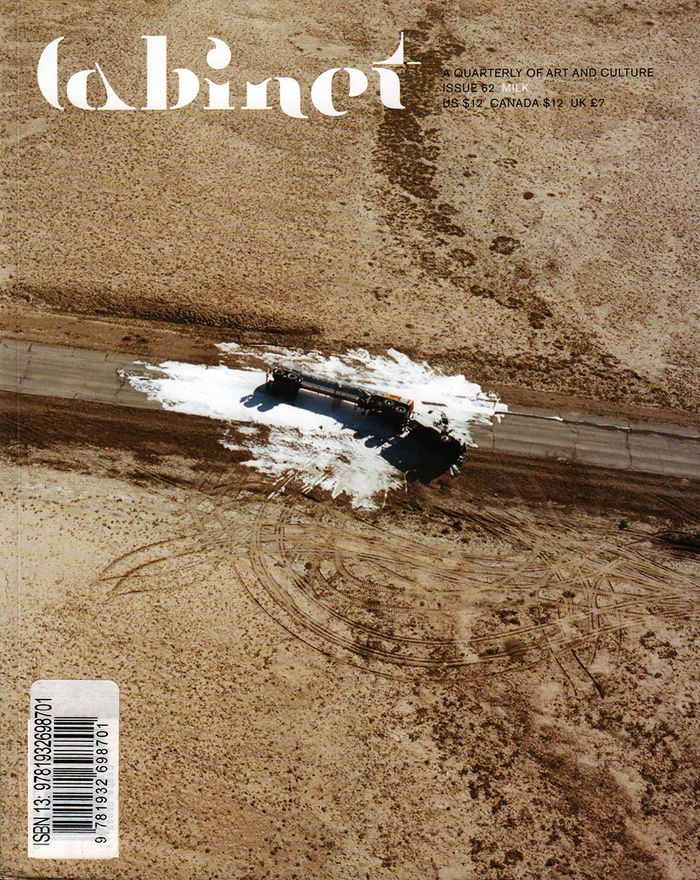
One of only a handful of substances produced in nature expressly as food, milk is fundamental for infant mammalian nutrition, but is also foundational in human myth and religion. Cabinet issue 62, with a special section on “Milk,” includes Renata Salecl on the psychoanalytical implications of the recent death of a child solely breastfed for the first five years of his life; Jeff Dolven on milk and luminosity; Esther Leslie and Melanie Jackson on the ways in which milk is transformed from primary material to metaphorical excess; and Melanie Tyson on the colonial history of condensed milk. Elsewhere in the issue: Daniel Rosenberg on Maurice Sendak’s beloved “Nutshell Library” and the fantasies of book classification; Richard Cooke on the history of live sex shows in Europe and their sudden decline in the 1980s; and an artist project by S. Billie Mandle exploring the varieties of Catholic confessionals.
Cabinet 62 : milk
Actions:
Prix:
$15.00
(disponible sur commande)
Résumé:
One of only a handful of substances produced in nature expressly as food, milk is fundamental for infant mammalian nutrition, but is also foundational in human myth and religion. Cabinet issue 62, with a special section on “Milk,” includes Renata Salecl on the psychoanalytical implications of the recent death of a child solely breastfed for the first five years of his life; Jeff Dolven on milk and luminosity; Esther Leslie and Melanie Jackson on the ways in which milk is transformed from primary material to metaphorical excess; and Melanie Tyson on the colonial history of condensed milk. Elsewhere in the issue: Daniel Rosenberg on Maurice Sendak’s beloved “Nutshell Library” and the fantasies of book classification; Richard Cooke on the history of live sex shows in Europe and their sudden decline in the 1980s; and an artist project by S. Billie Mandle exploring the varieties of Catholic confessionals.
Classification:
livres
livres
Publication:
juin 2017
juin 2017
Sujet:
Revues
Revues
Classification:
livres
livres

Actions:
Prix:
$47.00
(disponible sur commande)
Résumé:
Eyes on the Street is a revelation of the phenomenal woman who raised three children, wrote seven groundbreaking books, saved neighborhoods, stopped expressways, was arrested twice, and engaged at home and on the streets in thousands of debates--all of which she won. Here is the child who challenged her third-grade teacher; the high school poet; the journalist who honed(...)
$47.00
(disponible sur commande)
Résumé:
Eyes on the Street is a revelation of the phenomenal woman who raised three children, wrote seven groundbreaking books, saved neighborhoods, stopped expressways, was arrested twice, and engaged at home and on the streets in thousands of debates--all of which she won. Here is the child who challenged her third-grade teacher; the high school poet; the journalist who honed(...)
Titre:
Eyes on the street: the life of Jane Jacobs
Actions:
Prix:
$47.00
(disponible sur commande)
Résumé:
Eyes on the Street is a revelation of the phenomenal woman who raised three children, wrote seven groundbreaking books, saved neighborhoods, stopped expressways, was arrested twice, and engaged at home and on the streets in thousands of debates--all of which she won. Here is the child who challenged her third-grade teacher; the high school poet; the journalist who honed her writing skills at Iron Age, Architectural Forum, Fortune, and other outlets, while amassing the knowledge she would draw upon to write her most famous book, The Death and Life of Great American Cities. Here, too, is the activist who helped lead an ultimately successful protest against Robert Moses's proposed expressway through her beloved Greenwich Village; and who, in order to keep her sons out of the Vietnam War, moved to Canada, where she became as well known and admired as she was in the United States.
Eyes on the street: the life of Jane Jacobs
Actions:
Prix:
$47.00
(disponible sur commande)
Résumé:
Eyes on the Street is a revelation of the phenomenal woman who raised three children, wrote seven groundbreaking books, saved neighborhoods, stopped expressways, was arrested twice, and engaged at home and on the streets in thousands of debates--all of which she won. Here is the child who challenged her third-grade teacher; the high school poet; the journalist who honed her writing skills at Iron Age, Architectural Forum, Fortune, and other outlets, while amassing the knowledge she would draw upon to write her most famous book, The Death and Life of Great American Cities. Here, too, is the activist who helped lead an ultimately successful protest against Robert Moses's proposed expressway through her beloved Greenwich Village; and who, in order to keep her sons out of the Vietnam War, moved to Canada, where she became as well known and admired as she was in the United States.
Classification:
livres
livres
Publication:
septembre 2016
septembre 2016
Sujet:
Théorie de l’urbanisme
Théorie de l’urbanisme
Classification:
périodiques
périodiques
Prix:
$26.50
(disponible sur commande)
Résumé:
"Flat Out 1" yields unlikely connections between subjects as diverse as lists, numbers, chairs, and death. In “Dear Renato,” The Challenger writes a letter to Italian architect Renato Rizzi on the darkness of his Shakespeare Theater. The Genealogist, in “Get the Door, It’s Domino’s,” dives into the pizza company’s trophy awards for architects. The Mortician prepares New(...)
$26.50
(disponible sur commande)
Résumé:
"Flat Out 1" yields unlikely connections between subjects as diverse as lists, numbers, chairs, and death. In “Dear Renato,” The Challenger writes a letter to Italian architect Renato Rizzi on the darkness of his Shakespeare Theater. The Genealogist, in “Get the Door, It’s Domino’s,” dives into the pizza company’s trophy awards for architects. The Mortician prepares New(...)
Titre:
Flat Out : claims on architecture from an unlikely cast
Actions:
Prix:
$26.50
(disponible sur commande)
Résumé:
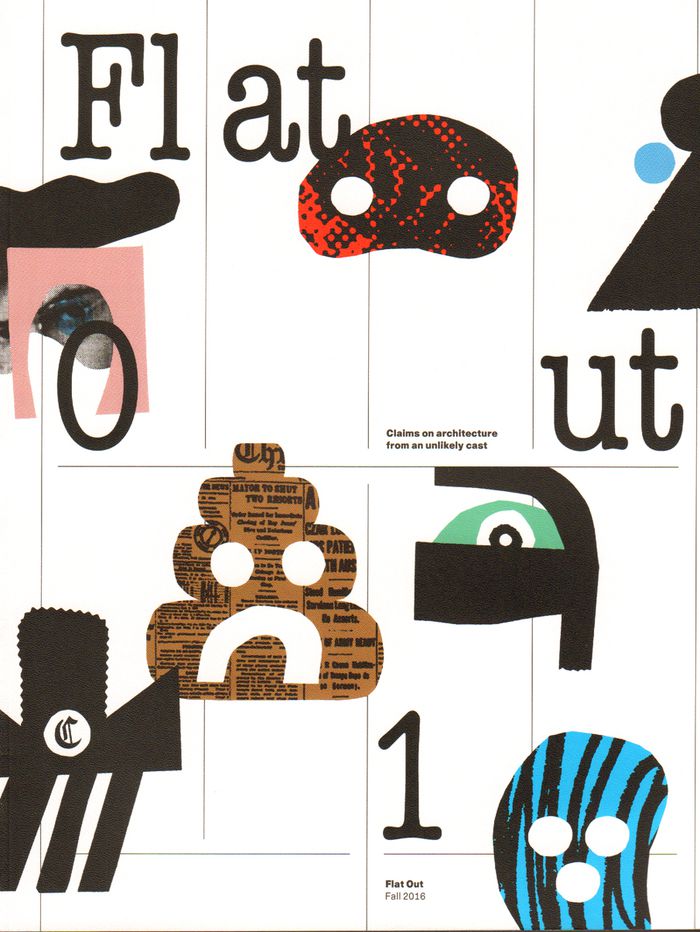
"Flat Out 1" yields unlikely connections between subjects as diverse as lists, numbers, chairs, and death. In “Dear Renato,” The Challenger writes a letter to Italian architect Renato Rizzi on the darkness of his Shakespeare Theater. The Genealogist, in “Get the Door, It’s Domino’s,” dives into the pizza company’s trophy awards for architects. The Mortician prepares New Brutalism for the afterlife, while The Graphic Essayist fills columns with new orders. In “Easier Done than Said” an editorial board member appears as The Cameo to make much ado about the reception of the inaugural Chicago Architectural Biennial. The cast for this issue features (in order of appearance) Pier Paolo Tamburelli, Jayne Kelley, Alexander Eisenschmidt, Sam Jacob, Robert Bruegmann, Paul Andersen, Jon Langford, Ellen Grimes, John McMorrough, Ania Jaworska, Zehra Ahmed, R. E. Somol, Penelope Dean, and Julia Di Castri. Character portraits are by Cody Hudson.
Flat Out : claims on architecture from an unlikely cast
Actions:
Prix:
$26.50
(disponible sur commande)
Résumé:
"Flat Out 1" yields unlikely connections between subjects as diverse as lists, numbers, chairs, and death. In “Dear Renato,” The Challenger writes a letter to Italian architect Renato Rizzi on the darkness of his Shakespeare Theater. The Genealogist, in “Get the Door, It’s Domino’s,” dives into the pizza company’s trophy awards for architects. The Mortician prepares New Brutalism for the afterlife, while The Graphic Essayist fills columns with new orders. In “Easier Done than Said” an editorial board member appears as The Cameo to make much ado about the reception of the inaugural Chicago Architectural Biennial. The cast for this issue features (in order of appearance) Pier Paolo Tamburelli, Jayne Kelley, Alexander Eisenschmidt, Sam Jacob, Robert Bruegmann, Paul Andersen, Jon Langford, Ellen Grimes, John McMorrough, Ania Jaworska, Zehra Ahmed, R. E. Somol, Penelope Dean, and Julia Di Castri. Character portraits are by Cody Hudson.
Classification:
périodiques
périodiques
Publication:
novembre 2016
novembre 2016
Sujet:
Revues
Revues
Classification:
livres
livres
Actions:
Prix:
$62.50
(disponible sur commande)
Résumé:
The artists Cy Twombly and Sally Mann may at first seem an unlikely pairing. He was a leading contemporary artist who defied easy categorization, a painter and sculptor whose enigmatic work often referenced mythology and epic poetry. She is a photographer with an uncanny ability to tap raw human emotion, whether depicting members of her family or the landscape of the(...)
$62.50
(disponible sur commande)
Résumé:
The artists Cy Twombly and Sally Mann may at first seem an unlikely pairing. He was a leading contemporary artist who defied easy categorization, a painter and sculptor whose enigmatic work often referenced mythology and epic poetry. She is a photographer with an uncanny ability to tap raw human emotion, whether depicting members of her family or the landscape of the(...)
Titre:
Remembered light: Cy Twombly in Lexington
Actions:
Prix:
$62.50
(disponible sur commande)
Résumé:
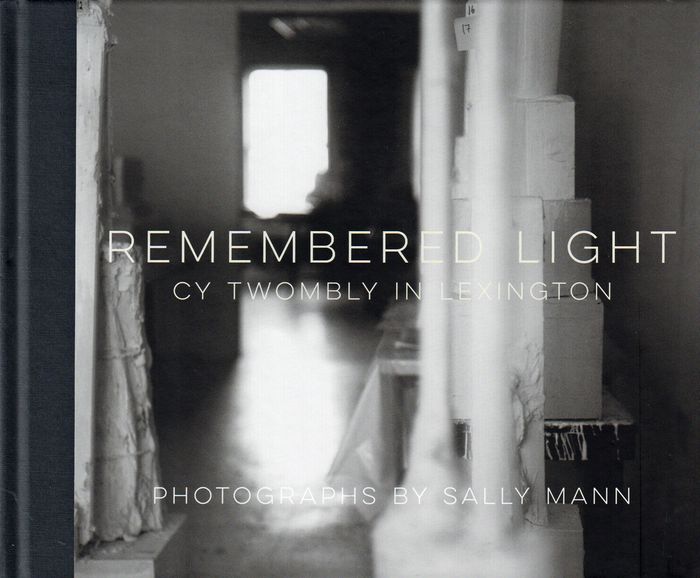
The artists Cy Twombly and Sally Mann may at first seem an unlikely pairing. He was a leading contemporary artist who defied easy categorization, a painter and sculptor whose enigmatic work often referenced mythology and epic poetry. She is a photographer with an uncanny ability to tap raw human emotion, whether depicting members of her family or the landscape of the American South. What they had in common was place—both grew up in rural Lexington, Virginia, where Twombly kept a studio and produced some of his most important work until his death in 2011, and where Mann has lived and worked all her life.Over the course of several years, Mann photographed inside Twombly’s studio. The result is a rare insider’s view of Twombly’s process—we sense him in the room at every turn, although he is always just beyond the frame—and a poetic dialogue between two artistic visions.
Remembered light: Cy Twombly in Lexington
Actions:
Prix:
$62.50
(disponible sur commande)
Résumé:
The artists Cy Twombly and Sally Mann may at first seem an unlikely pairing. He was a leading contemporary artist who defied easy categorization, a painter and sculptor whose enigmatic work often referenced mythology and epic poetry. She is a photographer with an uncanny ability to tap raw human emotion, whether depicting members of her family or the landscape of the American South. What they had in common was place—both grew up in rural Lexington, Virginia, where Twombly kept a studio and produced some of his most important work until his death in 2011, and where Mann has lived and worked all her life.Over the course of several years, Mann photographed inside Twombly’s studio. The result is a rare insider’s view of Twombly’s process—we sense him in the room at every turn, although he is always just beyond the frame—and a poetic dialogue between two artistic visions.
Classification:
livres
livres
Publication:
octobre 2016
octobre 2016
Classification:
livres
livres
Actions:
Prix:
$47.95
(disponible sur commande)
Résumé:
Cornelia Brierly was one of the first apprentices to attend Frank Lloyd Wright's school of architecture. Before long, she was a working colleague of the master architect; during the last thirty years of his career, she made important design contributions to many of his building projects. Brierly has spent most of her life at Wright's Taliesin (Wisconsin) and Taliesin(...)
$47.95
(disponible sur commande)
Résumé:
Cornelia Brierly was one of the first apprentices to attend Frank Lloyd Wright's school of architecture. Before long, she was a working colleague of the master architect; during the last thirty years of his career, she made important design contributions to many of his building projects. Brierly has spent most of her life at Wright's Taliesin (Wisconsin) and Taliesin(...)
Titre:
Tales of Taliesin : a memoir of fellowship
Actions:
Prix:
$47.95
(disponible sur commande)
Résumé:
Cornelia Brierly was one of the first apprentices to attend Frank Lloyd Wright's school of architecture. Before long, she was a working colleague of the master architect; during the last thirty years of his career, she made important design contributions to many of his building projects. Brierly has spent most of her life at Wright's Taliesin (Wisconsin) and Taliesin West (Arizona). This illustrated memoir tells the story of nearly seventy years spent with the Taliesin Fellowship. It is an important work, not only because of the author's closeness to the twentieth century's foremost architect but because she has observed at first hand the unfolding of organic architecture -- Wright's design precepts made manifest. In an affectionate, honest, and preceptive book, she celebrates the fellowship as a way of life and brings to life a vibrant community that is still going strong, forty years after Wright's death.
Tales of Taliesin : a memoir of fellowship
Actions:
Prix:
$47.95
(disponible sur commande)
Résumé:
Cornelia Brierly was one of the first apprentices to attend Frank Lloyd Wright's school of architecture. Before long, she was a working colleague of the master architect; during the last thirty years of his career, she made important design contributions to many of his building projects. Brierly has spent most of her life at Wright's Taliesin (Wisconsin) and Taliesin West (Arizona). This illustrated memoir tells the story of nearly seventy years spent with the Taliesin Fellowship. It is an important work, not only because of the author's closeness to the twentieth century's foremost architect but because she has observed at first hand the unfolding of organic architecture -- Wright's design precepts made manifest. In an affectionate, honest, and preceptive book, she celebrates the fellowship as a way of life and brings to life a vibrant community that is still going strong, forty years after Wright's death.
Classification:
livres
livres
Publication:
janvier 1900, Rohnert Park
janvier 1900, Rohnert Park
Sujet:
Architecture, monographies
Architecture, monographies
Classification:
livres
livres
Actions:
Prix:
$39.95
(disponible sur commande)
Résumé:
The death of Robert Smithson in 1973 robbed postwar American art of an unusually creative practitioner and thinker. Smithson's pioneering earthworks of the 1960s and 1970s anticipated contemporary concerns with environmentalism and the site-specific character of artistic production. His interrogation of authorship, the linear historiography of high modernism, and the(...)
$39.95
(disponible sur commande)
Résumé:
The death of Robert Smithson in 1973 robbed postwar American art of an unusually creative practitioner and thinker. Smithson's pioneering earthworks of the 1960s and 1970s anticipated contemporary concerns with environmentalism and the site-specific character of artistic production. His interrogation of authorship, the linear historiography of high modernism, and the(...)
Titre:
Earthwards. Robert Smithson and art after Babel
Actions:
Prix:
$39.95
(disponible sur commande)
Résumé:
The death of Robert Smithson in 1973 robbed postwar American art of an unusually creative practitioner and thinker. Smithson's pioneering earthworks of the 1960s and 1970s anticipated contemporary concerns with environmentalism and the site-specific character of artistic production. His interrogation of authorship, the linear historiography of high modernism, and the limitations of the museum prefigures key themes in postmodern criticism while underscoring the uniqueness of Smithson's own work as an artist, filmmaker, and writer. Gary Shapiro's elegant and incisive study of Smithson's career is the first book to address the full range of the artist's dazzling virtuosity. Ranging from Smithson's best known works such as Spiral Jetty and Partially Buried Woodshed to his photographs, films, and theoretical readings and writings, Shapiro's masterful book analyzes Smithson's art in relation to the legacy of American art of the 1960s and central philosophical themes in its contemporary reception.
Earthwards. Robert Smithson and art after Babel
Actions:
Prix:
$39.95
(disponible sur commande)
Résumé:
The death of Robert Smithson in 1973 robbed postwar American art of an unusually creative practitioner and thinker. Smithson's pioneering earthworks of the 1960s and 1970s anticipated contemporary concerns with environmentalism and the site-specific character of artistic production. His interrogation of authorship, the linear historiography of high modernism, and the limitations of the museum prefigures key themes in postmodern criticism while underscoring the uniqueness of Smithson's own work as an artist, filmmaker, and writer. Gary Shapiro's elegant and incisive study of Smithson's career is the first book to address the full range of the artist's dazzling virtuosity. Ranging from Smithson's best known works such as Spiral Jetty and Partially Buried Woodshed to his photographs, films, and theoretical readings and writings, Shapiro's masterful book analyzes Smithson's art in relation to the legacy of American art of the 1960s and central philosophical themes in its contemporary reception.
Classification:
livres
livres
Publication:
novembre 1997
novembre 1997
Sujet:
Land Art
Land Art
Classification:
livres
livres
Actions:
Prix:
$32.00
(disponible en magasin)
Résumé:
Navigation begins where the map becomes indecipherable. Navigation operates on a plane of immanence in constant motion. Instead of framing or representing the world, the art of navigation continuously updates and adjusts multiple frames from viewpoints within and beyond the world. Navigation is thus an operational practice of synthesizing various orders of(...)
$32.00
(disponible en magasin)
Résumé:
Navigation begins where the map becomes indecipherable. Navigation operates on a plane of immanence in constant motion. Instead of framing or representing the world, the art of navigation continuously updates and adjusts multiple frames from viewpoints within and beyond the world. Navigation is thus an operational practice of synthesizing various orders of(...)
Titre:
Navigation beyond vision: e-flux journal
Actions:
Prix:
$32.00
(disponible en magasin)
Résumé:
Navigation begins where the map becomes indecipherable. Navigation operates on a plane of immanence in constant motion. Instead of framing or representing the world, the art of navigation continuously updates and adjusts multiple frames from viewpoints within and beyond the world. Navigation is thus an operational practice of synthesizing various orders of magnitude. Only a few weeks prior to his untimely death in 2014, Harun Farocki briefly referred to navigation as a contemporary challenge to montage—editing distinct sections of film into a continuous sequence—as the dominant paradigm of techno-political visuality. For Farocki, the computer-animated, navigable images that constitute the twenty-first century's "ruling class of images" call for new tools of analysis, prompting him to ask: How does the shift from montage to navigation alter the way images—and art—operate as models of political action and modes of political intervention?
Navigation beyond vision: e-flux journal
Actions:
Prix:
$32.00
(disponible en magasin)
Résumé:
Navigation begins where the map becomes indecipherable. Navigation operates on a plane of immanence in constant motion. Instead of framing or representing the world, the art of navigation continuously updates and adjusts multiple frames from viewpoints within and beyond the world. Navigation is thus an operational practice of synthesizing various orders of magnitude. Only a few weeks prior to his untimely death in 2014, Harun Farocki briefly referred to navigation as a contemporary challenge to montage—editing distinct sections of film into a continuous sequence—as the dominant paradigm of techno-political visuality. For Farocki, the computer-animated, navigable images that constitute the twenty-first century's "ruling class of images" call for new tools of analysis, prompting him to ask: How does the shift from montage to navigation alter the way images—and art—operate as models of political action and modes of political intervention?
Classification:
livres
livres
Publication:
novembre 2023
novembre 2023
Sujet:
Théorie/ philosophie
Théorie/ philosophie
Classification:
livres
livres
Titre:
10 years in art publishing
10 years in art publishing
Actions:
Prix:
$17.50
(disponible sur commande)
Résumé:
This A-Z "memoir about art publishing" celebrates the ten-year anniversary of JRP|Ringier, created in 2004 by Swiss art curator Lionel Bovier and Ringier AG owner Michael Ringier. With 632 books and 1,800 authors published, 20,000 printing hours, 4,000 tons of books transported and one million sold, JRP|Ringier continues to work collaboratively with contemporary artists(...)
$17.50
(disponible sur commande)
Résumé:
This A-Z "memoir about art publishing" celebrates the ten-year anniversary of JRP|Ringier, created in 2004 by Swiss art curator Lionel Bovier and Ringier AG owner Michael Ringier. With 632 books and 1,800 authors published, 20,000 printing hours, 4,000 tons of books transported and one million sold, JRP|Ringier continues to work collaboratively with contemporary artists(...)
Titre:
10 years in art publishing
Actions:
Prix:
$17.50
(disponible sur commande)
Résumé:
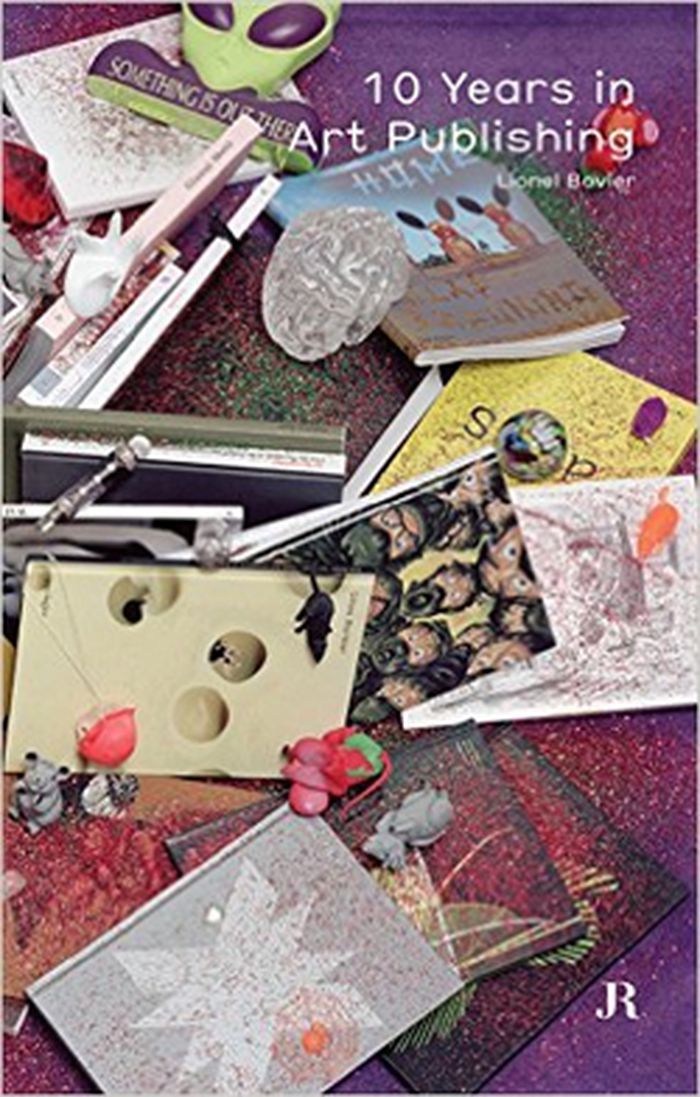
This A-Z "memoir about art publishing" celebrates the ten-year anniversary of JRP|Ringier, created in 2004 by Swiss art curator Lionel Bovier and Ringier AG owner Michael Ringier. With 632 books and 1,800 authors published, 20,000 printing hours, 4,000 tons of books transported and one million sold, JRP|Ringier continues to work collaboratively with contemporary artists to produce carefully curated, high-quality publications. The book goes from A for Art Publisher and B for Books to Y for Yellowpress and Z for Zombie Books ("projects that are in the state of non-death: they are not officially stopped, so they weigh on you, on your program's list, being revived every now and then by someone who does not want them to die, without being able to make them exist") and is illustrated with images of signings and on-press scenes. This volume is published in the Hapax series.
10 years in art publishing
Actions:
Prix:
$17.50
(disponible sur commande)
Résumé:
This A-Z "memoir about art publishing" celebrates the ten-year anniversary of JRP|Ringier, created in 2004 by Swiss art curator Lionel Bovier and Ringier AG owner Michael Ringier. With 632 books and 1,800 authors published, 20,000 printing hours, 4,000 tons of books transported and one million sold, JRP|Ringier continues to work collaboratively with contemporary artists to produce carefully curated, high-quality publications. The book goes from A for Art Publisher and B for Books to Y for Yellowpress and Z for Zombie Books ("projects that are in the state of non-death: they are not officially stopped, so they weigh on you, on your program's list, being revived every now and then by someone who does not want them to die, without being able to make them exist") and is illustrated with images of signings and on-press scenes. This volume is published in the Hapax series.
Classification:
livres
livres
Publication:
juin 2015
juin 2015


