


4309 Results
Form:
textual records
textual records
Actions:
Reference number:
ARCH258799
Description:
Correspondance, incluant des plans, des rapports, des dessins, des notes et calculs relatifs à l'Institut de Cardiologie (Gaston Ganier, architecte), la distribution de chaleur de l'université, « Anatomie », utilisation du bloc ouest, documents de la Ville de Montréal, des plans de Ludger Venne. Comprend aussi des calculs du « Bibliothèque », « Sports de plein air », « Gymnase », « Centre social », et résidences.
ARCH258799
Description:
Correspondance, incluant des plans, des rapports, des dessins, des notes et calculs relatifs à l'Institut de Cardiologie (Gaston Ganier, architecte), la distribution de chaleur de l'université, « Anatomie », utilisation du bloc ouest, documents de la Ville de Montréal, des plans de Ludger Venne. Comprend aussi des calculs du « Bibliothèque », « Sports de plein air », « Gymnase », « Centre social », et résidences.
People:
Date:
1960-1961
1960-1961
Title:
Correspondance, rapports et notes relatives à l'Institute de Cardiologie
Actions:
ARCH258799
Description:
Correspondance, incluant des plans, des rapports, des dessins, des notes et calculs relatifs à l'Institut de Cardiologie (Gaston Ganier, architecte), la distribution de chaleur de l'université, « Anatomie », utilisation du bloc ouest, documents de la Ville de Montréal, des plans de Ludger Venne. Comprend aussi des calculs du « Bibliothèque », « Sports de plein air », « Gymnase », « Centre social », et résidences.
Correspondance, rapports et notes relatives à l'Institute de Cardiologie
Actions:
ARCH258799
Description:
Correspondance, incluant des plans, des rapports, des dessins, des notes et calculs relatifs à l'Institut de Cardiologie (Gaston Ganier, architecte), la distribution de chaleur de l'université, « Anatomie », utilisation du bloc ouest, documents de la Ville de Montréal, des plans de Ludger Venne. Comprend aussi des calculs du « Bibliothèque », « Sports de plein air », « Gymnase », « Centre social », et résidences.
Form:
textual records
textual records
Date:
1960-1961
1960-1961
People:
Form:
events
events
Actions:
Description:
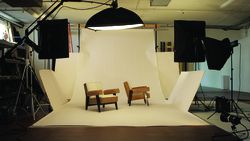
American artist Amie Siegel’s moving image work Provenance (2013) follows the global trade of furniture from Chandigarh in reverse: from the homes of collectors in Europe and North America to sale at auction, restoration, through overseas transport and finally back to India. Originally designed by Le Corbusier and Pierre Jeanneret, the Chandigarh furniture now sells(...)
American artist Amie Siegel’s moving image work Provenance (2013) follows the global trade of furniture from Chandigarh in reverse: from the homes of collectors in Europe and North America to sale at auction, restoration, through overseas transport and finally back to India. Originally designed by Le Corbusier and Pierre Jeanneret, the Chandigarh furniture now sells(...)
Date:
24 April 2014 , 6pm
24 April 2014 , 6pm
Title:
Artist’s Talk: Amie Siegel, Provenance
Actions:
Description:
American artist Amie Siegel’s moving image work Provenance (2013) follows the global trade of furniture from Chandigarh in reverse: from the homes of collectors in Europe and North America to sale at auction, restoration, through overseas transport and finally back to India. Originally designed by Le Corbusier and Pierre Jeanneret, the Chandigarh furniture now sells(...)
Artist’s Talk: Amie Siegel, Provenance
Actions:
Description:
American artist Amie Siegel’s moving image work Provenance (2013) follows the global trade of furniture from Chandigarh in reverse: from the homes of collectors in Europe and North America to sale at auction, restoration, through overseas transport and finally back to India. Originally designed by Le Corbusier and Pierre Jeanneret, the Chandigarh furniture now sells(...)
Form:
events
events
Date:
24 April 2014
6pm
24 April 2014
6pm
Form:
archives
Level of archival description:
Fonds
archives
Level of archival description:
Fonds
Actions:
Reference number:
AP106
Synopsis:
The Faubourg Québec project records, 1989-1994, document the redevelopment of Faubourg Québec, a 30 acre site east of the Old Port of Montréal, into an urban residential neighbourhood. Materials in these project records consist of approximately 253 drawings (including reprographic copies) and 0.33 of l.m. textual materials.
AP106
Synopsis:
The Faubourg Québec project records, 1989-1994, document the redevelopment of Faubourg Québec, a 30 acre site east of the Old Port of Montréal, into an urban residential neighbourhood. Materials in these project records consist of approximately 253 drawings (including reprographic copies) and 0.33 of l.m. textual materials.
People:
Date:
1989-1994
1989-1994
Title:
Faubourg Québec project records
Actions:
AP106
Synopsis:
The Faubourg Québec project records, 1989-1994, document the redevelopment of Faubourg Québec, a 30 acre site east of the Old Port of Montréal, into an urban residential neighbourhood. Materials in these project records consist of approximately 253 drawings (including reprographic copies) and 0.33 of l.m. textual materials.
Faubourg Québec project records
Actions:
AP106
Synopsis:
The Faubourg Québec project records, 1989-1994, document the redevelopment of Faubourg Québec, a 30 acre site east of the Old Port of Montréal, into an urban residential neighbourhood. Materials in these project records consist of approximately 253 drawings (including reprographic copies) and 0.33 of l.m. textual materials.
Form:
archives
Level of archival description:
Fonds
archives
Level of archival description:
Fonds
Date:
1989-1994
1989-1994
People:
Form:
graphic materials
graphic materials
Reference number:
ARCH153788
Description:
Various posters advertising IAUS exhibitions: Clorindo Testa: Architecture and Personal Mythology; November 9 to 25, 1981 (2) Office for Metropolitan Architecture: Toward a modern (re)construction of the European City - Four Housing Projects; March 12 to May 28, 1982 (2) Princeton's Beaux-Arts and its New Academicism from Labatut to the Program of Geddes - An Exhibition of Original Drawings over Fifty Years; January 27 to February 18 [?] (2) Gwathmey Siegel Architects : Twenty-four Residences; December 15, 1977 to January 15, 1978 (2) O.M. Ungers : An Exhibition of Architecture, May 6 to May 31, 1977 (2) Philip Johnson: Processes, September 12 to October 31, 1978 (2) Wallace Harrison: Fifty Years of Architecture, December 13, 1979 to January 13, 1980 (1) On Style - Two Evenings at the IAUS, December 6 and 8, 1982; [The Portland Building by Michael Graves] (2)
ARCH153788
Description:
Various posters advertising IAUS exhibitions: Clorindo Testa: Architecture and Personal Mythology; November 9 to 25, 1981 (2) Office for Metropolitan Architecture: Toward a modern (re)construction of the European City - Four Housing Projects; March 12 to May 28, 1982 (2) Princeton's Beaux-Arts and its New Academicism from Labatut to the Program of Geddes - An Exhibition of Original Drawings over Fifty Years; January 27 to February 18 [?] (2) Gwathmey Siegel Architects : Twenty-four Residences; December 15, 1977 to January 15, 1978 (2) O.M. Ungers : An Exhibition of Architecture, May 6 to May 31, 1977 (2) Philip Johnson: Processes, September 12 to October 31, 1978 (2) Wallace Harrison: Fifty Years of Architecture, December 13, 1979 to January 13, 1980 (1) On Style - Two Evenings at the IAUS, December 6 and 8, 1982; [The Portland Building by Michael Graves] (2)
People:
Date:
1977-1982
1977-1982
Title:
Various posters advertising IAUS exhibitions
Actions:
ARCH153788
Description:
Various posters advertising IAUS exhibitions: Clorindo Testa: Architecture and Personal Mythology; November 9 to 25, 1981 (2) Office for Metropolitan Architecture: Toward a modern (re)construction of the European City - Four Housing Projects; March 12 to May 28, 1982 (2) Princeton's Beaux-Arts and its New Academicism from Labatut to the Program of Geddes - An Exhibition of Original Drawings over Fifty Years; January 27 to February 18 [?] (2) Gwathmey Siegel Architects : Twenty-four Residences; December 15, 1977 to January 15, 1978 (2) O.M. Ungers : An Exhibition of Architecture, May 6 to May 31, 1977 (2) Philip Johnson: Processes, September 12 to October 31, 1978 (2) Wallace Harrison: Fifty Years of Architecture, December 13, 1979 to January 13, 1980 (1) On Style - Two Evenings at the IAUS, December 6 and 8, 1982; [The Portland Building by Michael Graves] (2)
Various posters advertising IAUS exhibitions
Actions:
ARCH153788
Description:
Various posters advertising IAUS exhibitions: Clorindo Testa: Architecture and Personal Mythology; November 9 to 25, 1981 (2) Office for Metropolitan Architecture: Toward a modern (re)construction of the European City - Four Housing Projects; March 12 to May 28, 1982 (2) Princeton's Beaux-Arts and its New Academicism from Labatut to the Program of Geddes - An Exhibition of Original Drawings over Fifty Years; January 27 to February 18 [?] (2) Gwathmey Siegel Architects : Twenty-four Residences; December 15, 1977 to January 15, 1978 (2) O.M. Ungers : An Exhibition of Architecture, May 6 to May 31, 1977 (2) Philip Johnson: Processes, September 12 to October 31, 1978 (2) Wallace Harrison: Fifty Years of Architecture, December 13, 1979 to January 13, 1980 (1) On Style - Two Evenings at the IAUS, December 6 and 8, 1982; [The Portland Building by Michael Graves] (2)
Form:
graphic materials
graphic materials
Date:
1977-1982
1977-1982
People:
Form:
articles
articles
Actions:
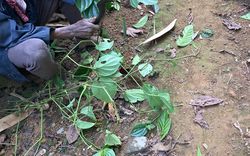
Pujita Guha on how Khasis build worlds in the forest
Keyword(s):
Khasi, Khasis, forest, Zomia, living root bridge, Tyrna, Pujita Guha, Meghalaya, ficus elastica, bamboo, Zomia Garden, Emerging Curator Residency Program, Yutong Lin
Khasi, Khasis, forest, Zomia, living root bridge, Tyrna, Pujita Guha, Meghalaya, ficus elastica, bamboo, Zomia Garden, Emerging Curator Residency Program, Yutong Lin
Published:
23 June 2025
23 June 2025
Title:
Siej, Jri Bramon, and other plants
Pujita Guha on how Khasis build worlds in the forest
Actions:
Siej, Jri Bramon, and other plants
Pujita Guha on how Khasis build worlds in the forest
Actions:
Form:
archives
Level of archival description:
Fonds
archives
Level of archival description:
Fonds
Title:
PGL architectes fonds
PGL architectes fonds
Actions:
Reference number:
AP014
Synopsis:
Le fonds PGL architectes, 1959 – 1994, témoigne des activités de la firme d’architecture montréalaise, Papineau Gérin-Lajoie Le Blanc architectes, autant que ses sociétés affiliées et firmes remplaçantes. La majorité du fonds comprend des documents qui représentent 70 projets architecturaux, incluant des projets entrepris à travers le Québec, à Ottawa, à de multiples endroits au Nunavut, ainsi que des projets internationaux. Le fonds met en évidence la participation du PGL dans la construction d'infrastructure coloniale au Nunavik et au Nunavut, y compris les travaux sur des écoles associées avec des foyers fédéraux, qui sont reconnus comme faisant partie du système des pensionnats autochtones du Canada. De plus, le fonds documente l’utilisation des panneaux de fibre de verre modulaires employés par PGL. Pour la plupart, les documents dans ce fonds se composent des dessins, des documents photographiques, et des documents textuels. _____________________________________________________________________________________________________________ The PGL architectes fonds, 1959 - 1994, documents the work and activities of the Montréal-based architecture firm, Papineau Gérin-Lajoie Le Blanc architectes, and its successor and affiliate companies. The records within this fonds represent 70 architectural projects undertaken by the firm, which include projects throughout Québec, Ottawa, and various locations in Nunavut, as well as some international projects. The fonds offers evidence of PGL’s participation in the construction of colonial infrastructure in Nunavik and Nunavut, including work on schools that are connected to Federal Hostels which are recognised as part of Canada's Indian Residential School system. The fonds also contains records documenting PGL’s use of modular, fiberglass-reinforced plastic panels in construction. The records within this fonds largely consist of drawings, photographic materials, and textual records.
AP014
Synopsis:
Le fonds PGL architectes, 1959 – 1994, témoigne des activités de la firme d’architecture montréalaise, Papineau Gérin-Lajoie Le Blanc architectes, autant que ses sociétés affiliées et firmes remplaçantes. La majorité du fonds comprend des documents qui représentent 70 projets architecturaux, incluant des projets entrepris à travers le Québec, à Ottawa, à de multiples endroits au Nunavut, ainsi que des projets internationaux. Le fonds met en évidence la participation du PGL dans la construction d'infrastructure coloniale au Nunavik et au Nunavut, y compris les travaux sur des écoles associées avec des foyers fédéraux, qui sont reconnus comme faisant partie du système des pensionnats autochtones du Canada. De plus, le fonds documente l’utilisation des panneaux de fibre de verre modulaires employés par PGL. Pour la plupart, les documents dans ce fonds se composent des dessins, des documents photographiques, et des documents textuels. _____________________________________________________________________________________________________________ The PGL architectes fonds, 1959 - 1994, documents the work and activities of the Montréal-based architecture firm, Papineau Gérin-Lajoie Le Blanc architectes, and its successor and affiliate companies. The records within this fonds represent 70 architectural projects undertaken by the firm, which include projects throughout Québec, Ottawa, and various locations in Nunavut, as well as some international projects. The fonds offers evidence of PGL’s participation in the construction of colonial infrastructure in Nunavik and Nunavut, including work on schools that are connected to Federal Hostels which are recognised as part of Canada's Indian Residential School system. The fonds also contains records documenting PGL’s use of modular, fiberglass-reinforced plastic panels in construction. The records within this fonds largely consist of drawings, photographic materials, and textual records.
People:
Date:
1959 - 1994
1959 - 1994
Title:
PGL architectes fonds
Actions:
AP014
Synopsis:
Le fonds PGL architectes, 1959 – 1994, témoigne des activités de la firme d’architecture montréalaise, Papineau Gérin-Lajoie Le Blanc architectes, autant que ses sociétés affiliées et firmes remplaçantes. La majorité du fonds comprend des documents qui représentent 70 projets architecturaux, incluant des projets entrepris à travers le Québec, à Ottawa, à de multiples endroits au Nunavut, ainsi que des projets internationaux. Le fonds met en évidence la participation du PGL dans la construction d'infrastructure coloniale au Nunavik et au Nunavut, y compris les travaux sur des écoles associées avec des foyers fédéraux, qui sont reconnus comme faisant partie du système des pensionnats autochtones du Canada. De plus, le fonds documente l’utilisation des panneaux de fibre de verre modulaires employés par PGL. Pour la plupart, les documents dans ce fonds se composent des dessins, des documents photographiques, et des documents textuels. _____________________________________________________________________________________________________________ The PGL architectes fonds, 1959 - 1994, documents the work and activities of the Montréal-based architecture firm, Papineau Gérin-Lajoie Le Blanc architectes, and its successor and affiliate companies. The records within this fonds represent 70 architectural projects undertaken by the firm, which include projects throughout Québec, Ottawa, and various locations in Nunavut, as well as some international projects. The fonds offers evidence of PGL’s participation in the construction of colonial infrastructure in Nunavik and Nunavut, including work on schools that are connected to Federal Hostels which are recognised as part of Canada's Indian Residential School system. The fonds also contains records documenting PGL’s use of modular, fiberglass-reinforced plastic panels in construction. The records within this fonds largely consist of drawings, photographic materials, and textual records.
PGL architectes fonds
Actions:
AP014
Synopsis:
Le fonds PGL architectes, 1959 – 1994, témoigne des activités de la firme d’architecture montréalaise, Papineau Gérin-Lajoie Le Blanc architectes, autant que ses sociétés affiliées et firmes remplaçantes. La majorité du fonds comprend des documents qui représentent 70 projets architecturaux, incluant des projets entrepris à travers le Québec, à Ottawa, à de multiples endroits au Nunavut, ainsi que des projets internationaux. Le fonds met en évidence la participation du PGL dans la construction d'infrastructure coloniale au Nunavik et au Nunavut, y compris les travaux sur des écoles associées avec des foyers fédéraux, qui sont reconnus comme faisant partie du système des pensionnats autochtones du Canada. De plus, le fonds documente l’utilisation des panneaux de fibre de verre modulaires employés par PGL. Pour la plupart, les documents dans ce fonds se composent des dessins, des documents photographiques, et des documents textuels. _____________________________________________________________________________________________________________ The PGL architectes fonds, 1959 - 1994, documents the work and activities of the Montréal-based architecture firm, Papineau Gérin-Lajoie Le Blanc architectes, and its successor and affiliate companies. The records within this fonds represent 70 architectural projects undertaken by the firm, which include projects throughout Québec, Ottawa, and various locations in Nunavut, as well as some international projects. The fonds offers evidence of PGL’s participation in the construction of colonial infrastructure in Nunavik and Nunavut, including work on schools that are connected to Federal Hostels which are recognised as part of Canada's Indian Residential School system. The fonds also contains records documenting PGL’s use of modular, fiberglass-reinforced plastic panels in construction. The records within this fonds largely consist of drawings, photographic materials, and textual records.
Form:
archives
Level of archival description:
Fonds
archives
Level of archival description:
Fonds
Date:
1959 - 1994
1959 - 1994
People:
Level of archival description:
Sub-series
Sub-series
Title:
Domestic Commissions
Domestic Commissions
Reference number:
CI001.S2.D2
Description:
Hubert and Charles Rohault de Fleury received domestic commissions for both urban housing -hôtel particuliers and apartment houses- and rural dwellings -châteaux, country houses and estates. Hubert also executed designs for furniture and garden pavilions. Hubert' work is characterized by restrained classical exteriors and luxurious Empire style interiors; both Charles' exteriors and interiors, especially those for Hôtels Sauvage and Soltykoff, reflect the exuberance of the Second Empire. The CCA albums include drawings from all stages of the design process but with an emphasis on design development drawings. Hubert's albums contain cost calculations and estimates, notes and letters. In general, the drawings by Charles are from a more developed phase of design than Hubert's; Hubert's commissions are more varied than Charles'. Charles' Hôtel Soltykoff (1854)(DR1974:0002:003:001-105) is exemplary of the Second Empire not only in its architectural language, programme and interior decoration, but also its use of mixed stone and iron construction. The album for Hôtel Soltykoff is one of the most comprehensive in the CCA collection. The drawings incorporate several phases of the design process from conceptual ideas to post-construction revisions. Numerous drawings for the structure and exterior ornamentation are included as well as drawings for the embellishment of the interior spaces. The interior drawings are especially interesting for evidence they provide of the palette of colours and ornamental motifs utilized in the Second Empire. Several prints (plates XIX - XXIII) in 'Oeuvre de C. Rohault de Fleury, architecte', which include general plans and elevations (few of which are included in the Hôtel Solytkoff album), are a useful complement to more specific drawings in the album. The Hôtel Sauvage (ca. 1862) album (DR1974:0002:006:001-024) - a set of 24 contract drawings- consists exclusively general plans, sections and elevations. This group of drawings give a good overall sense of both the interior and exterior. Hôtel Sauvage, like Hôtel Soltykoff is also typical of the Second Empire in style and programme. Château de Marcoussis (ca. 1861), for which a group of drawings were acquired in 1986, diverges somewhat in character from the other examples of Charles' domestic works represented in the CCA collection (DR1986:0379 - DR1986:0413). While most of the other houses are strictly classical in planning and design, for Château de Marcoussis, Charles adopted a more romantic asymmetrical château style design. The domestic commissions (1838-1856) in album, DR1974:0002:002:001-094, roughly fall into two categories. The first category consists of single residences - both town and country. The regimentation of plans and façades in the hôtel particular and country houses manifests the continued influence of Durand, yet Charles was also clearly affected by the Second Empire propensity for elaborate façade treatments with decoratively-shaped windows, complex mouldings and extensive rustication. The second category consists of urban apartment building with stores or occasionally offices on the ground floor, apartments, generally two per floor, above and often servants' rooms in the attic. These buildings are articulated in a restrained manner with mouldings, decorative ironwork and some stone ornament.
CI001.S2.D2
Description:
Hubert and Charles Rohault de Fleury received domestic commissions for both urban housing -hôtel particuliers and apartment houses- and rural dwellings -châteaux, country houses and estates. Hubert also executed designs for furniture and garden pavilions. Hubert' work is characterized by restrained classical exteriors and luxurious Empire style interiors; both Charles' exteriors and interiors, especially those for Hôtels Sauvage and Soltykoff, reflect the exuberance of the Second Empire. The CCA albums include drawings from all stages of the design process but with an emphasis on design development drawings. Hubert's albums contain cost calculations and estimates, notes and letters. In general, the drawings by Charles are from a more developed phase of design than Hubert's; Hubert's commissions are more varied than Charles'. Charles' Hôtel Soltykoff (1854)(DR1974:0002:003:001-105) is exemplary of the Second Empire not only in its architectural language, programme and interior decoration, but also its use of mixed stone and iron construction. The album for Hôtel Soltykoff is one of the most comprehensive in the CCA collection. The drawings incorporate several phases of the design process from conceptual ideas to post-construction revisions. Numerous drawings for the structure and exterior ornamentation are included as well as drawings for the embellishment of the interior spaces. The interior drawings are especially interesting for evidence they provide of the palette of colours and ornamental motifs utilized in the Second Empire. Several prints (plates XIX - XXIII) in 'Oeuvre de C. Rohault de Fleury, architecte', which include general plans and elevations (few of which are included in the Hôtel Solytkoff album), are a useful complement to more specific drawings in the album. The Hôtel Sauvage (ca. 1862) album (DR1974:0002:006:001-024) - a set of 24 contract drawings- consists exclusively general plans, sections and elevations. This group of drawings give a good overall sense of both the interior and exterior. Hôtel Sauvage, like Hôtel Soltykoff is also typical of the Second Empire in style and programme. Château de Marcoussis (ca. 1861), for which a group of drawings were acquired in 1986, diverges somewhat in character from the other examples of Charles' domestic works represented in the CCA collection (DR1986:0379 - DR1986:0413). While most of the other houses are strictly classical in planning and design, for Château de Marcoussis, Charles adopted a more romantic asymmetrical château style design. The domestic commissions (1838-1856) in album, DR1974:0002:002:001-094, roughly fall into two categories. The first category consists of single residences - both town and country. The regimentation of plans and façades in the hôtel particular and country houses manifests the continued influence of Durand, yet Charles was also clearly affected by the Second Empire propensity for elaborate façade treatments with decoratively-shaped windows, complex mouldings and extensive rustication. The second category consists of urban apartment building with stores or occasionally offices on the ground floor, apartments, generally two per floor, above and often servants' rooms in the attic. These buildings are articulated in a restrained manner with mouldings, decorative ironwork and some stone ornament.
People:
Date:
[between 1838 and 1861]
[between 1838 and 1861]
Title:
Domestic Commissions
CI001.S2.D2
Description:
Hubert and Charles Rohault de Fleury received domestic commissions for both urban housing -hôtel particuliers and apartment houses- and rural dwellings -châteaux, country houses and estates. Hubert also executed designs for furniture and garden pavilions. Hubert' work is characterized by restrained classical exteriors and luxurious Empire style interiors; both Charles' exteriors and interiors, especially those for Hôtels Sauvage and Soltykoff, reflect the exuberance of the Second Empire. The CCA albums include drawings from all stages of the design process but with an emphasis on design development drawings. Hubert's albums contain cost calculations and estimates, notes and letters. In general, the drawings by Charles are from a more developed phase of design than Hubert's; Hubert's commissions are more varied than Charles'. Charles' Hôtel Soltykoff (1854)(DR1974:0002:003:001-105) is exemplary of the Second Empire not only in its architectural language, programme and interior decoration, but also its use of mixed stone and iron construction. The album for Hôtel Soltykoff is one of the most comprehensive in the CCA collection. The drawings incorporate several phases of the design process from conceptual ideas to post-construction revisions. Numerous drawings for the structure and exterior ornamentation are included as well as drawings for the embellishment of the interior spaces. The interior drawings are especially interesting for evidence they provide of the palette of colours and ornamental motifs utilized in the Second Empire. Several prints (plates XIX - XXIII) in 'Oeuvre de C. Rohault de Fleury, architecte', which include general plans and elevations (few of which are included in the Hôtel Solytkoff album), are a useful complement to more specific drawings in the album. The Hôtel Sauvage (ca. 1862) album (DR1974:0002:006:001-024) - a set of 24 contract drawings- consists exclusively general plans, sections and elevations. This group of drawings give a good overall sense of both the interior and exterior. Hôtel Sauvage, like Hôtel Soltykoff is also typical of the Second Empire in style and programme. Château de Marcoussis (ca. 1861), for which a group of drawings were acquired in 1986, diverges somewhat in character from the other examples of Charles' domestic works represented in the CCA collection (DR1986:0379 - DR1986:0413). While most of the other houses are strictly classical in planning and design, for Château de Marcoussis, Charles adopted a more romantic asymmetrical château style design. The domestic commissions (1838-1856) in album, DR1974:0002:002:001-094, roughly fall into two categories. The first category consists of single residences - both town and country. The regimentation of plans and façades in the hôtel particular and country houses manifests the continued influence of Durand, yet Charles was also clearly affected by the Second Empire propensity for elaborate façade treatments with decoratively-shaped windows, complex mouldings and extensive rustication. The second category consists of urban apartment building with stores or occasionally offices on the ground floor, apartments, generally two per floor, above and often servants' rooms in the attic. These buildings are articulated in a restrained manner with mouldings, decorative ironwork and some stone ornament.
Domestic Commissions
CI001.S2.D2
Description:
Hubert and Charles Rohault de Fleury received domestic commissions for both urban housing -hôtel particuliers and apartment houses- and rural dwellings -châteaux, country houses and estates. Hubert also executed designs for furniture and garden pavilions. Hubert' work is characterized by restrained classical exteriors and luxurious Empire style interiors; both Charles' exteriors and interiors, especially those for Hôtels Sauvage and Soltykoff, reflect the exuberance of the Second Empire. The CCA albums include drawings from all stages of the design process but with an emphasis on design development drawings. Hubert's albums contain cost calculations and estimates, notes and letters. In general, the drawings by Charles are from a more developed phase of design than Hubert's; Hubert's commissions are more varied than Charles'. Charles' Hôtel Soltykoff (1854)(DR1974:0002:003:001-105) is exemplary of the Second Empire not only in its architectural language, programme and interior decoration, but also its use of mixed stone and iron construction. The album for Hôtel Soltykoff is one of the most comprehensive in the CCA collection. The drawings incorporate several phases of the design process from conceptual ideas to post-construction revisions. Numerous drawings for the structure and exterior ornamentation are included as well as drawings for the embellishment of the interior spaces. The interior drawings are especially interesting for evidence they provide of the palette of colours and ornamental motifs utilized in the Second Empire. Several prints (plates XIX - XXIII) in 'Oeuvre de C. Rohault de Fleury, architecte', which include general plans and elevations (few of which are included in the Hôtel Solytkoff album), are a useful complement to more specific drawings in the album. The Hôtel Sauvage (ca. 1862) album (DR1974:0002:006:001-024) - a set of 24 contract drawings- consists exclusively general plans, sections and elevations. This group of drawings give a good overall sense of both the interior and exterior. Hôtel Sauvage, like Hôtel Soltykoff is also typical of the Second Empire in style and programme. Château de Marcoussis (ca. 1861), for which a group of drawings were acquired in 1986, diverges somewhat in character from the other examples of Charles' domestic works represented in the CCA collection (DR1986:0379 - DR1986:0413). While most of the other houses are strictly classical in planning and design, for Château de Marcoussis, Charles adopted a more romantic asymmetrical château style design. The domestic commissions (1838-1856) in album, DR1974:0002:002:001-094, roughly fall into two categories. The first category consists of single residences - both town and country. The regimentation of plans and façades in the hôtel particular and country houses manifests the continued influence of Durand, yet Charles was also clearly affected by the Second Empire propensity for elaborate façade treatments with decoratively-shaped windows, complex mouldings and extensive rustication. The second category consists of urban apartment building with stores or occasionally offices on the ground floor, apartments, generally two per floor, above and often servants' rooms in the attic. These buildings are articulated in a restrained manner with mouldings, decorative ironwork and some stone ornament.
Level of archival description:
File 2
File 2
Date:
[between 1838 and 1861]
[between 1838 and 1861]
People:
Form:
articles
articles

Title:
In Suspicion of Thresholds
In Suspicion of Thresholds
Actions:
Tairan An, Pinar Kutluay, Samuel Dubois
Keyword(s):
toolkit for today 2021, doctoral program, research, in suspicion of, theory, Legalities for Living
toolkit for today 2021, doctoral program, research, in suspicion of, theory, Legalities for Living
Published:
18 September 2023
18 September 2023
Form:
textual records
textual records
Actions:
Reference number:
AP140.S2.SS5.P1
Description:
certificates, including Diploma, Award of a Medal for good design in Housing, presented to James Stirling and James Gowan for the Housing redevelopment in Avenham, Preston in 1963; American Institute of Architects, Certificate of Honor, The 1965 R. S. Reynolds Memorial Award, presented to James Stirling and James Gowan and to Leicester University for the Leicester University Engineering Building; Concrete Society Award, presented to James Stirling for the Students' residences, University of St. Andrews, in 1969; American Institute of Architects, Certificate of Honorary Fellowship presented to James Stirling in 1976; National Institute of Arts and Letters, Prize in Architecture, Arnold W. Brunner Award, presented to James Stirling in 1976; Bund Deutscher Architekten BDA, Honorary Membership; Bund Deutscher Architekten BDA, Landesverband Baden-Württemberg, Auszeichnung guter Bauten for the State Gallery Addition and New Chamber Theatre Competition project, presented in 1987; Royal Institute of British Architects, Regional Award 1988, Architecture Award, London Region, for the Clore Gallery in 1988; Bund Deutscher Architekten BDA, Hugo-Häring-Preis, awarded for the State Gallery Addition and New Chamber Theatre Competition project, in 1988; Civic Trust Awards, certificate awarded for the Clore Gallery in 1989.
AP140.S2.SS5.P1
Description:
certificates, including Diploma, Award of a Medal for good design in Housing, presented to James Stirling and James Gowan for the Housing redevelopment in Avenham, Preston in 1963; American Institute of Architects, Certificate of Honor, The 1965 R. S. Reynolds Memorial Award, presented to James Stirling and James Gowan and to Leicester University for the Leicester University Engineering Building; Concrete Society Award, presented to James Stirling for the Students' residences, University of St. Andrews, in 1969; American Institute of Architects, Certificate of Honorary Fellowship presented to James Stirling in 1976; National Institute of Arts and Letters, Prize in Architecture, Arnold W. Brunner Award, presented to James Stirling in 1976; Bund Deutscher Architekten BDA, Honorary Membership; Bund Deutscher Architekten BDA, Landesverband Baden-Württemberg, Auszeichnung guter Bauten for the State Gallery Addition and New Chamber Theatre Competition project, presented in 1987; Royal Institute of British Architects, Regional Award 1988, Architecture Award, London Region, for the Clore Gallery in 1988; Bund Deutscher Architekten BDA, Hugo-Häring-Preis, awarded for the State Gallery Addition and New Chamber Theatre Competition project, in 1988; Civic Trust Awards, certificate awarded for the Clore Gallery in 1989.
People:
Date:
1963-1989
1963-1989
Title:
Certificates, including diploma and a medal, for various awards and honours
Actions:
AP140.S2.SS5.P1
Description:
certificates, including Diploma, Award of a Medal for good design in Housing, presented to James Stirling and James Gowan for the Housing redevelopment in Avenham, Preston in 1963; American Institute of Architects, Certificate of Honor, The 1965 R. S. Reynolds Memorial Award, presented to James Stirling and James Gowan and to Leicester University for the Leicester University Engineering Building; Concrete Society Award, presented to James Stirling for the Students' residences, University of St. Andrews, in 1969; American Institute of Architects, Certificate of Honorary Fellowship presented to James Stirling in 1976; National Institute of Arts and Letters, Prize in Architecture, Arnold W. Brunner Award, presented to James Stirling in 1976; Bund Deutscher Architekten BDA, Honorary Membership; Bund Deutscher Architekten BDA, Landesverband Baden-Württemberg, Auszeichnung guter Bauten for the State Gallery Addition and New Chamber Theatre Competition project, presented in 1987; Royal Institute of British Architects, Regional Award 1988, Architecture Award, London Region, for the Clore Gallery in 1988; Bund Deutscher Architekten BDA, Hugo-Häring-Preis, awarded for the State Gallery Addition and New Chamber Theatre Competition project, in 1988; Civic Trust Awards, certificate awarded for the Clore Gallery in 1989.
Certificates, including diploma and a medal, for various awards and honours
Actions:
AP140.S2.SS5.P1
Description:
certificates, including Diploma, Award of a Medal for good design in Housing, presented to James Stirling and James Gowan for the Housing redevelopment in Avenham, Preston in 1963; American Institute of Architects, Certificate of Honor, The 1965 R. S. Reynolds Memorial Award, presented to James Stirling and James Gowan and to Leicester University for the Leicester University Engineering Building; Concrete Society Award, presented to James Stirling for the Students' residences, University of St. Andrews, in 1969; American Institute of Architects, Certificate of Honorary Fellowship presented to James Stirling in 1976; National Institute of Arts and Letters, Prize in Architecture, Arnold W. Brunner Award, presented to James Stirling in 1976; Bund Deutscher Architekten BDA, Honorary Membership; Bund Deutscher Architekten BDA, Landesverband Baden-Württemberg, Auszeichnung guter Bauten for the State Gallery Addition and New Chamber Theatre Competition project, presented in 1987; Royal Institute of British Architects, Regional Award 1988, Architecture Award, London Region, for the Clore Gallery in 1988; Bund Deutscher Architekten BDA, Hugo-Häring-Preis, awarded for the State Gallery Addition and New Chamber Theatre Competition project, in 1988; Civic Trust Awards, certificate awarded for the Clore Gallery in 1989.
Form:
textual records
textual records
Date:
1963-1989
1963-1989
People:
Form:
archives
Level of archival description:
Fonds
archives
Level of archival description:
Fonds
Reference number:
CP138
Synopsis:
The Gordon Matta-Clark collection documents the personal and professional activities of Gordon Matta-Clark through his correspondence, texts, library, artwork and films, created predominantly between 1969 and 1978. Additionally the collection contains correspondence and photographs collected by Anne Alpert, Matta-Clark's mother, and documentation on his work collected by his widow Jane Crawford following his death.
CP138
Synopsis:
The Gordon Matta-Clark collection documents the personal and professional activities of Gordon Matta-Clark through his correspondence, texts, library, artwork and films, created predominantly between 1969 and 1978. Additionally the collection contains correspondence and photographs collected by Anne Alpert, Matta-Clark's mother, and documentation on his work collected by his widow Jane Crawford following his death.
People:
Date:
1914-2008
1914-2008
Title:
Gordon Matta-Clark collection
Actions:
CP138
Synopsis:
The Gordon Matta-Clark collection documents the personal and professional activities of Gordon Matta-Clark through his correspondence, texts, library, artwork and films, created predominantly between 1969 and 1978. Additionally the collection contains correspondence and photographs collected by Anne Alpert, Matta-Clark's mother, and documentation on his work collected by his widow Jane Crawford following his death.
Gordon Matta-Clark collection
Actions:
CP138
Synopsis:
The Gordon Matta-Clark collection documents the personal and professional activities of Gordon Matta-Clark through his correspondence, texts, library, artwork and films, created predominantly between 1969 and 1978. Additionally the collection contains correspondence and photographs collected by Anne Alpert, Matta-Clark's mother, and documentation on his work collected by his widow Jane Crawford following his death.
Form:
archives
Level of archival description:
Collection
archives
Level of archival description:
Collection
Date:
1914-2008
1914-2008
People:


