


6349 Results
Form:
archives
Level of archival description:
Fonds
archives
Level of archival description:
Fonds
Reference number:
AP167
Synopsis:
The ONL [Oosterhuis_Lénárd] NSA Muscle project records, 1995-2013, contain approximately 5,000 digital working files for the NSA Muscle, a built prototype commissioned for the Non-Standard Architecture exhibition at the Centre George Pompidou in Paris in 2003. The NSA Muscle is a programmable structure that changes its shape and content in real time. The records are entirely digital, and include administrative files, CAD files, Virtools files, publicity materials and photographs. They document the planning, design development, construction and exhibition of the NSA Muscle and related projects.
AP167
Synopsis:
The ONL [Oosterhuis_Lénárd] NSA Muscle project records, 1995-2013, contain approximately 5,000 digital working files for the NSA Muscle, a built prototype commissioned for the Non-Standard Architecture exhibition at the Centre George Pompidou in Paris in 2003. The NSA Muscle is a programmable structure that changes its shape and content in real time. The records are entirely digital, and include administrative files, CAD files, Virtools files, publicity materials and photographs. They document the planning, design development, construction and exhibition of the NSA Muscle and related projects.
People:
Date:
1995-2013
1995-2013
Title:
ONL [Oosterhuis_Lénárd] NSA Muscle project records
Actions:
AP167
Synopsis:
The ONL [Oosterhuis_Lénárd] NSA Muscle project records, 1995-2013, contain approximately 5,000 digital working files for the NSA Muscle, a built prototype commissioned for the Non-Standard Architecture exhibition at the Centre George Pompidou in Paris in 2003. The NSA Muscle is a programmable structure that changes its shape and content in real time. The records are entirely digital, and include administrative files, CAD files, Virtools files, publicity materials and photographs. They document the planning, design development, construction and exhibition of the NSA Muscle and related projects.
ONL [Oosterhuis_Lénárd] NSA Muscle project records
Actions:
AP167
Synopsis:
The ONL [Oosterhuis_Lénárd] NSA Muscle project records, 1995-2013, contain approximately 5,000 digital working files for the NSA Muscle, a built prototype commissioned for the Non-Standard Architecture exhibition at the Centre George Pompidou in Paris in 2003. The NSA Muscle is a programmable structure that changes its shape and content in real time. The records are entirely digital, and include administrative files, CAD files, Virtools files, publicity materials and photographs. They document the planning, design development, construction and exhibition of the NSA Muscle and related projects.
Form:
archives
Level of archival description:
Fonds
archives
Level of archival description:
Fonds
Date:
1995-2013
1995-2013
People:
Form:
photographs
photographs
Title:
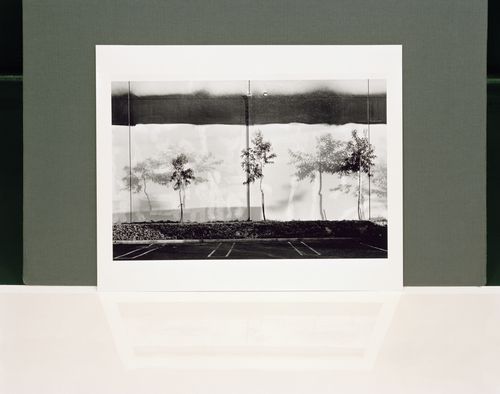
Questioning Pictures: Photograph of West Wall of Smicoa, Gelatin silver print by Lewis Baltz, 1974
Questioning Pictures: Photograph of West Wall of Smicoa, Gelatin silver print by Lewis Baltz, 1974
Actions:
Reference number:
PH2018:0005:027
Description:
Photograph by Stefano Graziani of the following work: Lewis Baltz, West Wall, Semicoa, 333 McCormick, Cosa Mesa from The New Industrial Parks near Irving, California, 1974, gelatin silver print, 20.3 x 24.5 cm, PH2001:0177, Canadian Centre for Architecture, © Estate of Lewis Baltz Questioning Pictures is a 36 photograph project commissioned by Fondazione Prada, Milan. Artist Stefano Graziani investigates archival and conservation systems in a number of museums. Through photographing museum objects, Graziani, focusing on the relationship between photographs, the museum objects and the power structures at play within institutions. The museums include the Canadian Centre for Architecture (CCA) in Montréal, Canada; Sir John Soane’s Museum in London, UK; the Kunstmuseum Basel, Switzerland; Museum Insel Hombroich in Neuss, Germany; the Museo di Castelvecchio in Verona, Italy; and the Plaster Cast Gallery at Museo Canova in Possagno, Italy.
PH2018:0005:027
Description:
Photograph by Stefano Graziani of the following work: Lewis Baltz, West Wall, Semicoa, 333 McCormick, Cosa Mesa from The New Industrial Parks near Irving, California, 1974, gelatin silver print, 20.3 x 24.5 cm, PH2001:0177, Canadian Centre for Architecture, © Estate of Lewis Baltz Questioning Pictures is a 36 photograph project commissioned by Fondazione Prada, Milan. Artist Stefano Graziani investigates archival and conservation systems in a number of museums. Through photographing museum objects, Graziani, focusing on the relationship between photographs, the museum objects and the power structures at play within institutions. The museums include the Canadian Centre for Architecture (CCA) in Montréal, Canada; Sir John Soane’s Museum in London, UK; the Kunstmuseum Basel, Switzerland; Museum Insel Hombroich in Neuss, Germany; the Museo di Castelvecchio in Verona, Italy; and the Plaster Cast Gallery at Museo Canova in Possagno, Italy.
People:
Date:
2017
2017
Title:
Questioning Pictures: Photograph of West Wall of Smicoa, Gelatin silver print by Lewis Baltz, 1974
Actions:
PH2018:0005:027
Description:
Photograph by Stefano Graziani of the following work: Lewis Baltz, West Wall, Semicoa, 333 McCormick, Cosa Mesa from The New Industrial Parks near Irving, California, 1974, gelatin silver print, 20.3 x 24.5 cm, PH2001:0177, Canadian Centre for Architecture, © Estate of Lewis Baltz Questioning Pictures is a 36 photograph project commissioned by Fondazione Prada, Milan. Artist Stefano Graziani investigates archival and conservation systems in a number of museums. Through photographing museum objects, Graziani, focusing on the relationship between photographs, the museum objects and the power structures at play within institutions. The museums include the Canadian Centre for Architecture (CCA) in Montréal, Canada; Sir John Soane’s Museum in London, UK; the Kunstmuseum Basel, Switzerland; Museum Insel Hombroich in Neuss, Germany; the Museo di Castelvecchio in Verona, Italy; and the Plaster Cast Gallery at Museo Canova in Possagno, Italy.
Questioning Pictures: Photograph of West Wall of Smicoa, Gelatin silver print by Lewis Baltz, 1974
Actions:
PH2018:0005:027
Description:
Photograph by Stefano Graziani of the following work: Lewis Baltz, West Wall, Semicoa, 333 McCormick, Cosa Mesa from The New Industrial Parks near Irving, California, 1974, gelatin silver print, 20.3 x 24.5 cm, PH2001:0177, Canadian Centre for Architecture, © Estate of Lewis Baltz Questioning Pictures is a 36 photograph project commissioned by Fondazione Prada, Milan. Artist Stefano Graziani investigates archival and conservation systems in a number of museums. Through photographing museum objects, Graziani, focusing on the relationship between photographs, the museum objects and the power structures at play within institutions. The museums include the Canadian Centre for Architecture (CCA) in Montréal, Canada; Sir John Soane’s Museum in London, UK; the Kunstmuseum Basel, Switzerland; Museum Insel Hombroich in Neuss, Germany; the Museo di Castelvecchio in Verona, Italy; and the Plaster Cast Gallery at Museo Canova in Possagno, Italy.
Form:
photographs
photographs
Date:
2017
2017
People:
Form:
exhibitions
exhibitions

Description:
The New Spirit: Modern Architecture in Vancouver, 1938–1963 looks at key buildings and projects from an exhilarating epoch in Vancouver’s history through design drawings, period photographs, furniture, and decoration. In the years following the Second World War, Vancouver emerged as a city with a particularly vital and progressive architectural culture, adapting the(...)
The New Spirit: Modern Architecture in Vancouver, 1938–1963 looks at key buildings and projects from an exhilarating epoch in Vancouver’s history through design drawings, period photographs, furniture, and decoration. In the years following the Second World War, Vancouver emerged as a city with a particularly vital and progressive architectural culture, adapting the(...)
Location:
Main galleries
Main galleries
Date:
5 March 1997 to 25 May 1997
5 March 1997 to 25 May 1997
Title:
The New Spirit: Modern Architecture in Vancouver, 1938-1963
Actions:
Description:
The New Spirit: Modern Architecture in Vancouver, 1938–1963 looks at key buildings and projects from an exhilarating epoch in Vancouver’s history through design drawings, period photographs, furniture, and decoration. In the years following the Second World War, Vancouver emerged as a city with a particularly vital and progressive architectural culture, adapting the(...)
The New Spirit: Modern Architecture in Vancouver, 1938-1963
Actions:
Description:
The New Spirit: Modern Architecture in Vancouver, 1938–1963 looks at key buildings and projects from an exhilarating epoch in Vancouver’s history through design drawings, period photographs, furniture, and decoration. In the years following the Second World War, Vancouver emerged as a city with a particularly vital and progressive architectural culture, adapting the(...)
Form:
exhibitions
exhibitions
Date:
5 March 1997 to
25 May 1997
5 March 1997 to
25 May 1997
Location:
Main galleries
Main galleries
Form:
drawings
drawings
Actions:
Reference number:
AP178.S1.1993.PR05.010.1
Description:
Original file title: Progetto di magazzino industriale
AP178.S1.1993.PR05.010.1
Description:
Original file title: Progetto di magazzino industriale
People:
Date:
1994
1994
Title:
Structural drawings, cadastral maps, and documentation, Laboratório Showroom Habitação Dimensione Fuoco, San Donà di Piave (folder 1 of 2)
Actions:
AP178.S1.1993.PR05.010.1
Description:
Original file title: Progetto di magazzino industriale
Structural drawings, cadastral maps, and documentation, Laboratório Showroom Habitação Dimensione Fuoco, San Donà di Piave (folder 1 of 2)
Actions:
AP178.S1.1993.PR05.010.1
Description:
Original file title: Progetto di magazzino industriale
Form:
drawings
drawings
Date:
1994
1994
People:
Form:
drawings
drawings
Actions:
Reference number:
AP178.S1.1993.PR05.010.2
Description:
Original file title: Progetto di magazzino industriale
AP178.S1.1993.PR05.010.2
Description:
Original file title: Progetto di magazzino industriale
People:
Date:
1994
1994
Title:
Structural drawings, cadastral maps, and documentation, Laboratório Showroom Habitação Dimensione Fuoco, San Donà di Piave (folder 2 of 2)
Actions:
AP178.S1.1993.PR05.010.2
Description:
Original file title: Progetto di magazzino industriale
Structural drawings, cadastral maps, and documentation, Laboratório Showroom Habitação Dimensione Fuoco, San Donà di Piave (folder 2 of 2)
Actions:
AP178.S1.1993.PR05.010.2
Description:
Original file title: Progetto di magazzino industriale
Form:
drawings
drawings
Date:
1994
1994
People:
Level of archival description:
Series
Series
Reference number:
AP175.S1
Description:
Series 1, Erasmus Bridge, Rotterdam, Netherlands, 1990-1996, documents the design, conception and construction of a third bridge for Rotterdam over the Nieuwe Maas River. The bridge connects the Kop van Zuid neighborhood, located on the south side of the river, to Willemsplein, located on the north side. The bridge is considered as a landmark in Rotterdam’s landscape. The Erasmus Bridge was a formative project in the thinking of UNStudio. It was originally supposed to be designed by architect Maarten Struijs who was the city of Rotterdam principal architect and who is responsible for the concept of the neighboring Willem Bridge. Ben van Berkel came later into the project and was hired as a designing consultant along with architect Wim Quist. Ben van Berkel proposed design was selected allowing him and his firm, which was called Van Berkel & Bos Architectuurbureau at that time, to supervise the conception and construction of the project, from the original concept to piers design to the selection of every item of bridge furniture such as traffic lights, bridge camera and handrails. The bridge was designed to fit the distinct character and industrial past of Rotterdam. The construction of this landmark was one component of a larger redevelopment project, coinciding with other major developments in the city of Rotterdam. The goal was to develop a dense urban intervention on the southern shore of the Nieuwe Maas, in the Kop van Zuid neighborhood. This explains the implication of UNStudio in the planning of urban configuration of the neighborhoods on both sides of the river and their work for Spido, a ferry company operating on the Nieuwe Maas, work spaces and parking garage. This commercial building was designed by the firm and also hosts The Grand Café and Jazz Café. This commercial building is integrated to one of the bridge pillar on the north shore of the river. For the design the firm used AutoCAD to work along with engineers and to conceptualize 3D models. They also used the software to evaluate the circulation flow of drivers, pedestrians and streetcars, measuring its impact on the structure and the urban configuration of the neighborhoods on both sides of the river. The records contain sketches for bridge and pier design, plans and sections for pier, Spido and bridge, architectural and construction details created by engineering companies for every component of the bridge, from drawbridge, to cable car system, to bridge furnitures such as traffic light, handrails and cameras and photographs documenting the research for precedent and the original configuration of the neighborhoods on both sides of the river. The record contains AutoCAD plans, details and sections for both the bridge and Spido parking garage. The records also contain one physical model: a small scale plastic, glass and metal model of the bridge.
AP175.S1
Description:
Series 1, Erasmus Bridge, Rotterdam, Netherlands, 1990-1996, documents the design, conception and construction of a third bridge for Rotterdam over the Nieuwe Maas River. The bridge connects the Kop van Zuid neighborhood, located on the south side of the river, to Willemsplein, located on the north side. The bridge is considered as a landmark in Rotterdam’s landscape. The Erasmus Bridge was a formative project in the thinking of UNStudio. It was originally supposed to be designed by architect Maarten Struijs who was the city of Rotterdam principal architect and who is responsible for the concept of the neighboring Willem Bridge. Ben van Berkel came later into the project and was hired as a designing consultant along with architect Wim Quist. Ben van Berkel proposed design was selected allowing him and his firm, which was called Van Berkel & Bos Architectuurbureau at that time, to supervise the conception and construction of the project, from the original concept to piers design to the selection of every item of bridge furniture such as traffic lights, bridge camera and handrails. The bridge was designed to fit the distinct character and industrial past of Rotterdam. The construction of this landmark was one component of a larger redevelopment project, coinciding with other major developments in the city of Rotterdam. The goal was to develop a dense urban intervention on the southern shore of the Nieuwe Maas, in the Kop van Zuid neighborhood. This explains the implication of UNStudio in the planning of urban configuration of the neighborhoods on both sides of the river and their work for Spido, a ferry company operating on the Nieuwe Maas, work spaces and parking garage. This commercial building was designed by the firm and also hosts The Grand Café and Jazz Café. This commercial building is integrated to one of the bridge pillar on the north shore of the river. For the design the firm used AutoCAD to work along with engineers and to conceptualize 3D models. They also used the software to evaluate the circulation flow of drivers, pedestrians and streetcars, measuring its impact on the structure and the urban configuration of the neighborhoods on both sides of the river. The records contain sketches for bridge and pier design, plans and sections for pier, Spido and bridge, architectural and construction details created by engineering companies for every component of the bridge, from drawbridge, to cable car system, to bridge furnitures such as traffic light, handrails and cameras and photographs documenting the research for precedent and the original configuration of the neighborhoods on both sides of the river. The record contains AutoCAD plans, details and sections for both the bridge and Spido parking garage. The records also contain one physical model: a small scale plastic, glass and metal model of the bridge.
People:
Date:
1990-1996
1990-1996
Title:
Erasmus Bridge, Rotterdam, Netherlands, 1990-1996
Actions:
AP175.S1
Description:
Series 1, Erasmus Bridge, Rotterdam, Netherlands, 1990-1996, documents the design, conception and construction of a third bridge for Rotterdam over the Nieuwe Maas River. The bridge connects the Kop van Zuid neighborhood, located on the south side of the river, to Willemsplein, located on the north side. The bridge is considered as a landmark in Rotterdam’s landscape. The Erasmus Bridge was a formative project in the thinking of UNStudio. It was originally supposed to be designed by architect Maarten Struijs who was the city of Rotterdam principal architect and who is responsible for the concept of the neighboring Willem Bridge. Ben van Berkel came later into the project and was hired as a designing consultant along with architect Wim Quist. Ben van Berkel proposed design was selected allowing him and his firm, which was called Van Berkel & Bos Architectuurbureau at that time, to supervise the conception and construction of the project, from the original concept to piers design to the selection of every item of bridge furniture such as traffic lights, bridge camera and handrails. The bridge was designed to fit the distinct character and industrial past of Rotterdam. The construction of this landmark was one component of a larger redevelopment project, coinciding with other major developments in the city of Rotterdam. The goal was to develop a dense urban intervention on the southern shore of the Nieuwe Maas, in the Kop van Zuid neighborhood. This explains the implication of UNStudio in the planning of urban configuration of the neighborhoods on both sides of the river and their work for Spido, a ferry company operating on the Nieuwe Maas, work spaces and parking garage. This commercial building was designed by the firm and also hosts The Grand Café and Jazz Café. This commercial building is integrated to one of the bridge pillar on the north shore of the river. For the design the firm used AutoCAD to work along with engineers and to conceptualize 3D models. They also used the software to evaluate the circulation flow of drivers, pedestrians and streetcars, measuring its impact on the structure and the urban configuration of the neighborhoods on both sides of the river. The records contain sketches for bridge and pier design, plans and sections for pier, Spido and bridge, architectural and construction details created by engineering companies for every component of the bridge, from drawbridge, to cable car system, to bridge furnitures such as traffic light, handrails and cameras and photographs documenting the research for precedent and the original configuration of the neighborhoods on both sides of the river. The record contains AutoCAD plans, details and sections for both the bridge and Spido parking garage. The records also contain one physical model: a small scale plastic, glass and metal model of the bridge.
Erasmus Bridge, Rotterdam, Netherlands, 1990-1996
Actions:
AP175.S1
Description:
Series 1, Erasmus Bridge, Rotterdam, Netherlands, 1990-1996, documents the design, conception and construction of a third bridge for Rotterdam over the Nieuwe Maas River. The bridge connects the Kop van Zuid neighborhood, located on the south side of the river, to Willemsplein, located on the north side. The bridge is considered as a landmark in Rotterdam’s landscape. The Erasmus Bridge was a formative project in the thinking of UNStudio. It was originally supposed to be designed by architect Maarten Struijs who was the city of Rotterdam principal architect and who is responsible for the concept of the neighboring Willem Bridge. Ben van Berkel came later into the project and was hired as a designing consultant along with architect Wim Quist. Ben van Berkel proposed design was selected allowing him and his firm, which was called Van Berkel & Bos Architectuurbureau at that time, to supervise the conception and construction of the project, from the original concept to piers design to the selection of every item of bridge furniture such as traffic lights, bridge camera and handrails. The bridge was designed to fit the distinct character and industrial past of Rotterdam. The construction of this landmark was one component of a larger redevelopment project, coinciding with other major developments in the city of Rotterdam. The goal was to develop a dense urban intervention on the southern shore of the Nieuwe Maas, in the Kop van Zuid neighborhood. This explains the implication of UNStudio in the planning of urban configuration of the neighborhoods on both sides of the river and their work for Spido, a ferry company operating on the Nieuwe Maas, work spaces and parking garage. This commercial building was designed by the firm and also hosts The Grand Café and Jazz Café. This commercial building is integrated to one of the bridge pillar on the north shore of the river. For the design the firm used AutoCAD to work along with engineers and to conceptualize 3D models. They also used the software to evaluate the circulation flow of drivers, pedestrians and streetcars, measuring its impact on the structure and the urban configuration of the neighborhoods on both sides of the river. The records contain sketches for bridge and pier design, plans and sections for pier, Spido and bridge, architectural and construction details created by engineering companies for every component of the bridge, from drawbridge, to cable car system, to bridge furnitures such as traffic light, handrails and cameras and photographs documenting the research for precedent and the original configuration of the neighborhoods on both sides of the river. The record contains AutoCAD plans, details and sections for both the bridge and Spido parking garage. The records also contain one physical model: a small scale plastic, glass and metal model of the bridge.
Level of archival description:
Series
Series
Date:
1990-1996
1990-1996
People:
Form:
events
events
Title:
Bas Princen: Volcano Walks
Bas Princen: Volcano Walks
Actions:
Description:
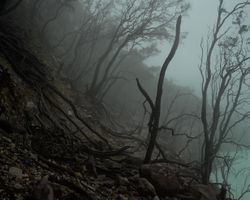
In this artist’s talk, Bas Princen will discuss the current status of the 17 Volcanoes project and explore the resonances between the works of Franz Wilhelm Junghuhn, works by early-twentieth-century Dutch photographers in Java (like van Nieuwenhuis), and his own practice. Although discovering new places seems impossible today, the talk takes as a point of departure the(...)
In this artist’s talk, Bas Princen will discuss the current status of the 17 Volcanoes project and explore the resonances between the works of Franz Wilhelm Junghuhn, works by early-twentieth-century Dutch photographers in Java (like van Nieuwenhuis), and his own practice. Although discovering new places seems impossible today, the talk takes as a point of departure the(...)
Date:
15 October 2016, 3pm
15 October 2016, 3pm
Title:
Bas Princen: Volcano Walks
Actions:
Description:
In this artist’s talk, Bas Princen will discuss the current status of the 17 Volcanoes project and explore the resonances between the works of Franz Wilhelm Junghuhn, works by early-twentieth-century Dutch photographers in Java (like van Nieuwenhuis), and his own practice. Although discovering new places seems impossible today, the talk takes as a point of departure the(...)
Bas Princen: Volcano Walks
Actions:
Description:
In this artist’s talk, Bas Princen will discuss the current status of the 17 Volcanoes project and explore the resonances between the works of Franz Wilhelm Junghuhn, works by early-twentieth-century Dutch photographers in Java (like van Nieuwenhuis), and his own practice. Although discovering new places seems impossible today, the talk takes as a point of departure the(...)
Form:
events
events
Date:
15 October 2016
3pm
15 October 2016
3pm
Form:
textual records
textual records
Actions:
Reference number:
ARCH256696
Description:
41 files - 1 file "Future projects mail for AE" (includes correspondence and sketches); new business - initial leads (12 files) in Cuba, B.C., Ontario, Canada, USA, Far East, Egypt, Iran, Jordan, Middle East, Saudi Arabia, and "Notes on trip to Middle East, Arthur prospects", 28 files of other projects - Meditation Centre in Kingston, City of Stratford, North York YMCA, Old Don Jail (Toronto), City of Vanier (Ottawa), Ryerson Institute, Samson Cheng (associated with many projects - Maracaibo, a Montreal hotel, Caicos Island hotel), Erin Mills Townsite, B.C. projects (North Vancouver Eastern Community School, Block 56, Burke Mountain, Seymour Town Centre), CBC Wascana Centre in Regina, Jubail Industrial Complex in Saudi Arabia, University of Riyadh, Empress Farah Foundation/Khalili project, Helwan University in Cairo, Aleppo project in Syria, Monaco Hotel development, Maritime museums in B.C., Francesco & Aldo Piccaluga Inc., Ploughkeepsie Bridge, Red Deer College, Reimer Office building in Matsqui, Edificio Anauco Sotano Uno in Caracas Venezuela, AEA general Alberta projects, Corporacion de turismo de Venezuala, Reza Shah Kabir University in Iran, Harbour Square Park in Toronto, Maple Mountain Resort development
ARCH256696
Description:
41 files - 1 file "Future projects mail for AE" (includes correspondence and sketches); new business - initial leads (12 files) in Cuba, B.C., Ontario, Canada, USA, Far East, Egypt, Iran, Jordan, Middle East, Saudi Arabia, and "Notes on trip to Middle East, Arthur prospects", 28 files of other projects - Meditation Centre in Kingston, City of Stratford, North York YMCA, Old Don Jail (Toronto), City of Vanier (Ottawa), Ryerson Institute, Samson Cheng (associated with many projects - Maracaibo, a Montreal hotel, Caicos Island hotel), Erin Mills Townsite, B.C. projects (North Vancouver Eastern Community School, Block 56, Burke Mountain, Seymour Town Centre), CBC Wascana Centre in Regina, Jubail Industrial Complex in Saudi Arabia, University of Riyadh, Empress Farah Foundation/Khalili project, Helwan University in Cairo, Aleppo project in Syria, Monaco Hotel development, Maritime museums in B.C., Francesco & Aldo Piccaluga Inc., Ploughkeepsie Bridge, Red Deer College, Reimer Office building in Matsqui, Edificio Anauco Sotano Uno in Caracas Venezuela, AEA general Alberta projects, Corporacion de turismo de Venezuala, Reza Shah Kabir University in Iran, Harbour Square Park in Toronto, Maple Mountain Resort development
People:
Title:
"Future projects mail for AE"
Actions:
ARCH256696
Description:
41 files - 1 file "Future projects mail for AE" (includes correspondence and sketches); new business - initial leads (12 files) in Cuba, B.C., Ontario, Canada, USA, Far East, Egypt, Iran, Jordan, Middle East, Saudi Arabia, and "Notes on trip to Middle East, Arthur prospects", 28 files of other projects - Meditation Centre in Kingston, City of Stratford, North York YMCA, Old Don Jail (Toronto), City of Vanier (Ottawa), Ryerson Institute, Samson Cheng (associated with many projects - Maracaibo, a Montreal hotel, Caicos Island hotel), Erin Mills Townsite, B.C. projects (North Vancouver Eastern Community School, Block 56, Burke Mountain, Seymour Town Centre), CBC Wascana Centre in Regina, Jubail Industrial Complex in Saudi Arabia, University of Riyadh, Empress Farah Foundation/Khalili project, Helwan University in Cairo, Aleppo project in Syria, Monaco Hotel development, Maritime museums in B.C., Francesco & Aldo Piccaluga Inc., Ploughkeepsie Bridge, Red Deer College, Reimer Office building in Matsqui, Edificio Anauco Sotano Uno in Caracas Venezuela, AEA general Alberta projects, Corporacion de turismo de Venezuala, Reza Shah Kabir University in Iran, Harbour Square Park in Toronto, Maple Mountain Resort development
"Future projects mail for AE"
Actions:
ARCH256696
Description:
41 files - 1 file "Future projects mail for AE" (includes correspondence and sketches); new business - initial leads (12 files) in Cuba, B.C., Ontario, Canada, USA, Far East, Egypt, Iran, Jordan, Middle East, Saudi Arabia, and "Notes on trip to Middle East, Arthur prospects", 28 files of other projects - Meditation Centre in Kingston, City of Stratford, North York YMCA, Old Don Jail (Toronto), City of Vanier (Ottawa), Ryerson Institute, Samson Cheng (associated with many projects - Maracaibo, a Montreal hotel, Caicos Island hotel), Erin Mills Townsite, B.C. projects (North Vancouver Eastern Community School, Block 56, Burke Mountain, Seymour Town Centre), CBC Wascana Centre in Regina, Jubail Industrial Complex in Saudi Arabia, University of Riyadh, Empress Farah Foundation/Khalili project, Helwan University in Cairo, Aleppo project in Syria, Monaco Hotel development, Maritime museums in B.C., Francesco & Aldo Piccaluga Inc., Ploughkeepsie Bridge, Red Deer College, Reimer Office building in Matsqui, Edificio Anauco Sotano Uno in Caracas Venezuela, AEA general Alberta projects, Corporacion de turismo de Venezuala, Reza Shah Kabir University in Iran, Harbour Square Park in Toronto, Maple Mountain Resort development
Form:
textual records
textual records
People:
Form:
events
events
Title:
No Parks?
No Parks?
Actions:
Description:
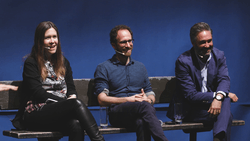
Are parks bad? These quarantined bits of land and water speak to a confused desire for some kind of “nature”—and they might be good for our health—but do they also serve to excuse our continued bad behaviour? Parks are not innocent. City parks are real estate assets and urban “amenities” created by planners, landscape architects, hydrological engineers, police(...)
Are parks bad? These quarantined bits of land and water speak to a confused desire for some kind of “nature”—and they might be good for our health—but do they also serve to excuse our continued bad behaviour? Parks are not innocent. City parks are real estate assets and urban “amenities” created by planners, landscape architects, hydrological engineers, police(...)
Date:
25 May 2017
25 May 2017
Title:
No Parks?
Actions:
Description:
Are parks bad? These quarantined bits of land and water speak to a confused desire for some kind of “nature”—and they might be good for our health—but do they also serve to excuse our continued bad behaviour? Parks are not innocent. City parks are real estate assets and urban “amenities” created by planners, landscape architects, hydrological engineers, police(...)
No Parks?
Actions:
Description:
Are parks bad? These quarantined bits of land and water speak to a confused desire for some kind of “nature”—and they might be good for our health—but do they also serve to excuse our continued bad behaviour? Parks are not innocent. City parks are real estate assets and urban “amenities” created by planners, landscape architects, hydrological engineers, police(...)
Form:
events
events
Date:
25 May 2017
25 May 2017
Form:
archives
Level of archival description:
Fonds
archives
Level of archival description:
Fonds
Title:
John Bird fonds
John Bird fonds
Actions:
Reference number:
AP108
Synopsis:
The John Bird fonds documents the professional practice of the Westmount-based architect, and includes drawings and photographs of 24 architectural projects carried out in and around Montréal, Québec between 1954 and 1992. The fonds also contains a number of published articles that document John Bird's professional activities. Key projects that are represented include the Canadian Technical Tape Building, St. Laurent (1955-1963), Saint Gabriel's Church, Montréal (1959-1960), and Saint John Brebeuf Church, Lasalle (1962-1966). The fonds also includes numerous projects for Toronto-Dominion Bank buildings (1959-1992) as well as residential designs completed for the Central Mortgage and Housing Corporation (1956-1969).
AP108
Synopsis:
The John Bird fonds documents the professional practice of the Westmount-based architect, and includes drawings and photographs of 24 architectural projects carried out in and around Montréal, Québec between 1954 and 1992. The fonds also contains a number of published articles that document John Bird's professional activities. Key projects that are represented include the Canadian Technical Tape Building, St. Laurent (1955-1963), Saint Gabriel's Church, Montréal (1959-1960), and Saint John Brebeuf Church, Lasalle (1962-1966). The fonds also includes numerous projects for Toronto-Dominion Bank buildings (1959-1992) as well as residential designs completed for the Central Mortgage and Housing Corporation (1956-1969).
People:
Date:
1942 - 1992
1942 - 1992
Title:
John Bird fonds
Actions:
AP108
Synopsis:
The John Bird fonds documents the professional practice of the Westmount-based architect, and includes drawings and photographs of 24 architectural projects carried out in and around Montréal, Québec between 1954 and 1992. The fonds also contains a number of published articles that document John Bird's professional activities. Key projects that are represented include the Canadian Technical Tape Building, St. Laurent (1955-1963), Saint Gabriel's Church, Montréal (1959-1960), and Saint John Brebeuf Church, Lasalle (1962-1966). The fonds also includes numerous projects for Toronto-Dominion Bank buildings (1959-1992) as well as residential designs completed for the Central Mortgage and Housing Corporation (1956-1969).
John Bird fonds
Actions:
AP108
Synopsis:
The John Bird fonds documents the professional practice of the Westmount-based architect, and includes drawings and photographs of 24 architectural projects carried out in and around Montréal, Québec between 1954 and 1992. The fonds also contains a number of published articles that document John Bird's professional activities. Key projects that are represented include the Canadian Technical Tape Building, St. Laurent (1955-1963), Saint Gabriel's Church, Montréal (1959-1960), and Saint John Brebeuf Church, Lasalle (1962-1966). The fonds also includes numerous projects for Toronto-Dominion Bank buildings (1959-1992) as well as residential designs completed for the Central Mortgage and Housing Corporation (1956-1969).
Form:
archives
Level of archival description:
Fonds
archives
Level of archival description:
Fonds
Date:
1942 - 1992
1942 - 1992
People:


