


2017 Results
Level of archival description:
Project
Project
Actions:
Reference number:
AP164.S1.2003.D5
Description:
The project series documents the competition entry a plan of the Sagüés promenade, located at gates of Ulía park in San Sebastián, Spain. Abalos & Herreros and Renata Sentkiewicz drafted a study and proposal for the plan of the Sagüés promenade, located at gates of Ulía park in San Sebastián, Spain. The firm identified the project as number 165. The architects described their project as “[…] a place where […] [the urban and the natural] landscapes […] meet. Under a green roof a winter beach, thermal installations and the groundfloor [sic] of a hotel are combined. Five towers rise through this roof with different uses: hotel, social housing, and the ‘Gallery of Wonders’ […]. A passageway curls up around them, connecting the towers by an impactant [sic] skywalk […]” (ARCH270975). Documenting the project are conceptual, presentation and design development drawings, correspondence, project descriptions, notes, reports, resumes, and reference, photographic and digital materials.
AP164.S1.2003.D5
Description:
The project series documents the competition entry a plan of the Sagüés promenade, located at gates of Ulía park in San Sebastián, Spain. Abalos & Herreros and Renata Sentkiewicz drafted a study and proposal for the plan of the Sagüés promenade, located at gates of Ulía park in San Sebastián, Spain. The firm identified the project as number 165. The architects described their project as “[…] a place where […] [the urban and the natural] landscapes […] meet. Under a green roof a winter beach, thermal installations and the groundfloor [sic] of a hotel are combined. Five towers rise through this roof with different uses: hotel, social housing, and the ‘Gallery of Wonders’ […]. A passageway curls up around them, connecting the towers by an impactant [sic] skywalk […]” (ARCH270975). Documenting the project are conceptual, presentation and design development drawings, correspondence, project descriptions, notes, reports, resumes, and reference, photographic and digital materials.
People:
Date:
circa 2001-2005
circa 2001-2005
Title:
Sagüés, San Sebastián, Spain (2003)
Actions:
AP164.S1.2003.D5
Description:
The project series documents the competition entry a plan of the Sagüés promenade, located at gates of Ulía park in San Sebastián, Spain. Abalos & Herreros and Renata Sentkiewicz drafted a study and proposal for the plan of the Sagüés promenade, located at gates of Ulía park in San Sebastián, Spain. The firm identified the project as number 165. The architects described their project as “[…] a place where […] [the urban and the natural] landscapes […] meet. Under a green roof a winter beach, thermal installations and the groundfloor [sic] of a hotel are combined. Five towers rise through this roof with different uses: hotel, social housing, and the ‘Gallery of Wonders’ […]. A passageway curls up around them, connecting the towers by an impactant [sic] skywalk […]” (ARCH270975). Documenting the project are conceptual, presentation and design development drawings, correspondence, project descriptions, notes, reports, resumes, and reference, photographic and digital materials.
Sagüés, San Sebastián, Spain (2003)
Actions:
AP164.S1.2003.D5
Description:
The project series documents the competition entry a plan of the Sagüés promenade, located at gates of Ulía park in San Sebastián, Spain. Abalos & Herreros and Renata Sentkiewicz drafted a study and proposal for the plan of the Sagüés promenade, located at gates of Ulía park in San Sebastián, Spain. The firm identified the project as number 165. The architects described their project as “[…] a place where […] [the urban and the natural] landscapes […] meet. Under a green roof a winter beach, thermal installations and the groundfloor [sic] of a hotel are combined. Five towers rise through this roof with different uses: hotel, social housing, and the ‘Gallery of Wonders’ […]. A passageway curls up around them, connecting the towers by an impactant [sic] skywalk […]” (ARCH270975). Documenting the project are conceptual, presentation and design development drawings, correspondence, project descriptions, notes, reports, resumes, and reference, photographic and digital materials.
Level of archival description:
Project
Project
Date:
circa 2001-2005
circa 2001-2005
People:
Form:
articles
articles
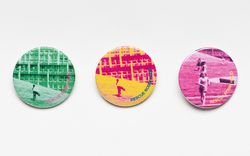
Title:
Rescue Robin Hood
Rescue Robin Hood
Actions:
Lisa Belabed on an anti-demolition effort in the context of a globalized city
Keyword(s):
Robin Hood Gardens, London, Smithson, social housing, demolition, gentrification, 56A Infoshop
Robin Hood Gardens, London, Smithson, social housing, demolition, gentrification, 56A Infoshop
Published:
2 June 2025
2 June 2025
Title:
Rescue Robin Hood
Lisa Belabed on an anti-demolition effort in the context of a globalized city
Actions:
Rescue Robin Hood
Lisa Belabed on an anti-demolition effort in the context of a globalized city
Actions:
Form:
archives
Level of archival description:
Fonds
archives
Level of archival description:
Fonds
Title:
Maxwell Levinson fonds
Maxwell Levinson fonds
Reference number:
AP037
Synopsis:
The Maxwell Levison fonds (Shelter, T. Square) illustrates primarily the activities of Maxwell Levinson as editor of T-Square Club Journal, T-Square, Shelter and USA Tomorrow. It documents the various aspects of the publication of these magazines. It includes editorial, production and promotional material as well as documentation and research files. The fonds also contains records pertaining to the professional practice of Maxwell Levinson as architect and city planning consultant.
AP037
Synopsis:
The Maxwell Levison fonds (Shelter, T. Square) illustrates primarily the activities of Maxwell Levinson as editor of T-Square Club Journal, T-Square, Shelter and USA Tomorrow. It documents the various aspects of the publication of these magazines. It includes editorial, production and promotional material as well as documentation and research files. The fonds also contains records pertaining to the professional practice of Maxwell Levinson as architect and city planning consultant.
People:
Date:
1926-1990
1926-1990
Title:
Maxwell Levinson fonds
Actions:
AP037
Synopsis:
The Maxwell Levison fonds (Shelter, T. Square) illustrates primarily the activities of Maxwell Levinson as editor of T-Square Club Journal, T-Square, Shelter and USA Tomorrow. It documents the various aspects of the publication of these magazines. It includes editorial, production and promotional material as well as documentation and research files. The fonds also contains records pertaining to the professional practice of Maxwell Levinson as architect and city planning consultant.
Maxwell Levinson fonds
Actions:
AP037
Synopsis:
The Maxwell Levison fonds (Shelter, T. Square) illustrates primarily the activities of Maxwell Levinson as editor of T-Square Club Journal, T-Square, Shelter and USA Tomorrow. It documents the various aspects of the publication of these magazines. It includes editorial, production and promotional material as well as documentation and research files. The fonds also contains records pertaining to the professional practice of Maxwell Levinson as architect and city planning consultant.
Form:
archives
Level of archival description:
Fonds
archives
Level of archival description:
Fonds
Date:
1926-1990
1926-1990
People:
Level of archival description:
Project
Project
Reference number:
AP142.S1.D14
Description:
File documents an unsuccessful competition entry organized by the Istituto per lo sviluppo dell'edilizia sociale (ISES) for a housing project in Naples, Italy. Material in this file was produced in approximately 1965. File contains presentation drawings.
AP142.S1.D14
Description:
File documents an unsuccessful competition entry organized by the Istituto per lo sviluppo dell'edilizia sociale (ISES) for a housing project in Naples, Italy. Material in this file was produced in approximately 1965. File contains presentation drawings.
People:
Date:
[ca. 1965]
[ca. 1965]
Title:
Quartiere residenziale a Napoli
Actions:
AP142.S1.D14
Description:
File documents an unsuccessful competition entry organized by the Istituto per lo sviluppo dell'edilizia sociale (ISES) for a housing project in Naples, Italy. Material in this file was produced in approximately 1965. File contains presentation drawings.
Quartiere residenziale a Napoli
Actions:
AP142.S1.D14
Description:
File documents an unsuccessful competition entry organized by the Istituto per lo sviluppo dell'edilizia sociale (ISES) for a housing project in Naples, Italy. Material in this file was produced in approximately 1965. File contains presentation drawings.
Level of archival description:
File 14
File 14
Date:
[ca. 1965]
[ca. 1965]
People:
Form:
archives
Level of archival description:
Fonds
archives
Level of archival description:
Fonds
Reference number:
AP075
Synopsis:
The Cornelia Hahn Oberlander fonds documents Oberlander's professional activities as a landscape architect. It contains over 203 projects that span from 1950 to 2018 predominantly in Canada and in the United States, but also in Germany. The fonds is a complete record of Oberlander's work, and comprises her playground projects, roof gardens, and public space landscapes, as well as landscape designs for private residences, as well as administrative records from her practice, her professional engagements, and her research materials. The material in this fonds is dated from 1936 to 2021.
AP075
Synopsis:
The Cornelia Hahn Oberlander fonds documents Oberlander's professional activities as a landscape architect. It contains over 203 projects that span from 1950 to 2018 predominantly in Canada and in the United States, but also in Germany. The fonds is a complete record of Oberlander's work, and comprises her playground projects, roof gardens, and public space landscapes, as well as landscape designs for private residences, as well as administrative records from her practice, her professional engagements, and her research materials. The material in this fonds is dated from 1936 to 2021.
People:
Date:
1936-2021
1936-2021
Title:
Cornelia Hahn Oberlander fonds
Actions:
AP075
Synopsis:
The Cornelia Hahn Oberlander fonds documents Oberlander's professional activities as a landscape architect. It contains over 203 projects that span from 1950 to 2018 predominantly in Canada and in the United States, but also in Germany. The fonds is a complete record of Oberlander's work, and comprises her playground projects, roof gardens, and public space landscapes, as well as landscape designs for private residences, as well as administrative records from her practice, her professional engagements, and her research materials. The material in this fonds is dated from 1936 to 2021.
Cornelia Hahn Oberlander fonds
Actions:
AP075
Synopsis:
The Cornelia Hahn Oberlander fonds documents Oberlander's professional activities as a landscape architect. It contains over 203 projects that span from 1950 to 2018 predominantly in Canada and in the United States, but also in Germany. The fonds is a complete record of Oberlander's work, and comprises her playground projects, roof gardens, and public space landscapes, as well as landscape designs for private residences, as well as administrative records from her practice, her professional engagements, and her research materials. The material in this fonds is dated from 1936 to 2021.
Form:
archives
Level of archival description:
Fonds
archives
Level of archival description:
Fonds
Date:
1936-2021
1936-2021
People:
Form:
events
events
Actions:
Description:
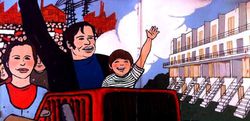
Evoking a provocation famously framed by Le Corbusier, “Architecture ou Révolution,” this conversation will situate the SAAL process in Portugal within international debates during the 1960s and 1970s on social housing and the architect’s social responsibility. Nuno Portas, Secretary of State for Housing and Urbanism of the government established after the 1974 Portuguese(...)
Evoking a provocation famously framed by Le Corbusier, “Architecture ou Révolution,” this conversation will situate the SAAL process in Portugal within international debates during the 1960s and 1970s on social housing and the architect’s social responsibility. Nuno Portas, Secretary of State for Housing and Urbanism of the government established after the 1974 Portuguese(...)
Location:
Paul-Desmarais Theatre
Paul-Desmarais Theatre
Date:
14 May 2015 , 6pm
14 May 2015 , 6pm
Title:
Architecture or Revolution? A Conversation with Nuno Portas and Nuno Grande
Actions:
Description:
Evoking a provocation famously framed by Le Corbusier, “Architecture ou Révolution,” this conversation will situate the SAAL process in Portugal within international debates during the 1960s and 1970s on social housing and the architect’s social responsibility. Nuno Portas, Secretary of State for Housing and Urbanism of the government established after the 1974 Portuguese(...)
Architecture or Revolution? A Conversation with Nuno Portas and Nuno Grande
Actions:
Description:
Evoking a provocation famously framed by Le Corbusier, “Architecture ou Révolution,” this conversation will situate the SAAL process in Portugal within international debates during the 1960s and 1970s on social housing and the architect’s social responsibility. Nuno Portas, Secretary of State for Housing and Urbanism of the government established after the 1974 Portuguese(...)
Form:
events
events
Date:
14 May 2015
6pm
14 May 2015
6pm
Location:
Paul-Desmarais Theatre
Paul-Desmarais Theatre
Form:
events
events
Actions:
Description:
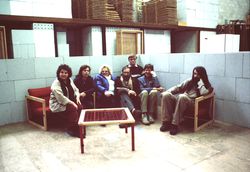
Following an intense period of work in the mid-1970s with Portugal’s post-revolutionary housing initiatives, in the early 1980s Álvaro Siza contributed projects to two of the most important urban renewal programs in Europe: Berlin’s IBA and The Hague’s Stadsvernieuwing als Kulturel Aktiviteit (Urban Renewal as a Cultural Activity). This lecture will examine the(...)
Following an intense period of work in the mid-1970s with Portugal’s post-revolutionary housing initiatives, in the early 1980s Álvaro Siza contributed projects to two of the most important urban renewal programs in Europe: Berlin’s IBA and The Hague’s Stadsvernieuwing als Kulturel Aktiviteit (Urban Renewal as a Cultural Activity). This lecture will examine the(...)
Date:
26 November 2015
26 November 2015
Title:
Álvaro Siza’s Archaeology of the Ordinary
Actions:
Description:
Following an intense period of work in the mid-1970s with Portugal’s post-revolutionary housing initiatives, in the early 1980s Álvaro Siza contributed projects to two of the most important urban renewal programs in Europe: Berlin’s IBA and The Hague’s Stadsvernieuwing als Kulturel Aktiviteit (Urban Renewal as a Cultural Activity). This lecture will examine the(...)
Álvaro Siza’s Archaeology of the Ordinary
Actions:
Description:
Following an intense period of work in the mid-1970s with Portugal’s post-revolutionary housing initiatives, in the early 1980s Álvaro Siza contributed projects to two of the most important urban renewal programs in Europe: Berlin’s IBA and The Hague’s Stadsvernieuwing als Kulturel Aktiviteit (Urban Renewal as a Cultural Activity). This lecture will examine the(...)
Form:
events
events
Date:
26 November 2015
26 November 2015
Form:
events
events
Actions:
Location:
Study Room Keyword(s):
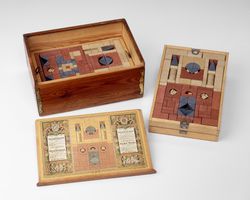
visiting scholars 2018, Hans-Georg von Arburg. German housing, toys
Study Room Keyword(s):
visiting scholars 2018, Hans-Georg von Arburg. German housing, toys
Date:
9 August 2018, 6:30pm
9 August 2018, 6:30pm
Form:
events
events
Date:
9 August 2018
6:30pm
9 August 2018
6:30pm
Location:
Study Room Keyword(s):
visiting scholars 2018, Hans-Georg von Arburg. German housing, toys
Study Room Keyword(s):
visiting scholars 2018, Hans-Georg von Arburg. German housing, toys
Form:
archives
Level of archival description:
Fonds
archives
Level of archival description:
Fonds
Title:
Pierre Jeanneret fonds
Pierre Jeanneret fonds
Reference number:
AP156
Synopsis:
Le Fonds Pierre Jeanneret documente la pratique professionnelle et la vie personnelle de l'architect Pierre Jeanneret de ses études et ses projets professionels en Europe à ses projets architecturaux à Chandigarh, en Inde. Les documents du Fonds consistent en des photographies, des dessins et des documents textuels relatifs à plus de 100 projets, principalement son travail pour le projet de la nouvelle ville de Chandigarh, en Inde, en 1951 à 1965. *** The Pierre Jeanneret fonds documents the professional practice and the personal life of architect Pierre Jeanneret from student and professional work in Europe to architectural projects in Chandigarh, India. The documents in the fonds consist of photographs, drawings and textual records relating to over 100 projects, predominantly his work for the project of the new city of Chandigarh, in India, in 1951 to 1965.
AP156
Synopsis:
Le Fonds Pierre Jeanneret documente la pratique professionnelle et la vie personnelle de l'architect Pierre Jeanneret de ses études et ses projets professionels en Europe à ses projets architecturaux à Chandigarh, en Inde. Les documents du Fonds consistent en des photographies, des dessins et des documents textuels relatifs à plus de 100 projets, principalement son travail pour le projet de la nouvelle ville de Chandigarh, en Inde, en 1951 à 1965. *** The Pierre Jeanneret fonds documents the professional practice and the personal life of architect Pierre Jeanneret from student and professional work in Europe to architectural projects in Chandigarh, India. The documents in the fonds consist of photographs, drawings and textual records relating to over 100 projects, predominantly his work for the project of the new city of Chandigarh, in India, in 1951 to 1965.
People:
Date:
1870s-2011
1870s-2011
Title:
Pierre Jeanneret fonds
Actions:
AP156
Synopsis:
Le Fonds Pierre Jeanneret documente la pratique professionnelle et la vie personnelle de l'architect Pierre Jeanneret de ses études et ses projets professionels en Europe à ses projets architecturaux à Chandigarh, en Inde. Les documents du Fonds consistent en des photographies, des dessins et des documents textuels relatifs à plus de 100 projets, principalement son travail pour le projet de la nouvelle ville de Chandigarh, en Inde, en 1951 à 1965. *** The Pierre Jeanneret fonds documents the professional practice and the personal life of architect Pierre Jeanneret from student and professional work in Europe to architectural projects in Chandigarh, India. The documents in the fonds consist of photographs, drawings and textual records relating to over 100 projects, predominantly his work for the project of the new city of Chandigarh, in India, in 1951 to 1965.
Pierre Jeanneret fonds
Actions:
AP156
Synopsis:
Le Fonds Pierre Jeanneret documente la pratique professionnelle et la vie personnelle de l'architect Pierre Jeanneret de ses études et ses projets professionels en Europe à ses projets architecturaux à Chandigarh, en Inde. Les documents du Fonds consistent en des photographies, des dessins et des documents textuels relatifs à plus de 100 projets, principalement son travail pour le projet de la nouvelle ville de Chandigarh, en Inde, en 1951 à 1965. *** The Pierre Jeanneret fonds documents the professional practice and the personal life of architect Pierre Jeanneret from student and professional work in Europe to architectural projects in Chandigarh, India. The documents in the fonds consist of photographs, drawings and textual records relating to over 100 projects, predominantly his work for the project of the new city of Chandigarh, in India, in 1951 to 1965.
Form:
archives
Level of archival description:
Fonds
archives
Level of archival description:
Fonds
Date:
1870s-2011
1870s-2011
People:
Level of archival description:
Project
Project
Reference number:
CD034.S1.1974.PR01
Description:
This project series contains four reproductions of drawings displayed in the exhibit to document the neighbourhood Quinta do Bacalhau-Monte Coxo, in Lisbon, Portugal. The exhibit text explained the following: The project architect Manuel Vicente was already working on a design for the intervention in the Quintas de Bacalhau and Monte Coxo when he was co-opted by SAAL. The proposed typology referred to another ambitious urban project of 615 housing units, Quinta das Fonsecas - Quinta da Calçada neighbourhood by the architect Raúl Hestnes Ferreira. The intention was to bring the city to the outlying shanty town areas. None of these projects was carried out in full, and they are now fragmented and besieged by the traffic system without having produced any of the essential community and socialising facilities. In Bacalhau-Monte Coxo the structure of the internal patios reveals the ways in which the public space and community was organised. The architecture assigned importance to the facades, although access to the community courtyards was also a central design concept. In a 1976 interview, the architect himself argued that the release of bourgeois guilt allowed for spatial beauty, adopting the slogan 'Facades First' in defence of architectural design. In a way, this proposal anticipated the post-modern, although in a form that did not deny architecture's social engagement. The design emphasizes a strong idea of architectural autonomy, unfortunately only a part of the project was actually built. (The SAAL Process, Housing in Portugal 1974–76) Manuel Vicente worked for SAAL/Lisbon and Central South with the following collaborators: Afonso José Baptista, Agostinho Xavier de Andrade, António Albano Leitão, Cristina Catela Martins Pereira, Eduardo Serrano de Sousa, Gentil Noras, José Manuel Diniz Cabral Caldeira, Manuel Augusto Lopes de Sousa, Nuno Matos Silva, Rita Cabral and the resident association Cooperativa de Habitação Económica Portugal Novo, that was founded on September 6th, 1974. The team built 384 dwellings. The operation began in September 1974, with a construction date in January 1977. This project series contains reproductions of design development drawings and a cadastral plan. The original drawings were produced in 1974 or after and were reproduced in 2015 for the exhibit.
CD034.S1.1974.PR01
Description:
This project series contains four reproductions of drawings displayed in the exhibit to document the neighbourhood Quinta do Bacalhau-Monte Coxo, in Lisbon, Portugal. The exhibit text explained the following: The project architect Manuel Vicente was already working on a design for the intervention in the Quintas de Bacalhau and Monte Coxo when he was co-opted by SAAL. The proposed typology referred to another ambitious urban project of 615 housing units, Quinta das Fonsecas - Quinta da Calçada neighbourhood by the architect Raúl Hestnes Ferreira. The intention was to bring the city to the outlying shanty town areas. None of these projects was carried out in full, and they are now fragmented and besieged by the traffic system without having produced any of the essential community and socialising facilities. In Bacalhau-Monte Coxo the structure of the internal patios reveals the ways in which the public space and community was organised. The architecture assigned importance to the facades, although access to the community courtyards was also a central design concept. In a 1976 interview, the architect himself argued that the release of bourgeois guilt allowed for spatial beauty, adopting the slogan 'Facades First' in defence of architectural design. In a way, this proposal anticipated the post-modern, although in a form that did not deny architecture's social engagement. The design emphasizes a strong idea of architectural autonomy, unfortunately only a part of the project was actually built. (The SAAL Process, Housing in Portugal 1974–76) Manuel Vicente worked for SAAL/Lisbon and Central South with the following collaborators: Afonso José Baptista, Agostinho Xavier de Andrade, António Albano Leitão, Cristina Catela Martins Pereira, Eduardo Serrano de Sousa, Gentil Noras, José Manuel Diniz Cabral Caldeira, Manuel Augusto Lopes de Sousa, Nuno Matos Silva, Rita Cabral and the resident association Cooperativa de Habitação Económica Portugal Novo, that was founded on September 6th, 1974. The team built 384 dwellings. The operation began in September 1974, with a construction date in January 1977. This project series contains reproductions of design development drawings and a cadastral plan. The original drawings were produced in 1974 or after and were reproduced in 2015 for the exhibit.
People:
Date:
circa 1974
circa 1974
Title:
Bairro Quinta do Bacalhau–Monte Coxo, Lisbon
Actions:
CD034.S1.1974.PR01
Description:
This project series contains four reproductions of drawings displayed in the exhibit to document the neighbourhood Quinta do Bacalhau-Monte Coxo, in Lisbon, Portugal. The exhibit text explained the following: The project architect Manuel Vicente was already working on a design for the intervention in the Quintas de Bacalhau and Monte Coxo when he was co-opted by SAAL. The proposed typology referred to another ambitious urban project of 615 housing units, Quinta das Fonsecas - Quinta da Calçada neighbourhood by the architect Raúl Hestnes Ferreira. The intention was to bring the city to the outlying shanty town areas. None of these projects was carried out in full, and they are now fragmented and besieged by the traffic system without having produced any of the essential community and socialising facilities. In Bacalhau-Monte Coxo the structure of the internal patios reveals the ways in which the public space and community was organised. The architecture assigned importance to the facades, although access to the community courtyards was also a central design concept. In a 1976 interview, the architect himself argued that the release of bourgeois guilt allowed for spatial beauty, adopting the slogan 'Facades First' in defence of architectural design. In a way, this proposal anticipated the post-modern, although in a form that did not deny architecture's social engagement. The design emphasizes a strong idea of architectural autonomy, unfortunately only a part of the project was actually built. (The SAAL Process, Housing in Portugal 1974–76) Manuel Vicente worked for SAAL/Lisbon and Central South with the following collaborators: Afonso José Baptista, Agostinho Xavier de Andrade, António Albano Leitão, Cristina Catela Martins Pereira, Eduardo Serrano de Sousa, Gentil Noras, José Manuel Diniz Cabral Caldeira, Manuel Augusto Lopes de Sousa, Nuno Matos Silva, Rita Cabral and the resident association Cooperativa de Habitação Económica Portugal Novo, that was founded on September 6th, 1974. The team built 384 dwellings. The operation began in September 1974, with a construction date in January 1977. This project series contains reproductions of design development drawings and a cadastral plan. The original drawings were produced in 1974 or after and were reproduced in 2015 for the exhibit.
Bairro Quinta do Bacalhau–Monte Coxo, Lisbon
Actions:
CD034.S1.1974.PR01
Description:
This project series contains four reproductions of drawings displayed in the exhibit to document the neighbourhood Quinta do Bacalhau-Monte Coxo, in Lisbon, Portugal. The exhibit text explained the following: The project architect Manuel Vicente was already working on a design for the intervention in the Quintas de Bacalhau and Monte Coxo when he was co-opted by SAAL. The proposed typology referred to another ambitious urban project of 615 housing units, Quinta das Fonsecas - Quinta da Calçada neighbourhood by the architect Raúl Hestnes Ferreira. The intention was to bring the city to the outlying shanty town areas. None of these projects was carried out in full, and they are now fragmented and besieged by the traffic system without having produced any of the essential community and socialising facilities. In Bacalhau-Monte Coxo the structure of the internal patios reveals the ways in which the public space and community was organised. The architecture assigned importance to the facades, although access to the community courtyards was also a central design concept. In a 1976 interview, the architect himself argued that the release of bourgeois guilt allowed for spatial beauty, adopting the slogan 'Facades First' in defence of architectural design. In a way, this proposal anticipated the post-modern, although in a form that did not deny architecture's social engagement. The design emphasizes a strong idea of architectural autonomy, unfortunately only a part of the project was actually built. (The SAAL Process, Housing in Portugal 1974–76) Manuel Vicente worked for SAAL/Lisbon and Central South with the following collaborators: Afonso José Baptista, Agostinho Xavier de Andrade, António Albano Leitão, Cristina Catela Martins Pereira, Eduardo Serrano de Sousa, Gentil Noras, José Manuel Diniz Cabral Caldeira, Manuel Augusto Lopes de Sousa, Nuno Matos Silva, Rita Cabral and the resident association Cooperativa de Habitação Económica Portugal Novo, that was founded on September 6th, 1974. The team built 384 dwellings. The operation began in September 1974, with a construction date in January 1977. This project series contains reproductions of design development drawings and a cadastral plan. The original drawings were produced in 1974 or after and were reproduced in 2015 for the exhibit.
Level of archival description:
Project
Project
Date:
circa 1974
circa 1974
People:


