


44163 Résultats
Niveau de description archivistique:
Projet
Projet
Numéro de référence:
AP075.S1.1988.PR03
Description:
Project series documents Cornelia Hahn Oberlander's landscape project for Les Terraces, an apartment tower located on Bellevue Avenue in West Vancouver, British Columbia. Oberlander worked on this project in 1988-1991 with architectural firm Matsuzaki Wright Architects. The project consisted in a landscape design for the looped drive and parking area in front of the appartment building entrance. The project series contains sketches, design development drawings, including proposed landscape designs, preliminary landscape plans, planting plans, and working drawings, such as irrigation plans, landscape plans and details for trellis, and building plans used as reference. The project series also comprises concept notes by Oberlander, correspondence with client and architects, minutes of meetings, financial document, landscape specifications and plant lists.
AP075.S1.1988.PR03
Description:
Project series documents Cornelia Hahn Oberlander's landscape project for Les Terraces, an apartment tower located on Bellevue Avenue in West Vancouver, British Columbia. Oberlander worked on this project in 1988-1991 with architectural firm Matsuzaki Wright Architects. The project consisted in a landscape design for the looped drive and parking area in front of the appartment building entrance. The project series contains sketches, design development drawings, including proposed landscape designs, preliminary landscape plans, planting plans, and working drawings, such as irrigation plans, landscape plans and details for trellis, and building plans used as reference. The project series also comprises concept notes by Oberlander, correspondence with client and architects, minutes of meetings, financial document, landscape specifications and plant lists.
Personnes et institutions:
Date:
1988-1992
1988-1992
Titre:
Les Terraces, West Vancouver, British Columbia (1988)
Actions:
AP075.S1.1988.PR03
Description:
Project series documents Cornelia Hahn Oberlander's landscape project for Les Terraces, an apartment tower located on Bellevue Avenue in West Vancouver, British Columbia. Oberlander worked on this project in 1988-1991 with architectural firm Matsuzaki Wright Architects. The project consisted in a landscape design for the looped drive and parking area in front of the appartment building entrance. The project series contains sketches, design development drawings, including proposed landscape designs, preliminary landscape plans, planting plans, and working drawings, such as irrigation plans, landscape plans and details for trellis, and building plans used as reference. The project series also comprises concept notes by Oberlander, correspondence with client and architects, minutes of meetings, financial document, landscape specifications and plant lists.
Les Terraces, West Vancouver, British Columbia (1988)
Actions:
AP075.S1.1988.PR03
Description:
Project series documents Cornelia Hahn Oberlander's landscape project for Les Terraces, an apartment tower located on Bellevue Avenue in West Vancouver, British Columbia. Oberlander worked on this project in 1988-1991 with architectural firm Matsuzaki Wright Architects. The project consisted in a landscape design for the looped drive and parking area in front of the appartment building entrance. The project series contains sketches, design development drawings, including proposed landscape designs, preliminary landscape plans, planting plans, and working drawings, such as irrigation plans, landscape plans and details for trellis, and building plans used as reference. The project series also comprises concept notes by Oberlander, correspondence with client and architects, minutes of meetings, financial document, landscape specifications and plant lists.
Niveau de description archivistique:
Project
Project
Date:
1988-1992
1988-1992
Personnes et institutions:
Classification:
photographies
photographies
Numéro de référence:
AP207.S4.009
Description:
Includes reference slides on history of architecture, including slides on radical architecture, slides on Aldo Rossi's works, and Ettore Sottsass Senior's works.
AP207.S4.009
Description:
Includes reference slides on history of architecture, including slides on radical architecture, slides on Aldo Rossi's works, and Ettore Sottsass Senior's works.
Personnes et institutions:
Date:
1970s-1990s
1970s-1990s
Titre:
References slides used as teaching material
Actions:
AP207.S4.009
Description:
Includes reference slides on history of architecture, including slides on radical architecture, slides on Aldo Rossi's works, and Ettore Sottsass Senior's works.
References slides used as teaching material
Actions:
AP207.S4.009
Description:
Includes reference slides on history of architecture, including slides on radical architecture, slides on Aldo Rossi's works, and Ettore Sottsass Senior's works.
Classification:
photographies
photographies
Date:
1970s-1990s
1970s-1990s
Personnes et institutions:
Classification:
oeuvres d'art
oeuvres d'art
Actions:
Numéro de référence:
DR1987:0026
Description:
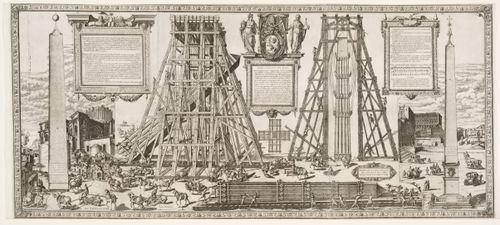
- During the moving of the obelisk, Fontana issued two prints, DR1987:0026 & DR1987:0027. The first (this print), was published in March 1586 just prior to the lowering, and distributed with a companion tract by Filippo Pigafetta. It shows both the original and final positions of the obelisk as well as the device proposed by Fontana for its transportation. This involved the use of a twin timber tower (the castello, as it was called, is seen in the central portion of the print) that was erected on either side of the obelisk and was used for lowering and raising the monolith. The second print (DR1987:0027) appeared in August, during the raising, and showed the lowering of the obelisk, as it had occured in late April, with a detailed inventory of all the men and horses involved in the operation. The transportation was begun on 30 April and was completed on 10 September, according to Fontana's description of the process in his book, 'Della trasportione dell'obelisco vaticano' of 1590, a work illustrated by Bonifazio and Guerra, the two artists responsible for the execution of these prints.
DR1987:0026
Description:
- During the moving of the obelisk, Fontana issued two prints, DR1987:0026 & DR1987:0027. The first (this print), was published in March 1586 just prior to the lowering, and distributed with a companion tract by Filippo Pigafetta. It shows both the original and final positions of the obelisk as well as the device proposed by Fontana for its transportation. This involved the use of a twin timber tower (the castello, as it was called, is seen in the central portion of the print) that was erected on either side of the obelisk and was used for lowering and raising the monolith. The second print (DR1987:0027) appeared in August, during the raising, and showed the lowering of the obelisk, as it had occured in late April, with a detailed inventory of all the men and horses involved in the operation. The transportation was begun on 30 April and was completed on 10 September, according to Fontana's description of the process in his book, 'Della trasportione dell'obelisco vaticano' of 1590, a work illustrated by Bonifazio and Guerra, the two artists responsible for the execution of these prints.
Personnes et institutions:
Sujet:
architecture, ingénierie
architecture, ingénierie
Date:
March 1586
March 1586
Titre:
Plan, Elevation, and Perspective of the Castello Used in the Transportation of the Vatican Obelisk; and Views of the Original and Final Location of the Obelisk
Actions:
DR1987:0026
Description:
- During the moving of the obelisk, Fontana issued two prints, DR1987:0026 & DR1987:0027. The first (this print), was published in March 1586 just prior to the lowering, and distributed with a companion tract by Filippo Pigafetta. It shows both the original and final positions of the obelisk as well as the device proposed by Fontana for its transportation. This involved the use of a twin timber tower (the castello, as it was called, is seen in the central portion of the print) that was erected on either side of the obelisk and was used for lowering and raising the monolith. The second print (DR1987:0027) appeared in August, during the raising, and showed the lowering of the obelisk, as it had occured in late April, with a detailed inventory of all the men and horses involved in the operation. The transportation was begun on 30 April and was completed on 10 September, according to Fontana's description of the process in his book, 'Della trasportione dell'obelisco vaticano' of 1590, a work illustrated by Bonifazio and Guerra, the two artists responsible for the execution of these prints.
Plan, Elevation, and Perspective of the Castello Used in the Transportation of the Vatican Obelisk; and Views of the Original and Final Location of the Obelisk
Actions:
DR1987:0026
Description:
- During the moving of the obelisk, Fontana issued two prints, DR1987:0026 & DR1987:0027. The first (this print), was published in March 1586 just prior to the lowering, and distributed with a companion tract by Filippo Pigafetta. It shows both the original and final positions of the obelisk as well as the device proposed by Fontana for its transportation. This involved the use of a twin timber tower (the castello, as it was called, is seen in the central portion of the print) that was erected on either side of the obelisk and was used for lowering and raising the monolith. The second print (DR1987:0027) appeared in August, during the raising, and showed the lowering of the obelisk, as it had occured in late April, with a detailed inventory of all the men and horses involved in the operation. The transportation was begun on 30 April and was completed on 10 September, according to Fontana's description of the process in his book, 'Della trasportione dell'obelisco vaticano' of 1590, a work illustrated by Bonifazio and Guerra, the two artists responsible for the execution of these prints.
Classification:
oeuvres d'art
oeuvres d'art
Date:
March 1586
March 1586
Personnes et institutions:
Sujet:
architecture, ingénierie
architecture, ingénierie
Classification:
événements
événements

Actions:
Description:
Le CCA accueille un deuxième après-midi de discussion sur les travaux de Cedric Price, avec la participation de Samantha Hardingham, Whitney Moon, Molly Wright Steenson, Kathy Velikov et Mark Wigley. Comme les archives de cet architecte comptent parmi les plus consultées au CCA, nous avons invité des spécialistes, dont la plupart sont nord-américains, à expliquer ce qui(...)
Le CCA accueille un deuxième après-midi de discussion sur les travaux de Cedric Price, avec la participation de Samantha Hardingham, Whitney Moon, Molly Wright Steenson, Kathy Velikov et Mark Wigley. Comme les archives de cet architecte comptent parmi les plus consultées au CCA, nous avons invité des spécialistes, dont la plupart sont nord-américains, à expliquer ce qui(...)
Date:
9 février 2017
9 février 2017
Titre:
Un après-midi avec Cedric Price no 2
Actions:
Description:
Le CCA accueille un deuxième après-midi de discussion sur les travaux de Cedric Price, avec la participation de Samantha Hardingham, Whitney Moon, Molly Wright Steenson, Kathy Velikov et Mark Wigley. Comme les archives de cet architecte comptent parmi les plus consultées au CCA, nous avons invité des spécialistes, dont la plupart sont nord-américains, à expliquer ce qui(...)
Un après-midi avec Cedric Price no 2
Actions:
Description:
Le CCA accueille un deuxième après-midi de discussion sur les travaux de Cedric Price, avec la participation de Samantha Hardingham, Whitney Moon, Molly Wright Steenson, Kathy Velikov et Mark Wigley. Comme les archives de cet architecte comptent parmi les plus consultées au CCA, nous avons invité des spécialistes, dont la plupart sont nord-américains, à expliquer ce qui(...)
Classification:
événements
événements
Date:
9 février 2017
9 février 2017
Classification:
événements
événements
Actions:
Description:
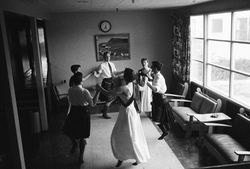
Si nous attendons que la crise climatique nous convainque qu’elle est bel et bien réelle, quelle attitude adopter? Devrions-nous paniquer, commencer à mettre des vivres de côté, ou tout simplement nous allonger dans l’espoir de relaxer? Joignez-vous à nous pour l’enregistrement en direct d’une série web dans laquelle divers penseurs présenteront leur travail et les(...)
Si nous attendons que la crise climatique nous convainque qu’elle est bel et bien réelle, quelle attitude adopter? Devrions-nous paniquer, commencer à mettre des vivres de côté, ou tout simplement nous allonger dans l’espoir de relaxer? Joignez-vous à nous pour l’enregistrement en direct d’une série web dans laquelle divers penseurs présenteront leur travail et les(...)
Date:
16 novembre 2016
16 novembre 2016
Titre:
Hostile ou docile?
Actions:
Description:
Si nous attendons que la crise climatique nous convainque qu’elle est bel et bien réelle, quelle attitude adopter? Devrions-nous paniquer, commencer à mettre des vivres de côté, ou tout simplement nous allonger dans l’espoir de relaxer? Joignez-vous à nous pour l’enregistrement en direct d’une série web dans laquelle divers penseurs présenteront leur travail et les(...)
Hostile ou docile?
Actions:
Description:
Si nous attendons que la crise climatique nous convainque qu’elle est bel et bien réelle, quelle attitude adopter? Devrions-nous paniquer, commencer à mettre des vivres de côté, ou tout simplement nous allonger dans l’espoir de relaxer? Joignez-vous à nous pour l’enregistrement en direct d’une série web dans laquelle divers penseurs présenteront leur travail et les(...)
Classification:
événements
événements
Date:
16 novembre 2016
16 novembre 2016
Classification:
articles
articles
Actions:
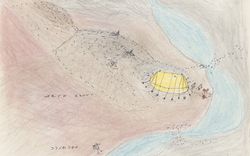
Olivia Lya Thomassie explore les dessins de Tuumasi Kudluk
Titre:
Documenter le mode de vie inuit
Olivia Lya Thomassie explore les dessins de Tuumasi Kudluk
Actions:
Documenter le mode de vie inuit
Olivia Lya Thomassie explore les dessins de Tuumasi Kudluk
Actions:
Classification:
photographies
photographies
Numéro de référence:
AP207.S4.021
Description:
Includes reference slides of Mœbius's (Jean Giraud) works, designs by Memphis' groups (including Ettore Sotsass Senior) and Angiolo Mazzoni's works.
AP207.S4.021
Description:
Includes reference slides of Mœbius's (Jean Giraud) works, designs by Memphis' groups (including Ettore Sotsass Senior) and Angiolo Mazzoni's works.
Personnes et institutions:
Date:
1970s-1990s
1970s-1990s
Titre:
References slides used as teaching material
Actions:
AP207.S4.021
Description:
Includes reference slides of Mœbius's (Jean Giraud) works, designs by Memphis' groups (including Ettore Sotsass Senior) and Angiolo Mazzoni's works.
References slides used as teaching material
Actions:
AP207.S4.021
Description:
Includes reference slides of Mœbius's (Jean Giraud) works, designs by Memphis' groups (including Ettore Sotsass Senior) and Angiolo Mazzoni's works.
Classification:
photographies
photographies
Date:
1970s-1990s
1970s-1990s
Personnes et institutions:
Numéro de référence:
PHCON2002:0016:002:056
Description:
Lists works of art and prices.
PHCON2002:0016:002:056
Description:
Lists works of art and prices.
Personnes et institutions:
Date:
24 January 1973
24 January 1973
Titre:
Inventory of works by Gordon Matta-Clark at Galleria Form
Actions:
PHCON2002:0016:002:056
Description:
Lists works of art and prices.
Inventory of works by Gordon Matta-Clark at Galleria Form
Actions:
PHCON2002:0016:002:056
Description:
Lists works of art and prices.
Date:
24 January 1973
24 January 1973
Personnes et institutions:
Classification:
événements
événements
Actions:
Description:
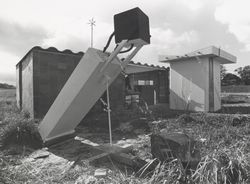
Dans la série de conférences Hier d’aujourd’hui, l’architecte et auteur canadien Witold Rybczynski expose les origines de l’Ecol House, prototype d’un modèle d’habitation autonome pour les pays en développement. Le projet a été créé à Montréal en 1972 par Ecol Operation, un groupe d’architectes et d’étudiants duquel il était membre et qui devient, au début des années(...)
Dans la série de conférences Hier d’aujourd’hui, l’architecte et auteur canadien Witold Rybczynski expose les origines de l’Ecol House, prototype d’un modèle d’habitation autonome pour les pays en développement. Le projet a été créé à Montréal en 1972 par Ecol Operation, un groupe d’architectes et d’étudiants duquel il était membre et qui devient, au début des années(...)
Localisation:
Théâtre Paul-Desmarais
Théâtre Paul-Desmarais
Date:
29 novembre 2007
29 novembre 2007
Titre:
Witold Rybczynski : Green Before Green
Actions:
Description:
Dans la série de conférences Hier d’aujourd’hui, l’architecte et auteur canadien Witold Rybczynski expose les origines de l’Ecol House, prototype d’un modèle d’habitation autonome pour les pays en développement. Le projet a été créé à Montréal en 1972 par Ecol Operation, un groupe d’architectes et d’étudiants duquel il était membre et qui devient, au début des années(...)
Witold Rybczynski : Green Before Green
Actions:
Description:
Dans la série de conférences Hier d’aujourd’hui, l’architecte et auteur canadien Witold Rybczynski expose les origines de l’Ecol House, prototype d’un modèle d’habitation autonome pour les pays en développement. Le projet a été créé à Montréal en 1972 par Ecol Operation, un groupe d’architectes et d’étudiants duquel il était membre et qui devient, au début des années(...)
Classification:
événements
événements
Date:
29 novembre 2007
29 novembre 2007
Localisation:
Théâtre Paul-Desmarais
Théâtre Paul-Desmarais
Classification:
dessins
dessins
Numéro de référence:
DR1989:0015:017
Description:
- This work is part of a group of drawings and reprographic prints of drawings for St. Peter's Home, Woking, and St. Peter's Convent, Woking, from the offices of John Loughborough Pearson and Frank Loughborough Pearson (DR1989:0015:011 - DR1989:0015:085 R/V). Composed of contract and working drawings including plans, site plans, sections, and elevations dated between 1881 and 1936, these drawings were sold at auction by the convent along with those for the older institution of St. Peter's Home, Kilburn (DR1989:0015:001 - DR1989:0015:010). Both St. Peter's Home, Kilburn, and St. Peter's Home, Woking were commissioned from John Loughborough Pearson by Benjamin Lancaster. The alterations to the Home at Kilburn were commissioned on behalf of Lancaster's wife, who founded the home and a lay nursing order which ran it. The institution at Woking was founded by Lancaster as a home for incurables in 1882 and dedicated to the memory of his deceased wife (Quiney 67-68, 254-255, and 284). It was probably first known as St. Peter's Home, Woking, not becoming a convent until ca. 1934.
DR1989:0015:017
Description:
- This work is part of a group of drawings and reprographic prints of drawings for St. Peter's Home, Woking, and St. Peter's Convent, Woking, from the offices of John Loughborough Pearson and Frank Loughborough Pearson (DR1989:0015:011 - DR1989:0015:085 R/V). Composed of contract and working drawings including plans, site plans, sections, and elevations dated between 1881 and 1936, these drawings were sold at auction by the convent along with those for the older institution of St. Peter's Home, Kilburn (DR1989:0015:001 - DR1989:0015:010). Both St. Peter's Home, Kilburn, and St. Peter's Home, Woking were commissioned from John Loughborough Pearson by Benjamin Lancaster. The alterations to the Home at Kilburn were commissioned on behalf of Lancaster's wife, who founded the home and a lay nursing order which ran it. The institution at Woking was founded by Lancaster as a home for incurables in 1882 and dedicated to the memory of his deceased wife (Quiney 67-68, 254-255, and 284). It was probably first known as St. Peter's Home, Woking, not becoming a convent until ca. 1934.
Personnes et institutions:
Sujet:
architecture
architecture
Date:
1890-1891
1890-1891
Titre:
St. Peter's Home, Woking: Basement plan for the north wing
Actions:
DR1989:0015:017
Description:
- This work is part of a group of drawings and reprographic prints of drawings for St. Peter's Home, Woking, and St. Peter's Convent, Woking, from the offices of John Loughborough Pearson and Frank Loughborough Pearson (DR1989:0015:011 - DR1989:0015:085 R/V). Composed of contract and working drawings including plans, site plans, sections, and elevations dated between 1881 and 1936, these drawings were sold at auction by the convent along with those for the older institution of St. Peter's Home, Kilburn (DR1989:0015:001 - DR1989:0015:010). Both St. Peter's Home, Kilburn, and St. Peter's Home, Woking were commissioned from John Loughborough Pearson by Benjamin Lancaster. The alterations to the Home at Kilburn were commissioned on behalf of Lancaster's wife, who founded the home and a lay nursing order which ran it. The institution at Woking was founded by Lancaster as a home for incurables in 1882 and dedicated to the memory of his deceased wife (Quiney 67-68, 254-255, and 284). It was probably first known as St. Peter's Home, Woking, not becoming a convent until ca. 1934.
St. Peter's Home, Woking: Basement plan for the north wing
Actions:
DR1989:0015:017
Description:
- This work is part of a group of drawings and reprographic prints of drawings for St. Peter's Home, Woking, and St. Peter's Convent, Woking, from the offices of John Loughborough Pearson and Frank Loughborough Pearson (DR1989:0015:011 - DR1989:0015:085 R/V). Composed of contract and working drawings including plans, site plans, sections, and elevations dated between 1881 and 1936, these drawings were sold at auction by the convent along with those for the older institution of St. Peter's Home, Kilburn (DR1989:0015:001 - DR1989:0015:010). Both St. Peter's Home, Kilburn, and St. Peter's Home, Woking were commissioned from John Loughborough Pearson by Benjamin Lancaster. The alterations to the Home at Kilburn were commissioned on behalf of Lancaster's wife, who founded the home and a lay nursing order which ran it. The institution at Woking was founded by Lancaster as a home for incurables in 1882 and dedicated to the memory of his deceased wife (Quiney 67-68, 254-255, and 284). It was probably first known as St. Peter's Home, Woking, not becoming a convent until ca. 1934.
Classification:
dessins
dessins
Date:
1890-1891
1890-1891
Personnes et institutions:
Sujet:
architecture
architecture


