


6412 Résultats
Classification:
expositions
expositions
Actions:
Description:
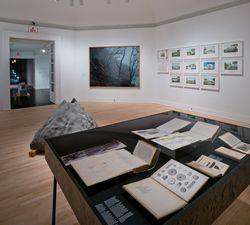
Entre 1836 et 1848, l’explorateur germano-néerlandais Franz Wilhelm Junghuhn mène plusieurs expéditions à Java pour le compte des autorités coloniales des Pays-Bas. Parmi les premiers Européens à gravir les nombreux volcans de l’île, il est surnommé le « Humboldt de Java » en raison de ses travaux scientifiques (livres, cartes et lithographies). L’exposition suit les(...)
Entre 1836 et 1848, l’explorateur germano-néerlandais Franz Wilhelm Junghuhn mène plusieurs expéditions à Java pour le compte des autorités coloniales des Pays-Bas. Parmi les premiers Européens à gravir les nombreux volcans de l’île, il est surnommé le « Humboldt de Java » en raison de ses travaux scientifiques (livres, cartes et lithographies). L’exposition suit les(...)
Localisation:
Salle octogonale
Salle octogonale
Date:
29 septembre 2016 au 22 janvier 2017
29 septembre 2016 au 22 janvier 2017
Titre:
17 volcans : oeuvres de Franz Wilhelm Junghuhn, Armin Linke et Bas Princen
Actions:
Description:
Entre 1836 et 1848, l’explorateur germano-néerlandais Franz Wilhelm Junghuhn mène plusieurs expéditions à Java pour le compte des autorités coloniales des Pays-Bas. Parmi les premiers Européens à gravir les nombreux volcans de l’île, il est surnommé le « Humboldt de Java » en raison de ses travaux scientifiques (livres, cartes et lithographies). L’exposition suit les(...)
17 volcans : oeuvres de Franz Wilhelm Junghuhn, Armin Linke et Bas Princen
Actions:
Description:
Entre 1836 et 1848, l’explorateur germano-néerlandais Franz Wilhelm Junghuhn mène plusieurs expéditions à Java pour le compte des autorités coloniales des Pays-Bas. Parmi les premiers Européens à gravir les nombreux volcans de l’île, il est surnommé le « Humboldt de Java » en raison de ses travaux scientifiques (livres, cartes et lithographies). L’exposition suit les(...)
Classification:
expositions
expositions
Date:
29 septembre 2016 au
22 janvier 2017
29 septembre 2016 au
22 janvier 2017
Localisation:
Salle octogonale
Salle octogonale
Classification:
événements
événements

Localisation:
Théâtre Paul-Desmarais
Théâtre Paul-Desmarais
Date:
25 janvier 2024, 18h
25 janvier 2024, 18h
Classification:
événements
événements
Date:
25 janvier 2024
18h
25 janvier 2024
18h
Localisation:
Théâtre Paul-Desmarais
Théâtre Paul-Desmarais
Classification:
expositions
expositions
Actions:
Description:
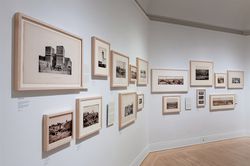
Dans la deuxième moitié du XIXe siècle, plusieurs photographes précurseurs voyagent au Moyen-Orient et en Afrique du Nord, et rapportent en Europe et en Amérique du Nord des images qui illustrent cette idée même de l’exotique. Qu’ils partent à la découverte des temples de la vallée du Nil, de la Terre sainte ou des costumes berbères, qu’ils soient amateurs ou pèlerins,(...)
Dans la deuxième moitié du XIXe siècle, plusieurs photographes précurseurs voyagent au Moyen-Orient et en Afrique du Nord, et rapportent en Europe et en Amérique du Nord des images qui illustrent cette idée même de l’exotique. Qu’ils partent à la découverte des temples de la vallée du Nil, de la Terre sainte ou des costumes berbères, qu’ils soient amateurs ou pèlerins,(...)
Localisation:
Salle octogonale
Salle octogonale
Date:
30 janvier 2014 au 25 mai 2014
30 janvier 2014 au 25 mai 2014
Titre:
La photographie de la ville arabe au XIXe siècle
Actions:
Description:
Dans la deuxième moitié du XIXe siècle, plusieurs photographes précurseurs voyagent au Moyen-Orient et en Afrique du Nord, et rapportent en Europe et en Amérique du Nord des images qui illustrent cette idée même de l’exotique. Qu’ils partent à la découverte des temples de la vallée du Nil, de la Terre sainte ou des costumes berbères, qu’ils soient amateurs ou pèlerins,(...)
La photographie de la ville arabe au XIXe siècle
Actions:
Description:
Dans la deuxième moitié du XIXe siècle, plusieurs photographes précurseurs voyagent au Moyen-Orient et en Afrique du Nord, et rapportent en Europe et en Amérique du Nord des images qui illustrent cette idée même de l’exotique. Qu’ils partent à la découverte des temples de la vallée du Nil, de la Terre sainte ou des costumes berbères, qu’ils soient amateurs ou pèlerins,(...)
Classification:
expositions
expositions
Date:
30 janvier 2014 au
25 mai 2014
30 janvier 2014 au
25 mai 2014
Localisation:
Salle octogonale
Salle octogonale
Classification:
archives
Niveau de description archivistique:
Fonds
archives
Niveau de description archivistique:
Fonds
Titre:
Gianni Pettena fonds
Gianni Pettena fonds
Numéro de référence:
AP207
Résumé:
The Gianni Pettena fonds documents Pettena’s work as an artist, architect, critic, and professor of history of contemporary architecture from the 1960s to the end of the 2010s. It includes one hundred artistic and architectural projects, material related to exhibitions he curated and designed, and his writings.
AP207
Résumé:
The Gianni Pettena fonds documents Pettena’s work as an artist, architect, critic, and professor of history of contemporary architecture from the 1960s to the end of the 2010s. It includes one hundred artistic and architectural projects, material related to exhibitions he curated and designed, and his writings.
Personnes et institutions:
Date:
1960-2019
1960-2019
Titre:
Gianni Pettena fonds
Actions:
AP207
Résumé:
The Gianni Pettena fonds documents Pettena’s work as an artist, architect, critic, and professor of history of contemporary architecture from the 1960s to the end of the 2010s. It includes one hundred artistic and architectural projects, material related to exhibitions he curated and designed, and his writings.
Gianni Pettena fonds
Actions:
AP207
Résumé:
The Gianni Pettena fonds documents Pettena’s work as an artist, architect, critic, and professor of history of contemporary architecture from the 1960s to the end of the 2010s. It includes one hundred artistic and architectural projects, material related to exhibitions he curated and designed, and his writings.
Classification:
archives
Niveau de description archivistique:
Fonds
archives
Niveau de description archivistique:
Fonds
Date:
1960-2019
1960-2019
Personnes et institutions:
Titre:
Cambridge
Cambridge
Actions:
Numéro de référence:
PH1979:0600.01:001-036
Description:
This album comprises 28 albumen silver prints of monuments of Cambridge and the following description of views of Cambridge could apply to this album: "These views of Cambrige focus primarily on the University's great medieval colleges untouched by the additions, renovations and accretions of the twentieth century, but also document the uncluttered nature of the city itself in the third quarter of the nineteenth century. Sprouting gargoyles vie for attention with gothic pinnacles, graceful bridges reflect themselves in the River Cam, and top-hatted gentlemen stroll through the snowy lanes of winter while labourers, messengers and apprentices confront the camera's gaze." (Cambridge Book and Print Gallery). The monuments depicted are the following: Jesus College. New Buildings; Cambridge Divinity Schools; Queen's College Entrance Gate; St. John's Chapel, from Trinity Backs (Summer); St. John's Chapel, from Trinity Backs (Winter); St. John's College. Bridge of Sighs; Queen's Bridge; Queen's Gardens; Pembroke College; Catherine's College; Emanuel College; Magdelen College; St. Peters College; Dowing College; Cains College. Old Gateway; Sidney College; Trinity Hall; The Round Church; Senate House and Library; and Fitzwilliam Museum.
PH1979:0600.01:001-036
Description:
This album comprises 28 albumen silver prints of monuments of Cambridge and the following description of views of Cambridge could apply to this album: "These views of Cambrige focus primarily on the University's great medieval colleges untouched by the additions, renovations and accretions of the twentieth century, but also document the uncluttered nature of the city itself in the third quarter of the nineteenth century. Sprouting gargoyles vie for attention with gothic pinnacles, graceful bridges reflect themselves in the River Cam, and top-hatted gentlemen stroll through the snowy lanes of winter while labourers, messengers and apprentices confront the camera's gaze." (Cambridge Book and Print Gallery). The monuments depicted are the following: Jesus College. New Buildings; Cambridge Divinity Schools; Queen's College Entrance Gate; St. John's Chapel, from Trinity Backs (Summer); St. John's Chapel, from Trinity Backs (Winter); St. John's College. Bridge of Sighs; Queen's Bridge; Queen's Gardens; Pembroke College; Catherine's College; Emanuel College; Magdelen College; St. Peters College; Dowing College; Cains College. Old Gateway; Sidney College; Trinity Hall; The Round Church; Senate House and Library; and Fitzwilliam Museum.
Personnes et institutions:
Sujet:
architecture
architecture
Date:
ca. 1880
ca. 1880
Titre:
Cambridge
Actions:
PH1979:0600.01:001-036
Description:
This album comprises 28 albumen silver prints of monuments of Cambridge and the following description of views of Cambridge could apply to this album: "These views of Cambrige focus primarily on the University's great medieval colleges untouched by the additions, renovations and accretions of the twentieth century, but also document the uncluttered nature of the city itself in the third quarter of the nineteenth century. Sprouting gargoyles vie for attention with gothic pinnacles, graceful bridges reflect themselves in the River Cam, and top-hatted gentlemen stroll through the snowy lanes of winter while labourers, messengers and apprentices confront the camera's gaze." (Cambridge Book and Print Gallery). The monuments depicted are the following: Jesus College. New Buildings; Cambridge Divinity Schools; Queen's College Entrance Gate; St. John's Chapel, from Trinity Backs (Summer); St. John's Chapel, from Trinity Backs (Winter); St. John's College. Bridge of Sighs; Queen's Bridge; Queen's Gardens; Pembroke College; Catherine's College; Emanuel College; Magdelen College; St. Peters College; Dowing College; Cains College. Old Gateway; Sidney College; Trinity Hall; The Round Church; Senate House and Library; and Fitzwilliam Museum.
Cambridge
Actions:
PH1979:0600.01:001-036
Description:
This album comprises 28 albumen silver prints of monuments of Cambridge and the following description of views of Cambridge could apply to this album: "These views of Cambrige focus primarily on the University's great medieval colleges untouched by the additions, renovations and accretions of the twentieth century, but also document the uncluttered nature of the city itself in the third quarter of the nineteenth century. Sprouting gargoyles vie for attention with gothic pinnacles, graceful bridges reflect themselves in the River Cam, and top-hatted gentlemen stroll through the snowy lanes of winter while labourers, messengers and apprentices confront the camera's gaze." (Cambridge Book and Print Gallery). The monuments depicted are the following: Jesus College. New Buildings; Cambridge Divinity Schools; Queen's College Entrance Gate; St. John's Chapel, from Trinity Backs (Summer); St. John's Chapel, from Trinity Backs (Winter); St. John's College. Bridge of Sighs; Queen's Bridge; Queen's Gardens; Pembroke College; Catherine's College; Emanuel College; Magdelen College; St. Peters College; Dowing College; Cains College. Old Gateway; Sidney College; Trinity Hall; The Round Church; Senate House and Library; and Fitzwilliam Museum.
Date:
ca. 1880
ca. 1880
Personnes et institutions:
Sujet:
architecture
architecture
Classification:
archives
Niveau de description archivistique:
Collection
archives
Niveau de description archivistique:
Collection
Numéro de référence:
CD033
Résumé:
The Aldo Cibic Microrealities project collection primarily consists of presentation materials, publications and born digital materials, like videos and photographs, by Aldo Cibic produced between 2003 and 2008 for the project “Microrealities”.
CD033
Résumé:
The Aldo Cibic Microrealities project collection primarily consists of presentation materials, publications and born digital materials, like videos and photographs, by Aldo Cibic produced between 2003 and 2008 for the project “Microrealities”.
Personnes et institutions:
Date:
2003-2008
2003-2008
Titre:
Collection d’Aldo Cibic pour le projet Microrealities
Actions:
CD033
Résumé:
The Aldo Cibic Microrealities project collection primarily consists of presentation materials, publications and born digital materials, like videos and photographs, by Aldo Cibic produced between 2003 and 2008 for the project “Microrealities”.
Collection d’Aldo Cibic pour le projet Microrealities
Actions:
CD033
Résumé:
The Aldo Cibic Microrealities project collection primarily consists of presentation materials, publications and born digital materials, like videos and photographs, by Aldo Cibic produced between 2003 and 2008 for the project “Microrealities”.
Classification:
archives
Niveau de description archivistique:
collection
archives
Niveau de description archivistique:
collection
Date:
2003-2008
2003-2008
Personnes et institutions:
Classification:
expositions
expositions
Actions:
Description:
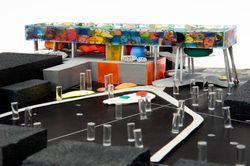
L’exposition présente les œuvres de l’architecte britannique Will Alsop, préparatoires au Sharp Centre for Design de l’Ontario College of Art and Design (OCAD) de Toronto, et s’attache en particulier au rôle qu’a joué la peinture dans son processus de création. La construction du Sharp Centre for Design de l’OCAD, conçu en collaboration avec Robbie/Young + Wright, s’est(...)
L’exposition présente les œuvres de l’architecte britannique Will Alsop, préparatoires au Sharp Centre for Design de l’Ontario College of Art and Design (OCAD) de Toronto, et s’attache en particulier au rôle qu’a joué la peinture dans son processus de création. La construction du Sharp Centre for Design de l’OCAD, conçu en collaboration avec Robbie/Young + Wright, s’est(...)
Localisation:
Salle octogonale
Salle octogonale
Date:
13 juin 2008 au 5 octobre 2008
13 juin 2008 au 5 octobre 2008
Titre:
Will Alsop : OCAD, un manifeste urbain
Actions:
Description:
L’exposition présente les œuvres de l’architecte britannique Will Alsop, préparatoires au Sharp Centre for Design de l’Ontario College of Art and Design (OCAD) de Toronto, et s’attache en particulier au rôle qu’a joué la peinture dans son processus de création. La construction du Sharp Centre for Design de l’OCAD, conçu en collaboration avec Robbie/Young + Wright, s’est(...)
Will Alsop : OCAD, un manifeste urbain
Actions:
Description:
L’exposition présente les œuvres de l’architecte britannique Will Alsop, préparatoires au Sharp Centre for Design de l’Ontario College of Art and Design (OCAD) de Toronto, et s’attache en particulier au rôle qu’a joué la peinture dans son processus de création. La construction du Sharp Centre for Design de l’OCAD, conçu en collaboration avec Robbie/Young + Wright, s’est(...)
Classification:
expositions
expositions
Date:
13 juin 2008 au
5 octobre 2008
13 juin 2008 au
5 octobre 2008
Localisation:
Salle octogonale
Salle octogonale
Classification:
archives
Niveau de description archivistique:
Fonds
archives
Niveau de description archivistique:
Fonds
Titre:
Fonds Blaise Marchand
Fonds Blaise Marchand
Numéro de référence:
AP086
Résumé:
Le fonds comprend principalement des photographies prises lors de la période où Blaise Marchand travaillait au ministère des Travaux publics du Québec en tant que architecte en chef pour l'entretien (1945-1968), ainsi que des dessins et des documents textuels relatifs à 7 projets, tels que l'Église Saint-Joachim de Châteauguay (1927), le Bureau d'enregistrement de Cap-Santé (1938 et 1964), etc. Le fonds contient également trois publications relatives à l'urbanisme et à la conservation et la restauration du patrimoine bâti.
AP086
Résumé:
Le fonds comprend principalement des photographies prises lors de la période où Blaise Marchand travaillait au ministère des Travaux publics du Québec en tant que architecte en chef pour l'entretien (1945-1968), ainsi que des dessins et des documents textuels relatifs à 7 projets, tels que l'Église Saint-Joachim de Châteauguay (1927), le Bureau d'enregistrement de Cap-Santé (1938 et 1964), etc. Le fonds contient également trois publications relatives à l'urbanisme et à la conservation et la restauration du patrimoine bâti.
Personnes et institutions:
Date:
1927, 1938-1964
1927, 1938-1964
Titre:
Fonds Blaise Marchand
Actions:
AP086
Résumé:
Le fonds comprend principalement des photographies prises lors de la période où Blaise Marchand travaillait au ministère des Travaux publics du Québec en tant que architecte en chef pour l'entretien (1945-1968), ainsi que des dessins et des documents textuels relatifs à 7 projets, tels que l'Église Saint-Joachim de Châteauguay (1927), le Bureau d'enregistrement de Cap-Santé (1938 et 1964), etc. Le fonds contient également trois publications relatives à l'urbanisme et à la conservation et la restauration du patrimoine bâti.
Fonds Blaise Marchand
Actions:
AP086
Résumé:
Le fonds comprend principalement des photographies prises lors de la période où Blaise Marchand travaillait au ministère des Travaux publics du Québec en tant que architecte en chef pour l'entretien (1945-1968), ainsi que des dessins et des documents textuels relatifs à 7 projets, tels que l'Église Saint-Joachim de Châteauguay (1927), le Bureau d'enregistrement de Cap-Santé (1938 et 1964), etc. Le fonds contient également trois publications relatives à l'urbanisme et à la conservation et la restauration du patrimoine bâti.
Classification:
archives
Niveau de description archivistique:
Fonds
archives
Niveau de description archivistique:
Fonds
Date:
1927, 1938-1964
1927, 1938-1964
Personnes et institutions:
Classification:
événements
événements
Actions:
Description:
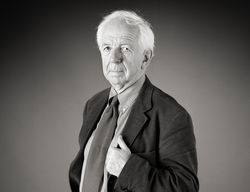
Hubert Damisch, chercheur principal et boursier Mellon au CCA en 2003-2004, examine la conséquence qu’aura, pour l’avenir de la pensée structurale, l’édifice-nuage Blur. Créé par la firme d’architectes new-yorkais Diller + Scofidio sur le lac de Neuchâtel en Suisse, cet édifice est la plus récente et radicale expression d’un désir de fluidité et d’évanescence en(...)
Hubert Damisch, chercheur principal et boursier Mellon au CCA en 2003-2004, examine la conséquence qu’aura, pour l’avenir de la pensée structurale, l’édifice-nuage Blur. Créé par la firme d’architectes new-yorkais Diller + Scofidio sur le lac de Neuchâtel en Suisse, cet édifice est la plus récente et radicale expression d’un désir de fluidité et d’évanescence en(...)
Localisation:
Théâtre Paul-Desmarais
Théâtre Paul-Desmarais
Date:
8 mai 2003
8 mai 2003
Titre:
Hubert Damisch : Effacer l’architecture?
Actions:
Description:
Hubert Damisch, chercheur principal et boursier Mellon au CCA en 2003-2004, examine la conséquence qu’aura, pour l’avenir de la pensée structurale, l’édifice-nuage Blur. Créé par la firme d’architectes new-yorkais Diller + Scofidio sur le lac de Neuchâtel en Suisse, cet édifice est la plus récente et radicale expression d’un désir de fluidité et d’évanescence en(...)
Hubert Damisch : Effacer l’architecture?
Actions:
Description:
Hubert Damisch, chercheur principal et boursier Mellon au CCA en 2003-2004, examine la conséquence qu’aura, pour l’avenir de la pensée structurale, l’édifice-nuage Blur. Créé par la firme d’architectes new-yorkais Diller + Scofidio sur le lac de Neuchâtel en Suisse, cet édifice est la plus récente et radicale expression d’un désir de fluidité et d’évanescence en(...)
Classification:
événements
événements
Date:
8 mai 2003
8 mai 2003
Localisation:
Théâtre Paul-Desmarais
Théâtre Paul-Desmarais
Classification:
événements
événements
Actions:
Description:
Alors que le climat de la Terre atteint un état d’instabilité constante, la prise de conscience de l’impact du réchauffement planétaire sur les droits de l’homme et l’augmentation des conflits sociaux, ne fait que s’accentuer. Une moindre attention a été accordée aux façons dont la violence politique et l’abus de droits humains, dans le passé comme dans le présent,(...)
Alors que le climat de la Terre atteint un état d’instabilité constante, la prise de conscience de l’impact du réchauffement planétaire sur les droits de l’homme et l’augmentation des conflits sociaux, ne fait que s’accentuer. Une moindre attention a été accordée aux façons dont la violence politique et l’abus de droits humains, dans le passé comme dans le présent,(...)
Localisation:
Théâtre Paul-Demarais
Théâtre Paul-Demarais
Date:
1 décembre 2016, 18h
1 décembre 2016, 18h
Titre:
Dans les frontières du changement climatique (Vers une politique des droits non humains)
Actions:
Description:
Alors que le climat de la Terre atteint un état d’instabilité constante, la prise de conscience de l’impact du réchauffement planétaire sur les droits de l’homme et l’augmentation des conflits sociaux, ne fait que s’accentuer. Une moindre attention a été accordée aux façons dont la violence politique et l’abus de droits humains, dans le passé comme dans le présent,(...)
Dans les frontières du changement climatique (Vers une politique des droits non humains)
Actions:
Description:
Alors que le climat de la Terre atteint un état d’instabilité constante, la prise de conscience de l’impact du réchauffement planétaire sur les droits de l’homme et l’augmentation des conflits sociaux, ne fait que s’accentuer. Une moindre attention a été accordée aux façons dont la violence politique et l’abus de droits humains, dans le passé comme dans le présent,(...)
Classification:
événements
événements
Date:
1 décembre 2016
18h
1 décembre 2016
18h
Localisation:
Théâtre Paul-Demarais
Théâtre Paul-Demarais


