


6595 Résultats
Classification:
documents textuels
documents textuels
Numéro de référence:
AP206.S2.073
Description:
File was originally housed in a binder along with content arranged in AP206.S2.072 and AP206.S2.074. This file includes the following papers: "Human Settlements: An Appropriate Approach," 1986 "A New Capital for Haryana," 1993 "Art Appreciation" "Growth of Chandigarh, its Services, and the Validity of its Concepts" "Don't leave it to Stars," 1992 "The Future of Chandigarh," 1992 "Art," 1989 Letter to editor of newspaper, 1990 "Peacocks in Chandigarh," 1990
AP206.S2.073
Description:
File was originally housed in a binder along with content arranged in AP206.S2.072 and AP206.S2.074. This file includes the following papers: "Human Settlements: An Appropriate Approach," 1986 "A New Capital for Haryana," 1993 "Art Appreciation" "Growth of Chandigarh, its Services, and the Validity of its Concepts" "Don't leave it to Stars," 1992 "The Future of Chandigarh," 1992 "Art," 1989 Letter to editor of newspaper, 1990 "Peacocks in Chandigarh," 1990
Personnes et institutions:
Date:
1986-1998
1986-1998
Titre:
Published and unpublished papers (folder 2 of 3)
Actions:
AP206.S2.073
Description:
File was originally housed in a binder along with content arranged in AP206.S2.072 and AP206.S2.074. This file includes the following papers: "Human Settlements: An Appropriate Approach," 1986 "A New Capital for Haryana," 1993 "Art Appreciation" "Growth of Chandigarh, its Services, and the Validity of its Concepts" "Don't leave it to Stars," 1992 "The Future of Chandigarh," 1992 "Art," 1989 Letter to editor of newspaper, 1990 "Peacocks in Chandigarh," 1990
Published and unpublished papers (folder 2 of 3)
Actions:
AP206.S2.073
Description:
File was originally housed in a binder along with content arranged in AP206.S2.072 and AP206.S2.074. This file includes the following papers: "Human Settlements: An Appropriate Approach," 1986 "A New Capital for Haryana," 1993 "Art Appreciation" "Growth of Chandigarh, its Services, and the Validity of its Concepts" "Don't leave it to Stars," 1992 "The Future of Chandigarh," 1992 "Art," 1989 Letter to editor of newspaper, 1990 "Peacocks in Chandigarh," 1990
Classification:
documents textuels
documents textuels
Date:
1986-1998
1986-1998
Personnes et institutions:
Niveau de description archivistique:
Projet
Projet
Numéro de référence:
AP018.S1.1979.PR12
Description:
This project series documents additions and alterations made to the offices of law firm Davies, Ward and Beck on the 47th floor of Commerce Court in Toronto from 1979-1981. The office identified the project number as 7912. This project consisted of a new coffee room, changes to doors, revisions of power and telephone outlets, and revisions of the air exhaust system in the conference room, among others. This project is also referred to as Expansion to 48th Floor in the documentation, although the revisions mentioned were largely implemented on the 47th floor. It is likely that the expansion to the 48th floor planning began under this project number but was fully realized under a future project number (project series AP018.S1.1981.PR04 in this fonds). The project is recorded through drawings and textual records dating from 1979-1983. The majority of the drawings are reprographic copies of as built and construction drawings that are arranged within the textual documentation. The textual records include correspondence and meeting minutes with contractors, financial records, change orders, supplementary instructions and mechanical specifications.
AP018.S1.1979.PR12
Description:
This project series documents additions and alterations made to the offices of law firm Davies, Ward and Beck on the 47th floor of Commerce Court in Toronto from 1979-1981. The office identified the project number as 7912. This project consisted of a new coffee room, changes to doors, revisions of power and telephone outlets, and revisions of the air exhaust system in the conference room, among others. This project is also referred to as Expansion to 48th Floor in the documentation, although the revisions mentioned were largely implemented on the 47th floor. It is likely that the expansion to the 48th floor planning began under this project number but was fully realized under a future project number (project series AP018.S1.1981.PR04 in this fonds). The project is recorded through drawings and textual records dating from 1979-1983. The majority of the drawings are reprographic copies of as built and construction drawings that are arranged within the textual documentation. The textual records include correspondence and meeting minutes with contractors, financial records, change orders, supplementary instructions and mechanical specifications.
Personnes et institutions:
Date:
1979-1983
1979-1983
Titre:
Offices of Davies, Ward and Beck, Additions and Alterations, 47th Floor Commerce Court, Toronto (1979-1981)
Actions:
AP018.S1.1979.PR12
Description:
This project series documents additions and alterations made to the offices of law firm Davies, Ward and Beck on the 47th floor of Commerce Court in Toronto from 1979-1981. The office identified the project number as 7912. This project consisted of a new coffee room, changes to doors, revisions of power and telephone outlets, and revisions of the air exhaust system in the conference room, among others. This project is also referred to as Expansion to 48th Floor in the documentation, although the revisions mentioned were largely implemented on the 47th floor. It is likely that the expansion to the 48th floor planning began under this project number but was fully realized under a future project number (project series AP018.S1.1981.PR04 in this fonds). The project is recorded through drawings and textual records dating from 1979-1983. The majority of the drawings are reprographic copies of as built and construction drawings that are arranged within the textual documentation. The textual records include correspondence and meeting minutes with contractors, financial records, change orders, supplementary instructions and mechanical specifications.
Offices of Davies, Ward and Beck, Additions and Alterations, 47th Floor Commerce Court, Toronto (1979-1981)
Actions:
AP018.S1.1979.PR12
Description:
This project series documents additions and alterations made to the offices of law firm Davies, Ward and Beck on the 47th floor of Commerce Court in Toronto from 1979-1981. The office identified the project number as 7912. This project consisted of a new coffee room, changes to doors, revisions of power and telephone outlets, and revisions of the air exhaust system in the conference room, among others. This project is also referred to as Expansion to 48th Floor in the documentation, although the revisions mentioned were largely implemented on the 47th floor. It is likely that the expansion to the 48th floor planning began under this project number but was fully realized under a future project number (project series AP018.S1.1981.PR04 in this fonds). The project is recorded through drawings and textual records dating from 1979-1983. The majority of the drawings are reprographic copies of as built and construction drawings that are arranged within the textual documentation. The textual records include correspondence and meeting minutes with contractors, financial records, change orders, supplementary instructions and mechanical specifications.
Niveau de description archivistique:
Project
Project
Date:
1979-1983
1979-1983
Personnes et institutions:
Classification:
articles
articles
Titre:
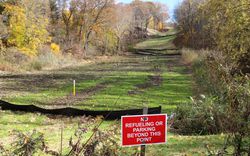
Eaux troubles
Eaux troubles
Actions:
Le fleuve Hudson, symbole du passé et présage de l’avenir de l’Amérique
Dossier:
La nature recomposée
La nature recomposée
Publié:
20 janvier 2017
20 janvier 2017
Titre:
Eaux troubles
Le fleuve Hudson, symbole du passé et présage de l’avenir de l’Amérique
Actions:
Eaux troubles
Le fleuve Hudson, symbole du passé et présage de l’avenir de l’Amérique
Actions:
Dossier:
La nature recomposée
La nature recomposée
Niveau de description archivistique:
Projet
Projet
Numéro de référence:
AP018.S1.1972.PR05
Description:
This project series documents the offices of law firm Davies, Ward and Beck in Toronto from 1972-1973. The office identified the project number as 7205. This project consisted of the design of the 47th floor of Commerce Court, some of which was to be used by the law firm, while the rest would be rented to subtenants. This was the first in a series of projects for this office, with several changes to occur in the subsequent decade. The planning for these future projects was already underway when this one began. This original project included 25 offices for lawyers, with the partners occupying corner offices, board and conference rooms, secretary and student offices, a library, a lunch room, a switchboard room and other work areas. The project is recorded through drawings and textual records dating from 1971-1976. The drawings are mostly reprographic copies that include plans, details and mechanical and electrical drawings. The textual materials include correspondence, certificates of payment, conference reports and change orders. Box AP018.S1.1972.PR05.003 contains an index to the textual records, which was created by the office.
AP018.S1.1972.PR05
Description:
This project series documents the offices of law firm Davies, Ward and Beck in Toronto from 1972-1973. The office identified the project number as 7205. This project consisted of the design of the 47th floor of Commerce Court, some of which was to be used by the law firm, while the rest would be rented to subtenants. This was the first in a series of projects for this office, with several changes to occur in the subsequent decade. The planning for these future projects was already underway when this one began. This original project included 25 offices for lawyers, with the partners occupying corner offices, board and conference rooms, secretary and student offices, a library, a lunch room, a switchboard room and other work areas. The project is recorded through drawings and textual records dating from 1971-1976. The drawings are mostly reprographic copies that include plans, details and mechanical and electrical drawings. The textual materials include correspondence, certificates of payment, conference reports and change orders. Box AP018.S1.1972.PR05.003 contains an index to the textual records, which was created by the office.
Personnes et institutions:
Date:
1971-1976
1971-1976
Titre:
Offices for Davies, Ward and Beck, 47th Floor Commerce Court, Toronto (1972-1973)
Actions:
AP018.S1.1972.PR05
Description:
This project series documents the offices of law firm Davies, Ward and Beck in Toronto from 1972-1973. The office identified the project number as 7205. This project consisted of the design of the 47th floor of Commerce Court, some of which was to be used by the law firm, while the rest would be rented to subtenants. This was the first in a series of projects for this office, with several changes to occur in the subsequent decade. The planning for these future projects was already underway when this one began. This original project included 25 offices for lawyers, with the partners occupying corner offices, board and conference rooms, secretary and student offices, a library, a lunch room, a switchboard room and other work areas. The project is recorded through drawings and textual records dating from 1971-1976. The drawings are mostly reprographic copies that include plans, details and mechanical and electrical drawings. The textual materials include correspondence, certificates of payment, conference reports and change orders. Box AP018.S1.1972.PR05.003 contains an index to the textual records, which was created by the office.
Offices for Davies, Ward and Beck, 47th Floor Commerce Court, Toronto (1972-1973)
Actions:
AP018.S1.1972.PR05
Description:
This project series documents the offices of law firm Davies, Ward and Beck in Toronto from 1972-1973. The office identified the project number as 7205. This project consisted of the design of the 47th floor of Commerce Court, some of which was to be used by the law firm, while the rest would be rented to subtenants. This was the first in a series of projects for this office, with several changes to occur in the subsequent decade. The planning for these future projects was already underway when this one began. This original project included 25 offices for lawyers, with the partners occupying corner offices, board and conference rooms, secretary and student offices, a library, a lunch room, a switchboard room and other work areas. The project is recorded through drawings and textual records dating from 1971-1976. The drawings are mostly reprographic copies that include plans, details and mechanical and electrical drawings. The textual materials include correspondence, certificates of payment, conference reports and change orders. Box AP018.S1.1972.PR05.003 contains an index to the textual records, which was created by the office.
Niveau de description archivistique:
project
project
Date:
1971-1976
1971-1976
Personnes et institutions:
Niveau de description archivistique:
Série(s)
Série(s)
Titre:
Une architecture des humeurs
Une architecture des humeurs
Numéro de référence:
AP193.S4
Description:
Series 4, Une architecture des humeurs, 2008-2011, documents the conception and the presentation of exhibition and project Une architecture des humeurs. Presented at Le laboratoire art gallery in Paris between January and May 2010, Une architecture des humeurs is a conceptual, unbuilt, residential urban structure based on a potential future in which contemporary science reads human physiology and chemical balance. The idea is to acquire a chemistry of the “humors”, or the moods and temperament, of future purchasers. Taken as input, the information generates a diversity of habitable morphologies and relationships between them. With this process, the project attempts to make palpable and graspable, through technologies, the emotions of the participants captured via the chemistry of their body. The goal is to gather information on their capacity of adaptation, their level of sympathy and empathy while confronted to a situation or an environment. This information is then analyzed by computational, mathematical, and machinist procedures. This leads to the design and production of an urban structure submitted to the improbable and uncertain protocols produced by emotions, also creating aggregations and layouts that rearticulate the links between the individual and the collective. These structures are calculated following simultaneously incremental and recursive structural optimization protocols resulting in the physicality and morphology of architecture. The layout of the residential units and the structural trajectories are conceived and developed as posterior to the constructs supporting social life and not as an a priori. The structure of each components of the urban structure is generated by a secretion and weaving machine called Viab02. The machine is the second prototype of VIAB which was developed with Robotics Research Lab of the University of Southern California and takes its name from the terms viability and variability. With a process similar to contour crafting, the machine produces bio-cement, a mix between cement and bio-resin, giving form to the adapted residential structures. The records consist largely of images detailing the creative process of the firm, photographs of the exhibition, and 3D models. It also contains animated renderings representing the machine in action and sequences of the construction of the building or the structure. The records include a video orienting the project into François Roche theoretical stance, research as speculation, that can be summarize as the use of technological tools to take a critical and political position through esthetic in order to open new lines of thoughts. AP193.S2 contains updated previous version of the VIAB machine
AP193.S4
Description:
Series 4, Une architecture des humeurs, 2008-2011, documents the conception and the presentation of exhibition and project Une architecture des humeurs. Presented at Le laboratoire art gallery in Paris between January and May 2010, Une architecture des humeurs is a conceptual, unbuilt, residential urban structure based on a potential future in which contemporary science reads human physiology and chemical balance. The idea is to acquire a chemistry of the “humors”, or the moods and temperament, of future purchasers. Taken as input, the information generates a diversity of habitable morphologies and relationships between them. With this process, the project attempts to make palpable and graspable, through technologies, the emotions of the participants captured via the chemistry of their body. The goal is to gather information on their capacity of adaptation, their level of sympathy and empathy while confronted to a situation or an environment. This information is then analyzed by computational, mathematical, and machinist procedures. This leads to the design and production of an urban structure submitted to the improbable and uncertain protocols produced by emotions, also creating aggregations and layouts that rearticulate the links between the individual and the collective. These structures are calculated following simultaneously incremental and recursive structural optimization protocols resulting in the physicality and morphology of architecture. The layout of the residential units and the structural trajectories are conceived and developed as posterior to the constructs supporting social life and not as an a priori. The structure of each components of the urban structure is generated by a secretion and weaving machine called Viab02. The machine is the second prototype of VIAB which was developed with Robotics Research Lab of the University of Southern California and takes its name from the terms viability and variability. With a process similar to contour crafting, the machine produces bio-cement, a mix between cement and bio-resin, giving form to the adapted residential structures. The records consist largely of images detailing the creative process of the firm, photographs of the exhibition, and 3D models. It also contains animated renderings representing the machine in action and sequences of the construction of the building or the structure. The records include a video orienting the project into François Roche theoretical stance, research as speculation, that can be summarize as the use of technological tools to take a critical and political position through esthetic in order to open new lines of thoughts. AP193.S2 contains updated previous version of the VIAB machine
Personnes et institutions:
Date:
2008-2011
2008-2011
Titre:
Une architecture des humeurs
Actions:
AP193.S4
Description:
Series 4, Une architecture des humeurs, 2008-2011, documents the conception and the presentation of exhibition and project Une architecture des humeurs. Presented at Le laboratoire art gallery in Paris between January and May 2010, Une architecture des humeurs is a conceptual, unbuilt, residential urban structure based on a potential future in which contemporary science reads human physiology and chemical balance. The idea is to acquire a chemistry of the “humors”, or the moods and temperament, of future purchasers. Taken as input, the information generates a diversity of habitable morphologies and relationships between them. With this process, the project attempts to make palpable and graspable, through technologies, the emotions of the participants captured via the chemistry of their body. The goal is to gather information on their capacity of adaptation, their level of sympathy and empathy while confronted to a situation or an environment. This information is then analyzed by computational, mathematical, and machinist procedures. This leads to the design and production of an urban structure submitted to the improbable and uncertain protocols produced by emotions, also creating aggregations and layouts that rearticulate the links between the individual and the collective. These structures are calculated following simultaneously incremental and recursive structural optimization protocols resulting in the physicality and morphology of architecture. The layout of the residential units and the structural trajectories are conceived and developed as posterior to the constructs supporting social life and not as an a priori. The structure of each components of the urban structure is generated by a secretion and weaving machine called Viab02. The machine is the second prototype of VIAB which was developed with Robotics Research Lab of the University of Southern California and takes its name from the terms viability and variability. With a process similar to contour crafting, the machine produces bio-cement, a mix between cement and bio-resin, giving form to the adapted residential structures. The records consist largely of images detailing the creative process of the firm, photographs of the exhibition, and 3D models. It also contains animated renderings representing the machine in action and sequences of the construction of the building or the structure. The records include a video orienting the project into François Roche theoretical stance, research as speculation, that can be summarize as the use of technological tools to take a critical and political position through esthetic in order to open new lines of thoughts. AP193.S2 contains updated previous version of the VIAB machine
Une architecture des humeurs
Actions:
AP193.S4
Description:
Series 4, Une architecture des humeurs, 2008-2011, documents the conception and the presentation of exhibition and project Une architecture des humeurs. Presented at Le laboratoire art gallery in Paris between January and May 2010, Une architecture des humeurs is a conceptual, unbuilt, residential urban structure based on a potential future in which contemporary science reads human physiology and chemical balance. The idea is to acquire a chemistry of the “humors”, or the moods and temperament, of future purchasers. Taken as input, the information generates a diversity of habitable morphologies and relationships between them. With this process, the project attempts to make palpable and graspable, through technologies, the emotions of the participants captured via the chemistry of their body. The goal is to gather information on their capacity of adaptation, their level of sympathy and empathy while confronted to a situation or an environment. This information is then analyzed by computational, mathematical, and machinist procedures. This leads to the design and production of an urban structure submitted to the improbable and uncertain protocols produced by emotions, also creating aggregations and layouts that rearticulate the links between the individual and the collective. These structures are calculated following simultaneously incremental and recursive structural optimization protocols resulting in the physicality and morphology of architecture. The layout of the residential units and the structural trajectories are conceived and developed as posterior to the constructs supporting social life and not as an a priori. The structure of each components of the urban structure is generated by a secretion and weaving machine called Viab02. The machine is the second prototype of VIAB which was developed with Robotics Research Lab of the University of Southern California and takes its name from the terms viability and variability. With a process similar to contour crafting, the machine produces bio-cement, a mix between cement and bio-resin, giving form to the adapted residential structures. The records consist largely of images detailing the creative process of the firm, photographs of the exhibition, and 3D models. It also contains animated renderings representing the machine in action and sequences of the construction of the building or the structure. The records include a video orienting the project into François Roche theoretical stance, research as speculation, that can be summarize as the use of technological tools to take a critical and political position through esthetic in order to open new lines of thoughts. AP193.S2 contains updated previous version of the VIAB machine
Niveau de description archivistique:
Series
Series
Date:
2008-2011
2008-2011
Personnes et institutions:
Niveau de description archivistique:
Projet
Projet
Numéro de référence:
AP056.S1.1989.PR01
Description:
This project series documents an expansion of the Marc Laurent store at 110 Bloor Street West in Toronto in 1989. No project number was identifed. This project consisted of the eastward expansion and renovations to the existing high-end retail store. The original design of the store was completed prior to the founding of KPMB, by Bruce Kuwabara and Thomas Payne in 1986. The new space saw the addition of 1000 square feet to the store at the street level and relocation of the entrance doors to accommodate this expansion. An expansion of the lower concourse level also added 1,457 square feet. The new spaces extended the architectural style already established in earlier phases of the store's development. Materials used in this project, as in earlier projects, included steel, glass, rubber, and aluminum, combined with natural wood and stone. This project is considered Phase 3 of the store's development, with 2 future phases to be completed by KPMB Architects soon after. The project is recorded through original drawings and photographs dating from 1989-1991. The drawings consist primarily of sketches, plans, sections, and furnishing drawings. The photographs show the finished interiors.
AP056.S1.1989.PR01
Description:
This project series documents an expansion of the Marc Laurent store at 110 Bloor Street West in Toronto in 1989. No project number was identifed. This project consisted of the eastward expansion and renovations to the existing high-end retail store. The original design of the store was completed prior to the founding of KPMB, by Bruce Kuwabara and Thomas Payne in 1986. The new space saw the addition of 1000 square feet to the store at the street level and relocation of the entrance doors to accommodate this expansion. An expansion of the lower concourse level also added 1,457 square feet. The new spaces extended the architectural style already established in earlier phases of the store's development. Materials used in this project, as in earlier projects, included steel, glass, rubber, and aluminum, combined with natural wood and stone. This project is considered Phase 3 of the store's development, with 2 future phases to be completed by KPMB Architects soon after. The project is recorded through original drawings and photographs dating from 1989-1991. The drawings consist primarily of sketches, plans, sections, and furnishing drawings. The photographs show the finished interiors.
Personnes et institutions:
Date:
1989-1991
1989-1991
Titre:
Marc Laurent Store, Phase 3, Toronto (1989-1991)
Actions:
AP056.S1.1989.PR01
Description:
This project series documents an expansion of the Marc Laurent store at 110 Bloor Street West in Toronto in 1989. No project number was identifed. This project consisted of the eastward expansion and renovations to the existing high-end retail store. The original design of the store was completed prior to the founding of KPMB, by Bruce Kuwabara and Thomas Payne in 1986. The new space saw the addition of 1000 square feet to the store at the street level and relocation of the entrance doors to accommodate this expansion. An expansion of the lower concourse level also added 1,457 square feet. The new spaces extended the architectural style already established in earlier phases of the store's development. Materials used in this project, as in earlier projects, included steel, glass, rubber, and aluminum, combined with natural wood and stone. This project is considered Phase 3 of the store's development, with 2 future phases to be completed by KPMB Architects soon after. The project is recorded through original drawings and photographs dating from 1989-1991. The drawings consist primarily of sketches, plans, sections, and furnishing drawings. The photographs show the finished interiors.
Marc Laurent Store, Phase 3, Toronto (1989-1991)
Actions:
AP056.S1.1989.PR01
Description:
This project series documents an expansion of the Marc Laurent store at 110 Bloor Street West in Toronto in 1989. No project number was identifed. This project consisted of the eastward expansion and renovations to the existing high-end retail store. The original design of the store was completed prior to the founding of KPMB, by Bruce Kuwabara and Thomas Payne in 1986. The new space saw the addition of 1000 square feet to the store at the street level and relocation of the entrance doors to accommodate this expansion. An expansion of the lower concourse level also added 1,457 square feet. The new spaces extended the architectural style already established in earlier phases of the store's development. Materials used in this project, as in earlier projects, included steel, glass, rubber, and aluminum, combined with natural wood and stone. This project is considered Phase 3 of the store's development, with 2 future phases to be completed by KPMB Architects soon after. The project is recorded through original drawings and photographs dating from 1989-1991. The drawings consist primarily of sketches, plans, sections, and furnishing drawings. The photographs show the finished interiors.
Niveau de description archivistique:
Project
Project
Date:
1989-1991
1989-1991
Personnes et institutions:
Niveau de description archivistique:
Projet
Projet
Numéro de référence:
AP206.S1.1960.PR01
Description:
This project series documents the Tagore Theatre in Sector 18 in Chandigarh, India from 1960-1962. This project consisted of a 600-seat theatre comprised of two square-shaped volumes, turned on their axis to overlap at their corners. The stage was located directly at the overlap, with the back-of-house occupying one square and the audience in the other. Inside, the roof frame was left exposed and meticulous detail was paid to the theatre's acoustics. The building's brick exterior had almost no windows, except those located along the first-level below a canopy that wrapped the theatre. Large-scale alterations have since been made to the iconic theatre. The project is recorded through drawings and textual records dating from 1949-2001. The majority of the drawings are reprographic copies, but many are annotated. There are a number of drawings dating from 1999-2001 that likely show future work to the theatre, since they are outside the scope of the theatre's original construction. The textual records consist of research on theatre design, dating much earlier than this project, and a magazine review of the acoustics in the Tagore Theatre.
AP206.S1.1960.PR01
Description:
This project series documents the Tagore Theatre in Sector 18 in Chandigarh, India from 1960-1962. This project consisted of a 600-seat theatre comprised of two square-shaped volumes, turned on their axis to overlap at their corners. The stage was located directly at the overlap, with the back-of-house occupying one square and the audience in the other. Inside, the roof frame was left exposed and meticulous detail was paid to the theatre's acoustics. The building's brick exterior had almost no windows, except those located along the first-level below a canopy that wrapped the theatre. Large-scale alterations have since been made to the iconic theatre. The project is recorded through drawings and textual records dating from 1949-2001. The majority of the drawings are reprographic copies, but many are annotated. There are a number of drawings dating from 1999-2001 that likely show future work to the theatre, since they are outside the scope of the theatre's original construction. The textual records consist of research on theatre design, dating much earlier than this project, and a magazine review of the acoustics in the Tagore Theatre.
Personnes et institutions:
Date:
1949-2001
1949-2001
Titre:
Tagore Theatre, Chandigarh, India (1960-1962)
Actions:
AP206.S1.1960.PR01
Description:
This project series documents the Tagore Theatre in Sector 18 in Chandigarh, India from 1960-1962. This project consisted of a 600-seat theatre comprised of two square-shaped volumes, turned on their axis to overlap at their corners. The stage was located directly at the overlap, with the back-of-house occupying one square and the audience in the other. Inside, the roof frame was left exposed and meticulous detail was paid to the theatre's acoustics. The building's brick exterior had almost no windows, except those located along the first-level below a canopy that wrapped the theatre. Large-scale alterations have since been made to the iconic theatre. The project is recorded through drawings and textual records dating from 1949-2001. The majority of the drawings are reprographic copies, but many are annotated. There are a number of drawings dating from 1999-2001 that likely show future work to the theatre, since they are outside the scope of the theatre's original construction. The textual records consist of research on theatre design, dating much earlier than this project, and a magazine review of the acoustics in the Tagore Theatre.
Tagore Theatre, Chandigarh, India (1960-1962)
Actions:
AP206.S1.1960.PR01
Description:
This project series documents the Tagore Theatre in Sector 18 in Chandigarh, India from 1960-1962. This project consisted of a 600-seat theatre comprised of two square-shaped volumes, turned on their axis to overlap at their corners. The stage was located directly at the overlap, with the back-of-house occupying one square and the audience in the other. Inside, the roof frame was left exposed and meticulous detail was paid to the theatre's acoustics. The building's brick exterior had almost no windows, except those located along the first-level below a canopy that wrapped the theatre. Large-scale alterations have since been made to the iconic theatre. The project is recorded through drawings and textual records dating from 1949-2001. The majority of the drawings are reprographic copies, but many are annotated. There are a number of drawings dating from 1999-2001 that likely show future work to the theatre, since they are outside the scope of the theatre's original construction. The textual records consist of research on theatre design, dating much earlier than this project, and a magazine review of the acoustics in the Tagore Theatre.
Niveau de description archivistique:
Project
Project
Date:
1949-2001
1949-2001
Personnes et institutions:
Classification:
expositions
expositions
Titre:
Avec la forêt
Avec la forêt
Actions:
Description:
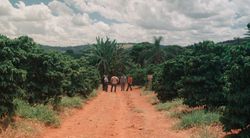
Avec la forêt suit l’architecte Carla Juaçaba dans son projet de développement d’un musée en solidarité avec Flor de Café, un collectif de petits agriculteurs du Minas Gerais. Inspirée par la temporalité des structures collectives autochtones et la forme des panneaux autoroutiers qui ponctuent le vaste paysage rural de la région, Juaçaba propose un point de repère sur une(...)
Avec la forêt suit l’architecte Carla Juaçaba dans son projet de développement d’un musée en solidarité avec Flor de Café, un collectif de petits agriculteurs du Minas Gerais. Inspirée par la temporalité des structures collectives autochtones et la forme des panneaux autoroutiers qui ponctuent le vaste paysage rural de la région, Juaçaba propose un point de repère sur une(...)
Localisation:
Salles principales Mot(s)-clé(s):
Brésil, Carla Juacaba, Sur le terrain, café, Nepomuceno, Minas Gerais, Irene Chin, Francesco Garutti, Joshua Frank
Salles principales Mot(s)-clé(s):
Brésil, Carla Juacaba, Sur le terrain, café, Nepomuceno, Minas Gerais, Irene Chin, Francesco Garutti, Joshua Frank
Date:
19 juin 2025 au 12 octobre 2025
19 juin 2025 au 12 octobre 2025
Titre:
Avec la forêt
Actions:
Description:
Avec la forêt suit l’architecte Carla Juaçaba dans son projet de développement d’un musée en solidarité avec Flor de Café, un collectif de petits agriculteurs du Minas Gerais. Inspirée par la temporalité des structures collectives autochtones et la forme des panneaux autoroutiers qui ponctuent le vaste paysage rural de la région, Juaçaba propose un point de repère sur une(...)
Avec la forêt
Actions:
Description:
Avec la forêt suit l’architecte Carla Juaçaba dans son projet de développement d’un musée en solidarité avec Flor de Café, un collectif de petits agriculteurs du Minas Gerais. Inspirée par la temporalité des structures collectives autochtones et la forme des panneaux autoroutiers qui ponctuent le vaste paysage rural de la région, Juaçaba propose un point de repère sur une(...)
Classification:
expositions
expositions
Date:
19 juin 2025 au
12 octobre 2025
19 juin 2025 au
12 octobre 2025
Localisation:
Salles principales Mot(s)-clé(s):
Brésil, Carla Juacaba, Sur le terrain, café, Nepomuceno, Minas Gerais, Irene Chin, Francesco Garutti, Joshua Frank
Salles principales Mot(s)-clé(s):
Brésil, Carla Juacaba, Sur le terrain, café, Nepomuceno, Minas Gerais, Irene Chin, Francesco Garutti, Joshua Frank
Classification:
articles
articles
Actions:
Bui Quy Son et Paul-Antoine Lucas d'Exutoire en conversation avec Léa Brami et Alexander Auris sur la défaillance queer et le potentiel d'un monde post-binaire
Mot(s)-clé(s):
queer, architecture queer, pratique queer, Bruxelles, conversation, avenir de la pratique architecturale
queer, architecture queer, pratique queer, Bruxelles, conversation, avenir de la pratique architecturale
Publié:
27 mars 2023
27 mars 2023
Titre:
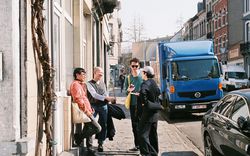
Bruxelles : luttes, mémoire collective et tactiques de résistance queer
Bui Quy Son et Paul-Antoine Lucas d'Exutoire en conversation avec Léa Brami et Alexander Auris sur la défaillance queer et le potentiel d'un monde post-binaire
Actions:
Bruxelles : luttes, mémoire collective et tactiques de résistance queer
Bui Quy Son et Paul-Antoine Lucas d'Exutoire en conversation avec Léa Brami et Alexander Auris sur la défaillance queer et le potentiel d'un monde post-binaire
Actions:
Classification:
articles
articles
Publié:
27 mars 2023
27 mars 2023
Niveau de description archivistique:
Sous-série
Sous-série
Numéro de référence:
AP075.S2.SS4
Description:
This sub-series documents an exhibition held at the Smith College in Northampton, Massachusetts on Cornelia Hahn Oberlander and a selection of her landscape project in 2003. Oberlander's projects exhibited included Robson Square Provincial Government Complex (1974-1982), Museum of Anthropology (1975-1977), National Gallery of Canada (1983-1990), Canadian Chancery (1983-1990), Library Square (1992-1995), Liu Centre for Global Studies (1992), C. K. Choi Institute of Asian Research, University of British Columbia (1993-1996), Jim Everett Memorial Park (2000-2001), New York Times Building (2001), and Wellesley Central Health Corporation Neighbourhood Project (2003). Each projects were divided under five themes: Nature, Science, Space, Art and the Future. The sub-series also includes some documents related to the application for another exhibition at the Smith College in 2005 entitled "Designed Landscape: A Smith College Alumnae Exhibit". The sub-series contains correspondence, draft exhibition texts, proof of the presentation panels, including digital versions, and some installation plans. Document related to the 2005 exhibition project includes correspondence with Smith College and application form.
AP075.S2.SS4
Description:
This sub-series documents an exhibition held at the Smith College in Northampton, Massachusetts on Cornelia Hahn Oberlander and a selection of her landscape project in 2003. Oberlander's projects exhibited included Robson Square Provincial Government Complex (1974-1982), Museum of Anthropology (1975-1977), National Gallery of Canada (1983-1990), Canadian Chancery (1983-1990), Library Square (1992-1995), Liu Centre for Global Studies (1992), C. K. Choi Institute of Asian Research, University of British Columbia (1993-1996), Jim Everett Memorial Park (2000-2001), New York Times Building (2001), and Wellesley Central Health Corporation Neighbourhood Project (2003). Each projects were divided under five themes: Nature, Science, Space, Art and the Future. The sub-series also includes some documents related to the application for another exhibition at the Smith College in 2005 entitled "Designed Landscape: A Smith College Alumnae Exhibit". The sub-series contains correspondence, draft exhibition texts, proof of the presentation panels, including digital versions, and some installation plans. Document related to the 2005 exhibition project includes correspondence with Smith College and application form.
Personnes et institutions:
Date:
2003-2005
2003-2005
Titre:
Exhibition at the Smith College, Northampton, Massachusetts (circa 2003)
Actions:
AP075.S2.SS4
Description:
This sub-series documents an exhibition held at the Smith College in Northampton, Massachusetts on Cornelia Hahn Oberlander and a selection of her landscape project in 2003. Oberlander's projects exhibited included Robson Square Provincial Government Complex (1974-1982), Museum of Anthropology (1975-1977), National Gallery of Canada (1983-1990), Canadian Chancery (1983-1990), Library Square (1992-1995), Liu Centre for Global Studies (1992), C. K. Choi Institute of Asian Research, University of British Columbia (1993-1996), Jim Everett Memorial Park (2000-2001), New York Times Building (2001), and Wellesley Central Health Corporation Neighbourhood Project (2003). Each projects were divided under five themes: Nature, Science, Space, Art and the Future. The sub-series also includes some documents related to the application for another exhibition at the Smith College in 2005 entitled "Designed Landscape: A Smith College Alumnae Exhibit". The sub-series contains correspondence, draft exhibition texts, proof of the presentation panels, including digital versions, and some installation plans. Document related to the 2005 exhibition project includes correspondence with Smith College and application form.
Exhibition at the Smith College, Northampton, Massachusetts (circa 2003)
Actions:
AP075.S2.SS4
Description:
This sub-series documents an exhibition held at the Smith College in Northampton, Massachusetts on Cornelia Hahn Oberlander and a selection of her landscape project in 2003. Oberlander's projects exhibited included Robson Square Provincial Government Complex (1974-1982), Museum of Anthropology (1975-1977), National Gallery of Canada (1983-1990), Canadian Chancery (1983-1990), Library Square (1992-1995), Liu Centre for Global Studies (1992), C. K. Choi Institute of Asian Research, University of British Columbia (1993-1996), Jim Everett Memorial Park (2000-2001), New York Times Building (2001), and Wellesley Central Health Corporation Neighbourhood Project (2003). Each projects were divided under five themes: Nature, Science, Space, Art and the Future. The sub-series also includes some documents related to the application for another exhibition at the Smith College in 2005 entitled "Designed Landscape: A Smith College Alumnae Exhibit". The sub-series contains correspondence, draft exhibition texts, proof of the presentation panels, including digital versions, and some installation plans. Document related to the 2005 exhibition project includes correspondence with Smith College and application form.
Niveau de description archivistique:
Sub-series
Sub-series
Date:
2003-2005
2003-2005
Personnes et institutions:


