


3263 Résultats
Classification:
dessins, photographies
Quantité:
131 photograph(s) photomechanical print
dessins, photographies
Quantité:
131 photograph(s) photomechanical print
Titre:
V.S. Balikhin Archive
V.S. Balikhin Archive
Actions:
Numéro de référence:
PH1998:0020:001-131
Description:
- This archive which was collected by the Soviet architect, V.S. Balikhin (1893-1953), includes 129 views of cities, towns, and/or projects designed by various architects from 1923 through 1935, one photograph of a perspective drawing (PH11998:0020:112) and one magazine article by Balikhin (PH1998:0020:131). The photographer(s) of this archive have not been determined. -- There are 63 views of subjects in Moscow (PH1998:0020:001-028; PH1998:0020:033-067), mostly of housing, and these include: 20 views of the Dubrovka complex; 16 views of the Usachevka complex; 6 views of the Shabolovka complex; 3 views of the Dangauerovka complex; 2 views of the Serpukhovskii complex; 2 views of the Sharikopodshipnik [Bearing] plant complex; 1 view of the AMO plant complex; 2 views of the house-commune of the students of the Textile Institute; 2 views of the housing complex at 45/51 Bol'shaia Pirogovskaia Street; and 1 view of a student dormitory complex on Donskoi Val. Other subjects in Moscow include 3 views of the street decorations for the celebration of the 17th anniversary of the October Revolution, 2 views of Sverdlova Square, and one view of the Foto Insnab building, a market, and a park. -- There are 4 views of the village of Kozhukhovo near Moscow (PH1998:0020:029-032) including views of houses, barracks, a summer stage, and tents. -- The 18 views of Sverdlovsk (now Ekaterinburg, Russia) (PH1998:0020:113-130) include 7 views of 1905 Goda Square showing the various buildings around the square; 3 views of the Second House of Soviets; 2 views of the monument to Iakov Sverdlov, one with the "Chekist City" housing complex in the background (now Hotel Iset'); 2 views of the water sports station Dinamo; and one view of the Verkhne-Isetskii metalworking plant, the District Trade Union Soviet garden, the Higher Communist Agricultural School in Narodnoi Mesti Square, and a collage of views of a city square in 1914 and 1933. -- The 17 views of Magnitogorsk (PH1998:0020:096-112) include the earth-made shack constructed by the first inhabitants of the area; a city view; 14 views of the First Block showing mostly housing; and one photograph of a perspective drawing for the Second Block. -- The 10 views of Novosibirsk (PH1998:0020:086-095) include housing, government office buildings, a multipurpose building, a Palace of Labor, and the Sibir' Hotel. -- There are 14 photographs of subjects in cities and towns in Kemerovskaia oblast', a subdivision of southern Russia in Asia, and these include: 6 views of Prokopyevsk (PH1998:0020:072-077) showing clubs or palaces of culture and housing; 4 views of Kemerovo (PH1998:0020:068-071) showing the Palace of Labor, housing, and general views of the city; 3 views of Leninsk-Kuznetskiy (PH1998:0020:078-080) showing a house, clubs, and a playground; 1 view of Kuznetsk (now Novokuznetsk) (PH1998:0020:081) showing housing; and 3 views of Stalinsk (now Novokuznetsk) (PH1998:0020:082-085) showing housing and an hotel.
PH1998:0020:001-131
Description:
- This archive which was collected by the Soviet architect, V.S. Balikhin (1893-1953), includes 129 views of cities, towns, and/or projects designed by various architects from 1923 through 1935, one photograph of a perspective drawing (PH11998:0020:112) and one magazine article by Balikhin (PH1998:0020:131). The photographer(s) of this archive have not been determined. -- There are 63 views of subjects in Moscow (PH1998:0020:001-028; PH1998:0020:033-067), mostly of housing, and these include: 20 views of the Dubrovka complex; 16 views of the Usachevka complex; 6 views of the Shabolovka complex; 3 views of the Dangauerovka complex; 2 views of the Serpukhovskii complex; 2 views of the Sharikopodshipnik [Bearing] plant complex; 1 view of the AMO plant complex; 2 views of the house-commune of the students of the Textile Institute; 2 views of the housing complex at 45/51 Bol'shaia Pirogovskaia Street; and 1 view of a student dormitory complex on Donskoi Val. Other subjects in Moscow include 3 views of the street decorations for the celebration of the 17th anniversary of the October Revolution, 2 views of Sverdlova Square, and one view of the Foto Insnab building, a market, and a park. -- There are 4 views of the village of Kozhukhovo near Moscow (PH1998:0020:029-032) including views of houses, barracks, a summer stage, and tents. -- The 18 views of Sverdlovsk (now Ekaterinburg, Russia) (PH1998:0020:113-130) include 7 views of 1905 Goda Square showing the various buildings around the square; 3 views of the Second House of Soviets; 2 views of the monument to Iakov Sverdlov, one with the "Chekist City" housing complex in the background (now Hotel Iset'); 2 views of the water sports station Dinamo; and one view of the Verkhne-Isetskii metalworking plant, the District Trade Union Soviet garden, the Higher Communist Agricultural School in Narodnoi Mesti Square, and a collage of views of a city square in 1914 and 1933. -- The 17 views of Magnitogorsk (PH1998:0020:096-112) include the earth-made shack constructed by the first inhabitants of the area; a city view; 14 views of the First Block showing mostly housing; and one photograph of a perspective drawing for the Second Block. -- The 10 views of Novosibirsk (PH1998:0020:086-095) include housing, government office buildings, a multipurpose building, a Palace of Labor, and the Sibir' Hotel. -- There are 14 photographs of subjects in cities and towns in Kemerovskaia oblast', a subdivision of southern Russia in Asia, and these include: 6 views of Prokopyevsk (PH1998:0020:072-077) showing clubs or palaces of culture and housing; 4 views of Kemerovo (PH1998:0020:068-071) showing the Palace of Labor, housing, and general views of the city; 3 views of Leninsk-Kuznetskiy (PH1998:0020:078-080) showing a house, clubs, and a playground; 1 view of Kuznetsk (now Novokuznetsk) (PH1998:0020:081) showing housing; and 3 views of Stalinsk (now Novokuznetsk) (PH1998:0020:082-085) showing housing and an hotel.
Personnes et institutions:
Sujet:
architecture, portrait, sculpture
architecture, portrait, sculpture
Date:
published before 15 September 1936
published before 15 September 1936
Titre:
V.S. Balikhin Archive
Actions:
PH1998:0020:001-131
Description:
- This archive which was collected by the Soviet architect, V.S. Balikhin (1893-1953), includes 129 views of cities, towns, and/or projects designed by various architects from 1923 through 1935, one photograph of a perspective drawing (PH11998:0020:112) and one magazine article by Balikhin (PH1998:0020:131). The photographer(s) of this archive have not been determined. -- There are 63 views of subjects in Moscow (PH1998:0020:001-028; PH1998:0020:033-067), mostly of housing, and these include: 20 views of the Dubrovka complex; 16 views of the Usachevka complex; 6 views of the Shabolovka complex; 3 views of the Dangauerovka complex; 2 views of the Serpukhovskii complex; 2 views of the Sharikopodshipnik [Bearing] plant complex; 1 view of the AMO plant complex; 2 views of the house-commune of the students of the Textile Institute; 2 views of the housing complex at 45/51 Bol'shaia Pirogovskaia Street; and 1 view of a student dormitory complex on Donskoi Val. Other subjects in Moscow include 3 views of the street decorations for the celebration of the 17th anniversary of the October Revolution, 2 views of Sverdlova Square, and one view of the Foto Insnab building, a market, and a park. -- There are 4 views of the village of Kozhukhovo near Moscow (PH1998:0020:029-032) including views of houses, barracks, a summer stage, and tents. -- The 18 views of Sverdlovsk (now Ekaterinburg, Russia) (PH1998:0020:113-130) include 7 views of 1905 Goda Square showing the various buildings around the square; 3 views of the Second House of Soviets; 2 views of the monument to Iakov Sverdlov, one with the "Chekist City" housing complex in the background (now Hotel Iset'); 2 views of the water sports station Dinamo; and one view of the Verkhne-Isetskii metalworking plant, the District Trade Union Soviet garden, the Higher Communist Agricultural School in Narodnoi Mesti Square, and a collage of views of a city square in 1914 and 1933. -- The 17 views of Magnitogorsk (PH1998:0020:096-112) include the earth-made shack constructed by the first inhabitants of the area; a city view; 14 views of the First Block showing mostly housing; and one photograph of a perspective drawing for the Second Block. -- The 10 views of Novosibirsk (PH1998:0020:086-095) include housing, government office buildings, a multipurpose building, a Palace of Labor, and the Sibir' Hotel. -- There are 14 photographs of subjects in cities and towns in Kemerovskaia oblast', a subdivision of southern Russia in Asia, and these include: 6 views of Prokopyevsk (PH1998:0020:072-077) showing clubs or palaces of culture and housing; 4 views of Kemerovo (PH1998:0020:068-071) showing the Palace of Labor, housing, and general views of the city; 3 views of Leninsk-Kuznetskiy (PH1998:0020:078-080) showing a house, clubs, and a playground; 1 view of Kuznetsk (now Novokuznetsk) (PH1998:0020:081) showing housing; and 3 views of Stalinsk (now Novokuznetsk) (PH1998:0020:082-085) showing housing and an hotel.
V.S. Balikhin Archive
Actions:
PH1998:0020:001-131
Description:
- This archive which was collected by the Soviet architect, V.S. Balikhin (1893-1953), includes 129 views of cities, towns, and/or projects designed by various architects from 1923 through 1935, one photograph of a perspective drawing (PH11998:0020:112) and one magazine article by Balikhin (PH1998:0020:131). The photographer(s) of this archive have not been determined. -- There are 63 views of subjects in Moscow (PH1998:0020:001-028; PH1998:0020:033-067), mostly of housing, and these include: 20 views of the Dubrovka complex; 16 views of the Usachevka complex; 6 views of the Shabolovka complex; 3 views of the Dangauerovka complex; 2 views of the Serpukhovskii complex; 2 views of the Sharikopodshipnik [Bearing] plant complex; 1 view of the AMO plant complex; 2 views of the house-commune of the students of the Textile Institute; 2 views of the housing complex at 45/51 Bol'shaia Pirogovskaia Street; and 1 view of a student dormitory complex on Donskoi Val. Other subjects in Moscow include 3 views of the street decorations for the celebration of the 17th anniversary of the October Revolution, 2 views of Sverdlova Square, and one view of the Foto Insnab building, a market, and a park. -- There are 4 views of the village of Kozhukhovo near Moscow (PH1998:0020:029-032) including views of houses, barracks, a summer stage, and tents. -- The 18 views of Sverdlovsk (now Ekaterinburg, Russia) (PH1998:0020:113-130) include 7 views of 1905 Goda Square showing the various buildings around the square; 3 views of the Second House of Soviets; 2 views of the monument to Iakov Sverdlov, one with the "Chekist City" housing complex in the background (now Hotel Iset'); 2 views of the water sports station Dinamo; and one view of the Verkhne-Isetskii metalworking plant, the District Trade Union Soviet garden, the Higher Communist Agricultural School in Narodnoi Mesti Square, and a collage of views of a city square in 1914 and 1933. -- The 17 views of Magnitogorsk (PH1998:0020:096-112) include the earth-made shack constructed by the first inhabitants of the area; a city view; 14 views of the First Block showing mostly housing; and one photograph of a perspective drawing for the Second Block. -- The 10 views of Novosibirsk (PH1998:0020:086-095) include housing, government office buildings, a multipurpose building, a Palace of Labor, and the Sibir' Hotel. -- There are 14 photographs of subjects in cities and towns in Kemerovskaia oblast', a subdivision of southern Russia in Asia, and these include: 6 views of Prokopyevsk (PH1998:0020:072-077) showing clubs or palaces of culture and housing; 4 views of Kemerovo (PH1998:0020:068-071) showing the Palace of Labor, housing, and general views of the city; 3 views of Leninsk-Kuznetskiy (PH1998:0020:078-080) showing a house, clubs, and a playground; 1 view of Kuznetsk (now Novokuznetsk) (PH1998:0020:081) showing housing; and 3 views of Stalinsk (now Novokuznetsk) (PH1998:0020:082-085) showing housing and an hotel.
Classification:
dessins, photographies
Quantité:
131 photograph(s) photomechanical print
dessins, photographies
Quantité:
131 photograph(s) photomechanical print
Date:
published before 15 September 1936
published before 15 September 1936
Personnes et institutions:
Sujet:
architecture, portrait, sculpture
architecture, portrait, sculpture
Niveau de description archivistique:
Sous-série
Sous-série
Titre:
Domestic Commissions
Domestic Commissions
Numéro de référence:
CI001.S2.D2
Description:
Hubert and Charles Rohault de Fleury received domestic commissions for both urban housing -hôtel particuliers and apartment houses- and rural dwellings -châteaux, country houses and estates. Hubert also executed designs for furniture and garden pavilions. Hubert' work is characterized by restrained classical exteriors and luxurious Empire style interiors; both Charles' exteriors and interiors, especially those for Hôtels Sauvage and Soltykoff, reflect the exuberance of the Second Empire. The CCA albums include drawings from all stages of the design process but with an emphasis on design development drawings. Hubert's albums contain cost calculations and estimates, notes and letters. In general, the drawings by Charles are from a more developed phase of design than Hubert's; Hubert's commissions are more varied than Charles'. Charles' Hôtel Soltykoff (1854)(DR1974:0002:003:001-105) is exemplary of the Second Empire not only in its architectural language, programme and interior decoration, but also its use of mixed stone and iron construction. The album for Hôtel Soltykoff is one of the most comprehensive in the CCA collection. The drawings incorporate several phases of the design process from conceptual ideas to post-construction revisions. Numerous drawings for the structure and exterior ornamentation are included as well as drawings for the embellishment of the interior spaces. The interior drawings are especially interesting for evidence they provide of the palette of colours and ornamental motifs utilized in the Second Empire. Several prints (plates XIX - XXIII) in 'Oeuvre de C. Rohault de Fleury, architecte', which include general plans and elevations (few of which are included in the Hôtel Solytkoff album), are a useful complement to more specific drawings in the album. The Hôtel Sauvage (ca. 1862) album (DR1974:0002:006:001-024) - a set of 24 contract drawings- consists exclusively general plans, sections and elevations. This group of drawings give a good overall sense of both the interior and exterior. Hôtel Sauvage, like Hôtel Soltykoff is also typical of the Second Empire in style and programme. Château de Marcoussis (ca. 1861), for which a group of drawings were acquired in 1986, diverges somewhat in character from the other examples of Charles' domestic works represented in the CCA collection (DR1986:0379 - DR1986:0413). While most of the other houses are strictly classical in planning and design, for Château de Marcoussis, Charles adopted a more romantic asymmetrical château style design. The domestic commissions (1838-1856) in album, DR1974:0002:002:001-094, roughly fall into two categories. The first category consists of single residences - both town and country. The regimentation of plans and façades in the hôtel particular and country houses manifests the continued influence of Durand, yet Charles was also clearly affected by the Second Empire propensity for elaborate façade treatments with decoratively-shaped windows, complex mouldings and extensive rustication. The second category consists of urban apartment building with stores or occasionally offices on the ground floor, apartments, generally two per floor, above and often servants' rooms in the attic. These buildings are articulated in a restrained manner with mouldings, decorative ironwork and some stone ornament.
CI001.S2.D2
Description:
Hubert and Charles Rohault de Fleury received domestic commissions for both urban housing -hôtel particuliers and apartment houses- and rural dwellings -châteaux, country houses and estates. Hubert also executed designs for furniture and garden pavilions. Hubert' work is characterized by restrained classical exteriors and luxurious Empire style interiors; both Charles' exteriors and interiors, especially those for Hôtels Sauvage and Soltykoff, reflect the exuberance of the Second Empire. The CCA albums include drawings from all stages of the design process but with an emphasis on design development drawings. Hubert's albums contain cost calculations and estimates, notes and letters. In general, the drawings by Charles are from a more developed phase of design than Hubert's; Hubert's commissions are more varied than Charles'. Charles' Hôtel Soltykoff (1854)(DR1974:0002:003:001-105) is exemplary of the Second Empire not only in its architectural language, programme and interior decoration, but also its use of mixed stone and iron construction. The album for Hôtel Soltykoff is one of the most comprehensive in the CCA collection. The drawings incorporate several phases of the design process from conceptual ideas to post-construction revisions. Numerous drawings for the structure and exterior ornamentation are included as well as drawings for the embellishment of the interior spaces. The interior drawings are especially interesting for evidence they provide of the palette of colours and ornamental motifs utilized in the Second Empire. Several prints (plates XIX - XXIII) in 'Oeuvre de C. Rohault de Fleury, architecte', which include general plans and elevations (few of which are included in the Hôtel Solytkoff album), are a useful complement to more specific drawings in the album. The Hôtel Sauvage (ca. 1862) album (DR1974:0002:006:001-024) - a set of 24 contract drawings- consists exclusively general plans, sections and elevations. This group of drawings give a good overall sense of both the interior and exterior. Hôtel Sauvage, like Hôtel Soltykoff is also typical of the Second Empire in style and programme. Château de Marcoussis (ca. 1861), for which a group of drawings were acquired in 1986, diverges somewhat in character from the other examples of Charles' domestic works represented in the CCA collection (DR1986:0379 - DR1986:0413). While most of the other houses are strictly classical in planning and design, for Château de Marcoussis, Charles adopted a more romantic asymmetrical château style design. The domestic commissions (1838-1856) in album, DR1974:0002:002:001-094, roughly fall into two categories. The first category consists of single residences - both town and country. The regimentation of plans and façades in the hôtel particular and country houses manifests the continued influence of Durand, yet Charles was also clearly affected by the Second Empire propensity for elaborate façade treatments with decoratively-shaped windows, complex mouldings and extensive rustication. The second category consists of urban apartment building with stores or occasionally offices on the ground floor, apartments, generally two per floor, above and often servants' rooms in the attic. These buildings are articulated in a restrained manner with mouldings, decorative ironwork and some stone ornament.
Personnes et institutions:
Date:
[between 1838 and 1861]
[between 1838 and 1861]
Titre:
Domestic Commissions
CI001.S2.D2
Description:
Hubert and Charles Rohault de Fleury received domestic commissions for both urban housing -hôtel particuliers and apartment houses- and rural dwellings -châteaux, country houses and estates. Hubert also executed designs for furniture and garden pavilions. Hubert' work is characterized by restrained classical exteriors and luxurious Empire style interiors; both Charles' exteriors and interiors, especially those for Hôtels Sauvage and Soltykoff, reflect the exuberance of the Second Empire. The CCA albums include drawings from all stages of the design process but with an emphasis on design development drawings. Hubert's albums contain cost calculations and estimates, notes and letters. In general, the drawings by Charles are from a more developed phase of design than Hubert's; Hubert's commissions are more varied than Charles'. Charles' Hôtel Soltykoff (1854)(DR1974:0002:003:001-105) is exemplary of the Second Empire not only in its architectural language, programme and interior decoration, but also its use of mixed stone and iron construction. The album for Hôtel Soltykoff is one of the most comprehensive in the CCA collection. The drawings incorporate several phases of the design process from conceptual ideas to post-construction revisions. Numerous drawings for the structure and exterior ornamentation are included as well as drawings for the embellishment of the interior spaces. The interior drawings are especially interesting for evidence they provide of the palette of colours and ornamental motifs utilized in the Second Empire. Several prints (plates XIX - XXIII) in 'Oeuvre de C. Rohault de Fleury, architecte', which include general plans and elevations (few of which are included in the Hôtel Solytkoff album), are a useful complement to more specific drawings in the album. The Hôtel Sauvage (ca. 1862) album (DR1974:0002:006:001-024) - a set of 24 contract drawings- consists exclusively general plans, sections and elevations. This group of drawings give a good overall sense of both the interior and exterior. Hôtel Sauvage, like Hôtel Soltykoff is also typical of the Second Empire in style and programme. Château de Marcoussis (ca. 1861), for which a group of drawings were acquired in 1986, diverges somewhat in character from the other examples of Charles' domestic works represented in the CCA collection (DR1986:0379 - DR1986:0413). While most of the other houses are strictly classical in planning and design, for Château de Marcoussis, Charles adopted a more romantic asymmetrical château style design. The domestic commissions (1838-1856) in album, DR1974:0002:002:001-094, roughly fall into two categories. The first category consists of single residences - both town and country. The regimentation of plans and façades in the hôtel particular and country houses manifests the continued influence of Durand, yet Charles was also clearly affected by the Second Empire propensity for elaborate façade treatments with decoratively-shaped windows, complex mouldings and extensive rustication. The second category consists of urban apartment building with stores or occasionally offices on the ground floor, apartments, generally two per floor, above and often servants' rooms in the attic. These buildings are articulated in a restrained manner with mouldings, decorative ironwork and some stone ornament.
Domestic Commissions
CI001.S2.D2
Description:
Hubert and Charles Rohault de Fleury received domestic commissions for both urban housing -hôtel particuliers and apartment houses- and rural dwellings -châteaux, country houses and estates. Hubert also executed designs for furniture and garden pavilions. Hubert' work is characterized by restrained classical exteriors and luxurious Empire style interiors; both Charles' exteriors and interiors, especially those for Hôtels Sauvage and Soltykoff, reflect the exuberance of the Second Empire. The CCA albums include drawings from all stages of the design process but with an emphasis on design development drawings. Hubert's albums contain cost calculations and estimates, notes and letters. In general, the drawings by Charles are from a more developed phase of design than Hubert's; Hubert's commissions are more varied than Charles'. Charles' Hôtel Soltykoff (1854)(DR1974:0002:003:001-105) is exemplary of the Second Empire not only in its architectural language, programme and interior decoration, but also its use of mixed stone and iron construction. The album for Hôtel Soltykoff is one of the most comprehensive in the CCA collection. The drawings incorporate several phases of the design process from conceptual ideas to post-construction revisions. Numerous drawings for the structure and exterior ornamentation are included as well as drawings for the embellishment of the interior spaces. The interior drawings are especially interesting for evidence they provide of the palette of colours and ornamental motifs utilized in the Second Empire. Several prints (plates XIX - XXIII) in 'Oeuvre de C. Rohault de Fleury, architecte', which include general plans and elevations (few of which are included in the Hôtel Solytkoff album), are a useful complement to more specific drawings in the album. The Hôtel Sauvage (ca. 1862) album (DR1974:0002:006:001-024) - a set of 24 contract drawings- consists exclusively general plans, sections and elevations. This group of drawings give a good overall sense of both the interior and exterior. Hôtel Sauvage, like Hôtel Soltykoff is also typical of the Second Empire in style and programme. Château de Marcoussis (ca. 1861), for which a group of drawings were acquired in 1986, diverges somewhat in character from the other examples of Charles' domestic works represented in the CCA collection (DR1986:0379 - DR1986:0413). While most of the other houses are strictly classical in planning and design, for Château de Marcoussis, Charles adopted a more romantic asymmetrical château style design. The domestic commissions (1838-1856) in album, DR1974:0002:002:001-094, roughly fall into two categories. The first category consists of single residences - both town and country. The regimentation of plans and façades in the hôtel particular and country houses manifests the continued influence of Durand, yet Charles was also clearly affected by the Second Empire propensity for elaborate façade treatments with decoratively-shaped windows, complex mouldings and extensive rustication. The second category consists of urban apartment building with stores or occasionally offices on the ground floor, apartments, generally two per floor, above and often servants' rooms in the attic. These buildings are articulated in a restrained manner with mouldings, decorative ironwork and some stone ornament.
Niveau de description archivistique:
File 2
File 2
Date:
[between 1838 and 1861]
[between 1838 and 1861]
Personnes et institutions:
Classification:
expositions
expositions
Description:
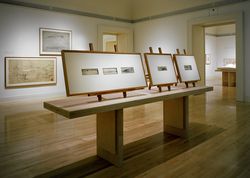
Le rapport révolutionnaire établi entre bâtiment et paysage, conçus ensemble selon des idéaux américains particuliers est au centre de Frank Lloyd Wright : Inventer un paysage américain, 1922-1932. Avec cette exposition, le CCA reconstitue cinq projets visionnaires qui ne devaient représenter rien de moins qu’un nouveau paysage, intégrant sur une vaste échelle terrain,(...)
Le rapport révolutionnaire établi entre bâtiment et paysage, conçus ensemble selon des idéaux américains particuliers est au centre de Frank Lloyd Wright : Inventer un paysage américain, 1922-1932. Avec cette exposition, le CCA reconstitue cinq projets visionnaires qui ne devaient représenter rien de moins qu’un nouveau paysage, intégrant sur une vaste échelle terrain,(...)
Localisation:
Salles principales
Salles principales
Date:
18 juin 1996 au 29 septembre 1996
18 juin 1996 au 29 septembre 1996
Titre:
Frank Lloyd Wright : inventer un paysage américain, 1922-1932
Actions:
Description:
Le rapport révolutionnaire établi entre bâtiment et paysage, conçus ensemble selon des idéaux américains particuliers est au centre de Frank Lloyd Wright : Inventer un paysage américain, 1922-1932. Avec cette exposition, le CCA reconstitue cinq projets visionnaires qui ne devaient représenter rien de moins qu’un nouveau paysage, intégrant sur une vaste échelle terrain,(...)
Frank Lloyd Wright : inventer un paysage américain, 1922-1932
Actions:
Description:
Le rapport révolutionnaire établi entre bâtiment et paysage, conçus ensemble selon des idéaux américains particuliers est au centre de Frank Lloyd Wright : Inventer un paysage américain, 1922-1932. Avec cette exposition, le CCA reconstitue cinq projets visionnaires qui ne devaient représenter rien de moins qu’un nouveau paysage, intégrant sur une vaste échelle terrain,(...)
Classification:
expositions
expositions
Date:
18 juin 1996 au
29 septembre 1996
18 juin 1996 au
29 septembre 1996
Localisation:
Salles principales
Salles principales
Niveau de description archivistique:
Sous-série
Sous-série
Titre:
Opera Houses
Opera Houses
Numéro de référence:
CI001.S2.D3
Description:
Charles Rohault de Fleury's sustained involvement with the design of opera houses began with his appointment in 1846 as official architect of the existing Salle Le Pelletier, home to the *Paris Opera, and continued until an open competition was called in 1860 (Charles Garnier won this competition). During this period Rohault de Fleury submitted numerous proposals to replace theprovisional Salle Le Pelletier with a structure more appropriate to the grandeur and importance of France's national opera company. The CCA collection contains four projects related to his work for the Paris opera: two early projects (1846 and 1847) and one later one (1859) for a newopera house, and a portfolio of lithographs and drawings related to alterations and repairs to Salle Le Pelletier (1850-1854). The collection also includes Charles' earliest theatre project, a comprehensive plan for an opera house and surrounding infrastructure for the Theatre Royal Italien opera company (1838-1840), and an album containing drawings and prints of antique and contemporary theatres (1839-1854?). Charles' first project was for the Theatre Royal Italien opera company whose previous home, the Salle Favart, had burned down on the night of January 14 1838. The CCA collection contains an album of presentation drawings for a new theatre located on rue de la Paix with boutiques in the adjacent 'passages' (DR1974:0002:019:001-023). A second album consists of site plans including proposed 'maisons à loyers' (apartment buildings) and documents relating to the cost estimates and rental income for the entire project (DR1974:0002:036:001-016). The architectural style and interior arrangement of the theatre is heavily indebted to Francois Debret's Salle Le Pelletier. Charles' originality lies more in his conception of the social and economic role of the theatre in relation and integration, to its surrounding urban fabric. An explanation of the entire Theatre Royal Italien project, and Charles' role as architect in it, is found in two proposal letters (located in the Avery Library, Columbia University, NY) written by the entrepreneur Eugene Lecomte to the Minister of the Interior, Comte Duchatel, on May 15 and October 31 1839 (1). Charles' album of drawings at the CCA for the theatre and some of the cost and rental estimates are probably presentation copies directly related to the first letter, and most likely submitted to the Minister of the Interior. Charles' project was never executed, and the Italian opera company eventualy found a permanent home in the existing Salle Ventadour (1841). However, the inclusive nature of the Théâtre Royal Italien proposal, with its stress on urban development and contextuality, continued to play a seminal role in his later Paris Opera projects. Upon replacing Francois Debret as architect of Salle Le Pelletier in 1846, Charles proposed nine possible locations (site plans) for a new opera house for the Paris Opera (*Academie Royale de Musique) and, in the following year (1847) prepared a portfolio of drawings for the actual structure with an accompanying seven-page manuscript describing the project. Although executed in successive years, the site plans and 1847 drawings are conceptually related. Both components were undertaken in response to offical interest in a public competition that was never implemented (2)(3). The CCA has two sets of the nine site plans proposed in 1846 (DR1974:0002:036:001-016), one containing transfer lithographed site plans with a written analysis and cost estimate for each of the proposed locations, and the other with only the site plans (similar sets are located in the 'Archives Nationales' in France). They indicate that Charles, (heavily influenced by his Théâtre Royal Italien project) preferred the Rue de la Paix location (siteplan #3) for the new opera house. Although site plan number six, Boulevard des Capucines, was not favoured at this date, it is highly prophetic as it was the location officially chosen in 1860 for the new opera house. Apparently unique to the CCA collection is the 1847 manuscript and portfolio of drawings for the proposed opera house (DR1974:0002:036:001-016). The manuscript is both an indepth review of the requirements for a national opera house and a guide to his portfolio of drawings. Charles' conception and design continued to be strongly influenced by Debret's Salle Lepelletier, as well as his own Théâtre Italien project, and various antique and contemporary opera houses and theatres. Many of the French and Italian sources mentioned in the manuscript are collected in an album (DR1974:0002:010:001-048) as references for his own designs (4). As official architect of Salle Le pelletier, Charles was also responsible for repairs, restorations, and alterations to the existing structure. The drawings and transfer lithographs in the CCA collection (DR1974:0002:036:001-016) are primarily dated 1854, and relate to documented repair and restoration projects undertaken during this period (5)(6). The CCA collection has the presentation drawings and lithographs for the later 1859 project (DR1974:0002:027:001-027) for the Paris opera (*Theatre Imperiale de l'opera) that were sent to Achille Fould, the Minister of State. This project is probably a counterpart to a similiar one that he submitted to the Prefect of the Seine, Baron Haussmann, in the same year (7). Site plans show the opera house on an irregular polygonal site facing Boulevard des Capucines. The placement of the 'maisons à loyers' on the rear of the site reflects Charles' continued emphasis on integrating his opera projects into the surrounding urban context. In 1859, it appeared that Charles was favoured to build the new opera house. But late in the following year, a public competition was called in which Charles Garnier emerged as the victor. Although Charles did not build the final structure, his numerous projects, as exemplified in the CCA collection, were of prime importance in determining the location, configuration, and plan of the Place de l'Opera (8). * The 'Paris Opera' was France's national opera, and thus its name changed numerous times throughout its history according to altering perceptions of its role in French culture and/or changes in political regimes. For reasons of clarity, the national opera will be referred to as the Paris Opera. The names indicated in brackets with a star refer to the proper name of the opera company at the date of the project. (1) Eugene Le Comte, "Projet de Salle rue de la Paix, pour le Théâtre Royal Italien: Lettres à Monsieur le Ministre de l'Intérieur, en date des 15 mai et 31octobre 1839" (Paris: P. Dupont, 1839). (2) Christopher Curtis Mead, "Charles Garnier's Paris Opera and the Renaissance of Classicism in Nineteenth century French Architecture", 3 vols. (PhD thesis; Philadelphia: University of Pennsylvania, 1986), p. 234 and p. 956, fn. 30. (3) Monika Steinhauser, "Die Architektur des Pariser Oper" (Munich: Prestel Verlag, 1969), p. 45, fns. 143 and 144. (4) Barry Bergdoll, "Charles Rohault de Fleury: Part Three: Theatres and the Opera house", 'CCA Research Report', n.d., p. 3. (5) Larousse XIXth Century, s.v. "Rohault de Fleury, Charles". (6) Mead, p. 238. (7) Oeuvres de C. Rohault de Fleury, architecte" (Paris: Librarie centrale d'architecture, 1884).. (8) Macmillan, s.v. "Rohault de Fleury Familly".
CI001.S2.D3
Description:
Charles Rohault de Fleury's sustained involvement with the design of opera houses began with his appointment in 1846 as official architect of the existing Salle Le Pelletier, home to the *Paris Opera, and continued until an open competition was called in 1860 (Charles Garnier won this competition). During this period Rohault de Fleury submitted numerous proposals to replace theprovisional Salle Le Pelletier with a structure more appropriate to the grandeur and importance of France's national opera company. The CCA collection contains four projects related to his work for the Paris opera: two early projects (1846 and 1847) and one later one (1859) for a newopera house, and a portfolio of lithographs and drawings related to alterations and repairs to Salle Le Pelletier (1850-1854). The collection also includes Charles' earliest theatre project, a comprehensive plan for an opera house and surrounding infrastructure for the Theatre Royal Italien opera company (1838-1840), and an album containing drawings and prints of antique and contemporary theatres (1839-1854?). Charles' first project was for the Theatre Royal Italien opera company whose previous home, the Salle Favart, had burned down on the night of January 14 1838. The CCA collection contains an album of presentation drawings for a new theatre located on rue de la Paix with boutiques in the adjacent 'passages' (DR1974:0002:019:001-023). A second album consists of site plans including proposed 'maisons à loyers' (apartment buildings) and documents relating to the cost estimates and rental income for the entire project (DR1974:0002:036:001-016). The architectural style and interior arrangement of the theatre is heavily indebted to Francois Debret's Salle Le Pelletier. Charles' originality lies more in his conception of the social and economic role of the theatre in relation and integration, to its surrounding urban fabric. An explanation of the entire Theatre Royal Italien project, and Charles' role as architect in it, is found in two proposal letters (located in the Avery Library, Columbia University, NY) written by the entrepreneur Eugene Lecomte to the Minister of the Interior, Comte Duchatel, on May 15 and October 31 1839 (1). Charles' album of drawings at the CCA for the theatre and some of the cost and rental estimates are probably presentation copies directly related to the first letter, and most likely submitted to the Minister of the Interior. Charles' project was never executed, and the Italian opera company eventualy found a permanent home in the existing Salle Ventadour (1841). However, the inclusive nature of the Théâtre Royal Italien proposal, with its stress on urban development and contextuality, continued to play a seminal role in his later Paris Opera projects. Upon replacing Francois Debret as architect of Salle Le Pelletier in 1846, Charles proposed nine possible locations (site plans) for a new opera house for the Paris Opera (*Academie Royale de Musique) and, in the following year (1847) prepared a portfolio of drawings for the actual structure with an accompanying seven-page manuscript describing the project. Although executed in successive years, the site plans and 1847 drawings are conceptually related. Both components were undertaken in response to offical interest in a public competition that was never implemented (2)(3). The CCA has two sets of the nine site plans proposed in 1846 (DR1974:0002:036:001-016), one containing transfer lithographed site plans with a written analysis and cost estimate for each of the proposed locations, and the other with only the site plans (similar sets are located in the 'Archives Nationales' in France). They indicate that Charles, (heavily influenced by his Théâtre Royal Italien project) preferred the Rue de la Paix location (siteplan #3) for the new opera house. Although site plan number six, Boulevard des Capucines, was not favoured at this date, it is highly prophetic as it was the location officially chosen in 1860 for the new opera house. Apparently unique to the CCA collection is the 1847 manuscript and portfolio of drawings for the proposed opera house (DR1974:0002:036:001-016). The manuscript is both an indepth review of the requirements for a national opera house and a guide to his portfolio of drawings. Charles' conception and design continued to be strongly influenced by Debret's Salle Lepelletier, as well as his own Théâtre Italien project, and various antique and contemporary opera houses and theatres. Many of the French and Italian sources mentioned in the manuscript are collected in an album (DR1974:0002:010:001-048) as references for his own designs (4). As official architect of Salle Le pelletier, Charles was also responsible for repairs, restorations, and alterations to the existing structure. The drawings and transfer lithographs in the CCA collection (DR1974:0002:036:001-016) are primarily dated 1854, and relate to documented repair and restoration projects undertaken during this period (5)(6). The CCA collection has the presentation drawings and lithographs for the later 1859 project (DR1974:0002:027:001-027) for the Paris opera (*Theatre Imperiale de l'opera) that were sent to Achille Fould, the Minister of State. This project is probably a counterpart to a similiar one that he submitted to the Prefect of the Seine, Baron Haussmann, in the same year (7). Site plans show the opera house on an irregular polygonal site facing Boulevard des Capucines. The placement of the 'maisons à loyers' on the rear of the site reflects Charles' continued emphasis on integrating his opera projects into the surrounding urban context. In 1859, it appeared that Charles was favoured to build the new opera house. But late in the following year, a public competition was called in which Charles Garnier emerged as the victor. Although Charles did not build the final structure, his numerous projects, as exemplified in the CCA collection, were of prime importance in determining the location, configuration, and plan of the Place de l'Opera (8). * The 'Paris Opera' was France's national opera, and thus its name changed numerous times throughout its history according to altering perceptions of its role in French culture and/or changes in political regimes. For reasons of clarity, the national opera will be referred to as the Paris Opera. The names indicated in brackets with a star refer to the proper name of the opera company at the date of the project. (1) Eugene Le Comte, "Projet de Salle rue de la Paix, pour le Théâtre Royal Italien: Lettres à Monsieur le Ministre de l'Intérieur, en date des 15 mai et 31octobre 1839" (Paris: P. Dupont, 1839). (2) Christopher Curtis Mead, "Charles Garnier's Paris Opera and the Renaissance of Classicism in Nineteenth century French Architecture", 3 vols. (PhD thesis; Philadelphia: University of Pennsylvania, 1986), p. 234 and p. 956, fn. 30. (3) Monika Steinhauser, "Die Architektur des Pariser Oper" (Munich: Prestel Verlag, 1969), p. 45, fns. 143 and 144. (4) Barry Bergdoll, "Charles Rohault de Fleury: Part Three: Theatres and the Opera house", 'CCA Research Report', n.d., p. 3. (5) Larousse XIXth Century, s.v. "Rohault de Fleury, Charles". (6) Mead, p. 238. (7) Oeuvres de C. Rohault de Fleury, architecte" (Paris: Librarie centrale d'architecture, 1884).. (8) Macmillan, s.v. "Rohault de Fleury Familly".
Personnes et institutions:
Date:
1717-1868
1717-1868
Titre:
Opera Houses
CI001.S2.D3
Description:
Charles Rohault de Fleury's sustained involvement with the design of opera houses began with his appointment in 1846 as official architect of the existing Salle Le Pelletier, home to the *Paris Opera, and continued until an open competition was called in 1860 (Charles Garnier won this competition). During this period Rohault de Fleury submitted numerous proposals to replace theprovisional Salle Le Pelletier with a structure more appropriate to the grandeur and importance of France's national opera company. The CCA collection contains four projects related to his work for the Paris opera: two early projects (1846 and 1847) and one later one (1859) for a newopera house, and a portfolio of lithographs and drawings related to alterations and repairs to Salle Le Pelletier (1850-1854). The collection also includes Charles' earliest theatre project, a comprehensive plan for an opera house and surrounding infrastructure for the Theatre Royal Italien opera company (1838-1840), and an album containing drawings and prints of antique and contemporary theatres (1839-1854?). Charles' first project was for the Theatre Royal Italien opera company whose previous home, the Salle Favart, had burned down on the night of January 14 1838. The CCA collection contains an album of presentation drawings for a new theatre located on rue de la Paix with boutiques in the adjacent 'passages' (DR1974:0002:019:001-023). A second album consists of site plans including proposed 'maisons à loyers' (apartment buildings) and documents relating to the cost estimates and rental income for the entire project (DR1974:0002:036:001-016). The architectural style and interior arrangement of the theatre is heavily indebted to Francois Debret's Salle Le Pelletier. Charles' originality lies more in his conception of the social and economic role of the theatre in relation and integration, to its surrounding urban fabric. An explanation of the entire Theatre Royal Italien project, and Charles' role as architect in it, is found in two proposal letters (located in the Avery Library, Columbia University, NY) written by the entrepreneur Eugene Lecomte to the Minister of the Interior, Comte Duchatel, on May 15 and October 31 1839 (1). Charles' album of drawings at the CCA for the theatre and some of the cost and rental estimates are probably presentation copies directly related to the first letter, and most likely submitted to the Minister of the Interior. Charles' project was never executed, and the Italian opera company eventualy found a permanent home in the existing Salle Ventadour (1841). However, the inclusive nature of the Théâtre Royal Italien proposal, with its stress on urban development and contextuality, continued to play a seminal role in his later Paris Opera projects. Upon replacing Francois Debret as architect of Salle Le Pelletier in 1846, Charles proposed nine possible locations (site plans) for a new opera house for the Paris Opera (*Academie Royale de Musique) and, in the following year (1847) prepared a portfolio of drawings for the actual structure with an accompanying seven-page manuscript describing the project. Although executed in successive years, the site plans and 1847 drawings are conceptually related. Both components were undertaken in response to offical interest in a public competition that was never implemented (2)(3). The CCA has two sets of the nine site plans proposed in 1846 (DR1974:0002:036:001-016), one containing transfer lithographed site plans with a written analysis and cost estimate for each of the proposed locations, and the other with only the site plans (similar sets are located in the 'Archives Nationales' in France). They indicate that Charles, (heavily influenced by his Théâtre Royal Italien project) preferred the Rue de la Paix location (siteplan #3) for the new opera house. Although site plan number six, Boulevard des Capucines, was not favoured at this date, it is highly prophetic as it was the location officially chosen in 1860 for the new opera house. Apparently unique to the CCA collection is the 1847 manuscript and portfolio of drawings for the proposed opera house (DR1974:0002:036:001-016). The manuscript is both an indepth review of the requirements for a national opera house and a guide to his portfolio of drawings. Charles' conception and design continued to be strongly influenced by Debret's Salle Lepelletier, as well as his own Théâtre Italien project, and various antique and contemporary opera houses and theatres. Many of the French and Italian sources mentioned in the manuscript are collected in an album (DR1974:0002:010:001-048) as references for his own designs (4). As official architect of Salle Le pelletier, Charles was also responsible for repairs, restorations, and alterations to the existing structure. The drawings and transfer lithographs in the CCA collection (DR1974:0002:036:001-016) are primarily dated 1854, and relate to documented repair and restoration projects undertaken during this period (5)(6). The CCA collection has the presentation drawings and lithographs for the later 1859 project (DR1974:0002:027:001-027) for the Paris opera (*Theatre Imperiale de l'opera) that were sent to Achille Fould, the Minister of State. This project is probably a counterpart to a similiar one that he submitted to the Prefect of the Seine, Baron Haussmann, in the same year (7). Site plans show the opera house on an irregular polygonal site facing Boulevard des Capucines. The placement of the 'maisons à loyers' on the rear of the site reflects Charles' continued emphasis on integrating his opera projects into the surrounding urban context. In 1859, it appeared that Charles was favoured to build the new opera house. But late in the following year, a public competition was called in which Charles Garnier emerged as the victor. Although Charles did not build the final structure, his numerous projects, as exemplified in the CCA collection, were of prime importance in determining the location, configuration, and plan of the Place de l'Opera (8). * The 'Paris Opera' was France's national opera, and thus its name changed numerous times throughout its history according to altering perceptions of its role in French culture and/or changes in political regimes. For reasons of clarity, the national opera will be referred to as the Paris Opera. The names indicated in brackets with a star refer to the proper name of the opera company at the date of the project. (1) Eugene Le Comte, "Projet de Salle rue de la Paix, pour le Théâtre Royal Italien: Lettres à Monsieur le Ministre de l'Intérieur, en date des 15 mai et 31octobre 1839" (Paris: P. Dupont, 1839). (2) Christopher Curtis Mead, "Charles Garnier's Paris Opera and the Renaissance of Classicism in Nineteenth century French Architecture", 3 vols. (PhD thesis; Philadelphia: University of Pennsylvania, 1986), p. 234 and p. 956, fn. 30. (3) Monika Steinhauser, "Die Architektur des Pariser Oper" (Munich: Prestel Verlag, 1969), p. 45, fns. 143 and 144. (4) Barry Bergdoll, "Charles Rohault de Fleury: Part Three: Theatres and the Opera house", 'CCA Research Report', n.d., p. 3. (5) Larousse XIXth Century, s.v. "Rohault de Fleury, Charles". (6) Mead, p. 238. (7) Oeuvres de C. Rohault de Fleury, architecte" (Paris: Librarie centrale d'architecture, 1884).. (8) Macmillan, s.v. "Rohault de Fleury Familly".
Opera Houses
CI001.S2.D3
Description:
Charles Rohault de Fleury's sustained involvement with the design of opera houses began with his appointment in 1846 as official architect of the existing Salle Le Pelletier, home to the *Paris Opera, and continued until an open competition was called in 1860 (Charles Garnier won this competition). During this period Rohault de Fleury submitted numerous proposals to replace theprovisional Salle Le Pelletier with a structure more appropriate to the grandeur and importance of France's national opera company. The CCA collection contains four projects related to his work for the Paris opera: two early projects (1846 and 1847) and one later one (1859) for a newopera house, and a portfolio of lithographs and drawings related to alterations and repairs to Salle Le Pelletier (1850-1854). The collection also includes Charles' earliest theatre project, a comprehensive plan for an opera house and surrounding infrastructure for the Theatre Royal Italien opera company (1838-1840), and an album containing drawings and prints of antique and contemporary theatres (1839-1854?). Charles' first project was for the Theatre Royal Italien opera company whose previous home, the Salle Favart, had burned down on the night of January 14 1838. The CCA collection contains an album of presentation drawings for a new theatre located on rue de la Paix with boutiques in the adjacent 'passages' (DR1974:0002:019:001-023). A second album consists of site plans including proposed 'maisons à loyers' (apartment buildings) and documents relating to the cost estimates and rental income for the entire project (DR1974:0002:036:001-016). The architectural style and interior arrangement of the theatre is heavily indebted to Francois Debret's Salle Le Pelletier. Charles' originality lies more in his conception of the social and economic role of the theatre in relation and integration, to its surrounding urban fabric. An explanation of the entire Theatre Royal Italien project, and Charles' role as architect in it, is found in two proposal letters (located in the Avery Library, Columbia University, NY) written by the entrepreneur Eugene Lecomte to the Minister of the Interior, Comte Duchatel, on May 15 and October 31 1839 (1). Charles' album of drawings at the CCA for the theatre and some of the cost and rental estimates are probably presentation copies directly related to the first letter, and most likely submitted to the Minister of the Interior. Charles' project was never executed, and the Italian opera company eventualy found a permanent home in the existing Salle Ventadour (1841). However, the inclusive nature of the Théâtre Royal Italien proposal, with its stress on urban development and contextuality, continued to play a seminal role in his later Paris Opera projects. Upon replacing Francois Debret as architect of Salle Le Pelletier in 1846, Charles proposed nine possible locations (site plans) for a new opera house for the Paris Opera (*Academie Royale de Musique) and, in the following year (1847) prepared a portfolio of drawings for the actual structure with an accompanying seven-page manuscript describing the project. Although executed in successive years, the site plans and 1847 drawings are conceptually related. Both components were undertaken in response to offical interest in a public competition that was never implemented (2)(3). The CCA has two sets of the nine site plans proposed in 1846 (DR1974:0002:036:001-016), one containing transfer lithographed site plans with a written analysis and cost estimate for each of the proposed locations, and the other with only the site plans (similar sets are located in the 'Archives Nationales' in France). They indicate that Charles, (heavily influenced by his Théâtre Royal Italien project) preferred the Rue de la Paix location (siteplan #3) for the new opera house. Although site plan number six, Boulevard des Capucines, was not favoured at this date, it is highly prophetic as it was the location officially chosen in 1860 for the new opera house. Apparently unique to the CCA collection is the 1847 manuscript and portfolio of drawings for the proposed opera house (DR1974:0002:036:001-016). The manuscript is both an indepth review of the requirements for a national opera house and a guide to his portfolio of drawings. Charles' conception and design continued to be strongly influenced by Debret's Salle Lepelletier, as well as his own Théâtre Italien project, and various antique and contemporary opera houses and theatres. Many of the French and Italian sources mentioned in the manuscript are collected in an album (DR1974:0002:010:001-048) as references for his own designs (4). As official architect of Salle Le pelletier, Charles was also responsible for repairs, restorations, and alterations to the existing structure. The drawings and transfer lithographs in the CCA collection (DR1974:0002:036:001-016) are primarily dated 1854, and relate to documented repair and restoration projects undertaken during this period (5)(6). The CCA collection has the presentation drawings and lithographs for the later 1859 project (DR1974:0002:027:001-027) for the Paris opera (*Theatre Imperiale de l'opera) that were sent to Achille Fould, the Minister of State. This project is probably a counterpart to a similiar one that he submitted to the Prefect of the Seine, Baron Haussmann, in the same year (7). Site plans show the opera house on an irregular polygonal site facing Boulevard des Capucines. The placement of the 'maisons à loyers' on the rear of the site reflects Charles' continued emphasis on integrating his opera projects into the surrounding urban context. In 1859, it appeared that Charles was favoured to build the new opera house. But late in the following year, a public competition was called in which Charles Garnier emerged as the victor. Although Charles did not build the final structure, his numerous projects, as exemplified in the CCA collection, were of prime importance in determining the location, configuration, and plan of the Place de l'Opera (8). * The 'Paris Opera' was France's national opera, and thus its name changed numerous times throughout its history according to altering perceptions of its role in French culture and/or changes in political regimes. For reasons of clarity, the national opera will be referred to as the Paris Opera. The names indicated in brackets with a star refer to the proper name of the opera company at the date of the project. (1) Eugene Le Comte, "Projet de Salle rue de la Paix, pour le Théâtre Royal Italien: Lettres à Monsieur le Ministre de l'Intérieur, en date des 15 mai et 31octobre 1839" (Paris: P. Dupont, 1839). (2) Christopher Curtis Mead, "Charles Garnier's Paris Opera and the Renaissance of Classicism in Nineteenth century French Architecture", 3 vols. (PhD thesis; Philadelphia: University of Pennsylvania, 1986), p. 234 and p. 956, fn. 30. (3) Monika Steinhauser, "Die Architektur des Pariser Oper" (Munich: Prestel Verlag, 1969), p. 45, fns. 143 and 144. (4) Barry Bergdoll, "Charles Rohault de Fleury: Part Three: Theatres and the Opera house", 'CCA Research Report', n.d., p. 3. (5) Larousse XIXth Century, s.v. "Rohault de Fleury, Charles". (6) Mead, p. 238. (7) Oeuvres de C. Rohault de Fleury, architecte" (Paris: Librarie centrale d'architecture, 1884).. (8) Macmillan, s.v. "Rohault de Fleury Familly".
Niveau de description archivistique:
File 3
File 3
Date:
1717-1868
1717-1868
Personnes et institutions:
Classification:
dessins, documents textuels, oeuvres d'art
dessins, documents textuels, oeuvres d'art
Actions:
Numéro de référence:
DR1974:0002:010:001-048
Description:
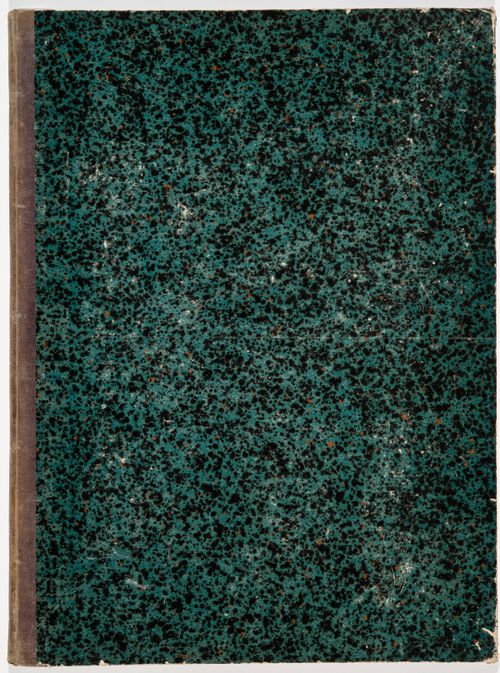
- This album contains original designs - mostly preliminary drawings - by Charles and possibly Hubert Rohault de Fleury for theatres and miscellaneous projects, record drawings and prints of French, and perhaps Italian, theatres, and prints for a diverse collection of other French subjects. Drawings and prints for theatres include: traced plans, perhaps of Italian theatres; preliminary plans for theatres designed by Charles Rohault de Fleury; a plan of Théâtre de variétés, Paris, signed by the architect, Jacques Cellérier; prints of Théâtre de l'Odéon, Paris, designed by Charles de Wailly and Marie-Joseph Peyre; a print of Théâtre de la Porte Saint-Martin, Paris, designed by Nicolas Lenoir; a proposal for an opera house, Paris, by Hector Horeau with a plan and perspective; and an engraving of the inscription for the first stone of the Grand-Théâtre, Lyon, designed by Antoine-Marie Chenavard and Jean Pollet. The remaining prints in the album date from the 18th and 19th centuries and include: a competition entry by Louis-Pierre Baltard for a monument at Bordeaux dedicated to the triumphs of the Republican army and to peace; a stable for the Czarina commissioned by Peter I and designed by François Bruant; decorations by Victor Louis for the "fêtes de paix" of 1763 and the inauguration of an equestrian statue of Louis XV for the Théâtre italien dedicated to the Marquis de Marigny; a funerary temple by Louis-Jean Desprez dedicated to Voltaire; a stable with two manèges by Jean François de Neufforge; a competition entry for an obelisk for Pont-Neuf, Paris, by Thomas Pierre Baraguay; a plan and two engravings of the Cirque for the Confédération générale, 14 July 1790, on the Champ-de-Mars; an advertising flyer for Louis Ambroise Dubut's book, "Architecture civile: maison de ville et de campagne"; and a prospectus and print of the Néothermes, rue de la Victoire, Paris, designed by Jean Charles Bringol. Three design drawings are for two projects by Charles Rohault de Fleury - an iron arcade for boulevard du Temple, Paris, and a bathroom or public bath (DR1974:0002:010:013, DR1974:0002:010:014 and DR1974:0002:010:044). A finished drawing for entrance gates (DR1974:0002:010:047) and unidentified sketches and notes (DR1974:0002:010:019 - DR1974:0002:010:022) are by either Hubert or Charles Rohault de Fleury.
DR1974:0002:010:001-048
Description:
- This album contains original designs - mostly preliminary drawings - by Charles and possibly Hubert Rohault de Fleury for theatres and miscellaneous projects, record drawings and prints of French, and perhaps Italian, theatres, and prints for a diverse collection of other French subjects. Drawings and prints for theatres include: traced plans, perhaps of Italian theatres; preliminary plans for theatres designed by Charles Rohault de Fleury; a plan of Théâtre de variétés, Paris, signed by the architect, Jacques Cellérier; prints of Théâtre de l'Odéon, Paris, designed by Charles de Wailly and Marie-Joseph Peyre; a print of Théâtre de la Porte Saint-Martin, Paris, designed by Nicolas Lenoir; a proposal for an opera house, Paris, by Hector Horeau with a plan and perspective; and an engraving of the inscription for the first stone of the Grand-Théâtre, Lyon, designed by Antoine-Marie Chenavard and Jean Pollet. The remaining prints in the album date from the 18th and 19th centuries and include: a competition entry by Louis-Pierre Baltard for a monument at Bordeaux dedicated to the triumphs of the Republican army and to peace; a stable for the Czarina commissioned by Peter I and designed by François Bruant; decorations by Victor Louis for the "fêtes de paix" of 1763 and the inauguration of an equestrian statue of Louis XV for the Théâtre italien dedicated to the Marquis de Marigny; a funerary temple by Louis-Jean Desprez dedicated to Voltaire; a stable with two manèges by Jean François de Neufforge; a competition entry for an obelisk for Pont-Neuf, Paris, by Thomas Pierre Baraguay; a plan and two engravings of the Cirque for the Confédération générale, 14 July 1790, on the Champ-de-Mars; an advertising flyer for Louis Ambroise Dubut's book, "Architecture civile: maison de ville et de campagne"; and a prospectus and print of the Néothermes, rue de la Victoire, Paris, designed by Jean Charles Bringol. Three design drawings are for two projects by Charles Rohault de Fleury - an iron arcade for boulevard du Temple, Paris, and a bathroom or public bath (DR1974:0002:010:013, DR1974:0002:010:014 and DR1974:0002:010:044). A finished drawing for entrance gates (DR1974:0002:010:047) and unidentified sketches and notes (DR1974:0002:010:019 - DR1974:0002:010:022) are by either Hubert or Charles Rohault de Fleury.
Personnes et institutions:
Sujet:
architecture, architecture temporaire, design d'intérieur, militaire, urbanisme
architecture, architecture temporaire, design d'intérieur, militaire, urbanisme
Date:
drawings executed ca. 1790-1868, manuscripts 1802-1868, printed 1717-1868
drawings executed ca. 1790-1868, manuscripts 1802-1868, printed 1717-1868
Titre:
Album of drawings, prints, and manuscripts of theatres and of French projects for buildings, monuments and temporary structures, and drawings and prints by Hubert and Charles Rohault de Fleury for theatres and miscellaneous projects
Actions:
DR1974:0002:010:001-048
Description:
- This album contains original designs - mostly preliminary drawings - by Charles and possibly Hubert Rohault de Fleury for theatres and miscellaneous projects, record drawings and prints of French, and perhaps Italian, theatres, and prints for a diverse collection of other French subjects. Drawings and prints for theatres include: traced plans, perhaps of Italian theatres; preliminary plans for theatres designed by Charles Rohault de Fleury; a plan of Théâtre de variétés, Paris, signed by the architect, Jacques Cellérier; prints of Théâtre de l'Odéon, Paris, designed by Charles de Wailly and Marie-Joseph Peyre; a print of Théâtre de la Porte Saint-Martin, Paris, designed by Nicolas Lenoir; a proposal for an opera house, Paris, by Hector Horeau with a plan and perspective; and an engraving of the inscription for the first stone of the Grand-Théâtre, Lyon, designed by Antoine-Marie Chenavard and Jean Pollet. The remaining prints in the album date from the 18th and 19th centuries and include: a competition entry by Louis-Pierre Baltard for a monument at Bordeaux dedicated to the triumphs of the Republican army and to peace; a stable for the Czarina commissioned by Peter I and designed by François Bruant; decorations by Victor Louis for the "fêtes de paix" of 1763 and the inauguration of an equestrian statue of Louis XV for the Théâtre italien dedicated to the Marquis de Marigny; a funerary temple by Louis-Jean Desprez dedicated to Voltaire; a stable with two manèges by Jean François de Neufforge; a competition entry for an obelisk for Pont-Neuf, Paris, by Thomas Pierre Baraguay; a plan and two engravings of the Cirque for the Confédération générale, 14 July 1790, on the Champ-de-Mars; an advertising flyer for Louis Ambroise Dubut's book, "Architecture civile: maison de ville et de campagne"; and a prospectus and print of the Néothermes, rue de la Victoire, Paris, designed by Jean Charles Bringol. Three design drawings are for two projects by Charles Rohault de Fleury - an iron arcade for boulevard du Temple, Paris, and a bathroom or public bath (DR1974:0002:010:013, DR1974:0002:010:014 and DR1974:0002:010:044). A finished drawing for entrance gates (DR1974:0002:010:047) and unidentified sketches and notes (DR1974:0002:010:019 - DR1974:0002:010:022) are by either Hubert or Charles Rohault de Fleury.
Album of drawings, prints, and manuscripts of theatres and of French projects for buildings, monuments and temporary structures, and drawings and prints by Hubert and Charles Rohault de Fleury for theatres and miscellaneous projects
Actions:
DR1974:0002:010:001-048
Description:
- This album contains original designs - mostly preliminary drawings - by Charles and possibly Hubert Rohault de Fleury for theatres and miscellaneous projects, record drawings and prints of French, and perhaps Italian, theatres, and prints for a diverse collection of other French subjects. Drawings and prints for theatres include: traced plans, perhaps of Italian theatres; preliminary plans for theatres designed by Charles Rohault de Fleury; a plan of Théâtre de variétés, Paris, signed by the architect, Jacques Cellérier; prints of Théâtre de l'Odéon, Paris, designed by Charles de Wailly and Marie-Joseph Peyre; a print of Théâtre de la Porte Saint-Martin, Paris, designed by Nicolas Lenoir; a proposal for an opera house, Paris, by Hector Horeau with a plan and perspective; and an engraving of the inscription for the first stone of the Grand-Théâtre, Lyon, designed by Antoine-Marie Chenavard and Jean Pollet. The remaining prints in the album date from the 18th and 19th centuries and include: a competition entry by Louis-Pierre Baltard for a monument at Bordeaux dedicated to the triumphs of the Republican army and to peace; a stable for the Czarina commissioned by Peter I and designed by François Bruant; decorations by Victor Louis for the "fêtes de paix" of 1763 and the inauguration of an equestrian statue of Louis XV for the Théâtre italien dedicated to the Marquis de Marigny; a funerary temple by Louis-Jean Desprez dedicated to Voltaire; a stable with two manèges by Jean François de Neufforge; a competition entry for an obelisk for Pont-Neuf, Paris, by Thomas Pierre Baraguay; a plan and two engravings of the Cirque for the Confédération générale, 14 July 1790, on the Champ-de-Mars; an advertising flyer for Louis Ambroise Dubut's book, "Architecture civile: maison de ville et de campagne"; and a prospectus and print of the Néothermes, rue de la Victoire, Paris, designed by Jean Charles Bringol. Three design drawings are for two projects by Charles Rohault de Fleury - an iron arcade for boulevard du Temple, Paris, and a bathroom or public bath (DR1974:0002:010:013, DR1974:0002:010:014 and DR1974:0002:010:044). A finished drawing for entrance gates (DR1974:0002:010:047) and unidentified sketches and notes (DR1974:0002:010:019 - DR1974:0002:010:022) are by either Hubert or Charles Rohault de Fleury.
Classification:
dessins, documents textuels, oeuvres d'art
dessins, documents textuels, oeuvres d'art
Date:
drawings executed ca. 1790-1868, manuscripts 1802-1868, printed 1717-1868
drawings executed ca. 1790-1868, manuscripts 1802-1868, printed 1717-1868
Personnes et institutions:
Sujet:
architecture, architecture temporaire, design d'intérieur, militaire, urbanisme
architecture, architecture temporaire, design d'intérieur, militaire, urbanisme
Niveau de description archivistique:
Projet
Projet
Titre:
Two Tree Island
Two Tree Island
Numéro de référence:
AP144.S2.D84
Description:
File documents an unexecuted project for Two Tree Island, the last uninhabited island in the Thames Estuary, in Essex, England. Cedric Price collaborated with Yorke Rosenberg Mardall Architects (YMR) on the project for client David Keddie, to develop a 178-hectare site on the island which encompassed both existing and reclaimed land, some of which was reserved under a trust for nature conservation. Early proposals showed residential areas, commercial, as well as, industrial zones, and facilities for recreation and leisure activities, including a marina. The final design proposed a much smaller residential area and harbour and included larger conservation and marshland areas in response to local concerns. The project was rejected and a portion of Two Tree Island was leased to the Nature Conservancy (NERC). An Appeal and Public Enquiry lodged by the client was subsequently indefinitely postponed. The architects produced several versions of a consultant's report, created a 'logbook' for the project, and published a brochure and promotional material for a public meeting. Existing conditions and reference material in the file includes maps of the area showing locations for a photo survey; Port of Authority of London plans showing water depths at various locations; a drawing of Marine Island, Essex; and a collage of photos of the area mounted on a board. Sketches by Cedric Price show development plans for the island and explore alternate "open" and "closed" configurations for the basin. Sketch sections show established maximum flood heights on the proposed schemes (see sketches in Works II, p. 86). A series of schematic drawings by YMR develop preliminary schemes exploring alternate layouts in relation to the primary basin configuration. A perspective drawing shows a view of the site from the main road to the island. Design development drawings include both original drawings and reprographic copies and include bird's-eye view perspective sketches; diagrams showing "domestic development" and projected "typical patterning"; and diagrammatic plans/charts showing existing and reclaimed areas, compatibility of activities, and degrees of accessibility (see typical diagram in Works II, p. 87). Other design development drawings include standard plans, sections and elevations, as well as site plans, land-use plans for the marina, plans showing alternate layouts for the marina dock, plans showing Thames tidal defences, site sections, and breakwater profiles. Working drawings for the marina by consulting engineers Sir Frederick Snow and Partners include survey plans, detailed sections illustrating the reinforcement and stabilization of the marine bed, and task sequencing diagrams and charts. Publication and presentation material includes photographs of rendered perspectives, over 18 watercolour renderings of Two Tree Island by Cedric Price, and a mock-up for a 13-page brochure or report summarizing the project. Many drawings are also included in the textual records, which also include Cedric Price's diary on the project. Some material in this file was published in 'Cedric Price-Works II' (London: Architectural Press, 1984), 72, 86-87. Material in this file was produced between 1963 and 1989, but predominantly between 1971 and 1974. Cedric Price's office lists the following firms as the main consultants for this project: Felix J. Samuely & Partners and Sir Frederick Snow & Partners, Consulting Engineers; Baker Wilkins & Smith, Quantity Surveyors; Prof. Peter Cowan, Director, Joint Unit for Planning Research; Prof. Peter Willmott, Director Institute of Community Studies; Prof. G. P. Wibberley, Professor of Countryside Planning, University of London; M. A. B. Boddington, Rural Planning Services. One drawing in DR1995:0255:011-021 is attributed to Costain Civil Engineering Ltd. File contains cartographic materials, conceptual drawings, design development drawings, presentation drawings, consultant drawings, model, and textual records.
AP144.S2.D84
Description:
File documents an unexecuted project for Two Tree Island, the last uninhabited island in the Thames Estuary, in Essex, England. Cedric Price collaborated with Yorke Rosenberg Mardall Architects (YMR) on the project for client David Keddie, to develop a 178-hectare site on the island which encompassed both existing and reclaimed land, some of which was reserved under a trust for nature conservation. Early proposals showed residential areas, commercial, as well as, industrial zones, and facilities for recreation and leisure activities, including a marina. The final design proposed a much smaller residential area and harbour and included larger conservation and marshland areas in response to local concerns. The project was rejected and a portion of Two Tree Island was leased to the Nature Conservancy (NERC). An Appeal and Public Enquiry lodged by the client was subsequently indefinitely postponed. The architects produced several versions of a consultant's report, created a 'logbook' for the project, and published a brochure and promotional material for a public meeting. Existing conditions and reference material in the file includes maps of the area showing locations for a photo survey; Port of Authority of London plans showing water depths at various locations; a drawing of Marine Island, Essex; and a collage of photos of the area mounted on a board. Sketches by Cedric Price show development plans for the island and explore alternate "open" and "closed" configurations for the basin. Sketch sections show established maximum flood heights on the proposed schemes (see sketches in Works II, p. 86). A series of schematic drawings by YMR develop preliminary schemes exploring alternate layouts in relation to the primary basin configuration. A perspective drawing shows a view of the site from the main road to the island. Design development drawings include both original drawings and reprographic copies and include bird's-eye view perspective sketches; diagrams showing "domestic development" and projected "typical patterning"; and diagrammatic plans/charts showing existing and reclaimed areas, compatibility of activities, and degrees of accessibility (see typical diagram in Works II, p. 87). Other design development drawings include standard plans, sections and elevations, as well as site plans, land-use plans for the marina, plans showing alternate layouts for the marina dock, plans showing Thames tidal defences, site sections, and breakwater profiles. Working drawings for the marina by consulting engineers Sir Frederick Snow and Partners include survey plans, detailed sections illustrating the reinforcement and stabilization of the marine bed, and task sequencing diagrams and charts. Publication and presentation material includes photographs of rendered perspectives, over 18 watercolour renderings of Two Tree Island by Cedric Price, and a mock-up for a 13-page brochure or report summarizing the project. Many drawings are also included in the textual records, which also include Cedric Price's diary on the project. Some material in this file was published in 'Cedric Price-Works II' (London: Architectural Press, 1984), 72, 86-87. Material in this file was produced between 1963 and 1989, but predominantly between 1971 and 1974. Cedric Price's office lists the following firms as the main consultants for this project: Felix J. Samuely & Partners and Sir Frederick Snow & Partners, Consulting Engineers; Baker Wilkins & Smith, Quantity Surveyors; Prof. Peter Cowan, Director, Joint Unit for Planning Research; Prof. Peter Willmott, Director Institute of Community Studies; Prof. G. P. Wibberley, Professor of Countryside Planning, University of London; M. A. B. Boddington, Rural Planning Services. One drawing in DR1995:0255:011-021 is attributed to Costain Civil Engineering Ltd. File contains cartographic materials, conceptual drawings, design development drawings, presentation drawings, consultant drawings, model, and textual records.
Personnes et institutions:
Date:
1963-1989, predominant 1971-1974
1963-1989, predominant 1971-1974
Titre:
Two Tree Island
Actions:
AP144.S2.D84
Description:
File documents an unexecuted project for Two Tree Island, the last uninhabited island in the Thames Estuary, in Essex, England. Cedric Price collaborated with Yorke Rosenberg Mardall Architects (YMR) on the project for client David Keddie, to develop a 178-hectare site on the island which encompassed both existing and reclaimed land, some of which was reserved under a trust for nature conservation. Early proposals showed residential areas, commercial, as well as, industrial zones, and facilities for recreation and leisure activities, including a marina. The final design proposed a much smaller residential area and harbour and included larger conservation and marshland areas in response to local concerns. The project was rejected and a portion of Two Tree Island was leased to the Nature Conservancy (NERC). An Appeal and Public Enquiry lodged by the client was subsequently indefinitely postponed. The architects produced several versions of a consultant's report, created a 'logbook' for the project, and published a brochure and promotional material for a public meeting. Existing conditions and reference material in the file includes maps of the area showing locations for a photo survey; Port of Authority of London plans showing water depths at various locations; a drawing of Marine Island, Essex; and a collage of photos of the area mounted on a board. Sketches by Cedric Price show development plans for the island and explore alternate "open" and "closed" configurations for the basin. Sketch sections show established maximum flood heights on the proposed schemes (see sketches in Works II, p. 86). A series of schematic drawings by YMR develop preliminary schemes exploring alternate layouts in relation to the primary basin configuration. A perspective drawing shows a view of the site from the main road to the island. Design development drawings include both original drawings and reprographic copies and include bird's-eye view perspective sketches; diagrams showing "domestic development" and projected "typical patterning"; and diagrammatic plans/charts showing existing and reclaimed areas, compatibility of activities, and degrees of accessibility (see typical diagram in Works II, p. 87). Other design development drawings include standard plans, sections and elevations, as well as site plans, land-use plans for the marina, plans showing alternate layouts for the marina dock, plans showing Thames tidal defences, site sections, and breakwater profiles. Working drawings for the marina by consulting engineers Sir Frederick Snow and Partners include survey plans, detailed sections illustrating the reinforcement and stabilization of the marine bed, and task sequencing diagrams and charts. Publication and presentation material includes photographs of rendered perspectives, over 18 watercolour renderings of Two Tree Island by Cedric Price, and a mock-up for a 13-page brochure or report summarizing the project. Many drawings are also included in the textual records, which also include Cedric Price's diary on the project. Some material in this file was published in 'Cedric Price-Works II' (London: Architectural Press, 1984), 72, 86-87. Material in this file was produced between 1963 and 1989, but predominantly between 1971 and 1974. Cedric Price's office lists the following firms as the main consultants for this project: Felix J. Samuely & Partners and Sir Frederick Snow & Partners, Consulting Engineers; Baker Wilkins & Smith, Quantity Surveyors; Prof. Peter Cowan, Director, Joint Unit for Planning Research; Prof. Peter Willmott, Director Institute of Community Studies; Prof. G. P. Wibberley, Professor of Countryside Planning, University of London; M. A. B. Boddington, Rural Planning Services. One drawing in DR1995:0255:011-021 is attributed to Costain Civil Engineering Ltd. File contains cartographic materials, conceptual drawings, design development drawings, presentation drawings, consultant drawings, model, and textual records.
Two Tree Island
Actions:
AP144.S2.D84
Description:
File documents an unexecuted project for Two Tree Island, the last uninhabited island in the Thames Estuary, in Essex, England. Cedric Price collaborated with Yorke Rosenberg Mardall Architects (YMR) on the project for client David Keddie, to develop a 178-hectare site on the island which encompassed both existing and reclaimed land, some of which was reserved under a trust for nature conservation. Early proposals showed residential areas, commercial, as well as, industrial zones, and facilities for recreation and leisure activities, including a marina. The final design proposed a much smaller residential area and harbour and included larger conservation and marshland areas in response to local concerns. The project was rejected and a portion of Two Tree Island was leased to the Nature Conservancy (NERC). An Appeal and Public Enquiry lodged by the client was subsequently indefinitely postponed. The architects produced several versions of a consultant's report, created a 'logbook' for the project, and published a brochure and promotional material for a public meeting. Existing conditions and reference material in the file includes maps of the area showing locations for a photo survey; Port of Authority of London plans showing water depths at various locations; a drawing of Marine Island, Essex; and a collage of photos of the area mounted on a board. Sketches by Cedric Price show development plans for the island and explore alternate "open" and "closed" configurations for the basin. Sketch sections show established maximum flood heights on the proposed schemes (see sketches in Works II, p. 86). A series of schematic drawings by YMR develop preliminary schemes exploring alternate layouts in relation to the primary basin configuration. A perspective drawing shows a view of the site from the main road to the island. Design development drawings include both original drawings and reprographic copies and include bird's-eye view perspective sketches; diagrams showing "domestic development" and projected "typical patterning"; and diagrammatic plans/charts showing existing and reclaimed areas, compatibility of activities, and degrees of accessibility (see typical diagram in Works II, p. 87). Other design development drawings include standard plans, sections and elevations, as well as site plans, land-use plans for the marina, plans showing alternate layouts for the marina dock, plans showing Thames tidal defences, site sections, and breakwater profiles. Working drawings for the marina by consulting engineers Sir Frederick Snow and Partners include survey plans, detailed sections illustrating the reinforcement and stabilization of the marine bed, and task sequencing diagrams and charts. Publication and presentation material includes photographs of rendered perspectives, over 18 watercolour renderings of Two Tree Island by Cedric Price, and a mock-up for a 13-page brochure or report summarizing the project. Many drawings are also included in the textual records, which also include Cedric Price's diary on the project. Some material in this file was published in 'Cedric Price-Works II' (London: Architectural Press, 1984), 72, 86-87. Material in this file was produced between 1963 and 1989, but predominantly between 1971 and 1974. Cedric Price's office lists the following firms as the main consultants for this project: Felix J. Samuely & Partners and Sir Frederick Snow & Partners, Consulting Engineers; Baker Wilkins & Smith, Quantity Surveyors; Prof. Peter Cowan, Director, Joint Unit for Planning Research; Prof. Peter Willmott, Director Institute of Community Studies; Prof. G. P. Wibberley, Professor of Countryside Planning, University of London; M. A. B. Boddington, Rural Planning Services. One drawing in DR1995:0255:011-021 is attributed to Costain Civil Engineering Ltd. File contains cartographic materials, conceptual drawings, design development drawings, presentation drawings, consultant drawings, model, and textual records.
Niveau de description archivistique:
File 84
File 84
Date:
1963-1989, predominant 1971-1974
1963-1989, predominant 1971-1974
Personnes et institutions:
Niveau de description archivistique:
Sous-série
Sous-série
Numéro de référence:
AP149.S2.SS3
Description:
File related to various documents used as documentation and reference material for the Minimum Cost Housing Group's publications and research projects. The material in this file was produced between the late 1940s and 1999. The file contains an important collection of photocopies of book chapters, periodical, published reports, commercial leaflets, photographs and slides on various subjects related to the research field of the Minimum Cost Housing Group, and also a collection of maps of cities planning in India. The published reports in this series include the following: - Assessment of construction materials for use in emergency housing carried out on behalf of OXFAM (An) / A.K. Green - Brazil : sites and services project: staff appraisal report / World Bank - Cocoon / Hollingshead - Evaluation report on the village sanitation scheme of the Gandhi Smarak Nidhi in Maharashtra / Programme Evaluation Organisation, Planning Commission Govt. of India - International Drinking Water Supply and Sanitation Decade : end of decade review (as at December 1990) (The) (World Health Organization) - Lucknow urban development project : an approach document / Lucknow Development Authority - Preliminary investigations into the use of atomised sprays for handwashing and showering / T.C. Porter and M.E. Rump (Building Research Establishment Note) - Project completion report: India: Madhya Pradesh Urban Development Project (loan 2329-IN) (World Bank) - Racing alone: a visionary architect's quest for houses made with earth and fire / Nader Khalili (advertisement brochure for a book, including text of introduction; actual book in CCA collection) - Reflexiones sobre el tema de la vivienda (CENAC) - Report on toilet units / J.W. Grainge and J.W. Slupsky - Technology development for a zero-gravity whole body shower / A.A. Rosener [and 5 others] - Urban sector survey: Republic of Zambia (World Bank), v. 1-2 - Workshop on implications of the recommendations of National commission on urbanisation on planning practice and education / Department of Urban and Regional Planning, School of Planning and Architecture, New Delhi
AP149.S2.SS3
Description:
File related to various documents used as documentation and reference material for the Minimum Cost Housing Group's publications and research projects. The material in this file was produced between the late 1940s and 1999. The file contains an important collection of photocopies of book chapters, periodical, published reports, commercial leaflets, photographs and slides on various subjects related to the research field of the Minimum Cost Housing Group, and also a collection of maps of cities planning in India. The published reports in this series include the following: - Assessment of construction materials for use in emergency housing carried out on behalf of OXFAM (An) / A.K. Green - Brazil : sites and services project: staff appraisal report / World Bank - Cocoon / Hollingshead - Evaluation report on the village sanitation scheme of the Gandhi Smarak Nidhi in Maharashtra / Programme Evaluation Organisation, Planning Commission Govt. of India - International Drinking Water Supply and Sanitation Decade : end of decade review (as at December 1990) (The) (World Health Organization) - Lucknow urban development project : an approach document / Lucknow Development Authority - Preliminary investigations into the use of atomised sprays for handwashing and showering / T.C. Porter and M.E. Rump (Building Research Establishment Note) - Project completion report: India: Madhya Pradesh Urban Development Project (loan 2329-IN) (World Bank) - Racing alone: a visionary architect's quest for houses made with earth and fire / Nader Khalili (advertisement brochure for a book, including text of introduction; actual book in CCA collection) - Reflexiones sobre el tema de la vivienda (CENAC) - Report on toilet units / J.W. Grainge and J.W. Slupsky - Technology development for a zero-gravity whole body shower / A.A. Rosener [and 5 others] - Urban sector survey: Republic of Zambia (World Bank), v. 1-2 - Workshop on implications of the recommendations of National commission on urbanisation on planning practice and education / Department of Urban and Regional Planning, School of Planning and Architecture, New Delhi
Personnes et institutions:
Date:
late 1940s-1999
late 1940s-1999
Titre:
Reference and research for publications
Actions:
AP149.S2.SS3
Description:
File related to various documents used as documentation and reference material for the Minimum Cost Housing Group's publications and research projects. The material in this file was produced between the late 1940s and 1999. The file contains an important collection of photocopies of book chapters, periodical, published reports, commercial leaflets, photographs and slides on various subjects related to the research field of the Minimum Cost Housing Group, and also a collection of maps of cities planning in India. The published reports in this series include the following: - Assessment of construction materials for use in emergency housing carried out on behalf of OXFAM (An) / A.K. Green - Brazil : sites and services project: staff appraisal report / World Bank - Cocoon / Hollingshead - Evaluation report on the village sanitation scheme of the Gandhi Smarak Nidhi in Maharashtra / Programme Evaluation Organisation, Planning Commission Govt. of India - International Drinking Water Supply and Sanitation Decade : end of decade review (as at December 1990) (The) (World Health Organization) - Lucknow urban development project : an approach document / Lucknow Development Authority - Preliminary investigations into the use of atomised sprays for handwashing and showering / T.C. Porter and M.E. Rump (Building Research Establishment Note) - Project completion report: India: Madhya Pradesh Urban Development Project (loan 2329-IN) (World Bank) - Racing alone: a visionary architect's quest for houses made with earth and fire / Nader Khalili (advertisement brochure for a book, including text of introduction; actual book in CCA collection) - Reflexiones sobre el tema de la vivienda (CENAC) - Report on toilet units / J.W. Grainge and J.W. Slupsky - Technology development for a zero-gravity whole body shower / A.A. Rosener [and 5 others] - Urban sector survey: Republic of Zambia (World Bank), v. 1-2 - Workshop on implications of the recommendations of National commission on urbanisation on planning practice and education / Department of Urban and Regional Planning, School of Planning and Architecture, New Delhi
Reference and research for publications
Actions:
AP149.S2.SS3
Description:
File related to various documents used as documentation and reference material for the Minimum Cost Housing Group's publications and research projects. The material in this file was produced between the late 1940s and 1999. The file contains an important collection of photocopies of book chapters, periodical, published reports, commercial leaflets, photographs and slides on various subjects related to the research field of the Minimum Cost Housing Group, and also a collection of maps of cities planning in India. The published reports in this series include the following: - Assessment of construction materials for use in emergency housing carried out on behalf of OXFAM (An) / A.K. Green - Brazil : sites and services project: staff appraisal report / World Bank - Cocoon / Hollingshead - Evaluation report on the village sanitation scheme of the Gandhi Smarak Nidhi in Maharashtra / Programme Evaluation Organisation, Planning Commission Govt. of India - International Drinking Water Supply and Sanitation Decade : end of decade review (as at December 1990) (The) (World Health Organization) - Lucknow urban development project : an approach document / Lucknow Development Authority - Preliminary investigations into the use of atomised sprays for handwashing and showering / T.C. Porter and M.E. Rump (Building Research Establishment Note) - Project completion report: India: Madhya Pradesh Urban Development Project (loan 2329-IN) (World Bank) - Racing alone: a visionary architect's quest for houses made with earth and fire / Nader Khalili (advertisement brochure for a book, including text of introduction; actual book in CCA collection) - Reflexiones sobre el tema de la vivienda (CENAC) - Report on toilet units / J.W. Grainge and J.W. Slupsky - Technology development for a zero-gravity whole body shower / A.A. Rosener [and 5 others] - Urban sector survey: Republic of Zambia (World Bank), v. 1-2 - Workshop on implications of the recommendations of National commission on urbanisation on planning practice and education / Department of Urban and Regional Planning, School of Planning and Architecture, New Delhi
Niveau de description archivistique:
Sub-series
Sub-series
Date:
late 1940s-1999
late 1940s-1999
Personnes et institutions:
Classification:
expositions
expositions
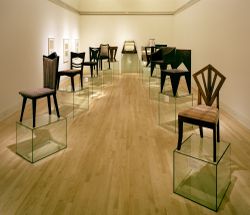
Description:
Enthousiasmés par les vues radicalement nouvelles de l’art cubiste, et animés par le désir d’introduire une esthétique entièrement différente et de manifester leur présence sur la scène politique, les cubistes tchèques ont créé non seulement des œuvres remarquables et visionnaires, mais ils sont passés de la théorie à la pratique. Le cubisme tchèque : architecture et(...)
Enthousiasmés par les vues radicalement nouvelles de l’art cubiste, et animés par le désir d’introduire une esthétique entièrement différente et de manifester leur présence sur la scène politique, les cubistes tchèques ont créé non seulement des œuvres remarquables et visionnaires, mais ils sont passés de la théorie à la pratique. Le cubisme tchèque : architecture et(...)
Localisation:
Salles principales
Salles principales
Date:
10 juin 1992 au 2 août 1992
10 juin 1992 au 2 août 1992
Titre:
Le cubisme tchèque : architecture et design, 1910-1925
Actions:
Description:
Enthousiasmés par les vues radicalement nouvelles de l’art cubiste, et animés par le désir d’introduire une esthétique entièrement différente et de manifester leur présence sur la scène politique, les cubistes tchèques ont créé non seulement des œuvres remarquables et visionnaires, mais ils sont passés de la théorie à la pratique. Le cubisme tchèque : architecture et(...)
Le cubisme tchèque : architecture et design, 1910-1925
Actions:
Description:
Enthousiasmés par les vues radicalement nouvelles de l’art cubiste, et animés par le désir d’introduire une esthétique entièrement différente et de manifester leur présence sur la scène politique, les cubistes tchèques ont créé non seulement des œuvres remarquables et visionnaires, mais ils sont passés de la théorie à la pratique. Le cubisme tchèque : architecture et(...)
Classification:
expositions
expositions
Date:
10 juin 1992 au
2 août 1992
10 juin 1992 au
2 août 1992
Localisation:
Salles principales
Salles principales
Niveau de description archivistique:
Projet
Projet
Titre:
Generator
Generator
Numéro de référence:
AP144.S2.D100
Description:
File documents Generator, an unexecuted project for the Gilman Paper Company, at the White Oak Plantation, in Yulee, Florida. After an initial investigation Cedric Price proposed a complex that could accommodate company activities, cultural events, and artist residencies and would provide "a menu of items for individual and group demands of space, control, containment and delight. A place to work, create, think, and stare." ('Architectural Review', Jan. 1980, 16). The design called for timber-framed structures with variable infill panels and cladding, along with screens, to be placed on a grid of concrete pads by cranes with the help of computers in response to users' needs. Conceptual, schematic and design development drawings show grid placement, site layout, landscaping, designs for cubes and components, proposed activities, axonometric views, and design notes with sketches. Development sketches, site plans, and charts include site analysis examining future growth, activity charts, shadow study plans, and axonometric details. Drawings of the structures include: plans, elevations, details, and perspective views for cubes, screens, and cladding; shadow studies for cube variations; and axonometric views of cube arrangements. Other drawings include: site plans and sections; landscaping and parking layouts; plans for circulation patterns; drawings for boardwalks; and electrical and drainage plans. Charts study design validity, activities, networks, project feasibility, component life-cycle, and cube and component placement/construction sequencing. Computer generated printouts by John Frazer, et al show perspective views of cubes from various viewpoints. Two sets of annotated reprographic copies show details for a typical cube and the foundation. Presentation and publication materials include: photographs and reprographic copies of design models; coloured reprographic copies of computer parts and facilities; a coloured air-brushed rendering of cubes and screens by "Jeremie '77"; two perspective renderings; and reprographic copies made from published material. Some material in this file was published in 'Building Design', 23 February 1979; 'Building Design', 9 November 1979; 'Architectural Review' (January 1980), 16-17; 'L'Architecture d'Aujourd'hui', December 1980; 'Techniques et Architecture', December 1980; 'Design', January 1981; 'New Scientist', 19 March 1981; 'Schemes: Cedric Price' (ex. cat.; London: Waddington Galleries, 1981); 'Cedric Price-Works II' (London: Architectural Press, 1984), 90, 92-97. Material in this file was produced between 1959 and 1995, but predominantly between 1976 and 1980. Main consultants for Generator in the United Kingdom include Felix J. Samuely & Partners, consulting engineers; Baker, Wilkins and Smith, quantity surveyors; John Frazer, computer modelling and systems; Sandy Brown Associates, acoustic consultants. Main consultants in the United States include Marvin Boutwell; Law Engineering Testing Company as consulting engineers; and WTCA; Robertson Ward Jr., as architects. Computer printouts in group DR1995:0280:538-552 in Generator (AP144.S2.D100) are attributed to John and Julia Frazer, Art and Design Research, Ulster Polytechnic and the Department of Architecture, Liverpool Polytechnic. Some material in group DR1995:0280:567-576 is attributed to Felix J. Samuely & Partners. File contains conceptual drawings, design, development drawings, presentation drawings, photographic materials, boxes, an artefact, models, and textual records.
AP144.S2.D100
Description:
File documents Generator, an unexecuted project for the Gilman Paper Company, at the White Oak Plantation, in Yulee, Florida. After an initial investigation Cedric Price proposed a complex that could accommodate company activities, cultural events, and artist residencies and would provide "a menu of items for individual and group demands of space, control, containment and delight. A place to work, create, think, and stare." ('Architectural Review', Jan. 1980, 16). The design called for timber-framed structures with variable infill panels and cladding, along with screens, to be placed on a grid of concrete pads by cranes with the help of computers in response to users' needs. Conceptual, schematic and design development drawings show grid placement, site layout, landscaping, designs for cubes and components, proposed activities, axonometric views, and design notes with sketches. Development sketches, site plans, and charts include site analysis examining future growth, activity charts, shadow study plans, and axonometric details. Drawings of the structures include: plans, elevations, details, and perspective views for cubes, screens, and cladding; shadow studies for cube variations; and axonometric views of cube arrangements. Other drawings include: site plans and sections; landscaping and parking layouts; plans for circulation patterns; drawings for boardwalks; and electrical and drainage plans. Charts study design validity, activities, networks, project feasibility, component life-cycle, and cube and component placement/construction sequencing. Computer generated printouts by John Frazer, et al show perspective views of cubes from various viewpoints. Two sets of annotated reprographic copies show details for a typical cube and the foundation. Presentation and publication materials include: photographs and reprographic copies of design models; coloured reprographic copies of computer parts and facilities; a coloured air-brushed rendering of cubes and screens by "Jeremie '77"; two perspective renderings; and reprographic copies made from published material. Some material in this file was published in 'Building Design', 23 February 1979; 'Building Design', 9 November 1979; 'Architectural Review' (January 1980), 16-17; 'L'Architecture d'Aujourd'hui', December 1980; 'Techniques et Architecture', December 1980; 'Design', January 1981; 'New Scientist', 19 March 1981; 'Schemes: Cedric Price' (ex. cat.; London: Waddington Galleries, 1981); 'Cedric Price-Works II' (London: Architectural Press, 1984), 90, 92-97. Material in this file was produced between 1959 and 1995, but predominantly between 1976 and 1980. Main consultants for Generator in the United Kingdom include Felix J. Samuely & Partners, consulting engineers; Baker, Wilkins and Smith, quantity surveyors; John Frazer, computer modelling and systems; Sandy Brown Associates, acoustic consultants. Main consultants in the United States include Marvin Boutwell; Law Engineering Testing Company as consulting engineers; and WTCA; Robertson Ward Jr., as architects. Computer printouts in group DR1995:0280:538-552 in Generator (AP144.S2.D100) are attributed to John and Julia Frazer, Art and Design Research, Ulster Polytechnic and the Department of Architecture, Liverpool Polytechnic. Some material in group DR1995:0280:567-576 is attributed to Felix J. Samuely & Partners. File contains conceptual drawings, design, development drawings, presentation drawings, photographic materials, boxes, an artefact, models, and textual records.
Personnes et institutions:
Date:
1959-1995, predominant 1976-1980
1959-1995, predominant 1976-1980
Titre:
Generator
Actions:
AP144.S2.D100
Description:
File documents Generator, an unexecuted project for the Gilman Paper Company, at the White Oak Plantation, in Yulee, Florida. After an initial investigation Cedric Price proposed a complex that could accommodate company activities, cultural events, and artist residencies and would provide "a menu of items for individual and group demands of space, control, containment and delight. A place to work, create, think, and stare." ('Architectural Review', Jan. 1980, 16). The design called for timber-framed structures with variable infill panels and cladding, along with screens, to be placed on a grid of concrete pads by cranes with the help of computers in response to users' needs. Conceptual, schematic and design development drawings show grid placement, site layout, landscaping, designs for cubes and components, proposed activities, axonometric views, and design notes with sketches. Development sketches, site plans, and charts include site analysis examining future growth, activity charts, shadow study plans, and axonometric details. Drawings of the structures include: plans, elevations, details, and perspective views for cubes, screens, and cladding; shadow studies for cube variations; and axonometric views of cube arrangements. Other drawings include: site plans and sections; landscaping and parking layouts; plans for circulation patterns; drawings for boardwalks; and electrical and drainage plans. Charts study design validity, activities, networks, project feasibility, component life-cycle, and cube and component placement/construction sequencing. Computer generated printouts by John Frazer, et al show perspective views of cubes from various viewpoints. Two sets of annotated reprographic copies show details for a typical cube and the foundation. Presentation and publication materials include: photographs and reprographic copies of design models; coloured reprographic copies of computer parts and facilities; a coloured air-brushed rendering of cubes and screens by "Jeremie '77"; two perspective renderings; and reprographic copies made from published material. Some material in this file was published in 'Building Design', 23 February 1979; 'Building Design', 9 November 1979; 'Architectural Review' (January 1980), 16-17; 'L'Architecture d'Aujourd'hui', December 1980; 'Techniques et Architecture', December 1980; 'Design', January 1981; 'New Scientist', 19 March 1981; 'Schemes: Cedric Price' (ex. cat.; London: Waddington Galleries, 1981); 'Cedric Price-Works II' (London: Architectural Press, 1984), 90, 92-97. Material in this file was produced between 1959 and 1995, but predominantly between 1976 and 1980. Main consultants for Generator in the United Kingdom include Felix J. Samuely & Partners, consulting engineers; Baker, Wilkins and Smith, quantity surveyors; John Frazer, computer modelling and systems; Sandy Brown Associates, acoustic consultants. Main consultants in the United States include Marvin Boutwell; Law Engineering Testing Company as consulting engineers; and WTCA; Robertson Ward Jr., as architects. Computer printouts in group DR1995:0280:538-552 in Generator (AP144.S2.D100) are attributed to John and Julia Frazer, Art and Design Research, Ulster Polytechnic and the Department of Architecture, Liverpool Polytechnic. Some material in group DR1995:0280:567-576 is attributed to Felix J. Samuely & Partners. File contains conceptual drawings, design, development drawings, presentation drawings, photographic materials, boxes, an artefact, models, and textual records.
Generator
Actions:
AP144.S2.D100
Description:
File documents Generator, an unexecuted project for the Gilman Paper Company, at the White Oak Plantation, in Yulee, Florida. After an initial investigation Cedric Price proposed a complex that could accommodate company activities, cultural events, and artist residencies and would provide "a menu of items for individual and group demands of space, control, containment and delight. A place to work, create, think, and stare." ('Architectural Review', Jan. 1980, 16). The design called for timber-framed structures with variable infill panels and cladding, along with screens, to be placed on a grid of concrete pads by cranes with the help of computers in response to users' needs. Conceptual, schematic and design development drawings show grid placement, site layout, landscaping, designs for cubes and components, proposed activities, axonometric views, and design notes with sketches. Development sketches, site plans, and charts include site analysis examining future growth, activity charts, shadow study plans, and axonometric details. Drawings of the structures include: plans, elevations, details, and perspective views for cubes, screens, and cladding; shadow studies for cube variations; and axonometric views of cube arrangements. Other drawings include: site plans and sections; landscaping and parking layouts; plans for circulation patterns; drawings for boardwalks; and electrical and drainage plans. Charts study design validity, activities, networks, project feasibility, component life-cycle, and cube and component placement/construction sequencing. Computer generated printouts by John Frazer, et al show perspective views of cubes from various viewpoints. Two sets of annotated reprographic copies show details for a typical cube and the foundation. Presentation and publication materials include: photographs and reprographic copies of design models; coloured reprographic copies of computer parts and facilities; a coloured air-brushed rendering of cubes and screens by "Jeremie '77"; two perspective renderings; and reprographic copies made from published material. Some material in this file was published in 'Building Design', 23 February 1979; 'Building Design', 9 November 1979; 'Architectural Review' (January 1980), 16-17; 'L'Architecture d'Aujourd'hui', December 1980; 'Techniques et Architecture', December 1980; 'Design', January 1981; 'New Scientist', 19 March 1981; 'Schemes: Cedric Price' (ex. cat.; London: Waddington Galleries, 1981); 'Cedric Price-Works II' (London: Architectural Press, 1984), 90, 92-97. Material in this file was produced between 1959 and 1995, but predominantly between 1976 and 1980. Main consultants for Generator in the United Kingdom include Felix J. Samuely & Partners, consulting engineers; Baker, Wilkins and Smith, quantity surveyors; John Frazer, computer modelling and systems; Sandy Brown Associates, acoustic consultants. Main consultants in the United States include Marvin Boutwell; Law Engineering Testing Company as consulting engineers; and WTCA; Robertson Ward Jr., as architects. Computer printouts in group DR1995:0280:538-552 in Generator (AP144.S2.D100) are attributed to John and Julia Frazer, Art and Design Research, Ulster Polytechnic and the Department of Architecture, Liverpool Polytechnic. Some material in group DR1995:0280:567-576 is attributed to Felix J. Samuely & Partners. File contains conceptual drawings, design, development drawings, presentation drawings, photographic materials, boxes, an artefact, models, and textual records.
Niveau de description archivistique:
File 100
File 100
Date:
1959-1995, predominant 1976-1980
1959-1995, predominant 1976-1980
Personnes et institutions:
Classification:
archives
Niveau de description archivistique:
Fonds
archives
Niveau de description archivistique:
Fonds
Numéro de référence:
AP082
Résumé:
The OMA Universal Studios project records, 1996-1999, document an unexecuted project by the architectural firm OMA (Office for Metropolitan Architecture) for a headquarters building for Universal Studios at Universal City, Los Angeles County, California. The design process for the project is documented through drawings, models, presentation panels, proposals, reports and project manuals.
AP082
Résumé:
The OMA Universal Studios project records, 1996-1999, document an unexecuted project by the architectural firm OMA (Office for Metropolitan Architecture) for a headquarters building for Universal Studios at Universal City, Los Angeles County, California. The design process for the project is documented through drawings, models, presentation panels, proposals, reports and project manuals.
Personnes et institutions:
Date:
1996-1999
1996-1999
Titre:
Documents d’archives d’OMA pour le projet Universal Studios
Actions:
AP082
Résumé:
The OMA Universal Studios project records, 1996-1999, document an unexecuted project by the architectural firm OMA (Office for Metropolitan Architecture) for a headquarters building for Universal Studios at Universal City, Los Angeles County, California. The design process for the project is documented through drawings, models, presentation panels, proposals, reports and project manuals.
Documents d’archives d’OMA pour le projet Universal Studios
Actions:
AP082
Résumé:
The OMA Universal Studios project records, 1996-1999, document an unexecuted project by the architectural firm OMA (Office for Metropolitan Architecture) for a headquarters building for Universal Studios at Universal City, Los Angeles County, California. The design process for the project is documented through drawings, models, presentation panels, proposals, reports and project manuals.
Classification:
archives
Niveau de description archivistique:
Fonds
archives
Niveau de description archivistique:
Fonds
Date:
1996-1999
1996-1999
Personnes et institutions:


