


5707 Résultats
Niveau de description archivistique:
Projet
Projet
Numéro de référence:
AP075.S1.1952.PR03
Description:
This project series documents Cornelia Hahn Oberlander's project for the garden of Mr. & Mrs. W. A. Rahill's private residence in Feasterville, Pennsylvania. The residence is located in Bryn Gweled Homesteads, a small cooperative community in Upper Southampton Township. Oberlander worked on this project from 1952-1953. The garden design consists of a meadow area and a play area on the front lawn of the house. The play area, surrounded by trees and strubs, includes a badminton field and a vegetable patch. This project series only contains a presentation drawing for the landscape design with a plant list.
AP075.S1.1952.PR03
Description:
This project series documents Cornelia Hahn Oberlander's project for the garden of Mr. & Mrs. W. A. Rahill's private residence in Feasterville, Pennsylvania. The residence is located in Bryn Gweled Homesteads, a small cooperative community in Upper Southampton Township. Oberlander worked on this project from 1952-1953. The garden design consists of a meadow area and a play area on the front lawn of the house. The play area, surrounded by trees and strubs, includes a badminton field and a vegetable patch. This project series only contains a presentation drawing for the landscape design with a plant list.
Personnes et institutions:
Date:
1952-1953
1952-1953
Titre:
Garden of Mr. & Mrs. W. A. Rahill, Feasterville, Pennsylvania (1952-1953)
Actions:
AP075.S1.1952.PR03
Description:
This project series documents Cornelia Hahn Oberlander's project for the garden of Mr. & Mrs. W. A. Rahill's private residence in Feasterville, Pennsylvania. The residence is located in Bryn Gweled Homesteads, a small cooperative community in Upper Southampton Township. Oberlander worked on this project from 1952-1953. The garden design consists of a meadow area and a play area on the front lawn of the house. The play area, surrounded by trees and strubs, includes a badminton field and a vegetable patch. This project series only contains a presentation drawing for the landscape design with a plant list.
Garden of Mr. & Mrs. W. A. Rahill, Feasterville, Pennsylvania (1952-1953)
Actions:
AP075.S1.1952.PR03
Description:
This project series documents Cornelia Hahn Oberlander's project for the garden of Mr. & Mrs. W. A. Rahill's private residence in Feasterville, Pennsylvania. The residence is located in Bryn Gweled Homesteads, a small cooperative community in Upper Southampton Township. Oberlander worked on this project from 1952-1953. The garden design consists of a meadow area and a play area on the front lawn of the house. The play area, surrounded by trees and strubs, includes a badminton field and a vegetable patch. This project series only contains a presentation drawing for the landscape design with a plant list.
Niveau de description archivistique:
Project
Project
Date:
1952-1953
1952-1953
Personnes et institutions:
Classification:
événements
événements
Actions:
Description:
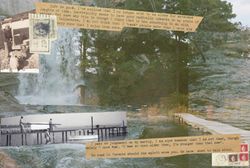
H.E.R.E (Homecoming Equity + Regenerative Encounters) [Équité du retour chez-soi + Rencontres régénératrices] et de retour à nouveau : lettres, territoire et mémoire vivante réunit recherches, narrations et dialogues communautaires pour penser la façon dont les relations au territoire sont préservées, remémorées et réinventées au fil des générations. Lancé dans le cadre(...)
H.E.R.E (Homecoming Equity + Regenerative Encounters) [Équité du retour chez-soi + Rencontres régénératrices] et de retour à nouveau : lettres, territoire et mémoire vivante réunit recherches, narrations et dialogues communautaires pour penser la façon dont les relations au territoire sont préservées, remémorées et réinventées au fil des générations. Lancé dans le cadre(...)
Titre:
H.E.R.E. et de retour à nouveau : lettres, territoire et mémoire vivante
Actions:
Description:
H.E.R.E (Homecoming Equity + Regenerative Encounters) [Équité du retour chez-soi + Rencontres régénératrices] et de retour à nouveau : lettres, territoire et mémoire vivante réunit recherches, narrations et dialogues communautaires pour penser la façon dont les relations au territoire sont préservées, remémorées et réinventées au fil des générations. Lancé dans le cadre(...)
H.E.R.E. et de retour à nouveau : lettres, territoire et mémoire vivante
Actions:
Description:
H.E.R.E (Homecoming Equity + Regenerative Encounters) [Équité du retour chez-soi + Rencontres régénératrices] et de retour à nouveau : lettres, territoire et mémoire vivante réunit recherches, narrations et dialogues communautaires pour penser la façon dont les relations au territoire sont préservées, remémorées et réinventées au fil des générations. Lancé dans le cadre(...)
Classification:
événements
événements
Date:
18 juin 2026
14h à 15h30
18 juin 2026
14h à 15h30
Niveau de description archivistique:
Projet
Projet
Numéro de référence:
CD034.S1.1974.PR01
Description:
This project series contains four reproductions of drawings displayed in the exhibit to document the neighbourhood Quinta do Bacalhau-Monte Coxo, in Lisbon, Portugal. The exhibit text explained the following: The project architect Manuel Vicente was already working on a design for the intervention in the Quintas de Bacalhau and Monte Coxo when he was co-opted by SAAL. The proposed typology referred to another ambitious urban project of 615 housing units, Quinta das Fonsecas - Quinta da Calçada neighbourhood by the architect Raúl Hestnes Ferreira. The intention was to bring the city to the outlying shanty town areas. None of these projects was carried out in full, and they are now fragmented and besieged by the traffic system without having produced any of the essential community and socialising facilities. In Bacalhau-Monte Coxo the structure of the internal patios reveals the ways in which the public space and community was organised. The architecture assigned importance to the facades, although access to the community courtyards was also a central design concept. In a 1976 interview, the architect himself argued that the release of bourgeois guilt allowed for spatial beauty, adopting the slogan 'Facades First' in defence of architectural design. In a way, this proposal anticipated the post-modern, although in a form that did not deny architecture's social engagement. The design emphasizes a strong idea of architectural autonomy, unfortunately only a part of the project was actually built. (The SAAL Process, Housing in Portugal 1974–76) Manuel Vicente worked for SAAL/Lisbon and Central South with the following collaborators: Afonso José Baptista, Agostinho Xavier de Andrade, António Albano Leitão, Cristina Catela Martins Pereira, Eduardo Serrano de Sousa, Gentil Noras, José Manuel Diniz Cabral Caldeira, Manuel Augusto Lopes de Sousa, Nuno Matos Silva, Rita Cabral and the resident association Cooperativa de Habitação Económica Portugal Novo, that was founded on September 6th, 1974. The team built 384 dwellings. The operation began in September 1974, with a construction date in January 1977. This project series contains reproductions of design development drawings and a cadastral plan. The original drawings were produced in 1974 or after and were reproduced in 2015 for the exhibit.
CD034.S1.1974.PR01
Description:
This project series contains four reproductions of drawings displayed in the exhibit to document the neighbourhood Quinta do Bacalhau-Monte Coxo, in Lisbon, Portugal. The exhibit text explained the following: The project architect Manuel Vicente was already working on a design for the intervention in the Quintas de Bacalhau and Monte Coxo when he was co-opted by SAAL. The proposed typology referred to another ambitious urban project of 615 housing units, Quinta das Fonsecas - Quinta da Calçada neighbourhood by the architect Raúl Hestnes Ferreira. The intention was to bring the city to the outlying shanty town areas. None of these projects was carried out in full, and they are now fragmented and besieged by the traffic system without having produced any of the essential community and socialising facilities. In Bacalhau-Monte Coxo the structure of the internal patios reveals the ways in which the public space and community was organised. The architecture assigned importance to the facades, although access to the community courtyards was also a central design concept. In a 1976 interview, the architect himself argued that the release of bourgeois guilt allowed for spatial beauty, adopting the slogan 'Facades First' in defence of architectural design. In a way, this proposal anticipated the post-modern, although in a form that did not deny architecture's social engagement. The design emphasizes a strong idea of architectural autonomy, unfortunately only a part of the project was actually built. (The SAAL Process, Housing in Portugal 1974–76) Manuel Vicente worked for SAAL/Lisbon and Central South with the following collaborators: Afonso José Baptista, Agostinho Xavier de Andrade, António Albano Leitão, Cristina Catela Martins Pereira, Eduardo Serrano de Sousa, Gentil Noras, José Manuel Diniz Cabral Caldeira, Manuel Augusto Lopes de Sousa, Nuno Matos Silva, Rita Cabral and the resident association Cooperativa de Habitação Económica Portugal Novo, that was founded on September 6th, 1974. The team built 384 dwellings. The operation began in September 1974, with a construction date in January 1977. This project series contains reproductions of design development drawings and a cadastral plan. The original drawings were produced in 1974 or after and were reproduced in 2015 for the exhibit.
Personnes et institutions:
Date:
circa 1974
circa 1974
Titre:
Bairro Quinta do Bacalhau–Monte Coxo, Lisbon
Actions:
CD034.S1.1974.PR01
Description:
This project series contains four reproductions of drawings displayed in the exhibit to document the neighbourhood Quinta do Bacalhau-Monte Coxo, in Lisbon, Portugal. The exhibit text explained the following: The project architect Manuel Vicente was already working on a design for the intervention in the Quintas de Bacalhau and Monte Coxo when he was co-opted by SAAL. The proposed typology referred to another ambitious urban project of 615 housing units, Quinta das Fonsecas - Quinta da Calçada neighbourhood by the architect Raúl Hestnes Ferreira. The intention was to bring the city to the outlying shanty town areas. None of these projects was carried out in full, and they are now fragmented and besieged by the traffic system without having produced any of the essential community and socialising facilities. In Bacalhau-Monte Coxo the structure of the internal patios reveals the ways in which the public space and community was organised. The architecture assigned importance to the facades, although access to the community courtyards was also a central design concept. In a 1976 interview, the architect himself argued that the release of bourgeois guilt allowed for spatial beauty, adopting the slogan 'Facades First' in defence of architectural design. In a way, this proposal anticipated the post-modern, although in a form that did not deny architecture's social engagement. The design emphasizes a strong idea of architectural autonomy, unfortunately only a part of the project was actually built. (The SAAL Process, Housing in Portugal 1974–76) Manuel Vicente worked for SAAL/Lisbon and Central South with the following collaborators: Afonso José Baptista, Agostinho Xavier de Andrade, António Albano Leitão, Cristina Catela Martins Pereira, Eduardo Serrano de Sousa, Gentil Noras, José Manuel Diniz Cabral Caldeira, Manuel Augusto Lopes de Sousa, Nuno Matos Silva, Rita Cabral and the resident association Cooperativa de Habitação Económica Portugal Novo, that was founded on September 6th, 1974. The team built 384 dwellings. The operation began in September 1974, with a construction date in January 1977. This project series contains reproductions of design development drawings and a cadastral plan. The original drawings were produced in 1974 or after and were reproduced in 2015 for the exhibit.
Bairro Quinta do Bacalhau–Monte Coxo, Lisbon
Actions:
CD034.S1.1974.PR01
Description:
This project series contains four reproductions of drawings displayed in the exhibit to document the neighbourhood Quinta do Bacalhau-Monte Coxo, in Lisbon, Portugal. The exhibit text explained the following: The project architect Manuel Vicente was already working on a design for the intervention in the Quintas de Bacalhau and Monte Coxo when he was co-opted by SAAL. The proposed typology referred to another ambitious urban project of 615 housing units, Quinta das Fonsecas - Quinta da Calçada neighbourhood by the architect Raúl Hestnes Ferreira. The intention was to bring the city to the outlying shanty town areas. None of these projects was carried out in full, and they are now fragmented and besieged by the traffic system without having produced any of the essential community and socialising facilities. In Bacalhau-Monte Coxo the structure of the internal patios reveals the ways in which the public space and community was organised. The architecture assigned importance to the facades, although access to the community courtyards was also a central design concept. In a 1976 interview, the architect himself argued that the release of bourgeois guilt allowed for spatial beauty, adopting the slogan 'Facades First' in defence of architectural design. In a way, this proposal anticipated the post-modern, although in a form that did not deny architecture's social engagement. The design emphasizes a strong idea of architectural autonomy, unfortunately only a part of the project was actually built. (The SAAL Process, Housing in Portugal 1974–76) Manuel Vicente worked for SAAL/Lisbon and Central South with the following collaborators: Afonso José Baptista, Agostinho Xavier de Andrade, António Albano Leitão, Cristina Catela Martins Pereira, Eduardo Serrano de Sousa, Gentil Noras, José Manuel Diniz Cabral Caldeira, Manuel Augusto Lopes de Sousa, Nuno Matos Silva, Rita Cabral and the resident association Cooperativa de Habitação Económica Portugal Novo, that was founded on September 6th, 1974. The team built 384 dwellings. The operation began in September 1974, with a construction date in January 1977. This project series contains reproductions of design development drawings and a cadastral plan. The original drawings were produced in 1974 or after and were reproduced in 2015 for the exhibit.
Niveau de description archivistique:
Project
Project
Date:
circa 1974
circa 1974
Personnes et institutions:
Niveau de description archivistique:
Projet
Projet
Numéro de référence:
AP164.S1.1986.D3
Description:
This project series documents the urban plan for the Plaza del Marques de Mamblas, Sevilla la Nueva, Community of Madrid, Spain. Abalos & Herreros, with project architect director Pablo Tarrago Hernandez, designed the project for the Comunidad Autonoma de Madrid, Consejeria de gobernacion, Direccion general de cooperacion local, Servicio de proyectos y obras. The project was build by another firm. Abalos & Herreros identified this project as number 37. The design for this plaza and the Plaza Mayor, Villamantilla (AP164.S1.1986.D2) were presented at the same time. Documenting the project are design development drawings and photographic materials.
AP164.S1.1986.D3
Description:
This project series documents the urban plan for the Plaza del Marques de Mamblas, Sevilla la Nueva, Community of Madrid, Spain. Abalos & Herreros, with project architect director Pablo Tarrago Hernandez, designed the project for the Comunidad Autonoma de Madrid, Consejeria de gobernacion, Direccion general de cooperacion local, Servicio de proyectos y obras. The project was build by another firm. Abalos & Herreros identified this project as number 37. The design for this plaza and the Plaza Mayor, Villamantilla (AP164.S1.1986.D2) were presented at the same time. Documenting the project are design development drawings and photographic materials.
Personnes et institutions:
Date:
1986
1986
Titre:
Ordenación de la Plaza del Marqués de Mamblas, Sevilla la Nueva, Spain (1986)
Actions:
AP164.S1.1986.D3
Description:
This project series documents the urban plan for the Plaza del Marques de Mamblas, Sevilla la Nueva, Community of Madrid, Spain. Abalos & Herreros, with project architect director Pablo Tarrago Hernandez, designed the project for the Comunidad Autonoma de Madrid, Consejeria de gobernacion, Direccion general de cooperacion local, Servicio de proyectos y obras. The project was build by another firm. Abalos & Herreros identified this project as number 37. The design for this plaza and the Plaza Mayor, Villamantilla (AP164.S1.1986.D2) were presented at the same time. Documenting the project are design development drawings and photographic materials.
Ordenación de la Plaza del Marqués de Mamblas, Sevilla la Nueva, Spain (1986)
Actions:
AP164.S1.1986.D3
Description:
This project series documents the urban plan for the Plaza del Marques de Mamblas, Sevilla la Nueva, Community of Madrid, Spain. Abalos & Herreros, with project architect director Pablo Tarrago Hernandez, designed the project for the Comunidad Autonoma de Madrid, Consejeria de gobernacion, Direccion general de cooperacion local, Servicio de proyectos y obras. The project was build by another firm. Abalos & Herreros identified this project as number 37. The design for this plaza and the Plaza Mayor, Villamantilla (AP164.S1.1986.D2) were presented at the same time. Documenting the project are design development drawings and photographic materials.
Niveau de description archivistique:
Project
Project
Date:
1986
1986
Personnes et institutions:
Niveau de description archivistique:
Projet
Projet
Numéro de référence:
AP206.S1.1982.PR16
Description:
This project series documents a competition entry for clusters of housing blocks in Navi Mumbai, likely sometime in the 1980s or 1990s. The project, proposed for the Kalamboli region of the city, consisted of the site development of diamond shaped housing blocks, each with a sports field in its centre courtyard. Two circular commerce blocks were also planned for the neighbourhood, as well as spaces for a school, playground, public utilities and community services. The project is recorded through original drawings of site plans and elevations, probably dating from sometime in the 1980s-1990s. It should be noted that the previous name of Navi Mumbai was New Bombay, which is the name used on these materials.
AP206.S1.1982.PR16
Description:
This project series documents a competition entry for clusters of housing blocks in Navi Mumbai, likely sometime in the 1980s or 1990s. The project, proposed for the Kalamboli region of the city, consisted of the site development of diamond shaped housing blocks, each with a sports field in its centre courtyard. Two circular commerce blocks were also planned for the neighbourhood, as well as spaces for a school, playground, public utilities and community services. The project is recorded through original drawings of site plans and elevations, probably dating from sometime in the 1980s-1990s. It should be noted that the previous name of Navi Mumbai was New Bombay, which is the name used on these materials.
Personnes et institutions:
Date:
circa 1980s-1990s
circa 1980s-1990s
Titre:
Housing complex competition, Navi Mumbai (circa 1980s-1990s)
Actions:
AP206.S1.1982.PR16
Description:
This project series documents a competition entry for clusters of housing blocks in Navi Mumbai, likely sometime in the 1980s or 1990s. The project, proposed for the Kalamboli region of the city, consisted of the site development of diamond shaped housing blocks, each with a sports field in its centre courtyard. Two circular commerce blocks were also planned for the neighbourhood, as well as spaces for a school, playground, public utilities and community services. The project is recorded through original drawings of site plans and elevations, probably dating from sometime in the 1980s-1990s. It should be noted that the previous name of Navi Mumbai was New Bombay, which is the name used on these materials.
Housing complex competition, Navi Mumbai (circa 1980s-1990s)
Actions:
AP206.S1.1982.PR16
Description:
This project series documents a competition entry for clusters of housing blocks in Navi Mumbai, likely sometime in the 1980s or 1990s. The project, proposed for the Kalamboli region of the city, consisted of the site development of diamond shaped housing blocks, each with a sports field in its centre courtyard. Two circular commerce blocks were also planned for the neighbourhood, as well as spaces for a school, playground, public utilities and community services. The project is recorded through original drawings of site plans and elevations, probably dating from sometime in the 1980s-1990s. It should be noted that the previous name of Navi Mumbai was New Bombay, which is the name used on these materials.
Niveau de description archivistique:
Project
Project
Date:
circa 1980s-1990s
circa 1980s-1990s
Personnes et institutions:
Niveau de description archivistique:
Projet
Projet
Numéro de référence:
AP178.S1.1984.PR02
Description:
The project series documents the Punt en Komma social housing project in The Hague, The Netherlands, with some materials related to the Urban plan for Deelgebied Zone 5, Schilderswijk-West. While the records were held in the office’s archives the urban plan for Deelgebied Zone 5 was assigned the number 30/80 and Punt en Komma was assigned the number 30/80 A/B (Punt (A) and Komma (B)). The office assigned the date 1984 for this project. In the mid to late1970s The Hague underwent an urban renewal program and in 1980 Adri Duivesteijn became the alderman responsible for this program. Dissatisfied with the results, in the early to mid-1980s Duivesteijn began a campaign to look at urban renewal as a cultural approach, and was interested in the participatory process that Siza incorporated for the Serviço Ambulatório de Apoio Local (SAAL) in Portugal and the Berlin projects submitted to the International Architectural Exhibition Berlin competition (International Bauaustellung, IBA, circa 1979-1987). After taking a trip to Portugal, Duivesteijn invited Siza to speak with residents of Schilderswijk. The urban plan for Schilderswijk was the first part of a redevelopment plan for the 19th century district and included two four story blocks of 106 apartments, named Punt en Komma. Schilderswijk is in the centre of The Hague and is nearby the Haag Spoor train station. The residents are made up of multi-ethnic communities and included immigrants from Turkey, Morocco, Tunisia, and Portugal. Similarly to the Berlin projects, Siza was faced with cultural tensions between the residents of the area. The urban plan was to take into account the preservation of the neighborhood's identity while accounting for the changes brought on by multi-ethnic communities. As with the SAAL and Berlin projects there was an element of participation from the residents and included the collaboration of a residents association. In the “Plan of Zone 5 of Schilderswijk Centrum…”, found in this project series [AP178.S1.1984.PR02.024.1, AP178.S1.1984.PR02.024.2], it is outlined that meetings were periodically held with technicians appointed by the Department of Urban Planning and Housing of The Hague, the Housing Cooperative, and each of the designers. Siza’s design for Punt en Komma incorporated elements prevalent in Dutch architecture such as the Haagse Portiek. However, he also included components in his design which accounted for the needs of residents living there at the time. One feature which gained much attention was the incorporation of sliding doors in the apartments. Siza included these doors in his design in consideration of the cultural practices of Muslim families. Documenting this project series are drawings, photographic materials, and textual documentation. Among the drawings are plans, elevations, sections, and details, as well as axonometric drawings, such as the proposed design for Deelgebied zone 5 (including Punt en Komma) and drawings of the Haagse Porteik. Photographic materials document both Duivesteijn’s trip to Portugal and Siza’s first trip to The Hague and include photographs, negatives, and slides of the built project, as well as slides of drawings. Note that the photographic materials include photographs related to the housing and shopping complex in Schilderswijk. Textual documentation includes brochures regarding rent increases, a copy of “Stadsvernieuwing als Kulturele Aktiviteit” by Duivesteijn, and information booklets for the residents. Also included are minutes of meeting and correspondence from the Woningbouwvereniging’s-Gravenhage. Among the correspondence are letters regarding construction costs, including a letter from Siza to the local architectural firm Architectengemeenschap Van den Broek en Bakema explaining that he does not wish to modify the detail he specified for the lintels of the Punt building. There is also correspondence from project architect Carlos Castenheira and Duivesteijn and a summary of the meeting between Siza and the Committee of the Corporation for Social Housing (17 April, 1985)[AP178.S1.1984.PR02.025.1] It is important to note that Siza also participated in other projects for this urban renewal program: the housing and shopping complex in Schilderswijk [AP178.S1.1984.PR03], the Van der Vennepark [AP178.S1.1985.PR01], and the residential settlement in Schilderswijk (Plano de Doedijnstraat [AP178.S1.1989.PR03]). All three of these projects are arranged in separate project series.
AP178.S1.1984.PR02
Description:
The project series documents the Punt en Komma social housing project in The Hague, The Netherlands, with some materials related to the Urban plan for Deelgebied Zone 5, Schilderswijk-West. While the records were held in the office’s archives the urban plan for Deelgebied Zone 5 was assigned the number 30/80 and Punt en Komma was assigned the number 30/80 A/B (Punt (A) and Komma (B)). The office assigned the date 1984 for this project. In the mid to late1970s The Hague underwent an urban renewal program and in 1980 Adri Duivesteijn became the alderman responsible for this program. Dissatisfied with the results, in the early to mid-1980s Duivesteijn began a campaign to look at urban renewal as a cultural approach, and was interested in the participatory process that Siza incorporated for the Serviço Ambulatório de Apoio Local (SAAL) in Portugal and the Berlin projects submitted to the International Architectural Exhibition Berlin competition (International Bauaustellung, IBA, circa 1979-1987). After taking a trip to Portugal, Duivesteijn invited Siza to speak with residents of Schilderswijk. The urban plan for Schilderswijk was the first part of a redevelopment plan for the 19th century district and included two four story blocks of 106 apartments, named Punt en Komma. Schilderswijk is in the centre of The Hague and is nearby the Haag Spoor train station. The residents are made up of multi-ethnic communities and included immigrants from Turkey, Morocco, Tunisia, and Portugal. Similarly to the Berlin projects, Siza was faced with cultural tensions between the residents of the area. The urban plan was to take into account the preservation of the neighborhood's identity while accounting for the changes brought on by multi-ethnic communities. As with the SAAL and Berlin projects there was an element of participation from the residents and included the collaboration of a residents association. In the “Plan of Zone 5 of Schilderswijk Centrum…”, found in this project series [AP178.S1.1984.PR02.024.1, AP178.S1.1984.PR02.024.2], it is outlined that meetings were periodically held with technicians appointed by the Department of Urban Planning and Housing of The Hague, the Housing Cooperative, and each of the designers. Siza’s design for Punt en Komma incorporated elements prevalent in Dutch architecture such as the Haagse Portiek. However, he also included components in his design which accounted for the needs of residents living there at the time. One feature which gained much attention was the incorporation of sliding doors in the apartments. Siza included these doors in his design in consideration of the cultural practices of Muslim families. Documenting this project series are drawings, photographic materials, and textual documentation. Among the drawings are plans, elevations, sections, and details, as well as axonometric drawings, such as the proposed design for Deelgebied zone 5 (including Punt en Komma) and drawings of the Haagse Porteik. Photographic materials document both Duivesteijn’s trip to Portugal and Siza’s first trip to The Hague and include photographs, negatives, and slides of the built project, as well as slides of drawings. Note that the photographic materials include photographs related to the housing and shopping complex in Schilderswijk. Textual documentation includes brochures regarding rent increases, a copy of “Stadsvernieuwing als Kulturele Aktiviteit” by Duivesteijn, and information booklets for the residents. Also included are minutes of meeting and correspondence from the Woningbouwvereniging’s-Gravenhage. Among the correspondence are letters regarding construction costs, including a letter from Siza to the local architectural firm Architectengemeenschap Van den Broek en Bakema explaining that he does not wish to modify the detail he specified for the lintels of the Punt building. There is also correspondence from project architect Carlos Castenheira and Duivesteijn and a summary of the meeting between Siza and the Committee of the Corporation for Social Housing (17 April, 1985)[AP178.S1.1984.PR02.025.1] It is important to note that Siza also participated in other projects for this urban renewal program: the housing and shopping complex in Schilderswijk [AP178.S1.1984.PR03], the Van der Vennepark [AP178.S1.1985.PR01], and the residential settlement in Schilderswijk (Plano de Doedijnstraat [AP178.S1.1989.PR03]). All three of these projects are arranged in separate project series.
Personnes et institutions:
Date:
circa 1981 - 1990
circa 1981 - 1990
Titre:
106 habitações, Punt en Komma [Punt en Komma social housing], Schilderswijk-West, The Hague, The Netherlands, (1981-1990)
Actions:
AP178.S1.1984.PR02
Description:
The project series documents the Punt en Komma social housing project in The Hague, The Netherlands, with some materials related to the Urban plan for Deelgebied Zone 5, Schilderswijk-West. While the records were held in the office’s archives the urban plan for Deelgebied Zone 5 was assigned the number 30/80 and Punt en Komma was assigned the number 30/80 A/B (Punt (A) and Komma (B)). The office assigned the date 1984 for this project. In the mid to late1970s The Hague underwent an urban renewal program and in 1980 Adri Duivesteijn became the alderman responsible for this program. Dissatisfied with the results, in the early to mid-1980s Duivesteijn began a campaign to look at urban renewal as a cultural approach, and was interested in the participatory process that Siza incorporated for the Serviço Ambulatório de Apoio Local (SAAL) in Portugal and the Berlin projects submitted to the International Architectural Exhibition Berlin competition (International Bauaustellung, IBA, circa 1979-1987). After taking a trip to Portugal, Duivesteijn invited Siza to speak with residents of Schilderswijk. The urban plan for Schilderswijk was the first part of a redevelopment plan for the 19th century district and included two four story blocks of 106 apartments, named Punt en Komma. Schilderswijk is in the centre of The Hague and is nearby the Haag Spoor train station. The residents are made up of multi-ethnic communities and included immigrants from Turkey, Morocco, Tunisia, and Portugal. Similarly to the Berlin projects, Siza was faced with cultural tensions between the residents of the area. The urban plan was to take into account the preservation of the neighborhood's identity while accounting for the changes brought on by multi-ethnic communities. As with the SAAL and Berlin projects there was an element of participation from the residents and included the collaboration of a residents association. In the “Plan of Zone 5 of Schilderswijk Centrum…”, found in this project series [AP178.S1.1984.PR02.024.1, AP178.S1.1984.PR02.024.2], it is outlined that meetings were periodically held with technicians appointed by the Department of Urban Planning and Housing of The Hague, the Housing Cooperative, and each of the designers. Siza’s design for Punt en Komma incorporated elements prevalent in Dutch architecture such as the Haagse Portiek. However, he also included components in his design which accounted for the needs of residents living there at the time. One feature which gained much attention was the incorporation of sliding doors in the apartments. Siza included these doors in his design in consideration of the cultural practices of Muslim families. Documenting this project series are drawings, photographic materials, and textual documentation. Among the drawings are plans, elevations, sections, and details, as well as axonometric drawings, such as the proposed design for Deelgebied zone 5 (including Punt en Komma) and drawings of the Haagse Porteik. Photographic materials document both Duivesteijn’s trip to Portugal and Siza’s first trip to The Hague and include photographs, negatives, and slides of the built project, as well as slides of drawings. Note that the photographic materials include photographs related to the housing and shopping complex in Schilderswijk. Textual documentation includes brochures regarding rent increases, a copy of “Stadsvernieuwing als Kulturele Aktiviteit” by Duivesteijn, and information booklets for the residents. Also included are minutes of meeting and correspondence from the Woningbouwvereniging’s-Gravenhage. Among the correspondence are letters regarding construction costs, including a letter from Siza to the local architectural firm Architectengemeenschap Van den Broek en Bakema explaining that he does not wish to modify the detail he specified for the lintels of the Punt building. There is also correspondence from project architect Carlos Castenheira and Duivesteijn and a summary of the meeting between Siza and the Committee of the Corporation for Social Housing (17 April, 1985)[AP178.S1.1984.PR02.025.1] It is important to note that Siza also participated in other projects for this urban renewal program: the housing and shopping complex in Schilderswijk [AP178.S1.1984.PR03], the Van der Vennepark [AP178.S1.1985.PR01], and the residential settlement in Schilderswijk (Plano de Doedijnstraat [AP178.S1.1989.PR03]). All three of these projects are arranged in separate project series.
106 habitações, Punt en Komma [Punt en Komma social housing], Schilderswijk-West, The Hague, The Netherlands, (1981-1990)
Actions:
AP178.S1.1984.PR02
Description:
The project series documents the Punt en Komma social housing project in The Hague, The Netherlands, with some materials related to the Urban plan for Deelgebied Zone 5, Schilderswijk-West. While the records were held in the office’s archives the urban plan for Deelgebied Zone 5 was assigned the number 30/80 and Punt en Komma was assigned the number 30/80 A/B (Punt (A) and Komma (B)). The office assigned the date 1984 for this project. In the mid to late1970s The Hague underwent an urban renewal program and in 1980 Adri Duivesteijn became the alderman responsible for this program. Dissatisfied with the results, in the early to mid-1980s Duivesteijn began a campaign to look at urban renewal as a cultural approach, and was interested in the participatory process that Siza incorporated for the Serviço Ambulatório de Apoio Local (SAAL) in Portugal and the Berlin projects submitted to the International Architectural Exhibition Berlin competition (International Bauaustellung, IBA, circa 1979-1987). After taking a trip to Portugal, Duivesteijn invited Siza to speak with residents of Schilderswijk. The urban plan for Schilderswijk was the first part of a redevelopment plan for the 19th century district and included two four story blocks of 106 apartments, named Punt en Komma. Schilderswijk is in the centre of The Hague and is nearby the Haag Spoor train station. The residents are made up of multi-ethnic communities and included immigrants from Turkey, Morocco, Tunisia, and Portugal. Similarly to the Berlin projects, Siza was faced with cultural tensions between the residents of the area. The urban plan was to take into account the preservation of the neighborhood's identity while accounting for the changes brought on by multi-ethnic communities. As with the SAAL and Berlin projects there was an element of participation from the residents and included the collaboration of a residents association. In the “Plan of Zone 5 of Schilderswijk Centrum…”, found in this project series [AP178.S1.1984.PR02.024.1, AP178.S1.1984.PR02.024.2], it is outlined that meetings were periodically held with technicians appointed by the Department of Urban Planning and Housing of The Hague, the Housing Cooperative, and each of the designers. Siza’s design for Punt en Komma incorporated elements prevalent in Dutch architecture such as the Haagse Portiek. However, he also included components in his design which accounted for the needs of residents living there at the time. One feature which gained much attention was the incorporation of sliding doors in the apartments. Siza included these doors in his design in consideration of the cultural practices of Muslim families. Documenting this project series are drawings, photographic materials, and textual documentation. Among the drawings are plans, elevations, sections, and details, as well as axonometric drawings, such as the proposed design for Deelgebied zone 5 (including Punt en Komma) and drawings of the Haagse Porteik. Photographic materials document both Duivesteijn’s trip to Portugal and Siza’s first trip to The Hague and include photographs, negatives, and slides of the built project, as well as slides of drawings. Note that the photographic materials include photographs related to the housing and shopping complex in Schilderswijk. Textual documentation includes brochures regarding rent increases, a copy of “Stadsvernieuwing als Kulturele Aktiviteit” by Duivesteijn, and information booklets for the residents. Also included are minutes of meeting and correspondence from the Woningbouwvereniging’s-Gravenhage. Among the correspondence are letters regarding construction costs, including a letter from Siza to the local architectural firm Architectengemeenschap Van den Broek en Bakema explaining that he does not wish to modify the detail he specified for the lintels of the Punt building. There is also correspondence from project architect Carlos Castenheira and Duivesteijn and a summary of the meeting between Siza and the Committee of the Corporation for Social Housing (17 April, 1985)[AP178.S1.1984.PR02.025.1] It is important to note that Siza also participated in other projects for this urban renewal program: the housing and shopping complex in Schilderswijk [AP178.S1.1984.PR03], the Van der Vennepark [AP178.S1.1985.PR01], and the residential settlement in Schilderswijk (Plano de Doedijnstraat [AP178.S1.1989.PR03]). All three of these projects are arranged in separate project series.
Niveau de description archivistique:
Project
Project
Date:
circa 1981 - 1990
circa 1981 - 1990
Personnes et institutions:
Niveau de description archivistique:
Projet
Projet
Numéro de référence:
AP151.S1.D3
Description:
File documents an executed project for a parish house and cloister and for parking and planting for the Wayfarers' Chapel. The project for the Parish House and Cloister was part of the 1947 conception ffor the Chapel and was the third unit of construction, after the chapel proper and the campanile. In its conception, this project consisted of a cloister, cloister garden, and a community house, later renamed the parish house. The concept as it was developed between 1954 and 1957 resulted in the construction of the parish house and cloister; the cloister garden was developed separately at a later date, ca. 1959 (DR1987:0698). Material in the file was produced between 1953 and 1959. File contains conceptual, design and design development drawings with a few presentation and technical drawings.
AP151.S1.D3
Description:
File documents an executed project for a parish house and cloister and for parking and planting for the Wayfarers' Chapel. The project for the Parish House and Cloister was part of the 1947 conception ffor the Chapel and was the third unit of construction, after the chapel proper and the campanile. In its conception, this project consisted of a cloister, cloister garden, and a community house, later renamed the parish house. The concept as it was developed between 1954 and 1957 resulted in the construction of the parish house and cloister; the cloister garden was developed separately at a later date, ca. 1959 (DR1987:0698). Material in the file was produced between 1953 and 1959. File contains conceptual, design and design development drawings with a few presentation and technical drawings.
Personnes et institutions:
Date:
[1953]-1959
[1953]-1959
Titre:
Wayfarers' Chapel Parish House and Cloister
Actions:
AP151.S1.D3
Description:
File documents an executed project for a parish house and cloister and for parking and planting for the Wayfarers' Chapel. The project for the Parish House and Cloister was part of the 1947 conception ffor the Chapel and was the third unit of construction, after the chapel proper and the campanile. In its conception, this project consisted of a cloister, cloister garden, and a community house, later renamed the parish house. The concept as it was developed between 1954 and 1957 resulted in the construction of the parish house and cloister; the cloister garden was developed separately at a later date, ca. 1959 (DR1987:0698). Material in the file was produced between 1953 and 1959. File contains conceptual, design and design development drawings with a few presentation and technical drawings.
Wayfarers' Chapel Parish House and Cloister
Actions:
AP151.S1.D3
Description:
File documents an executed project for a parish house and cloister and for parking and planting for the Wayfarers' Chapel. The project for the Parish House and Cloister was part of the 1947 conception ffor the Chapel and was the third unit of construction, after the chapel proper and the campanile. In its conception, this project consisted of a cloister, cloister garden, and a community house, later renamed the parish house. The concept as it was developed between 1954 and 1957 resulted in the construction of the parish house and cloister; the cloister garden was developed separately at a later date, ca. 1959 (DR1987:0698). Material in the file was produced between 1953 and 1959. File contains conceptual, design and design development drawings with a few presentation and technical drawings.
Niveau de description archivistique:
File 3
File 3
Date:
[1953]-1959
[1953]-1959
Personnes et institutions:
Classification:
événements
événements
Actions:
Description:
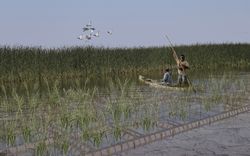
La bande indienne de St. Peter’s (désormais connue sous le nom de la Première Nation de Peguis) a été évacuée de force de son territoire d’origine, situé aux abords du marais Netley-Libau, à partir de 1908, à la suite d’un vote de cession illégal. Depuis, la santé de la région, autrefois patrie des Peguis, a décliné en raison d’impitoyables inondations et embâcles(...)
La bande indienne de St. Peter’s (désormais connue sous le nom de la Première Nation de Peguis) a été évacuée de force de son territoire d’origine, situé aux abords du marais Netley-Libau, à partir de 1908, à la suite d’un vote de cession illégal. Depuis, la santé de la région, autrefois patrie des Peguis, a décliné en raison d’impitoyables inondations et embâcles(...)
Localisation:
en ligne Mot(s)-clé(s):
Design mené par des Autochtones, boursière, Première Nation Peguis, réhabilitation des terres
en ligne Mot(s)-clé(s):
Design mené par des Autochtones, boursière, Première Nation Peguis, réhabilitation des terres
Date:
27 avril 2023, 18h à 19h30
27 avril 2023, 18h à 19h30
Titre:
La Première Nation de Peguis et le marais Netley-Libau : documenter l’utilisation et l’occupation des territoires autochtones à l’embouchure du lac Winnipeg
Actions:
Description:
La bande indienne de St. Peter’s (désormais connue sous le nom de la Première Nation de Peguis) a été évacuée de force de son territoire d’origine, situé aux abords du marais Netley-Libau, à partir de 1908, à la suite d’un vote de cession illégal. Depuis, la santé de la région, autrefois patrie des Peguis, a décliné en raison d’impitoyables inondations et embâcles(...)
La Première Nation de Peguis et le marais Netley-Libau : documenter l’utilisation et l’occupation des territoires autochtones à l’embouchure du lac Winnipeg
Actions:
Description:
La bande indienne de St. Peter’s (désormais connue sous le nom de la Première Nation de Peguis) a été évacuée de force de son territoire d’origine, situé aux abords du marais Netley-Libau, à partir de 1908, à la suite d’un vote de cession illégal. Depuis, la santé de la région, autrefois patrie des Peguis, a décliné en raison d’impitoyables inondations et embâcles(...)
Classification:
événements
événements
Date:
27 avril 2023
18h à 19h30
27 avril 2023
18h à 19h30
Localisation:
en ligne Mot(s)-clé(s):
Design mené par des Autochtones, boursière, Première Nation Peguis, réhabilitation des terres
en ligne Mot(s)-clé(s):
Design mené par des Autochtones, boursière, Première Nation Peguis, réhabilitation des terres
Niveau de description archivistique:
Projet
Projet
Numéro de référence:
AP164.S1.1986.D5
Description:
This project series documents the design and construction of three residual water treatment plants in Madrid, Spain from 1986 to 1988. Each plant was built in a different municipality of the city: the first plant, referred to as El Endrinal, was built in Collado-Villalba; the second plant in Majadahonda; and the third, referred to as El Chaparral, in Guadarrama. These plants are key elements in the passage between sewage and the river. They were executed for the water management company Canal de Isabel II Gestión, responsible for the water cycle for the Community of Madrid. The firm identified this project as number 40. Documenting the project are design development and working drawings, textual records, and photographic materials. The Majadahonda and Guadarrama plants were built at the same time.
AP164.S1.1986.D5
Description:
This project series documents the design and construction of three residual water treatment plants in Madrid, Spain from 1986 to 1988. Each plant was built in a different municipality of the city: the first plant, referred to as El Endrinal, was built in Collado-Villalba; the second plant in Majadahonda; and the third, referred to as El Chaparral, in Guadarrama. These plants are key elements in the passage between sewage and the river. They were executed for the water management company Canal de Isabel II Gestión, responsible for the water cycle for the Community of Madrid. The firm identified this project as number 40. Documenting the project are design development and working drawings, textual records, and photographic materials. The Majadahonda and Guadarrama plants were built at the same time.
Personnes et institutions:
Date:
1986-1988
1986-1988
Titre:
Tres depuradoras de aguas residuales, Madrid, Spain (1986-1988)
Actions:
AP164.S1.1986.D5
Description:
This project series documents the design and construction of three residual water treatment plants in Madrid, Spain from 1986 to 1988. Each plant was built in a different municipality of the city: the first plant, referred to as El Endrinal, was built in Collado-Villalba; the second plant in Majadahonda; and the third, referred to as El Chaparral, in Guadarrama. These plants are key elements in the passage between sewage and the river. They were executed for the water management company Canal de Isabel II Gestión, responsible for the water cycle for the Community of Madrid. The firm identified this project as number 40. Documenting the project are design development and working drawings, textual records, and photographic materials. The Majadahonda and Guadarrama plants were built at the same time.
Tres depuradoras de aguas residuales, Madrid, Spain (1986-1988)
Actions:
AP164.S1.1986.D5
Description:
This project series documents the design and construction of three residual water treatment plants in Madrid, Spain from 1986 to 1988. Each plant was built in a different municipality of the city: the first plant, referred to as El Endrinal, was built in Collado-Villalba; the second plant in Majadahonda; and the third, referred to as El Chaparral, in Guadarrama. These plants are key elements in the passage between sewage and the river. They were executed for the water management company Canal de Isabel II Gestión, responsible for the water cycle for the Community of Madrid. The firm identified this project as number 40. Documenting the project are design development and working drawings, textual records, and photographic materials. The Majadahonda and Guadarrama plants were built at the same time.
Niveau de description archivistique:
Project
Project
Date:
1986-1988
1986-1988
Personnes et institutions:
Niveau de description archivistique:
Projet
Projet
Numéro de référence:
AP075.S1.1950.PR02
Description:
This project series documents Cornelia Hahn Oberlander's design for a small neighbourhood park for the John Hay Association at the corner of Marshall Street and Wharton Street in Philadelphia, Pennsylvania. The park is now known as Gold Star Park. Oberlander worked on this project in 1950 while working for the Citizen's Council on City Planning (CCCP) as community planner. The playground includes a circular play area on concrete pavement with a sandbox in the middle, and a quiet area with seatting separated from the play area by large shade trees. The project series contains only a landscape plan of the playground. Source: Herrington, Susan. Cornelia Hahn Oberlander: Making the Modern Landscape, University of Virginia Press, 2014, 304 pages.
AP075.S1.1950.PR02
Description:
This project series documents Cornelia Hahn Oberlander's design for a small neighbourhood park for the John Hay Association at the corner of Marshall Street and Wharton Street in Philadelphia, Pennsylvania. The park is now known as Gold Star Park. Oberlander worked on this project in 1950 while working for the Citizen's Council on City Planning (CCCP) as community planner. The playground includes a circular play area on concrete pavement with a sandbox in the middle, and a quiet area with seatting separated from the play area by large shade trees. The project series contains only a landscape plan of the playground. Source: Herrington, Susan. Cornelia Hahn Oberlander: Making the Modern Landscape, University of Virginia Press, 2014, 304 pages.
Personnes et institutions:
Date:
1950
1950
Titre:
Small Neighbourhood Park, John Hay Neighbourhood Association, Philadelphia, Pennsylvania (1950)
Actions:
AP075.S1.1950.PR02
Description:
This project series documents Cornelia Hahn Oberlander's design for a small neighbourhood park for the John Hay Association at the corner of Marshall Street and Wharton Street in Philadelphia, Pennsylvania. The park is now known as Gold Star Park. Oberlander worked on this project in 1950 while working for the Citizen's Council on City Planning (CCCP) as community planner. The playground includes a circular play area on concrete pavement with a sandbox in the middle, and a quiet area with seatting separated from the play area by large shade trees. The project series contains only a landscape plan of the playground. Source: Herrington, Susan. Cornelia Hahn Oberlander: Making the Modern Landscape, University of Virginia Press, 2014, 304 pages.
Small Neighbourhood Park, John Hay Neighbourhood Association, Philadelphia, Pennsylvania (1950)
Actions:
AP075.S1.1950.PR02
Description:
This project series documents Cornelia Hahn Oberlander's design for a small neighbourhood park for the John Hay Association at the corner of Marshall Street and Wharton Street in Philadelphia, Pennsylvania. The park is now known as Gold Star Park. Oberlander worked on this project in 1950 while working for the Citizen's Council on City Planning (CCCP) as community planner. The playground includes a circular play area on concrete pavement with a sandbox in the middle, and a quiet area with seatting separated from the play area by large shade trees. The project series contains only a landscape plan of the playground. Source: Herrington, Susan. Cornelia Hahn Oberlander: Making the Modern Landscape, University of Virginia Press, 2014, 304 pages.
Niveau de description archivistique:
Project
Project
Date:
1950
1950
Personnes et institutions:


