


7235 Résultats
Niveau de description archivistique:
Sous-série
Sous-série
Numéro de référence:
AP178.S1.1985.PR02.SS2
Description:
This project subseries documents the Projecto para um Edifício de Habitação em Campo di Marte in Giudecca, Italy. While the records were held in the office’s archives this project was assigned the number 34/80 A. The office assigned the date 1985 to this project. The building was part of Siza's intervention in Giudecca. The L-shaped housing building included three floors and 32 apartments. The building respected the Venetian architectural style. Due to financial problems, construction of the building stopped in 2010. Construction eventually continued later on and the project was finished in 2016. Documenting this project are sketches, studies and plans. Photographic materials include photographs and negatives of the project site and model. Textual materials include competition documentation, project documentation, notes and technical specifications.
AP178.S1.1985.PR02.SS2
Description:
This project subseries documents the Projecto para um Edifício de Habitação em Campo di Marte in Giudecca, Italy. While the records were held in the office’s archives this project was assigned the number 34/80 A. The office assigned the date 1985 to this project. The building was part of Siza's intervention in Giudecca. The L-shaped housing building included three floors and 32 apartments. The building respected the Venetian architectural style. Due to financial problems, construction of the building stopped in 2010. Construction eventually continued later on and the project was finished in 2016. Documenting this project are sketches, studies and plans. Photographic materials include photographs and negatives of the project site and model. Textual materials include competition documentation, project documentation, notes and technical specifications.
Personnes et institutions:
Date:
1984-2005
1984-2005
Titre:
Projecto para um Edifício de Habitação em Campo di Marte [Housing complex, Campo di Marte], Giudecca, Venice, Italy, (1985)
Actions:
AP178.S1.1985.PR02.SS2
Description:
This project subseries documents the Projecto para um Edifício de Habitação em Campo di Marte in Giudecca, Italy. While the records were held in the office’s archives this project was assigned the number 34/80 A. The office assigned the date 1985 to this project. The building was part of Siza's intervention in Giudecca. The L-shaped housing building included three floors and 32 apartments. The building respected the Venetian architectural style. Due to financial problems, construction of the building stopped in 2010. Construction eventually continued later on and the project was finished in 2016. Documenting this project are sketches, studies and plans. Photographic materials include photographs and negatives of the project site and model. Textual materials include competition documentation, project documentation, notes and technical specifications.
Projecto para um Edifício de Habitação em Campo di Marte [Housing complex, Campo di Marte], Giudecca, Venice, Italy, (1985)
Actions:
AP178.S1.1985.PR02.SS2
Description:
This project subseries documents the Projecto para um Edifício de Habitação em Campo di Marte in Giudecca, Italy. While the records were held in the office’s archives this project was assigned the number 34/80 A. The office assigned the date 1985 to this project. The building was part of Siza's intervention in Giudecca. The L-shaped housing building included three floors and 32 apartments. The building respected the Venetian architectural style. Due to financial problems, construction of the building stopped in 2010. Construction eventually continued later on and the project was finished in 2016. Documenting this project are sketches, studies and plans. Photographic materials include photographs and negatives of the project site and model. Textual materials include competition documentation, project documentation, notes and technical specifications.
Niveau de description archivistique:
Project
Project
Date:
1984-2005
1984-2005
Personnes et institutions:
Classification:
événements
événements
Titre:
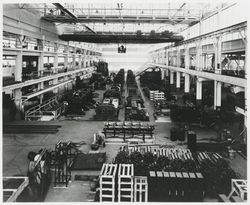
L'enseignement de... Détroit
L'enseignement de... Détroit
Actions:
Description:
Soutenu par de puissantes séquences historiques, dont des images pénétrantes montrant la ville à son apogée et ses édifices aujourd’hui abandonnés, le documentaire Requiem for Detroit? que Julian Temple a réalisé pour la télévision en 2010 retrace l’essor et le déclin des « trois géants » de la ville : General Motors, Ford et Chrysler. Le film documente les répercussions(...)
Soutenu par de puissantes séquences historiques, dont des images pénétrantes montrant la ville à son apogée et ses édifices aujourd’hui abandonnés, le documentaire Requiem for Detroit? que Julian Temple a réalisé pour la télévision en 2010 retrace l’essor et le déclin des « trois géants » de la ville : General Motors, Ford et Chrysler. Le film documente les répercussions(...)
Localisation:
Théâtre Paul-Desmarais
Théâtre Paul-Desmarais
Date:
25 avril 2013 , 19h
25 avril 2013 , 19h
Titre:
L'enseignement de... Détroit
Actions:
Description:
Soutenu par de puissantes séquences historiques, dont des images pénétrantes montrant la ville à son apogée et ses édifices aujourd’hui abandonnés, le documentaire Requiem for Detroit? que Julian Temple a réalisé pour la télévision en 2010 retrace l’essor et le déclin des « trois géants » de la ville : General Motors, Ford et Chrysler. Le film documente les répercussions(...)
L'enseignement de... Détroit
Actions:
Description:
Soutenu par de puissantes séquences historiques, dont des images pénétrantes montrant la ville à son apogée et ses édifices aujourd’hui abandonnés, le documentaire Requiem for Detroit? que Julian Temple a réalisé pour la télévision en 2010 retrace l’essor et le déclin des « trois géants » de la ville : General Motors, Ford et Chrysler. Le film documente les répercussions(...)
Classification:
événements
événements
Date:
25 avril 2013
19h
25 avril 2013
19h
Localisation:
Théâtre Paul-Desmarais
Théâtre Paul-Desmarais
Niveau de description archivistique:
Projet
Projet
Numéro de référence:
AP148.S1.1970.PR02
Description:
The project series documents Poli's work on the Interplanetary Architecture project, which was also made into a film by Superstudio directed by Alessandro Poli (the film is not included in the fonds). The project reflects Poli's deep fascination with the moon landing in 1969. Poli uses this major media event as a catalyst for thinking about a new approach to architecture and tools for design, including the idea that film and the movie camera should become part of the toolset. The project also seems to be in some way a response to Epoch magazine's challenge for a "Primo concorso di architettura nello spazio" (the first architectural competition in space), and includes much imagery and textual references to a new road or architectural links between the earth and other planets, including an earth moon highway. In his storyboard, Poli also makes reference to his earlier Piper project, and some imagery features wheels and an amusement park. The Interplanetary Architecture project was exhibited by Superstudio in Rome in 1972 and featured in "Casabella" magazine in April 1972 (no. 364). The project was also featured in the 2010 CCA exhibition "Other Space Odysseys". In the accompanying CCA publication, Poli describes this project as "a voyage off earthbound routes in quest of architecture unfettered by the urban nightmare, by induced needs or by planning as the only tool for regulating and solving the world's problems" (Poli quoted in Borasi and Zardini, 2010, 110). Poli's work on this project is deeply tied to the Zeno project, which was also featured in this exhibition and is included in this fonds (see AP148.S1.1972.PR01). For the Zeno project, Poli envisioned a dialogue between astronaut Buzz Aldrin and an Italian peasant, Zeno of Riparbella. Poli felt that these two shared a similarity in that both their homes were isolated capsules, one that provided a lens from which to see the rest of the world and understand their place in it. The material in the series includes numerous photomontages and collages of astronauts in space, as well as drawings of plantery shapes and structures. There are also texts, some of which include calculations of distances and diameters of planets, as well as notebooks and sketchbooks, many of which Poli included in a folder he entitled "Storyboard." The series also includes an unsent letter from Poli to Adolfo Natalini which describes how, after the moon landing, everything - the planet, the moon, the stars - is architecture, and that this will necessitate the need for new design tools, such as the movie camera. Some works are signed Alessandro Poli-Superstudio. Source cited: Giovanna Borasi and Mirko Zardini, eds., Other Space Odysseys, Montreal and Baden: Canadian Centre for Architecture/Lars Müller Publishers, 2010.
AP148.S1.1970.PR02
Description:
The project series documents Poli's work on the Interplanetary Architecture project, which was also made into a film by Superstudio directed by Alessandro Poli (the film is not included in the fonds). The project reflects Poli's deep fascination with the moon landing in 1969. Poli uses this major media event as a catalyst for thinking about a new approach to architecture and tools for design, including the idea that film and the movie camera should become part of the toolset. The project also seems to be in some way a response to Epoch magazine's challenge for a "Primo concorso di architettura nello spazio" (the first architectural competition in space), and includes much imagery and textual references to a new road or architectural links between the earth and other planets, including an earth moon highway. In his storyboard, Poli also makes reference to his earlier Piper project, and some imagery features wheels and an amusement park. The Interplanetary Architecture project was exhibited by Superstudio in Rome in 1972 and featured in "Casabella" magazine in April 1972 (no. 364). The project was also featured in the 2010 CCA exhibition "Other Space Odysseys". In the accompanying CCA publication, Poli describes this project as "a voyage off earthbound routes in quest of architecture unfettered by the urban nightmare, by induced needs or by planning as the only tool for regulating and solving the world's problems" (Poli quoted in Borasi and Zardini, 2010, 110). Poli's work on this project is deeply tied to the Zeno project, which was also featured in this exhibition and is included in this fonds (see AP148.S1.1972.PR01). For the Zeno project, Poli envisioned a dialogue between astronaut Buzz Aldrin and an Italian peasant, Zeno of Riparbella. Poli felt that these two shared a similarity in that both their homes were isolated capsules, one that provided a lens from which to see the rest of the world and understand their place in it. The material in the series includes numerous photomontages and collages of astronauts in space, as well as drawings of plantery shapes and structures. There are also texts, some of which include calculations of distances and diameters of planets, as well as notebooks and sketchbooks, many of which Poli included in a folder he entitled "Storyboard." The series also includes an unsent letter from Poli to Adolfo Natalini which describes how, after the moon landing, everything - the planet, the moon, the stars - is architecture, and that this will necessitate the need for new design tools, such as the movie camera. Some works are signed Alessandro Poli-Superstudio. Source cited: Giovanna Borasi and Mirko Zardini, eds., Other Space Odysseys, Montreal and Baden: Canadian Centre for Architecture/Lars Müller Publishers, 2010.
Personnes et institutions:
Date:
1969-1971
1969-1971
Titre:
Architettura Interplanetaria [Interplanetary Architecture] (1970-1971)
Actions:
AP148.S1.1970.PR02
Description:
The project series documents Poli's work on the Interplanetary Architecture project, which was also made into a film by Superstudio directed by Alessandro Poli (the film is not included in the fonds). The project reflects Poli's deep fascination with the moon landing in 1969. Poli uses this major media event as a catalyst for thinking about a new approach to architecture and tools for design, including the idea that film and the movie camera should become part of the toolset. The project also seems to be in some way a response to Epoch magazine's challenge for a "Primo concorso di architettura nello spazio" (the first architectural competition in space), and includes much imagery and textual references to a new road or architectural links between the earth and other planets, including an earth moon highway. In his storyboard, Poli also makes reference to his earlier Piper project, and some imagery features wheels and an amusement park. The Interplanetary Architecture project was exhibited by Superstudio in Rome in 1972 and featured in "Casabella" magazine in April 1972 (no. 364). The project was also featured in the 2010 CCA exhibition "Other Space Odysseys". In the accompanying CCA publication, Poli describes this project as "a voyage off earthbound routes in quest of architecture unfettered by the urban nightmare, by induced needs or by planning as the only tool for regulating and solving the world's problems" (Poli quoted in Borasi and Zardini, 2010, 110). Poli's work on this project is deeply tied to the Zeno project, which was also featured in this exhibition and is included in this fonds (see AP148.S1.1972.PR01). For the Zeno project, Poli envisioned a dialogue between astronaut Buzz Aldrin and an Italian peasant, Zeno of Riparbella. Poli felt that these two shared a similarity in that both their homes were isolated capsules, one that provided a lens from which to see the rest of the world and understand their place in it. The material in the series includes numerous photomontages and collages of astronauts in space, as well as drawings of plantery shapes and structures. There are also texts, some of which include calculations of distances and diameters of planets, as well as notebooks and sketchbooks, many of which Poli included in a folder he entitled "Storyboard." The series also includes an unsent letter from Poli to Adolfo Natalini which describes how, after the moon landing, everything - the planet, the moon, the stars - is architecture, and that this will necessitate the need for new design tools, such as the movie camera. Some works are signed Alessandro Poli-Superstudio. Source cited: Giovanna Borasi and Mirko Zardini, eds., Other Space Odysseys, Montreal and Baden: Canadian Centre for Architecture/Lars Müller Publishers, 2010.
Architettura Interplanetaria [Interplanetary Architecture] (1970-1971)
Actions:
AP148.S1.1970.PR02
Description:
The project series documents Poli's work on the Interplanetary Architecture project, which was also made into a film by Superstudio directed by Alessandro Poli (the film is not included in the fonds). The project reflects Poli's deep fascination with the moon landing in 1969. Poli uses this major media event as a catalyst for thinking about a new approach to architecture and tools for design, including the idea that film and the movie camera should become part of the toolset. The project also seems to be in some way a response to Epoch magazine's challenge for a "Primo concorso di architettura nello spazio" (the first architectural competition in space), and includes much imagery and textual references to a new road or architectural links between the earth and other planets, including an earth moon highway. In his storyboard, Poli also makes reference to his earlier Piper project, and some imagery features wheels and an amusement park. The Interplanetary Architecture project was exhibited by Superstudio in Rome in 1972 and featured in "Casabella" magazine in April 1972 (no. 364). The project was also featured in the 2010 CCA exhibition "Other Space Odysseys". In the accompanying CCA publication, Poli describes this project as "a voyage off earthbound routes in quest of architecture unfettered by the urban nightmare, by induced needs or by planning as the only tool for regulating and solving the world's problems" (Poli quoted in Borasi and Zardini, 2010, 110). Poli's work on this project is deeply tied to the Zeno project, which was also featured in this exhibition and is included in this fonds (see AP148.S1.1972.PR01). For the Zeno project, Poli envisioned a dialogue between astronaut Buzz Aldrin and an Italian peasant, Zeno of Riparbella. Poli felt that these two shared a similarity in that both their homes were isolated capsules, one that provided a lens from which to see the rest of the world and understand their place in it. The material in the series includes numerous photomontages and collages of astronauts in space, as well as drawings of plantery shapes and structures. There are also texts, some of which include calculations of distances and diameters of planets, as well as notebooks and sketchbooks, many of which Poli included in a folder he entitled "Storyboard." The series also includes an unsent letter from Poli to Adolfo Natalini which describes how, after the moon landing, everything - the planet, the moon, the stars - is architecture, and that this will necessitate the need for new design tools, such as the movie camera. Some works are signed Alessandro Poli-Superstudio. Source cited: Giovanna Borasi and Mirko Zardini, eds., Other Space Odysseys, Montreal and Baden: Canadian Centre for Architecture/Lars Müller Publishers, 2010.
Niveau de description archivistique:
Project
Project
Date:
1969-1971
1969-1971
Personnes et institutions:
Classification:
événements
événements
Titre:
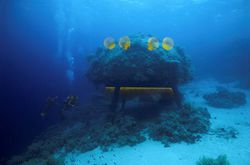
Isola et Norzi : Conshelf II
Isola et Norzi : Conshelf II
Actions:
Description:
Les artistes Hilario Isola et Matteo Norzi parlent de la base sous-marine Précontinent II de Jacques Cousteau et de leur propre projet Liquid Door qui propose de réanimer le rêve d’une vie sous-marine en rendant la maison « Étoile de mer » de Cousteau habitable. Basés à New York, les Italiens Hilario Isola et Matteo Norzi collaborent depuis 2003, mettant en commun leurs(...)
Les artistes Hilario Isola et Matteo Norzi parlent de la base sous-marine Précontinent II de Jacques Cousteau et de leur propre projet Liquid Door qui propose de réanimer le rêve d’une vie sous-marine en rendant la maison « Étoile de mer » de Cousteau habitable. Basés à New York, les Italiens Hilario Isola et Matteo Norzi collaborent depuis 2003, mettant en commun leurs(...)
Localisation:
Théâtre Paul-Desmarais
Théâtre Paul-Desmarais
Date:
13 mai 2010 , 19h
13 mai 2010 , 19h
Titre:
Isola et Norzi : Conshelf II
Actions:
Description:
Les artistes Hilario Isola et Matteo Norzi parlent de la base sous-marine Précontinent II de Jacques Cousteau et de leur propre projet Liquid Door qui propose de réanimer le rêve d’une vie sous-marine en rendant la maison « Étoile de mer » de Cousteau habitable. Basés à New York, les Italiens Hilario Isola et Matteo Norzi collaborent depuis 2003, mettant en commun leurs(...)
Isola et Norzi : Conshelf II
Actions:
Description:
Les artistes Hilario Isola et Matteo Norzi parlent de la base sous-marine Précontinent II de Jacques Cousteau et de leur propre projet Liquid Door qui propose de réanimer le rêve d’une vie sous-marine en rendant la maison « Étoile de mer » de Cousteau habitable. Basés à New York, les Italiens Hilario Isola et Matteo Norzi collaborent depuis 2003, mettant en commun leurs(...)
Classification:
événements
événements
Date:
13 mai 2010
19h
13 mai 2010
19h
Localisation:
Théâtre Paul-Desmarais
Théâtre Paul-Desmarais
Numéro de référence:
ARCH272919
Description:
A metal relief, or plaque, that is a "Special Award for the East Midlands 2010", that was presented to the John Lewis Department Store & Cineplex, Leicester, United Kingdom. The plaque states that the project was designed by the Foreign Office Architects and that the award was sponsored by the East Midlands Development Agency.
ARCH272919
Description:
A metal relief, or plaque, that is a "Special Award for the East Midlands 2010", that was presented to the John Lewis Department Store & Cineplex, Leicester, United Kingdom. The plaque states that the project was designed by the Foreign Office Architects and that the award was sponsored by the East Midlands Development Agency.
Personnes et institutions:
Date:
2010
2010
Titre:
An award presented to the John Lewis Department Store & Cineplex, Leicester, United Kingdom
Actions:
ARCH272919
Description:
A metal relief, or plaque, that is a "Special Award for the East Midlands 2010", that was presented to the John Lewis Department Store & Cineplex, Leicester, United Kingdom. The plaque states that the project was designed by the Foreign Office Architects and that the award was sponsored by the East Midlands Development Agency.
An award presented to the John Lewis Department Store & Cineplex, Leicester, United Kingdom
Actions:
ARCH272919
Description:
A metal relief, or plaque, that is a "Special Award for the East Midlands 2010", that was presented to the John Lewis Department Store & Cineplex, Leicester, United Kingdom. The plaque states that the project was designed by the Foreign Office Architects and that the award was sponsored by the East Midlands Development Agency.
Date:
2010
2010
Personnes et institutions:
Classification:
archives
Niveau de description archivistique:
Fonds
archives
Niveau de description archivistique:
Fonds
Numéro de référence:
AP202
Description:
The OFFICE Kersten Geers David Van Severen fonds, circa 2004-2015, documents the firm’s work on three projects: Tower and Square (unbuilt, Rotterdam, the Netherlands, 2004), Drying Hall Arbor (Hulshout, Belgium, 2013), and Villa Buggenhout (Buggenhout, Belgium, 2010). The fonds consists of born-digital and textual materials, as well as several models. The digital files include three project directories packaged as .zip files: “CCA-office09-tower&square”; “CCA-office29-villa buggenhout”; “CCA-office117-Arbor”. Each directory is divided into two subdirectories titled “working folder” and “final materials". The “working folder” subdirectory is organized either chronologically per phase or per file type. The “final materials” subdirectory contains the final project files, including presentation drawings, photos, and final versions of the collages. The transfer also includes two copies of the project credits in .pages and .pdf file formats.
AP202
Description:
The OFFICE Kersten Geers David Van Severen fonds, circa 2004-2015, documents the firm’s work on three projects: Tower and Square (unbuilt, Rotterdam, the Netherlands, 2004), Drying Hall Arbor (Hulshout, Belgium, 2013), and Villa Buggenhout (Buggenhout, Belgium, 2010). The fonds consists of born-digital and textual materials, as well as several models. The digital files include three project directories packaged as .zip files: “CCA-office09-tower&square”; “CCA-office29-villa buggenhout”; “CCA-office117-Arbor”. Each directory is divided into two subdirectories titled “working folder” and “final materials". The “working folder” subdirectory is organized either chronologically per phase or per file type. The “final materials” subdirectory contains the final project files, including presentation drawings, photos, and final versions of the collages. The transfer also includes two copies of the project credits in .pages and .pdf file formats.
Personnes et institutions:
Date:
circa 2004 - 2015
circa 2004 - 2015
Titre:
Fonds OFFICE Kersten Geers David Van Severen
Actions:
AP202
Description:
The OFFICE Kersten Geers David Van Severen fonds, circa 2004-2015, documents the firm’s work on three projects: Tower and Square (unbuilt, Rotterdam, the Netherlands, 2004), Drying Hall Arbor (Hulshout, Belgium, 2013), and Villa Buggenhout (Buggenhout, Belgium, 2010). The fonds consists of born-digital and textual materials, as well as several models. The digital files include three project directories packaged as .zip files: “CCA-office09-tower&square”; “CCA-office29-villa buggenhout”; “CCA-office117-Arbor”. Each directory is divided into two subdirectories titled “working folder” and “final materials". The “working folder” subdirectory is organized either chronologically per phase or per file type. The “final materials” subdirectory contains the final project files, including presentation drawings, photos, and final versions of the collages. The transfer also includes two copies of the project credits in .pages and .pdf file formats.
Fonds OFFICE Kersten Geers David Van Severen
Actions:
AP202
Description:
The OFFICE Kersten Geers David Van Severen fonds, circa 2004-2015, documents the firm’s work on three projects: Tower and Square (unbuilt, Rotterdam, the Netherlands, 2004), Drying Hall Arbor (Hulshout, Belgium, 2013), and Villa Buggenhout (Buggenhout, Belgium, 2010). The fonds consists of born-digital and textual materials, as well as several models. The digital files include three project directories packaged as .zip files: “CCA-office09-tower&square”; “CCA-office29-villa buggenhout”; “CCA-office117-Arbor”. Each directory is divided into two subdirectories titled “working folder” and “final materials". The “working folder” subdirectory is organized either chronologically per phase or per file type. The “final materials” subdirectory contains the final project files, including presentation drawings, photos, and final versions of the collages. The transfer also includes two copies of the project credits in .pages and .pdf file formats.
Classification:
archives
Niveau de description archivistique:
Fonds
archives
Niveau de description archivistique:
Fonds
Date:
circa 2004 - 2015
circa 2004 - 2015
Personnes et institutions:
Classification:
événements
événements
Titre:
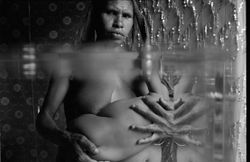
Do Not Come Any Closer
Do Not Come Any Closer
Actions:
Description:
Depuis 1977, l’artiste tchèque Barbora Šlapetová, accompagnée de son collègue Lukáš Rittstein, a effectué plusieurs expéditions dans la jungle de la Papouasie-Nouvelle-Guinée afin d’y rencontrer les populations locales. La documentation produite lors de ces visites et les conversations que celles-ci ont suscitées, dont un entretien avec le premier ministre tchèque(...)
Depuis 1977, l’artiste tchèque Barbora Šlapetová, accompagnée de son collègue Lukáš Rittstein, a effectué plusieurs expéditions dans la jungle de la Papouasie-Nouvelle-Guinée afin d’y rencontrer les populations locales. La documentation produite lors de ces visites et les conversations que celles-ci ont suscitées, dont un entretien avec le premier ministre tchèque(...)
Localisation:
Théâtre Paul-Desmarais
Théâtre Paul-Desmarais
Date:
29 novembre 2012 , 19h
29 novembre 2012 , 19h
Titre:
Do Not Come Any Closer
Actions:
Description:
Depuis 1977, l’artiste tchèque Barbora Šlapetová, accompagnée de son collègue Lukáš Rittstein, a effectué plusieurs expéditions dans la jungle de la Papouasie-Nouvelle-Guinée afin d’y rencontrer les populations locales. La documentation produite lors de ces visites et les conversations que celles-ci ont suscitées, dont un entretien avec le premier ministre tchèque(...)
Do Not Come Any Closer
Actions:
Description:
Depuis 1977, l’artiste tchèque Barbora Šlapetová, accompagnée de son collègue Lukáš Rittstein, a effectué plusieurs expéditions dans la jungle de la Papouasie-Nouvelle-Guinée afin d’y rencontrer les populations locales. La documentation produite lors de ces visites et les conversations que celles-ci ont suscitées, dont un entretien avec le premier ministre tchèque(...)
Classification:
événements
événements
Date:
29 novembre 2012
19h
29 novembre 2012
19h
Localisation:
Théâtre Paul-Desmarais
Théâtre Paul-Desmarais
Niveau de description archivistique:
Projet
Projet
Numéro de référence:
AP178.S1.2000.PR01
Description:
This project series documents the Complexo Desportivo "Ribera - Serrallo" in Cornellà de Llobregat near Barcelona, Spain. While the records were held in the office’s archives this project was assigned the number 3/00. The office assigned the date 2000 for this project. The sports complex consisted of a multipurpose pavilion, an aquatic centre and gymnasiums. The building also included a foyer, restaurant, terrace, and a VIP area. Of particular interest was the small opening in the building that linked the exterior and interior pool, as well as the 62 circular pool skylights. The project was built and Siza was awarded the Secil prize in 2006 for this building. In 2010, a new customer request called for the creation of a game room and toy library. This is documented in the project series through a study model (see model ARCH281281). Documenting this project are sketches, studies, plans, working drawings, technical drawings and details. Textual materials include correspondence and project documentation. Photographic materials document construction work and the built project.
AP178.S1.2000.PR01
Description:
This project series documents the Complexo Desportivo "Ribera - Serrallo" in Cornellà de Llobregat near Barcelona, Spain. While the records were held in the office’s archives this project was assigned the number 3/00. The office assigned the date 2000 for this project. The sports complex consisted of a multipurpose pavilion, an aquatic centre and gymnasiums. The building also included a foyer, restaurant, terrace, and a VIP area. Of particular interest was the small opening in the building that linked the exterior and interior pool, as well as the 62 circular pool skylights. The project was built and Siza was awarded the Secil prize in 2006 for this building. In 2010, a new customer request called for the creation of a game room and toy library. This is documented in the project series through a study model (see model ARCH281281). Documenting this project are sketches, studies, plans, working drawings, technical drawings and details. Textual materials include correspondence and project documentation. Photographic materials document construction work and the built project.
Personnes et institutions:
Date:
2000-2006
2000-2006
Titre:
Complexo Desportivo Ribera-Serrallo [Ribera Serrallo Sports Complex], Barcelona, Spain (2000)
Actions:
AP178.S1.2000.PR01
Description:
This project series documents the Complexo Desportivo "Ribera - Serrallo" in Cornellà de Llobregat near Barcelona, Spain. While the records were held in the office’s archives this project was assigned the number 3/00. The office assigned the date 2000 for this project. The sports complex consisted of a multipurpose pavilion, an aquatic centre and gymnasiums. The building also included a foyer, restaurant, terrace, and a VIP area. Of particular interest was the small opening in the building that linked the exterior and interior pool, as well as the 62 circular pool skylights. The project was built and Siza was awarded the Secil prize in 2006 for this building. In 2010, a new customer request called for the creation of a game room and toy library. This is documented in the project series through a study model (see model ARCH281281). Documenting this project are sketches, studies, plans, working drawings, technical drawings and details. Textual materials include correspondence and project documentation. Photographic materials document construction work and the built project.
Complexo Desportivo Ribera-Serrallo [Ribera Serrallo Sports Complex], Barcelona, Spain (2000)
Actions:
AP178.S1.2000.PR01
Description:
This project series documents the Complexo Desportivo "Ribera - Serrallo" in Cornellà de Llobregat near Barcelona, Spain. While the records were held in the office’s archives this project was assigned the number 3/00. The office assigned the date 2000 for this project. The sports complex consisted of a multipurpose pavilion, an aquatic centre and gymnasiums. The building also included a foyer, restaurant, terrace, and a VIP area. Of particular interest was the small opening in the building that linked the exterior and interior pool, as well as the 62 circular pool skylights. The project was built and Siza was awarded the Secil prize in 2006 for this building. In 2010, a new customer request called for the creation of a game room and toy library. This is documented in the project series through a study model (see model ARCH281281). Documenting this project are sketches, studies, plans, working drawings, technical drawings and details. Textual materials include correspondence and project documentation. Photographic materials document construction work and the built project.
Niveau de description archivistique:
Project
Project
Date:
2000-2006
2000-2006
Personnes et institutions:
Classification:
événements
événements
Titre:
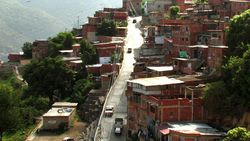
L'enseignement de... Caracas
L'enseignement de... Caracas
Actions:
Description:
Au Venezuela, la législation autorise la création de consejos communales (conseils communaux), un organe qui permet aux citoyens de se réunir en conseils de quartier formés de membres élus afin de lancer des projets de développement local. Les premières images du film Comuna under construction (2010), de Dario Azzellini et Olivier Ressler, retracent l’histoire d’une(...)
Au Venezuela, la législation autorise la création de consejos communales (conseils communaux), un organe qui permet aux citoyens de se réunir en conseils de quartier formés de membres élus afin de lancer des projets de développement local. Les premières images du film Comuna under construction (2010), de Dario Azzellini et Olivier Ressler, retracent l’histoire d’une(...)
Localisation:
Théâtre Paul-Desmarais
Théâtre Paul-Desmarais
Date:
8 mai 2014 , 18h
8 mai 2014 , 18h
Titre:
L'enseignement de... Caracas
Actions:
Description:
Au Venezuela, la législation autorise la création de consejos communales (conseils communaux), un organe qui permet aux citoyens de se réunir en conseils de quartier formés de membres élus afin de lancer des projets de développement local. Les premières images du film Comuna under construction (2010), de Dario Azzellini et Olivier Ressler, retracent l’histoire d’une(...)
L'enseignement de... Caracas
Actions:
Description:
Au Venezuela, la législation autorise la création de consejos communales (conseils communaux), un organe qui permet aux citoyens de se réunir en conseils de quartier formés de membres élus afin de lancer des projets de développement local. Les premières images du film Comuna under construction (2010), de Dario Azzellini et Olivier Ressler, retracent l’histoire d’une(...)
Classification:
événements
événements
Date:
8 mai 2014
18h
8 mai 2014
18h
Localisation:
Théâtre Paul-Desmarais
Théâtre Paul-Desmarais
Niveau de description archivistique:
Projet
Projet
Numéro de référence:
AP075.S1.2007.PR02
Description:
Project series documents Cornelia Hahn Oberlander's work for the renewal of Robson Square in Vancouver. This project series concerns work on Robson Square grounds starting from the mid 2000s to early 2010s to which Oberlander participated as landscape architect or consultaing landscape architect. Oberlander worked with Arthur Erickson on the earliest revitalisation projects, but also with other architectural firms, including Grout McTavish Architects. It includes revitisation works, such as sunken plaza revitalization, the Nelson Street Plaza revitalisation, addition of a 'grass wave' or a mound in 2008 for the North Plaza, renovations for the 2010 Vancouver Olympic and Paralympic Games, and Ice Rink Expansion and Revitalisation of Ice Rink Plaza. The project series contains predominantly textual records, including correspondence with client, architects, consultants and contractors, specifications, including landscape specifications, minutes of projects meetings, inspections reports and press clippings and articles on the revitalisation projects. The project is also documented through landscape drawings, such as planting plans, irrigation and grading plans, landscape sections, and details for planters. It also includes sets of building plans used as reference and digital photographs of planting and landscape maintenance. Project series comprises documents related to the preservation of Robson Square, including documentation, articles and clippings, and correspondence.
AP075.S1.2007.PR02
Description:
Project series documents Cornelia Hahn Oberlander's work for the renewal of Robson Square in Vancouver. This project series concerns work on Robson Square grounds starting from the mid 2000s to early 2010s to which Oberlander participated as landscape architect or consultaing landscape architect. Oberlander worked with Arthur Erickson on the earliest revitalisation projects, but also with other architectural firms, including Grout McTavish Architects. It includes revitisation works, such as sunken plaza revitalization, the Nelson Street Plaza revitalisation, addition of a 'grass wave' or a mound in 2008 for the North Plaza, renovations for the 2010 Vancouver Olympic and Paralympic Games, and Ice Rink Expansion and Revitalisation of Ice Rink Plaza. The project series contains predominantly textual records, including correspondence with client, architects, consultants and contractors, specifications, including landscape specifications, minutes of projects meetings, inspections reports and press clippings and articles on the revitalisation projects. The project is also documented through landscape drawings, such as planting plans, irrigation and grading plans, landscape sections, and details for planters. It also includes sets of building plans used as reference and digital photographs of planting and landscape maintenance. Project series comprises documents related to the preservation of Robson Square, including documentation, articles and clippings, and correspondence.
Personnes et institutions:
Date:
1994-2016
1994-2016
Titre:
Robson Square Renewal, Vancouver, British Columbia (2007)
Actions:
AP075.S1.2007.PR02
Description:
Project series documents Cornelia Hahn Oberlander's work for the renewal of Robson Square in Vancouver. This project series concerns work on Robson Square grounds starting from the mid 2000s to early 2010s to which Oberlander participated as landscape architect or consultaing landscape architect. Oberlander worked with Arthur Erickson on the earliest revitalisation projects, but also with other architectural firms, including Grout McTavish Architects. It includes revitisation works, such as sunken plaza revitalization, the Nelson Street Plaza revitalisation, addition of a 'grass wave' or a mound in 2008 for the North Plaza, renovations for the 2010 Vancouver Olympic and Paralympic Games, and Ice Rink Expansion and Revitalisation of Ice Rink Plaza. The project series contains predominantly textual records, including correspondence with client, architects, consultants and contractors, specifications, including landscape specifications, minutes of projects meetings, inspections reports and press clippings and articles on the revitalisation projects. The project is also documented through landscape drawings, such as planting plans, irrigation and grading plans, landscape sections, and details for planters. It also includes sets of building plans used as reference and digital photographs of planting and landscape maintenance. Project series comprises documents related to the preservation of Robson Square, including documentation, articles and clippings, and correspondence.
Robson Square Renewal, Vancouver, British Columbia (2007)
Actions:
AP075.S1.2007.PR02
Description:
Project series documents Cornelia Hahn Oberlander's work for the renewal of Robson Square in Vancouver. This project series concerns work on Robson Square grounds starting from the mid 2000s to early 2010s to which Oberlander participated as landscape architect or consultaing landscape architect. Oberlander worked with Arthur Erickson on the earliest revitalisation projects, but also with other architectural firms, including Grout McTavish Architects. It includes revitisation works, such as sunken plaza revitalization, the Nelson Street Plaza revitalisation, addition of a 'grass wave' or a mound in 2008 for the North Plaza, renovations for the 2010 Vancouver Olympic and Paralympic Games, and Ice Rink Expansion and Revitalisation of Ice Rink Plaza. The project series contains predominantly textual records, including correspondence with client, architects, consultants and contractors, specifications, including landscape specifications, minutes of projects meetings, inspections reports and press clippings and articles on the revitalisation projects. The project is also documented through landscape drawings, such as planting plans, irrigation and grading plans, landscape sections, and details for planters. It also includes sets of building plans used as reference and digital photographs of planting and landscape maintenance. Project series comprises documents related to the preservation of Robson Square, including documentation, articles and clippings, and correspondence.
Niveau de description archivistique:
Project
Project
Date:
1994-2016
1994-2016
Personnes et institutions:


