


5501 Résultats
Niveau de description archivistique:
Série(s)
Série(s)
Titre:
Projets et réalisations
Projets et réalisations
Numéro de référence:
AP066.S2
Description:
Issue de la pratique professionnelle de Jacques Rousseau, cette série regroupe les documents illustrant quatre-vingt-trois projets et réalisations conçus, soit de façon autonome ou en collaboration, entre 1973 et 1997. Ces projets se distinguent autant par leur degré d'achèvement (de l'esquisse préliminaire au dessin de construction), par leur échelle (du mobilier au projet urbain), que par leur programme (commercial, domestique, social). Dans l'ensemble, tous les thèmes qui sont explorés, tels l'architecture du bar, le décor de la boutique, l'habitation individuelle et collective, le lieu de travail, et l'image publique des institutions, s'ancrent dans une pensée spéculative sur la ville comme processus de reconstruction et de refondation. Parmi les quatre-vingt-trois projets, vingt datent d'avant 1980, date à laquelle Jacques Rousseau est devenu membre de l'Ordre des architectes du Québec. Ces projets ont donc été réalisés soit pour le compte d'agences pour lesquelles Jacques Rousseau travaillait ou effectuait son stage professionnel, soit à titre officieux en offrant vraisemblablement ses services à ses connaissances. Dans ce dernier cas, il s'agit alors de projets de plus petite envergure pour des rénovations ou agrandissements de résidences. Par ailleurs, un certain nombre de nouveaux projets n'ont pas abouti et sont constitués seulement de dossiers préliminaires qui nous renseignent toutefois sur les démarches entreprises par l'architecte, parfois de sa propre initiative, pour amorcer des projets. La variété de ces derniers montre les multiples intérêts de Jacques Rousseau. Toutefois, trois d'entre eux émergent de sa pratique : l'architecture de bar et de restaurant, le logement collectif coopératif et la morphologie urbaine pour lesquels il consacre de nombreux projets et études. On trouvera aussi d'ailleurs dans la série 9 - Enseignement des documents relatifs à ses travaux sur la morphologie urbaine.
AP066.S2
Description:
Issue de la pratique professionnelle de Jacques Rousseau, cette série regroupe les documents illustrant quatre-vingt-trois projets et réalisations conçus, soit de façon autonome ou en collaboration, entre 1973 et 1997. Ces projets se distinguent autant par leur degré d'achèvement (de l'esquisse préliminaire au dessin de construction), par leur échelle (du mobilier au projet urbain), que par leur programme (commercial, domestique, social). Dans l'ensemble, tous les thèmes qui sont explorés, tels l'architecture du bar, le décor de la boutique, l'habitation individuelle et collective, le lieu de travail, et l'image publique des institutions, s'ancrent dans une pensée spéculative sur la ville comme processus de reconstruction et de refondation. Parmi les quatre-vingt-trois projets, vingt datent d'avant 1980, date à laquelle Jacques Rousseau est devenu membre de l'Ordre des architectes du Québec. Ces projets ont donc été réalisés soit pour le compte d'agences pour lesquelles Jacques Rousseau travaillait ou effectuait son stage professionnel, soit à titre officieux en offrant vraisemblablement ses services à ses connaissances. Dans ce dernier cas, il s'agit alors de projets de plus petite envergure pour des rénovations ou agrandissements de résidences. Par ailleurs, un certain nombre de nouveaux projets n'ont pas abouti et sont constitués seulement de dossiers préliminaires qui nous renseignent toutefois sur les démarches entreprises par l'architecte, parfois de sa propre initiative, pour amorcer des projets. La variété de ces derniers montre les multiples intérêts de Jacques Rousseau. Toutefois, trois d'entre eux émergent de sa pratique : l'architecture de bar et de restaurant, le logement collectif coopératif et la morphologie urbaine pour lesquels il consacre de nombreux projets et études. On trouvera aussi d'ailleurs dans la série 9 - Enseignement des documents relatifs à ses travaux sur la morphologie urbaine.
Personnes et institutions:
Date:
1973-1997
1973-1997
Titre:
Projets et réalisations
Actions:
AP066.S2
Description:
Issue de la pratique professionnelle de Jacques Rousseau, cette série regroupe les documents illustrant quatre-vingt-trois projets et réalisations conçus, soit de façon autonome ou en collaboration, entre 1973 et 1997. Ces projets se distinguent autant par leur degré d'achèvement (de l'esquisse préliminaire au dessin de construction), par leur échelle (du mobilier au projet urbain), que par leur programme (commercial, domestique, social). Dans l'ensemble, tous les thèmes qui sont explorés, tels l'architecture du bar, le décor de la boutique, l'habitation individuelle et collective, le lieu de travail, et l'image publique des institutions, s'ancrent dans une pensée spéculative sur la ville comme processus de reconstruction et de refondation. Parmi les quatre-vingt-trois projets, vingt datent d'avant 1980, date à laquelle Jacques Rousseau est devenu membre de l'Ordre des architectes du Québec. Ces projets ont donc été réalisés soit pour le compte d'agences pour lesquelles Jacques Rousseau travaillait ou effectuait son stage professionnel, soit à titre officieux en offrant vraisemblablement ses services à ses connaissances. Dans ce dernier cas, il s'agit alors de projets de plus petite envergure pour des rénovations ou agrandissements de résidences. Par ailleurs, un certain nombre de nouveaux projets n'ont pas abouti et sont constitués seulement de dossiers préliminaires qui nous renseignent toutefois sur les démarches entreprises par l'architecte, parfois de sa propre initiative, pour amorcer des projets. La variété de ces derniers montre les multiples intérêts de Jacques Rousseau. Toutefois, trois d'entre eux émergent de sa pratique : l'architecture de bar et de restaurant, le logement collectif coopératif et la morphologie urbaine pour lesquels il consacre de nombreux projets et études. On trouvera aussi d'ailleurs dans la série 9 - Enseignement des documents relatifs à ses travaux sur la morphologie urbaine.
Projets et réalisations
Actions:
AP066.S2
Description:
Issue de la pratique professionnelle de Jacques Rousseau, cette série regroupe les documents illustrant quatre-vingt-trois projets et réalisations conçus, soit de façon autonome ou en collaboration, entre 1973 et 1997. Ces projets se distinguent autant par leur degré d'achèvement (de l'esquisse préliminaire au dessin de construction), par leur échelle (du mobilier au projet urbain), que par leur programme (commercial, domestique, social). Dans l'ensemble, tous les thèmes qui sont explorés, tels l'architecture du bar, le décor de la boutique, l'habitation individuelle et collective, le lieu de travail, et l'image publique des institutions, s'ancrent dans une pensée spéculative sur la ville comme processus de reconstruction et de refondation. Parmi les quatre-vingt-trois projets, vingt datent d'avant 1980, date à laquelle Jacques Rousseau est devenu membre de l'Ordre des architectes du Québec. Ces projets ont donc été réalisés soit pour le compte d'agences pour lesquelles Jacques Rousseau travaillait ou effectuait son stage professionnel, soit à titre officieux en offrant vraisemblablement ses services à ses connaissances. Dans ce dernier cas, il s'agit alors de projets de plus petite envergure pour des rénovations ou agrandissements de résidences. Par ailleurs, un certain nombre de nouveaux projets n'ont pas abouti et sont constitués seulement de dossiers préliminaires qui nous renseignent toutefois sur les démarches entreprises par l'architecte, parfois de sa propre initiative, pour amorcer des projets. La variété de ces derniers montre les multiples intérêts de Jacques Rousseau. Toutefois, trois d'entre eux émergent de sa pratique : l'architecture de bar et de restaurant, le logement collectif coopératif et la morphologie urbaine pour lesquels il consacre de nombreux projets et études. On trouvera aussi d'ailleurs dans la série 9 - Enseignement des documents relatifs à ses travaux sur la morphologie urbaine.
Niveau de description archivistique:
Series
Series
Date:
1973-1997
1973-1997
Personnes et institutions:
Classification:
événements
événements
Titre:
Diversité urbaine
Diversité urbaine
Actions:
Description:
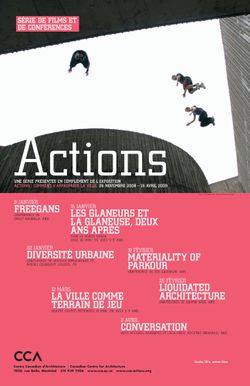
Deux représentants du collectif français Coloco, l’architecte Nicolas Bonnenfant et le paysagiste Miguel Georgieff, présentent leur projet « Habiter des squelettes » qui consiste à repérer et à reconvertir des structures abandonnées, véritables « squelettes urbains ». Leur projet redéfinit la notion d’auto-construction et y accole celle de gestion de la durée de vie des(...)
Deux représentants du collectif français Coloco, l’architecte Nicolas Bonnenfant et le paysagiste Miguel Georgieff, présentent leur projet « Habiter des squelettes » qui consiste à repérer et à reconvertir des structures abandonnées, véritables « squelettes urbains ». Leur projet redéfinit la notion d’auto-construction et y accole celle de gestion de la durée de vie des(...)
Localisation:
Théâtre Paul-Desmarais
Théâtre Paul-Desmarais
Date:
22 janvier 2009
22 janvier 2009
Titre:
Diversité urbaine
Actions:
Description:
Deux représentants du collectif français Coloco, l’architecte Nicolas Bonnenfant et le paysagiste Miguel Georgieff, présentent leur projet « Habiter des squelettes » qui consiste à repérer et à reconvertir des structures abandonnées, véritables « squelettes urbains ». Leur projet redéfinit la notion d’auto-construction et y accole celle de gestion de la durée de vie des(...)
Diversité urbaine
Actions:
Description:
Deux représentants du collectif français Coloco, l’architecte Nicolas Bonnenfant et le paysagiste Miguel Georgieff, présentent leur projet « Habiter des squelettes » qui consiste à repérer et à reconvertir des structures abandonnées, véritables « squelettes urbains ». Leur projet redéfinit la notion d’auto-construction et y accole celle de gestion de la durée de vie des(...)
Classification:
événements
événements
Date:
22 janvier 2009
22 janvier 2009
Localisation:
Théâtre Paul-Desmarais
Théâtre Paul-Desmarais
Classification:
articles
articles
Actions:
Başak Eren, Emma Larcelet, Fabrizio Furiassi, Katie Filek, Ushma Thakrar et Robin Hueppe
Titre:
De la lisibilité / Retracer l’illisibilité
Başak Eren, Emma Larcelet, Fabrizio Furiassi, Katie Filek, Ushma Thakrar et Robin Hueppe
Actions:
De la lisibilité / Retracer l’illisibilité
Başak Eren, Emma Larcelet, Fabrizio Furiassi, Katie Filek, Ushma Thakrar et Robin Hueppe
Actions:
Classification:
articles
articles
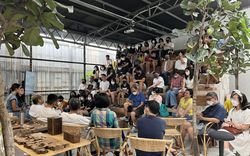
Clarissa Lim Kye Lee partage ses réflexions sur Making Mamak
Mot(s)-clé(s):
Making Mamak, commissaires émergents 2022-2023, collectifs d'art malaisiens, asie du sud-est
Making Mamak, commissaires émergents 2022-2023, collectifs d'art malaisiens, asie du sud-est
Publié:
25 août 2024
25 août 2024
Titre:
Notes de terrain : d’une île à une péninsule, puis à une autre île
Clarissa Lim Kye Lee partage ses réflexions sur Making Mamak
Actions:
Notes de terrain : d’une île à une péninsule, puis à une autre île
Clarissa Lim Kye Lee partage ses réflexions sur Making Mamak
Actions:
Classification:
articles
articles
Publié:
25 août 2024
25 août 2024
Classification:
articles
articles
Titre:
Une façon d'être architecte
Une façon d'être architecte
Actions:
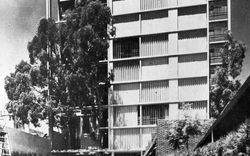
Sebastián Adamo et Marcelo Faiden retracent l’histoire architecturale récente de Buenos Aires
Publié:
26 avril 2021
26 avril 2021
Titre:
Une façon d'être architecte
Sebastián Adamo et Marcelo Faiden retracent l’histoire architecturale récente de Buenos Aires
Actions:
Une façon d'être architecte
Sebastián Adamo et Marcelo Faiden retracent l’histoire architecturale récente de Buenos Aires
Actions:
Classification:
événements
événements
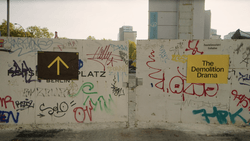
Titre:
Nuit blanche 2025 : 38%
Nuit blanche 2025 : 38%
Actions:
Description:
Il est temps d’envisager un changement systémique dans notre manière de concevoir et de valoriser lenvironnement bâti. Notre façon de construire nest pas écologiquement durable. Aujourd’hui 38% de la production mondiale annuelle du gaz à effet de serre est émis par l’industrie de la construction. Lors de la Nuit Blanche au CCA, nous vous invitons à venir discuter,(...)
Il est temps d’envisager un changement systémique dans notre manière de concevoir et de valoriser lenvironnement bâti. Notre façon de construire nest pas écologiquement durable. Aujourd’hui 38% de la production mondiale annuelle du gaz à effet de serre est émis par l’industrie de la construction. Lors de la Nuit Blanche au CCA, nous vous invitons à venir discuter,(...)
Mot(s)-clé(s):
Nuit Blanche 2025
Nuit Blanche 2025
Date:
1 mars 2025 au 2 mars 2025, de 19h à 1h
1 mars 2025 au 2 mars 2025, de 19h à 1h
Titre:
Nuit blanche 2025 : 38%
Actions:
Description:
Il est temps d’envisager un changement systémique dans notre manière de concevoir et de valoriser lenvironnement bâti. Notre façon de construire nest pas écologiquement durable. Aujourd’hui 38% de la production mondiale annuelle du gaz à effet de serre est émis par l’industrie de la construction. Lors de la Nuit Blanche au CCA, nous vous invitons à venir discuter,(...)
Nuit blanche 2025 : 38%
Actions:
Description:
Il est temps d’envisager un changement systémique dans notre manière de concevoir et de valoriser lenvironnement bâti. Notre façon de construire nest pas écologiquement durable. Aujourd’hui 38% de la production mondiale annuelle du gaz à effet de serre est émis par l’industrie de la construction. Lors de la Nuit Blanche au CCA, nous vous invitons à venir discuter,(...)
Classification:
événements
événements
Date:
1 mars 2025 au
2 mars 2025
de 19h à 1h
1 mars 2025 au
2 mars 2025
de 19h à 1h
Mot(s)-clé(s):
Nuit Blanche 2025
Nuit Blanche 2025
Classification:
photographies
photographies
Numéro de référence:
DR2023:0017
Description:
Plates from the series "UN DICTIONNAIRE...Illuminations, 1970-2000" comprises of a portion of individual plates grouped according to 38 series that Charney arranged by themes and numbered by series and plate in a discontinuous fashion. Contains series 10 "Enveloppes génériques" and series 12 "Matrices collectives".
DR2023:0017
Description:
Plates from the series "UN DICTIONNAIRE...Illuminations, 1970-2000" comprises of a portion of individual plates grouped according to 38 series that Charney arranged by themes and numbered by series and plate in a discontinuous fashion. Contains series 10 "Enveloppes génériques" and series 12 "Matrices collectives".
Personnes et institutions:
Date:
circa 1970-2000
circa 1970-2000
Titre:
Plates from the series 10 and 12, Un dictionnaire
Actions:
DR2023:0017
Description:
Plates from the series "UN DICTIONNAIRE...Illuminations, 1970-2000" comprises of a portion of individual plates grouped according to 38 series that Charney arranged by themes and numbered by series and plate in a discontinuous fashion. Contains series 10 "Enveloppes génériques" and series 12 "Matrices collectives".
Plates from the series 10 and 12, Un dictionnaire
Actions:
DR2023:0017
Description:
Plates from the series "UN DICTIONNAIRE...Illuminations, 1970-2000" comprises of a portion of individual plates grouped according to 38 series that Charney arranged by themes and numbered by series and plate in a discontinuous fashion. Contains series 10 "Enveloppes génériques" and series 12 "Matrices collectives".
Classification:
photographies
photographies
Date:
circa 1970-2000
circa 1970-2000
Personnes et institutions:
Niveau de description archivistique:
Série(s)
Série(s)
Titre:
Une architecture des humeurs
Une architecture des humeurs
Numéro de référence:
AP193.S4
Description:
Series 4, Une architecture des humeurs, 2008-2011, documents the conception and the presentation of exhibition and project Une architecture des humeurs. Presented at Le laboratoire art gallery in Paris between January and May 2010, Une architecture des humeurs is a conceptual, unbuilt, residential urban structure based on a potential future in which contemporary science reads human physiology and chemical balance. The idea is to acquire a chemistry of the “humors”, or the moods and temperament, of future purchasers. Taken as input, the information generates a diversity of habitable morphologies and relationships between them. With this process, the project attempts to make palpable and graspable, through technologies, the emotions of the participants captured via the chemistry of their body. The goal is to gather information on their capacity of adaptation, their level of sympathy and empathy while confronted to a situation or an environment. This information is then analyzed by computational, mathematical, and machinist procedures. This leads to the design and production of an urban structure submitted to the improbable and uncertain protocols produced by emotions, also creating aggregations and layouts that rearticulate the links between the individual and the collective. These structures are calculated following simultaneously incremental and recursive structural optimization protocols resulting in the physicality and morphology of architecture. The layout of the residential units and the structural trajectories are conceived and developed as posterior to the constructs supporting social life and not as an a priori. The structure of each components of the urban structure is generated by a secretion and weaving machine called Viab02. The machine is the second prototype of VIAB which was developed with Robotics Research Lab of the University of Southern California and takes its name from the terms viability and variability. With a process similar to contour crafting, the machine produces bio-cement, a mix between cement and bio-resin, giving form to the adapted residential structures. The records consist largely of images detailing the creative process of the firm, photographs of the exhibition, and 3D models. It also contains animated renderings representing the machine in action and sequences of the construction of the building or the structure. The records include a video orienting the project into François Roche theoretical stance, research as speculation, that can be summarize as the use of technological tools to take a critical and political position through esthetic in order to open new lines of thoughts. AP193.S2 contains updated previous version of the VIAB machine
AP193.S4
Description:
Series 4, Une architecture des humeurs, 2008-2011, documents the conception and the presentation of exhibition and project Une architecture des humeurs. Presented at Le laboratoire art gallery in Paris between January and May 2010, Une architecture des humeurs is a conceptual, unbuilt, residential urban structure based on a potential future in which contemporary science reads human physiology and chemical balance. The idea is to acquire a chemistry of the “humors”, or the moods and temperament, of future purchasers. Taken as input, the information generates a diversity of habitable morphologies and relationships between them. With this process, the project attempts to make palpable and graspable, through technologies, the emotions of the participants captured via the chemistry of their body. The goal is to gather information on their capacity of adaptation, their level of sympathy and empathy while confronted to a situation or an environment. This information is then analyzed by computational, mathematical, and machinist procedures. This leads to the design and production of an urban structure submitted to the improbable and uncertain protocols produced by emotions, also creating aggregations and layouts that rearticulate the links between the individual and the collective. These structures are calculated following simultaneously incremental and recursive structural optimization protocols resulting in the physicality and morphology of architecture. The layout of the residential units and the structural trajectories are conceived and developed as posterior to the constructs supporting social life and not as an a priori. The structure of each components of the urban structure is generated by a secretion and weaving machine called Viab02. The machine is the second prototype of VIAB which was developed with Robotics Research Lab of the University of Southern California and takes its name from the terms viability and variability. With a process similar to contour crafting, the machine produces bio-cement, a mix between cement and bio-resin, giving form to the adapted residential structures. The records consist largely of images detailing the creative process of the firm, photographs of the exhibition, and 3D models. It also contains animated renderings representing the machine in action and sequences of the construction of the building or the structure. The records include a video orienting the project into François Roche theoretical stance, research as speculation, that can be summarize as the use of technological tools to take a critical and political position through esthetic in order to open new lines of thoughts. AP193.S2 contains updated previous version of the VIAB machine
Personnes et institutions:
Date:
2008-2011
2008-2011
Titre:
Une architecture des humeurs
Actions:
AP193.S4
Description:
Series 4, Une architecture des humeurs, 2008-2011, documents the conception and the presentation of exhibition and project Une architecture des humeurs. Presented at Le laboratoire art gallery in Paris between January and May 2010, Une architecture des humeurs is a conceptual, unbuilt, residential urban structure based on a potential future in which contemporary science reads human physiology and chemical balance. The idea is to acquire a chemistry of the “humors”, or the moods and temperament, of future purchasers. Taken as input, the information generates a diversity of habitable morphologies and relationships between them. With this process, the project attempts to make palpable and graspable, through technologies, the emotions of the participants captured via the chemistry of their body. The goal is to gather information on their capacity of adaptation, their level of sympathy and empathy while confronted to a situation or an environment. This information is then analyzed by computational, mathematical, and machinist procedures. This leads to the design and production of an urban structure submitted to the improbable and uncertain protocols produced by emotions, also creating aggregations and layouts that rearticulate the links between the individual and the collective. These structures are calculated following simultaneously incremental and recursive structural optimization protocols resulting in the physicality and morphology of architecture. The layout of the residential units and the structural trajectories are conceived and developed as posterior to the constructs supporting social life and not as an a priori. The structure of each components of the urban structure is generated by a secretion and weaving machine called Viab02. The machine is the second prototype of VIAB which was developed with Robotics Research Lab of the University of Southern California and takes its name from the terms viability and variability. With a process similar to contour crafting, the machine produces bio-cement, a mix between cement and bio-resin, giving form to the adapted residential structures. The records consist largely of images detailing the creative process of the firm, photographs of the exhibition, and 3D models. It also contains animated renderings representing the machine in action and sequences of the construction of the building or the structure. The records include a video orienting the project into François Roche theoretical stance, research as speculation, that can be summarize as the use of technological tools to take a critical and political position through esthetic in order to open new lines of thoughts. AP193.S2 contains updated previous version of the VIAB machine
Une architecture des humeurs
Actions:
AP193.S4
Description:
Series 4, Une architecture des humeurs, 2008-2011, documents the conception and the presentation of exhibition and project Une architecture des humeurs. Presented at Le laboratoire art gallery in Paris between January and May 2010, Une architecture des humeurs is a conceptual, unbuilt, residential urban structure based on a potential future in which contemporary science reads human physiology and chemical balance. The idea is to acquire a chemistry of the “humors”, or the moods and temperament, of future purchasers. Taken as input, the information generates a diversity of habitable morphologies and relationships between them. With this process, the project attempts to make palpable and graspable, through technologies, the emotions of the participants captured via the chemistry of their body. The goal is to gather information on their capacity of adaptation, their level of sympathy and empathy while confronted to a situation or an environment. This information is then analyzed by computational, mathematical, and machinist procedures. This leads to the design and production of an urban structure submitted to the improbable and uncertain protocols produced by emotions, also creating aggregations and layouts that rearticulate the links between the individual and the collective. These structures are calculated following simultaneously incremental and recursive structural optimization protocols resulting in the physicality and morphology of architecture. The layout of the residential units and the structural trajectories are conceived and developed as posterior to the constructs supporting social life and not as an a priori. The structure of each components of the urban structure is generated by a secretion and weaving machine called Viab02. The machine is the second prototype of VIAB which was developed with Robotics Research Lab of the University of Southern California and takes its name from the terms viability and variability. With a process similar to contour crafting, the machine produces bio-cement, a mix between cement and bio-resin, giving form to the adapted residential structures. The records consist largely of images detailing the creative process of the firm, photographs of the exhibition, and 3D models. It also contains animated renderings representing the machine in action and sequences of the construction of the building or the structure. The records include a video orienting the project into François Roche theoretical stance, research as speculation, that can be summarize as the use of technological tools to take a critical and political position through esthetic in order to open new lines of thoughts. AP193.S2 contains updated previous version of the VIAB machine
Niveau de description archivistique:
Series
Series
Date:
2008-2011
2008-2011
Personnes et institutions:
Classification:
événements
événements
Actions:
Description:
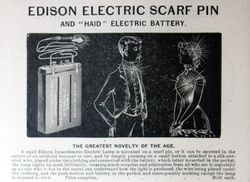
La chercheure en résidence Katie Lloyd Thomas présente sa recherche: Au Royaume-Uni, lappellation et la sélection des produits de construction — ou «achats» au nom du client — ne sont devenues une partie intégrale du rôle de larchitecte que lors de la vaste expansion de la production de masse dans les années 1930. Ces transformations radicales, largement ignorées(...)
La chercheure en résidence Katie Lloyd Thomas présente sa recherche: Au Royaume-Uni, lappellation et la sélection des produits de construction — ou «achats» au nom du client — ne sont devenues une partie intégrale du rôle de larchitecte que lors de la vaste expansion de la production de masse dans les années 1930. Ces transformations radicales, largement ignorées(...)
Localisation:
Maison Shaughnessy
Maison Shaughnessy
Date:
20 juillet 2017, 18h
20 juillet 2017, 18h
Titre:
Séminaire de chercheur en résidence : Katie Lloyd Thomas
Actions:
Description:
La chercheure en résidence Katie Lloyd Thomas présente sa recherche: Au Royaume-Uni, lappellation et la sélection des produits de construction — ou «achats» au nom du client — ne sont devenues une partie intégrale du rôle de larchitecte que lors de la vaste expansion de la production de masse dans les années 1930. Ces transformations radicales, largement ignorées(...)
Séminaire de chercheur en résidence : Katie Lloyd Thomas
Actions:
Description:
La chercheure en résidence Katie Lloyd Thomas présente sa recherche: Au Royaume-Uni, lappellation et la sélection des produits de construction — ou «achats» au nom du client — ne sont devenues une partie intégrale du rôle de larchitecte que lors de la vaste expansion de la production de masse dans les années 1930. Ces transformations radicales, largement ignorées(...)
Classification:
événements
événements
Date:
20 juillet 2017
18h
20 juillet 2017
18h
Localisation:
Maison Shaughnessy
Maison Shaughnessy
Classification:
événements
événements
Titre:
La connaissance du bâti
La connaissance du bâti
Actions:
Description:
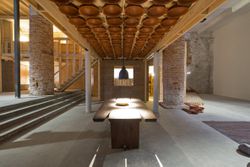
Au cours de cette conférence, Madame Kundoo parlera d’un éventail de projets tirés de sa pratique, de sa recherche et de son enseignement. Dans ces sphères de travail distinctes mais complémentaires, elle tente de bâtir un savoir collectif, en collaboration avec des ingénieurs, des maçons, des dessinateurs, des producteurs d’infrastructure, des résidents, des fournisseurs(...)
Au cours de cette conférence, Madame Kundoo parlera d’un éventail de projets tirés de sa pratique, de sa recherche et de son enseignement. Dans ces sphères de travail distinctes mais complémentaires, elle tente de bâtir un savoir collectif, en collaboration avec des ingénieurs, des maçons, des dessinateurs, des producteurs d’infrastructure, des résidents, des fournisseurs(...)
Localisation:
Théâtre Paul-Desmarais
Théâtre Paul-Desmarais
Date:
16 avril 2015 , 18h
16 avril 2015 , 18h
Titre:
La connaissance du bâti
Actions:
Description:
Au cours de cette conférence, Madame Kundoo parlera d’un éventail de projets tirés de sa pratique, de sa recherche et de son enseignement. Dans ces sphères de travail distinctes mais complémentaires, elle tente de bâtir un savoir collectif, en collaboration avec des ingénieurs, des maçons, des dessinateurs, des producteurs d’infrastructure, des résidents, des fournisseurs(...)
La connaissance du bâti
Actions:
Description:
Au cours de cette conférence, Madame Kundoo parlera d’un éventail de projets tirés de sa pratique, de sa recherche et de son enseignement. Dans ces sphères de travail distinctes mais complémentaires, elle tente de bâtir un savoir collectif, en collaboration avec des ingénieurs, des maçons, des dessinateurs, des producteurs d’infrastructure, des résidents, des fournisseurs(...)
Classification:
événements
événements
Date:
16 avril 2015
18h
16 avril 2015
18h
Localisation:
Théâtre Paul-Desmarais
Théâtre Paul-Desmarais


