


13005 Résultats
Classification:
photographies
photographies
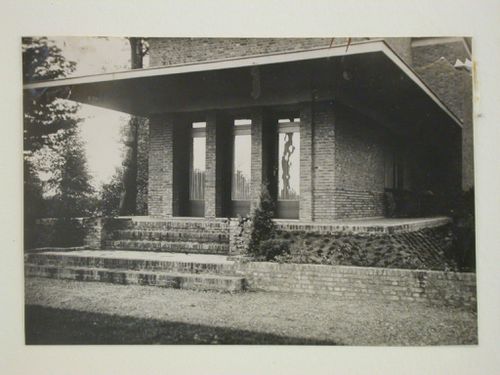
Numéro de référence:
PH1980:1015:084
PH1980:1015:084
Personnes et institutions:
Sujet:
architecture
architecture
Date:
1920s
1920s
Classification:
photographies
photographies
Date:
1920s
1920s
Personnes et institutions:
Sujet:
architecture
architecture
Classification:
documents textuels
documents textuels
Actions:
Numéro de référence:
DR2007:0081
Description:
A collection of correspondence, sketches, blueprints, brochures relating to interior furnishings
DR2007:0081
Description:
A collection of correspondence, sketches, blueprints, brochures relating to interior furnishings
Personnes et institutions:
Date:
1985-1988
1985-1988
Titre:
Prospect House, Princeton, NJ
Actions:
DR2007:0081
Description:
A collection of correspondence, sketches, blueprints, brochures relating to interior furnishings
Prospect House, Princeton, NJ
Actions:
DR2007:0081
Description:
A collection of correspondence, sketches, blueprints, brochures relating to interior furnishings
Classification:
documents textuels
documents textuels
Date:
1985-1988
1985-1988
Personnes et institutions:
Niveau de description archivistique:
Projet
Projet
Numéro de référence:
AP143.S4.D14
Description:
File documents an executed project for House VI, a weekend/vacation house designed for Richard and Suzanne Frank for a six-acre lot at Great Hollow Road, Cornwall, Connecticut. The file also includes material for renovations to House VI undertaken in 1983, 1986, and 1989-1990. Material in this file was produced between 1971 and 1989. The 1,500 square foot plan of House VI comprises a kitchen, dining room, living room and study on the ground floor, and a bedroom and bathroom on the second floor. The most notable formal and compositional ambiguities of House VI are the two staircases, one green, and the other red and positioned on the ceiling. Documents include drawings by Eisenman concerning the geometric operations at the origin of House VI (DR1994:0134:055-067), conceptual drawings (DR1994:0134:001-068; DR1994:0134:086-130; DR1994:0134:131-160), numerous colour studies of the elevations (DR1994:0134:262-343), a presentation panel (DR1994:0134:521) notes (DR1994:0134:779-782), and a first set of working drawings and "check set," completed on 30 Aug. 1973, (DR1994:0134:667-689). Documents also include drawings for major revisions which occurred from 3 October 1973 through August 1974, photocopies of photographs of the house under construction (DR1994:0134:783-805), and a copy of the site survey (DR1994:0134:806). Planned and executed renovations to House VI began in 1983. Documents relating to unexecuted renovations and additions of 1983 includes drawings (DR1994:0134:604-615), a "bid set" and annotated copies (DR1994:0134:552 and DR1994:0134:554-570; copies: DR1994:0134:646-655), and a photocopy of the site plan indicating Eisenman's initial ideas (DR1994:0134:224). Documents relating to unexecuted renovations and additions of 1986 includes seven drawings (DR1994:0134:553 and DR1994:0134:628-633). House VI was extensively rebuilt between 1988 and 1990. The renovations included the replacement of the exterior plywood walls, the insertion of steel reinforcement, a new roof with skylights, the replacement of the original stucco by a coat of Finestone, the repainting of the interior, and the addition of a plexiglas barrier to the staircase. Documents relating to the renovations of 1988-90 include original and photocopied detail drawings, an interior paint schedule by Eisenman's office, correspondence, original and photocopied technical literature, an incomplete copy of the specifications, and a copy of the original survey map (identical to DR1994:0134:806). There are also numerous photographs of the building before, during and after renovation, one photograph of presentation axonometrics for House VI, and one photograph of Eisenman's office. Documents relating to a publication on House VI include: notes (DR1994:0134:807-853), the book mock-up (DR1994:0134:854-855), and fragments of the original coloured transformation diagrams (DR1994:0134:530-531). File contains conceptual drawings, including plans, axonometrics, and sections - many black felt-tip pen and/or coloured felt-tip pen on tracing paper; and reprographic copies - mostly photocopies on wove paper. Design development drawings include site plans, plans, elevations, sections, and axonometrics - some graphite and/or coloured pencil on tracing paper and some pen and black ink and/or graphite on tracing vellum; and reprographic copies - some photocopies on wove paper and some sepia prints on mylar. Schematic drawings include site plans, plans, elevations, and sections - all pen and black ink on mylar; and reprographic copies - many blackline prints on wove paper. Working drawings include site plans, plans, elevations, sections, electrical drawings, HVAC drawings, structural drawings, and detail drawings - some coloured pencil on blueline prints on wove paper; and reprographic copies - mostly blueline prints on wove paper. Presentation drawings include plans, elevations, and axonometrics - some pen and black ink and/or transparent coloured adhesive film on mylar and some translucent adhesive coloured film on cardboard; and reprographic copies - mostly photocopies on wove paper. Model includes one finished model - grey, white, and silver paint on wood and Fome-Cor with plastic sheets. Notes and documents include manuscripts - mostly black felt-tip pen on wove paper; reprographic copies - mostly photocopies on wove paper; and a land surveyor plan - one blueline print on wove paper. Book project includes layout drawings - some black felt-tip pen on ruled paper; reprographic copies - all photocopies on wove paper; manuscripts - mostly black felt-tip pen on wove or ruled paper; one sample piece of grey cardboard used as backing for some of the presentation drawings; and sets of drawings in the form of book dummies - mostly pen and coloured ink and/or black felt-tip pen on photocopies on wove paper. Detail drawings include elevations, sections, details - mostly graphite on tracing paper. The linear cm of documents includes sets, reprographic copies and manuscripts. Notes and documents include elevations, sections, and details - some graphite on photocopies on wove paper; two sets of drawing copies, some with changes - mostly photocopies on wove paper; reprographic copies - mostly photocopies on wove paper; manuscripts - many graphite on wove paper; ephemera includes trade pamphlets; and photographs include colour images of House X prior to and during one of the renovations.
AP143.S4.D14
Description:
File documents an executed project for House VI, a weekend/vacation house designed for Richard and Suzanne Frank for a six-acre lot at Great Hollow Road, Cornwall, Connecticut. The file also includes material for renovations to House VI undertaken in 1983, 1986, and 1989-1990. Material in this file was produced between 1971 and 1989. The 1,500 square foot plan of House VI comprises a kitchen, dining room, living room and study on the ground floor, and a bedroom and bathroom on the second floor. The most notable formal and compositional ambiguities of House VI are the two staircases, one green, and the other red and positioned on the ceiling. Documents include drawings by Eisenman concerning the geometric operations at the origin of House VI (DR1994:0134:055-067), conceptual drawings (DR1994:0134:001-068; DR1994:0134:086-130; DR1994:0134:131-160), numerous colour studies of the elevations (DR1994:0134:262-343), a presentation panel (DR1994:0134:521) notes (DR1994:0134:779-782), and a first set of working drawings and "check set," completed on 30 Aug. 1973, (DR1994:0134:667-689). Documents also include drawings for major revisions which occurred from 3 October 1973 through August 1974, photocopies of photographs of the house under construction (DR1994:0134:783-805), and a copy of the site survey (DR1994:0134:806). Planned and executed renovations to House VI began in 1983. Documents relating to unexecuted renovations and additions of 1983 includes drawings (DR1994:0134:604-615), a "bid set" and annotated copies (DR1994:0134:552 and DR1994:0134:554-570; copies: DR1994:0134:646-655), and a photocopy of the site plan indicating Eisenman's initial ideas (DR1994:0134:224). Documents relating to unexecuted renovations and additions of 1986 includes seven drawings (DR1994:0134:553 and DR1994:0134:628-633). House VI was extensively rebuilt between 1988 and 1990. The renovations included the replacement of the exterior plywood walls, the insertion of steel reinforcement, a new roof with skylights, the replacement of the original stucco by a coat of Finestone, the repainting of the interior, and the addition of a plexiglas barrier to the staircase. Documents relating to the renovations of 1988-90 include original and photocopied detail drawings, an interior paint schedule by Eisenman's office, correspondence, original and photocopied technical literature, an incomplete copy of the specifications, and a copy of the original survey map (identical to DR1994:0134:806). There are also numerous photographs of the building before, during and after renovation, one photograph of presentation axonometrics for House VI, and one photograph of Eisenman's office. Documents relating to a publication on House VI include: notes (DR1994:0134:807-853), the book mock-up (DR1994:0134:854-855), and fragments of the original coloured transformation diagrams (DR1994:0134:530-531). File contains conceptual drawings, including plans, axonometrics, and sections - many black felt-tip pen and/or coloured felt-tip pen on tracing paper; and reprographic copies - mostly photocopies on wove paper. Design development drawings include site plans, plans, elevations, sections, and axonometrics - some graphite and/or coloured pencil on tracing paper and some pen and black ink and/or graphite on tracing vellum; and reprographic copies - some photocopies on wove paper and some sepia prints on mylar. Schematic drawings include site plans, plans, elevations, and sections - all pen and black ink on mylar; and reprographic copies - many blackline prints on wove paper. Working drawings include site plans, plans, elevations, sections, electrical drawings, HVAC drawings, structural drawings, and detail drawings - some coloured pencil on blueline prints on wove paper; and reprographic copies - mostly blueline prints on wove paper. Presentation drawings include plans, elevations, and axonometrics - some pen and black ink and/or transparent coloured adhesive film on mylar and some translucent adhesive coloured film on cardboard; and reprographic copies - mostly photocopies on wove paper. Model includes one finished model - grey, white, and silver paint on wood and Fome-Cor with plastic sheets. Notes and documents include manuscripts - mostly black felt-tip pen on wove paper; reprographic copies - mostly photocopies on wove paper; and a land surveyor plan - one blueline print on wove paper. Book project includes layout drawings - some black felt-tip pen on ruled paper; reprographic copies - all photocopies on wove paper; manuscripts - mostly black felt-tip pen on wove or ruled paper; one sample piece of grey cardboard used as backing for some of the presentation drawings; and sets of drawings in the form of book dummies - mostly pen and coloured ink and/or black felt-tip pen on photocopies on wove paper. Detail drawings include elevations, sections, details - mostly graphite on tracing paper. The linear cm of documents includes sets, reprographic copies and manuscripts. Notes and documents include elevations, sections, and details - some graphite on photocopies on wove paper; two sets of drawing copies, some with changes - mostly photocopies on wove paper; reprographic copies - mostly photocopies on wove paper; manuscripts - many graphite on wove paper; ephemera includes trade pamphlets; and photographs include colour images of House X prior to and during one of the renovations.
Personnes et institutions:
Date:
1971-1989
1971-1989
Titre:
House VI, Cornwall, Connecticut
Actions:
AP143.S4.D14
Description:
File documents an executed project for House VI, a weekend/vacation house designed for Richard and Suzanne Frank for a six-acre lot at Great Hollow Road, Cornwall, Connecticut. The file also includes material for renovations to House VI undertaken in 1983, 1986, and 1989-1990. Material in this file was produced between 1971 and 1989. The 1,500 square foot plan of House VI comprises a kitchen, dining room, living room and study on the ground floor, and a bedroom and bathroom on the second floor. The most notable formal and compositional ambiguities of House VI are the two staircases, one green, and the other red and positioned on the ceiling. Documents include drawings by Eisenman concerning the geometric operations at the origin of House VI (DR1994:0134:055-067), conceptual drawings (DR1994:0134:001-068; DR1994:0134:086-130; DR1994:0134:131-160), numerous colour studies of the elevations (DR1994:0134:262-343), a presentation panel (DR1994:0134:521) notes (DR1994:0134:779-782), and a first set of working drawings and "check set," completed on 30 Aug. 1973, (DR1994:0134:667-689). Documents also include drawings for major revisions which occurred from 3 October 1973 through August 1974, photocopies of photographs of the house under construction (DR1994:0134:783-805), and a copy of the site survey (DR1994:0134:806). Planned and executed renovations to House VI began in 1983. Documents relating to unexecuted renovations and additions of 1983 includes drawings (DR1994:0134:604-615), a "bid set" and annotated copies (DR1994:0134:552 and DR1994:0134:554-570; copies: DR1994:0134:646-655), and a photocopy of the site plan indicating Eisenman's initial ideas (DR1994:0134:224). Documents relating to unexecuted renovations and additions of 1986 includes seven drawings (DR1994:0134:553 and DR1994:0134:628-633). House VI was extensively rebuilt between 1988 and 1990. The renovations included the replacement of the exterior plywood walls, the insertion of steel reinforcement, a new roof with skylights, the replacement of the original stucco by a coat of Finestone, the repainting of the interior, and the addition of a plexiglas barrier to the staircase. Documents relating to the renovations of 1988-90 include original and photocopied detail drawings, an interior paint schedule by Eisenman's office, correspondence, original and photocopied technical literature, an incomplete copy of the specifications, and a copy of the original survey map (identical to DR1994:0134:806). There are also numerous photographs of the building before, during and after renovation, one photograph of presentation axonometrics for House VI, and one photograph of Eisenman's office. Documents relating to a publication on House VI include: notes (DR1994:0134:807-853), the book mock-up (DR1994:0134:854-855), and fragments of the original coloured transformation diagrams (DR1994:0134:530-531). File contains conceptual drawings, including plans, axonometrics, and sections - many black felt-tip pen and/or coloured felt-tip pen on tracing paper; and reprographic copies - mostly photocopies on wove paper. Design development drawings include site plans, plans, elevations, sections, and axonometrics - some graphite and/or coloured pencil on tracing paper and some pen and black ink and/or graphite on tracing vellum; and reprographic copies - some photocopies on wove paper and some sepia prints on mylar. Schematic drawings include site plans, plans, elevations, and sections - all pen and black ink on mylar; and reprographic copies - many blackline prints on wove paper. Working drawings include site plans, plans, elevations, sections, electrical drawings, HVAC drawings, structural drawings, and detail drawings - some coloured pencil on blueline prints on wove paper; and reprographic copies - mostly blueline prints on wove paper. Presentation drawings include plans, elevations, and axonometrics - some pen and black ink and/or transparent coloured adhesive film on mylar and some translucent adhesive coloured film on cardboard; and reprographic copies - mostly photocopies on wove paper. Model includes one finished model - grey, white, and silver paint on wood and Fome-Cor with plastic sheets. Notes and documents include manuscripts - mostly black felt-tip pen on wove paper; reprographic copies - mostly photocopies on wove paper; and a land surveyor plan - one blueline print on wove paper. Book project includes layout drawings - some black felt-tip pen on ruled paper; reprographic copies - all photocopies on wove paper; manuscripts - mostly black felt-tip pen on wove or ruled paper; one sample piece of grey cardboard used as backing for some of the presentation drawings; and sets of drawings in the form of book dummies - mostly pen and coloured ink and/or black felt-tip pen on photocopies on wove paper. Detail drawings include elevations, sections, details - mostly graphite on tracing paper. The linear cm of documents includes sets, reprographic copies and manuscripts. Notes and documents include elevations, sections, and details - some graphite on photocopies on wove paper; two sets of drawing copies, some with changes - mostly photocopies on wove paper; reprographic copies - mostly photocopies on wove paper; manuscripts - many graphite on wove paper; ephemera includes trade pamphlets; and photographs include colour images of House X prior to and during one of the renovations.
House VI, Cornwall, Connecticut
Actions:
AP143.S4.D14
Description:
File documents an executed project for House VI, a weekend/vacation house designed for Richard and Suzanne Frank for a six-acre lot at Great Hollow Road, Cornwall, Connecticut. The file also includes material for renovations to House VI undertaken in 1983, 1986, and 1989-1990. Material in this file was produced between 1971 and 1989. The 1,500 square foot plan of House VI comprises a kitchen, dining room, living room and study on the ground floor, and a bedroom and bathroom on the second floor. The most notable formal and compositional ambiguities of House VI are the two staircases, one green, and the other red and positioned on the ceiling. Documents include drawings by Eisenman concerning the geometric operations at the origin of House VI (DR1994:0134:055-067), conceptual drawings (DR1994:0134:001-068; DR1994:0134:086-130; DR1994:0134:131-160), numerous colour studies of the elevations (DR1994:0134:262-343), a presentation panel (DR1994:0134:521) notes (DR1994:0134:779-782), and a first set of working drawings and "check set," completed on 30 Aug. 1973, (DR1994:0134:667-689). Documents also include drawings for major revisions which occurred from 3 October 1973 through August 1974, photocopies of photographs of the house under construction (DR1994:0134:783-805), and a copy of the site survey (DR1994:0134:806). Planned and executed renovations to House VI began in 1983. Documents relating to unexecuted renovations and additions of 1983 includes drawings (DR1994:0134:604-615), a "bid set" and annotated copies (DR1994:0134:552 and DR1994:0134:554-570; copies: DR1994:0134:646-655), and a photocopy of the site plan indicating Eisenman's initial ideas (DR1994:0134:224). Documents relating to unexecuted renovations and additions of 1986 includes seven drawings (DR1994:0134:553 and DR1994:0134:628-633). House VI was extensively rebuilt between 1988 and 1990. The renovations included the replacement of the exterior plywood walls, the insertion of steel reinforcement, a new roof with skylights, the replacement of the original stucco by a coat of Finestone, the repainting of the interior, and the addition of a plexiglas barrier to the staircase. Documents relating to the renovations of 1988-90 include original and photocopied detail drawings, an interior paint schedule by Eisenman's office, correspondence, original and photocopied technical literature, an incomplete copy of the specifications, and a copy of the original survey map (identical to DR1994:0134:806). There are also numerous photographs of the building before, during and after renovation, one photograph of presentation axonometrics for House VI, and one photograph of Eisenman's office. Documents relating to a publication on House VI include: notes (DR1994:0134:807-853), the book mock-up (DR1994:0134:854-855), and fragments of the original coloured transformation diagrams (DR1994:0134:530-531). File contains conceptual drawings, including plans, axonometrics, and sections - many black felt-tip pen and/or coloured felt-tip pen on tracing paper; and reprographic copies - mostly photocopies on wove paper. Design development drawings include site plans, plans, elevations, sections, and axonometrics - some graphite and/or coloured pencil on tracing paper and some pen and black ink and/or graphite on tracing vellum; and reprographic copies - some photocopies on wove paper and some sepia prints on mylar. Schematic drawings include site plans, plans, elevations, and sections - all pen and black ink on mylar; and reprographic copies - many blackline prints on wove paper. Working drawings include site plans, plans, elevations, sections, electrical drawings, HVAC drawings, structural drawings, and detail drawings - some coloured pencil on blueline prints on wove paper; and reprographic copies - mostly blueline prints on wove paper. Presentation drawings include plans, elevations, and axonometrics - some pen and black ink and/or transparent coloured adhesive film on mylar and some translucent adhesive coloured film on cardboard; and reprographic copies - mostly photocopies on wove paper. Model includes one finished model - grey, white, and silver paint on wood and Fome-Cor with plastic sheets. Notes and documents include manuscripts - mostly black felt-tip pen on wove paper; reprographic copies - mostly photocopies on wove paper; and a land surveyor plan - one blueline print on wove paper. Book project includes layout drawings - some black felt-tip pen on ruled paper; reprographic copies - all photocopies on wove paper; manuscripts - mostly black felt-tip pen on wove or ruled paper; one sample piece of grey cardboard used as backing for some of the presentation drawings; and sets of drawings in the form of book dummies - mostly pen and coloured ink and/or black felt-tip pen on photocopies on wove paper. Detail drawings include elevations, sections, details - mostly graphite on tracing paper. The linear cm of documents includes sets, reprographic copies and manuscripts. Notes and documents include elevations, sections, and details - some graphite on photocopies on wove paper; two sets of drawing copies, some with changes - mostly photocopies on wove paper; reprographic copies - mostly photocopies on wove paper; manuscripts - many graphite on wove paper; ephemera includes trade pamphlets; and photographs include colour images of House X prior to and during one of the renovations.
Niveau de description archivistique:
File 14
File 14
Date:
1971-1989
1971-1989
Personnes et institutions:
Niveau de description archivistique:
Projet
Projet
Numéro de référence:
AP163.S2.SS1.D3
Description:
File documents Victor Prus's project for the International Calvert House Competition for the Canadian Home of Tomorrow, sponsored by the School of Architecture of McGill University and for which he obtained an honorable mention. Material in this file was produced in 1954. The file contains originals drawings and a presentation panel.
AP163.S2.SS1.D3
Description:
File documents Victor Prus's project for the International Calvert House Competition for the Canadian Home of Tomorrow, sponsored by the School of Architecture of McGill University and for which he obtained an honorable mention. Material in this file was produced in 1954. The file contains originals drawings and a presentation panel.
Personnes et institutions:
Date:
1954
1954
Titre:
International Calvert House Competition
Actions:
AP163.S2.SS1.D3
Description:
File documents Victor Prus's project for the International Calvert House Competition for the Canadian Home of Tomorrow, sponsored by the School of Architecture of McGill University and for which he obtained an honorable mention. Material in this file was produced in 1954. The file contains originals drawings and a presentation panel.
International Calvert House Competition
Actions:
AP163.S2.SS1.D3
Description:
File documents Victor Prus's project for the International Calvert House Competition for the Canadian Home of Tomorrow, sponsored by the School of Architecture of McGill University and for which he obtained an honorable mention. Material in this file was produced in 1954. The file contains originals drawings and a presentation panel.
Niveau de description archivistique:
File 3
File 3
Date:
1954
1954
Personnes et institutions:
Classification:
photographies
photographies
Actions:
Numéro de référence:
PH1979:0315:033
PH1979:0315:033
Personnes et institutions:
Sujet:
architecture
architecture
Date:
between 1865 and 1875
between 1865 and 1875
Titre:
View of a house with a beauty shop on the left, possibly Wiltshire, England
Actions:
PH1979:0315:033
View of a house with a beauty shop on the left, possibly Wiltshire, England
Actions:
PH1979:0315:033
Classification:
photographies
photographies
Date:
between 1865 and 1875
between 1865 and 1875
Personnes et institutions:
Sujet:
architecture
architecture
Classification:
photographies
photographies
Actions:
Numéro de référence:
PH1983:0516:017
PH1983:0516:017
Personnes et institutions:
Date:
ca. 1869
ca. 1869
Titre:
View of group of people in a garden by a tea house, Miyanoshita, Japan
Actions:
PH1983:0516:017
View of group of people in a garden by a tea house, Miyanoshita, Japan
Actions:
PH1983:0516:017
Classification:
photographies
photographies
Date:
ca. 1869
ca. 1869
Personnes et institutions:
Classification:
dessins
dessins
Actions:
Numéro de référence:
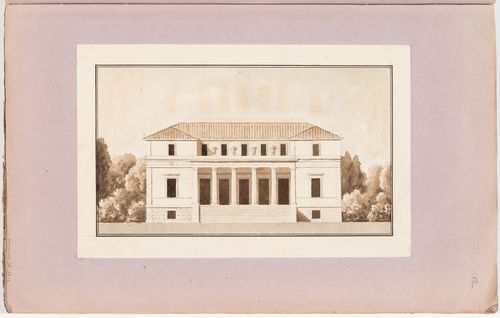
DR1974:0002:038:011 R/V
DR1974:0002:038:011 R/V
Personnes et institutions:
Sujet:
architecture
architecture
Date:
first half of the 19th century
first half of the 19th century
Classification:
dessins
dessins
Date:
first half of the 19th century
first half of the 19th century
Personnes et institutions:
Sujet:
architecture
architecture
Classification:
dessins
dessins
Actions:
Numéro de référence:
DR1988:0433:044
Description:
- This drawing shows elevations of the west facade, including the round tower next to the library, and a section of the wall. The subject was identified by comparison with DR1988:0433:012, an elevation of the west facade. - This drawing was not completed, it lacks the titles present on other drawings in the group DR1988:0433:001 - DR1988:0433:045. Several elements, such as the roofline, were drawn in graphite and not completed with pen and ink. - One of a group of working drawings for William Burn's October 1849 project for Fonthill House, Wiltshire, a country house designed in the Jacobethan style. This group represents only one of the projects that Burn proposed for Fonthill House; the final project, executed in 1856, was much smaller (Walker, 31, illustrated in Hitchcock, vol. 2, fig. VIII 31). Drawings include plans, elevations, and sections, as well as full-scale drawings of masonry details. Approximately half of the drawings are part of a numbered series from one to twenty-two, while the other drawings, mostly masonry details, were not numbered. These latter drawings are not as carefully finished, and a few are incomplete.
DR1988:0433:044
Description:
- This drawing shows elevations of the west facade, including the round tower next to the library, and a section of the wall. The subject was identified by comparison with DR1988:0433:012, an elevation of the west facade. - This drawing was not completed, it lacks the titles present on other drawings in the group DR1988:0433:001 - DR1988:0433:045. Several elements, such as the roofline, were drawn in graphite and not completed with pen and ink. - One of a group of working drawings for William Burn's October 1849 project for Fonthill House, Wiltshire, a country house designed in the Jacobethan style. This group represents only one of the projects that Burn proposed for Fonthill House; the final project, executed in 1856, was much smaller (Walker, 31, illustrated in Hitchcock, vol. 2, fig. VIII 31). Drawings include plans, elevations, and sections, as well as full-scale drawings of masonry details. Approximately half of the drawings are part of a numbered series from one to twenty-two, while the other drawings, mostly masonry details, were not numbered. These latter drawings are not as carefully finished, and a few are incomplete.
Personnes et institutions:
Sujet:
architecture
architecture
Date:
October 1849 ?
October 1849 ?
Titre:
Elevations and a section for details of the west elevation for Fonthill House
Actions:
DR1988:0433:044
Description:
- This drawing shows elevations of the west facade, including the round tower next to the library, and a section of the wall. The subject was identified by comparison with DR1988:0433:012, an elevation of the west facade. - This drawing was not completed, it lacks the titles present on other drawings in the group DR1988:0433:001 - DR1988:0433:045. Several elements, such as the roofline, were drawn in graphite and not completed with pen and ink. - One of a group of working drawings for William Burn's October 1849 project for Fonthill House, Wiltshire, a country house designed in the Jacobethan style. This group represents only one of the projects that Burn proposed for Fonthill House; the final project, executed in 1856, was much smaller (Walker, 31, illustrated in Hitchcock, vol. 2, fig. VIII 31). Drawings include plans, elevations, and sections, as well as full-scale drawings of masonry details. Approximately half of the drawings are part of a numbered series from one to twenty-two, while the other drawings, mostly masonry details, were not numbered. These latter drawings are not as carefully finished, and a few are incomplete.
Elevations and a section for details of the west elevation for Fonthill House
Actions:
DR1988:0433:044
Description:
- This drawing shows elevations of the west facade, including the round tower next to the library, and a section of the wall. The subject was identified by comparison with DR1988:0433:012, an elevation of the west facade. - This drawing was not completed, it lacks the titles present on other drawings in the group DR1988:0433:001 - DR1988:0433:045. Several elements, such as the roofline, were drawn in graphite and not completed with pen and ink. - One of a group of working drawings for William Burn's October 1849 project for Fonthill House, Wiltshire, a country house designed in the Jacobethan style. This group represents only one of the projects that Burn proposed for Fonthill House; the final project, executed in 1856, was much smaller (Walker, 31, illustrated in Hitchcock, vol. 2, fig. VIII 31). Drawings include plans, elevations, and sections, as well as full-scale drawings of masonry details. Approximately half of the drawings are part of a numbered series from one to twenty-two, while the other drawings, mostly masonry details, were not numbered. These latter drawings are not as carefully finished, and a few are incomplete.
Classification:
dessins
dessins
Date:
October 1849 ?
October 1849 ?
Personnes et institutions:
Sujet:
architecture
architecture
Niveau de description archivistique:
Projet
Projet
Titre:
Ice House I (1971)
Ice House I (1971)
Numéro de référence:
AP207.S1.1971.PR06
Description:
The project series documents the project "Ice House I" for which Pettena once again studied the transformation of a building overtaken by nature. The project consisted of pouring water on the walls of an abandoned school building in Minneapolis and letting it freeze during the night to obtain a building covered by ice. "The school preserved its typology, the typical form of that typology, but once coated in ice it was the material that transformed it: it came alive, for it had been worked by nature." It is unclear if this project was ever performed. The project series contains photographs of the frozen building, sketches, a perspective drawing, and project descriptions in English and in Italian. Source: [1] Gianni Pettena website, https://www.giannipettena.it/italiano/opere-1/nat-ice-house-i-1971-1/ (last accessed 11 November 2019)
AP207.S1.1971.PR06
Description:
The project series documents the project "Ice House I" for which Pettena once again studied the transformation of a building overtaken by nature. The project consisted of pouring water on the walls of an abandoned school building in Minneapolis and letting it freeze during the night to obtain a building covered by ice. "The school preserved its typology, the typical form of that typology, but once coated in ice it was the material that transformed it: it came alive, for it had been worked by nature." It is unclear if this project was ever performed. The project series contains photographs of the frozen building, sketches, a perspective drawing, and project descriptions in English and in Italian. Source: [1] Gianni Pettena website, https://www.giannipettena.it/italiano/opere-1/nat-ice-house-i-1971-1/ (last accessed 11 November 2019)
Personnes et institutions:
Date:
circa 1971-2015
circa 1971-2015
Titre:
Ice House I (1971)
Actions:
AP207.S1.1971.PR06
Description:
The project series documents the project "Ice House I" for which Pettena once again studied the transformation of a building overtaken by nature. The project consisted of pouring water on the walls of an abandoned school building in Minneapolis and letting it freeze during the night to obtain a building covered by ice. "The school preserved its typology, the typical form of that typology, but once coated in ice it was the material that transformed it: it came alive, for it had been worked by nature." It is unclear if this project was ever performed. The project series contains photographs of the frozen building, sketches, a perspective drawing, and project descriptions in English and in Italian. Source: [1] Gianni Pettena website, https://www.giannipettena.it/italiano/opere-1/nat-ice-house-i-1971-1/ (last accessed 11 November 2019)
Ice House I (1971)
Actions:
AP207.S1.1971.PR06
Description:
The project series documents the project "Ice House I" for which Pettena once again studied the transformation of a building overtaken by nature. The project consisted of pouring water on the walls of an abandoned school building in Minneapolis and letting it freeze during the night to obtain a building covered by ice. "The school preserved its typology, the typical form of that typology, but once coated in ice it was the material that transformed it: it came alive, for it had been worked by nature." It is unclear if this project was ever performed. The project series contains photographs of the frozen building, sketches, a perspective drawing, and project descriptions in English and in Italian. Source: [1] Gianni Pettena website, https://www.giannipettena.it/italiano/opere-1/nat-ice-house-i-1971-1/ (last accessed 11 November 2019)
Niveau de description archivistique:
Project
Project
Date:
circa 1971-2015
circa 1971-2015
Personnes et institutions:
Classification:
dessins
dessins
Actions:
Numéro de référence:
DR1987:0305
Description:
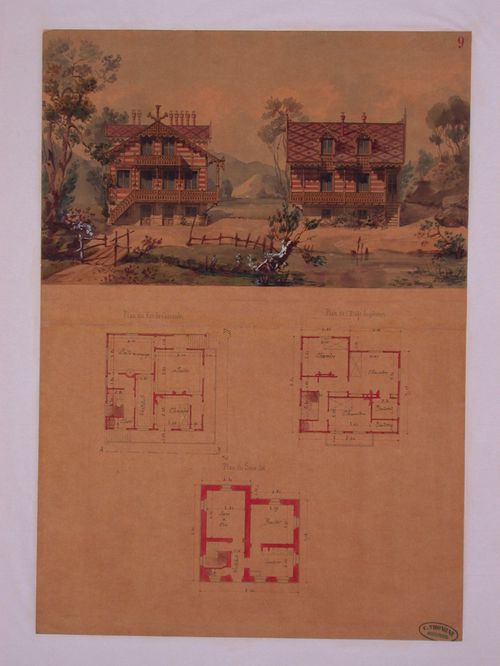
- These elevations and plans show a house with chalet-style carved woodwork on the gables, eaves, and balustrades. The plan is L-shaped, with a triangular entrance area which fills the area between the arms of the L.
DR1987:0305
Description:
- These elevations and plans show a house with chalet-style carved woodwork on the gables, eaves, and balustrades. The plan is L-shaped, with a triangular entrance area which fills the area between the arms of the L.
Personnes et institutions:
Sujet:
architecture
architecture
Date:
ca. 1860
ca. 1860
Titre:
Rendered elevations and plans for a chalet-style house with an irregular plan
Actions:
DR1987:0305
Description:
- These elevations and plans show a house with chalet-style carved woodwork on the gables, eaves, and balustrades. The plan is L-shaped, with a triangular entrance area which fills the area between the arms of the L.
Rendered elevations and plans for a chalet-style house with an irregular plan
Actions:
DR1987:0305
Description:
- These elevations and plans show a house with chalet-style carved woodwork on the gables, eaves, and balustrades. The plan is L-shaped, with a triangular entrance area which fills the area between the arms of the L.
Classification:
dessins
dessins
Date:
ca. 1860
ca. 1860
Personnes et institutions:
Sujet:
architecture
architecture


