


18241 Résultats
Classification:
dessins
dessins
Numéro de référence:
AP046.S1.1983.PR02.097
Description:
This file includes elevations and sections for the clock tower at the Old Port of Montreal.
AP046.S1.1983.PR02.097
Description:
This file includes elevations and sections for the clock tower at the Old Port of Montreal.
Personnes et institutions:
Date:
1988
1988
Titre:
Clock tower plans, Old Port of Montreal Master Plan, Montréal, Québec
Actions:
AP046.S1.1983.PR02.097
Description:
This file includes elevations and sections for the clock tower at the Old Port of Montreal.
Clock tower plans, Old Port of Montreal Master Plan, Montréal, Québec
Actions:
AP046.S1.1983.PR02.097
Description:
This file includes elevations and sections for the clock tower at the Old Port of Montreal.
Classification:
dessins
dessins
Date:
1988
1988
Personnes et institutions:
Classification:
photographies
photographies
Actions:
Numéro de référence:
PH1993:0051
PH1993:0051
Personnes et institutions:
Date:
November 1987
November 1987
Titre:
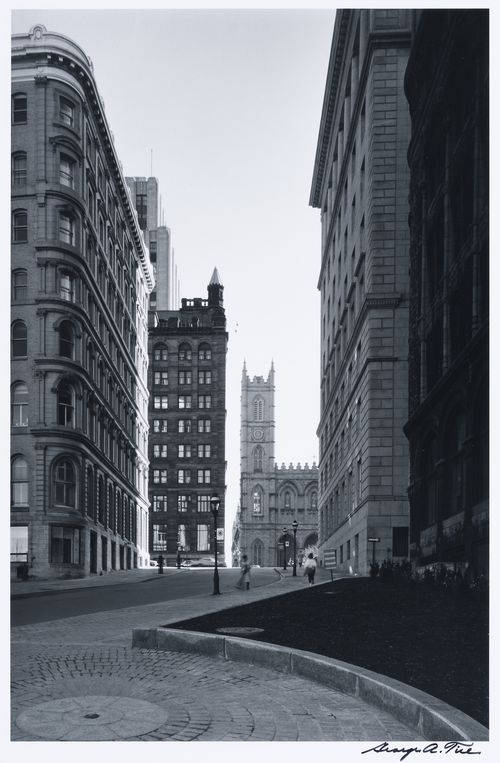
Notre-Dame Church facing Bank of Montréal across Place d'Armes, Montréal, Québec
Actions:
PH1993:0051
Notre-Dame Church facing Bank of Montréal across Place d'Armes, Montréal, Québec
Actions:
PH1993:0051
Classification:
photographies
photographies
Date:
November 1987
November 1987
Personnes et institutions:
Classification:
dessins
dessins
Numéro de référence:
ARCH33353
Description:
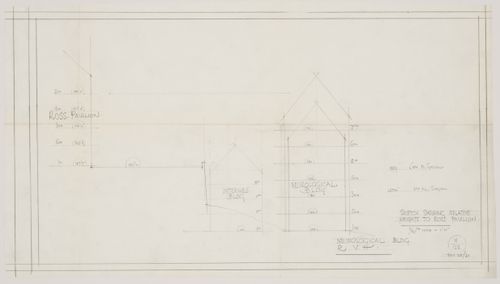
Drawing 18/123, Sketch Showing Relative Heights to Ross Pavilion
ARCH33353
Description:
Drawing 18/123, Sketch Showing Relative Heights to Ross Pavilion
Personnes et institutions:
Date:
1931
1931
Titre:
Montréal Neurological Institute, Montréal, Québec: sketch showing relative heights to Ross Pavilion
Actions:
ARCH33353
Description:
Drawing 18/123, Sketch Showing Relative Heights to Ross Pavilion
Montréal Neurological Institute, Montréal, Québec: sketch showing relative heights to Ross Pavilion
Actions:
ARCH33353
Description:
Drawing 18/123, Sketch Showing Relative Heights to Ross Pavilion
Classification:
dessins
dessins
Date:
1931
1931
Personnes et institutions:
Classification:
dessins
dessins
Numéro de référence:
ARCH33548
Description:
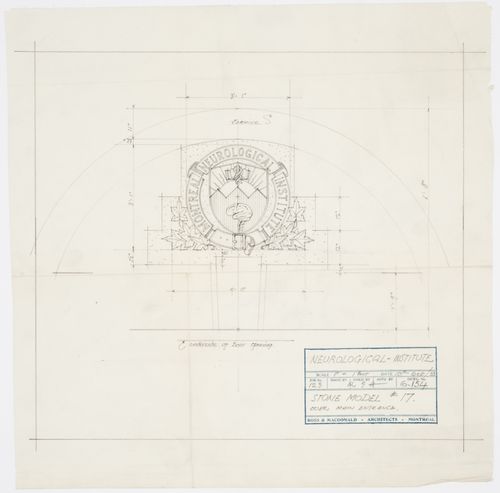
Drawing 6.154, Oct. 10, 1933, Stone model #17, over main entrance Checked by R.G.H.
ARCH33548
Description:
Drawing 6.154, Oct. 10, 1933, Stone model #17, over main entrance Checked by R.G.H.
Personnes et institutions:
Date:
1933
1933
Titre:
Montréal Neurological Institute, Montréal, Québec: drawing for stone model over main entrance
Actions:
ARCH33548
Description:
Drawing 6.154, Oct. 10, 1933, Stone model #17, over main entrance Checked by R.G.H.
Montréal Neurological Institute, Montréal, Québec: drawing for stone model over main entrance
Actions:
ARCH33548
Description:
Drawing 6.154, Oct. 10, 1933, Stone model #17, over main entrance Checked by R.G.H.
Classification:
dessins
dessins
Date:
1933
1933
Personnes et institutions:
Classification:
dessins
dessins
Numéro de référence:
ARCH33549
Description:
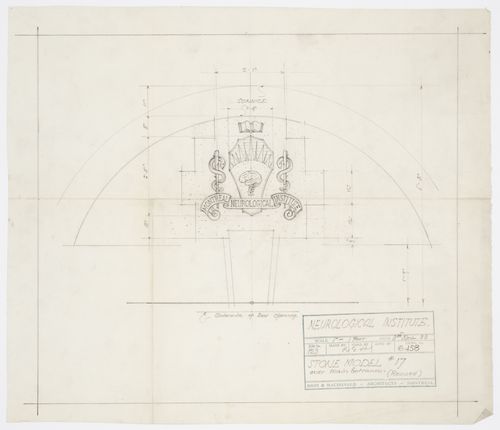
Drawing 6.158, Nov 3, 1933, Stone model #17, over main entrance, revised Checked by R.G.H.
ARCH33549
Description:
Drawing 6.158, Nov 3, 1933, Stone model #17, over main entrance, revised Checked by R.G.H.
Personnes et institutions:
Date:
1933
1933
Titre:
Montréal Neurological Institute, Montréal, Québec: drawing for stone model over main entrance
Actions:
ARCH33549
Description:
Drawing 6.158, Nov 3, 1933, Stone model #17, over main entrance, revised Checked by R.G.H.
Montréal Neurological Institute, Montréal, Québec: drawing for stone model over main entrance
Actions:
ARCH33549
Description:
Drawing 6.158, Nov 3, 1933, Stone model #17, over main entrance, revised Checked by R.G.H.
Classification:
dessins
dessins
Date:
1933
1933
Personnes et institutions:
Classification:
dessins
dessins
Numéro de référence:
AP046.S1.1983.PR02.147
Description:
This file includes archeological potential plans for the Lachine Canal and the Old Port of Montreal.
AP046.S1.1983.PR02.147
Description:
This file includes archeological potential plans for the Lachine Canal and the Old Port of Montreal.
Personnes et institutions:
Date:
1983-1992
1983-1992
Titre:
Archeological potential study, Old Port of Montreal Master Plan, Montréal, Québec
Actions:
AP046.S1.1983.PR02.147
Description:
This file includes archeological potential plans for the Lachine Canal and the Old Port of Montreal.
Archeological potential study, Old Port of Montreal Master Plan, Montréal, Québec
Actions:
AP046.S1.1983.PR02.147
Description:
This file includes archeological potential plans for the Lachine Canal and the Old Port of Montreal.
Classification:
dessins
dessins
Date:
1983-1992
1983-1992
Personnes et institutions:
Classification:
dessins
dessins
Numéro de référence:
AP046.S1.1983.PR02.139
Description:
This file includes tables on original construction work for the Old port of Montreal and an unidentified sketch.
AP046.S1.1983.PR02.139
Description:
This file includes tables on original construction work for the Old port of Montreal and an unidentified sketch.
Personnes et institutions:
Date:
1983-1992
1983-1992
Titre:
Original construction chart, Old Port of Montreal Master Plan, Montréal, Québec
Actions:
AP046.S1.1983.PR02.139
Description:
This file includes tables on original construction work for the Old port of Montreal and an unidentified sketch.
Original construction chart, Old Port of Montreal Master Plan, Montréal, Québec
Actions:
AP046.S1.1983.PR02.139
Description:
This file includes tables on original construction work for the Old port of Montreal and an unidentified sketch.
Classification:
dessins
dessins
Date:
1983-1992
1983-1992
Personnes et institutions:
Niveau de description archivistique:
Projet
Projet
Numéro de référence:
AP001.S6.1950.PR01
Description:
La construction de l’Université de Montréal s’est effectuée sur plusieurs années. Cormier est architecte en chef entre 1924 et 1947 et agit à titre d’architecte-conseil et d’ingénieur-conseil entre 1950 et 1961. Il semblait inévitable de diviser le cadre de classement en deux phases pour bien distinguer le rôle et l’implication de Cormier qui diffère durant ces deux périodes. La présence de deux plans d’ensembles très différents proposés en 1931 et 1961 appuie cette décision. En 1950, Cormier est nommé architecte-conseil et ingénieur-conseil pour la deuxième phase des travaux, alors que Ludger Venne agit à titre d’architecte pour le Centre social et les Résidences Étudiantes, Gaston Gagné pour la Polytechnique et Paul Lambert pour le Chalet de Sport. Tout en supervisant l’élaboration des bâtiments, Cormier soumet un nouveau plan d’ensemble pour la deuxième phase de construction de l’Université de Montréal. Celui-ci inclut un nouveau centre hospitalier, un bâtiment administratif, une porte monumentale, le HEC, un stade et une bibliothèque. Le projet sera cependant refusé par la direction de l’Université de Montréal, voyant le projet ambitieux et trop coûteux. Il quittera donc en 1962 son poste de consultant. Pour cette sous-série, il est important de distinguer deux types de documents. Il y a d’abord les dessins produits par Cormier et sa firme, incluant les nouveaux plans d’ensemble, le stade, le bâtiment administratif, la nouvelle bibliothèque, le centre hospitalier, la cafétéria, le gymnase et la piscine. Ces documents seront limités à des esquisses et des dessins de présentation, suite à la décision de la direction de l’UdeM de ne pas entreprendre ces projets. En second lieu, il y a les documents d’exécutions des autres architectes, comme Lambert et Venne, qui ont été utilisés et modifiés par Cormier à titre de consultant.
AP001.S6.1950.PR01
Description:
La construction de l’Université de Montréal s’est effectuée sur plusieurs années. Cormier est architecte en chef entre 1924 et 1947 et agit à titre d’architecte-conseil et d’ingénieur-conseil entre 1950 et 1961. Il semblait inévitable de diviser le cadre de classement en deux phases pour bien distinguer le rôle et l’implication de Cormier qui diffère durant ces deux périodes. La présence de deux plans d’ensembles très différents proposés en 1931 et 1961 appuie cette décision. En 1950, Cormier est nommé architecte-conseil et ingénieur-conseil pour la deuxième phase des travaux, alors que Ludger Venne agit à titre d’architecte pour le Centre social et les Résidences Étudiantes, Gaston Gagné pour la Polytechnique et Paul Lambert pour le Chalet de Sport. Tout en supervisant l’élaboration des bâtiments, Cormier soumet un nouveau plan d’ensemble pour la deuxième phase de construction de l’Université de Montréal. Celui-ci inclut un nouveau centre hospitalier, un bâtiment administratif, une porte monumentale, le HEC, un stade et une bibliothèque. Le projet sera cependant refusé par la direction de l’Université de Montréal, voyant le projet ambitieux et trop coûteux. Il quittera donc en 1962 son poste de consultant. Pour cette sous-série, il est important de distinguer deux types de documents. Il y a d’abord les dessins produits par Cormier et sa firme, incluant les nouveaux plans d’ensemble, le stade, le bâtiment administratif, la nouvelle bibliothèque, le centre hospitalier, la cafétéria, le gymnase et la piscine. Ces documents seront limités à des esquisses et des dessins de présentation, suite à la décision de la direction de l’UdeM de ne pas entreprendre ces projets. En second lieu, il y a les documents d’exécutions des autres architectes, comme Lambert et Venne, qui ont été utilisés et modifiés par Cormier à titre de consultant.
Personnes et institutions:
Date:
1950 - 1962
1950 - 1962
Titre:
Université de Montréal - Phase 2
Actions:
AP001.S6.1950.PR01
Description:
La construction de l’Université de Montréal s’est effectuée sur plusieurs années. Cormier est architecte en chef entre 1924 et 1947 et agit à titre d’architecte-conseil et d’ingénieur-conseil entre 1950 et 1961. Il semblait inévitable de diviser le cadre de classement en deux phases pour bien distinguer le rôle et l’implication de Cormier qui diffère durant ces deux périodes. La présence de deux plans d’ensembles très différents proposés en 1931 et 1961 appuie cette décision. En 1950, Cormier est nommé architecte-conseil et ingénieur-conseil pour la deuxième phase des travaux, alors que Ludger Venne agit à titre d’architecte pour le Centre social et les Résidences Étudiantes, Gaston Gagné pour la Polytechnique et Paul Lambert pour le Chalet de Sport. Tout en supervisant l’élaboration des bâtiments, Cormier soumet un nouveau plan d’ensemble pour la deuxième phase de construction de l’Université de Montréal. Celui-ci inclut un nouveau centre hospitalier, un bâtiment administratif, une porte monumentale, le HEC, un stade et une bibliothèque. Le projet sera cependant refusé par la direction de l’Université de Montréal, voyant le projet ambitieux et trop coûteux. Il quittera donc en 1962 son poste de consultant. Pour cette sous-série, il est important de distinguer deux types de documents. Il y a d’abord les dessins produits par Cormier et sa firme, incluant les nouveaux plans d’ensemble, le stade, le bâtiment administratif, la nouvelle bibliothèque, le centre hospitalier, la cafétéria, le gymnase et la piscine. Ces documents seront limités à des esquisses et des dessins de présentation, suite à la décision de la direction de l’UdeM de ne pas entreprendre ces projets. En second lieu, il y a les documents d’exécutions des autres architectes, comme Lambert et Venne, qui ont été utilisés et modifiés par Cormier à titre de consultant.
Université de Montréal - Phase 2
Actions:
AP001.S6.1950.PR01
Description:
La construction de l’Université de Montréal s’est effectuée sur plusieurs années. Cormier est architecte en chef entre 1924 et 1947 et agit à titre d’architecte-conseil et d’ingénieur-conseil entre 1950 et 1961. Il semblait inévitable de diviser le cadre de classement en deux phases pour bien distinguer le rôle et l’implication de Cormier qui diffère durant ces deux périodes. La présence de deux plans d’ensembles très différents proposés en 1931 et 1961 appuie cette décision. En 1950, Cormier est nommé architecte-conseil et ingénieur-conseil pour la deuxième phase des travaux, alors que Ludger Venne agit à titre d’architecte pour le Centre social et les Résidences Étudiantes, Gaston Gagné pour la Polytechnique et Paul Lambert pour le Chalet de Sport. Tout en supervisant l’élaboration des bâtiments, Cormier soumet un nouveau plan d’ensemble pour la deuxième phase de construction de l’Université de Montréal. Celui-ci inclut un nouveau centre hospitalier, un bâtiment administratif, une porte monumentale, le HEC, un stade et une bibliothèque. Le projet sera cependant refusé par la direction de l’Université de Montréal, voyant le projet ambitieux et trop coûteux. Il quittera donc en 1962 son poste de consultant. Pour cette sous-série, il est important de distinguer deux types de documents. Il y a d’abord les dessins produits par Cormier et sa firme, incluant les nouveaux plans d’ensemble, le stade, le bâtiment administratif, la nouvelle bibliothèque, le centre hospitalier, la cafétéria, le gymnase et la piscine. Ces documents seront limités à des esquisses et des dessins de présentation, suite à la décision de la direction de l’UdeM de ne pas entreprendre ces projets. En second lieu, il y a les documents d’exécutions des autres architectes, comme Lambert et Venne, qui ont été utilisés et modifiés par Cormier à titre de consultant.
Niveau de description archivistique:
Project
Project
Date:
1950 - 1962
1950 - 1962
Personnes et institutions:
Classification:
photographies
photographies
Numéro de référence:
AP046.S1.1983.PR02.213
Description:
This file includes composite panoramic photographs of the existing conditions at the Old port of Montreal prior to redevelopment.
AP046.S1.1983.PR02.213
Description:
This file includes composite panoramic photographs of the existing conditions at the Old port of Montreal prior to redevelopment.
Personnes et institutions:
Date:
1983-1992
1983-1992
Titre:
Existing condition photographs, Old Port of Montreal Master Plan, Montréal, Québec
Actions:
AP046.S1.1983.PR02.213
Description:
This file includes composite panoramic photographs of the existing conditions at the Old port of Montreal prior to redevelopment.
Existing condition photographs, Old Port of Montreal Master Plan, Montréal, Québec
Actions:
AP046.S1.1983.PR02.213
Description:
This file includes composite panoramic photographs of the existing conditions at the Old port of Montreal prior to redevelopment.
Classification:
photographies
photographies
Date:
1983-1992
1983-1992
Personnes et institutions:
Classification:
dessins
dessins
Numéro de référence:
AP046.S1.1983.PR02.171
Description:
This file includes sketches for the buildings and clock tower in the Bonsecours sector of the Old Port of Montreal.
AP046.S1.1983.PR02.171
Description:
This file includes sketches for the buildings and clock tower in the Bonsecours sector of the Old Port of Montreal.
Personnes et institutions:
Date:
1983-1992
1983-1992
Titre:
Bonsecours sector sketches, Old Port of Montreal Master Plan, Montréal, Québec
Actions:
AP046.S1.1983.PR02.171
Description:
This file includes sketches for the buildings and clock tower in the Bonsecours sector of the Old Port of Montreal.
Bonsecours sector sketches, Old Port of Montreal Master Plan, Montréal, Québec
Actions:
AP046.S1.1983.PR02.171
Description:
This file includes sketches for the buildings and clock tower in the Bonsecours sector of the Old Port of Montreal.
Classification:
dessins
dessins
Date:
1983-1992
1983-1992
Personnes et institutions:


