


40924 Résultats
Niveau de description archivistique:
Projet
Projet
Numéro de référence:
AP178.S1.2000.PR10
Description:
This project series document the Biblioteca da Câmara Municipal de Viana do Castelo in Viana do Castelo, Portugal. While the records were held in the office’s archives this project was assigned the number 11/00. The office assigned the dates 2000-2008 to this project. The project site is located between the Alameda 5 de Outubro and the Lima river. The library was part of the waterfront development plan, directed by Fernando Távora. The development plan included a multiuse pavilion designed by Eduardo Souto de Moura, two office buildings, and an auditorium designed by Tàvora. The architects, with the help of José Bernardo Tavora and Adalberto Dias chose together location. The orthogonal two-story library respects the recommendations of the Portuguese Institute of Book and Libraries (IPLB). This project was realized and won the National Contemporary Architecture Award. Documenting this project are sketches, studies, plans, working drawings, technical drawings, and details. Textual material includes correspondence and project documentation. Photographic material documents construction work and models.
AP178.S1.2000.PR10
Description:
This project series document the Biblioteca da Câmara Municipal de Viana do Castelo in Viana do Castelo, Portugal. While the records were held in the office’s archives this project was assigned the number 11/00. The office assigned the dates 2000-2008 to this project. The project site is located between the Alameda 5 de Outubro and the Lima river. The library was part of the waterfront development plan, directed by Fernando Távora. The development plan included a multiuse pavilion designed by Eduardo Souto de Moura, two office buildings, and an auditorium designed by Tàvora. The architects, with the help of José Bernardo Tavora and Adalberto Dias chose together location. The orthogonal two-story library respects the recommendations of the Portuguese Institute of Book and Libraries (IPLB). This project was realized and won the National Contemporary Architecture Award. Documenting this project are sketches, studies, plans, working drawings, technical drawings, and details. Textual material includes correspondence and project documentation. Photographic material documents construction work and models.
Personnes et institutions:
Date:
2000-2008
2000-2008
Titre:
Biblioteca da Câmara Municipal de Viana do Castelo [Viana do Castelo Public Library], Viana do Castelo, Portugal (2000-2008)
Actions:
AP178.S1.2000.PR10
Description:
This project series document the Biblioteca da Câmara Municipal de Viana do Castelo in Viana do Castelo, Portugal. While the records were held in the office’s archives this project was assigned the number 11/00. The office assigned the dates 2000-2008 to this project. The project site is located between the Alameda 5 de Outubro and the Lima river. The library was part of the waterfront development plan, directed by Fernando Távora. The development plan included a multiuse pavilion designed by Eduardo Souto de Moura, two office buildings, and an auditorium designed by Tàvora. The architects, with the help of José Bernardo Tavora and Adalberto Dias chose together location. The orthogonal two-story library respects the recommendations of the Portuguese Institute of Book and Libraries (IPLB). This project was realized and won the National Contemporary Architecture Award. Documenting this project are sketches, studies, plans, working drawings, technical drawings, and details. Textual material includes correspondence and project documentation. Photographic material documents construction work and models.
Biblioteca da Câmara Municipal de Viana do Castelo [Viana do Castelo Public Library], Viana do Castelo, Portugal (2000-2008)
Actions:
AP178.S1.2000.PR10
Description:
This project series document the Biblioteca da Câmara Municipal de Viana do Castelo in Viana do Castelo, Portugal. While the records were held in the office’s archives this project was assigned the number 11/00. The office assigned the dates 2000-2008 to this project. The project site is located between the Alameda 5 de Outubro and the Lima river. The library was part of the waterfront development plan, directed by Fernando Távora. The development plan included a multiuse pavilion designed by Eduardo Souto de Moura, two office buildings, and an auditorium designed by Tàvora. The architects, with the help of José Bernardo Tavora and Adalberto Dias chose together location. The orthogonal two-story library respects the recommendations of the Portuguese Institute of Book and Libraries (IPLB). This project was realized and won the National Contemporary Architecture Award. Documenting this project are sketches, studies, plans, working drawings, technical drawings, and details. Textual material includes correspondence and project documentation. Photographic material documents construction work and models.
Niveau de description archivistique:
Project
Project
Date:
2000-2008
2000-2008
Personnes et institutions:
Niveau de description archivistique:
Série(s)
Série(s)
Titre:
Publications
Publications
Numéro de référence:
AP207.S3
Description:
The series documents Pettena’s activities as a writer and a critic of contemporary architecture from 1973 to the end of the 2010s. The series documents only a few of the many articles, essays, monographs, and book chapters written by Pettena. The series contains materials for two of Pettena’s writings about Ettore Sottsass and Ettore Sottsass Jr’s work written at the end of the 1990s and early 2000s, and a monograph on steel structure in contemporary architecture. This predominantly consists of research materials, draft texts, and documents related to the image selection process for three publications: “Il linguaggio dell'acciaio" (1992), “Sottsass Associati 1980-1999 frammenti” (1999), and "Sottsass e Sottsass" (2001). The series also contains scans of two earlier books by Pettena: “L’anarchitetto” (1973) and “La citta' invisibile. Architettura sperimentale 1965/75” (1983), and of a later one “Vienna e dintorni. Abraham, Hollein, Peintner, Pettena, Pichler, Sottsass" (2013). The series also documents publications and articles written on Pettena’s work. This material mainly consists of scans of articles and pages from publications, as well as some texts. Finally, the series contains material related to the development of Pettena’s professional website, such as texts and image selection.
AP207.S3
Description:
The series documents Pettena’s activities as a writer and a critic of contemporary architecture from 1973 to the end of the 2010s. The series documents only a few of the many articles, essays, monographs, and book chapters written by Pettena. The series contains materials for two of Pettena’s writings about Ettore Sottsass and Ettore Sottsass Jr’s work written at the end of the 1990s and early 2000s, and a monograph on steel structure in contemporary architecture. This predominantly consists of research materials, draft texts, and documents related to the image selection process for three publications: “Il linguaggio dell'acciaio" (1992), “Sottsass Associati 1980-1999 frammenti” (1999), and "Sottsass e Sottsass" (2001). The series also contains scans of two earlier books by Pettena: “L’anarchitetto” (1973) and “La citta' invisibile. Architettura sperimentale 1965/75” (1983), and of a later one “Vienna e dintorni. Abraham, Hollein, Peintner, Pettena, Pichler, Sottsass" (2013). The series also documents publications and articles written on Pettena’s work. This material mainly consists of scans of articles and pages from publications, as well as some texts. Finally, the series contains material related to the development of Pettena’s professional website, such as texts and image selection.
Personnes et institutions:
Date:
1992-2018
1992-2018
Titre:
Publications
Actions:
AP207.S3
Description:
The series documents Pettena’s activities as a writer and a critic of contemporary architecture from 1973 to the end of the 2010s. The series documents only a few of the many articles, essays, monographs, and book chapters written by Pettena. The series contains materials for two of Pettena’s writings about Ettore Sottsass and Ettore Sottsass Jr’s work written at the end of the 1990s and early 2000s, and a monograph on steel structure in contemporary architecture. This predominantly consists of research materials, draft texts, and documents related to the image selection process for three publications: “Il linguaggio dell'acciaio" (1992), “Sottsass Associati 1980-1999 frammenti” (1999), and "Sottsass e Sottsass" (2001). The series also contains scans of two earlier books by Pettena: “L’anarchitetto” (1973) and “La citta' invisibile. Architettura sperimentale 1965/75” (1983), and of a later one “Vienna e dintorni. Abraham, Hollein, Peintner, Pettena, Pichler, Sottsass" (2013). The series also documents publications and articles written on Pettena’s work. This material mainly consists of scans of articles and pages from publications, as well as some texts. Finally, the series contains material related to the development of Pettena’s professional website, such as texts and image selection.
Publications
Actions:
AP207.S3
Description:
The series documents Pettena’s activities as a writer and a critic of contemporary architecture from 1973 to the end of the 2010s. The series documents only a few of the many articles, essays, monographs, and book chapters written by Pettena. The series contains materials for two of Pettena’s writings about Ettore Sottsass and Ettore Sottsass Jr’s work written at the end of the 1990s and early 2000s, and a monograph on steel structure in contemporary architecture. This predominantly consists of research materials, draft texts, and documents related to the image selection process for three publications: “Il linguaggio dell'acciaio" (1992), “Sottsass Associati 1980-1999 frammenti” (1999), and "Sottsass e Sottsass" (2001). The series also contains scans of two earlier books by Pettena: “L’anarchitetto” (1973) and “La citta' invisibile. Architettura sperimentale 1965/75” (1983), and of a later one “Vienna e dintorni. Abraham, Hollein, Peintner, Pettena, Pichler, Sottsass" (2013). The series also documents publications and articles written on Pettena’s work. This material mainly consists of scans of articles and pages from publications, as well as some texts. Finally, the series contains material related to the development of Pettena’s professional website, such as texts and image selection.
Niveau de description archivistique:
Series
Series
Date:
1992-2018
1992-2018
Personnes et institutions:
Classification:
expositions
expositions
Titre:
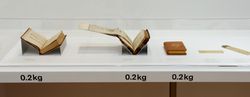
125 kilos de livres
125 kilos de livres
Actions:
Description:
125 kilos de livres présente une sélection de livres d’architecture tirés de la collection du CCA, allant du XVe siècle jusqu’à nos jours, et invite à réfléchir sur ce qui, de prime abord, peut sembler être une caractéristique tout à fait banale du livre : son format. Des ouvrages dont les dimensions varient de 10 centimètres à un mètre sont abordés sous différents angles(...)
125 kilos de livres présente une sélection de livres d’architecture tirés de la collection du CCA, allant du XVe siècle jusqu’à nos jours, et invite à réfléchir sur ce qui, de prime abord, peut sembler être une caractéristique tout à fait banale du livre : son format. Des ouvrages dont les dimensions varient de 10 centimètres à un mètre sont abordés sous différents angles(...)
Localisation:
Salle octogonale
Salle octogonale
Date:
23 mars 2006 au 30 avril 2006
23 mars 2006 au 30 avril 2006
Titre:
125 kilos de livres
Actions:
Description:
125 kilos de livres présente une sélection de livres d’architecture tirés de la collection du CCA, allant du XVe siècle jusqu’à nos jours, et invite à réfléchir sur ce qui, de prime abord, peut sembler être une caractéristique tout à fait banale du livre : son format. Des ouvrages dont les dimensions varient de 10 centimètres à un mètre sont abordés sous différents angles(...)
125 kilos de livres
Actions:
Description:
125 kilos de livres présente une sélection de livres d’architecture tirés de la collection du CCA, allant du XVe siècle jusqu’à nos jours, et invite à réfléchir sur ce qui, de prime abord, peut sembler être une caractéristique tout à fait banale du livre : son format. Des ouvrages dont les dimensions varient de 10 centimètres à un mètre sont abordés sous différents angles(...)
Classification:
expositions
expositions
Date:
23 mars 2006 au
30 avril 2006
23 mars 2006 au
30 avril 2006
Localisation:
Salle octogonale
Salle octogonale
Classification:
documents textuels, photographies
documents textuels, photographies
Numéro de référence:
DR1999:0356
Description:
Documents include 3 audiocassettes, 44 slides, 57 photographs, 54 negatives, drawings (including computer drawings and sketches), blueprints, a project proposal, newspapers, competition brief, program, DNA information, surveys, meeting minutes, building area calculations, book, correspondence, schedule, progress report, budget, postcards, file index, master plan and a history of Frankfurt.
DR1999:0356
Description:
Documents include 3 audiocassettes, 44 slides, 57 photographs, 54 negatives, drawings (including computer drawings and sketches), blueprints, a project proposal, newspapers, competition brief, program, DNA information, surveys, meeting minutes, building area calculations, book, correspondence, schedule, progress report, budget, postcards, file index, master plan and a history of Frankfurt.
Personnes et institutions:
Titre:
Meeting records, building analysis, budget, reports and other reference documentation
Actions:
DR1999:0356
Description:
Documents include 3 audiocassettes, 44 slides, 57 photographs, 54 negatives, drawings (including computer drawings and sketches), blueprints, a project proposal, newspapers, competition brief, program, DNA information, surveys, meeting minutes, building area calculations, book, correspondence, schedule, progress report, budget, postcards, file index, master plan and a history of Frankfurt.
Meeting records, building analysis, budget, reports and other reference documentation
Actions:
DR1999:0356
Description:
Documents include 3 audiocassettes, 44 slides, 57 photographs, 54 negatives, drawings (including computer drawings and sketches), blueprints, a project proposal, newspapers, competition brief, program, DNA information, surveys, meeting minutes, building area calculations, book, correspondence, schedule, progress report, budget, postcards, file index, master plan and a history of Frankfurt.
Classification:
documents textuels, photographies
documents textuels, photographies
Personnes et institutions:
Niveau de description archivistique:
Sous-série
Sous-série
Titre:
Education
Education
Numéro de référence:
CI001.S2.D1
Description:
Like his father Hubert, Charles Rohault de Fleury also studied at the École polytechnique with Jean-Nicolas-Louis Durand (1820-1821), and at the École des Beaux-Arts (1823-1825), Charles studied under his father and Louis Hippolyte Lebas. The CCA collection contains his printed exercise book from the École polytechnique and an album of drawings of the orders executed at both schools. The printed exercise book (DR1974:0002:001:001-105), primarily dated to 1821, provides an overview of the first year curriculum at the École polytechnique reflecting the emphasis placed on the course in descriptive geometry. The exercises proceed from the simple to the complex; from the analysis of simple shapes to the interpretation of basic architectural elements. Many of the problems have been solved by Charles, and carry the approval seal of his professor. A large engraving included in the album provides a succinct table recording the career paths of graduating students in the various Écoles d'application, a description of the core curriculum, and a historical and chronological outline of the École polytechnique from its inception to 1828. Charles' studies of the architectural orders (DR1974:0002:019:001-033), many of which are copied directly from Charles Normand's 'Nouveau parallele des ordres d'architecture...,' demonstrate the continued application of Durand's methodology applied to typical Beaux-Arts studies. The orders executed at the École polytechnique are pared down to their essential form and porticos are abstracted and grouped according to their tetrastyle, hexastyle, or octastyle configurations, whereas the orders completed at the École des beaux-arts are simplified, but still reflect the traditional mimetic interpretation of classical antiquity, with its fidelity to mouldings and details. The conspicous abscence of the composite order and the addition of the 'Dorique Romain and Moderne', attest to the continued influence of Durand's ''Precis'. The information regarding George's architectural career is limited to twelve drawings for architectural ornament and sculpture (1858-1859) submitted to a newly introduced, and obligatory, 'dessin' Concours d'emulation at the École des beaux-arts (1). (1) R. Chaffe, "The teaching of architecture at the École des Beaux-Arts" in Arthur Drexler ed., 'The Architecture of the École des Beaux-Arts' (New York: MOMA, 1975), p.84 and fn. 120.)
CI001.S2.D1
Description:
Like his father Hubert, Charles Rohault de Fleury also studied at the École polytechnique with Jean-Nicolas-Louis Durand (1820-1821), and at the École des Beaux-Arts (1823-1825), Charles studied under his father and Louis Hippolyte Lebas. The CCA collection contains his printed exercise book from the École polytechnique and an album of drawings of the orders executed at both schools. The printed exercise book (DR1974:0002:001:001-105), primarily dated to 1821, provides an overview of the first year curriculum at the École polytechnique reflecting the emphasis placed on the course in descriptive geometry. The exercises proceed from the simple to the complex; from the analysis of simple shapes to the interpretation of basic architectural elements. Many of the problems have been solved by Charles, and carry the approval seal of his professor. A large engraving included in the album provides a succinct table recording the career paths of graduating students in the various Écoles d'application, a description of the core curriculum, and a historical and chronological outline of the École polytechnique from its inception to 1828. Charles' studies of the architectural orders (DR1974:0002:019:001-033), many of which are copied directly from Charles Normand's 'Nouveau parallele des ordres d'architecture...,' demonstrate the continued application of Durand's methodology applied to typical Beaux-Arts studies. The orders executed at the École polytechnique are pared down to their essential form and porticos are abstracted and grouped according to their tetrastyle, hexastyle, or octastyle configurations, whereas the orders completed at the École des beaux-arts are simplified, but still reflect the traditional mimetic interpretation of classical antiquity, with its fidelity to mouldings and details. The conspicous abscence of the composite order and the addition of the 'Dorique Romain and Moderne', attest to the continued influence of Durand's ''Precis'. The information regarding George's architectural career is limited to twelve drawings for architectural ornament and sculpture (1858-1859) submitted to a newly introduced, and obligatory, 'dessin' Concours d'emulation at the École des beaux-arts (1). (1) R. Chaffe, "The teaching of architecture at the École des Beaux-Arts" in Arthur Drexler ed., 'The Architecture of the École des Beaux-Arts' (New York: MOMA, 1975), p.84 and fn. 120.)
Personnes et institutions:
Date:
[1776?]-1868
[1776?]-1868
Titre:
Education
CI001.S2.D1
Description:
Like his father Hubert, Charles Rohault de Fleury also studied at the École polytechnique with Jean-Nicolas-Louis Durand (1820-1821), and at the École des Beaux-Arts (1823-1825), Charles studied under his father and Louis Hippolyte Lebas. The CCA collection contains his printed exercise book from the École polytechnique and an album of drawings of the orders executed at both schools. The printed exercise book (DR1974:0002:001:001-105), primarily dated to 1821, provides an overview of the first year curriculum at the École polytechnique reflecting the emphasis placed on the course in descriptive geometry. The exercises proceed from the simple to the complex; from the analysis of simple shapes to the interpretation of basic architectural elements. Many of the problems have been solved by Charles, and carry the approval seal of his professor. A large engraving included in the album provides a succinct table recording the career paths of graduating students in the various Écoles d'application, a description of the core curriculum, and a historical and chronological outline of the École polytechnique from its inception to 1828. Charles' studies of the architectural orders (DR1974:0002:019:001-033), many of which are copied directly from Charles Normand's 'Nouveau parallele des ordres d'architecture...,' demonstrate the continued application of Durand's methodology applied to typical Beaux-Arts studies. The orders executed at the École polytechnique are pared down to their essential form and porticos are abstracted and grouped according to their tetrastyle, hexastyle, or octastyle configurations, whereas the orders completed at the École des beaux-arts are simplified, but still reflect the traditional mimetic interpretation of classical antiquity, with its fidelity to mouldings and details. The conspicous abscence of the composite order and the addition of the 'Dorique Romain and Moderne', attest to the continued influence of Durand's ''Precis'. The information regarding George's architectural career is limited to twelve drawings for architectural ornament and sculpture (1858-1859) submitted to a newly introduced, and obligatory, 'dessin' Concours d'emulation at the École des beaux-arts (1). (1) R. Chaffe, "The teaching of architecture at the École des Beaux-Arts" in Arthur Drexler ed., 'The Architecture of the École des Beaux-Arts' (New York: MOMA, 1975), p.84 and fn. 120.)
Education
CI001.S2.D1
Description:
Like his father Hubert, Charles Rohault de Fleury also studied at the École polytechnique with Jean-Nicolas-Louis Durand (1820-1821), and at the École des Beaux-Arts (1823-1825), Charles studied under his father and Louis Hippolyte Lebas. The CCA collection contains his printed exercise book from the École polytechnique and an album of drawings of the orders executed at both schools. The printed exercise book (DR1974:0002:001:001-105), primarily dated to 1821, provides an overview of the first year curriculum at the École polytechnique reflecting the emphasis placed on the course in descriptive geometry. The exercises proceed from the simple to the complex; from the analysis of simple shapes to the interpretation of basic architectural elements. Many of the problems have been solved by Charles, and carry the approval seal of his professor. A large engraving included in the album provides a succinct table recording the career paths of graduating students in the various Écoles d'application, a description of the core curriculum, and a historical and chronological outline of the École polytechnique from its inception to 1828. Charles' studies of the architectural orders (DR1974:0002:019:001-033), many of which are copied directly from Charles Normand's 'Nouveau parallele des ordres d'architecture...,' demonstrate the continued application of Durand's methodology applied to typical Beaux-Arts studies. The orders executed at the École polytechnique are pared down to their essential form and porticos are abstracted and grouped according to their tetrastyle, hexastyle, or octastyle configurations, whereas the orders completed at the École des beaux-arts are simplified, but still reflect the traditional mimetic interpretation of classical antiquity, with its fidelity to mouldings and details. The conspicous abscence of the composite order and the addition of the 'Dorique Romain and Moderne', attest to the continued influence of Durand's ''Precis'. The information regarding George's architectural career is limited to twelve drawings for architectural ornament and sculpture (1858-1859) submitted to a newly introduced, and obligatory, 'dessin' Concours d'emulation at the École des beaux-arts (1). (1) R. Chaffe, "The teaching of architecture at the École des Beaux-Arts" in Arthur Drexler ed., 'The Architecture of the École des Beaux-Arts' (New York: MOMA, 1975), p.84 and fn. 120.)
Niveau de description archivistique:
File 1
File 1
Date:
[1776?]-1868
[1776?]-1868
Personnes et institutions:
Classification:
dessins
Quantité:
143 reprographic copy(ies)
dessins
Quantité:
143 reprographic copy(ies)
Numéro de référence:
AP142.S1.D211.P23
Description:
site plans, plans, elevations, sections, persspectives, sketches, details, maps, photographs, correspondence, specifications, labels for drawings, a schedule for drawings, computer printouts, and photocopies of views of Moji, drawings, and pages of a book; includes a colour photocopy of a drawing for the Nara Hotel and material for an unidentified project or projects
AP142.S1.D211.P23
Description:
site plans, plans, elevations, sections, persspectives, sketches, details, maps, photographs, correspondence, specifications, labels for drawings, a schedule for drawings, computer printouts, and photocopies of views of Moji, drawings, and pages of a book; includes a colour photocopy of a drawing for the Nara Hotel and material for an unidentified project or projects
Personnes et institutions:
Titre:
Site plans, plans, elevations, sections, persspectives
Actions:
AP142.S1.D211.P23
Description:
site plans, plans, elevations, sections, persspectives, sketches, details, maps, photographs, correspondence, specifications, labels for drawings, a schedule for drawings, computer printouts, and photocopies of views of Moji, drawings, and pages of a book; includes a colour photocopy of a drawing for the Nara Hotel and material for an unidentified project or projects
Site plans, plans, elevations, sections, persspectives
Actions:
AP142.S1.D211.P23
Description:
site plans, plans, elevations, sections, persspectives, sketches, details, maps, photographs, correspondence, specifications, labels for drawings, a schedule for drawings, computer printouts, and photocopies of views of Moji, drawings, and pages of a book; includes a colour photocopy of a drawing for the Nara Hotel and material for an unidentified project or projects
Classification:
dessins
Quantité:
143 reprographic copy(ies)
dessins
Quantité:
143 reprographic copy(ies)
Personnes et institutions:
Niveau de description archivistique:
Série(s)
Série(s)
Titre:
Olzweg
Olzweg
Numéro de référence:
AP193.S3
Description:
Series 3, Olzweg, 2006, relates to a competition proposal conceptualized in 2006 for an extension to the Fond Régional d’Art Contemporain (FRAC) in Orléans, France. The records contain images of plans, elevations, sections, and renderings of the project and the robot. There are also pictures of the model and an animated rendering of different 3D model views. The FRAC competition sought an emblematic extension that would complement the original 18th century building hosting the collection. R&Sie(n)’s project earned second place in the competition. The project takes its name from Holzwege a book from Heidegger inspired by the paths that winds through the forest. It consists of a labyrinth of recycled glass sticks, which appeared to be “glued” to the existing building and courtyard. The glass comes from recycled bottles provided by the neighborhood inhabitants. R&Sie(n) sees this as a form of criticism of France’s relation to wine consumption through its materialization. The labyrinth is progressively constructed and rearranged by a robotic arm and randomized, interactive software continuously reprogramming its parameters during construction.
AP193.S3
Description:
Series 3, Olzweg, 2006, relates to a competition proposal conceptualized in 2006 for an extension to the Fond Régional d’Art Contemporain (FRAC) in Orléans, France. The records contain images of plans, elevations, sections, and renderings of the project and the robot. There are also pictures of the model and an animated rendering of different 3D model views. The FRAC competition sought an emblematic extension that would complement the original 18th century building hosting the collection. R&Sie(n)’s project earned second place in the competition. The project takes its name from Holzwege a book from Heidegger inspired by the paths that winds through the forest. It consists of a labyrinth of recycled glass sticks, which appeared to be “glued” to the existing building and courtyard. The glass comes from recycled bottles provided by the neighborhood inhabitants. R&Sie(n) sees this as a form of criticism of France’s relation to wine consumption through its materialization. The labyrinth is progressively constructed and rearranged by a robotic arm and randomized, interactive software continuously reprogramming its parameters during construction.
Personnes et institutions:
Date:
2006
2006
Titre:
Olzweg
Actions:
AP193.S3
Description:
Series 3, Olzweg, 2006, relates to a competition proposal conceptualized in 2006 for an extension to the Fond Régional d’Art Contemporain (FRAC) in Orléans, France. The records contain images of plans, elevations, sections, and renderings of the project and the robot. There are also pictures of the model and an animated rendering of different 3D model views. The FRAC competition sought an emblematic extension that would complement the original 18th century building hosting the collection. R&Sie(n)’s project earned second place in the competition. The project takes its name from Holzwege a book from Heidegger inspired by the paths that winds through the forest. It consists of a labyrinth of recycled glass sticks, which appeared to be “glued” to the existing building and courtyard. The glass comes from recycled bottles provided by the neighborhood inhabitants. R&Sie(n) sees this as a form of criticism of France’s relation to wine consumption through its materialization. The labyrinth is progressively constructed and rearranged by a robotic arm and randomized, interactive software continuously reprogramming its parameters during construction.
Olzweg
Actions:
AP193.S3
Description:
Series 3, Olzweg, 2006, relates to a competition proposal conceptualized in 2006 for an extension to the Fond Régional d’Art Contemporain (FRAC) in Orléans, France. The records contain images of plans, elevations, sections, and renderings of the project and the robot. There are also pictures of the model and an animated rendering of different 3D model views. The FRAC competition sought an emblematic extension that would complement the original 18th century building hosting the collection. R&Sie(n)’s project earned second place in the competition. The project takes its name from Holzwege a book from Heidegger inspired by the paths that winds through the forest. It consists of a labyrinth of recycled glass sticks, which appeared to be “glued” to the existing building and courtyard. The glass comes from recycled bottles provided by the neighborhood inhabitants. R&Sie(n) sees this as a form of criticism of France’s relation to wine consumption through its materialization. The labyrinth is progressively constructed and rearranged by a robotic arm and randomized, interactive software continuously reprogramming its parameters during construction.
Niveau de description archivistique:
Series
Series
Date:
2006
2006
Personnes et institutions:
Classification:
événements
événements

Actions:
Description:
Ce jeudi à 18 h, Łukasz Stanek, chercheur en résidence 2011, présente sa première conférence publique sur son livre Henri Lefebvre on Space : Architecture, Urban Research, and the Production of Theory. Cliquez ici pour lévénement Facebook.
Ce jeudi à 18 h, Łukasz Stanek, chercheur en résidence 2011, présente sa première conférence publique sur son livre Henri Lefebvre on Space : Architecture, Urban Research, and the Production of Theory. Cliquez ici pour lévénement Facebook.
Localisation:
Maison Shaughnessy
Presenté en anglais Mot(s)-clé(s):
Łukasz Stanek, séminaire, chercheur en résidence, Henri Lefebvre on Space, Henri Lefebvre, Lukasz Stanek
Maison Shaughnessy
Presenté en anglais Mot(s)-clé(s):
Łukasz Stanek, séminaire, chercheur en résidence, Henri Lefebvre on Space, Henri Lefebvre, Lukasz Stanek
Date:
4 août 2011 , 18h
4 août 2011 , 18h
Titre:
Séminaire de chercheur en résidence : Łukasz Stanek
Actions:
Description:
Ce jeudi à 18 h, Łukasz Stanek, chercheur en résidence 2011, présente sa première conférence publique sur son livre Henri Lefebvre on Space : Architecture, Urban Research, and the Production of Theory. Cliquez ici pour lévénement Facebook.
Séminaire de chercheur en résidence : Łukasz Stanek
Actions:
Description:
Ce jeudi à 18 h, Łukasz Stanek, chercheur en résidence 2011, présente sa première conférence publique sur son livre Henri Lefebvre on Space : Architecture, Urban Research, and the Production of Theory. Cliquez ici pour lévénement Facebook.
Classification:
événements
événements
Date:
4 août 2011
18h
4 août 2011
18h
Localisation:
Maison Shaughnessy
Presenté en anglais Mot(s)-clé(s):
Łukasz Stanek, séminaire, chercheur en résidence, Henri Lefebvre on Space, Henri Lefebvre, Lukasz Stanek
Maison Shaughnessy
Presenté en anglais Mot(s)-clé(s):
Łukasz Stanek, séminaire, chercheur en résidence, Henri Lefebvre on Space, Henri Lefebvre, Lukasz Stanek
Classification:
événements
événements
Actions:
Description:
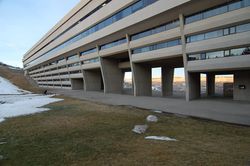
Michelangelo Sabatino, chercheur en résidence 2011, offre un tour d’horizon de ses recherches en cours sur la contribution d’Arthur Erickson au façonnement de la ville du XXe siècle. Cliquez ici pour lévénement Facebook.
Michelangelo Sabatino, chercheur en résidence 2011, offre un tour d’horizon de ses recherches en cours sur la contribution d’Arthur Erickson au façonnement de la ville du XXe siècle. Cliquez ici pour lévénement Facebook.
Localisation:
Maison Shaughnessy
Presenté en anglais Mot(s)-clé(s):
Michelangelo Sabatino, séminaire de chercheur en résidence
Maison Shaughnessy
Presenté en anglais Mot(s)-clé(s):
Michelangelo Sabatino, séminaire de chercheur en résidence
Date:
11 août 2011, 18h
11 août 2011, 18h
Titre:
Séminaire de chercheur en résidence : Michelangelo Sabatino
Actions:
Description:
Michelangelo Sabatino, chercheur en résidence 2011, offre un tour d’horizon de ses recherches en cours sur la contribution d’Arthur Erickson au façonnement de la ville du XXe siècle. Cliquez ici pour lévénement Facebook.
Séminaire de chercheur en résidence : Michelangelo Sabatino
Actions:
Description:
Michelangelo Sabatino, chercheur en résidence 2011, offre un tour d’horizon de ses recherches en cours sur la contribution d’Arthur Erickson au façonnement de la ville du XXe siècle. Cliquez ici pour lévénement Facebook.
Classification:
événements
événements
Date:
11 août 2011
18h
11 août 2011
18h
Localisation:
Maison Shaughnessy
Presenté en anglais Mot(s)-clé(s):
Michelangelo Sabatino, séminaire de chercheur en résidence
Maison Shaughnessy
Presenté en anglais Mot(s)-clé(s):
Michelangelo Sabatino, séminaire de chercheur en résidence
Classification:
livres, photographies
livres, photographies
Actions:
Numéro de référence:
PH1987:1301:001-020
Description:
- Contemporary binding consists of grey paper-covered boards with a black leather spine. There is a gold gilt inscription on the spine and black imprinted inscriptions on the cover. Endpages are of white brownish white paper. The book is comprised of a tile page, 4 pages of text, a list of photographs and 20 photographs.
PH1987:1301:001-020
Description:
- Contemporary binding consists of grey paper-covered boards with a black leather spine. There is a gold gilt inscription on the spine and black imprinted inscriptions on the cover. Endpages are of white brownish white paper. The book is comprised of a tile page, 4 pages of text, a list of photographs and 20 photographs.
Personnes et institutions:
Sujet:
architecture, sculpture
architecture, sculpture
Date:
published 1868
published 1868
Titre:
The Cathedral of Santiago de Compostella [sic] in Spain: Showing especially the Sculpture of the Portico de la Gloria, By Mestre Mateo
Actions:
PH1987:1301:001-020
Description:
- Contemporary binding consists of grey paper-covered boards with a black leather spine. There is a gold gilt inscription on the spine and black imprinted inscriptions on the cover. Endpages are of white brownish white paper. The book is comprised of a tile page, 4 pages of text, a list of photographs and 20 photographs.
The Cathedral of Santiago de Compostella [sic] in Spain: Showing especially the Sculpture of the Portico de la Gloria, By Mestre Mateo
Actions:
PH1987:1301:001-020
Description:
- Contemporary binding consists of grey paper-covered boards with a black leather spine. There is a gold gilt inscription on the spine and black imprinted inscriptions on the cover. Endpages are of white brownish white paper. The book is comprised of a tile page, 4 pages of text, a list of photographs and 20 photographs.
Classification:
livres, photographies
livres, photographies
Date:
published 1868
published 1868
Personnes et institutions:
Sujet:
architecture, sculpture
architecture, sculpture


