


40924 Résultats
Classification:
expositions
expositions
Actions:
Description:
Dans leurs carnets, les architectes notent leurs premières réactions devant un site et leurs impressions de voyage. Ils esquissent des croquis, organisent leur travail, ébauchent de nouvelles conceptions, proposent des solutions, rédigent des brouillons d’essais, de conférences et de lettres; ils prennent des notes de recherche ou recopient des passages d’ouvrages qui les(...)
Dans leurs carnets, les architectes notent leurs premières réactions devant un site et leurs impressions de voyage. Ils esquissent des croquis, organisent leur travail, ébauchent de nouvelles conceptions, proposent des solutions, rédigent des brouillons d’essais, de conférences et de lettres; ils prennent des notes de recherche ou recopient des passages d’ouvrages qui les(...)
Localisation:
Vitrines
Vitrines
Date:
26 février 1992 au 24 mai 1992
26 février 1992 au 24 mai 1992
Titre:
Actualité du carnet d'architecte
Actions:
Description:
Dans leurs carnets, les architectes notent leurs premières réactions devant un site et leurs impressions de voyage. Ils esquissent des croquis, organisent leur travail, ébauchent de nouvelles conceptions, proposent des solutions, rédigent des brouillons d’essais, de conférences et de lettres; ils prennent des notes de recherche ou recopient des passages d’ouvrages qui les(...)
Actualité du carnet d'architecte
Actions:
Description:
Dans leurs carnets, les architectes notent leurs premières réactions devant un site et leurs impressions de voyage. Ils esquissent des croquis, organisent leur travail, ébauchent de nouvelles conceptions, proposent des solutions, rédigent des brouillons d’essais, de conférences et de lettres; ils prennent des notes de recherche ou recopient des passages d’ouvrages qui les(...)
Classification:
expositions
expositions
Date:
26 février 1992 au
24 mai 1992
26 février 1992 au
24 mai 1992
Localisation:
Vitrines
Vitrines
Classification:
expositions
expositions
Actions:
Description:
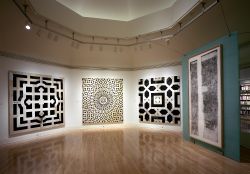
L’exposition présente la quête de l’architecte américain Ben Nicholson pour l’ordre, le sens et la logique dans un monde où se mêlent art, science et mystère. La bibliothèque Laurentienne de Florence, un chef-d’œuvre conçu par Michel-Ange en 1524-1525, possède quinze paires de panneaux de terre cuite ornés de motifs géométriques complexes, panneaux qui furent longtemps(...)
L’exposition présente la quête de l’architecte américain Ben Nicholson pour l’ordre, le sens et la logique dans un monde où se mêlent art, science et mystère. La bibliothèque Laurentienne de Florence, un chef-d’œuvre conçu par Michel-Ange en 1524-1525, possède quinze paires de panneaux de terre cuite ornés de motifs géométriques complexes, panneaux qui furent longtemps(...)
Localisation:
Salle octogonale
Salle octogonale
Date:
11 décembre 1996 au 9 mars 1997
11 décembre 1996 au 9 mars 1997
Titre:
Découvrir la géométrie : Ben Nicholson et la bibliothèque Laurentienne
Actions:
Description:
L’exposition présente la quête de l’architecte américain Ben Nicholson pour l’ordre, le sens et la logique dans un monde où se mêlent art, science et mystère. La bibliothèque Laurentienne de Florence, un chef-d’œuvre conçu par Michel-Ange en 1524-1525, possède quinze paires de panneaux de terre cuite ornés de motifs géométriques complexes, panneaux qui furent longtemps(...)
Découvrir la géométrie : Ben Nicholson et la bibliothèque Laurentienne
Actions:
Description:
L’exposition présente la quête de l’architecte américain Ben Nicholson pour l’ordre, le sens et la logique dans un monde où se mêlent art, science et mystère. La bibliothèque Laurentienne de Florence, un chef-d’œuvre conçu par Michel-Ange en 1524-1525, possède quinze paires de panneaux de terre cuite ornés de motifs géométriques complexes, panneaux qui furent longtemps(...)
Classification:
expositions
expositions
Date:
11 décembre 1996 au
9 mars 1997
11 décembre 1996 au
9 mars 1997
Localisation:
Salle octogonale
Salle octogonale
Classification:
événements
événements
Actions:
Description:
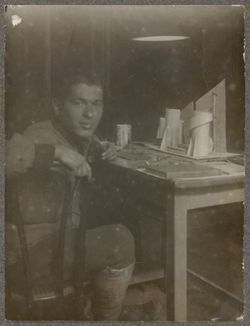
La chercheure en résidence Aglaya Glebova présente sa recherche : Les Vkhutemas, ateliers supérieurs d’art et de technique, étaient financés par l’état afin de préparer une nouvelle génération d’artistes et d’architectes révolutionnaires à bâtir une modernité proprement soviétique. Dissoute par suite de pression politique en 1930, l’école n’a jamais disposé d’un(...)
La chercheure en résidence Aglaya Glebova présente sa recherche : Les Vkhutemas, ateliers supérieurs d’art et de technique, étaient financés par l’état afin de préparer une nouvelle génération d’artistes et d’architectes révolutionnaires à bâtir une modernité proprement soviétique. Dissoute par suite de pression politique en 1930, l’école n’a jamais disposé d’un(...)
Localisation:
Maison Shaughnessy
Maison Shaughnessy
Date:
29 juin 2017, 18h
29 juin 2017, 18h
Titre:
Séminaire de chercheur en résidence : Aglaya Glebova
Actions:
Description:
La chercheure en résidence Aglaya Glebova présente sa recherche : Les Vkhutemas, ateliers supérieurs d’art et de technique, étaient financés par l’état afin de préparer une nouvelle génération d’artistes et d’architectes révolutionnaires à bâtir une modernité proprement soviétique. Dissoute par suite de pression politique en 1930, l’école n’a jamais disposé d’un(...)
Séminaire de chercheur en résidence : Aglaya Glebova
Actions:
Description:
La chercheure en résidence Aglaya Glebova présente sa recherche : Les Vkhutemas, ateliers supérieurs d’art et de technique, étaient financés par l’état afin de préparer une nouvelle génération d’artistes et d’architectes révolutionnaires à bâtir une modernité proprement soviétique. Dissoute par suite de pression politique en 1930, l’école n’a jamais disposé d’un(...)
Classification:
événements
événements
Date:
29 juin 2017
18h
29 juin 2017
18h
Localisation:
Maison Shaughnessy
Maison Shaughnessy
Niveau de description archivistique:
Sous-série
Sous-série
Titre:
Education
Education
Numéro de référence:
CI001.S1.D1
Description:
Hubert Rohault de Fleury studied under Jean-Nicolas-Louis Durand at the École polytechnique and with Julien-David Leroy at the École des beaux-arts. The confluence of their respective pedagogies is evident in albums DR1974:0002:012:001-049 and DR1974:0002:013:001-008 where Durand's` "rationalized" methodology of design is applied to Leroy's vocabulary of antiquity(1). Hubert's two albums of student drawings for the École des Beaux-Arts (DR1974:0002:012:001-049 and DR1974:0002:013:001-008) are complimentary. The former contains competition drawings and programmes for the monthly competitions (Concours d'emulation) as well as drawing, prints, and programmes for the 1800 (2e), 1801, and 1802 (1er) Grand Prix competitions, each of which trace the entire process from "Concours d'essai" and "esquisse", up to and including, studies for final renderings. The latter album contains large-scale final renderings for the 1800, 1801, and possibly the 1798 Grand prix competitions. As in Durand's "mecanisme de la composition", Hubert proceeds from the simple to the complex, often utilizing the graph paper or hand drawn grid particular to Durand's design methodology (codified in his book 'Precis des Lecons' 1802). This process is readily apparent in both Hubert's "Concours d'emulation" drawings, and, more completely, in the drawings for the Grand Prix competitions. The studies for Hubert's winning 1802 Grand Prix entry for a'Foire' indicate that he isolated and studied different building types before combining them into the unified complex evident in his final renderings. The original final renderings of the Grand Prix winners were kept by the École des beaux-arts. Album DR1974:0002:012:001-049 contains only the prints of the final renderings. The success of Hubert in the Grand Prix competitions is not surprising. His large wash final renderings for the 1800 and 1801 competitions (DR1974:0002:013:001-008) indicate that the neo-classical simplicity then favoured by the judges at the École des beaux-arts dovetailed with the notions of economy implicit in Durand's functionalist approach to design. (1) Barry Bergdoll, "Hubert Rohault de Fleury: Architectural Education", 'CCA Research Report', n.d.
CI001.S1.D1
Description:
Hubert Rohault de Fleury studied under Jean-Nicolas-Louis Durand at the École polytechnique and with Julien-David Leroy at the École des beaux-arts. The confluence of their respective pedagogies is evident in albums DR1974:0002:012:001-049 and DR1974:0002:013:001-008 where Durand's` "rationalized" methodology of design is applied to Leroy's vocabulary of antiquity(1). Hubert's two albums of student drawings for the École des Beaux-Arts (DR1974:0002:012:001-049 and DR1974:0002:013:001-008) are complimentary. The former contains competition drawings and programmes for the monthly competitions (Concours d'emulation) as well as drawing, prints, and programmes for the 1800 (2e), 1801, and 1802 (1er) Grand Prix competitions, each of which trace the entire process from "Concours d'essai" and "esquisse", up to and including, studies for final renderings. The latter album contains large-scale final renderings for the 1800, 1801, and possibly the 1798 Grand prix competitions. As in Durand's "mecanisme de la composition", Hubert proceeds from the simple to the complex, often utilizing the graph paper or hand drawn grid particular to Durand's design methodology (codified in his book 'Precis des Lecons' 1802). This process is readily apparent in both Hubert's "Concours d'emulation" drawings, and, more completely, in the drawings for the Grand Prix competitions. The studies for Hubert's winning 1802 Grand Prix entry for a'Foire' indicate that he isolated and studied different building types before combining them into the unified complex evident in his final renderings. The original final renderings of the Grand Prix winners were kept by the École des beaux-arts. Album DR1974:0002:012:001-049 contains only the prints of the final renderings. The success of Hubert in the Grand Prix competitions is not surprising. His large wash final renderings for the 1800 and 1801 competitions (DR1974:0002:013:001-008) indicate that the neo-classical simplicity then favoured by the judges at the École des beaux-arts dovetailed with the notions of economy implicit in Durand's functionalist approach to design. (1) Barry Bergdoll, "Hubert Rohault de Fleury: Architectural Education", 'CCA Research Report', n.d.
Personnes et institutions:
Date:
1800-1807
1800-1807
Titre:
Education
CI001.S1.D1
Description:
Hubert Rohault de Fleury studied under Jean-Nicolas-Louis Durand at the École polytechnique and with Julien-David Leroy at the École des beaux-arts. The confluence of their respective pedagogies is evident in albums DR1974:0002:012:001-049 and DR1974:0002:013:001-008 where Durand's` "rationalized" methodology of design is applied to Leroy's vocabulary of antiquity(1). Hubert's two albums of student drawings for the École des Beaux-Arts (DR1974:0002:012:001-049 and DR1974:0002:013:001-008) are complimentary. The former contains competition drawings and programmes for the monthly competitions (Concours d'emulation) as well as drawing, prints, and programmes for the 1800 (2e), 1801, and 1802 (1er) Grand Prix competitions, each of which trace the entire process from "Concours d'essai" and "esquisse", up to and including, studies for final renderings. The latter album contains large-scale final renderings for the 1800, 1801, and possibly the 1798 Grand prix competitions. As in Durand's "mecanisme de la composition", Hubert proceeds from the simple to the complex, often utilizing the graph paper or hand drawn grid particular to Durand's design methodology (codified in his book 'Precis des Lecons' 1802). This process is readily apparent in both Hubert's "Concours d'emulation" drawings, and, more completely, in the drawings for the Grand Prix competitions. The studies for Hubert's winning 1802 Grand Prix entry for a'Foire' indicate that he isolated and studied different building types before combining them into the unified complex evident in his final renderings. The original final renderings of the Grand Prix winners were kept by the École des beaux-arts. Album DR1974:0002:012:001-049 contains only the prints of the final renderings. The success of Hubert in the Grand Prix competitions is not surprising. His large wash final renderings for the 1800 and 1801 competitions (DR1974:0002:013:001-008) indicate that the neo-classical simplicity then favoured by the judges at the École des beaux-arts dovetailed with the notions of economy implicit in Durand's functionalist approach to design. (1) Barry Bergdoll, "Hubert Rohault de Fleury: Architectural Education", 'CCA Research Report', n.d.
Education
CI001.S1.D1
Description:
Hubert Rohault de Fleury studied under Jean-Nicolas-Louis Durand at the École polytechnique and with Julien-David Leroy at the École des beaux-arts. The confluence of their respective pedagogies is evident in albums DR1974:0002:012:001-049 and DR1974:0002:013:001-008 where Durand's` "rationalized" methodology of design is applied to Leroy's vocabulary of antiquity(1). Hubert's two albums of student drawings for the École des Beaux-Arts (DR1974:0002:012:001-049 and DR1974:0002:013:001-008) are complimentary. The former contains competition drawings and programmes for the monthly competitions (Concours d'emulation) as well as drawing, prints, and programmes for the 1800 (2e), 1801, and 1802 (1er) Grand Prix competitions, each of which trace the entire process from "Concours d'essai" and "esquisse", up to and including, studies for final renderings. The latter album contains large-scale final renderings for the 1800, 1801, and possibly the 1798 Grand prix competitions. As in Durand's "mecanisme de la composition", Hubert proceeds from the simple to the complex, often utilizing the graph paper or hand drawn grid particular to Durand's design methodology (codified in his book 'Precis des Lecons' 1802). This process is readily apparent in both Hubert's "Concours d'emulation" drawings, and, more completely, in the drawings for the Grand Prix competitions. The studies for Hubert's winning 1802 Grand Prix entry for a'Foire' indicate that he isolated and studied different building types before combining them into the unified complex evident in his final renderings. The original final renderings of the Grand Prix winners were kept by the École des beaux-arts. Album DR1974:0002:012:001-049 contains only the prints of the final renderings. The success of Hubert in the Grand Prix competitions is not surprising. His large wash final renderings for the 1800 and 1801 competitions (DR1974:0002:013:001-008) indicate that the neo-classical simplicity then favoured by the judges at the École des beaux-arts dovetailed with the notions of economy implicit in Durand's functionalist approach to design. (1) Barry Bergdoll, "Hubert Rohault de Fleury: Architectural Education", 'CCA Research Report', n.d.
Niveau de description archivistique:
File 1
File 1
Date:
1800-1807
1800-1807
Personnes et institutions:
Classification:
photographies
photographies
Titre:
Our Old Home
Our Old Home
Actions:
Numéro de référence:
PH1979:0602.01
Description:
Nathaniel Hawthorne was born in 1804 in Salem, Massachusetts. He started writing seriously in 1846 and spent the years 1853 to 1857 in England as the American Consul in Liverpool. The collection of essays that constitute 'Our Old Home' comes from the journals he kept during his stay in England. After spending two years in Italy he returned to the United States and completed his final novel, 'The Marble Faun' and 'Our Old Home'. This 279-page book comprises 16 photogravures. Title page: Our Old Home by Nathaniel Hawthorne annotated with passages from the author's note-book, and illustrated with photogravures. Volume I. Cambridge printed at the Riverside Press MDCCCXCI. Verso of title page: Copyright,1863, by Nathaniel Hawthorne. Copyright, 1870, by Sophia Hawthorne Copyright, 1883, 1890, by Houghton, Mifflin & Co. All rights reserved. Two hundred and fifty copies printed. No. 69 Contents and list of illustations: Nathaniel Hawthorne - Frontispiece CONSULAR EXPERIENCES A Street in Leamington Warwick Castle and the Country around A Devonshire Farmhouse ABOUT WARWICK Arched Bridge over the Avon, showing Warwick Castle Leicester Hospital and West Gate, Warwick RECOLLECTING OF A GIFTED WOMAN A Country Lane The room in which Shakespeare was born Delia Bacon Charlecote Hall LICHFIELD AND UTTOXETER Lichfield Cathedral from the West Statue of Dr. Johnson, St. Mary's Square, Lichfield PILGRIMAGE TO OLD BOSTON Lincoln Cathedral Salisbury Cathedral and Bishop's Palace Roman Arch, Lincoln St. Botolph's Tower, Old Boston
PH1979:0602.01
Description:
Nathaniel Hawthorne was born in 1804 in Salem, Massachusetts. He started writing seriously in 1846 and spent the years 1853 to 1857 in England as the American Consul in Liverpool. The collection of essays that constitute 'Our Old Home' comes from the journals he kept during his stay in England. After spending two years in Italy he returned to the United States and completed his final novel, 'The Marble Faun' and 'Our Old Home'. This 279-page book comprises 16 photogravures. Title page: Our Old Home by Nathaniel Hawthorne annotated with passages from the author's note-book, and illustrated with photogravures. Volume I. Cambridge printed at the Riverside Press MDCCCXCI. Verso of title page: Copyright,1863, by Nathaniel Hawthorne. Copyright, 1870, by Sophia Hawthorne Copyright, 1883, 1890, by Houghton, Mifflin & Co. All rights reserved. Two hundred and fifty copies printed. No. 69 Contents and list of illustations: Nathaniel Hawthorne - Frontispiece CONSULAR EXPERIENCES A Street in Leamington Warwick Castle and the Country around A Devonshire Farmhouse ABOUT WARWICK Arched Bridge over the Avon, showing Warwick Castle Leicester Hospital and West Gate, Warwick RECOLLECTING OF A GIFTED WOMAN A Country Lane The room in which Shakespeare was born Delia Bacon Charlecote Hall LICHFIELD AND UTTOXETER Lichfield Cathedral from the West Statue of Dr. Johnson, St. Mary's Square, Lichfield PILGRIMAGE TO OLD BOSTON Lincoln Cathedral Salisbury Cathedral and Bishop's Palace Roman Arch, Lincoln St. Botolph's Tower, Old Boston
Personnes et institutions:
Sujet:
architecture
architecture
Date:
1891
1891
Titre:
Our Old Home
Actions:
PH1979:0602.01
Description:
Nathaniel Hawthorne was born in 1804 in Salem, Massachusetts. He started writing seriously in 1846 and spent the years 1853 to 1857 in England as the American Consul in Liverpool. The collection of essays that constitute 'Our Old Home' comes from the journals he kept during his stay in England. After spending two years in Italy he returned to the United States and completed his final novel, 'The Marble Faun' and 'Our Old Home'. This 279-page book comprises 16 photogravures. Title page: Our Old Home by Nathaniel Hawthorne annotated with passages from the author's note-book, and illustrated with photogravures. Volume I. Cambridge printed at the Riverside Press MDCCCXCI. Verso of title page: Copyright,1863, by Nathaniel Hawthorne. Copyright, 1870, by Sophia Hawthorne Copyright, 1883, 1890, by Houghton, Mifflin & Co. All rights reserved. Two hundred and fifty copies printed. No. 69 Contents and list of illustations: Nathaniel Hawthorne - Frontispiece CONSULAR EXPERIENCES A Street in Leamington Warwick Castle and the Country around A Devonshire Farmhouse ABOUT WARWICK Arched Bridge over the Avon, showing Warwick Castle Leicester Hospital and West Gate, Warwick RECOLLECTING OF A GIFTED WOMAN A Country Lane The room in which Shakespeare was born Delia Bacon Charlecote Hall LICHFIELD AND UTTOXETER Lichfield Cathedral from the West Statue of Dr. Johnson, St. Mary's Square, Lichfield PILGRIMAGE TO OLD BOSTON Lincoln Cathedral Salisbury Cathedral and Bishop's Palace Roman Arch, Lincoln St. Botolph's Tower, Old Boston
Our Old Home
Actions:
PH1979:0602.01
Description:
Nathaniel Hawthorne was born in 1804 in Salem, Massachusetts. He started writing seriously in 1846 and spent the years 1853 to 1857 in England as the American Consul in Liverpool. The collection of essays that constitute 'Our Old Home' comes from the journals he kept during his stay in England. After spending two years in Italy he returned to the United States and completed his final novel, 'The Marble Faun' and 'Our Old Home'. This 279-page book comprises 16 photogravures. Title page: Our Old Home by Nathaniel Hawthorne annotated with passages from the author's note-book, and illustrated with photogravures. Volume I. Cambridge printed at the Riverside Press MDCCCXCI. Verso of title page: Copyright,1863, by Nathaniel Hawthorne. Copyright, 1870, by Sophia Hawthorne Copyright, 1883, 1890, by Houghton, Mifflin & Co. All rights reserved. Two hundred and fifty copies printed. No. 69 Contents and list of illustations: Nathaniel Hawthorne - Frontispiece CONSULAR EXPERIENCES A Street in Leamington Warwick Castle and the Country around A Devonshire Farmhouse ABOUT WARWICK Arched Bridge over the Avon, showing Warwick Castle Leicester Hospital and West Gate, Warwick RECOLLECTING OF A GIFTED WOMAN A Country Lane The room in which Shakespeare was born Delia Bacon Charlecote Hall LICHFIELD AND UTTOXETER Lichfield Cathedral from the West Statue of Dr. Johnson, St. Mary's Square, Lichfield PILGRIMAGE TO OLD BOSTON Lincoln Cathedral Salisbury Cathedral and Bishop's Palace Roman Arch, Lincoln St. Botolph's Tower, Old Boston
Classification:
photographies
photographies
Date:
1891
1891
Personnes et institutions:
Sujet:
architecture
architecture
Niveau de description archivistique:
Série(s)
Série(s)
Numéro de référence:
AP168.S1
Description:
The Project records from Neil Denari series, 1994 – 2004, consists of records produced by Denari for his show “Interrupted Projections” at Gallery MA in Tokyo, Japan. It documents the development and final design for the principal architectural installation built on the third level of the gallery, as well as related materials displayed on the gallery’s fourth floor. The series also contains photographic and video documentation of the exhibit, the show catalogue, and promotional materials. The series includes 4003 digital files (1 GB), 53 slides, 21 transparencies, seven drawings and/or reprographic copies, two VHS video cassettes, one exhibition catalogue, and a small amount of promotional material comprising one large and two small posters, one postcard, and one t-shirt. The majority of records date from 1994-1996. Denari used a combination of physical drawings and digital modelling to draft the design for Interrupted Projections. The series contains one ink drawing and one transfer print with plans and sections of the third floor gallery space, two reprographic copies of drawings with elevations and plans of existing conditions of the third and fourth floors at Gallery MA, and three graphite hand drawings of the installation. Digital files in the series include two original Softimage databases containing full and partial 3D models of the installation, as well as one forward-migrated database containing models compiled from the two original databases. The original models were created in Softimage ’95 on Windows NT and will not open in contemporary versions of Autodesk Softimage. The forward-migrated model database was created by members of Autodesk’s Montreal office for the Archaeology of the Digital exhibition Complexity and Convention and will open in Softimage 2014. Each Softimage model database is made up of several directories that contain information necessary to render all models and their animation into a “scene” (such as textures, lighting, camera movements, etc.). When the Interrupted Projections models were migrated, the information from all directories in both original databases was compiled into the Scenes directory of a single database. These updated scene files (SCN) contain all the elements needed to render the models without the need for additional directories. Each scene file has a corresponding scene TOC file (scene table of content), which can be used to further modify the information in the scene. Scene files in the migrated database contain full and partial models for Interrupted Projections, including one animated scene that follows a camera path through the interior and exterior of the final model. These files document the various stages of design work for the project, as well as Denari’s use of animation features in Softimage to visualize and study the spatial character of his drawings. Project collaborator Duks Koschitz created additional animations of the model that were edited and shown on the fourth floor of the exhibition. A compilation of his work is included on a VHS tape in the archive. The video, which spans one minute 16 seconds, contains four animations that move around the 3D gallery space. Koschitz attempted to reflect the concerns of the project in the movements of the camera, focusing on details such as the fictional company logos or curvatures in the surface of the model. The majority of photographic materials in the series are digital renderings of the model, comprising 38 slides, 14 diapositives, and seven digital images. Photographic materials also include images of the completed show, including seven diapositives that document the built work from various views on the third floor of Gallery MA, as well as the exhibition of materials on the fourth floor. A small number of slides document the exhibit open to the public, and include images of visitors interacting with the Sony Navicam. Most of the diapositive photographs and a small number of slides were taken by Fujitsuka Mitsumasa, a photographer of architecture based in Tokyo. A second VHS tape in the archive provides in-depth documentation of the Interrupted Projections exhibition, containing 45 minutes of raw video footage that explores Gallery MA and surrounding areas of Tokyo. The Interrupted Projections book contains in print the text and images from the installation and website. It was written by Denari and designed by Michiharu Shimoda, a graphic designer and underground trip-hop artist who was also responsible for the design of the fictional logos used in the exhibit. The book acts as an extension of the content of the show, as well as exhibition catalogue, and covers Denari’s other projects represented in the show. The series also contains a small amount of promotional media for Interrupted Projections, including one large and two small posters, a postcard, and a t-shirt.
AP168.S1
Description:
The Project records from Neil Denari series, 1994 – 2004, consists of records produced by Denari for his show “Interrupted Projections” at Gallery MA in Tokyo, Japan. It documents the development and final design for the principal architectural installation built on the third level of the gallery, as well as related materials displayed on the gallery’s fourth floor. The series also contains photographic and video documentation of the exhibit, the show catalogue, and promotional materials. The series includes 4003 digital files (1 GB), 53 slides, 21 transparencies, seven drawings and/or reprographic copies, two VHS video cassettes, one exhibition catalogue, and a small amount of promotional material comprising one large and two small posters, one postcard, and one t-shirt. The majority of records date from 1994-1996. Denari used a combination of physical drawings and digital modelling to draft the design for Interrupted Projections. The series contains one ink drawing and one transfer print with plans and sections of the third floor gallery space, two reprographic copies of drawings with elevations and plans of existing conditions of the third and fourth floors at Gallery MA, and three graphite hand drawings of the installation. Digital files in the series include two original Softimage databases containing full and partial 3D models of the installation, as well as one forward-migrated database containing models compiled from the two original databases. The original models were created in Softimage ’95 on Windows NT and will not open in contemporary versions of Autodesk Softimage. The forward-migrated model database was created by members of Autodesk’s Montreal office for the Archaeology of the Digital exhibition Complexity and Convention and will open in Softimage 2014. Each Softimage model database is made up of several directories that contain information necessary to render all models and their animation into a “scene” (such as textures, lighting, camera movements, etc.). When the Interrupted Projections models were migrated, the information from all directories in both original databases was compiled into the Scenes directory of a single database. These updated scene files (SCN) contain all the elements needed to render the models without the need for additional directories. Each scene file has a corresponding scene TOC file (scene table of content), which can be used to further modify the information in the scene. Scene files in the migrated database contain full and partial models for Interrupted Projections, including one animated scene that follows a camera path through the interior and exterior of the final model. These files document the various stages of design work for the project, as well as Denari’s use of animation features in Softimage to visualize and study the spatial character of his drawings. Project collaborator Duks Koschitz created additional animations of the model that were edited and shown on the fourth floor of the exhibition. A compilation of his work is included on a VHS tape in the archive. The video, which spans one minute 16 seconds, contains four animations that move around the 3D gallery space. Koschitz attempted to reflect the concerns of the project in the movements of the camera, focusing on details such as the fictional company logos or curvatures in the surface of the model. The majority of photographic materials in the series are digital renderings of the model, comprising 38 slides, 14 diapositives, and seven digital images. Photographic materials also include images of the completed show, including seven diapositives that document the built work from various views on the third floor of Gallery MA, as well as the exhibition of materials on the fourth floor. A small number of slides document the exhibit open to the public, and include images of visitors interacting with the Sony Navicam. Most of the diapositive photographs and a small number of slides were taken by Fujitsuka Mitsumasa, a photographer of architecture based in Tokyo. A second VHS tape in the archive provides in-depth documentation of the Interrupted Projections exhibition, containing 45 minutes of raw video footage that explores Gallery MA and surrounding areas of Tokyo. The Interrupted Projections book contains in print the text and images from the installation and website. It was written by Denari and designed by Michiharu Shimoda, a graphic designer and underground trip-hop artist who was also responsible for the design of the fictional logos used in the exhibit. The book acts as an extension of the content of the show, as well as exhibition catalogue, and covers Denari’s other projects represented in the show. The series also contains a small amount of promotional media for Interrupted Projections, including one large and two small posters, a postcard, and a t-shirt.
Personnes et institutions:
Date:
1994 - 2004
1994 - 2004
Titre:
Project records from Neil Denari
Actions:
AP168.S1
Description:
The Project records from Neil Denari series, 1994 – 2004, consists of records produced by Denari for his show “Interrupted Projections” at Gallery MA in Tokyo, Japan. It documents the development and final design for the principal architectural installation built on the third level of the gallery, as well as related materials displayed on the gallery’s fourth floor. The series also contains photographic and video documentation of the exhibit, the show catalogue, and promotional materials. The series includes 4003 digital files (1 GB), 53 slides, 21 transparencies, seven drawings and/or reprographic copies, two VHS video cassettes, one exhibition catalogue, and a small amount of promotional material comprising one large and two small posters, one postcard, and one t-shirt. The majority of records date from 1994-1996. Denari used a combination of physical drawings and digital modelling to draft the design for Interrupted Projections. The series contains one ink drawing and one transfer print with plans and sections of the third floor gallery space, two reprographic copies of drawings with elevations and plans of existing conditions of the third and fourth floors at Gallery MA, and three graphite hand drawings of the installation. Digital files in the series include two original Softimage databases containing full and partial 3D models of the installation, as well as one forward-migrated database containing models compiled from the two original databases. The original models were created in Softimage ’95 on Windows NT and will not open in contemporary versions of Autodesk Softimage. The forward-migrated model database was created by members of Autodesk’s Montreal office for the Archaeology of the Digital exhibition Complexity and Convention and will open in Softimage 2014. Each Softimage model database is made up of several directories that contain information necessary to render all models and their animation into a “scene” (such as textures, lighting, camera movements, etc.). When the Interrupted Projections models were migrated, the information from all directories in both original databases was compiled into the Scenes directory of a single database. These updated scene files (SCN) contain all the elements needed to render the models without the need for additional directories. Each scene file has a corresponding scene TOC file (scene table of content), which can be used to further modify the information in the scene. Scene files in the migrated database contain full and partial models for Interrupted Projections, including one animated scene that follows a camera path through the interior and exterior of the final model. These files document the various stages of design work for the project, as well as Denari’s use of animation features in Softimage to visualize and study the spatial character of his drawings. Project collaborator Duks Koschitz created additional animations of the model that were edited and shown on the fourth floor of the exhibition. A compilation of his work is included on a VHS tape in the archive. The video, which spans one minute 16 seconds, contains four animations that move around the 3D gallery space. Koschitz attempted to reflect the concerns of the project in the movements of the camera, focusing on details such as the fictional company logos or curvatures in the surface of the model. The majority of photographic materials in the series are digital renderings of the model, comprising 38 slides, 14 diapositives, and seven digital images. Photographic materials also include images of the completed show, including seven diapositives that document the built work from various views on the third floor of Gallery MA, as well as the exhibition of materials on the fourth floor. A small number of slides document the exhibit open to the public, and include images of visitors interacting with the Sony Navicam. Most of the diapositive photographs and a small number of slides were taken by Fujitsuka Mitsumasa, a photographer of architecture based in Tokyo. A second VHS tape in the archive provides in-depth documentation of the Interrupted Projections exhibition, containing 45 minutes of raw video footage that explores Gallery MA and surrounding areas of Tokyo. The Interrupted Projections book contains in print the text and images from the installation and website. It was written by Denari and designed by Michiharu Shimoda, a graphic designer and underground trip-hop artist who was also responsible for the design of the fictional logos used in the exhibit. The book acts as an extension of the content of the show, as well as exhibition catalogue, and covers Denari’s other projects represented in the show. The series also contains a small amount of promotional media for Interrupted Projections, including one large and two small posters, a postcard, and a t-shirt.
Project records from Neil Denari
Actions:
AP168.S1
Description:
The Project records from Neil Denari series, 1994 – 2004, consists of records produced by Denari for his show “Interrupted Projections” at Gallery MA in Tokyo, Japan. It documents the development and final design for the principal architectural installation built on the third level of the gallery, as well as related materials displayed on the gallery’s fourth floor. The series also contains photographic and video documentation of the exhibit, the show catalogue, and promotional materials. The series includes 4003 digital files (1 GB), 53 slides, 21 transparencies, seven drawings and/or reprographic copies, two VHS video cassettes, one exhibition catalogue, and a small amount of promotional material comprising one large and two small posters, one postcard, and one t-shirt. The majority of records date from 1994-1996. Denari used a combination of physical drawings and digital modelling to draft the design for Interrupted Projections. The series contains one ink drawing and one transfer print with plans and sections of the third floor gallery space, two reprographic copies of drawings with elevations and plans of existing conditions of the third and fourth floors at Gallery MA, and three graphite hand drawings of the installation. Digital files in the series include two original Softimage databases containing full and partial 3D models of the installation, as well as one forward-migrated database containing models compiled from the two original databases. The original models were created in Softimage ’95 on Windows NT and will not open in contemporary versions of Autodesk Softimage. The forward-migrated model database was created by members of Autodesk’s Montreal office for the Archaeology of the Digital exhibition Complexity and Convention and will open in Softimage 2014. Each Softimage model database is made up of several directories that contain information necessary to render all models and their animation into a “scene” (such as textures, lighting, camera movements, etc.). When the Interrupted Projections models were migrated, the information from all directories in both original databases was compiled into the Scenes directory of a single database. These updated scene files (SCN) contain all the elements needed to render the models without the need for additional directories. Each scene file has a corresponding scene TOC file (scene table of content), which can be used to further modify the information in the scene. Scene files in the migrated database contain full and partial models for Interrupted Projections, including one animated scene that follows a camera path through the interior and exterior of the final model. These files document the various stages of design work for the project, as well as Denari’s use of animation features in Softimage to visualize and study the spatial character of his drawings. Project collaborator Duks Koschitz created additional animations of the model that were edited and shown on the fourth floor of the exhibition. A compilation of his work is included on a VHS tape in the archive. The video, which spans one minute 16 seconds, contains four animations that move around the 3D gallery space. Koschitz attempted to reflect the concerns of the project in the movements of the camera, focusing on details such as the fictional company logos or curvatures in the surface of the model. The majority of photographic materials in the series are digital renderings of the model, comprising 38 slides, 14 diapositives, and seven digital images. Photographic materials also include images of the completed show, including seven diapositives that document the built work from various views on the third floor of Gallery MA, as well as the exhibition of materials on the fourth floor. A small number of slides document the exhibit open to the public, and include images of visitors interacting with the Sony Navicam. Most of the diapositive photographs and a small number of slides were taken by Fujitsuka Mitsumasa, a photographer of architecture based in Tokyo. A second VHS tape in the archive provides in-depth documentation of the Interrupted Projections exhibition, containing 45 minutes of raw video footage that explores Gallery MA and surrounding areas of Tokyo. The Interrupted Projections book contains in print the text and images from the installation and website. It was written by Denari and designed by Michiharu Shimoda, a graphic designer and underground trip-hop artist who was also responsible for the design of the fictional logos used in the exhibit. The book acts as an extension of the content of the show, as well as exhibition catalogue, and covers Denari’s other projects represented in the show. The series also contains a small amount of promotional media for Interrupted Projections, including one large and two small posters, a postcard, and a t-shirt.
Niveau de description archivistique:
Series
Series
Date:
1994 - 2004
1994 - 2004
Personnes et institutions:
Classification:
archives
Niveau de description archivistique:
Fonds
archives
Niveau de description archivistique:
Fonds
Titre:
Fonds Peter Carter
Fonds Peter Carter
Numéro de référence:
AP047
Résumé:
The Peter Carter fonds, 1943-1996, documents the professional career of architect Peter Carter. The largest portion of the archive corresponds to projects Carter completed as principal of the office, Peter Carter Architect (1974-96). Materials in this fonds consist of 7263 drawings (including reprographic copies), 2007 photographic materials, approximately 65 panels, 3 l.m. of textual records, 26 models, 1 enclosing unit, 1 carpet sample, 1 graphic design layout for stationery letterhead, 1 brown oak sample, 1 window sample, 1 sign, 1 carioca stone, 1 travertine block and 1 grey carpet tile.
AP047
Résumé:
The Peter Carter fonds, 1943-1996, documents the professional career of architect Peter Carter. The largest portion of the archive corresponds to projects Carter completed as principal of the office, Peter Carter Architect (1974-96). Materials in this fonds consist of 7263 drawings (including reprographic copies), 2007 photographic materials, approximately 65 panels, 3 l.m. of textual records, 26 models, 1 enclosing unit, 1 carpet sample, 1 graphic design layout for stationery letterhead, 1 brown oak sample, 1 window sample, 1 sign, 1 carioca stone, 1 travertine block and 1 grey carpet tile.
Personnes et institutions:
Date:
1943-1996
1943-1996
Titre:
Fonds Peter Carter
Actions:
AP047
Résumé:
The Peter Carter fonds, 1943-1996, documents the professional career of architect Peter Carter. The largest portion of the archive corresponds to projects Carter completed as principal of the office, Peter Carter Architect (1974-96). Materials in this fonds consist of 7263 drawings (including reprographic copies), 2007 photographic materials, approximately 65 panels, 3 l.m. of textual records, 26 models, 1 enclosing unit, 1 carpet sample, 1 graphic design layout for stationery letterhead, 1 brown oak sample, 1 window sample, 1 sign, 1 carioca stone, 1 travertine block and 1 grey carpet tile.
Fonds Peter Carter
Actions:
AP047
Résumé:
The Peter Carter fonds, 1943-1996, documents the professional career of architect Peter Carter. The largest portion of the archive corresponds to projects Carter completed as principal of the office, Peter Carter Architect (1974-96). Materials in this fonds consist of 7263 drawings (including reprographic copies), 2007 photographic materials, approximately 65 panels, 3 l.m. of textual records, 26 models, 1 enclosing unit, 1 carpet sample, 1 graphic design layout for stationery letterhead, 1 brown oak sample, 1 window sample, 1 sign, 1 carioca stone, 1 travertine block and 1 grey carpet tile.
Classification:
archives
Niveau de description archivistique:
Fonds
archives
Niveau de description archivistique:
Fonds
Date:
1943-1996
1943-1996
Personnes et institutions:
Classification:
dessins, documents textuels, photographies
dessins, documents textuels, photographies
Numéro de référence:
DR1995:0255:252-381
Description:
symposium paper on marinas, clippings, extracts from papers and reports, promotional material, brochures, book titled 'Port-Grimaud et la Côte des Maures' (Grange Batelière, Paris) , magazine (periodical), mock-up of drawings for publication, government reports, regulations, booklet, maps, specifications, technical drawings, borehole test results, reference drawings, correspondence, publications, study, annual report, pamphlets, postcards, newspapers, photographs and contact sheet of area and site, postcards of local area and views, photographs and postcards of mono-rail and cable cars, including Expo 67 site, panoramic views of Two Tree Island, aerial photographs, original drawings, photographs, and texts on existing conditions and photographic survey, chapter of 'Logbook' titled '2 Existing characteristics', chart, and ordnance map showing photographic survey
DR1995:0255:252-381
Description:
symposium paper on marinas, clippings, extracts from papers and reports, promotional material, brochures, book titled 'Port-Grimaud et la Côte des Maures' (Grange Batelière, Paris) , magazine (periodical), mock-up of drawings for publication, government reports, regulations, booklet, maps, specifications, technical drawings, borehole test results, reference drawings, correspondence, publications, study, annual report, pamphlets, postcards, newspapers, photographs and contact sheet of area and site, postcards of local area and views, photographs and postcards of mono-rail and cable cars, including Expo 67 site, panoramic views of Two Tree Island, aerial photographs, original drawings, photographs, and texts on existing conditions and photographic survey, chapter of 'Logbook' titled '2 Existing characteristics', chart, and ordnance map showing photographic survey
Personnes et institutions:
Titre:
Symposium paper on marinas, clippings, extracts from papers and reports
Actions:
DR1995:0255:252-381
Description:
symposium paper on marinas, clippings, extracts from papers and reports, promotional material, brochures, book titled 'Port-Grimaud et la Côte des Maures' (Grange Batelière, Paris) , magazine (periodical), mock-up of drawings for publication, government reports, regulations, booklet, maps, specifications, technical drawings, borehole test results, reference drawings, correspondence, publications, study, annual report, pamphlets, postcards, newspapers, photographs and contact sheet of area and site, postcards of local area and views, photographs and postcards of mono-rail and cable cars, including Expo 67 site, panoramic views of Two Tree Island, aerial photographs, original drawings, photographs, and texts on existing conditions and photographic survey, chapter of 'Logbook' titled '2 Existing characteristics', chart, and ordnance map showing photographic survey
Symposium paper on marinas, clippings, extracts from papers and reports
Actions:
DR1995:0255:252-381
Description:
symposium paper on marinas, clippings, extracts from papers and reports, promotional material, brochures, book titled 'Port-Grimaud et la Côte des Maures' (Grange Batelière, Paris) , magazine (periodical), mock-up of drawings for publication, government reports, regulations, booklet, maps, specifications, technical drawings, borehole test results, reference drawings, correspondence, publications, study, annual report, pamphlets, postcards, newspapers, photographs and contact sheet of area and site, postcards of local area and views, photographs and postcards of mono-rail and cable cars, including Expo 67 site, panoramic views of Two Tree Island, aerial photographs, original drawings, photographs, and texts on existing conditions and photographic survey, chapter of 'Logbook' titled '2 Existing characteristics', chart, and ordnance map showing photographic survey
Classification:
dessins, documents textuels, photographies
dessins, documents textuels, photographies
Personnes et institutions:
Classification:
archives
Niveau de description archivistique:
Fonds
archives
Niveau de description archivistique:
Fonds
Titre:
Fonds Álvaro Siza
Fonds Álvaro Siza
Numéro de référence:
AP178
Description:
The Álvaro Siza fonds documents the architectural work of Portuguese architect Álvaro Siza. Records in this fonds document Siza’s projects from 1958-2012, including built and unbuilt designs. A collaborative project was established between the Canadian Centre for Architecture (CCA), Fundação de Serralves, and Fundação Calouste Gulbenkian to allow for international research and access to the archive. The archive is shared by the three institutions with each institution holding different projects while collaborating on the descriptive work and increasing the visibility of the archive. The holdings at both the Fundação de Serralves and Fundação Calouste Gulbenkian focus on Siza’s Portuguese projects, while the portion of the archive held by the CCA mainly includes Siza’s projects abroad. All three institutions are committed to describing the archive and making it accessible for scholarly research. The processing of the Siza archive held by the CCA has been divided into four phases to allow for access to parts of the archive while still in process. For the first, second, and third phases, the processing archivist has described the projects from the fifties, sixties, and seventies, as well as projects for the IBA competition in Berlin, urban renewal projects in The Hague from the eighties, urban plans, museums, and individual houses between 1980 and 2000. The processing archivist has also described approximately 203 sketchbooks. Many of these sketchbooks include sketches related to architectural projects which were processed. The complete list of projects processed by the CCA to date can be found in series AP178.S1. The bulk of the Álvaro Siza fonds is arranged in Series AP178.S1, which contains documentation for over 200 of Siza’s architectural projects. Records in this archive are predominantly from 1970 to 2000. Series AP178.S1 mainly contains conceptual, design development, presentation, and working drawings. Also included are photographic materials, models, born digital records, and textual documentation, which include correspondence, project proposals, and notes. The architect’s creative process is captured in 282 sketchbooks arranged in Series AP178.S2. In all there are approximately 60 000 drawings, 3000 folders of textual documentation, 9.46 linear meters of photographs and negatives, 6,545 slides, 250 CD-ROMS, 101 floppy disks, and 371 models that document the architectural activities of Siza and his office. Among the drawings are sketches by Siza on various items, such as napkins, receipts, envelopes, or on the back of working drawings. The fonds contains several types of architectural projects including residential buildings, museums, universities, urban plans, offices, and city restorations. Of particular significance are the sketchbooks, comprised of sketches for architectural projects, Siza’s travels, people, and animals as well as notes and draft letters. The sketchbooks are organized in chronological order, starting in the late 1970’s to the beginning of the 2000’s. Locations, notes, and dates have also been identified on the front of each sketchbook along with the sketchbook number. The sketchbooks provide a unique perspective of Siza’s use of drawing as part of his work process.
AP178
Description:
The Álvaro Siza fonds documents the architectural work of Portuguese architect Álvaro Siza. Records in this fonds document Siza’s projects from 1958-2012, including built and unbuilt designs. A collaborative project was established between the Canadian Centre for Architecture (CCA), Fundação de Serralves, and Fundação Calouste Gulbenkian to allow for international research and access to the archive. The archive is shared by the three institutions with each institution holding different projects while collaborating on the descriptive work and increasing the visibility of the archive. The holdings at both the Fundação de Serralves and Fundação Calouste Gulbenkian focus on Siza’s Portuguese projects, while the portion of the archive held by the CCA mainly includes Siza’s projects abroad. All three institutions are committed to describing the archive and making it accessible for scholarly research. The processing of the Siza archive held by the CCA has been divided into four phases to allow for access to parts of the archive while still in process. For the first, second, and third phases, the processing archivist has described the projects from the fifties, sixties, and seventies, as well as projects for the IBA competition in Berlin, urban renewal projects in The Hague from the eighties, urban plans, museums, and individual houses between 1980 and 2000. The processing archivist has also described approximately 203 sketchbooks. Many of these sketchbooks include sketches related to architectural projects which were processed. The complete list of projects processed by the CCA to date can be found in series AP178.S1. The bulk of the Álvaro Siza fonds is arranged in Series AP178.S1, which contains documentation for over 200 of Siza’s architectural projects. Records in this archive are predominantly from 1970 to 2000. Series AP178.S1 mainly contains conceptual, design development, presentation, and working drawings. Also included are photographic materials, models, born digital records, and textual documentation, which include correspondence, project proposals, and notes. The architect’s creative process is captured in 282 sketchbooks arranged in Series AP178.S2. In all there are approximately 60 000 drawings, 3000 folders of textual documentation, 9.46 linear meters of photographs and negatives, 6,545 slides, 250 CD-ROMS, 101 floppy disks, and 371 models that document the architectural activities of Siza and his office. Among the drawings are sketches by Siza on various items, such as napkins, receipts, envelopes, or on the back of working drawings. The fonds contains several types of architectural projects including residential buildings, museums, universities, urban plans, offices, and city restorations. Of particular significance are the sketchbooks, comprised of sketches for architectural projects, Siza’s travels, people, and animals as well as notes and draft letters. The sketchbooks are organized in chronological order, starting in the late 1970’s to the beginning of the 2000’s. Locations, notes, and dates have also been identified on the front of each sketchbook along with the sketchbook number. The sketchbooks provide a unique perspective of Siza’s use of drawing as part of his work process.
Personnes et institutions:
Date:
1958-2002
1958-2002
Titre:
Fonds Álvaro Siza
Actions:
AP178
Description:
The Álvaro Siza fonds documents the architectural work of Portuguese architect Álvaro Siza. Records in this fonds document Siza’s projects from 1958-2012, including built and unbuilt designs. A collaborative project was established between the Canadian Centre for Architecture (CCA), Fundação de Serralves, and Fundação Calouste Gulbenkian to allow for international research and access to the archive. The archive is shared by the three institutions with each institution holding different projects while collaborating on the descriptive work and increasing the visibility of the archive. The holdings at both the Fundação de Serralves and Fundação Calouste Gulbenkian focus on Siza’s Portuguese projects, while the portion of the archive held by the CCA mainly includes Siza’s projects abroad. All three institutions are committed to describing the archive and making it accessible for scholarly research. The processing of the Siza archive held by the CCA has been divided into four phases to allow for access to parts of the archive while still in process. For the first, second, and third phases, the processing archivist has described the projects from the fifties, sixties, and seventies, as well as projects for the IBA competition in Berlin, urban renewal projects in The Hague from the eighties, urban plans, museums, and individual houses between 1980 and 2000. The processing archivist has also described approximately 203 sketchbooks. Many of these sketchbooks include sketches related to architectural projects which were processed. The complete list of projects processed by the CCA to date can be found in series AP178.S1. The bulk of the Álvaro Siza fonds is arranged in Series AP178.S1, which contains documentation for over 200 of Siza’s architectural projects. Records in this archive are predominantly from 1970 to 2000. Series AP178.S1 mainly contains conceptual, design development, presentation, and working drawings. Also included are photographic materials, models, born digital records, and textual documentation, which include correspondence, project proposals, and notes. The architect’s creative process is captured in 282 sketchbooks arranged in Series AP178.S2. In all there are approximately 60 000 drawings, 3000 folders of textual documentation, 9.46 linear meters of photographs and negatives, 6,545 slides, 250 CD-ROMS, 101 floppy disks, and 371 models that document the architectural activities of Siza and his office. Among the drawings are sketches by Siza on various items, such as napkins, receipts, envelopes, or on the back of working drawings. The fonds contains several types of architectural projects including residential buildings, museums, universities, urban plans, offices, and city restorations. Of particular significance are the sketchbooks, comprised of sketches for architectural projects, Siza’s travels, people, and animals as well as notes and draft letters. The sketchbooks are organized in chronological order, starting in the late 1970’s to the beginning of the 2000’s. Locations, notes, and dates have also been identified on the front of each sketchbook along with the sketchbook number. The sketchbooks provide a unique perspective of Siza’s use of drawing as part of his work process.
Fonds Álvaro Siza
Actions:
AP178
Description:
The Álvaro Siza fonds documents the architectural work of Portuguese architect Álvaro Siza. Records in this fonds document Siza’s projects from 1958-2012, including built and unbuilt designs. A collaborative project was established between the Canadian Centre for Architecture (CCA), Fundação de Serralves, and Fundação Calouste Gulbenkian to allow for international research and access to the archive. The archive is shared by the three institutions with each institution holding different projects while collaborating on the descriptive work and increasing the visibility of the archive. The holdings at both the Fundação de Serralves and Fundação Calouste Gulbenkian focus on Siza’s Portuguese projects, while the portion of the archive held by the CCA mainly includes Siza’s projects abroad. All three institutions are committed to describing the archive and making it accessible for scholarly research. The processing of the Siza archive held by the CCA has been divided into four phases to allow for access to parts of the archive while still in process. For the first, second, and third phases, the processing archivist has described the projects from the fifties, sixties, and seventies, as well as projects for the IBA competition in Berlin, urban renewal projects in The Hague from the eighties, urban plans, museums, and individual houses between 1980 and 2000. The processing archivist has also described approximately 203 sketchbooks. Many of these sketchbooks include sketches related to architectural projects which were processed. The complete list of projects processed by the CCA to date can be found in series AP178.S1. The bulk of the Álvaro Siza fonds is arranged in Series AP178.S1, which contains documentation for over 200 of Siza’s architectural projects. Records in this archive are predominantly from 1970 to 2000. Series AP178.S1 mainly contains conceptual, design development, presentation, and working drawings. Also included are photographic materials, models, born digital records, and textual documentation, which include correspondence, project proposals, and notes. The architect’s creative process is captured in 282 sketchbooks arranged in Series AP178.S2. In all there are approximately 60 000 drawings, 3000 folders of textual documentation, 9.46 linear meters of photographs and negatives, 6,545 slides, 250 CD-ROMS, 101 floppy disks, and 371 models that document the architectural activities of Siza and his office. Among the drawings are sketches by Siza on various items, such as napkins, receipts, envelopes, or on the back of working drawings. The fonds contains several types of architectural projects including residential buildings, museums, universities, urban plans, offices, and city restorations. Of particular significance are the sketchbooks, comprised of sketches for architectural projects, Siza’s travels, people, and animals as well as notes and draft letters. The sketchbooks are organized in chronological order, starting in the late 1970’s to the beginning of the 2000’s. Locations, notes, and dates have also been identified on the front of each sketchbook along with the sketchbook number. The sketchbooks provide a unique perspective of Siza’s use of drawing as part of his work process.
Classification:
archives
Niveau de description archivistique:
Fonds
archives
Niveau de description archivistique:
Fonds
Date:
1958-2002
1958-2002
Personnes et institutions:
Classification:
événements
événements
Description:
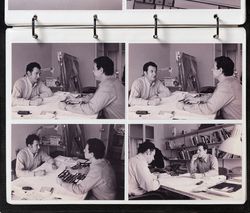
Joignez-vous à nous à Madrid pour une conversation avec Iñaki Ábalos et Juan Herreros, avec la participation d’Ángel Borrego, Enrique Encabo, Albert Ferré (Directeur associé, Publications CCA), María Auxiliadora Gálvez et Moisés Puente. « Existe-t-il une architecture de la conversation? » demandent Iñaki Ábalos et Juan Herreros dans leur texte « Une conversation »,(...)
Joignez-vous à nous à Madrid pour une conversation avec Iñaki Ábalos et Juan Herreros, avec la participation d’Ángel Borrego, Enrique Encabo, Albert Ferré (Directeur associé, Publications CCA), María Auxiliadora Gálvez et Moisés Puente. « Existe-t-il une architecture de la conversation? » demandent Iñaki Ábalos et Juan Herreros dans leur texte « Une conversation »,(...)
Localisation:
Salón de Actos, COAM, Madrid Mot(s)-clé(s):
Ábalos&Herreros, Iñaki Ábalos, Juan Herreros
Salón de Actos, COAM, Madrid Mot(s)-clé(s):
Ábalos&Herreros, Iñaki Ábalos, Juan Herreros
Date:
7 février 2017, 19h
7 février 2017, 19h
Titre:
AP164 : une conversation avec Iñaki Ábalos et Juan Herreros
Actions:
Description:
Joignez-vous à nous à Madrid pour une conversation avec Iñaki Ábalos et Juan Herreros, avec la participation d’Ángel Borrego, Enrique Encabo, Albert Ferré (Directeur associé, Publications CCA), María Auxiliadora Gálvez et Moisés Puente. « Existe-t-il une architecture de la conversation? » demandent Iñaki Ábalos et Juan Herreros dans leur texte « Une conversation »,(...)
AP164 : une conversation avec Iñaki Ábalos et Juan Herreros
Actions:
Description:
Joignez-vous à nous à Madrid pour une conversation avec Iñaki Ábalos et Juan Herreros, avec la participation d’Ángel Borrego, Enrique Encabo, Albert Ferré (Directeur associé, Publications CCA), María Auxiliadora Gálvez et Moisés Puente. « Existe-t-il une architecture de la conversation? » demandent Iñaki Ábalos et Juan Herreros dans leur texte « Une conversation »,(...)
Classification:
événements
événements
Date:
7 février 2017
19h
7 février 2017
19h
Localisation:
Salón de Actos, COAM, Madrid Mot(s)-clé(s):
Ábalos&Herreros, Iñaki Ábalos, Juan Herreros
Salón de Actos, COAM, Madrid Mot(s)-clé(s):
Ábalos&Herreros, Iñaki Ábalos, Juan Herreros


