


1446 Results
Form:
photographs
photographs
Actions:
Reference number:
PH1997:0061
Description:
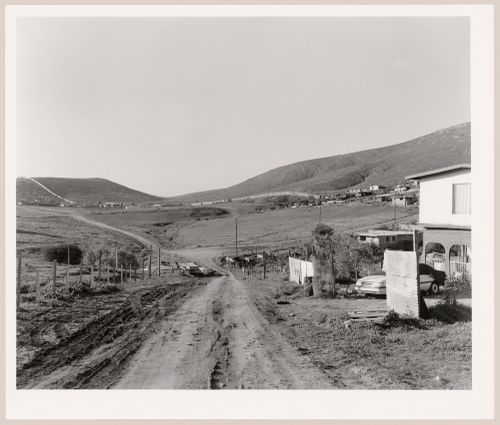
- The series "Running Fence 1997" focuses "on the first 14 miles of the border fence that separates the United States and Mexico, beginning at the Pacific Ocean and ending in the Otay Mountains.... [It] analyzes the "idea" of the border and explores its iconography, the border being a subject that is of extreme importance to the public as the world proceeds towards greater globalization. [Geoffrey] James has written of the project: "[The border fence] was built by the US Army Corps of Engineers in 1994, out of recycled metal landing strip - the most visible symbol of what is known as Operation Gatekeeper. Because the steel sheets are placed in the ground so that their ridges run horizontally, a man can hop over the fence with ease; and no Mexican child ever seems to be impeded from retrieving a soccer ball from US territory. The real barrier to illegal immigration from Mexico into the USA is less visible: hundreds of buried sensors linked to a central computer, nightscopes, helicopters and Border Patrol Agents in white Broncos."" (Evans).
People:
Subject:
architecture, engineering, topographic
architecture, engineering, topographic
Date:
1997
1997
Title:
View of roads and houses with a partial view of the United States-Mexico border fence, Otay Mesa, San Diego County, California, United States, and Tijuana, Baja California, Mexico
Actions:
PH1997:0061
Description:
- The series "Running Fence 1997" focuses "on the first 14 miles of the border fence that separates the United States and Mexico, beginning at the Pacific Ocean and ending in the Otay Mountains.... [It] analyzes the "idea" of the border and explores its iconography, the border being a subject that is of extreme importance to the public as the world proceeds towards greater globalization. [Geoffrey] James has written of the project: "[The border fence] was built by the US Army Corps of Engineers in 1994, out of recycled metal landing strip - the most visible symbol of what is known as Operation Gatekeeper. Because the steel sheets are placed in the ground so that their ridges run horizontally, a man can hop over the fence with ease; and no Mexican child ever seems to be impeded from retrieving a soccer ball from US territory. The real barrier to illegal immigration from Mexico into the USA is less visible: hundreds of buried sensors linked to a central computer, nightscopes, helicopters and Border Patrol Agents in white Broncos."" (Evans).
Form:
photographs
photographs
Date:
1997
1997
People:
Subject:
architecture, engineering, topographic
architecture, engineering, topographic
Form:
photographs
photographs
Actions:
Reference number:
PH1997:0062
Description:
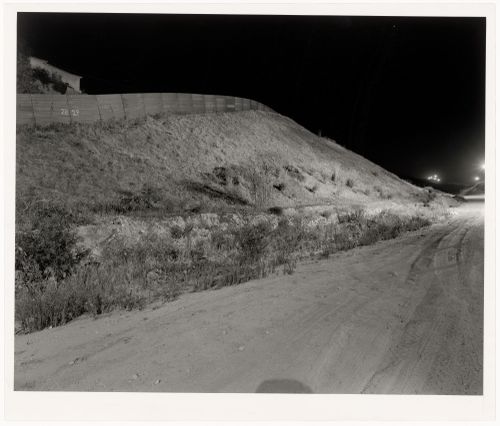
- The series "Running Fence 1997" focuses "on the first 14 miles of the border fence that separates the United States and Mexico, beginning at the Pacific Ocean and ending in the Otay Mountains.... [It] analyzes the "idea" of the border and explores its iconography, the border being a subject that is of extreme importance to the public as the world proceeds towards greater globalization. [Geoffrey] James has written of the project: "[The border fence] was built by the US Army Corps of Engineers in 1994, out of recycled metal landing strip - the most visible symbol of what is known as Operation Gatekeeper. Because the steel sheets are placed in the ground so that their ridges run horizontally, a man can hop over the fence with ease; and no Mexican child ever seems to be impeded from retrieving a soccer ball from US territory. The real barrier to illegal immigration from Mexico into the USA is less visible: hundreds of buried sensors linked to a central computer, nightscopes, helicopters and Border Patrol Agents in white Broncos."" (Evans).
People:
Subject:
architecture, engineering
architecture, engineering
Date:
1997
1997
Title:
Partial night view of the United States-Mexico border fence from the United States side, San Diego County, California, United States, and Tijuana, Baja California, Mexico
Actions:
PH1997:0062
Description:
- The series "Running Fence 1997" focuses "on the first 14 miles of the border fence that separates the United States and Mexico, beginning at the Pacific Ocean and ending in the Otay Mountains.... [It] analyzes the "idea" of the border and explores its iconography, the border being a subject that is of extreme importance to the public as the world proceeds towards greater globalization. [Geoffrey] James has written of the project: "[The border fence] was built by the US Army Corps of Engineers in 1994, out of recycled metal landing strip - the most visible symbol of what is known as Operation Gatekeeper. Because the steel sheets are placed in the ground so that their ridges run horizontally, a man can hop over the fence with ease; and no Mexican child ever seems to be impeded from retrieving a soccer ball from US territory. The real barrier to illegal immigration from Mexico into the USA is less visible: hundreds of buried sensors linked to a central computer, nightscopes, helicopters and Border Patrol Agents in white Broncos."" (Evans).
Form:
photographs
photographs
Date:
1997
1997
People:
Subject:
architecture, engineering
architecture, engineering
Form:
photographs
photographs
Actions:
Reference number:
PH1997:0063
Description:
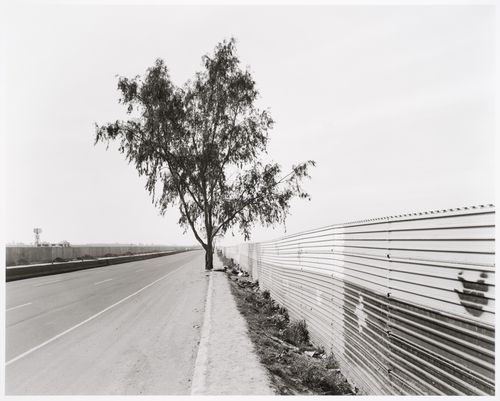
- The series "Running Fence 1997" focuses "on the first 14 miles of the border fence that separates the United States and Mexico, beginning at the Pacific Ocean and ending in the Otay Mountains.... [It] analyzes the "idea" of the border and explores its iconography, the border being a subject that is of extreme importance to the public as the world proceeds towards greater globalization. [Geoffrey] James has written of the project: "[The border fence] was built by the US Army Corps of Engineers in 1994, out of recycled metal landing strip - the most visible symbol of what is known as Operation Gatekeeper. Because the steel sheets are placed in the ground so that their ridges run horizontally, a man can hop over the fence with ease; and no Mexican child ever seems to be impeded from retrieving a soccer ball from US territory. The real barrier to illegal immigration from Mexico into the USA is less visible: hundreds of buried sensors linked to a central computer, nightscopes, helicopters and Border Patrol Agents in white Broncos."" (Evans).
People:
Subject:
architecture, engineering
architecture, engineering
Date:
1997
1997
Title:
View along a highway leading to the airport in Tijuana, Baja California, Mexico, showing a partial view of the United States-Mexico border fence
Actions:
PH1997:0063
Description:
- The series "Running Fence 1997" focuses "on the first 14 miles of the border fence that separates the United States and Mexico, beginning at the Pacific Ocean and ending in the Otay Mountains.... [It] analyzes the "idea" of the border and explores its iconography, the border being a subject that is of extreme importance to the public as the world proceeds towards greater globalization. [Geoffrey] James has written of the project: "[The border fence] was built by the US Army Corps of Engineers in 1994, out of recycled metal landing strip - the most visible symbol of what is known as Operation Gatekeeper. Because the steel sheets are placed in the ground so that their ridges run horizontally, a man can hop over the fence with ease; and no Mexican child ever seems to be impeded from retrieving a soccer ball from US territory. The real barrier to illegal immigration from Mexico into the USA is less visible: hundreds of buried sensors linked to a central computer, nightscopes, helicopters and Border Patrol Agents in white Broncos."" (Evans).
Form:
photographs
photographs
Date:
1997
1997
People:
Subject:
architecture, engineering
architecture, engineering
Form:
articles
articles
Title:
Territorializations of Dust
Territorializations of Dust
Actions:
Valeria Guzmán Verri on surfing, yoga, and suffocation on the North Pacific coast of Costa Rica
Issue:
Figuring Territory
Figuring Territory
Published:
11 July 2022
11 July 2022
Title:
Territorializations of Dust
Valeria Guzmán Verri on surfing, yoga, and suffocation on the North Pacific coast of Costa Rica
Actions:
Territorializations of Dust
Valeria Guzmán Verri on surfing, yoga, and suffocation on the North Pacific coast of Costa Rica
Actions:
Issue:
Figuring Territory
Figuring Territory
Form:
articles
articles
Actions:
Emanuel Admassu and Zoé Samudzi in conversation
Issue:
Figuring Territory
Figuring Territory
Published:
13 February 2023
13 February 2023
Title:
Soyinka’s Aesthetics and Monumentality
Emanuel Admassu and Zoé Samudzi in conversation
Actions:
Soyinka’s Aesthetics and Monumentality
Emanuel Admassu and Zoé Samudzi in conversation
Actions:
Issue:
Figuring Territory
Figuring Territory
Form:
articles
articles
Title:
Occluding Baghdad
Occluding Baghdad
Actions:
Amin Alsaden on the violence inflicted by depictions of the city in Western films
Issue:
Figuring Territory
Figuring Territory
Published:
28 November 2022
28 November 2022
Title:
Occluding Baghdad
Amin Alsaden on the violence inflicted by depictions of the city in Western films
Actions:
Occluding Baghdad
Amin Alsaden on the violence inflicted by depictions of the city in Western films
Actions:
Issue:
Figuring Territory
Figuring Territory
Form:
articles
articles
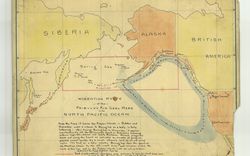
Title:
Animal Passages
Animal Passages
Actions:
Phoebe Springstubb on how the migration of fur seals defined the inside and outside of empire
Issue:
Figuring Territory
Figuring Territory
Published:
30 January 2023
30 January 2023
Title:
Animal Passages
Phoebe Springstubb on how the migration of fur seals defined the inside and outside of empire
Actions:
Animal Passages
Phoebe Springstubb on how the migration of fur seals defined the inside and outside of empire
Actions:
Issue:
Figuring Territory
Figuring Territory
Form:
articles
articles
Title:
On Making Contact
On Making Contact
Actions:
Sierra Komar on Samuel Delany’s liquid urbanity and modes of sociality in the context of the smart city
Issue:
Figuring Territory
Figuring Territory
Keyword(s):
Sierra Komar, Samuel Delany, contact, liquid urbanity, sociabililty, smart city, cruising
Sierra Komar, Samuel Delany, contact, liquid urbanity, sociabililty, smart city, cruising
Published:
22 January 2023
22 January 2023
Title:
On Making Contact
Sierra Komar on Samuel Delany’s liquid urbanity and modes of sociality in the context of the smart city
Actions:
On Making Contact
Sierra Komar on Samuel Delany’s liquid urbanity and modes of sociality in the context of the smart city
Actions:
Issue:
Figuring Territory
Figuring Territory
Form:
articles
articles

Title:
Metaphors for the Nile
Metaphors for the Nile
Actions:
Samaa Elimam traces readings of the world's longest river
Issue:
Figuring Territory
Figuring Territory
Published:
15 August 2022
15 August 2022
Issue:
Figuring Territory
Figuring Territory
Form:
articles
articles
Title:
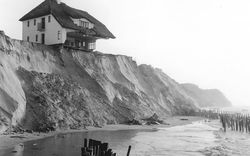
Land Sea Land
Land Sea Land
Actions:
Alena Rieger looks to erode the distance between places
Issue:
Figuring Territory
Figuring Territory


