


3263 Results
Level of archival description:
Series
Series
Title:
Exhibitions
Exhibitions
Reference number:
AP207.S2
Description:
The series documents Pettena’s activities as a curator and exhibition designer from 1980 to 2004 and includes materials for most of the related publications. The material in this series relates to fifteen out of the over twenty-five exhibitions designed by Pettena, which were presented in various galleries in Italy. Pettena’s exhibitions include installations on contemporary architecture, such as an exhibition on avant-garde architects from London, exhibitions on Hans Hollein, on Richard Meier, on Ettore Sottsass and on Ettore Sottsass Jr. He also designed many exhibitions on architects of the Radical movement and the evolution of their work from the beginning of the movement to more recent years. The series also contains material for Pettena’s work on exhibitions on contemporary landscape architecture and the evolution of urban parks. Also included are a few documents related to exhibitions on Pettena’s work, either group exhibitions or solo ones, and curated by others. The series contains research materials, such as publications and reference photographs, correspondence related to exhibition planning and the accompanying publications, exhibition proposals, and some installation designs and concept development notes. The series also contains draft texts, and documents related to the image selection process for the exhibition catalogues. Finally, the series contains installation views, photographs of exhibition openings and some draft exhibition and publication texts for exhibitions on Pettena’s work but that were not curated by him.
AP207.S2
Description:
The series documents Pettena’s activities as a curator and exhibition designer from 1980 to 2004 and includes materials for most of the related publications. The material in this series relates to fifteen out of the over twenty-five exhibitions designed by Pettena, which were presented in various galleries in Italy. Pettena’s exhibitions include installations on contemporary architecture, such as an exhibition on avant-garde architects from London, exhibitions on Hans Hollein, on Richard Meier, on Ettore Sottsass and on Ettore Sottsass Jr. He also designed many exhibitions on architects of the Radical movement and the evolution of their work from the beginning of the movement to more recent years. The series also contains material for Pettena’s work on exhibitions on contemporary landscape architecture and the evolution of urban parks. Also included are a few documents related to exhibitions on Pettena’s work, either group exhibitions or solo ones, and curated by others. The series contains research materials, such as publications and reference photographs, correspondence related to exhibition planning and the accompanying publications, exhibition proposals, and some installation designs and concept development notes. The series also contains draft texts, and documents related to the image selection process for the exhibition catalogues. Finally, the series contains installation views, photographs of exhibition openings and some draft exhibition and publication texts for exhibitions on Pettena’s work but that were not curated by him.
People:
Date:
circa 1980--2019
circa 1980--2019
Title:
Exhibitions
Actions:
AP207.S2
Description:
The series documents Pettena’s activities as a curator and exhibition designer from 1980 to 2004 and includes materials for most of the related publications. The material in this series relates to fifteen out of the over twenty-five exhibitions designed by Pettena, which were presented in various galleries in Italy. Pettena’s exhibitions include installations on contemporary architecture, such as an exhibition on avant-garde architects from London, exhibitions on Hans Hollein, on Richard Meier, on Ettore Sottsass and on Ettore Sottsass Jr. He also designed many exhibitions on architects of the Radical movement and the evolution of their work from the beginning of the movement to more recent years. The series also contains material for Pettena’s work on exhibitions on contemporary landscape architecture and the evolution of urban parks. Also included are a few documents related to exhibitions on Pettena’s work, either group exhibitions or solo ones, and curated by others. The series contains research materials, such as publications and reference photographs, correspondence related to exhibition planning and the accompanying publications, exhibition proposals, and some installation designs and concept development notes. The series also contains draft texts, and documents related to the image selection process for the exhibition catalogues. Finally, the series contains installation views, photographs of exhibition openings and some draft exhibition and publication texts for exhibitions on Pettena’s work but that were not curated by him.
Exhibitions
Actions:
AP207.S2
Description:
The series documents Pettena’s activities as a curator and exhibition designer from 1980 to 2004 and includes materials for most of the related publications. The material in this series relates to fifteen out of the over twenty-five exhibitions designed by Pettena, which were presented in various galleries in Italy. Pettena’s exhibitions include installations on contemporary architecture, such as an exhibition on avant-garde architects from London, exhibitions on Hans Hollein, on Richard Meier, on Ettore Sottsass and on Ettore Sottsass Jr. He also designed many exhibitions on architects of the Radical movement and the evolution of their work from the beginning of the movement to more recent years. The series also contains material for Pettena’s work on exhibitions on contemporary landscape architecture and the evolution of urban parks. Also included are a few documents related to exhibitions on Pettena’s work, either group exhibitions or solo ones, and curated by others. The series contains research materials, such as publications and reference photographs, correspondence related to exhibition planning and the accompanying publications, exhibition proposals, and some installation designs and concept development notes. The series also contains draft texts, and documents related to the image selection process for the exhibition catalogues. Finally, the series contains installation views, photographs of exhibition openings and some draft exhibition and publication texts for exhibitions on Pettena’s work but that were not curated by him.
Level of archival description:
Series
Series
Date:
circa 1980--2019
circa 1980--2019
People:
Form:
archives
Level of archival description:
Collection
archives
Level of archival description:
Collection
Actions:
Reference number:
CD033
Synopsis:
The Aldo Cibic Microrealities project collection primarily consists of presentation materials, publications and born digital materials, like videos and photographs, by Aldo Cibic produced between 2003 and 2008 for the project “Microrealities”.
CD033
Synopsis:
The Aldo Cibic Microrealities project collection primarily consists of presentation materials, publications and born digital materials, like videos and photographs, by Aldo Cibic produced between 2003 and 2008 for the project “Microrealities”.
People:
Date:
2003-2008
2003-2008
Title:
Aldo Cibic Microrealities project collection
Actions:
CD033
Synopsis:
The Aldo Cibic Microrealities project collection primarily consists of presentation materials, publications and born digital materials, like videos and photographs, by Aldo Cibic produced between 2003 and 2008 for the project “Microrealities”.
Aldo Cibic Microrealities project collection
Actions:
CD033
Synopsis:
The Aldo Cibic Microrealities project collection primarily consists of presentation materials, publications and born digital materials, like videos and photographs, by Aldo Cibic produced between 2003 and 2008 for the project “Microrealities”.
Form:
archives
Level of archival description:
collection
archives
Level of archival description:
collection
Date:
2003-2008
2003-2008
People:
Level of archival description:
Project
Project
Actions:
Reference number:
AP056.S1.1991.PR02
Description:
This project series documents the design of Cité Collégiale in Ottawa, Ontario from in 1991. The project number assigned by the office is unidentifiable. This project consisted of a competition entry for the first French language community college to be built in Ontario. The design proposed focused on the balance between the natural landscape of the site, located on Montreal Road at Aviation Parkway, the rigor of the study program and the relaxation of student life. Large wooded areas surrounding the campus would be preserved and four functional outdoor spaces would be created: La Place des Festivals (an esplanade), the theatre (for outdoor festivities), Le Carrefour des Étudiants (the student square), and le Foyer (next to the cafeteria). The campus also proposed la Grande Galerie, a triple-height space filled with natural light to serve as the main area where students could meet and study. Two types of school buildings were included in the proposal, consisting of a long, rectangular building for classrooms and offices, and the other, a less formal, open space with classrooms, amphitheatres, studios and laboratories. The scheme had two main entrances, with a large central tower that was visible when arriving from either direction. This was not the winning entry for the competition and the campus was eventually built by Brook, Brisbin and Baynon. The project is recorded through drawings, presentation paintings and a model dating from 1991. The drawings include site condition maps, sketches, perspectives, plans, elevations, axonometric drawings and presentation panels.
AP056.S1.1991.PR02
Description:
This project series documents the design of Cité Collégiale in Ottawa, Ontario from in 1991. The project number assigned by the office is unidentifiable. This project consisted of a competition entry for the first French language community college to be built in Ontario. The design proposed focused on the balance between the natural landscape of the site, located on Montreal Road at Aviation Parkway, the rigor of the study program and the relaxation of student life. Large wooded areas surrounding the campus would be preserved and four functional outdoor spaces would be created: La Place des Festivals (an esplanade), the theatre (for outdoor festivities), Le Carrefour des Étudiants (the student square), and le Foyer (next to the cafeteria). The campus also proposed la Grande Galerie, a triple-height space filled with natural light to serve as the main area where students could meet and study. Two types of school buildings were included in the proposal, consisting of a long, rectangular building for classrooms and offices, and the other, a less formal, open space with classrooms, amphitheatres, studios and laboratories. The scheme had two main entrances, with a large central tower that was visible when arriving from either direction. This was not the winning entry for the competition and the campus was eventually built by Brook, Brisbin and Baynon. The project is recorded through drawings, presentation paintings and a model dating from 1991. The drawings include site condition maps, sketches, perspectives, plans, elevations, axonometric drawings and presentation panels.
People:
Date:
1991
1991
Title:
Cité Collégiale Competition, Ottawa, Ontario (1991)
Actions:
AP056.S1.1991.PR02
Description:
This project series documents the design of Cité Collégiale in Ottawa, Ontario from in 1991. The project number assigned by the office is unidentifiable. This project consisted of a competition entry for the first French language community college to be built in Ontario. The design proposed focused on the balance between the natural landscape of the site, located on Montreal Road at Aviation Parkway, the rigor of the study program and the relaxation of student life. Large wooded areas surrounding the campus would be preserved and four functional outdoor spaces would be created: La Place des Festivals (an esplanade), the theatre (for outdoor festivities), Le Carrefour des Étudiants (the student square), and le Foyer (next to the cafeteria). The campus also proposed la Grande Galerie, a triple-height space filled with natural light to serve as the main area where students could meet and study. Two types of school buildings were included in the proposal, consisting of a long, rectangular building for classrooms and offices, and the other, a less formal, open space with classrooms, amphitheatres, studios and laboratories. The scheme had two main entrances, with a large central tower that was visible when arriving from either direction. This was not the winning entry for the competition and the campus was eventually built by Brook, Brisbin and Baynon. The project is recorded through drawings, presentation paintings and a model dating from 1991. The drawings include site condition maps, sketches, perspectives, plans, elevations, axonometric drawings and presentation panels.
Cité Collégiale Competition, Ottawa, Ontario (1991)
Actions:
AP056.S1.1991.PR02
Description:
This project series documents the design of Cité Collégiale in Ottawa, Ontario from in 1991. The project number assigned by the office is unidentifiable. This project consisted of a competition entry for the first French language community college to be built in Ontario. The design proposed focused on the balance between the natural landscape of the site, located on Montreal Road at Aviation Parkway, the rigor of the study program and the relaxation of student life. Large wooded areas surrounding the campus would be preserved and four functional outdoor spaces would be created: La Place des Festivals (an esplanade), the theatre (for outdoor festivities), Le Carrefour des Étudiants (the student square), and le Foyer (next to the cafeteria). The campus also proposed la Grande Galerie, a triple-height space filled with natural light to serve as the main area where students could meet and study. Two types of school buildings were included in the proposal, consisting of a long, rectangular building for classrooms and offices, and the other, a less formal, open space with classrooms, amphitheatres, studios and laboratories. The scheme had two main entrances, with a large central tower that was visible when arriving from either direction. This was not the winning entry for the competition and the campus was eventually built by Brook, Brisbin and Baynon. The project is recorded through drawings, presentation paintings and a model dating from 1991. The drawings include site condition maps, sketches, perspectives, plans, elevations, axonometric drawings and presentation panels.
Level of archival description:
Project
Project
Date:
1991
1991
People:
Form:
archives
Level of archival description:
Fonds
archives
Level of archival description:
Fonds
Title:
Van Ginkel Associates fonds
Van Ginkel Associates fonds
Reference number:
AP027
Synopsis:
The Van Ginkel Associates fonds is comprised of documents concerning van Ginkel Associates, van Ginkel Associates Ltd., Ecos Ltd., van Ginkel Partners, Ginkelvan Ltd, van Ginkel Associates Ltd. (1977), the styles under which H.P. van Ginkel and Blanche Lemco van Ginkel practiced as a multidisciplinary planning, management and architecture firm. Much of the van Ginkels' work was done in the Montréal area and nation-wide. The fonds contains approximately 1 985 drawings (1 420 originals plus 565 reproductions), 41 boards, 3 photographs, 2 collages, 2 typescripts, 1 model, 1 sketchbook and approximately 12.23 meters of textual documents. The documents were primarily produced between 1955 and 1980.
AP027
Synopsis:
The Van Ginkel Associates fonds is comprised of documents concerning van Ginkel Associates, van Ginkel Associates Ltd., Ecos Ltd., van Ginkel Partners, Ginkelvan Ltd, van Ginkel Associates Ltd. (1977), the styles under which H.P. van Ginkel and Blanche Lemco van Ginkel practiced as a multidisciplinary planning, management and architecture firm. Much of the van Ginkels' work was done in the Montréal area and nation-wide. The fonds contains approximately 1 985 drawings (1 420 originals plus 565 reproductions), 41 boards, 3 photographs, 2 collages, 2 typescripts, 1 model, 1 sketchbook and approximately 12.23 meters of textual documents. The documents were primarily produced between 1955 and 1980.
People:
Date:
1944-1992
1944-1992
Title:
Van Ginkel Associates fonds
Actions:
AP027
Synopsis:
The Van Ginkel Associates fonds is comprised of documents concerning van Ginkel Associates, van Ginkel Associates Ltd., Ecos Ltd., van Ginkel Partners, Ginkelvan Ltd, van Ginkel Associates Ltd. (1977), the styles under which H.P. van Ginkel and Blanche Lemco van Ginkel practiced as a multidisciplinary planning, management and architecture firm. Much of the van Ginkels' work was done in the Montréal area and nation-wide. The fonds contains approximately 1 985 drawings (1 420 originals plus 565 reproductions), 41 boards, 3 photographs, 2 collages, 2 typescripts, 1 model, 1 sketchbook and approximately 12.23 meters of textual documents. The documents were primarily produced between 1955 and 1980.
Van Ginkel Associates fonds
Actions:
AP027
Synopsis:
The Van Ginkel Associates fonds is comprised of documents concerning van Ginkel Associates, van Ginkel Associates Ltd., Ecos Ltd., van Ginkel Partners, Ginkelvan Ltd, van Ginkel Associates Ltd. (1977), the styles under which H.P. van Ginkel and Blanche Lemco van Ginkel practiced as a multidisciplinary planning, management and architecture firm. Much of the van Ginkels' work was done in the Montréal area and nation-wide. The fonds contains approximately 1 985 drawings (1 420 originals plus 565 reproductions), 41 boards, 3 photographs, 2 collages, 2 typescripts, 1 model, 1 sketchbook and approximately 12.23 meters of textual documents. The documents were primarily produced between 1955 and 1980.
Form:
archives
Level of archival description:
Fonds
archives
Level of archival description:
Fonds
Date:
1944-1992
1944-1992
People:
Level of archival description:
Project
Project
Actions:
Reference number:
AP018.S1.1968.PR01
Description:
This project series documents St. John's City Hall and Civic Centre in Newfoundland from 1968-1970. The office identified the project number as 68002. This project consisted of three phases of development, with phase I being city hall, phase II being a commercial redevelopment, and phase III being additional public buildings. The master program included plans for a library, department store, supermarket, retail stores, a movie theatre, a hotel with a restaurant and banquet hall, a bus terminal and 160 residential units. It is not clear from the project materials whether these buildings were realized. The city hall site consisted of a concrete building on New Grower Street, which sat atop a concrete podium with parking below. A system of diagonal terraces with pedestrian areas also made up the podium. City hall, which was approximately four-storeys at its maximum height, included council chambers, offices, a great hall with artifacts and memorials, and municipal departments, among others. This project won an Award of Excellence for The Canadian Architect in 1968. The project is recorded through reprographic copies of mechanical and electrical drawings dating from 1970.
AP018.S1.1968.PR01
Description:
This project series documents St. John's City Hall and Civic Centre in Newfoundland from 1968-1970. The office identified the project number as 68002. This project consisted of three phases of development, with phase I being city hall, phase II being a commercial redevelopment, and phase III being additional public buildings. The master program included plans for a library, department store, supermarket, retail stores, a movie theatre, a hotel with a restaurant and banquet hall, a bus terminal and 160 residential units. It is not clear from the project materials whether these buildings were realized. The city hall site consisted of a concrete building on New Grower Street, which sat atop a concrete podium with parking below. A system of diagonal terraces with pedestrian areas also made up the podium. City hall, which was approximately four-storeys at its maximum height, included council chambers, offices, a great hall with artifacts and memorials, and municipal departments, among others. This project won an Award of Excellence for The Canadian Architect in 1968. The project is recorded through reprographic copies of mechanical and electrical drawings dating from 1970.
People:
Date:
1970
1970
Title:
City Hall and Civic Centre, St. John's, Newfoundland (1968-1970)
Actions:
AP018.S1.1968.PR01
Description:
This project series documents St. John's City Hall and Civic Centre in Newfoundland from 1968-1970. The office identified the project number as 68002. This project consisted of three phases of development, with phase I being city hall, phase II being a commercial redevelopment, and phase III being additional public buildings. The master program included plans for a library, department store, supermarket, retail stores, a movie theatre, a hotel with a restaurant and banquet hall, a bus terminal and 160 residential units. It is not clear from the project materials whether these buildings were realized. The city hall site consisted of a concrete building on New Grower Street, which sat atop a concrete podium with parking below. A system of diagonal terraces with pedestrian areas also made up the podium. City hall, which was approximately four-storeys at its maximum height, included council chambers, offices, a great hall with artifacts and memorials, and municipal departments, among others. This project won an Award of Excellence for The Canadian Architect in 1968. The project is recorded through reprographic copies of mechanical and electrical drawings dating from 1970.
City Hall and Civic Centre, St. John's, Newfoundland (1968-1970)
Actions:
AP018.S1.1968.PR01
Description:
This project series documents St. John's City Hall and Civic Centre in Newfoundland from 1968-1970. The office identified the project number as 68002. This project consisted of three phases of development, with phase I being city hall, phase II being a commercial redevelopment, and phase III being additional public buildings. The master program included plans for a library, department store, supermarket, retail stores, a movie theatre, a hotel with a restaurant and banquet hall, a bus terminal and 160 residential units. It is not clear from the project materials whether these buildings were realized. The city hall site consisted of a concrete building on New Grower Street, which sat atop a concrete podium with parking below. A system of diagonal terraces with pedestrian areas also made up the podium. City hall, which was approximately four-storeys at its maximum height, included council chambers, offices, a great hall with artifacts and memorials, and municipal departments, among others. This project won an Award of Excellence for The Canadian Architect in 1968. The project is recorded through reprographic copies of mechanical and electrical drawings dating from 1970.
Level of archival description:
Project
Project
Date:
1970
1970
People:
Form:
archives
Level of archival description:
Fonds
archives
Level of archival description:
Fonds
Reference number:
AP196
Synopsis:
Studio Gang Ford Calumet Environmental Center project records, 2003-2012, documents the design process for the Ford Calumet Environmental Center in Chicago, United-States. The records represent both phases during the competition and the full-term design, after the firm won the project. The records consist of born-digital material, sketches and drawings, textual records, photographs and seven models.
AP196
Synopsis:
Studio Gang Ford Calumet Environmental Center project records, 2003-2012, documents the design process for the Ford Calumet Environmental Center in Chicago, United-States. The records represent both phases during the competition and the full-term design, after the firm won the project. The records consist of born-digital material, sketches and drawings, textual records, photographs and seven models.
People:
Date:
2003-2011
2003-2011
Title:
Studio Gang Ford Calumet Environmental Center project records
Actions:
AP196
Synopsis:
Studio Gang Ford Calumet Environmental Center project records, 2003-2012, documents the design process for the Ford Calumet Environmental Center in Chicago, United-States. The records represent both phases during the competition and the full-term design, after the firm won the project. The records consist of born-digital material, sketches and drawings, textual records, photographs and seven models.
Studio Gang Ford Calumet Environmental Center project records
Actions:
AP196
Synopsis:
Studio Gang Ford Calumet Environmental Center project records, 2003-2012, documents the design process for the Ford Calumet Environmental Center in Chicago, United-States. The records represent both phases during the competition and the full-term design, after the firm won the project. The records consist of born-digital material, sketches and drawings, textual records, photographs and seven models.
Form:
archives
Level of archival description:
Fonds
archives
Level of archival description:
Fonds
Date:
2003-2011
2003-2011
People:
Form:
events
events
Title:
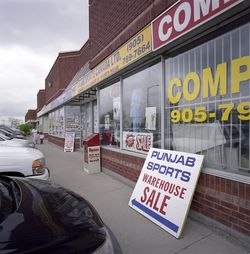
Learning from… Toronto
Learning from… Toronto
Actions:
Description:
Ian Chodikoff, architect, urban designer, and editor of Canadian Architect magazine, presents his research on the contemporary suburb and how the influences of ethnic diversity and multiculturalism affect architecture and urban design within the suburban landscape across the Greater Toronto Area (GTA). Today’s suburbs are more ethnically diverse, globally connected and(...)
Ian Chodikoff, architect, urban designer, and editor of Canadian Architect magazine, presents his research on the contemporary suburb and how the influences of ethnic diversity and multiculturalism affect architecture and urban design within the suburban landscape across the Greater Toronto Area (GTA). Today’s suburbs are more ethnically diverse, globally connected and(...)
Location:
Paul Desmarais Theatre
Paul Desmarais Theatre
Date:
4 March 2010 , 7pm
4 March 2010 , 7pm
Title:
Learning from… Toronto
Actions:
Description:
Ian Chodikoff, architect, urban designer, and editor of Canadian Architect magazine, presents his research on the contemporary suburb and how the influences of ethnic diversity and multiculturalism affect architecture and urban design within the suburban landscape across the Greater Toronto Area (GTA). Today’s suburbs are more ethnically diverse, globally connected and(...)
Learning from… Toronto
Actions:
Description:
Ian Chodikoff, architect, urban designer, and editor of Canadian Architect magazine, presents his research on the contemporary suburb and how the influences of ethnic diversity and multiculturalism affect architecture and urban design within the suburban landscape across the Greater Toronto Area (GTA). Today’s suburbs are more ethnically diverse, globally connected and(...)
Form:
events
events
Date:
4 March 2010
7pm
4 March 2010
7pm
Location:
Paul Desmarais Theatre
Paul Desmarais Theatre
Level of archival description:
Series
Series
Title:
Projects
Projects
Reference number:
AP144.S2
Description:
Series documents Cedric Price's projects from his early work in the late 1950s to work dating from the time he founded his own practice in 1960 until 2000. Material includes numerous competition entries, planning and building projects, transportation-related projects, exhibitions, conceptual projects, furniture and interior designs, and monuments, follies, and decorations. Some projects also reflect his teaching, research, lecture and publication activities. Price also worked on several competition juries (see projects Musique, Elephant). Many of Cedric Price's projects in the series are unexecuted. Significant unrealized projects from the 1960s and 1970s include Fun Palace (1961-1974), Potteries Thinkbelt (1963-1967), Oxford Corner House (1965-1966), and Generator (1976-1980). Significant built projects from the same period include the New Aviary (1960-1966), his first major realized project (with Lord Snowdon and Frank Newby), and Inter-Action Centre (1971-1979). Other realized projects include an office building (BTDB Computer, 1968-1973) and restaurant (Blackpool Project, 1971-1975). Planning projects from the 1960s and 1970s include Potteries Thinkbelt, Detroit Think Grid (1969-1971) and Rice University's design charette, Atom (1967). In the 1980s and 1990s, Cedric Price worked on several building proposals including greenhouses (Serre, Serre (2)), museums, galleries, and pavilions (Trafalgar, Pertpavs, Snake), a railway station (Strate (2)), a cultural centre (Tiff), houses (Perthut, Castel), a bus station (Walsall), an aviary (CP Aviary) and office buildings (Domain, Berlin). Planning projects from the same time include parks and cultural complexes, (Parc, South Bank), urban areas, (Strate, Stratton, IFPRI, Haven, Mills), university campuses (Frankfurt, Unibad, Bedford), and rural areas (Stark, Arkage). Transportation-related projects include railways (Strate, Control, Rink), roadways (Stratton) and pedestrian links (Magnet, Halmag, South Bank). Only a few of his projects from that period were executed and those include the renovation projects Congress and SAS 29; a mobile market stall design for Westminster City Council (Westal) for which prototypes were built; a coffee cup design (Crowbar); and building conversion projects Gatard and Juke. Exhibition projects in the series include some devoted to Cedric Price's works (AA Exhibition, Aedes, AFX, Afella), some designed by him (Strike, Food for the Future, Topolski/Waterloo, Ashmole, Mean, AFX), as well as projects designed for exhibition (Citlin, Castel). The series also contains self-financed research and client-less projects, which form a significant part of Cedric Price's practice. Undertaken in anticipation of future clients or new planning needs, they include research into air structures and lightweight enclosures as well as integrated construction and transportation solutions (Trucksafe Air Portable Dock Ahoy), and housing research. South Bank, Magnet, and Duck Land represent a few of the client-less projects. The material in this series documents Cedric Price's work in the United Kingdom, in particular England (the Greater London area, and other areas) and Scotland, Germany, France, Austria, Australia, Japan, the United Arab Emirates, and the United States and other locations such as Canada, Nigeria, and Norway. Major clients include J. Lyons & Co. (Oxford Corner House), David Keddie (Two Tree Island, Southend Roof), Howard Gilman (Generator), British Railways (Strate and Strate (2), and others), the McAlpine family , particularly Alistair McAlpine, and their company Sir Robert McAlpine & Sons Ltd. (McAppy, Perthut, Trafalgar, Pertpavs, Ashmole, Perth, Obeliq, McVance); Établissement Public du Parc de la Villette (Parc, Serre, Serre (2), Musique) and the Canadian Centre for Architecture (IFPRI, Mean). He collaborated with several architects and engineers during the course of his career, his closest association being with engineer Frank Newby and quantity surveyor Douglas Smith. Some of his other collaborators include engineer Max Fordham (Strate (2), Tiff, Berlin), engineering firms Scott Wilson Kirkpatrick and Partners (Stratton, Rink, Control), and Sir Frederick Snow & Partners (South Bank), cybernetician Gordon Pask (Kawasaki/Japnet), architectural firm YRM/Yorke Rosenberg Mardall (Unibad), and architect Richard Rogers (Marman). He also collaborated with members of Archigram on the Trondheim Competition, (1972-1974), and with John and Julia Frazer who provided the computer modelling for Generator. David Price, Cedric Price's brother was the model maker for several projects. The series contains conceptual drawings, design development drawings, reference drawings and maps, presentation drawings (particularly for competitions), and working drawings. A significant amount of textual records are included, especially for projects involving a large amount of research or publicity (Air Structures, Lightweight Enclosures, South Bank, CP Aviary, Stratton), for executed projects, and for the larger unrealized projects like Fun Palace and Generator. Also includes photographic materials of project sites and models. Some models included in the series are made from durable materials (wood, metal, plastic), while others are in-office constructions made out of paper, cardboard and Fome-Cor (TM). Of particular note are the 11 models for Magnet, and a full-size prototype of a market stall for Westal. Series also contains publication layouts, including material for the "Cedric Price Supplement", 'Architectural Design' vols. 40- 42 (1970-1972). Changes in office practice are noted around 1971, evident in the Blackpool Project and later, including the adoption of the metric system, and the creation of working and detail drawings on A4 size paper and filed with textual records (e.g. approximately 300 such drawings are included in the textual records for Blackpool Project). At the same time fewer preamble drawings that relate to site sensing, progress and life-cycle graphs and tables are created for the projects (a common feature from the 1960s), although project progress tables are still used. Of particular interest is material in the Early Work and Miscellaneous Records file (AP144.S2.D1) that relates to office work methods and programmes.
AP144.S2
Description:
Series documents Cedric Price's projects from his early work in the late 1950s to work dating from the time he founded his own practice in 1960 until 2000. Material includes numerous competition entries, planning and building projects, transportation-related projects, exhibitions, conceptual projects, furniture and interior designs, and monuments, follies, and decorations. Some projects also reflect his teaching, research, lecture and publication activities. Price also worked on several competition juries (see projects Musique, Elephant). Many of Cedric Price's projects in the series are unexecuted. Significant unrealized projects from the 1960s and 1970s include Fun Palace (1961-1974), Potteries Thinkbelt (1963-1967), Oxford Corner House (1965-1966), and Generator (1976-1980). Significant built projects from the same period include the New Aviary (1960-1966), his first major realized project (with Lord Snowdon and Frank Newby), and Inter-Action Centre (1971-1979). Other realized projects include an office building (BTDB Computer, 1968-1973) and restaurant (Blackpool Project, 1971-1975). Planning projects from the 1960s and 1970s include Potteries Thinkbelt, Detroit Think Grid (1969-1971) and Rice University's design charette, Atom (1967). In the 1980s and 1990s, Cedric Price worked on several building proposals including greenhouses (Serre, Serre (2)), museums, galleries, and pavilions (Trafalgar, Pertpavs, Snake), a railway station (Strate (2)), a cultural centre (Tiff), houses (Perthut, Castel), a bus station (Walsall), an aviary (CP Aviary) and office buildings (Domain, Berlin). Planning projects from the same time include parks and cultural complexes, (Parc, South Bank), urban areas, (Strate, Stratton, IFPRI, Haven, Mills), university campuses (Frankfurt, Unibad, Bedford), and rural areas (Stark, Arkage). Transportation-related projects include railways (Strate, Control, Rink), roadways (Stratton) and pedestrian links (Magnet, Halmag, South Bank). Only a few of his projects from that period were executed and those include the renovation projects Congress and SAS 29; a mobile market stall design for Westminster City Council (Westal) for which prototypes were built; a coffee cup design (Crowbar); and building conversion projects Gatard and Juke. Exhibition projects in the series include some devoted to Cedric Price's works (AA Exhibition, Aedes, AFX, Afella), some designed by him (Strike, Food for the Future, Topolski/Waterloo, Ashmole, Mean, AFX), as well as projects designed for exhibition (Citlin, Castel). The series also contains self-financed research and client-less projects, which form a significant part of Cedric Price's practice. Undertaken in anticipation of future clients or new planning needs, they include research into air structures and lightweight enclosures as well as integrated construction and transportation solutions (Trucksafe Air Portable Dock Ahoy), and housing research. South Bank, Magnet, and Duck Land represent a few of the client-less projects. The material in this series documents Cedric Price's work in the United Kingdom, in particular England (the Greater London area, and other areas) and Scotland, Germany, France, Austria, Australia, Japan, the United Arab Emirates, and the United States and other locations such as Canada, Nigeria, and Norway. Major clients include J. Lyons & Co. (Oxford Corner House), David Keddie (Two Tree Island, Southend Roof), Howard Gilman (Generator), British Railways (Strate and Strate (2), and others), the McAlpine family , particularly Alistair McAlpine, and their company Sir Robert McAlpine & Sons Ltd. (McAppy, Perthut, Trafalgar, Pertpavs, Ashmole, Perth, Obeliq, McVance); Établissement Public du Parc de la Villette (Parc, Serre, Serre (2), Musique) and the Canadian Centre for Architecture (IFPRI, Mean). He collaborated with several architects and engineers during the course of his career, his closest association being with engineer Frank Newby and quantity surveyor Douglas Smith. Some of his other collaborators include engineer Max Fordham (Strate (2), Tiff, Berlin), engineering firms Scott Wilson Kirkpatrick and Partners (Stratton, Rink, Control), and Sir Frederick Snow & Partners (South Bank), cybernetician Gordon Pask (Kawasaki/Japnet), architectural firm YRM/Yorke Rosenberg Mardall (Unibad), and architect Richard Rogers (Marman). He also collaborated with members of Archigram on the Trondheim Competition, (1972-1974), and with John and Julia Frazer who provided the computer modelling for Generator. David Price, Cedric Price's brother was the model maker for several projects. The series contains conceptual drawings, design development drawings, reference drawings and maps, presentation drawings (particularly for competitions), and working drawings. A significant amount of textual records are included, especially for projects involving a large amount of research or publicity (Air Structures, Lightweight Enclosures, South Bank, CP Aviary, Stratton), for executed projects, and for the larger unrealized projects like Fun Palace and Generator. Also includes photographic materials of project sites and models. Some models included in the series are made from durable materials (wood, metal, plastic), while others are in-office constructions made out of paper, cardboard and Fome-Cor (TM). Of particular note are the 11 models for Magnet, and a full-size prototype of a market stall for Westal. Series also contains publication layouts, including material for the "Cedric Price Supplement", 'Architectural Design' vols. 40- 42 (1970-1972). Changes in office practice are noted around 1971, evident in the Blackpool Project and later, including the adoption of the metric system, and the creation of working and detail drawings on A4 size paper and filed with textual records (e.g. approximately 300 such drawings are included in the textual records for Blackpool Project). At the same time fewer preamble drawings that relate to site sensing, progress and life-cycle graphs and tables are created for the projects (a common feature from the 1960s), although project progress tables are still used. Of particular interest is material in the Early Work and Miscellaneous Records file (AP144.S2.D1) that relates to office work methods and programmes.
People:
Date:
1903-2003, predominant 1960-2000
1903-2003, predominant 1960-2000
Title:
Projects
Actions:
AP144.S2
Description:
Series documents Cedric Price's projects from his early work in the late 1950s to work dating from the time he founded his own practice in 1960 until 2000. Material includes numerous competition entries, planning and building projects, transportation-related projects, exhibitions, conceptual projects, furniture and interior designs, and monuments, follies, and decorations. Some projects also reflect his teaching, research, lecture and publication activities. Price also worked on several competition juries (see projects Musique, Elephant). Many of Cedric Price's projects in the series are unexecuted. Significant unrealized projects from the 1960s and 1970s include Fun Palace (1961-1974), Potteries Thinkbelt (1963-1967), Oxford Corner House (1965-1966), and Generator (1976-1980). Significant built projects from the same period include the New Aviary (1960-1966), his first major realized project (with Lord Snowdon and Frank Newby), and Inter-Action Centre (1971-1979). Other realized projects include an office building (BTDB Computer, 1968-1973) and restaurant (Blackpool Project, 1971-1975). Planning projects from the 1960s and 1970s include Potteries Thinkbelt, Detroit Think Grid (1969-1971) and Rice University's design charette, Atom (1967). In the 1980s and 1990s, Cedric Price worked on several building proposals including greenhouses (Serre, Serre (2)), museums, galleries, and pavilions (Trafalgar, Pertpavs, Snake), a railway station (Strate (2)), a cultural centre (Tiff), houses (Perthut, Castel), a bus station (Walsall), an aviary (CP Aviary) and office buildings (Domain, Berlin). Planning projects from the same time include parks and cultural complexes, (Parc, South Bank), urban areas, (Strate, Stratton, IFPRI, Haven, Mills), university campuses (Frankfurt, Unibad, Bedford), and rural areas (Stark, Arkage). Transportation-related projects include railways (Strate, Control, Rink), roadways (Stratton) and pedestrian links (Magnet, Halmag, South Bank). Only a few of his projects from that period were executed and those include the renovation projects Congress and SAS 29; a mobile market stall design for Westminster City Council (Westal) for which prototypes were built; a coffee cup design (Crowbar); and building conversion projects Gatard and Juke. Exhibition projects in the series include some devoted to Cedric Price's works (AA Exhibition, Aedes, AFX, Afella), some designed by him (Strike, Food for the Future, Topolski/Waterloo, Ashmole, Mean, AFX), as well as projects designed for exhibition (Citlin, Castel). The series also contains self-financed research and client-less projects, which form a significant part of Cedric Price's practice. Undertaken in anticipation of future clients or new planning needs, they include research into air structures and lightweight enclosures as well as integrated construction and transportation solutions (Trucksafe Air Portable Dock Ahoy), and housing research. South Bank, Magnet, and Duck Land represent a few of the client-less projects. The material in this series documents Cedric Price's work in the United Kingdom, in particular England (the Greater London area, and other areas) and Scotland, Germany, France, Austria, Australia, Japan, the United Arab Emirates, and the United States and other locations such as Canada, Nigeria, and Norway. Major clients include J. Lyons & Co. (Oxford Corner House), David Keddie (Two Tree Island, Southend Roof), Howard Gilman (Generator), British Railways (Strate and Strate (2), and others), the McAlpine family , particularly Alistair McAlpine, and their company Sir Robert McAlpine & Sons Ltd. (McAppy, Perthut, Trafalgar, Pertpavs, Ashmole, Perth, Obeliq, McVance); Établissement Public du Parc de la Villette (Parc, Serre, Serre (2), Musique) and the Canadian Centre for Architecture (IFPRI, Mean). He collaborated with several architects and engineers during the course of his career, his closest association being with engineer Frank Newby and quantity surveyor Douglas Smith. Some of his other collaborators include engineer Max Fordham (Strate (2), Tiff, Berlin), engineering firms Scott Wilson Kirkpatrick and Partners (Stratton, Rink, Control), and Sir Frederick Snow & Partners (South Bank), cybernetician Gordon Pask (Kawasaki/Japnet), architectural firm YRM/Yorke Rosenberg Mardall (Unibad), and architect Richard Rogers (Marman). He also collaborated with members of Archigram on the Trondheim Competition, (1972-1974), and with John and Julia Frazer who provided the computer modelling for Generator. David Price, Cedric Price's brother was the model maker for several projects. The series contains conceptual drawings, design development drawings, reference drawings and maps, presentation drawings (particularly for competitions), and working drawings. A significant amount of textual records are included, especially for projects involving a large amount of research or publicity (Air Structures, Lightweight Enclosures, South Bank, CP Aviary, Stratton), for executed projects, and for the larger unrealized projects like Fun Palace and Generator. Also includes photographic materials of project sites and models. Some models included in the series are made from durable materials (wood, metal, plastic), while others are in-office constructions made out of paper, cardboard and Fome-Cor (TM). Of particular note are the 11 models for Magnet, and a full-size prototype of a market stall for Westal. Series also contains publication layouts, including material for the "Cedric Price Supplement", 'Architectural Design' vols. 40- 42 (1970-1972). Changes in office practice are noted around 1971, evident in the Blackpool Project and later, including the adoption of the metric system, and the creation of working and detail drawings on A4 size paper and filed with textual records (e.g. approximately 300 such drawings are included in the textual records for Blackpool Project). At the same time fewer preamble drawings that relate to site sensing, progress and life-cycle graphs and tables are created for the projects (a common feature from the 1960s), although project progress tables are still used. Of particular interest is material in the Early Work and Miscellaneous Records file (AP144.S2.D1) that relates to office work methods and programmes.
Projects
Actions:
AP144.S2
Description:
Series documents Cedric Price's projects from his early work in the late 1950s to work dating from the time he founded his own practice in 1960 until 2000. Material includes numerous competition entries, planning and building projects, transportation-related projects, exhibitions, conceptual projects, furniture and interior designs, and monuments, follies, and decorations. Some projects also reflect his teaching, research, lecture and publication activities. Price also worked on several competition juries (see projects Musique, Elephant). Many of Cedric Price's projects in the series are unexecuted. Significant unrealized projects from the 1960s and 1970s include Fun Palace (1961-1974), Potteries Thinkbelt (1963-1967), Oxford Corner House (1965-1966), and Generator (1976-1980). Significant built projects from the same period include the New Aviary (1960-1966), his first major realized project (with Lord Snowdon and Frank Newby), and Inter-Action Centre (1971-1979). Other realized projects include an office building (BTDB Computer, 1968-1973) and restaurant (Blackpool Project, 1971-1975). Planning projects from the 1960s and 1970s include Potteries Thinkbelt, Detroit Think Grid (1969-1971) and Rice University's design charette, Atom (1967). In the 1980s and 1990s, Cedric Price worked on several building proposals including greenhouses (Serre, Serre (2)), museums, galleries, and pavilions (Trafalgar, Pertpavs, Snake), a railway station (Strate (2)), a cultural centre (Tiff), houses (Perthut, Castel), a bus station (Walsall), an aviary (CP Aviary) and office buildings (Domain, Berlin). Planning projects from the same time include parks and cultural complexes, (Parc, South Bank), urban areas, (Strate, Stratton, IFPRI, Haven, Mills), university campuses (Frankfurt, Unibad, Bedford), and rural areas (Stark, Arkage). Transportation-related projects include railways (Strate, Control, Rink), roadways (Stratton) and pedestrian links (Magnet, Halmag, South Bank). Only a few of his projects from that period were executed and those include the renovation projects Congress and SAS 29; a mobile market stall design for Westminster City Council (Westal) for which prototypes were built; a coffee cup design (Crowbar); and building conversion projects Gatard and Juke. Exhibition projects in the series include some devoted to Cedric Price's works (AA Exhibition, Aedes, AFX, Afella), some designed by him (Strike, Food for the Future, Topolski/Waterloo, Ashmole, Mean, AFX), as well as projects designed for exhibition (Citlin, Castel). The series also contains self-financed research and client-less projects, which form a significant part of Cedric Price's practice. Undertaken in anticipation of future clients or new planning needs, they include research into air structures and lightweight enclosures as well as integrated construction and transportation solutions (Trucksafe Air Portable Dock Ahoy), and housing research. South Bank, Magnet, and Duck Land represent a few of the client-less projects. The material in this series documents Cedric Price's work in the United Kingdom, in particular England (the Greater London area, and other areas) and Scotland, Germany, France, Austria, Australia, Japan, the United Arab Emirates, and the United States and other locations such as Canada, Nigeria, and Norway. Major clients include J. Lyons & Co. (Oxford Corner House), David Keddie (Two Tree Island, Southend Roof), Howard Gilman (Generator), British Railways (Strate and Strate (2), and others), the McAlpine family , particularly Alistair McAlpine, and their company Sir Robert McAlpine & Sons Ltd. (McAppy, Perthut, Trafalgar, Pertpavs, Ashmole, Perth, Obeliq, McVance); Établissement Public du Parc de la Villette (Parc, Serre, Serre (2), Musique) and the Canadian Centre for Architecture (IFPRI, Mean). He collaborated with several architects and engineers during the course of his career, his closest association being with engineer Frank Newby and quantity surveyor Douglas Smith. Some of his other collaborators include engineer Max Fordham (Strate (2), Tiff, Berlin), engineering firms Scott Wilson Kirkpatrick and Partners (Stratton, Rink, Control), and Sir Frederick Snow & Partners (South Bank), cybernetician Gordon Pask (Kawasaki/Japnet), architectural firm YRM/Yorke Rosenberg Mardall (Unibad), and architect Richard Rogers (Marman). He also collaborated with members of Archigram on the Trondheim Competition, (1972-1974), and with John and Julia Frazer who provided the computer modelling for Generator. David Price, Cedric Price's brother was the model maker for several projects. The series contains conceptual drawings, design development drawings, reference drawings and maps, presentation drawings (particularly for competitions), and working drawings. A significant amount of textual records are included, especially for projects involving a large amount of research or publicity (Air Structures, Lightweight Enclosures, South Bank, CP Aviary, Stratton), for executed projects, and for the larger unrealized projects like Fun Palace and Generator. Also includes photographic materials of project sites and models. Some models included in the series are made from durable materials (wood, metal, plastic), while others are in-office constructions made out of paper, cardboard and Fome-Cor (TM). Of particular note are the 11 models for Magnet, and a full-size prototype of a market stall for Westal. Series also contains publication layouts, including material for the "Cedric Price Supplement", 'Architectural Design' vols. 40- 42 (1970-1972). Changes in office practice are noted around 1971, evident in the Blackpool Project and later, including the adoption of the metric system, and the creation of working and detail drawings on A4 size paper and filed with textual records (e.g. approximately 300 such drawings are included in the textual records for Blackpool Project). At the same time fewer preamble drawings that relate to site sensing, progress and life-cycle graphs and tables are created for the projects (a common feature from the 1960s), although project progress tables are still used. Of particular interest is material in the Early Work and Miscellaneous Records file (AP144.S2.D1) that relates to office work methods and programmes.
Level of archival description:
Series
Series
Date:
1903-2003, predominant 1960-2000
1903-2003, predominant 1960-2000
People:
Form:
drawings, works of art
Quantity:
32 drawing(s)
drawings, works of art
Quantity:
32 drawing(s)
Actions:
Reference number:
DR1986:0379-0413
Description:
- This group of drawings and prints for Château de Marcoussis (designed by Charles Rohault de Fleury in 1862-1863), and for later additions to the château by Rohault de Fleury and other architects, is composed mostly of design development and presentation drawings and transfer lithographs - mainly plans and elevations. Three wash drawings and 13 transfer lithographs, some coloured with wash, are for the château as constructed and are mostly dated June 1863 (drawings: DR1986:0380, DR1986:0382, DR1986:0383; transfer lithographs: DR1986:0387 - DR1986:0389, DR1986:0397 - DR1986:0407). Drawings for two unexecuted designs for the château are included: the first is dated 3 May 1862, and possibly 23 May 1862 (DR1986:0379, DR1986:0393, DR1986:394), and the second 15 May 1862 (DR1986:0395 and DR1986:0396). Three untitled drawings may also be designs for Château Marcoussis, although the inscription "1er projet" in conjunction with the later date of April 1863, suggests that they are perhaps for a different unidentified project (DR1986:0390 - DR1986:0392). A proposal for a tower addition by Rohault de Fleury is dated 1 April 1864 (DR1986:0381). This tower also appears on a plan of Château Marcoussis by an unknown hand (DR1986:0408). A land survey for part of the château's park is signed and stamped by the landscape architect, L.L. Le Breton, whose stamp also appears on a drainage plan for the château (DR1986:0409 and DR1986:0397 R). Also included are a proposal for a winter garden for Château Marcoussis designed by Geriche (DR1986:0384), an unattributed project for modifications to the winter garden (DR1986:0385), and plans for an unidentified house (DR1986:0412 and DR1986:0413). Folder DR1986:0386 and mounts DR1986:0410 and DR1986:0411 were acquired with this group. All three objects are inscribed with titles, and those on the mounts indicate the existence of two drawings that were not acquired with the group: "Marcoussis / Mr le Mis de la Baume" (DR1986:0410) and "Escalier au tourelle / (projet) / 1900" (DR1986:0411). The inscribed title which figures on the verso of mount DR1986:0410 indicates that it was at one time used as a folder: "Château de Marcoussis / projets d'agrandissement / et de constructions".
DR1986:0379-0413
Description:
- This group of drawings and prints for Château de Marcoussis (designed by Charles Rohault de Fleury in 1862-1863), and for later additions to the château by Rohault de Fleury and other architects, is composed mostly of design development and presentation drawings and transfer lithographs - mainly plans and elevations. Three wash drawings and 13 transfer lithographs, some coloured with wash, are for the château as constructed and are mostly dated June 1863 (drawings: DR1986:0380, DR1986:0382, DR1986:0383; transfer lithographs: DR1986:0387 - DR1986:0389, DR1986:0397 - DR1986:0407). Drawings for two unexecuted designs for the château are included: the first is dated 3 May 1862, and possibly 23 May 1862 (DR1986:0379, DR1986:0393, DR1986:394), and the second 15 May 1862 (DR1986:0395 and DR1986:0396). Three untitled drawings may also be designs for Château Marcoussis, although the inscription "1er projet" in conjunction with the later date of April 1863, suggests that they are perhaps for a different unidentified project (DR1986:0390 - DR1986:0392). A proposal for a tower addition by Rohault de Fleury is dated 1 April 1864 (DR1986:0381). This tower also appears on a plan of Château Marcoussis by an unknown hand (DR1986:0408). A land survey for part of the château's park is signed and stamped by the landscape architect, L.L. Le Breton, whose stamp also appears on a drainage plan for the château (DR1986:0409 and DR1986:0397 R). Also included are a proposal for a winter garden for Château Marcoussis designed by Geriche (DR1986:0384), an unattributed project for modifications to the winter garden (DR1986:0385), and plans for an unidentified house (DR1986:0412 and DR1986:0413). Folder DR1986:0386 and mounts DR1986:0410 and DR1986:0411 were acquired with this group. All three objects are inscribed with titles, and those on the mounts indicate the existence of two drawings that were not acquired with the group: "Marcoussis / Mr le Mis de la Baume" (DR1986:0410) and "Escalier au tourelle / (projet) / 1900" (DR1986:0411). The inscribed title which figures on the verso of mount DR1986:0410 indicates that it was at one time used as a folder: "Château de Marcoussis / projets d'agrandissement / et de constructions".
People:
Subject:
architecture, landscape architecture, interior design
architecture, landscape architecture, interior design
Date:
prints executed in 1863
prints executed in 1863
Title:
Drawings and prints for Château de Marcoussis, France
Actions:
DR1986:0379-0413
Description:
- This group of drawings and prints for Château de Marcoussis (designed by Charles Rohault de Fleury in 1862-1863), and for later additions to the château by Rohault de Fleury and other architects, is composed mostly of design development and presentation drawings and transfer lithographs - mainly plans and elevations. Three wash drawings and 13 transfer lithographs, some coloured with wash, are for the château as constructed and are mostly dated June 1863 (drawings: DR1986:0380, DR1986:0382, DR1986:0383; transfer lithographs: DR1986:0387 - DR1986:0389, DR1986:0397 - DR1986:0407). Drawings for two unexecuted designs for the château are included: the first is dated 3 May 1862, and possibly 23 May 1862 (DR1986:0379, DR1986:0393, DR1986:394), and the second 15 May 1862 (DR1986:0395 and DR1986:0396). Three untitled drawings may also be designs for Château Marcoussis, although the inscription "1er projet" in conjunction with the later date of April 1863, suggests that they are perhaps for a different unidentified project (DR1986:0390 - DR1986:0392). A proposal for a tower addition by Rohault de Fleury is dated 1 April 1864 (DR1986:0381). This tower also appears on a plan of Château Marcoussis by an unknown hand (DR1986:0408). A land survey for part of the château's park is signed and stamped by the landscape architect, L.L. Le Breton, whose stamp also appears on a drainage plan for the château (DR1986:0409 and DR1986:0397 R). Also included are a proposal for a winter garden for Château Marcoussis designed by Geriche (DR1986:0384), an unattributed project for modifications to the winter garden (DR1986:0385), and plans for an unidentified house (DR1986:0412 and DR1986:0413). Folder DR1986:0386 and mounts DR1986:0410 and DR1986:0411 were acquired with this group. All three objects are inscribed with titles, and those on the mounts indicate the existence of two drawings that were not acquired with the group: "Marcoussis / Mr le Mis de la Baume" (DR1986:0410) and "Escalier au tourelle / (projet) / 1900" (DR1986:0411). The inscribed title which figures on the verso of mount DR1986:0410 indicates that it was at one time used as a folder: "Château de Marcoussis / projets d'agrandissement / et de constructions".
Drawings and prints for Château de Marcoussis, France
Actions:
DR1986:0379-0413
Description:
- This group of drawings and prints for Château de Marcoussis (designed by Charles Rohault de Fleury in 1862-1863), and for later additions to the château by Rohault de Fleury and other architects, is composed mostly of design development and presentation drawings and transfer lithographs - mainly plans and elevations. Three wash drawings and 13 transfer lithographs, some coloured with wash, are for the château as constructed and are mostly dated June 1863 (drawings: DR1986:0380, DR1986:0382, DR1986:0383; transfer lithographs: DR1986:0387 - DR1986:0389, DR1986:0397 - DR1986:0407). Drawings for two unexecuted designs for the château are included: the first is dated 3 May 1862, and possibly 23 May 1862 (DR1986:0379, DR1986:0393, DR1986:394), and the second 15 May 1862 (DR1986:0395 and DR1986:0396). Three untitled drawings may also be designs for Château Marcoussis, although the inscription "1er projet" in conjunction with the later date of April 1863, suggests that they are perhaps for a different unidentified project (DR1986:0390 - DR1986:0392). A proposal for a tower addition by Rohault de Fleury is dated 1 April 1864 (DR1986:0381). This tower also appears on a plan of Château Marcoussis by an unknown hand (DR1986:0408). A land survey for part of the château's park is signed and stamped by the landscape architect, L.L. Le Breton, whose stamp also appears on a drainage plan for the château (DR1986:0409 and DR1986:0397 R). Also included are a proposal for a winter garden for Château Marcoussis designed by Geriche (DR1986:0384), an unattributed project for modifications to the winter garden (DR1986:0385), and plans for an unidentified house (DR1986:0412 and DR1986:0413). Folder DR1986:0386 and mounts DR1986:0410 and DR1986:0411 were acquired with this group. All three objects are inscribed with titles, and those on the mounts indicate the existence of two drawings that were not acquired with the group: "Marcoussis / Mr le Mis de la Baume" (DR1986:0410) and "Escalier au tourelle / (projet) / 1900" (DR1986:0411). The inscribed title which figures on the verso of mount DR1986:0410 indicates that it was at one time used as a folder: "Château de Marcoussis / projets d'agrandissement / et de constructions".
Form:
drawings, works of art
Quantity:
32 drawing(s)
drawings, works of art
Quantity:
32 drawing(s)
Date:
prints executed in 1863
prints executed in 1863
People:
Subject:
architecture, landscape architecture, interior design
architecture, landscape architecture, interior design
Level of archival description:
Project
Project
Reference number:
AP178.S1.1958.PR01
Description:
This project series documents the Casa de Chá, Restaurante da Boa Nova in Leça de Palmeira, Portugal. While the records were held in the office’s archives this project was assigned the number 9/50. In the past the office identified the project as number 99. The office assigned the dates 1958-1963 for this project. The coastal site for this project was selected by Portuguese architect Fernando Távora. The project was built after the proposal won an architecture competition held by the municipality of Matosinhos in 1958. Távora initiated the project in collaboration with Francisco Figueiredo, and later handed the project over to Siza. In an interview with Eduardo Souto Moura, Moura recounts that Távora gave the project to Siza and five other aids before leaving on vacation (Juan Rodrigues, Carlos Seoane, et al, “Siza by Siza”). In the 1970s, Siza designed the furniture for this project and also worked on the 1990s restoration and renovation work. The project series consists of sketches, studies, plans, elevations, and details for the Casa de Chá, Restaurante da Boa Nova as well as sketches of the furniture designed by Siza. Photographs, negatives, and slides document the exterior and interior of the built project, as well as the project site. There are also postcards of the built project and photographs taken by photographers Rui Morais de Sousa, Juan Rodriguez, Alvão (Azevedo & Fernandes), Stitchting Wonen, and Charters. Textual documentation includes correspondence from the Câmara Municipal de Matosinhos, including correspondence addressed to Távora, as well as correspondence from Távora and Siza. Also included are notes and project documentation.
AP178.S1.1958.PR01
Description:
This project series documents the Casa de Chá, Restaurante da Boa Nova in Leça de Palmeira, Portugal. While the records were held in the office’s archives this project was assigned the number 9/50. In the past the office identified the project as number 99. The office assigned the dates 1958-1963 for this project. The coastal site for this project was selected by Portuguese architect Fernando Távora. The project was built after the proposal won an architecture competition held by the municipality of Matosinhos in 1958. Távora initiated the project in collaboration with Francisco Figueiredo, and later handed the project over to Siza. In an interview with Eduardo Souto Moura, Moura recounts that Távora gave the project to Siza and five other aids before leaving on vacation (Juan Rodrigues, Carlos Seoane, et al, “Siza by Siza”). In the 1970s, Siza designed the furniture for this project and also worked on the 1990s restoration and renovation work. The project series consists of sketches, studies, plans, elevations, and details for the Casa de Chá, Restaurante da Boa Nova as well as sketches of the furniture designed by Siza. Photographs, negatives, and slides document the exterior and interior of the built project, as well as the project site. There are also postcards of the built project and photographs taken by photographers Rui Morais de Sousa, Juan Rodriguez, Alvão (Azevedo & Fernandes), Stitchting Wonen, and Charters. Textual documentation includes correspondence from the Câmara Municipal de Matosinhos, including correspondence addressed to Távora, as well as correspondence from Távora and Siza. Also included are notes and project documentation.
People:
Date:
1959-1999
1959-1999
Title:
Casa de Chá, Restaurante da Boa Nova [Tea house, Boa Nova restaurant], Leça da Palmeira, Portugal (1958, 1959-1963)
Actions:
AP178.S1.1958.PR01
Description:
This project series documents the Casa de Chá, Restaurante da Boa Nova in Leça de Palmeira, Portugal. While the records were held in the office’s archives this project was assigned the number 9/50. In the past the office identified the project as number 99. The office assigned the dates 1958-1963 for this project. The coastal site for this project was selected by Portuguese architect Fernando Távora. The project was built after the proposal won an architecture competition held by the municipality of Matosinhos in 1958. Távora initiated the project in collaboration with Francisco Figueiredo, and later handed the project over to Siza. In an interview with Eduardo Souto Moura, Moura recounts that Távora gave the project to Siza and five other aids before leaving on vacation (Juan Rodrigues, Carlos Seoane, et al, “Siza by Siza”). In the 1970s, Siza designed the furniture for this project and also worked on the 1990s restoration and renovation work. The project series consists of sketches, studies, plans, elevations, and details for the Casa de Chá, Restaurante da Boa Nova as well as sketches of the furniture designed by Siza. Photographs, negatives, and slides document the exterior and interior of the built project, as well as the project site. There are also postcards of the built project and photographs taken by photographers Rui Morais de Sousa, Juan Rodriguez, Alvão (Azevedo & Fernandes), Stitchting Wonen, and Charters. Textual documentation includes correspondence from the Câmara Municipal de Matosinhos, including correspondence addressed to Távora, as well as correspondence from Távora and Siza. Also included are notes and project documentation.
Casa de Chá, Restaurante da Boa Nova [Tea house, Boa Nova restaurant], Leça da Palmeira, Portugal (1958, 1959-1963)
Actions:
AP178.S1.1958.PR01
Description:
This project series documents the Casa de Chá, Restaurante da Boa Nova in Leça de Palmeira, Portugal. While the records were held in the office’s archives this project was assigned the number 9/50. In the past the office identified the project as number 99. The office assigned the dates 1958-1963 for this project. The coastal site for this project was selected by Portuguese architect Fernando Távora. The project was built after the proposal won an architecture competition held by the municipality of Matosinhos in 1958. Távora initiated the project in collaboration with Francisco Figueiredo, and later handed the project over to Siza. In an interview with Eduardo Souto Moura, Moura recounts that Távora gave the project to Siza and five other aids before leaving on vacation (Juan Rodrigues, Carlos Seoane, et al, “Siza by Siza”). In the 1970s, Siza designed the furniture for this project and also worked on the 1990s restoration and renovation work. The project series consists of sketches, studies, plans, elevations, and details for the Casa de Chá, Restaurante da Boa Nova as well as sketches of the furniture designed by Siza. Photographs, negatives, and slides document the exterior and interior of the built project, as well as the project site. There are also postcards of the built project and photographs taken by photographers Rui Morais de Sousa, Juan Rodriguez, Alvão (Azevedo & Fernandes), Stitchting Wonen, and Charters. Textual documentation includes correspondence from the Câmara Municipal de Matosinhos, including correspondence addressed to Távora, as well as correspondence from Távora and Siza. Also included are notes and project documentation.
Level of archival description:
Project
Project
Date:
1959-1999
1959-1999
People:


