


28242 Résultats
Classification:
expositions
expositions
Actions:
Description:
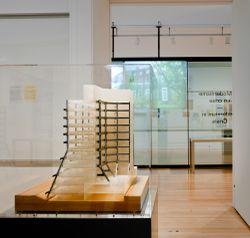
Les influences radicalement divergentes qui ont marqué l’architecte James Frazer Stirling rendent impossibles la caractérisation de son œuvre, qualifiée par d’autres comme étant moderniste d’avant-guerre, néoclassique, rationaliste, brutaliste, postmoderniste. Mais la continuité de sa pensée émerge de l’impressionnante quantité et diversité de documents conservés dans les(...)
Les influences radicalement divergentes qui ont marqué l’architecte James Frazer Stirling rendent impossibles la caractérisation de son œuvre, qualifiée par d’autres comme étant moderniste d’avant-guerre, néoclassique, rationaliste, brutaliste, postmoderniste. Mais la continuité de sa pensée émerge de l’impressionnante quantité et diversité de documents conservés dans les(...)
Localisation:
Salles principales
Salles principales
Date:
16 mai 2012 au 14 octobre 2012
16 mai 2012 au 14 octobre 2012
Titre:
Notes d’archives : James Frazer Stirling
Actions:
Description:
Les influences radicalement divergentes qui ont marqué l’architecte James Frazer Stirling rendent impossibles la caractérisation de son œuvre, qualifiée par d’autres comme étant moderniste d’avant-guerre, néoclassique, rationaliste, brutaliste, postmoderniste. Mais la continuité de sa pensée émerge de l’impressionnante quantité et diversité de documents conservés dans les(...)
Notes d’archives : James Frazer Stirling
Actions:
Description:
Les influences radicalement divergentes qui ont marqué l’architecte James Frazer Stirling rendent impossibles la caractérisation de son œuvre, qualifiée par d’autres comme étant moderniste d’avant-guerre, néoclassique, rationaliste, brutaliste, postmoderniste. Mais la continuité de sa pensée émerge de l’impressionnante quantité et diversité de documents conservés dans les(...)
Classification:
expositions
expositions
Date:
16 mai 2012 au
14 octobre 2012
16 mai 2012 au
14 octobre 2012
Localisation:
Salles principales
Salles principales
Classification:
archives
Niveau de description archivistique:
Fonds
archives
Niveau de description archivistique:
Fonds
Numéro de référence:
AP189
Résumé:
L’installation Météorologie d’intérieur fut présentée au Centre Canadien d’Architecture (CCA) lors de l’exposition Environ(ne)ment (18 octobre 2006-10 juin 2007) et à Rovereto en Italie lors de l’exposition Manifesta 7 (19 juillet-2 novembre 2008). Les documents d’archives de l’installation comprennent le logiciel développé pour l’installation et une sélection des objets installés dans les deux espaces d’exposition. *** The installation Interior Weather was presented at the Candian Centre for Architecture (CCA) as part of the exhibition Environ(ne)ment (October 18, 2006-June 10, 2007) and in Rovereto, Italy as part of Manifesta 7 (July 19-November 2, 2008). The records of the installation Interior Weather include the software developed for the installation and a selection of objects installed in the exhibition spaces.
AP189
Résumé:
L’installation Météorologie d’intérieur fut présentée au Centre Canadien d’Architecture (CCA) lors de l’exposition Environ(ne)ment (18 octobre 2006-10 juin 2007) et à Rovereto en Italie lors de l’exposition Manifesta 7 (19 juillet-2 novembre 2008). Les documents d’archives de l’installation comprennent le logiciel développé pour l’installation et une sélection des objets installés dans les deux espaces d’exposition. *** The installation Interior Weather was presented at the Candian Centre for Architecture (CCA) as part of the exhibition Environ(ne)ment (October 18, 2006-June 10, 2007) and in Rovereto, Italy as part of Manifesta 7 (July 19-November 2, 2008). The records of the installation Interior Weather include the software developed for the installation and a selection of objects installed in the exhibition spaces.
Personnes et institutions:
Date:
2000-2008
2000-2008
Titre:
Documents d'archives de l'installation "Météorologie d'intérieur" de Philippe Rahm
Actions:
AP189
Résumé:
L’installation Météorologie d’intérieur fut présentée au Centre Canadien d’Architecture (CCA) lors de l’exposition Environ(ne)ment (18 octobre 2006-10 juin 2007) et à Rovereto en Italie lors de l’exposition Manifesta 7 (19 juillet-2 novembre 2008). Les documents d’archives de l’installation comprennent le logiciel développé pour l’installation et une sélection des objets installés dans les deux espaces d’exposition. *** The installation Interior Weather was presented at the Candian Centre for Architecture (CCA) as part of the exhibition Environ(ne)ment (October 18, 2006-June 10, 2007) and in Rovereto, Italy as part of Manifesta 7 (July 19-November 2, 2008). The records of the installation Interior Weather include the software developed for the installation and a selection of objects installed in the exhibition spaces.
Documents d'archives de l'installation "Météorologie d'intérieur" de Philippe Rahm
Actions:
AP189
Résumé:
L’installation Météorologie d’intérieur fut présentée au Centre Canadien d’Architecture (CCA) lors de l’exposition Environ(ne)ment (18 octobre 2006-10 juin 2007) et à Rovereto en Italie lors de l’exposition Manifesta 7 (19 juillet-2 novembre 2008). Les documents d’archives de l’installation comprennent le logiciel développé pour l’installation et une sélection des objets installés dans les deux espaces d’exposition. *** The installation Interior Weather was presented at the Candian Centre for Architecture (CCA) as part of the exhibition Environ(ne)ment (October 18, 2006-June 10, 2007) and in Rovereto, Italy as part of Manifesta 7 (July 19-November 2, 2008). The records of the installation Interior Weather include the software developed for the installation and a selection of objects installed in the exhibition spaces.
Classification:
archives
Niveau de description archivistique:
Fonds
archives
Niveau de description archivistique:
Fonds
Date:
2000-2008
2000-2008
Personnes et institutions:
Classification:
documents textuels
documents textuels
Numéro de référence:
ARCH203944
Description:
Contient : - Soulie, Jean-Paul. "La vie noctune de Montréal trouvera un nouveau cadre dans le complexe Desjardins" (La Presse, 24 mars 1973) ; - "Dévoilement de la maquette de l'hôtel Méridien-Montréal" ([vers 1974]); - "Un hôtel à saveur québécoise" ([vers 1974]) ; - "A search for perfection - in project big..." (The Montreal Star, 17 août 1974) ; - Marsan, Jean-Claude. "Le Complexe Desjardins -2 : La première véritable place" (Le Devoir, 20 mars 1976) ; - "Pour fêter l'ouverture du Complexe" (La Presse, 25 mars 1976) : présentation du programme des activités socioculturelles marquant l'ouverture du Complexe, 3 au 18 avril 1976) ; - Nadeau, Michel. "Le Complexe Desjardins aura coûté deux fois plus que prévu : $206 millions" (Le Devoir, 2 avril 1976) ; - "Alfred Rouleau : Briser la frontière entre l'est et l'ouest" (La Presse, 5 avril 1976) ; - Ryan, Claude. "Le complexe Desjardins, et après" (Le Devoir, 5 avril 1976) ; - Ensemble! Journal d'information coopérative, 22 avril 1976 (numéro entièrement consacré au Complexe Desjardins peu après son inauguration) ; - "Le Complexe Desjardins", supplément, (Le Devoir, 14 mai 1976) ; - London, Mark. "Lessons to learn in giant Complexe" (The Montreal Star, 12 mars 1977) ; - Pomerantz, Richard. "Not all city plazas meet expectations" (The Montreal Star, 18 août 1979) ; - "Début des travaux au Palais des congrès" (Le Devoir, 19 octobre 1979) [Photographie avec le Complexe Desjardins en arrière-plan] ; - Beaudry, Pierre. "Le plus beau miracle du frère André" (Le Devoir, 13 novembre 1985) ; - Bonhomme, Jean-Pierre. "Après dix années, le Complexe Desjardins se porte très bien" (La Presse, 12 avril 1986) ; - Turcotte, Claude. "La coopération au milieu de la tourmente" (Le Devoir, 9-10 mars 1996) ; - Turcotte, Claude. "Tout commence à Lévis" (Le Devoir, 18-19 mars 2000) ; - Beaudry, Pierre. "Lettre ouverte au maire de Montréal (II)" (Le Devoir. n.d.) ; - Ouellet, Jean. "Le complexe de la place" (Source non identifiée, n.d.).
ARCH203944
Description:
Contient : - Soulie, Jean-Paul. "La vie noctune de Montréal trouvera un nouveau cadre dans le complexe Desjardins" (La Presse, 24 mars 1973) ; - "Dévoilement de la maquette de l'hôtel Méridien-Montréal" ([vers 1974]); - "Un hôtel à saveur québécoise" ([vers 1974]) ; - "A search for perfection - in project big..." (The Montreal Star, 17 août 1974) ; - Marsan, Jean-Claude. "Le Complexe Desjardins -2 : La première véritable place" (Le Devoir, 20 mars 1976) ; - "Pour fêter l'ouverture du Complexe" (La Presse, 25 mars 1976) : présentation du programme des activités socioculturelles marquant l'ouverture du Complexe, 3 au 18 avril 1976) ; - Nadeau, Michel. "Le Complexe Desjardins aura coûté deux fois plus que prévu : $206 millions" (Le Devoir, 2 avril 1976) ; - "Alfred Rouleau : Briser la frontière entre l'est et l'ouest" (La Presse, 5 avril 1976) ; - Ryan, Claude. "Le complexe Desjardins, et après" (Le Devoir, 5 avril 1976) ; - Ensemble! Journal d'information coopérative, 22 avril 1976 (numéro entièrement consacré au Complexe Desjardins peu après son inauguration) ; - "Le Complexe Desjardins", supplément, (Le Devoir, 14 mai 1976) ; - London, Mark. "Lessons to learn in giant Complexe" (The Montreal Star, 12 mars 1977) ; - Pomerantz, Richard. "Not all city plazas meet expectations" (The Montreal Star, 18 août 1979) ; - "Début des travaux au Palais des congrès" (Le Devoir, 19 octobre 1979) [Photographie avec le Complexe Desjardins en arrière-plan] ; - Beaudry, Pierre. "Le plus beau miracle du frère André" (Le Devoir, 13 novembre 1985) ; - Bonhomme, Jean-Pierre. "Après dix années, le Complexe Desjardins se porte très bien" (La Presse, 12 avril 1986) ; - Turcotte, Claude. "La coopération au milieu de la tourmente" (Le Devoir, 9-10 mars 1996) ; - Turcotte, Claude. "Tout commence à Lévis" (Le Devoir, 18-19 mars 2000) ; - Beaudry, Pierre. "Lettre ouverte au maire de Montréal (II)" (Le Devoir. n.d.) ; - Ouellet, Jean. "Le complexe de la place" (Source non identifiée, n.d.).
Personnes et institutions:
Date:
1973-2000
1973-2000
Titre:
Coupures de journaux et cahiers spéciaux, Complexe Desjardins, Montréal, Québec
Actions:
ARCH203944
Description:
Contient : - Soulie, Jean-Paul. "La vie noctune de Montréal trouvera un nouveau cadre dans le complexe Desjardins" (La Presse, 24 mars 1973) ; - "Dévoilement de la maquette de l'hôtel Méridien-Montréal" ([vers 1974]); - "Un hôtel à saveur québécoise" ([vers 1974]) ; - "A search for perfection - in project big..." (The Montreal Star, 17 août 1974) ; - Marsan, Jean-Claude. "Le Complexe Desjardins -2 : La première véritable place" (Le Devoir, 20 mars 1976) ; - "Pour fêter l'ouverture du Complexe" (La Presse, 25 mars 1976) : présentation du programme des activités socioculturelles marquant l'ouverture du Complexe, 3 au 18 avril 1976) ; - Nadeau, Michel. "Le Complexe Desjardins aura coûté deux fois plus que prévu : $206 millions" (Le Devoir, 2 avril 1976) ; - "Alfred Rouleau : Briser la frontière entre l'est et l'ouest" (La Presse, 5 avril 1976) ; - Ryan, Claude. "Le complexe Desjardins, et après" (Le Devoir, 5 avril 1976) ; - Ensemble! Journal d'information coopérative, 22 avril 1976 (numéro entièrement consacré au Complexe Desjardins peu après son inauguration) ; - "Le Complexe Desjardins", supplément, (Le Devoir, 14 mai 1976) ; - London, Mark. "Lessons to learn in giant Complexe" (The Montreal Star, 12 mars 1977) ; - Pomerantz, Richard. "Not all city plazas meet expectations" (The Montreal Star, 18 août 1979) ; - "Début des travaux au Palais des congrès" (Le Devoir, 19 octobre 1979) [Photographie avec le Complexe Desjardins en arrière-plan] ; - Beaudry, Pierre. "Le plus beau miracle du frère André" (Le Devoir, 13 novembre 1985) ; - Bonhomme, Jean-Pierre. "Après dix années, le Complexe Desjardins se porte très bien" (La Presse, 12 avril 1986) ; - Turcotte, Claude. "La coopération au milieu de la tourmente" (Le Devoir, 9-10 mars 1996) ; - Turcotte, Claude. "Tout commence à Lévis" (Le Devoir, 18-19 mars 2000) ; - Beaudry, Pierre. "Lettre ouverte au maire de Montréal (II)" (Le Devoir. n.d.) ; - Ouellet, Jean. "Le complexe de la place" (Source non identifiée, n.d.).
Coupures de journaux et cahiers spéciaux, Complexe Desjardins, Montréal, Québec
Actions:
ARCH203944
Description:
Contient : - Soulie, Jean-Paul. "La vie noctune de Montréal trouvera un nouveau cadre dans le complexe Desjardins" (La Presse, 24 mars 1973) ; - "Dévoilement de la maquette de l'hôtel Méridien-Montréal" ([vers 1974]); - "Un hôtel à saveur québécoise" ([vers 1974]) ; - "A search for perfection - in project big..." (The Montreal Star, 17 août 1974) ; - Marsan, Jean-Claude. "Le Complexe Desjardins -2 : La première véritable place" (Le Devoir, 20 mars 1976) ; - "Pour fêter l'ouverture du Complexe" (La Presse, 25 mars 1976) : présentation du programme des activités socioculturelles marquant l'ouverture du Complexe, 3 au 18 avril 1976) ; - Nadeau, Michel. "Le Complexe Desjardins aura coûté deux fois plus que prévu : $206 millions" (Le Devoir, 2 avril 1976) ; - "Alfred Rouleau : Briser la frontière entre l'est et l'ouest" (La Presse, 5 avril 1976) ; - Ryan, Claude. "Le complexe Desjardins, et après" (Le Devoir, 5 avril 1976) ; - Ensemble! Journal d'information coopérative, 22 avril 1976 (numéro entièrement consacré au Complexe Desjardins peu après son inauguration) ; - "Le Complexe Desjardins", supplément, (Le Devoir, 14 mai 1976) ; - London, Mark. "Lessons to learn in giant Complexe" (The Montreal Star, 12 mars 1977) ; - Pomerantz, Richard. "Not all city plazas meet expectations" (The Montreal Star, 18 août 1979) ; - "Début des travaux au Palais des congrès" (Le Devoir, 19 octobre 1979) [Photographie avec le Complexe Desjardins en arrière-plan] ; - Beaudry, Pierre. "Le plus beau miracle du frère André" (Le Devoir, 13 novembre 1985) ; - Bonhomme, Jean-Pierre. "Après dix années, le Complexe Desjardins se porte très bien" (La Presse, 12 avril 1986) ; - Turcotte, Claude. "La coopération au milieu de la tourmente" (Le Devoir, 9-10 mars 1996) ; - Turcotte, Claude. "Tout commence à Lévis" (Le Devoir, 18-19 mars 2000) ; - Beaudry, Pierre. "Lettre ouverte au maire de Montréal (II)" (Le Devoir. n.d.) ; - Ouellet, Jean. "Le complexe de la place" (Source non identifiée, n.d.).
Classification:
documents textuels
documents textuels
Date:
1973-2000
1973-2000
Personnes et institutions:
Classification:
dessins
Quantité:
3 portfolio(s)
dessins
Quantité:
3 portfolio(s)
Actions:
Numéro de référence:
DR1974:0002:031:001-055
Description:
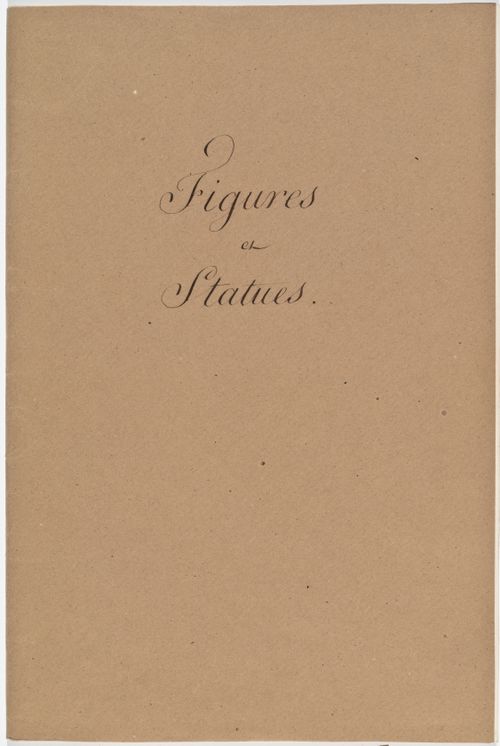
- The three portfolios of this group are entitled: Figures et Statues (DR1974:0002:031:001 - DR1974:0002:031:024), Architecture Antique Mélanges (DR1974:0002:031:025 - DR1974:0002:031:043), and Architecture Moderne Mélanges (DR1974:0002:031:044 - DR1974:0002:031:055). -- Portfolio Figures et Statues comprises primarily drawings of classical figures and architectural sculpture from both antique and 19th century sources. Few of the sources of these drawings are clearly identified, with the exception of Genie de la Liberté from the Colonne de Juillet (DR1974:0002:031:016:003). There are a number of drawings of sculpture from the 16th century tomb monument of Maximillian I in Innsbruck (DR1974:0002:031:017 - DR1974:0002:031:023:001-003). -- Portfolio Architecture Antique Mélanges comprises mostly architectural drawings from buildings or monuments in Pisa, Rome, Tivoli, Naples, Florence, Viterbo, and Nice. Also included are a reconstruction of Pliny the Younger's Villa Laurentine (DR1974:0002:031:043), an orthographic drawing of the L'arc des orfèvres (DR1974:0002:031:032:001-002), and an interior perspective of an imaginary church, perhaps inspired by Pugin (DR1974:0002:031:027). -- Portfolio Architecture Moderne Mélanges comprises drawings which represent the classical tradition of 19th century French and English architecture (Bergdoll, p. 2). The French subjects include the Palais de justice, Amiens (DR1974:0002:031:044:002), the Louvois fountain by Visconti, (DR1974:0002:031:049:002), the Arc du Carrousel (DR1974:0002:031:053:001), and the Vendome column (DR1974:0002:031:053:002). English architecture is represented by Charles Robert Cockerell's Hanover Chapel, Regent Street, London (DR1974:0002:031:054:001), and late Georgian\early Regency houses (DR1974:0002:031:045:001-002 and DR1974:0002:031:046:001-002). The drawings related to Amiens Cathedral (DR1974:0002:031:044:001-002) and the Cloaca Maxima (DR1974:0002:031:052:002) are notable exceptions to the contemporary contents of the folder.
DR1974:0002:031:001-055
Description:
- The three portfolios of this group are entitled: Figures et Statues (DR1974:0002:031:001 - DR1974:0002:031:024), Architecture Antique Mélanges (DR1974:0002:031:025 - DR1974:0002:031:043), and Architecture Moderne Mélanges (DR1974:0002:031:044 - DR1974:0002:031:055). -- Portfolio Figures et Statues comprises primarily drawings of classical figures and architectural sculpture from both antique and 19th century sources. Few of the sources of these drawings are clearly identified, with the exception of Genie de la Liberté from the Colonne de Juillet (DR1974:0002:031:016:003). There are a number of drawings of sculpture from the 16th century tomb monument of Maximillian I in Innsbruck (DR1974:0002:031:017 - DR1974:0002:031:023:001-003). -- Portfolio Architecture Antique Mélanges comprises mostly architectural drawings from buildings or monuments in Pisa, Rome, Tivoli, Naples, Florence, Viterbo, and Nice. Also included are a reconstruction of Pliny the Younger's Villa Laurentine (DR1974:0002:031:043), an orthographic drawing of the L'arc des orfèvres (DR1974:0002:031:032:001-002), and an interior perspective of an imaginary church, perhaps inspired by Pugin (DR1974:0002:031:027). -- Portfolio Architecture Moderne Mélanges comprises drawings which represent the classical tradition of 19th century French and English architecture (Bergdoll, p. 2). The French subjects include the Palais de justice, Amiens (DR1974:0002:031:044:002), the Louvois fountain by Visconti, (DR1974:0002:031:049:002), the Arc du Carrousel (DR1974:0002:031:053:001), and the Vendome column (DR1974:0002:031:053:002). English architecture is represented by Charles Robert Cockerell's Hanover Chapel, Regent Street, London (DR1974:0002:031:054:001), and late Georgian\early Regency houses (DR1974:0002:031:045:001-002 and DR1974:0002:031:046:001-002). The drawings related to Amiens Cathedral (DR1974:0002:031:044:001-002) and the Cloaca Maxima (DR1974:0002:031:052:002) are notable exceptions to the contemporary contents of the folder.
Personnes et institutions:
Sujet:
architecture, design d'intérieur, peinture, sculpture
architecture, design d'intérieur, peinture, sculpture
Date:
between 1800 and 1868
between 1800 and 1868
Titre:
Three portfolios of drawings of classical figures, statues from the sepulchral monument of Maximilian I, Innsbruck, and ancient and modern buildings
Actions:
DR1974:0002:031:001-055
Description:
- The three portfolios of this group are entitled: Figures et Statues (DR1974:0002:031:001 - DR1974:0002:031:024), Architecture Antique Mélanges (DR1974:0002:031:025 - DR1974:0002:031:043), and Architecture Moderne Mélanges (DR1974:0002:031:044 - DR1974:0002:031:055). -- Portfolio Figures et Statues comprises primarily drawings of classical figures and architectural sculpture from both antique and 19th century sources. Few of the sources of these drawings are clearly identified, with the exception of Genie de la Liberté from the Colonne de Juillet (DR1974:0002:031:016:003). There are a number of drawings of sculpture from the 16th century tomb monument of Maximillian I in Innsbruck (DR1974:0002:031:017 - DR1974:0002:031:023:001-003). -- Portfolio Architecture Antique Mélanges comprises mostly architectural drawings from buildings or monuments in Pisa, Rome, Tivoli, Naples, Florence, Viterbo, and Nice. Also included are a reconstruction of Pliny the Younger's Villa Laurentine (DR1974:0002:031:043), an orthographic drawing of the L'arc des orfèvres (DR1974:0002:031:032:001-002), and an interior perspective of an imaginary church, perhaps inspired by Pugin (DR1974:0002:031:027). -- Portfolio Architecture Moderne Mélanges comprises drawings which represent the classical tradition of 19th century French and English architecture (Bergdoll, p. 2). The French subjects include the Palais de justice, Amiens (DR1974:0002:031:044:002), the Louvois fountain by Visconti, (DR1974:0002:031:049:002), the Arc du Carrousel (DR1974:0002:031:053:001), and the Vendome column (DR1974:0002:031:053:002). English architecture is represented by Charles Robert Cockerell's Hanover Chapel, Regent Street, London (DR1974:0002:031:054:001), and late Georgian\early Regency houses (DR1974:0002:031:045:001-002 and DR1974:0002:031:046:001-002). The drawings related to Amiens Cathedral (DR1974:0002:031:044:001-002) and the Cloaca Maxima (DR1974:0002:031:052:002) are notable exceptions to the contemporary contents of the folder.
Three portfolios of drawings of classical figures, statues from the sepulchral monument of Maximilian I, Innsbruck, and ancient and modern buildings
Actions:
DR1974:0002:031:001-055
Description:
- The three portfolios of this group are entitled: Figures et Statues (DR1974:0002:031:001 - DR1974:0002:031:024), Architecture Antique Mélanges (DR1974:0002:031:025 - DR1974:0002:031:043), and Architecture Moderne Mélanges (DR1974:0002:031:044 - DR1974:0002:031:055). -- Portfolio Figures et Statues comprises primarily drawings of classical figures and architectural sculpture from both antique and 19th century sources. Few of the sources of these drawings are clearly identified, with the exception of Genie de la Liberté from the Colonne de Juillet (DR1974:0002:031:016:003). There are a number of drawings of sculpture from the 16th century tomb monument of Maximillian I in Innsbruck (DR1974:0002:031:017 - DR1974:0002:031:023:001-003). -- Portfolio Architecture Antique Mélanges comprises mostly architectural drawings from buildings or monuments in Pisa, Rome, Tivoli, Naples, Florence, Viterbo, and Nice. Also included are a reconstruction of Pliny the Younger's Villa Laurentine (DR1974:0002:031:043), an orthographic drawing of the L'arc des orfèvres (DR1974:0002:031:032:001-002), and an interior perspective of an imaginary church, perhaps inspired by Pugin (DR1974:0002:031:027). -- Portfolio Architecture Moderne Mélanges comprises drawings which represent the classical tradition of 19th century French and English architecture (Bergdoll, p. 2). The French subjects include the Palais de justice, Amiens (DR1974:0002:031:044:002), the Louvois fountain by Visconti, (DR1974:0002:031:049:002), the Arc du Carrousel (DR1974:0002:031:053:001), and the Vendome column (DR1974:0002:031:053:002). English architecture is represented by Charles Robert Cockerell's Hanover Chapel, Regent Street, London (DR1974:0002:031:054:001), and late Georgian\early Regency houses (DR1974:0002:031:045:001-002 and DR1974:0002:031:046:001-002). The drawings related to Amiens Cathedral (DR1974:0002:031:044:001-002) and the Cloaca Maxima (DR1974:0002:031:052:002) are notable exceptions to the contemporary contents of the folder.
Classification:
dessins
Quantité:
3 portfolio(s)
dessins
Quantité:
3 portfolio(s)
Date:
between 1800 and 1868
between 1800 and 1868
Personnes et institutions:
Sujet:
architecture, design d'intérieur, peinture, sculpture
architecture, design d'intérieur, peinture, sculpture
Classification:
documents textuels
documents textuels
Numéro de référence:
AP140.S2.SS4.D1.P2
Description:
annotated drafts of introduction by John Jacobus, correspondence with John Jacobus and publisher Gerd Hatje, sketchbook with notes and sketches for book layout by James Stirling, including: folder 1/3 - letter from James Stirling to John Jacobus (28 April 1975) explaining the process of editing Jacobus' introduction, mollifying him regarding changes and noting that the text was reviewed by Ken Frampton and Kerry ? - letter from John Jacobus to James Stirling (22 May 1975?) "I'm still mad at you but that's a small thing." - 2nd draft of the introduction "approved by Jake" annotated in black and blue ink - 5th draft (June 1971) 2 photocopied copies - Draft of the introduction, inscribed "Mary" in red ink, with comments in pencil (by Mary Stirling ?) and further notes in red ink (by James Stirling ?) folder 2/3 - 5th draft (June 1971), inscribed "Jan" (struck through in red ink), "Fourth draft" (struck through in red ink and replaced with "Fifth), annotated in red ink over earlier nnotations (by James Stirling ?) - 5th draft (struck through in red ink), extensively edited and annotated in red ink by James Stirling - 5th draft, original typescript, annotated in black ink and graphite - 4th draft, inscribed "Jan 71," a photocopy of an already annotated and edited text - 4th draft, inscribed "3rd draft" (struck through in red ink), heavily edited in rd ink, graphite, green ink, including an additional 7 pages of notes "by Ken Frampton" dated "Fall of 1972 or 73" folder 3/3 - 3rd draft, original typescript, edited in black ink by James Stirling - 2nd draft, "approved by Jake," photocopy, edited in graphite over earlieer editing marks - several sets of early pages of the introduction, interspersed with accompanying letters from John Jacobus to James Stirling, all heavily annotated and struck through in red andorange marker, black ink, graphite, purple ink, yellow marker, red ink, purple pencil, with entirely new passages in black ink - 4th draft, dated "Jan 71," two photocopied copies including photocopied editing marks - final draft, inscribed "FINAL" and "Revised (in ink), to length(?) via Hatje," original typescript, edited in red ink, graphite, black ink, black marker, blue ink, green ink and strike throughs in black marker Red cloth-bound journal - 23.2 x 18.0 cm dated on inside cover "London - May - 1973" - page layouts for book - black ink, blue marker, red ink, graphite, blue ink
AP140.S2.SS4.D1.P2
Description:
annotated drafts of introduction by John Jacobus, correspondence with John Jacobus and publisher Gerd Hatje, sketchbook with notes and sketches for book layout by James Stirling, including: folder 1/3 - letter from James Stirling to John Jacobus (28 April 1975) explaining the process of editing Jacobus' introduction, mollifying him regarding changes and noting that the text was reviewed by Ken Frampton and Kerry ? - letter from John Jacobus to James Stirling (22 May 1975?) "I'm still mad at you but that's a small thing." - 2nd draft of the introduction "approved by Jake" annotated in black and blue ink - 5th draft (June 1971) 2 photocopied copies - Draft of the introduction, inscribed "Mary" in red ink, with comments in pencil (by Mary Stirling ?) and further notes in red ink (by James Stirling ?) folder 2/3 - 5th draft (June 1971), inscribed "Jan" (struck through in red ink), "Fourth draft" (struck through in red ink and replaced with "Fifth), annotated in red ink over earlier nnotations (by James Stirling ?) - 5th draft (struck through in red ink), extensively edited and annotated in red ink by James Stirling - 5th draft, original typescript, annotated in black ink and graphite - 4th draft, inscribed "Jan 71," a photocopy of an already annotated and edited text - 4th draft, inscribed "3rd draft" (struck through in red ink), heavily edited in rd ink, graphite, green ink, including an additional 7 pages of notes "by Ken Frampton" dated "Fall of 1972 or 73" folder 3/3 - 3rd draft, original typescript, edited in black ink by James Stirling - 2nd draft, "approved by Jake," photocopy, edited in graphite over earlieer editing marks - several sets of early pages of the introduction, interspersed with accompanying letters from John Jacobus to James Stirling, all heavily annotated and struck through in red andorange marker, black ink, graphite, purple ink, yellow marker, red ink, purple pencil, with entirely new passages in black ink - 4th draft, dated "Jan 71," two photocopied copies including photocopied editing marks - final draft, inscribed "FINAL" and "Revised (in ink), to length(?) via Hatje," original typescript, edited in red ink, graphite, black ink, black marker, blue ink, green ink and strike throughs in black marker Red cloth-bound journal - 23.2 x 18.0 cm dated on inside cover "London - May - 1973" - page layouts for book - black ink, blue marker, red ink, graphite, blue ink
Personnes et institutions:
Titre:
annotated drafts of introduction, correspondence, sketchbook with notes and sketches for book layout
Actions:
AP140.S2.SS4.D1.P2
Description:
annotated drafts of introduction by John Jacobus, correspondence with John Jacobus and publisher Gerd Hatje, sketchbook with notes and sketches for book layout by James Stirling, including: folder 1/3 - letter from James Stirling to John Jacobus (28 April 1975) explaining the process of editing Jacobus' introduction, mollifying him regarding changes and noting that the text was reviewed by Ken Frampton and Kerry ? - letter from John Jacobus to James Stirling (22 May 1975?) "I'm still mad at you but that's a small thing." - 2nd draft of the introduction "approved by Jake" annotated in black and blue ink - 5th draft (June 1971) 2 photocopied copies - Draft of the introduction, inscribed "Mary" in red ink, with comments in pencil (by Mary Stirling ?) and further notes in red ink (by James Stirling ?) folder 2/3 - 5th draft (June 1971), inscribed "Jan" (struck through in red ink), "Fourth draft" (struck through in red ink and replaced with "Fifth), annotated in red ink over earlier nnotations (by James Stirling ?) - 5th draft (struck through in red ink), extensively edited and annotated in red ink by James Stirling - 5th draft, original typescript, annotated in black ink and graphite - 4th draft, inscribed "Jan 71," a photocopy of an already annotated and edited text - 4th draft, inscribed "3rd draft" (struck through in red ink), heavily edited in rd ink, graphite, green ink, including an additional 7 pages of notes "by Ken Frampton" dated "Fall of 1972 or 73" folder 3/3 - 3rd draft, original typescript, edited in black ink by James Stirling - 2nd draft, "approved by Jake," photocopy, edited in graphite over earlieer editing marks - several sets of early pages of the introduction, interspersed with accompanying letters from John Jacobus to James Stirling, all heavily annotated and struck through in red andorange marker, black ink, graphite, purple ink, yellow marker, red ink, purple pencil, with entirely new passages in black ink - 4th draft, dated "Jan 71," two photocopied copies including photocopied editing marks - final draft, inscribed "FINAL" and "Revised (in ink), to length(?) via Hatje," original typescript, edited in red ink, graphite, black ink, black marker, blue ink, green ink and strike throughs in black marker Red cloth-bound journal - 23.2 x 18.0 cm dated on inside cover "London - May - 1973" - page layouts for book - black ink, blue marker, red ink, graphite, blue ink
annotated drafts of introduction, correspondence, sketchbook with notes and sketches for book layout
Actions:
AP140.S2.SS4.D1.P2
Description:
annotated drafts of introduction by John Jacobus, correspondence with John Jacobus and publisher Gerd Hatje, sketchbook with notes and sketches for book layout by James Stirling, including: folder 1/3 - letter from James Stirling to John Jacobus (28 April 1975) explaining the process of editing Jacobus' introduction, mollifying him regarding changes and noting that the text was reviewed by Ken Frampton and Kerry ? - letter from John Jacobus to James Stirling (22 May 1975?) "I'm still mad at you but that's a small thing." - 2nd draft of the introduction "approved by Jake" annotated in black and blue ink - 5th draft (June 1971) 2 photocopied copies - Draft of the introduction, inscribed "Mary" in red ink, with comments in pencil (by Mary Stirling ?) and further notes in red ink (by James Stirling ?) folder 2/3 - 5th draft (June 1971), inscribed "Jan" (struck through in red ink), "Fourth draft" (struck through in red ink and replaced with "Fifth), annotated in red ink over earlier nnotations (by James Stirling ?) - 5th draft (struck through in red ink), extensively edited and annotated in red ink by James Stirling - 5th draft, original typescript, annotated in black ink and graphite - 4th draft, inscribed "Jan 71," a photocopy of an already annotated and edited text - 4th draft, inscribed "3rd draft" (struck through in red ink), heavily edited in rd ink, graphite, green ink, including an additional 7 pages of notes "by Ken Frampton" dated "Fall of 1972 or 73" folder 3/3 - 3rd draft, original typescript, edited in black ink by James Stirling - 2nd draft, "approved by Jake," photocopy, edited in graphite over earlieer editing marks - several sets of early pages of the introduction, interspersed with accompanying letters from John Jacobus to James Stirling, all heavily annotated and struck through in red andorange marker, black ink, graphite, purple ink, yellow marker, red ink, purple pencil, with entirely new passages in black ink - 4th draft, dated "Jan 71," two photocopied copies including photocopied editing marks - final draft, inscribed "FINAL" and "Revised (in ink), to length(?) via Hatje," original typescript, edited in red ink, graphite, black ink, black marker, blue ink, green ink and strike throughs in black marker Red cloth-bound journal - 23.2 x 18.0 cm dated on inside cover "London - May - 1973" - page layouts for book - black ink, blue marker, red ink, graphite, blue ink
Classification:
documents textuels
documents textuels
Personnes et institutions:
Niveau de description archivistique:
Série(s)
Série(s)
Numéro de référence:
AP144.S2
Description:
Series documents Cedric Price's projects from his early work in the late 1950s to work dating from the time he founded his own practice in 1960 until 2000. Material includes numerous competition entries, planning and building projects, transportation-related projects, exhibitions, conceptual projects, furniture and interior designs, and monuments, follies, and decorations. Some projects also reflect his teaching, research, lecture and publication activities. Price also worked on several competition juries (see projects Musique, Elephant). Many of Cedric Price's projects in the series are unexecuted. Significant unrealized projects from the 1960s and 1970s include Fun Palace (1961-1974), Potteries Thinkbelt (1963-1967), Oxford Corner House (1965-1966), and Generator (1976-1980). Significant built projects from the same period include the New Aviary (1960-1966), his first major realized project (with Lord Snowdon and Frank Newby), and Inter-Action Centre (1971-1979). Other realized projects include an office building (BTDB Computer, 1968-1973) and restaurant (Blackpool Project, 1971-1975). Planning projects from the 1960s and 1970s include Potteries Thinkbelt, Detroit Think Grid (1969-1971) and Rice University's design charette, Atom (1967). In the 1980s and 1990s, Cedric Price worked on several building proposals including greenhouses (Serre, Serre (2)), museums, galleries, and pavilions (Trafalgar, Pertpavs, Snake), a railway station (Strate (2)), a cultural centre (Tiff), houses (Perthut, Castel), a bus station (Walsall), an aviary (CP Aviary) and office buildings (Domain, Berlin). Planning projects from the same time include parks and cultural complexes, (Parc, South Bank), urban areas, (Strate, Stratton, IFPRI, Haven, Mills), university campuses (Frankfurt, Unibad, Bedford), and rural areas (Stark, Arkage). Transportation-related projects include railways (Strate, Control, Rink), roadways (Stratton) and pedestrian links (Magnet, Halmag, South Bank). Only a few of his projects from that period were executed and those include the renovation projects Congress and SAS 29; a mobile market stall design for Westminster City Council (Westal) for which prototypes were built; a coffee cup design (Crowbar); and building conversion projects Gatard and Juke. Exhibition projects in the series include some devoted to Cedric Price's works (AA Exhibition, Aedes, AFX, Afella), some designed by him (Strike, Food for the Future, Topolski/Waterloo, Ashmole, Mean, AFX), as well as projects designed for exhibition (Citlin, Castel). The series also contains self-financed research and client-less projects, which form a significant part of Cedric Price's practice. Undertaken in anticipation of future clients or new planning needs, they include research into air structures and lightweight enclosures as well as integrated construction and transportation solutions (Trucksafe Air Portable Dock Ahoy), and housing research. South Bank, Magnet, and Duck Land represent a few of the client-less projects. The material in this series documents Cedric Price's work in the United Kingdom, in particular England (the Greater London area, and other areas) and Scotland, Germany, France, Austria, Australia, Japan, the United Arab Emirates, and the United States and other locations such as Canada, Nigeria, and Norway. Major clients include J. Lyons & Co. (Oxford Corner House), David Keddie (Two Tree Island, Southend Roof), Howard Gilman (Generator), British Railways (Strate and Strate (2), and others), the McAlpine family , particularly Alistair McAlpine, and their company Sir Robert McAlpine & Sons Ltd. (McAppy, Perthut, Trafalgar, Pertpavs, Ashmole, Perth, Obeliq, McVance); Établissement Public du Parc de la Villette (Parc, Serre, Serre (2), Musique) and the Canadian Centre for Architecture (IFPRI, Mean). He collaborated with several architects and engineers during the course of his career, his closest association being with engineer Frank Newby and quantity surveyor Douglas Smith. Some of his other collaborators include engineer Max Fordham (Strate (2), Tiff, Berlin), engineering firms Scott Wilson Kirkpatrick and Partners (Stratton, Rink, Control), and Sir Frederick Snow & Partners (South Bank), cybernetician Gordon Pask (Kawasaki/Japnet), architectural firm YRM/Yorke Rosenberg Mardall (Unibad), and architect Richard Rogers (Marman). He also collaborated with members of Archigram on the Trondheim Competition, (1972-1974), and with John and Julia Frazer who provided the computer modelling for Generator. David Price, Cedric Price's brother was the model maker for several projects. The series contains conceptual drawings, design development drawings, reference drawings and maps, presentation drawings (particularly for competitions), and working drawings. A significant amount of textual records are included, especially for projects involving a large amount of research or publicity (Air Structures, Lightweight Enclosures, South Bank, CP Aviary, Stratton), for executed projects, and for the larger unrealized projects like Fun Palace and Generator. Also includes photographic materials of project sites and models. Some models included in the series are made from durable materials (wood, metal, plastic), while others are in-office constructions made out of paper, cardboard and Fome-Cor (TM). Of particular note are the 11 models for Magnet, and a full-size prototype of a market stall for Westal. Series also contains publication layouts, including material for the "Cedric Price Supplement", 'Architectural Design' vols. 40- 42 (1970-1972). Changes in office practice are noted around 1971, evident in the Blackpool Project and later, including the adoption of the metric system, and the creation of working and detail drawings on A4 size paper and filed with textual records (e.g. approximately 300 such drawings are included in the textual records for Blackpool Project). At the same time fewer preamble drawings that relate to site sensing, progress and life-cycle graphs and tables are created for the projects (a common feature from the 1960s), although project progress tables are still used. Of particular interest is material in the Early Work and Miscellaneous Records file (AP144.S2.D1) that relates to office work methods and programmes.
AP144.S2
Description:
Series documents Cedric Price's projects from his early work in the late 1950s to work dating from the time he founded his own practice in 1960 until 2000. Material includes numerous competition entries, planning and building projects, transportation-related projects, exhibitions, conceptual projects, furniture and interior designs, and monuments, follies, and decorations. Some projects also reflect his teaching, research, lecture and publication activities. Price also worked on several competition juries (see projects Musique, Elephant). Many of Cedric Price's projects in the series are unexecuted. Significant unrealized projects from the 1960s and 1970s include Fun Palace (1961-1974), Potteries Thinkbelt (1963-1967), Oxford Corner House (1965-1966), and Generator (1976-1980). Significant built projects from the same period include the New Aviary (1960-1966), his first major realized project (with Lord Snowdon and Frank Newby), and Inter-Action Centre (1971-1979). Other realized projects include an office building (BTDB Computer, 1968-1973) and restaurant (Blackpool Project, 1971-1975). Planning projects from the 1960s and 1970s include Potteries Thinkbelt, Detroit Think Grid (1969-1971) and Rice University's design charette, Atom (1967). In the 1980s and 1990s, Cedric Price worked on several building proposals including greenhouses (Serre, Serre (2)), museums, galleries, and pavilions (Trafalgar, Pertpavs, Snake), a railway station (Strate (2)), a cultural centre (Tiff), houses (Perthut, Castel), a bus station (Walsall), an aviary (CP Aviary) and office buildings (Domain, Berlin). Planning projects from the same time include parks and cultural complexes, (Parc, South Bank), urban areas, (Strate, Stratton, IFPRI, Haven, Mills), university campuses (Frankfurt, Unibad, Bedford), and rural areas (Stark, Arkage). Transportation-related projects include railways (Strate, Control, Rink), roadways (Stratton) and pedestrian links (Magnet, Halmag, South Bank). Only a few of his projects from that period were executed and those include the renovation projects Congress and SAS 29; a mobile market stall design for Westminster City Council (Westal) for which prototypes were built; a coffee cup design (Crowbar); and building conversion projects Gatard and Juke. Exhibition projects in the series include some devoted to Cedric Price's works (AA Exhibition, Aedes, AFX, Afella), some designed by him (Strike, Food for the Future, Topolski/Waterloo, Ashmole, Mean, AFX), as well as projects designed for exhibition (Citlin, Castel). The series also contains self-financed research and client-less projects, which form a significant part of Cedric Price's practice. Undertaken in anticipation of future clients or new planning needs, they include research into air structures and lightweight enclosures as well as integrated construction and transportation solutions (Trucksafe Air Portable Dock Ahoy), and housing research. South Bank, Magnet, and Duck Land represent a few of the client-less projects. The material in this series documents Cedric Price's work in the United Kingdom, in particular England (the Greater London area, and other areas) and Scotland, Germany, France, Austria, Australia, Japan, the United Arab Emirates, and the United States and other locations such as Canada, Nigeria, and Norway. Major clients include J. Lyons & Co. (Oxford Corner House), David Keddie (Two Tree Island, Southend Roof), Howard Gilman (Generator), British Railways (Strate and Strate (2), and others), the McAlpine family , particularly Alistair McAlpine, and their company Sir Robert McAlpine & Sons Ltd. (McAppy, Perthut, Trafalgar, Pertpavs, Ashmole, Perth, Obeliq, McVance); Établissement Public du Parc de la Villette (Parc, Serre, Serre (2), Musique) and the Canadian Centre for Architecture (IFPRI, Mean). He collaborated with several architects and engineers during the course of his career, his closest association being with engineer Frank Newby and quantity surveyor Douglas Smith. Some of his other collaborators include engineer Max Fordham (Strate (2), Tiff, Berlin), engineering firms Scott Wilson Kirkpatrick and Partners (Stratton, Rink, Control), and Sir Frederick Snow & Partners (South Bank), cybernetician Gordon Pask (Kawasaki/Japnet), architectural firm YRM/Yorke Rosenberg Mardall (Unibad), and architect Richard Rogers (Marman). He also collaborated with members of Archigram on the Trondheim Competition, (1972-1974), and with John and Julia Frazer who provided the computer modelling for Generator. David Price, Cedric Price's brother was the model maker for several projects. The series contains conceptual drawings, design development drawings, reference drawings and maps, presentation drawings (particularly for competitions), and working drawings. A significant amount of textual records are included, especially for projects involving a large amount of research or publicity (Air Structures, Lightweight Enclosures, South Bank, CP Aviary, Stratton), for executed projects, and for the larger unrealized projects like Fun Palace and Generator. Also includes photographic materials of project sites and models. Some models included in the series are made from durable materials (wood, metal, plastic), while others are in-office constructions made out of paper, cardboard and Fome-Cor (TM). Of particular note are the 11 models for Magnet, and a full-size prototype of a market stall for Westal. Series also contains publication layouts, including material for the "Cedric Price Supplement", 'Architectural Design' vols. 40- 42 (1970-1972). Changes in office practice are noted around 1971, evident in the Blackpool Project and later, including the adoption of the metric system, and the creation of working and detail drawings on A4 size paper and filed with textual records (e.g. approximately 300 such drawings are included in the textual records for Blackpool Project). At the same time fewer preamble drawings that relate to site sensing, progress and life-cycle graphs and tables are created for the projects (a common feature from the 1960s), although project progress tables are still used. Of particular interest is material in the Early Work and Miscellaneous Records file (AP144.S2.D1) that relates to office work methods and programmes.
Personnes et institutions:
Date:
1903-2003, predominant 1960-2000
1903-2003, predominant 1960-2000
Titre:
Projects
Actions:
AP144.S2
Description:
Series documents Cedric Price's projects from his early work in the late 1950s to work dating from the time he founded his own practice in 1960 until 2000. Material includes numerous competition entries, planning and building projects, transportation-related projects, exhibitions, conceptual projects, furniture and interior designs, and monuments, follies, and decorations. Some projects also reflect his teaching, research, lecture and publication activities. Price also worked on several competition juries (see projects Musique, Elephant). Many of Cedric Price's projects in the series are unexecuted. Significant unrealized projects from the 1960s and 1970s include Fun Palace (1961-1974), Potteries Thinkbelt (1963-1967), Oxford Corner House (1965-1966), and Generator (1976-1980). Significant built projects from the same period include the New Aviary (1960-1966), his first major realized project (with Lord Snowdon and Frank Newby), and Inter-Action Centre (1971-1979). Other realized projects include an office building (BTDB Computer, 1968-1973) and restaurant (Blackpool Project, 1971-1975). Planning projects from the 1960s and 1970s include Potteries Thinkbelt, Detroit Think Grid (1969-1971) and Rice University's design charette, Atom (1967). In the 1980s and 1990s, Cedric Price worked on several building proposals including greenhouses (Serre, Serre (2)), museums, galleries, and pavilions (Trafalgar, Pertpavs, Snake), a railway station (Strate (2)), a cultural centre (Tiff), houses (Perthut, Castel), a bus station (Walsall), an aviary (CP Aviary) and office buildings (Domain, Berlin). Planning projects from the same time include parks and cultural complexes, (Parc, South Bank), urban areas, (Strate, Stratton, IFPRI, Haven, Mills), university campuses (Frankfurt, Unibad, Bedford), and rural areas (Stark, Arkage). Transportation-related projects include railways (Strate, Control, Rink), roadways (Stratton) and pedestrian links (Magnet, Halmag, South Bank). Only a few of his projects from that period were executed and those include the renovation projects Congress and SAS 29; a mobile market stall design for Westminster City Council (Westal) for which prototypes were built; a coffee cup design (Crowbar); and building conversion projects Gatard and Juke. Exhibition projects in the series include some devoted to Cedric Price's works (AA Exhibition, Aedes, AFX, Afella), some designed by him (Strike, Food for the Future, Topolski/Waterloo, Ashmole, Mean, AFX), as well as projects designed for exhibition (Citlin, Castel). The series also contains self-financed research and client-less projects, which form a significant part of Cedric Price's practice. Undertaken in anticipation of future clients or new planning needs, they include research into air structures and lightweight enclosures as well as integrated construction and transportation solutions (Trucksafe Air Portable Dock Ahoy), and housing research. South Bank, Magnet, and Duck Land represent a few of the client-less projects. The material in this series documents Cedric Price's work in the United Kingdom, in particular England (the Greater London area, and other areas) and Scotland, Germany, France, Austria, Australia, Japan, the United Arab Emirates, and the United States and other locations such as Canada, Nigeria, and Norway. Major clients include J. Lyons & Co. (Oxford Corner House), David Keddie (Two Tree Island, Southend Roof), Howard Gilman (Generator), British Railways (Strate and Strate (2), and others), the McAlpine family , particularly Alistair McAlpine, and their company Sir Robert McAlpine & Sons Ltd. (McAppy, Perthut, Trafalgar, Pertpavs, Ashmole, Perth, Obeliq, McVance); Établissement Public du Parc de la Villette (Parc, Serre, Serre (2), Musique) and the Canadian Centre for Architecture (IFPRI, Mean). He collaborated with several architects and engineers during the course of his career, his closest association being with engineer Frank Newby and quantity surveyor Douglas Smith. Some of his other collaborators include engineer Max Fordham (Strate (2), Tiff, Berlin), engineering firms Scott Wilson Kirkpatrick and Partners (Stratton, Rink, Control), and Sir Frederick Snow & Partners (South Bank), cybernetician Gordon Pask (Kawasaki/Japnet), architectural firm YRM/Yorke Rosenberg Mardall (Unibad), and architect Richard Rogers (Marman). He also collaborated with members of Archigram on the Trondheim Competition, (1972-1974), and with John and Julia Frazer who provided the computer modelling for Generator. David Price, Cedric Price's brother was the model maker for several projects. The series contains conceptual drawings, design development drawings, reference drawings and maps, presentation drawings (particularly for competitions), and working drawings. A significant amount of textual records are included, especially for projects involving a large amount of research or publicity (Air Structures, Lightweight Enclosures, South Bank, CP Aviary, Stratton), for executed projects, and for the larger unrealized projects like Fun Palace and Generator. Also includes photographic materials of project sites and models. Some models included in the series are made from durable materials (wood, metal, plastic), while others are in-office constructions made out of paper, cardboard and Fome-Cor (TM). Of particular note are the 11 models for Magnet, and a full-size prototype of a market stall for Westal. Series also contains publication layouts, including material for the "Cedric Price Supplement", 'Architectural Design' vols. 40- 42 (1970-1972). Changes in office practice are noted around 1971, evident in the Blackpool Project and later, including the adoption of the metric system, and the creation of working and detail drawings on A4 size paper and filed with textual records (e.g. approximately 300 such drawings are included in the textual records for Blackpool Project). At the same time fewer preamble drawings that relate to site sensing, progress and life-cycle graphs and tables are created for the projects (a common feature from the 1960s), although project progress tables are still used. Of particular interest is material in the Early Work and Miscellaneous Records file (AP144.S2.D1) that relates to office work methods and programmes.
Projects
Actions:
AP144.S2
Description:
Series documents Cedric Price's projects from his early work in the late 1950s to work dating from the time he founded his own practice in 1960 until 2000. Material includes numerous competition entries, planning and building projects, transportation-related projects, exhibitions, conceptual projects, furniture and interior designs, and monuments, follies, and decorations. Some projects also reflect his teaching, research, lecture and publication activities. Price also worked on several competition juries (see projects Musique, Elephant). Many of Cedric Price's projects in the series are unexecuted. Significant unrealized projects from the 1960s and 1970s include Fun Palace (1961-1974), Potteries Thinkbelt (1963-1967), Oxford Corner House (1965-1966), and Generator (1976-1980). Significant built projects from the same period include the New Aviary (1960-1966), his first major realized project (with Lord Snowdon and Frank Newby), and Inter-Action Centre (1971-1979). Other realized projects include an office building (BTDB Computer, 1968-1973) and restaurant (Blackpool Project, 1971-1975). Planning projects from the 1960s and 1970s include Potteries Thinkbelt, Detroit Think Grid (1969-1971) and Rice University's design charette, Atom (1967). In the 1980s and 1990s, Cedric Price worked on several building proposals including greenhouses (Serre, Serre (2)), museums, galleries, and pavilions (Trafalgar, Pertpavs, Snake), a railway station (Strate (2)), a cultural centre (Tiff), houses (Perthut, Castel), a bus station (Walsall), an aviary (CP Aviary) and office buildings (Domain, Berlin). Planning projects from the same time include parks and cultural complexes, (Parc, South Bank), urban areas, (Strate, Stratton, IFPRI, Haven, Mills), university campuses (Frankfurt, Unibad, Bedford), and rural areas (Stark, Arkage). Transportation-related projects include railways (Strate, Control, Rink), roadways (Stratton) and pedestrian links (Magnet, Halmag, South Bank). Only a few of his projects from that period were executed and those include the renovation projects Congress and SAS 29; a mobile market stall design for Westminster City Council (Westal) for which prototypes were built; a coffee cup design (Crowbar); and building conversion projects Gatard and Juke. Exhibition projects in the series include some devoted to Cedric Price's works (AA Exhibition, Aedes, AFX, Afella), some designed by him (Strike, Food for the Future, Topolski/Waterloo, Ashmole, Mean, AFX), as well as projects designed for exhibition (Citlin, Castel). The series also contains self-financed research and client-less projects, which form a significant part of Cedric Price's practice. Undertaken in anticipation of future clients or new planning needs, they include research into air structures and lightweight enclosures as well as integrated construction and transportation solutions (Trucksafe Air Portable Dock Ahoy), and housing research. South Bank, Magnet, and Duck Land represent a few of the client-less projects. The material in this series documents Cedric Price's work in the United Kingdom, in particular England (the Greater London area, and other areas) and Scotland, Germany, France, Austria, Australia, Japan, the United Arab Emirates, and the United States and other locations such as Canada, Nigeria, and Norway. Major clients include J. Lyons & Co. (Oxford Corner House), David Keddie (Two Tree Island, Southend Roof), Howard Gilman (Generator), British Railways (Strate and Strate (2), and others), the McAlpine family , particularly Alistair McAlpine, and their company Sir Robert McAlpine & Sons Ltd. (McAppy, Perthut, Trafalgar, Pertpavs, Ashmole, Perth, Obeliq, McVance); Établissement Public du Parc de la Villette (Parc, Serre, Serre (2), Musique) and the Canadian Centre for Architecture (IFPRI, Mean). He collaborated with several architects and engineers during the course of his career, his closest association being with engineer Frank Newby and quantity surveyor Douglas Smith. Some of his other collaborators include engineer Max Fordham (Strate (2), Tiff, Berlin), engineering firms Scott Wilson Kirkpatrick and Partners (Stratton, Rink, Control), and Sir Frederick Snow & Partners (South Bank), cybernetician Gordon Pask (Kawasaki/Japnet), architectural firm YRM/Yorke Rosenberg Mardall (Unibad), and architect Richard Rogers (Marman). He also collaborated with members of Archigram on the Trondheim Competition, (1972-1974), and with John and Julia Frazer who provided the computer modelling for Generator. David Price, Cedric Price's brother was the model maker for several projects. The series contains conceptual drawings, design development drawings, reference drawings and maps, presentation drawings (particularly for competitions), and working drawings. A significant amount of textual records are included, especially for projects involving a large amount of research or publicity (Air Structures, Lightweight Enclosures, South Bank, CP Aviary, Stratton), for executed projects, and for the larger unrealized projects like Fun Palace and Generator. Also includes photographic materials of project sites and models. Some models included in the series are made from durable materials (wood, metal, plastic), while others are in-office constructions made out of paper, cardboard and Fome-Cor (TM). Of particular note are the 11 models for Magnet, and a full-size prototype of a market stall for Westal. Series also contains publication layouts, including material for the "Cedric Price Supplement", 'Architectural Design' vols. 40- 42 (1970-1972). Changes in office practice are noted around 1971, evident in the Blackpool Project and later, including the adoption of the metric system, and the creation of working and detail drawings on A4 size paper and filed with textual records (e.g. approximately 300 such drawings are included in the textual records for Blackpool Project). At the same time fewer preamble drawings that relate to site sensing, progress and life-cycle graphs and tables are created for the projects (a common feature from the 1960s), although project progress tables are still used. Of particular interest is material in the Early Work and Miscellaneous Records file (AP144.S2.D1) that relates to office work methods and programmes.
Niveau de description archivistique:
Series
Series
Date:
1903-2003, predominant 1960-2000
1903-2003, predominant 1960-2000
Personnes et institutions:
Classification:
archives
Niveau de description archivistique:
Fonds
archives
Niveau de description archivistique:
Fonds
Numéro de référence:
AP195
Résumé:
The Zaha Hadid Architects Phaeno Science Centre project records, 1996-2015, consist of approximately 43,800 digital files that document the design and construction of an interactive science museum in Wolfsburg, Germany. Materials related to presentations, publications, events, and the press are also represented. Formats include chiefly CAD files, especially plotter files and AutoCAD drawings, though related text documents and images are also represented. The majority of the records date from 2000 to 2006.
AP195
Résumé:
The Zaha Hadid Architects Phaeno Science Centre project records, 1996-2015, consist of approximately 43,800 digital files that document the design and construction of an interactive science museum in Wolfsburg, Germany. Materials related to presentations, publications, events, and the press are also represented. Formats include chiefly CAD files, especially plotter files and AutoCAD drawings, though related text documents and images are also represented. The majority of the records date from 2000 to 2006.
Personnes et institutions:
Date:
1996 - 2015
1996 - 2015
Titre:
Documents d’archives de Zaha Hadid Architects pour le projet Phaeno Science Centre
Actions:
AP195
Résumé:
The Zaha Hadid Architects Phaeno Science Centre project records, 1996-2015, consist of approximately 43,800 digital files that document the design and construction of an interactive science museum in Wolfsburg, Germany. Materials related to presentations, publications, events, and the press are also represented. Formats include chiefly CAD files, especially plotter files and AutoCAD drawings, though related text documents and images are also represented. The majority of the records date from 2000 to 2006.
Documents d’archives de Zaha Hadid Architects pour le projet Phaeno Science Centre
Actions:
AP195
Résumé:
The Zaha Hadid Architects Phaeno Science Centre project records, 1996-2015, consist of approximately 43,800 digital files that document the design and construction of an interactive science museum in Wolfsburg, Germany. Materials related to presentations, publications, events, and the press are also represented. Formats include chiefly CAD files, especially plotter files and AutoCAD drawings, though related text documents and images are also represented. The majority of the records date from 2000 to 2006.
Classification:
archives
Niveau de description archivistique:
Fonds
archives
Niveau de description archivistique:
Fonds
Date:
1996 - 2015
1996 - 2015
Personnes et institutions:
Classification:
archives
Niveau de description archivistique:
Fonds
archives
Niveau de description archivistique:
Fonds
Numéro de référence:
AP140
Résumé:
The James Stirling/Michael Wilford fonds documents the personal activities and professional practice of architects James Stirling and Michael Wilford. It pertains to their work as architectural students, and to the architectural and urban planning projects by the successive firms of Stirling and Gowan; James Stirling; James Stirling and Partner; James Stirling, Michael Wilford, and Associates; Michael Wilford and Partners; Michael Wilford GmbH; and Wilford Schupp Architekten GmbH, as well as by the firms of Michael Wilford Architects and Michael Wilford + MUMA. Significant British and German projects designed by the firms of James Stirling and Partner and successive firms are particularly well represented in the fonds.
AP140
Résumé:
The James Stirling/Michael Wilford fonds documents the personal activities and professional practice of architects James Stirling and Michael Wilford. It pertains to their work as architectural students, and to the architectural and urban planning projects by the successive firms of Stirling and Gowan; James Stirling; James Stirling and Partner; James Stirling, Michael Wilford, and Associates; Michael Wilford and Partners; Michael Wilford GmbH; and Wilford Schupp Architekten GmbH, as well as by the firms of Michael Wilford Architects and Michael Wilford + MUMA. Significant British and German projects designed by the firms of James Stirling and Partner and successive firms are particularly well represented in the fonds.
Personnes et institutions:
Date:
circa 1939-2004
circa 1939-2004
Titre:
Fonds James Stirling/Michael Wilford
Actions:
AP140
Résumé:
The James Stirling/Michael Wilford fonds documents the personal activities and professional practice of architects James Stirling and Michael Wilford. It pertains to their work as architectural students, and to the architectural and urban planning projects by the successive firms of Stirling and Gowan; James Stirling; James Stirling and Partner; James Stirling, Michael Wilford, and Associates; Michael Wilford and Partners; Michael Wilford GmbH; and Wilford Schupp Architekten GmbH, as well as by the firms of Michael Wilford Architects and Michael Wilford + MUMA. Significant British and German projects designed by the firms of James Stirling and Partner and successive firms are particularly well represented in the fonds.
Fonds James Stirling/Michael Wilford
Actions:
AP140
Résumé:
The James Stirling/Michael Wilford fonds documents the personal activities and professional practice of architects James Stirling and Michael Wilford. It pertains to their work as architectural students, and to the architectural and urban planning projects by the successive firms of Stirling and Gowan; James Stirling; James Stirling and Partner; James Stirling, Michael Wilford, and Associates; Michael Wilford and Partners; Michael Wilford GmbH; and Wilford Schupp Architekten GmbH, as well as by the firms of Michael Wilford Architects and Michael Wilford + MUMA. Significant British and German projects designed by the firms of James Stirling and Partner and successive firms are particularly well represented in the fonds.
Classification:
archives
Niveau de description archivistique:
Fonds
archives
Niveau de description archivistique:
Fonds
Date:
circa 1939-2004
circa 1939-2004
Personnes et institutions:
Classification:
archives
Niveau de description archivistique:
Fonds
archives
Niveau de description archivistique:
Fonds
Titre:
Bernard Tschumi fonds
Bernard Tschumi fonds
Numéro de référence:
AP214
Résumé:
The Bernard Tschumi fonds, dating from approximately 1965-2015, documents the professional activities of Bernard Tschumi including Tschumi’s career in academia and his professional practice as an architect through approximately 75 projects dating from the late 1980s to 2012.
AP214
Résumé:
The Bernard Tschumi fonds, dating from approximately 1965-2015, documents the professional activities of Bernard Tschumi including Tschumi’s career in academia and his professional practice as an architect through approximately 75 projects dating from the late 1980s to 2012.
Personnes et institutions:
Date:
circa 1964-2015
circa 1964-2015
Titre:
Bernard Tschumi fonds
Actions:
AP214
Résumé:
The Bernard Tschumi fonds, dating from approximately 1965-2015, documents the professional activities of Bernard Tschumi including Tschumi’s career in academia and his professional practice as an architect through approximately 75 projects dating from the late 1980s to 2012.
Bernard Tschumi fonds
Actions:
AP214
Résumé:
The Bernard Tschumi fonds, dating from approximately 1965-2015, documents the professional activities of Bernard Tschumi including Tschumi’s career in academia and his professional practice as an architect through approximately 75 projects dating from the late 1980s to 2012.
Classification:
archives
Niveau de description archivistique:
Fonds
archives
Niveau de description archivistique:
Fonds
Date:
circa 1964-2015
circa 1964-2015
Personnes et institutions:
Classification:
archives
Niveau de description archivistique:
Fonds
archives
Niveau de description archivistique:
Fonds
Numéro de référence:
AP177
Résumé:
The RUR Architecture Kansai-kan of the National Diet Library project records, circa 1996, document the New York based firm’s competition entry for the Kansai Science City branch of Japan’s National Diet Library. Records show integration of landscape in the building’s design, exploration of the relationship between structure and surface, and a multimedia approach to building design. Records include 169 digital files, mostly CAD models and images; 42 drawings and printed renderings; and 5 models and casts.
AP177
Résumé:
The RUR Architecture Kansai-kan of the National Diet Library project records, circa 1996, document the New York based firm’s competition entry for the Kansai Science City branch of Japan’s National Diet Library. Records show integration of landscape in the building’s design, exploration of the relationship between structure and surface, and a multimedia approach to building design. Records include 169 digital files, mostly CAD models and images; 42 drawings and printed renderings; and 5 models and casts.
Personnes et institutions:
Date:
1996-2015
1996-2015
Titre:
Documents d’archives de RUR Architecture pour le projet Kansai-kan, National Diet Library
Actions:
AP177
Résumé:
The RUR Architecture Kansai-kan of the National Diet Library project records, circa 1996, document the New York based firm’s competition entry for the Kansai Science City branch of Japan’s National Diet Library. Records show integration of landscape in the building’s design, exploration of the relationship between structure and surface, and a multimedia approach to building design. Records include 169 digital files, mostly CAD models and images; 42 drawings and printed renderings; and 5 models and casts.
Documents d’archives de RUR Architecture pour le projet Kansai-kan, National Diet Library
Actions:
AP177
Résumé:
The RUR Architecture Kansai-kan of the National Diet Library project records, circa 1996, document the New York based firm’s competition entry for the Kansai Science City branch of Japan’s National Diet Library. Records show integration of landscape in the building’s design, exploration of the relationship between structure and surface, and a multimedia approach to building design. Records include 169 digital files, mostly CAD models and images; 42 drawings and printed renderings; and 5 models and casts.
Classification:
archives
Niveau de description archivistique:
Fonds
archives
Niveau de description archivistique:
Fonds
Date:
1996-2015
1996-2015
Personnes et institutions:


