










Working with (and never against) Nature
The following text is an excerpt from the 2006 publication Environment: Approaches for Tomorrow authored by Gilles Clément and Phillipe Rahm. This excerpt features Clément’s thoughts on the fallacy of human-centrism and introduction to the concept of The Third Landscape.
In any environment, whether natural or artificial, there are interrelations among living things—plants, animals and humans. I don’t separate human beings from the rest of the ecosystem. It is always a question of the ecosystem as a whole. Even in urban ecosystems, nature intervenes and can flourish. In a fissure in a wall, one finds many things growing. One also finds insects and birds. The animals and plants that live with us are our companions, that is, animals and certain plants follow our movements. In an ecosystem that lies outside human influence, the energies exchanged are exclusively among plants, animals, climate, and soil. Everything, absolutely everything, interacts. The important thing is to envision an equilibrium, to foster and achieve an equilibrium in which no one species has the upper hand. In this regard, many forms of human intervention have the capacity to create trauma in the ecosystem, interrupt the food chain, and disrupt the system of relations among life forms. Today we understand that it is in our best interest to emend the ecosystem each time it is traumatised.
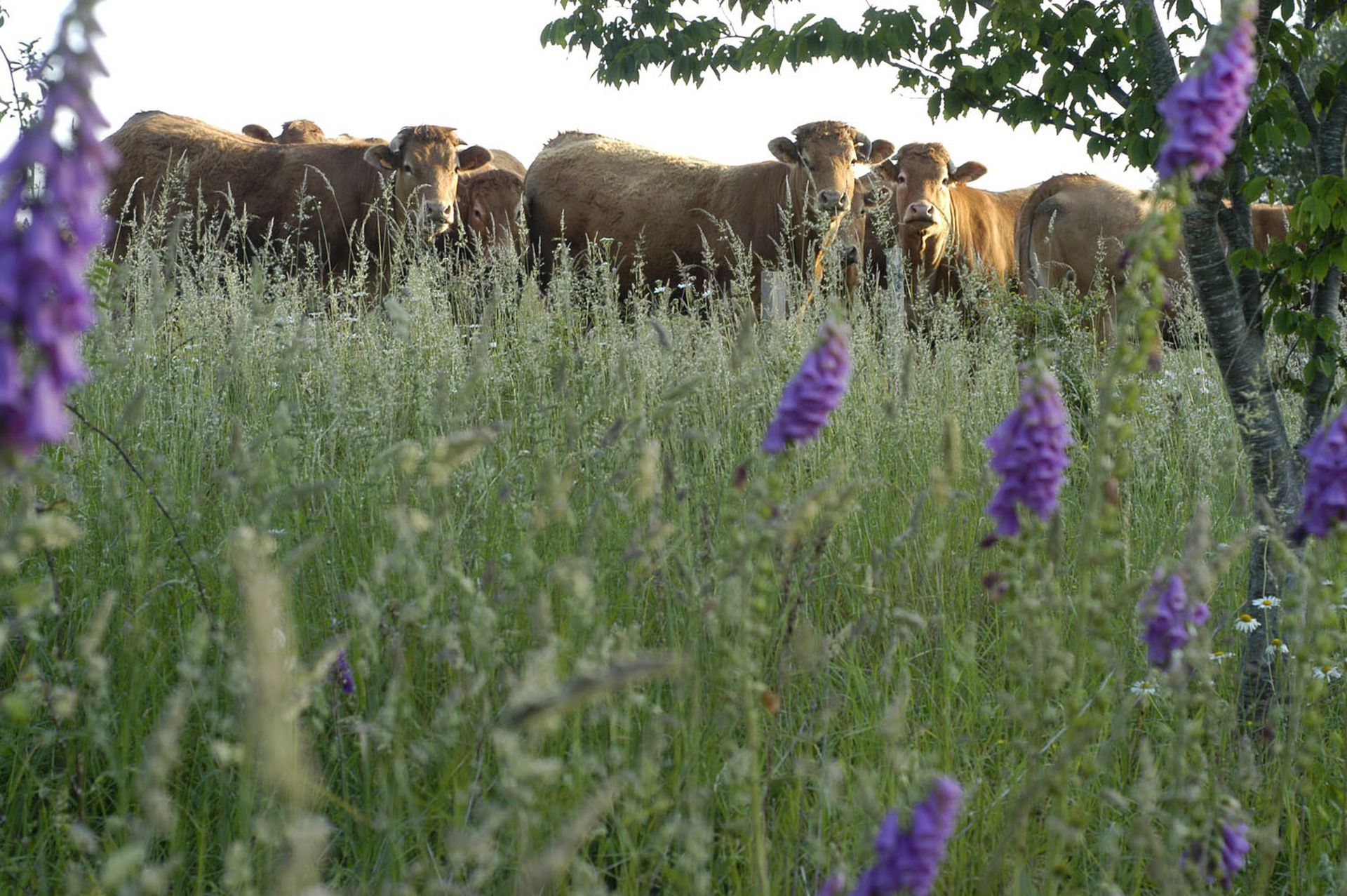
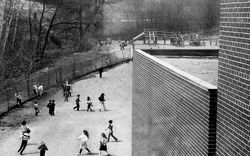
Gilles Clément, Photograph from Gilles Clément & Philippe Rahm: Environment: Approaches for Tomorrow, 2006. Digital Photography. CCA © CCA
The role of humans in the environment is to understand how it functions, and to promote its continued functioning. Since man is just one species among the great diversity of species in nature, he cannot hope to intervene and to exploit this diversity without jeopardising the mechanisms of interaction among the many forms of life on the planet. Nature itself is inherently inventive, and all life forms have the capacity for self-transformation. Transformative encounters among life forms on earth occur by means of an elaborate system of messages, what one might call an “exchange of information.” The reception of these messages always promotes diversification, which favours superiority, and there is always a new development or innnovation that makes itself felt at many different levels. As far as behaviour, physiology, biology, and appearance are concerned, something always occurs that cannot be predicated. There is in nature, as with the weather, a theory of chaos, and I find very pleasing that which is unpredictable, that which we cannot completely anticipate in our predictions of what will happen tomorrow. One can only project or hypothesise, knowing that nature will frustrate any hypothesis we put forward.
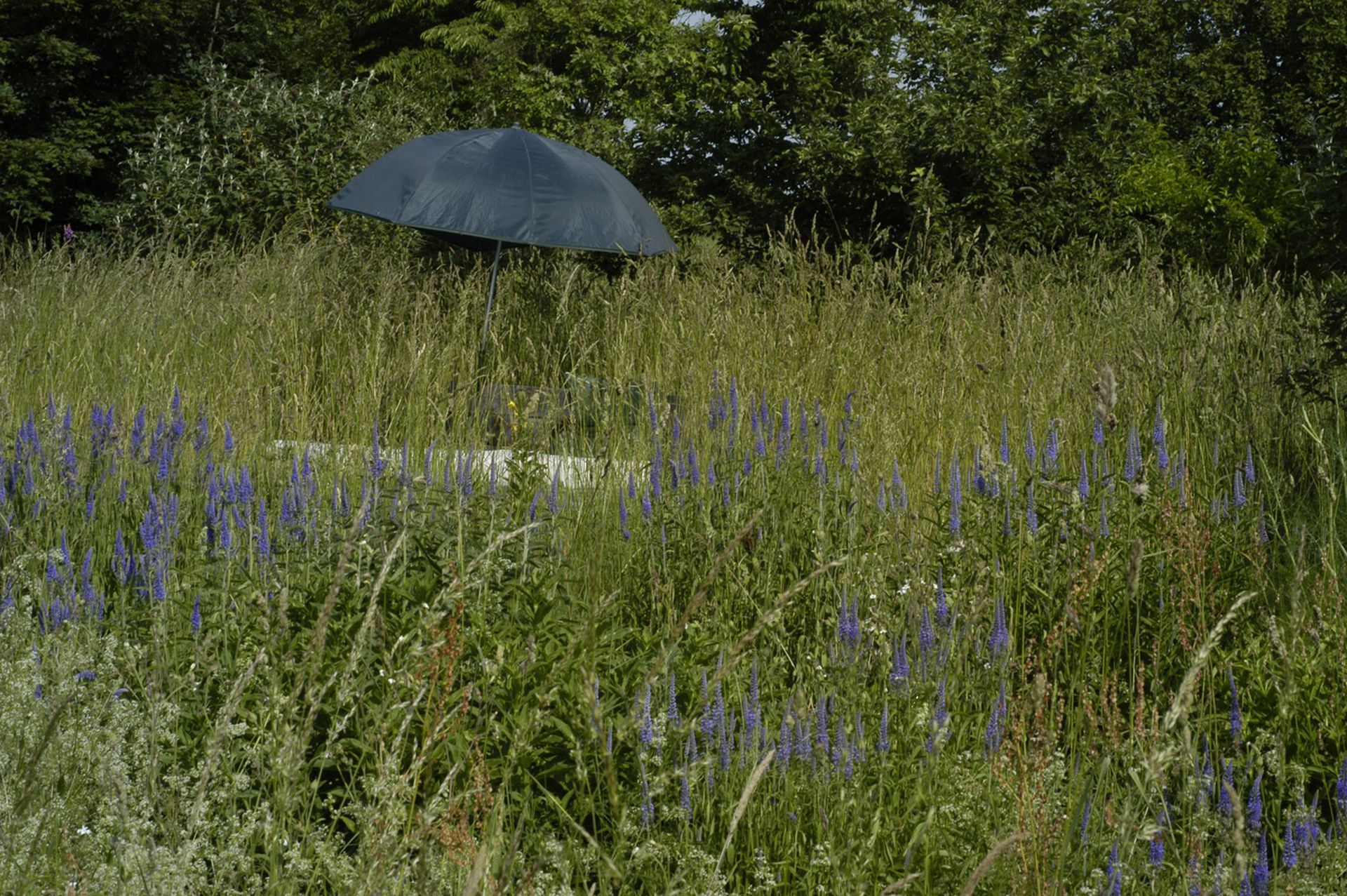
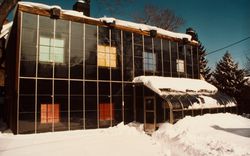
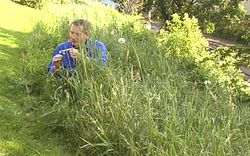
Gilles Clément, Outtakes from Gilles Clément & Philippe Rahm: Environment: Approaches for Tomorrow, 2006. Digital Photography. CCA © CCA
The Tiers paysage, or third landscape, as I define it, unfolds within and enlarges two concepts that have been formulated in my work over the last decades: on one hand, the simple concept of the jardin en mouvement or evolving garden,1 which emerged out of the approach to my gardens in the Creuse Valley, in Limousin, and on the other hand, the jardin planétaire,2 or planetary garden, a more political project exploring the relation between humanity and the environment as a coherent system, which was the basis for an exhibition for La Villette in Paris, in 1999-2000. The manifesto on the third landscape was based on the notion that the undeveloped plot or leftover fragment of the jardin planétaire is the refuge of the earth’s biodiversity, and thus our biological future.3 Such spaces are found everywhere in the world. Every rural or urban development venture, however technically accomplished and in whatever spirit of land use, generates some wasted space that awaits a future use.
-
See Gilles Clément, “La friche apprivoisée,” Urbanisme 209 (September 1985): 91–95, and the various editions of Le Jardin en mouvement: de la Vallée au parc André-Citroën (Paris: Sens & Tonka, 1994)(Translator’s note: There is not an English equivalent for “jardin en mouvement” which captures the rich meaning of Clément’s term, and thus we have rendered it in French throughout the text.) ↩
-
See Gilles Clément, Le Jardin planétaire: Réconcilier l’homme et la nature (Paris: Albin Michel, 1999). ↩
-
See Gilles Clément, Manifeste du Tiers paysage (Paris: Éditions Sujet/Objet, 2004). ↩
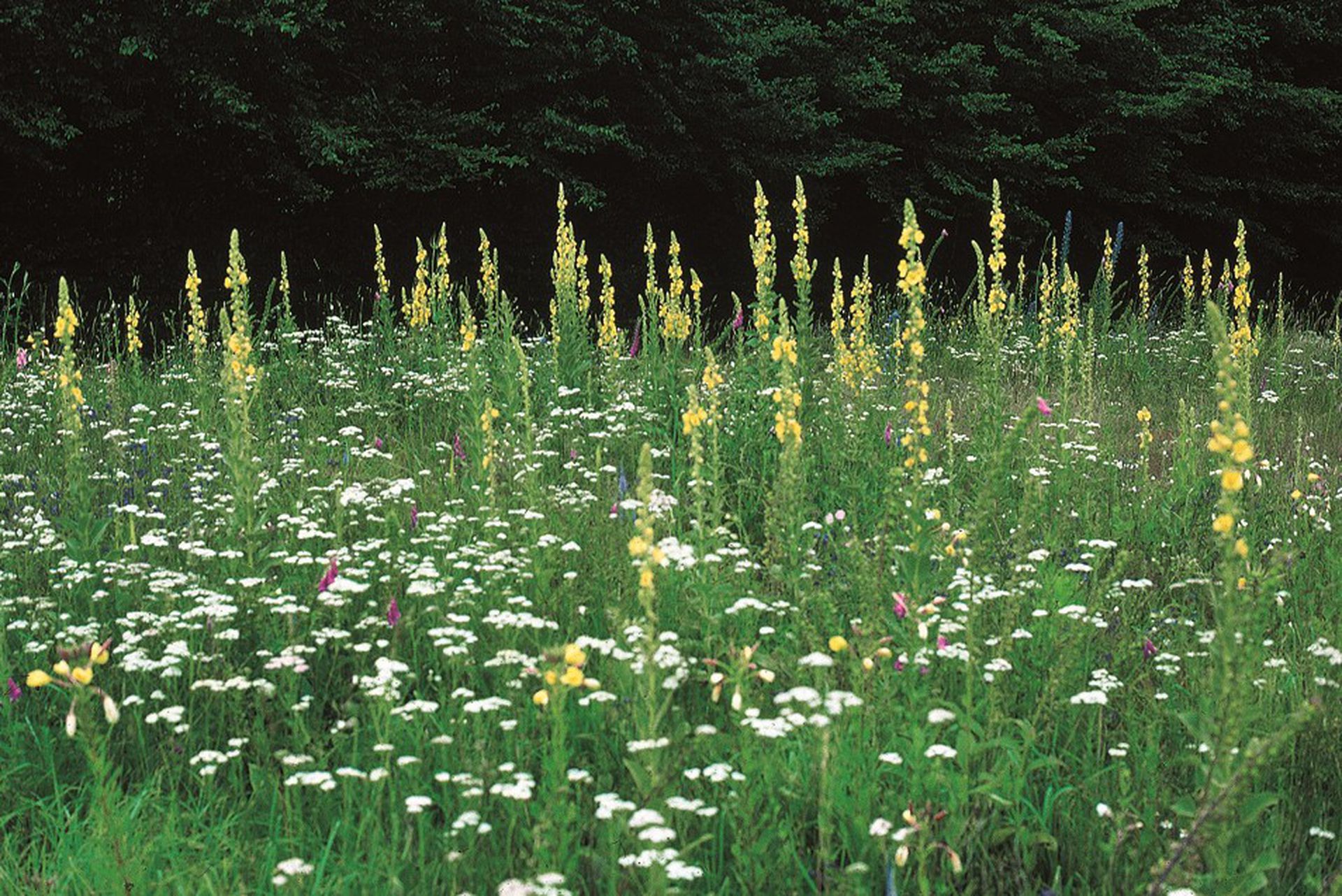
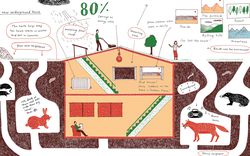
Gilles Clément, Outtakes from Gilles Clément & Philippe Rahm: Environment: Approaches for Tomorrow, 2006. Digital Photography. CCA © CCA
Although the third landscape concept was born deep in the countryside, at Vassivière-en-Limousin, in France, it is in the city–realm of contemporary development par excellence—that it is more likely to appear, because it is intrinsically related to the evolution of urban space itself. The status of the fragment or leftover created by demolition and destined for rebuilding or redevelopment is, in effect, temporary. The diversity to be found in such a place is thus constantly under threat, and its precariousness gives it scarcity value.There are essentially three types of third landscape spaces:1 the délaissé or abandoned place, formerly exploited as agricultural, industrial, urban or touristic space–délaissé being synonymous with the notion of friche, untended or fallow; the réserve, a place never exploited, whether by chance, or because physical inaccessibility makes it too costly to develop; and the ensemble primaire, land or space set aside and protected by administrative decree.
-
Clément, Manifeste du Tiers paysage, pp. 9f. ↩
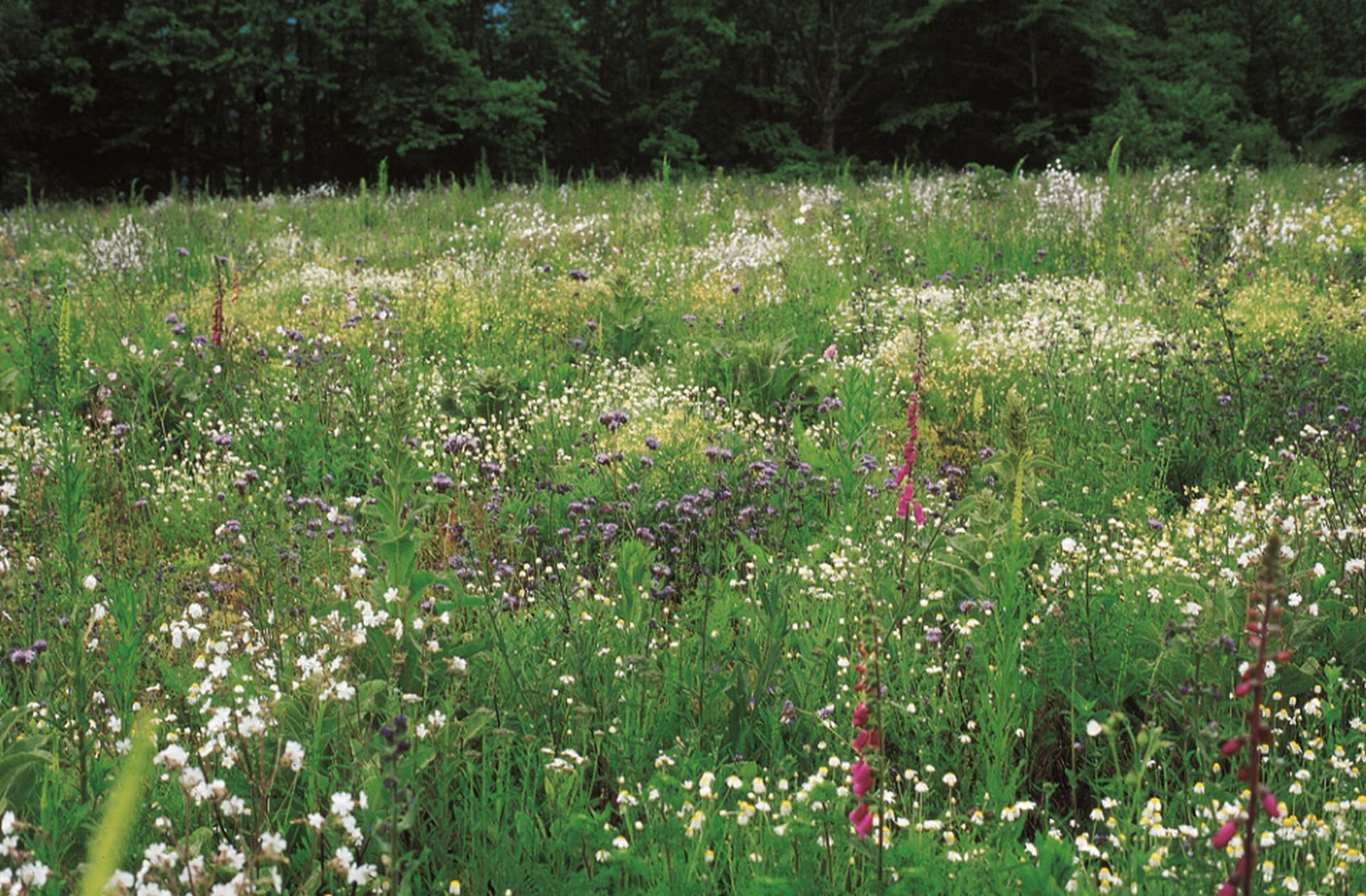
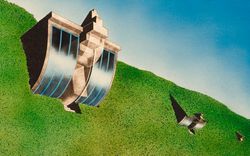
Gilles Clément, Outtakes from Gilles Clément & Philippe Rahm: Environment: Approaches for Tomorrow, 2006. Digital Photography. CCA © CCA
In particular, the genre of urban space I call délaissé, which is literally inserted into the contemporary urban fabric, can be seen as something that belongs to the city which is not worthless, but rather, from a political point of view, something positive, even a great asset. It is not a garden, but a place that welcomes diversity, and when regarded from this perspective, it takes on another importance. It is no longer a place abandoned to rubbish and weeds, but becomes a sort of reservoir or “biological time capsule” for the future. To the extent that such a place has the capacity to welcome diversity, it harbours the genetic patrimony of humankind.


