


7552 Résultats
Niveau de description archivistique:
Projet
Projet
Numéro de référence:
AP056.S1.1995.PR02
Description:
This project series documents the Providence Healthcare Centre in Scarborough, Ontario from 1995-2000. The office identified the project number as 9504. This project, headed by Marianne McKenna in joint-venture with Montgomery and Sisam Architects, consisted of a long-term care facility on the Healthcare Centre campus located at the corner of St. Clair East and Warden Avenues. The facility diverged from the traditional institutional model to house 288 residents in a more residential setting. Bay windows, porches and chimneys were borrowed from residential architecture to contribute to this effect. The "houses," accommodating 18 residents each, were four-storeys high and arranged in two L-shaped wings with landscaped gardens in their interior courtyards. A double-height Great Hall joined the two volumes at the building's centre, which was built to house a variety of social and recreational activities for the residents. A chapel, hair salon, café and general store were also included. The project was also known as the Cardinal Ambrozic Houses of Providence. The project is recorded through drawings and presentation watercolour paintings dating from 1995-1999. The drawings are mostly originals and include a large number of sketches along with presentation renderings, plans, elevations, sections, perspectives and details.
AP056.S1.1995.PR02
Description:
This project series documents the Providence Healthcare Centre in Scarborough, Ontario from 1995-2000. The office identified the project number as 9504. This project, headed by Marianne McKenna in joint-venture with Montgomery and Sisam Architects, consisted of a long-term care facility on the Healthcare Centre campus located at the corner of St. Clair East and Warden Avenues. The facility diverged from the traditional institutional model to house 288 residents in a more residential setting. Bay windows, porches and chimneys were borrowed from residential architecture to contribute to this effect. The "houses," accommodating 18 residents each, were four-storeys high and arranged in two L-shaped wings with landscaped gardens in their interior courtyards. A double-height Great Hall joined the two volumes at the building's centre, which was built to house a variety of social and recreational activities for the residents. A chapel, hair salon, café and general store were also included. The project was also known as the Cardinal Ambrozic Houses of Providence. The project is recorded through drawings and presentation watercolour paintings dating from 1995-1999. The drawings are mostly originals and include a large number of sketches along with presentation renderings, plans, elevations, sections, perspectives and details.
Personnes et institutions:
Titre:
Providence Healthcare Centre, Scarborough, Ontario (1995-2000)
Actions:
AP056.S1.1995.PR02
Description:
This project series documents the Providence Healthcare Centre in Scarborough, Ontario from 1995-2000. The office identified the project number as 9504. This project, headed by Marianne McKenna in joint-venture with Montgomery and Sisam Architects, consisted of a long-term care facility on the Healthcare Centre campus located at the corner of St. Clair East and Warden Avenues. The facility diverged from the traditional institutional model to house 288 residents in a more residential setting. Bay windows, porches and chimneys were borrowed from residential architecture to contribute to this effect. The "houses," accommodating 18 residents each, were four-storeys high and arranged in two L-shaped wings with landscaped gardens in their interior courtyards. A double-height Great Hall joined the two volumes at the building's centre, which was built to house a variety of social and recreational activities for the residents. A chapel, hair salon, café and general store were also included. The project was also known as the Cardinal Ambrozic Houses of Providence. The project is recorded through drawings and presentation watercolour paintings dating from 1995-1999. The drawings are mostly originals and include a large number of sketches along with presentation renderings, plans, elevations, sections, perspectives and details.
Providence Healthcare Centre, Scarborough, Ontario (1995-2000)
Actions:
AP056.S1.1995.PR02
Description:
This project series documents the Providence Healthcare Centre in Scarborough, Ontario from 1995-2000. The office identified the project number as 9504. This project, headed by Marianne McKenna in joint-venture with Montgomery and Sisam Architects, consisted of a long-term care facility on the Healthcare Centre campus located at the corner of St. Clair East and Warden Avenues. The facility diverged from the traditional institutional model to house 288 residents in a more residential setting. Bay windows, porches and chimneys were borrowed from residential architecture to contribute to this effect. The "houses," accommodating 18 residents each, were four-storeys high and arranged in two L-shaped wings with landscaped gardens in their interior courtyards. A double-height Great Hall joined the two volumes at the building's centre, which was built to house a variety of social and recreational activities for the residents. A chapel, hair salon, café and general store were also included. The project was also known as the Cardinal Ambrozic Houses of Providence. The project is recorded through drawings and presentation watercolour paintings dating from 1995-1999. The drawings are mostly originals and include a large number of sketches along with presentation renderings, plans, elevations, sections, perspectives and details.
Niveau de description archivistique:
Project
Project
Personnes et institutions:
Classification:
photographies
Quantité:
24 photograph(s)
photographies
Quantité:
24 photograph(s)
Numéro de référence:
ARCH186588
Description:
mostly small format views of European voyage, including group portrait of Desbarats, Arthur Erickson and Leo Roy having lunch, urban and rural landscapes, architectural details
ARCH186588
Description:
mostly small format views of European voyage, including group portrait of Desbarats, Arthur Erickson and Leo Roy having lunch, urban and rural landscapes, architectural details
Personnes et institutions:
Titre:
Small format views of European voyage, including group portrait of Desbarats
Actions:
ARCH186588
Description:
mostly small format views of European voyage, including group portrait of Desbarats, Arthur Erickson and Leo Roy having lunch, urban and rural landscapes, architectural details
Small format views of European voyage, including group portrait of Desbarats
Actions:
ARCH186588
Description:
mostly small format views of European voyage, including group portrait of Desbarats, Arthur Erickson and Leo Roy having lunch, urban and rural landscapes, architectural details
Classification:
photographies
Quantité:
24 photograph(s)
photographies
Quantité:
24 photograph(s)
Personnes et institutions:
Niveau de description archivistique:
Projet
Projet
Numéro de référence:
AP018.S1.1963.PR01
Description:
This project series documents the Place du Canada office building in Montreal from 1963-1967. The office identified the project number as 63M4. This project was commissioned by Canadian Pacific Investments and consisted of a 27-storey skyscraper with a penthouse and 5 levels of parking, located at the corners of St. Antoine and Windsor (modern day Peel) Streets. The building totaled 581,500 square feet and was built onto the historic Château Champlain hotel at its base where the two buildings shared a podium. It also included a plaza level with landscaped outdoor areas. The project is recorded through drawings, textual records and a presentation photo board dating from around 1966-1967. The drawings are all sets of reprographic copies of architectural, structural, electrical and mechanical drawings, while the textual records consist of specifications.
AP018.S1.1963.PR01
Description:
This project series documents the Place du Canada office building in Montreal from 1963-1967. The office identified the project number as 63M4. This project was commissioned by Canadian Pacific Investments and consisted of a 27-storey skyscraper with a penthouse and 5 levels of parking, located at the corners of St. Antoine and Windsor (modern day Peel) Streets. The building totaled 581,500 square feet and was built onto the historic Château Champlain hotel at its base where the two buildings shared a podium. It also included a plaza level with landscaped outdoor areas. The project is recorded through drawings, textual records and a presentation photo board dating from around 1966-1967. The drawings are all sets of reprographic copies of architectural, structural, electrical and mechanical drawings, while the textual records consist of specifications.
Personnes et institutions:
Date:
1966
1966
Titre:
Place du Canada Office Building, Montreal (1963-1967)
Actions:
AP018.S1.1963.PR01
Description:
This project series documents the Place du Canada office building in Montreal from 1963-1967. The office identified the project number as 63M4. This project was commissioned by Canadian Pacific Investments and consisted of a 27-storey skyscraper with a penthouse and 5 levels of parking, located at the corners of St. Antoine and Windsor (modern day Peel) Streets. The building totaled 581,500 square feet and was built onto the historic Château Champlain hotel at its base where the two buildings shared a podium. It also included a plaza level with landscaped outdoor areas. The project is recorded through drawings, textual records and a presentation photo board dating from around 1966-1967. The drawings are all sets of reprographic copies of architectural, structural, electrical and mechanical drawings, while the textual records consist of specifications.
Place du Canada Office Building, Montreal (1963-1967)
Actions:
AP018.S1.1963.PR01
Description:
This project series documents the Place du Canada office building in Montreal from 1963-1967. The office identified the project number as 63M4. This project was commissioned by Canadian Pacific Investments and consisted of a 27-storey skyscraper with a penthouse and 5 levels of parking, located at the corners of St. Antoine and Windsor (modern day Peel) Streets. The building totaled 581,500 square feet and was built onto the historic Château Champlain hotel at its base where the two buildings shared a podium. It also included a plaza level with landscaped outdoor areas. The project is recorded through drawings, textual records and a presentation photo board dating from around 1966-1967. The drawings are all sets of reprographic copies of architectural, structural, electrical and mechanical drawings, while the textual records consist of specifications.
Niveau de description archivistique:
Project
Project
Date:
1966
1966
Personnes et institutions:
Classification:
photographies
photographies
Numéro de référence:
DR2012:0012:080:001
Description:
Box containing slides, including 20 architectural drawings and sketches, possibly by students, and a set depicting American landscapes. Original folder inscribed in black ink: ORIGINAL SLIDES 1960's REPRO
DR2012:0012:080:001
Description:
Box containing slides, including 20 architectural drawings and sketches, possibly by students, and a set depicting American landscapes. Original folder inscribed in black ink: ORIGINAL SLIDES 1960's REPRO
Personnes et institutions:
Date:
n.d.
n.d.
Titre:
Reference photographs of buildings in Montréal
Actions:
DR2012:0012:080:001
Description:
Box containing slides, including 20 architectural drawings and sketches, possibly by students, and a set depicting American landscapes. Original folder inscribed in black ink: ORIGINAL SLIDES 1960's REPRO
Reference photographs of buildings in Montréal
Actions:
DR2012:0012:080:001
Description:
Box containing slides, including 20 architectural drawings and sketches, possibly by students, and a set depicting American landscapes. Original folder inscribed in black ink: ORIGINAL SLIDES 1960's REPRO
Classification:
photographies
photographies
Date:
n.d.
n.d.
Personnes et institutions:
Niveau de description archivistique:
Projet
Projet
Titre:
Cottage High Legh
Cottage High Legh
Numéro de référence:
AP144.S2.D29
Description:
File documents an executed project for a gamekeeper's cottage next to a pheasantry in High Legh, Cheshire, England, to replace an existing dilapidated lodge. An early alternative proposal shows a scheme for renovating the existing building. Inexpensive materials and simple construction methods were specified in order to cut costs; local builders could be engaged to construct the cottage ('Architectural Design', January 1971, p. 35). Price also designed an addition for Cottage, High Legh (1977) which was not constructed (AP144.S2.D104). Preliminary plans and sketches include details for windows, a custom built-in cabinet, wall sections, and perspectives. Design development drawings include developed details including ones for a custom-designed fireplace, site axonometric, axonometric of cottage exterior, interior perspective of dining room, and exterior perspective showing front entrance. Working drawings are almost complete, and include survey notes and drawings of the existing lodge; site and floor plans, sections, and elevations; details for a fireplace, cloakroom and metalwork; a schedule for windows, doors, and the interior finishes; an axonometric for the roof; and a landscaping plan. The project was published in "Cedric Price Supplement No. 2", 'Architectural Design', vol. 41, (January 1971), 35, and in Price, Cedric. 'Cedric Price-Works II' (London: Architectural Press, 1984), 36, 51, 113. Material in this file was produced between 1961 - 1983, and predominantly between 1961 - 1965. File contains, design development drawings, working drawings, photographic material, and textual records.
AP144.S2.D29
Description:
File documents an executed project for a gamekeeper's cottage next to a pheasantry in High Legh, Cheshire, England, to replace an existing dilapidated lodge. An early alternative proposal shows a scheme for renovating the existing building. Inexpensive materials and simple construction methods were specified in order to cut costs; local builders could be engaged to construct the cottage ('Architectural Design', January 1971, p. 35). Price also designed an addition for Cottage, High Legh (1977) which was not constructed (AP144.S2.D104). Preliminary plans and sketches include details for windows, a custom built-in cabinet, wall sections, and perspectives. Design development drawings include developed details including ones for a custom-designed fireplace, site axonometric, axonometric of cottage exterior, interior perspective of dining room, and exterior perspective showing front entrance. Working drawings are almost complete, and include survey notes and drawings of the existing lodge; site and floor plans, sections, and elevations; details for a fireplace, cloakroom and metalwork; a schedule for windows, doors, and the interior finishes; an axonometric for the roof; and a landscaping plan. The project was published in "Cedric Price Supplement No. 2", 'Architectural Design', vol. 41, (January 1971), 35, and in Price, Cedric. 'Cedric Price-Works II' (London: Architectural Press, 1984), 36, 51, 113. Material in this file was produced between 1961 - 1983, and predominantly between 1961 - 1965. File contains, design development drawings, working drawings, photographic material, and textual records.
Personnes et institutions:
Date:
1961-1983, predominant 1961-1965
1961-1983, predominant 1961-1965
Titre:
Cottage High Legh
Actions:
AP144.S2.D29
Description:
File documents an executed project for a gamekeeper's cottage next to a pheasantry in High Legh, Cheshire, England, to replace an existing dilapidated lodge. An early alternative proposal shows a scheme for renovating the existing building. Inexpensive materials and simple construction methods were specified in order to cut costs; local builders could be engaged to construct the cottage ('Architectural Design', January 1971, p. 35). Price also designed an addition for Cottage, High Legh (1977) which was not constructed (AP144.S2.D104). Preliminary plans and sketches include details for windows, a custom built-in cabinet, wall sections, and perspectives. Design development drawings include developed details including ones for a custom-designed fireplace, site axonometric, axonometric of cottage exterior, interior perspective of dining room, and exterior perspective showing front entrance. Working drawings are almost complete, and include survey notes and drawings of the existing lodge; site and floor plans, sections, and elevations; details for a fireplace, cloakroom and metalwork; a schedule for windows, doors, and the interior finishes; an axonometric for the roof; and a landscaping plan. The project was published in "Cedric Price Supplement No. 2", 'Architectural Design', vol. 41, (January 1971), 35, and in Price, Cedric. 'Cedric Price-Works II' (London: Architectural Press, 1984), 36, 51, 113. Material in this file was produced between 1961 - 1983, and predominantly between 1961 - 1965. File contains, design development drawings, working drawings, photographic material, and textual records.
Cottage High Legh
Actions:
AP144.S2.D29
Description:
File documents an executed project for a gamekeeper's cottage next to a pheasantry in High Legh, Cheshire, England, to replace an existing dilapidated lodge. An early alternative proposal shows a scheme for renovating the existing building. Inexpensive materials and simple construction methods were specified in order to cut costs; local builders could be engaged to construct the cottage ('Architectural Design', January 1971, p. 35). Price also designed an addition for Cottage, High Legh (1977) which was not constructed (AP144.S2.D104). Preliminary plans and sketches include details for windows, a custom built-in cabinet, wall sections, and perspectives. Design development drawings include developed details including ones for a custom-designed fireplace, site axonometric, axonometric of cottage exterior, interior perspective of dining room, and exterior perspective showing front entrance. Working drawings are almost complete, and include survey notes and drawings of the existing lodge; site and floor plans, sections, and elevations; details for a fireplace, cloakroom and metalwork; a schedule for windows, doors, and the interior finishes; an axonometric for the roof; and a landscaping plan. The project was published in "Cedric Price Supplement No. 2", 'Architectural Design', vol. 41, (January 1971), 35, and in Price, Cedric. 'Cedric Price-Works II' (London: Architectural Press, 1984), 36, 51, 113. Material in this file was produced between 1961 - 1983, and predominantly between 1961 - 1965. File contains, design development drawings, working drawings, photographic material, and textual records.
Niveau de description archivistique:
File 29
File 29
Date:
1961-1983, predominant 1961-1965
1961-1983, predominant 1961-1965
Personnes et institutions:
Classification:
événements
événements
Titre:
Le rôle élargi: SITU
Le rôle élargi: SITU
Actions:
Description:
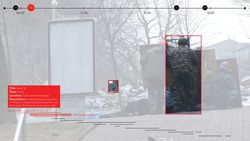
Bradley Samuels présente le travail récent de SITU Research et le rôle joué par la recherche au sein de la pratique de SITU dans son ensemble. Une série d’études de cas sera présentée, explorant le rôle élargi de la pratique architecturale et spatiale à travers un éventail de domaines, des droits humains à la politique publique, de la science de la terre au design(...)
Bradley Samuels présente le travail récent de SITU Research et le rôle joué par la recherche au sein de la pratique de SITU dans son ensemble. Une série d’études de cas sera présentée, explorant le rôle élargi de la pratique architecturale et spatiale à travers un éventail de domaines, des droits humains à la politique publique, de la science de la terre au design(...)
Localisation:
Théâtre Paul-Desmarais
Théâtre Paul-Desmarais
Date:
14 janvier 2016
14 janvier 2016
Titre:
Le rôle élargi: SITU
Actions:
Description:
Bradley Samuels présente le travail récent de SITU Research et le rôle joué par la recherche au sein de la pratique de SITU dans son ensemble. Une série d’études de cas sera présentée, explorant le rôle élargi de la pratique architecturale et spatiale à travers un éventail de domaines, des droits humains à la politique publique, de la science de la terre au design(...)
Le rôle élargi: SITU
Actions:
Description:
Bradley Samuels présente le travail récent de SITU Research et le rôle joué par la recherche au sein de la pratique de SITU dans son ensemble. Une série d’études de cas sera présentée, explorant le rôle élargi de la pratique architecturale et spatiale à travers un éventail de domaines, des droits humains à la politique publique, de la science de la terre au design(...)
Classification:
événements
événements
Date:
14 janvier 2016
14 janvier 2016
Localisation:
Théâtre Paul-Desmarais
Théâtre Paul-Desmarais
Niveau de description archivistique:
Série(s)
Série(s)
Numéro de référence:
AP178.S2
Description:
Series AP178.S2 consists of over 280 of Siza’s personal sketchbooks, beginning from the late 1970s to the beginning of the early 2000s. The sketchbooks mostly contain sketches with some notes and are numbered chronologically. Indicated on the front cover of each sketchbook are the sketchbook number and the architectural project(s) and/or the geographic site(s) documented by the sketches and notes. The sketchbooks are mostly black notebooks and measure 21 x 30 cm, with a few exceptions. Most sketchbooks contain notes in Portuguese while some also include French and English notes. The sketchbooks document Siza’s creative process and demonstrate his unique method to comprehend an architectural project. Siza mentions that in the early stages of a project he immediately begins to draw, regardless of if he has knowledge of all the details and problems. The sketchbooks document the evolution of Siza's projects and also serve as a type of log. Not only does each sketchbook contain various sketches and notes for projects Siza was working on but also schedules, contacts, and drafts of letters. Among the sketches for projects are also general sketches of his travels, people, animals, objects, furniture, and at times landscapes. Most sketchbooks primarily contain sketches for projects with intermingled sketches of people or faces, however there are a number of sketchbooks that mostly contain sketches of people. The Siza fonds is being processed in four phases. Up to date the sketchbooks that have been processed are ones that relate to architectural projects that were processed in the first and second phase of processing. This includes projects from 1950’s, 1960’s, and 1970’s; urban planning projects; Reconstrução do Chiado; Berlin projects submitted to the IBA competition; and the Plano de urbanização Deelgebied 5 Schilderswijk-West in The Hague. However, it is important to note that the sketchbooks usually contain sketches related to multiple projects and therefore the sketchbooks that were processed also contain sketches related to projects not included in this list.
AP178.S2
Description:
Series AP178.S2 consists of over 280 of Siza’s personal sketchbooks, beginning from the late 1970s to the beginning of the early 2000s. The sketchbooks mostly contain sketches with some notes and are numbered chronologically. Indicated on the front cover of each sketchbook are the sketchbook number and the architectural project(s) and/or the geographic site(s) documented by the sketches and notes. The sketchbooks are mostly black notebooks and measure 21 x 30 cm, with a few exceptions. Most sketchbooks contain notes in Portuguese while some also include French and English notes. The sketchbooks document Siza’s creative process and demonstrate his unique method to comprehend an architectural project. Siza mentions that in the early stages of a project he immediately begins to draw, regardless of if he has knowledge of all the details and problems. The sketchbooks document the evolution of Siza's projects and also serve as a type of log. Not only does each sketchbook contain various sketches and notes for projects Siza was working on but also schedules, contacts, and drafts of letters. Among the sketches for projects are also general sketches of his travels, people, animals, objects, furniture, and at times landscapes. Most sketchbooks primarily contain sketches for projects with intermingled sketches of people or faces, however there are a number of sketchbooks that mostly contain sketches of people. The Siza fonds is being processed in four phases. Up to date the sketchbooks that have been processed are ones that relate to architectural projects that were processed in the first and second phase of processing. This includes projects from 1950’s, 1960’s, and 1970’s; urban planning projects; Reconstrução do Chiado; Berlin projects submitted to the IBA competition; and the Plano de urbanização Deelgebied 5 Schilderswijk-West in The Hague. However, it is important to note that the sketchbooks usually contain sketches related to multiple projects and therefore the sketchbooks that were processed also contain sketches related to projects not included in this list.
Personnes et institutions:
Date:
1978-1993
1978-1993
Titre:
Sketchbooks
Actions:
AP178.S2
Description:
Series AP178.S2 consists of over 280 of Siza’s personal sketchbooks, beginning from the late 1970s to the beginning of the early 2000s. The sketchbooks mostly contain sketches with some notes and are numbered chronologically. Indicated on the front cover of each sketchbook are the sketchbook number and the architectural project(s) and/or the geographic site(s) documented by the sketches and notes. The sketchbooks are mostly black notebooks and measure 21 x 30 cm, with a few exceptions. Most sketchbooks contain notes in Portuguese while some also include French and English notes. The sketchbooks document Siza’s creative process and demonstrate his unique method to comprehend an architectural project. Siza mentions that in the early stages of a project he immediately begins to draw, regardless of if he has knowledge of all the details and problems. The sketchbooks document the evolution of Siza's projects and also serve as a type of log. Not only does each sketchbook contain various sketches and notes for projects Siza was working on but also schedules, contacts, and drafts of letters. Among the sketches for projects are also general sketches of his travels, people, animals, objects, furniture, and at times landscapes. Most sketchbooks primarily contain sketches for projects with intermingled sketches of people or faces, however there are a number of sketchbooks that mostly contain sketches of people. The Siza fonds is being processed in four phases. Up to date the sketchbooks that have been processed are ones that relate to architectural projects that were processed in the first and second phase of processing. This includes projects from 1950’s, 1960’s, and 1970’s; urban planning projects; Reconstrução do Chiado; Berlin projects submitted to the IBA competition; and the Plano de urbanização Deelgebied 5 Schilderswijk-West in The Hague. However, it is important to note that the sketchbooks usually contain sketches related to multiple projects and therefore the sketchbooks that were processed also contain sketches related to projects not included in this list.
Sketchbooks
Actions:
AP178.S2
Description:
Series AP178.S2 consists of over 280 of Siza’s personal sketchbooks, beginning from the late 1970s to the beginning of the early 2000s. The sketchbooks mostly contain sketches with some notes and are numbered chronologically. Indicated on the front cover of each sketchbook are the sketchbook number and the architectural project(s) and/or the geographic site(s) documented by the sketches and notes. The sketchbooks are mostly black notebooks and measure 21 x 30 cm, with a few exceptions. Most sketchbooks contain notes in Portuguese while some also include French and English notes. The sketchbooks document Siza’s creative process and demonstrate his unique method to comprehend an architectural project. Siza mentions that in the early stages of a project he immediately begins to draw, regardless of if he has knowledge of all the details and problems. The sketchbooks document the evolution of Siza's projects and also serve as a type of log. Not only does each sketchbook contain various sketches and notes for projects Siza was working on but also schedules, contacts, and drafts of letters. Among the sketches for projects are also general sketches of his travels, people, animals, objects, furniture, and at times landscapes. Most sketchbooks primarily contain sketches for projects with intermingled sketches of people or faces, however there are a number of sketchbooks that mostly contain sketches of people. The Siza fonds is being processed in four phases. Up to date the sketchbooks that have been processed are ones that relate to architectural projects that were processed in the first and second phase of processing. This includes projects from 1950’s, 1960’s, and 1970’s; urban planning projects; Reconstrução do Chiado; Berlin projects submitted to the IBA competition; and the Plano de urbanização Deelgebied 5 Schilderswijk-West in The Hague. However, it is important to note that the sketchbooks usually contain sketches related to multiple projects and therefore the sketchbooks that were processed also contain sketches related to projects not included in this list.
Niveau de description archivistique:
Series
Series
Date:
1978-1993
1978-1993
Personnes et institutions:
Niveau de description archivistique:
Série(s)
Série(s)
Titre:
Projects
Projects
Numéro de référence:
AP198.S1
Description:
Series consists of records documenting two of Kivi Sotamaa and OCEAN North’s projects: the Open Arena – Töölö Football Stadium and the Terra Cultura – Jyväskylä Music and Art Centre. Both projects were international architectural competitions worked on concurrently in 1997. The collaborative process around these projects allowed exploring design methods through the usage of digital tools. Records, for the most part, consist of digital files and show the design process for both projects. In discussions with Greg Lynn, Johan Bettum and Kivi Sotamaa have expressed that they had broached Töölö as a landscape and Jyväskylä as a cloud. Altogether, this vision is visible in the digital drawings for both projects, although more predominantly in the Jyväskylä records which also includes detailed plans. For both projects, digital drawings and models were created using CAD software (Microstation, form*Z, 3D Studio). Many drawings were saved exclusively as raster or vector images. Project records include physical drawings. For Töölö, drawings show mainly the work on the shape of the structure and include printouts from CAD drawings. These are partial plans and sections. The records for Jyväskylä include sections and plans of the different levels of the building as well as an annotated sketch. Textual records in Series 2 provide more context for the design process and the creation and use of methodologies such as particle streaming, used in the design process for Jyväskylä, and Channelling Systems, used in the design process for Töölö. Sources: Greg Lynn, ed. Archaeology of the Digital 17: OCEAN North, Jyväskylä Music and Arts Centre, Montréal: Canadian Centre for Architecture, 2017. ePub.
AP198.S1
Description:
Series consists of records documenting two of Kivi Sotamaa and OCEAN North’s projects: the Open Arena – Töölö Football Stadium and the Terra Cultura – Jyväskylä Music and Art Centre. Both projects were international architectural competitions worked on concurrently in 1997. The collaborative process around these projects allowed exploring design methods through the usage of digital tools. Records, for the most part, consist of digital files and show the design process for both projects. In discussions with Greg Lynn, Johan Bettum and Kivi Sotamaa have expressed that they had broached Töölö as a landscape and Jyväskylä as a cloud. Altogether, this vision is visible in the digital drawings for both projects, although more predominantly in the Jyväskylä records which also includes detailed plans. For both projects, digital drawings and models were created using CAD software (Microstation, form*Z, 3D Studio). Many drawings were saved exclusively as raster or vector images. Project records include physical drawings. For Töölö, drawings show mainly the work on the shape of the structure and include printouts from CAD drawings. These are partial plans and sections. The records for Jyväskylä include sections and plans of the different levels of the building as well as an annotated sketch. Textual records in Series 2 provide more context for the design process and the creation and use of methodologies such as particle streaming, used in the design process for Jyväskylä, and Channelling Systems, used in the design process for Töölö. Sources: Greg Lynn, ed. Archaeology of the Digital 17: OCEAN North, Jyväskylä Music and Arts Centre, Montréal: Canadian Centre for Architecture, 2017. ePub.
Personnes et institutions:
Date:
1997
1997
Titre:
Projects
Actions:
AP198.S1
Description:
Series consists of records documenting two of Kivi Sotamaa and OCEAN North’s projects: the Open Arena – Töölö Football Stadium and the Terra Cultura – Jyväskylä Music and Art Centre. Both projects were international architectural competitions worked on concurrently in 1997. The collaborative process around these projects allowed exploring design methods through the usage of digital tools. Records, for the most part, consist of digital files and show the design process for both projects. In discussions with Greg Lynn, Johan Bettum and Kivi Sotamaa have expressed that they had broached Töölö as a landscape and Jyväskylä as a cloud. Altogether, this vision is visible in the digital drawings for both projects, although more predominantly in the Jyväskylä records which also includes detailed plans. For both projects, digital drawings and models were created using CAD software (Microstation, form*Z, 3D Studio). Many drawings were saved exclusively as raster or vector images. Project records include physical drawings. For Töölö, drawings show mainly the work on the shape of the structure and include printouts from CAD drawings. These are partial plans and sections. The records for Jyväskylä include sections and plans of the different levels of the building as well as an annotated sketch. Textual records in Series 2 provide more context for the design process and the creation and use of methodologies such as particle streaming, used in the design process for Jyväskylä, and Channelling Systems, used in the design process for Töölö. Sources: Greg Lynn, ed. Archaeology of the Digital 17: OCEAN North, Jyväskylä Music and Arts Centre, Montréal: Canadian Centre for Architecture, 2017. ePub.
Projects
Actions:
AP198.S1
Description:
Series consists of records documenting two of Kivi Sotamaa and OCEAN North’s projects: the Open Arena – Töölö Football Stadium and the Terra Cultura – Jyväskylä Music and Art Centre. Both projects were international architectural competitions worked on concurrently in 1997. The collaborative process around these projects allowed exploring design methods through the usage of digital tools. Records, for the most part, consist of digital files and show the design process for both projects. In discussions with Greg Lynn, Johan Bettum and Kivi Sotamaa have expressed that they had broached Töölö as a landscape and Jyväskylä as a cloud. Altogether, this vision is visible in the digital drawings for both projects, although more predominantly in the Jyväskylä records which also includes detailed plans. For both projects, digital drawings and models were created using CAD software (Microstation, form*Z, 3D Studio). Many drawings were saved exclusively as raster or vector images. Project records include physical drawings. For Töölö, drawings show mainly the work on the shape of the structure and include printouts from CAD drawings. These are partial plans and sections. The records for Jyväskylä include sections and plans of the different levels of the building as well as an annotated sketch. Textual records in Series 2 provide more context for the design process and the creation and use of methodologies such as particle streaming, used in the design process for Jyväskylä, and Channelling Systems, used in the design process for Töölö. Sources: Greg Lynn, ed. Archaeology of the Digital 17: OCEAN North, Jyväskylä Music and Arts Centre, Montréal: Canadian Centre for Architecture, 2017. ePub.
Niveau de description archivistique:
Series
Series
Date:
1997
1997
Personnes et institutions:
Classification:
archives
Niveau de description archivistique:
Fonds
archives
Niveau de description archivistique:
Fonds
Titre:
Bernard Cache fonds
Bernard Cache fonds
Numéro de référence:
AP169
Résumé:
Bernard Cache, fonds, 1991-2011, document the development and design process for the Objectile firm and its decorative panels and furniture. The records focus mostly on daily activities of the firm, the collaboration of principal Bernard Cache with TopSolid software, and his parallel academic work. The records consist solely of original born-digital material.
AP169
Résumé:
Bernard Cache, fonds, 1991-2011, document the development and design process for the Objectile firm and its decorative panels and furniture. The records focus mostly on daily activities of the firm, the collaboration of principal Bernard Cache with TopSolid software, and his parallel academic work. The records consist solely of original born-digital material.
Personnes et institutions:
Date:
1992-2011
1992-2011
Titre:
Bernard Cache fonds
Actions:
AP169
Résumé:
Bernard Cache, fonds, 1991-2011, document the development and design process for the Objectile firm and its decorative panels and furniture. The records focus mostly on daily activities of the firm, the collaboration of principal Bernard Cache with TopSolid software, and his parallel academic work. The records consist solely of original born-digital material.
Bernard Cache fonds
Actions:
AP169
Résumé:
Bernard Cache, fonds, 1991-2011, document the development and design process for the Objectile firm and its decorative panels and furniture. The records focus mostly on daily activities of the firm, the collaboration of principal Bernard Cache with TopSolid software, and his parallel academic work. The records consist solely of original born-digital material.
Classification:
archives
Niveau de description archivistique:
Fonds
archives
Niveau de description archivistique:
Fonds
Date:
1992-2011
1992-2011
Personnes et institutions:
Classification:
événements
événements
Titre:
Materiality of Parkour
Materiality of Parkour
Actions:
Description:
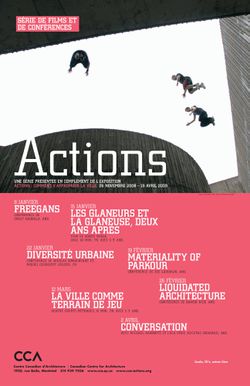
Zoe Laughlin, ingénieure, artiste et théoricienne, s’exprime sur l’utilisation inédite des bâtiments et du mobilier urbain qu’engendre la pratique du parkour, une activité qui réinterprète le paysage urbain. Ses réflexions portent essentiellement sur la matérialité de la vie quotidienne, sur la manière dont se comporte la matière, sur ses qualités sensorielles, et sur la(...)
Zoe Laughlin, ingénieure, artiste et théoricienne, s’exprime sur l’utilisation inédite des bâtiments et du mobilier urbain qu’engendre la pratique du parkour, une activité qui réinterprète le paysage urbain. Ses réflexions portent essentiellement sur la matérialité de la vie quotidienne, sur la manière dont se comporte la matière, sur ses qualités sensorielles, et sur la(...)
Localisation:
Théâtre Paul-Desmarais
Théâtre Paul-Desmarais
Date:
19 février 2009
19 février 2009
Titre:
Materiality of Parkour
Actions:
Description:
Zoe Laughlin, ingénieure, artiste et théoricienne, s’exprime sur l’utilisation inédite des bâtiments et du mobilier urbain qu’engendre la pratique du parkour, une activité qui réinterprète le paysage urbain. Ses réflexions portent essentiellement sur la matérialité de la vie quotidienne, sur la manière dont se comporte la matière, sur ses qualités sensorielles, et sur la(...)
Materiality of Parkour
Actions:
Description:
Zoe Laughlin, ingénieure, artiste et théoricienne, s’exprime sur l’utilisation inédite des bâtiments et du mobilier urbain qu’engendre la pratique du parkour, une activité qui réinterprète le paysage urbain. Ses réflexions portent essentiellement sur la matérialité de la vie quotidienne, sur la manière dont se comporte la matière, sur ses qualités sensorielles, et sur la(...)
Classification:
événements
événements
Date:
19 février 2009
19 février 2009
Localisation:
Théâtre Paul-Desmarais
Théâtre Paul-Desmarais


