






Media Environments: Architecture and Communication Networks
Nathalie Bredella on architecture’s first encounter with media theory
The following text is an excerpt from Nathalie Bredella’s essay “In the Midst of Things: Architecture’s Encounter with Digital Technology, Media Theory, and Material Culture,” originally published in When is the Digital in Architecture?.
During the 1990s, significant discussion about architecture and media took place at newly founded media art institutes, focusing on the expanding impact of media technologies on perception and experience, as well as on representation and communication. This discussion led to the recognition of architecture as a form of media, and to the recognition of inter-media processes in architectural design.
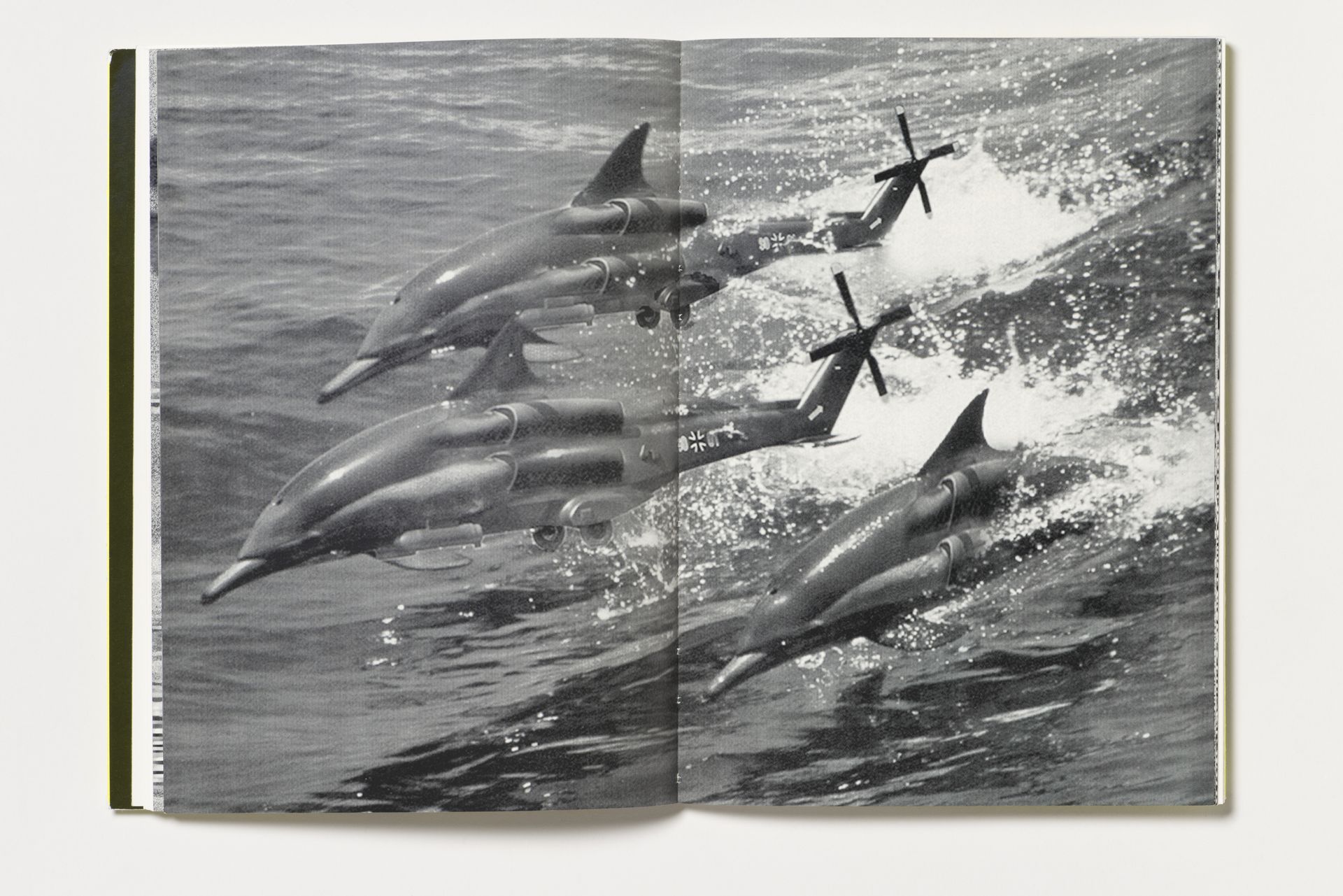
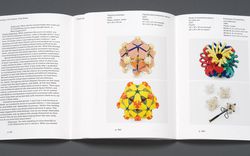
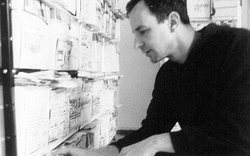
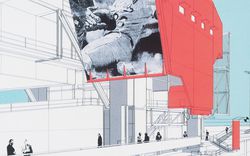
Lars Spuybroek, Image published in NOX: Biotech, Amsterdam, 1992. BIB 226488. CCA © NOX
V2_ Institute for the Unstable Media was one of the leading sites for interdisciplinary research in the emerging field of media technologies, and the work of V2_ provides a good opportunity to understand the media, art, theory and design context of the 1990s. Founded as an art collective in 1981, V2_ was dedicated to the development of multimedia work.1 In opposition to existing exhibition practices, artists at V2_ moved across media to combine music, video, sound and visual art. The happenings at V2_ pointed toward the multidisciplinary nature of media practices, and how perception was related to social, economic and environmental change. By the 1990s, in response to the development and proliferation of digital technologies, V2_ acted as a site at which practitioners and thinkers grappled with the role of digital media in design, while continuing to foreground architecture’s relationship with other media and with other disciplines and fields of knowledge. Architects at V2_ reflected on how technology underpinned architectural thinking. They focused on visualization and communication techniques, and on the way in which technological change affected design strategies and the relationship between human and non-human actors. When architects connected with media theory and art at V2_, they questioned the politics and aesthetics of technological systems and addressed architecture’s participation in the social and spatial transformations of the 1990s.
-
On the history of V2_. With the opening of the V2_Lab as an interdisciplinary workspace in 1998, V2_ expanded its activities to include research and practice. ↩
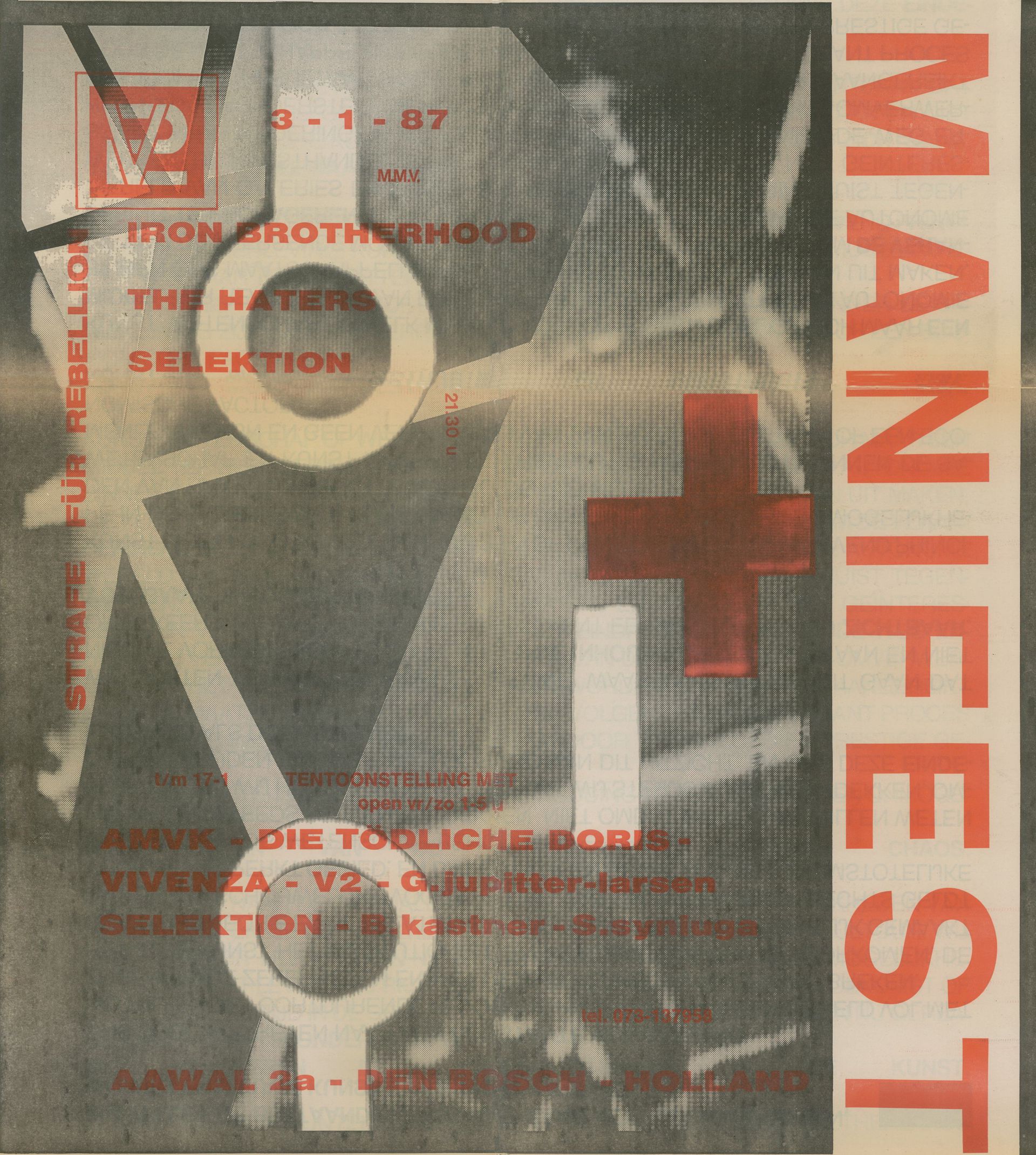
V2_ Institute for the Unstable Media. Manifesto for Unstable Media, cover, 1986. © V2_ Lab for the Unstable Media
In 1986 V2_ published a first “Manifesto” which called for new exhibition practices that would be better suited to dealing with the constant change inherent in electronic media.1 In response to the transformation in information technology, V2_ considered instability as characteristic of new media, and focused its research on making temporal changes and interactions productive in cultural practices. Rather than working with known categories of art, artists at V2_ saw the potential of the changing dynamics of space-time relations as a means to establish new hierarchies based on interactions that could only stabilize temporarily. To manifest their manifesto, so to speak, between 1987 and 1993 V2_ carried out a program of “manifestations” intended to stimulate interaction between architecture, technology and society. In this context the impact of technology on communication, the configuration of space and the challenges these posed for design became part of a debate that brought together media theory and architecture.2
-
The Manifesto was published as an advertisement in the Dutch national newspaper de Volskrant; “Manifest,” V2_ Lab for the Unstable Media. ↩
-
Among the theoreticians participating in the events during the 1990s were philosophers Brian Massumi, architectural theorist Bart Lootsma, and historian N. Katherine Hayles. See “DEAF98 Symposium,” V2_ Lab for the Unstable Media; and Andreas Broeckmann et al., eds., The Art of the Accident (Rotterdam: NAI Publishers and V2_ Organisatie, 1998). ↩
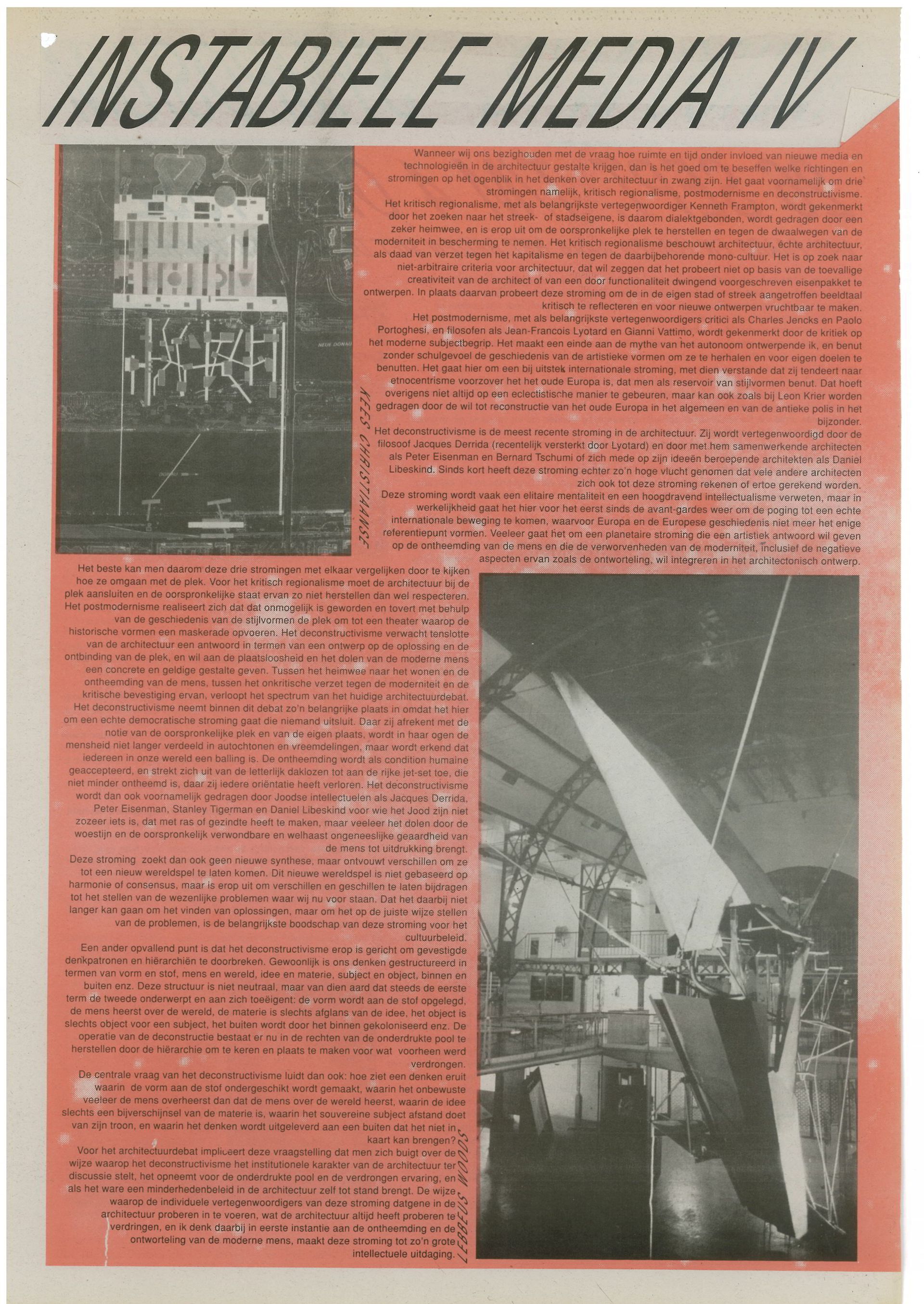
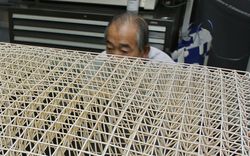
Manifestations for Unstable media, featuring installations Kees Christianse (upper left) and Lebbeus Woods (lower right), 1992. © V2_ Lab for the Unstable Media
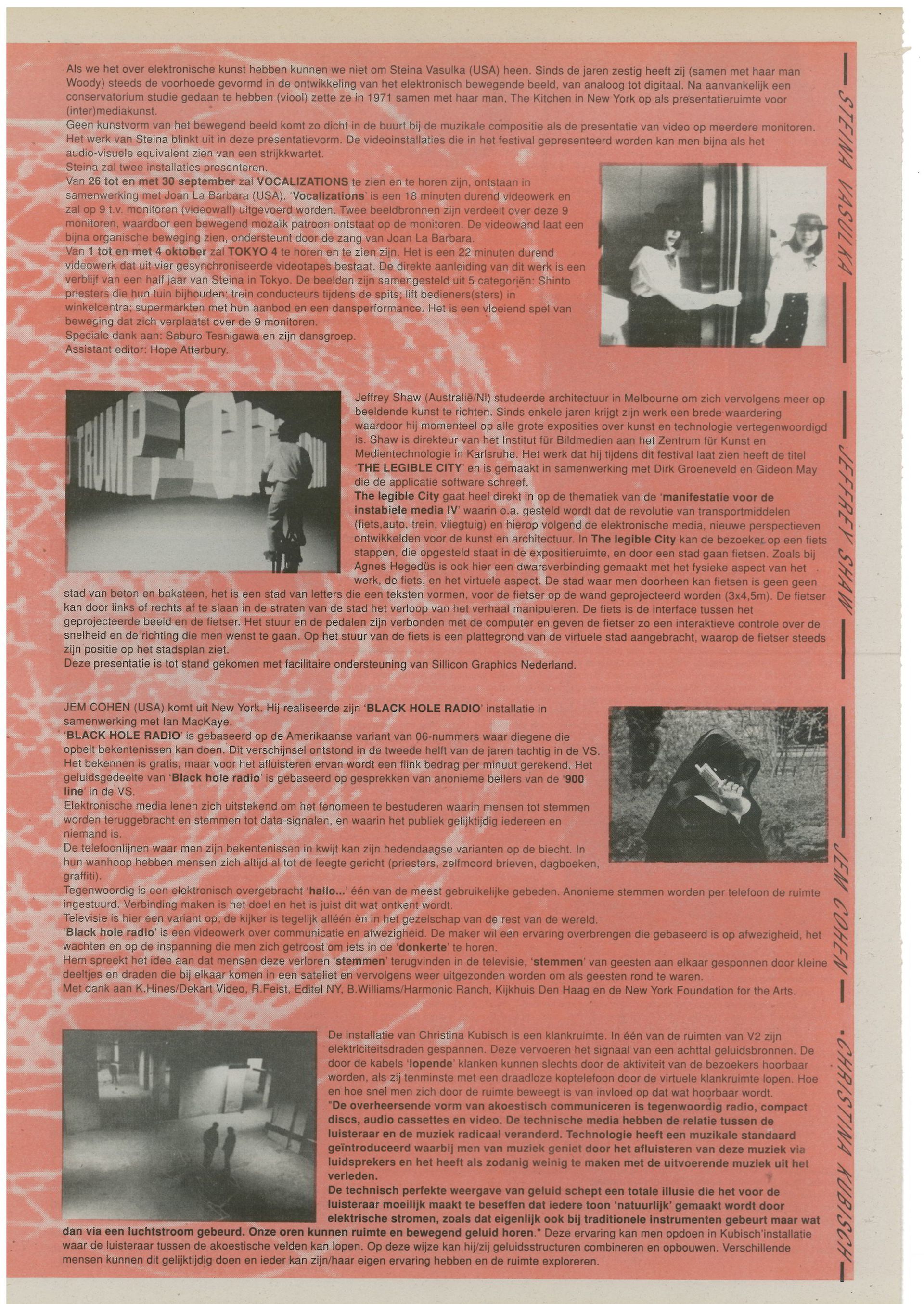
Manifestations for Unstable Media, featuring work by Steina Vasulka, Jeffrey Shaw, Jem Cohen, and Christina Kubisch, 1992. © V2_ Lab for the Unstable Media
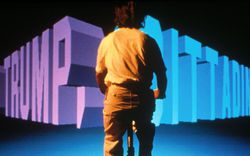
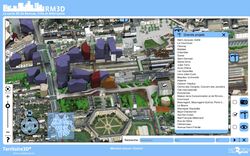
A growing interest in communication and visualization techniques inspired many of the works shown at the Manifestation for Unstable Media 4 at V2_ in 1992, in particular two exhibitions with a special focus on urbanism and architecture: Interactive Art Works and Scale Models: Architectural Ballistic, Fire and Forget.1 Artist Jeffrey Shaw’s Legible City in Interactive Art Works probed different possibilities for action within a virtual environment. The work made use of a three-dimensional structure within which the viewer could move, navigating multiple relationships between images and thus defining architecture as malleable. This interactive space, a dimensional database of the virtual image, revealed itself in relation to the specific position and orientation of the user and, depending on actions, could be repeatedly reconstructed.2 In a similar vein Scale Models: Architectural Ballistic, Fire and Forget addressed the tension between the materiality of architecture and its transformation via projected images. In cooperation with TU Eindhoven, architects displayed models that aimed at destabilizing the architectural object. Using different media, the models in the exhibition interwove concrete spatial situations and visual projections, resulting in space-melding installations. This relationship between communication technology and physical space was also the subject of a symposium in Manifestation 4 that focused on the interdependency of the visible and invisible networks of the city.3 In his lecture for Manifestation 4, “The Secret of the White Box,” Lebbeus Woods presented his concept of “free spaces” and “free zones,” highlighting architecture’s role as an instrument for social transformation. Woods addressed urban “conflict zones,” exploring urban systems in cities, particularly Berlin before and after the fall of the Wall.4 He identified spaces that provided evidence of social and political conflict, and that had been marked by either the division or the destruction of the urban fabric. Imagining a novel type of space, his drawings and collages of dynamic architectural forms were intended to introduce spaces within the strictures of existing buildings. Woods characterized these spaces as being “functionally ambiguous” and, in order to preserve their independence, they had to remain hidden from the “controlling gaze of authorities.”5 Electronic telecommunication knots connected these “free spaces,” forming interstitial networks of communication within the built environment. Manifestation events such as Woods’s lecture were central to V2_’s attempts to frame architecture’s relationship to politics and communication, as well as architecture’s intersection with electronic media.
-
See “Manifestation for the Unstable Media 4,” V2_ Lab for the Unstable Media. ↩
-
The manifestation was moderated by architectural theorist Wim Nijenhuis, and participants included architects Kees Christiaanse, Daniel Libeskind and Lebbeus Woods, and theorists Florian Rötzer and Derrick de Kerckhove. See “Manifestation 4 – Symposium,” V2_ Lab for the Unstable Media. ↩
-
Woods’s project One Berlin (1990) for Berlin’s Mitte after the fall of the Wall—in opposition to real-estate projects intended to mask the gaps between city parts—introduced a loosely knit network of spaces, where new forms of experimental living could be explored. See Lebbeus Woods, “Taking on Risk: Nine Experimental Scenarios,” in Lebbeus Woods: Experimental Architecture, ed. Tracy Myers (Pittsburgh: Carnegie Museum of Art, The Heinz Architectural Center, 2004), 24. ↩
-
On Woods’s presentation “The Secret of the White Box,” see “Manifestation 4 – Symposium,” V2_ Lab for the Unstable Media. ↩
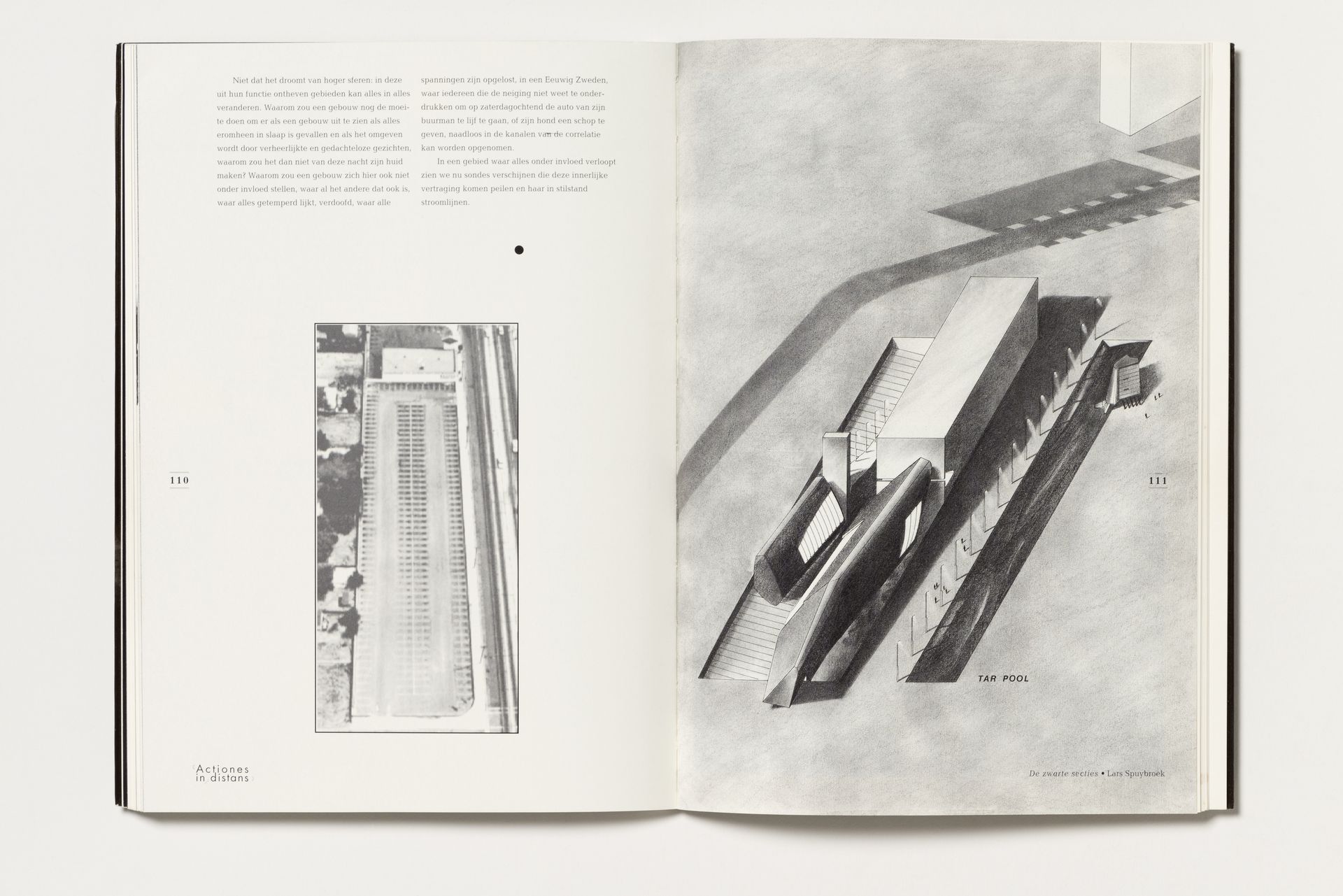
Lars Spuybroek, “De Zwarte Secties.” Spread from NOX: Actiones in distans, Amsterdam, 1992. BIB 226487. CCA © NOX
Architect Lars Spuybroek and his office, NOX, are essential to understanding the happenings at V2_ and, more generally, the dialogue on architecture and media that was shaped by collaborative projects at media art institutes in the 1990s. NOX played a crucial role in V2_’s activities, fostering debate on both the cultural potentials and the stakes of architecture’s engagement with digital technology. NOX grew out of the magazine NOX, which Spuybroek and Maurice Nio edited between 1991 and 1995.1 The magazine was created when the interests of formerly distinct disciplines as diverse as architecture, biology and neurophysiology began to overlap. Consequently, the magazine’s subjects were tackled from many angles, and its content included stories, visual essays, facts and speculations about culture and technology. The issues—Actiones in Distans (1991), Biotech (1992), Chloroform (1993) and Djihad (1995)—introduced readers to media theorists and included texts by Jean Baudrillard and Paul Virilio in Dutch translation. NOX’s involvement with V2_ brought architecture more directly into dialogue with media discourse, and the resulting knowledge practices framed emerging inter-media relationships within architecture.
-
Greg Lynn, ed., Lars Spuybroek, H2Oexpo (Montreal: Canadian Centre for Architecture, 2015). ↩
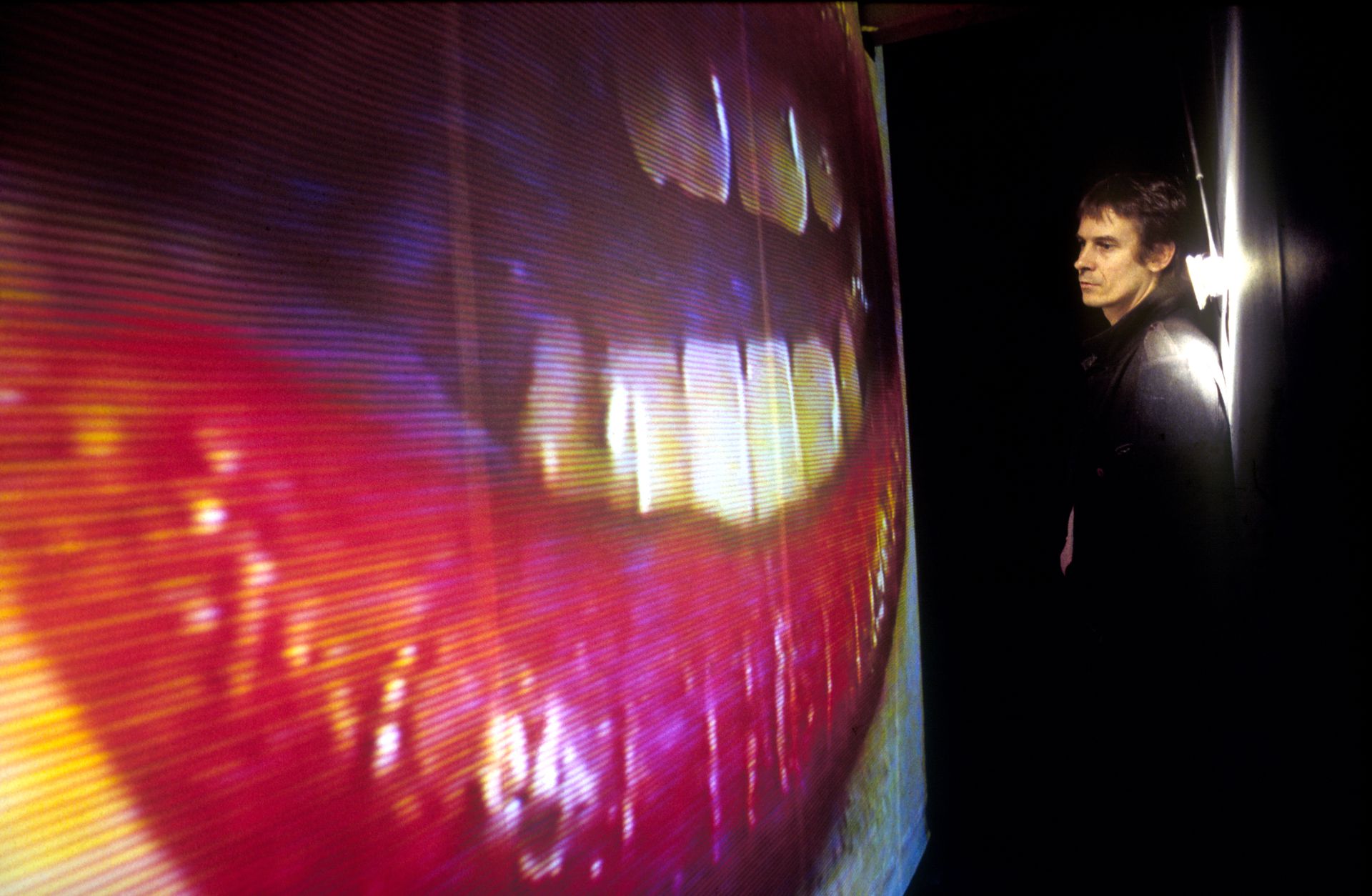
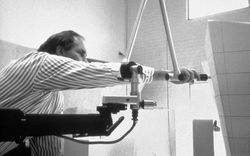
Alex Adriaansen, co-founder of V2_ , at an installation of Diller + Scofidio’s Soft Sell, as part of Prosthetics: From Extensions to Ecstasy, 1993. Courtesy V2_Lab for the Unstable Media © Jan Sprij
In 1993 NOX and V2_ carried out the event Prosthetics: From Extensions to Ecstasy, which included an exhibition, lectures and a performance. The exhibition featured architects Elizabeth Diller and Ricardo Scofidio, who worked with built space using audio, video, sound and film projections to reveal how social, technological, and economic forces governed daily behaviour. They presented their video installation Soft Sell, which had originally been shown in an abandoned pornographic theatre on 42nd Street in New York. Soft Sell addressed “the production of ‘desire’ in relation to several forms of ‘urban currency’ specific to the site: bodies, real estate, and tourism.”1 Diller also gave a lecture, entitled “Designing in Architecture and Industry,” which dealt with the interdependence of economic and mechanical production, as well as with methods of transportation and how these methods impacted design. Diller and Scofidio’s work across media and disciplines engaged with questions of instability by drawing attention to the cultural diffusion of architecture, as well as to architecture’s mediating power. Through collaborative projects such as these, V2_ drew wider attention to the social significance of architecture as media.
-
Elizabeth Diller and Ricardo Scofidio, Flesh: Architectural Probes (New York: Princeton Architectural Press, 1993), 252. ↩


